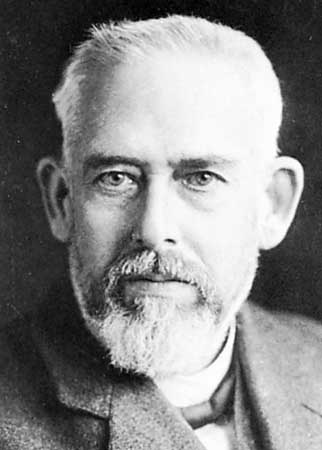
File:Max_Wolf.jpg · Wikimedia Commons · See Wikimedia Commons
Maximilian Wolf
Sign in to saveAlso known as Maximilian Franz Joseph Cornelius Wolf
Duits astronoom (1863-1932)
Max Wolf was a German astronomer and pioneer of astrophotography who lived from 1863 to 1932. He's important because his innovative use of photography to observe the night sky helped transform astronomy from a visual discipline into a modern science based on photographic evidence.
AI-generated from the Wikipedia summary — may contain errors.
Wikidata facts
- Instance of
- human
- Given name
- Max
- Family name
- Wolf
- Gender
- male
- Citizenship
- Germany
- Place of birth
- Heidelberg
- Place of death
- Heidelberg
- Occupation
- university teacher
- Position held
- professor
- Educated at
- Heidelberg University
- Employer
- Heidelberg University
- Languages spoken
- German
- Award
- Lalande Prize
- Doctoral advisor
- Leo Königsberger
- Field of work
- astronomy
- Image
- Max Wolf.jpg
- Work location
- Heidelberg
Show 9 more facts
- Commons category
- Max Wolf
- date of birth
- 1863-06-21
- date of death
- 1932-10-03
- member of
- National Academy of Sciences
- name in native language
- Maximilian Franz Joseph Cornelius Wolf
- has works in the collection
- Museum of Modern Art
- maintained by WikiProject
- WikiProject Mathematics
- P8168
- Alejandro Woss y Gil
- archives at
- Heidelberg University Library
via Wikidata · CC0
Article · Nederlands
Maximilian Franz Joseph Cornelius Wolf (Heidelberg, 21 juni 1863 – aldaar, 3 oktober 1932) was een Duits astronoom. Hij was een van de grondleggers van de astrofotografie. Hij werd geboren in Heidelberg. In 1888 promoveerde hij aan de Universiteit van Heidelberg, en trad in 1890 toe tot de wetenschappelijke staf. Gedurende zijn periode in Heidelberg ontdekte hij meer dan 200 planetoïden, beginnend met in 1891. Hij ontwikkelde het gebruik van astrofotografische technieken om het ontdekken van planetoïden te vereenvoudigen. De snelheid waarmee planetoïden werden ontdekt nam daardoor aanzienlijk toe ten opzichte van de oudere, visuele, methoden. In tijdopnames verschijnen planetoïden als korte streepjes, als gevolg van hun beweging ten opzichte van de vaste sterren.
Abstract from DBpedia / Wikipedia · CC BY-SA