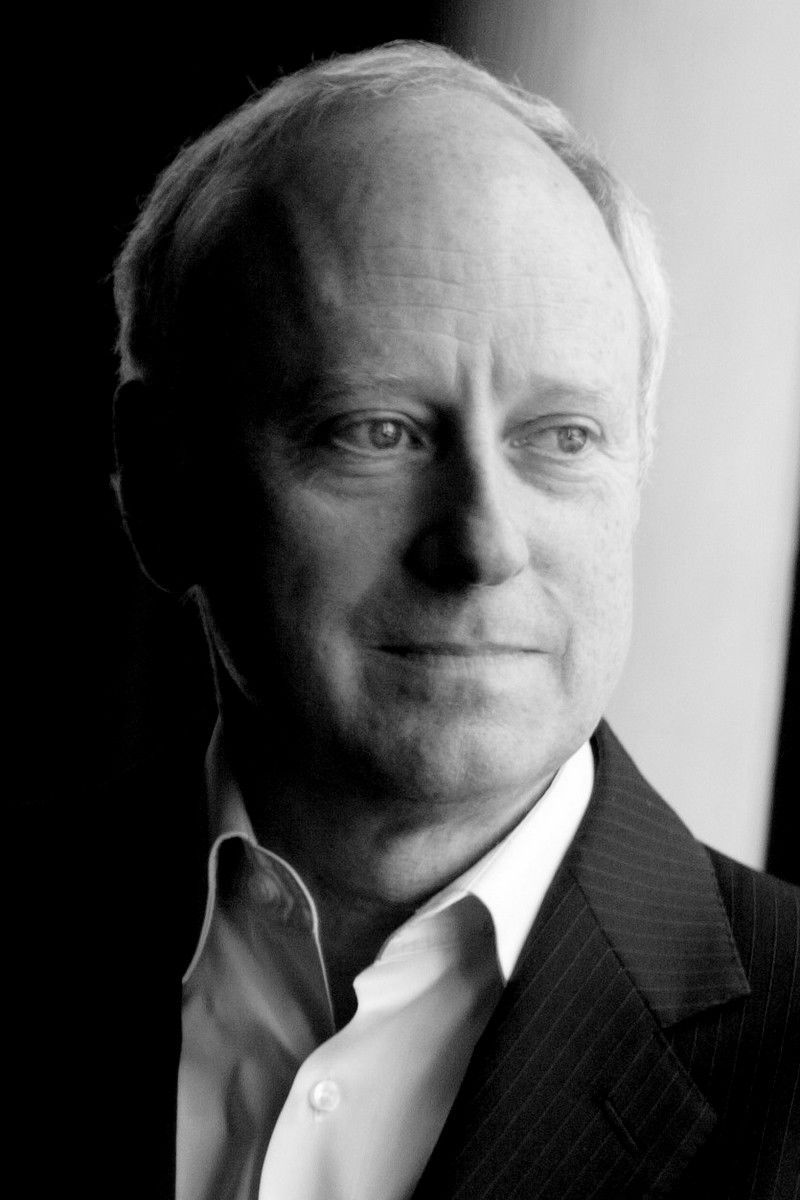
Profile via TMDB · Courtesy of TMDB
Michael Sandel
Sign in to saveAlso known as Michael J. Sandel, Michael Joseph Sandel
American political philosopher
OverviewAI-generated
Michael Sandel is an American political scientist, writer, and university teacher born in Minneapolis in 1953. He serves as a professor at Harvard University and works in the field of political philosophy. Sandel is influenced by John Rawls and adheres to the political ideology of communitarianism. He holds a Doctor of Philosophy degree and was educated at Brandeis University and Balliol College.
His notable work includes the book *Justice: What's the Right Thing to Do?*. Sandel has received several awards, including the Princess of Asturias Award for Social Sciences, the Rhodes Scholarship, and recognition as one of the FP Top 100 Global Thinkers. He is a Fellow of the American Academy of Arts and Sciences and a member of the Phi Beta Kappa Society. His doctoral advisors were G. E. M. Anscombe and Isaiah Berlin.
Synthesized by Vinony from 30 facts across 4 sources: Wikidata, Open Library, TMDb, Vinony collections. Generated from structured data (not the Wikipedia text) and checked against those facts — may still contain errors.
Person · Open Library
- Born
- 1953
- Works
- 35
Top works
- A Tirania Do Merito - O que aconteceu com o bem comum
- Brainwash
- Zheng yi
- Die moralischen Grenzen des Marktes
- La tiranía del mérito
via Open Library + Wikidata
Film & TV
Minneapolis, Minnesota, United States
Known for
- Great Minds — Self2021
- What's the Right Thing to Do? — Self - Philosopher2017
- Justice — Self2009
via TMDB
Key facts
- Born
- Michael Joseph Sandel , ( 1953-03-05 ) March 5, 1953 (age 73) , Minneapolis , Minnesota, U.S.
- Awards
- American Academy of Arts and Sciences (2002)
- Education
- Brandeis University ( BA ) Balliol College, Oxford ( DPhil )
- Thesis
- Liberalism and the Problem of the Moral Subject (1980)
- Doctoral advisor
- Charles Taylor
- Era
- Contemporary philosophy
- Region
- Western philosophy
- School
- Analytic communitarianism
- Institutions
- Harvard University
- Doctoral students
- Yascha Mounk
- Notable students
- Ketanji Brown Jackson
- Main interests
- Political philosophy jurisprudence ethics
- Notable works
- Liberalism and the Limits of Justice (1982) Justice: What's the Right Thing to Do? (2009)
- Notable ideas
- Communitarian critique of liberalism
via Wikipedia infobox
Wikidata facts
- Instance of
- human
- Given name
- Michael
- Gender
- male
- Citizenship
- United States
- Place of birth
- Minneapolis
- Occupation
- university teacher
- Employer
- Harvard University
- Languages spoken
- English language
- Award
- Rhodes Scholarship
- Academic degree
- Doctor of Philosophy
- Doctoral advisor
- Isaiah Berlin
- Doctoral student
- Yascha Mounk
- Field of work
- political philosophy
- Image
- 2023-08-07 Michael Sandel no Fronteiras do Pensamento 2023 em São Paulo (53103759044) (cropped).jpg
- Political ideology
- communitarianism
Show 7 more facts
- date of birth
- 1953-05-03
- member of
- Phi Beta Kappa Society
- Commons category
- Michael J. Sandel
- name in native language
- Michael Sandel
- influenced by
- John Rawls
- affiliation string
- Harvard University
- affiliation
- Harvard University
Sources (9)
via Wikidata · CC0
~13 min read
Encyclopedic overview
Michael Joseph Sandel (/sænˈdɛl/; born March 5, 1953) is an American political philosopher and the Anne T. and Robert M. Bass Professor of Government at Harvard University, where his course Justice was the university's first course to be made freely available online and on television. It has been viewed by tens of millions of people around the world, including in China, where Sandel was named the 2011 "most influential foreign figure of the year" (China Newsweek).
He is known for his critique of John Rawls' A Theory of Justice in his first book, Liberalism and the Limits of Justice (1982). He was elected a Fellow of the American Academy of Arts and Sciences in 2002.
Excerpted from Wikipedia’s “Michael Sandel” article, available under the CC BY-SA 4.0 licence.