
File:Morsetaste.jpg · Wikimedia Commons · See Wikimedia Commons
Morse code is a communication system that uses signals—traditionally short and long beeps or flashes of light—to represent letters, numbers, and punctuation marks. It was historically important for long-distance communication, especially in telegraphy and maritime radio, before modern technology made it largely obsolete, though it remains in use by some hobbyists and professionals today.
AI-generated from the Wikipedia summary — may contain errors.
Described at
Morsecode | Tradities, gebruiken, praktijken, kennis en vaardigheden
Morsecode is een universeel communicatiemiddel dat letters, leestekens en cijfers codeert om ze, via een draad of net draadloos, erg snel en vaak over lange afstand uit te zenden en te ontvangen.
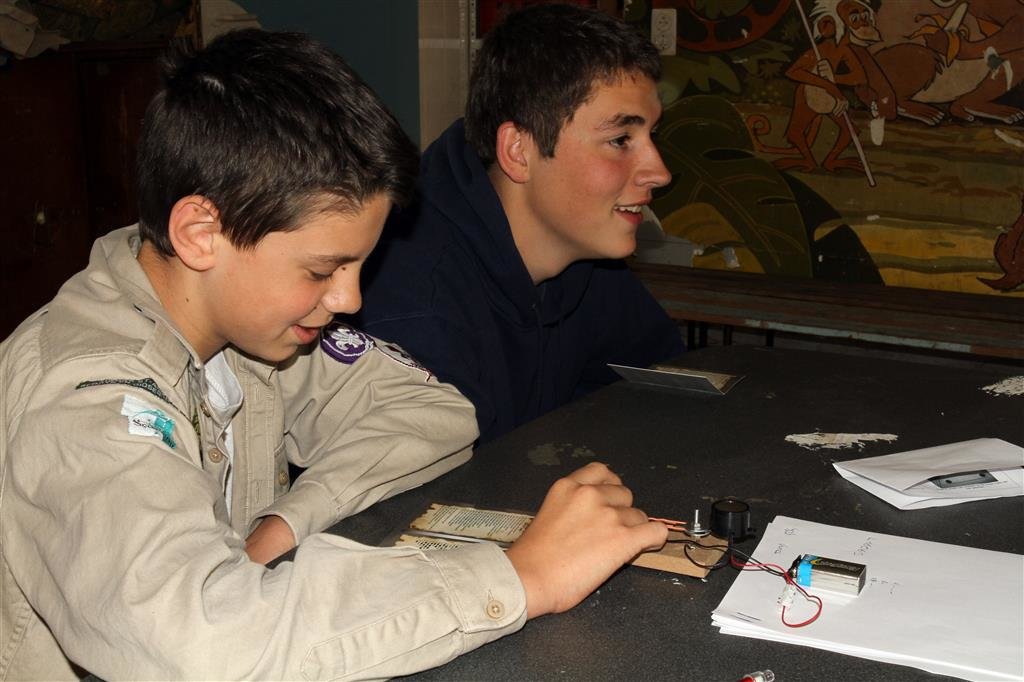
immaterieelerfgoed.be →Opgebouwd uit een reeks punten (ook wel “dit” genoemd) en strepen (“dah”) maakt morsecode, en dan vooral de internationaal erkende Q-code, het mogelijk om onafhankelijk van taal en schrifttekens met elkaar te communiceren. Waar vroeger het gebruik van morsecode in heel wat beroepssectoren (denk aan het leger of aan weerstations) ingeburgerd was, wordt het nu nog maar in beperkte mate professioneel gebruikt. De kennis van de code is dan ook drastisch gedaald. Het zijn radioamateurs van over de hele wereld die de kennis over en de praktijk van morsecode levend houden houden. Duizenden radioamateurs gebruiken dagelijks de morsecode om met de rest van de wereld te communiceren. Op dit ogenblik zijn zij de enigen die nog wereldwijd de telegrafie (en dus morsecode) in de praktijk gebruiken. De passie voor de code brengt deze erg diverse groep van mensen samen, en zorgt ervoor dat deze gemeenschappelijke taal blijft leven. Om de code te kunnen zenden en ontvangen is kennis, en dus training en opleiding, vereist. Daarom organiseren de verenigingen van radioamateurs opleidingen, velddagen en wedstrijden, zodat zij hun kennis en expertise kunnen doorgeven. Naast deze kennis vraagt het gebruik van morsecode ook de nodige apparatuur, zoals zenders en telegrafen. De code werd in 1835 uitgevonden en ontwikkeld door Samuel Morse met het doel deze te gebruiken voor de telegrafie (Grieks voor ‘ver schrijven’). Van bij het begin speelde morsecode een belangrijke rol in de samenleving: beursverrichtingen gebeurden plots veel sneller; mensen konden makkelijker met elkaar in contact blijven dankzij telegrammen; in noodsituaties kon de hulpverlening sneller op gang gebracht worden; het spoorverkeer rekende op morsecode om alles in goede banen te leiden; oorlogsvoering veranderde enorm met de komst van de morsecode; weersvoorspellingen werden accurater omdat er sneller kon gecommuniceerd worden en wetenschappelijk onderzoek op moeilijk bereikbare plaatsen werd mogelijk. Ook voor recreatieve doeleinden werd de morsecode ingezet, zoals bij jeugdverenigingen. De morsecode werd in meer landen gebruikt dan er gesproken talen zijn. Met de komst van de satellietcommunicatie en de informatica kwam de morsecode snel in onbruik op het einde van de 20ste eeuw. We zitten in verhuistijd tot 17 oktober. Nieuwe inzendingen worden pas hierna behandeld. Lees hier wat onze verhuis voor jou betekent:
Excerpt from a page describing this subject · 10,695 chars · not written by Vinony
Wikidata facts
- Instance of
- code
- Named after
- Samuel Finley Breese Morse
- Creator
- Alfred Vail
- Location
- Earth
- Image
- Seaman send Morse code signals.jpg
Show 9 more facts
- Commons category
- Morse code
- topic's main category
- Category:Morse code
- Commons gallery
- Morse code
- time of discovery or invention
- 1836-00-00
- discoverer or inventor
- Alfred Vail
- inception
- 1837-00-00
- location of creation
- Boston
- on focus list of Wikimedia project
- Wikipedia:Vital articles/Level/4
- described at URL
- www.immaterieelerfgoed.nl/en/morsecode
Sources (6)
via Wikidata · CC0
Article · 中文
摩尔斯电码(英語:Morse code)是一种时通时断的信号代码,通过不同的排列顺序来表达不同的英文字母、数字和标点符号。由美國發明家萨缪尔·摩尔斯及其助手艾爾菲德·維爾在1836年发明。 摩尔斯电码是一种早期的數位化通訊形式,但是它不同於现代只使用0和1两种状态的二进制代码,它的代码包括五种: 1. * 点(·):1 2. * 劃(-):111 3. * 字符内部的停頓(在點和劃之間):0 4. * 字符之间的停顿:000 5. * 单词之间的停顿:0000000
Abstract from DBpedia / Wikipedia · CC BY-SA
Gallery (12)
Available in 103 languages
- Español
- Français
- Deutsch
- 中文
- 日本語
- Русский
- Português
- Italiano
- العربية
- हिन्दी
- Afrikaans
- Albanian
- Aragonese
- Armenian
- Assamese
- Asturian
- Azerbaijani
- Bahasa Indonesia
Show 84 more
- Balinese
- Bangla
- Bashkir
- Basque
- be_x_old
- Belarusian
- Bosnian
- Breton
- Bulgarian
- Burmese
- Catalan
- Cherokee
- Chuvash
- Croatian
- Czech
- Danish
- Egyptian Arabic
- Esperanto
- Estonian
- Filipino
- Finnish
- Galician
- Georgian
- Greek
- Gujarati
- Hebrew
- Hungarian
- Icelandic
- Ido
- Interlingua
- Irish
- Javanese
- Kazakh
- Kyrgyz
- Latin
- Latvian
- Lezghian
- Lingua Franca Nova
- Lithuanian
- Malay
- Malayalam
- Mingrelian
- Mongolian
- Moroccan Arabic
- N’Ko
- Nederlands
- Northern Frisian
- Norwegian
- Norwegian Nynorsk
- Occitan
- olo
- Polski
- Punjabi
- Quechua
- Romanian
- Scots
- Serbian
- Serbian (Latin)
- simple
- Slovak
- Slovenian
- Sundanese
- Svenska
- Swahili
- Tajik
- Tamil
- Tatar
- Telugu
- Tiếng Việt
- Türkçe
- Ukrainian
- Urdu
- Venetian
- Waray
- Western Frisian
- Western Panjabi
- Wu Chinese
- Yoruba
- Zaza
- zh_min_nan
- zh_yue
- فارسی
- ไทย
- 한국어
via Wikidata sitelinks · CC0