ネルウァ=アントニヌス朝
Also known as Nerva-Antonine dynasty
ローマ帝国の王朝
AI overview
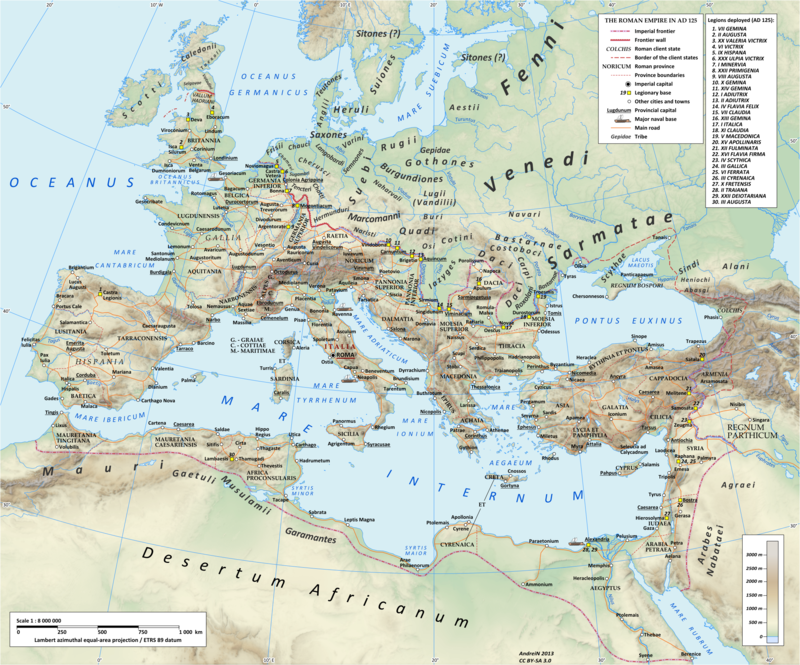
The Nerva–Antonine dynasty was a succession of Roman emperors who ruled from 96 to 180 CE and are widely considered to have been exceptionally capable rulers who brought stability and prosperity to the Roman Empire. This period matters because it represented one of the empire's most successful eras, characterized by strong leadership, military success, and general peace that allowed Roman civilization to flourish.
AI-generated from the Wikipedia summary — may contain errors.
Wikidata facts
Show 1 more fact
- Commons category
- Nerva–Antonine dynasty
via Wikidata · CC0
Article · 日本語
ネルウァ=アントニヌス朝(ネルウァ=アントニヌスちょう、英語:Nerva-Antonine dynasty)は、古代ローマ帝国の王朝で、帝政中期(西暦96年 - 192年)の7人の皇帝(ネルウァ、トラヤヌス、ハドリアヌス、アントニヌス・ピウス、マルクス・アウレリウス、ルキウス・ウェルス、コンモドゥス)の一統、またその治世を指す。 特にアウレリウス帝の共同皇帝であったルキウス帝と、アウレリウスの息子であるコンモドゥス帝を除いた5名を「五賢帝」として、古代ローマの最盛期だとする歴史家もいる。
Abstract from DBpedia / Wikipedia · CC BY-SA