orteke
Sign in to savealt=Front and side view of a Kazakh dombra|thumb|255x255px|A Kazakh dombra, which is used to perform orteke Orteke (Kazakh: ) is a form of traditional performance in Kazakhstan that incorporates puppetry, music, and dance.
In the Vinony graph
Vinony's link graph records 2 inbound references to orteke, and connects out to Kazakhstan, music and Uzbekistan.
It is catalogued under topics including Folk music genres, Masterpieces of the Oral and Intangible Heritage of Humanity and Music of Kazakhstan.
Vinony links it to 5 Wikipedia language editions.
Described at
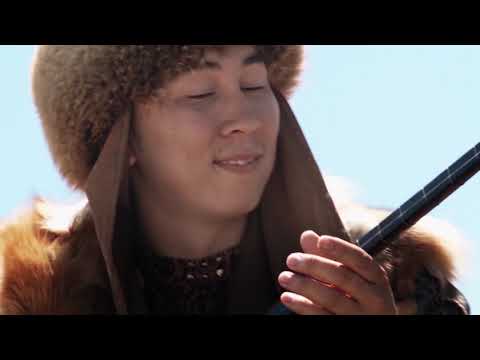
El ortéké, arte escénico tradicional en Kazajstán: danza, marionetas y música - UNESCO Patrimonio cultural inmaterial
ich.unesco.org →Link to a page describing this subject · 8,302 chars · not written by Vinony
Wikidata facts
- Subclass of
- tradition
- Country
- Kazakhstan
Show 2 more facts
- described at URL
- ich.unesco.org/fr/RL/01878
- intangible cultural heritage status
- Representative List of the Intangible Cultural Heritage of Humanity
via Wikidata · CC0
~2 min read
Encyclopedic overview
2 sectionsContents
- External links
- References
alt=Front and side view of a Kazakh dombra|thumb|255x255px|A Kazakh dombra, which is used to perform orteke Orteke (Kazakh: ) is a form of traditional performance in Kazakhstan that incorporates puppetry, music, and dance.
Possibly dating back thousands of years, the technique originated in southwestern Kazakhstan and spread among other Central Asian nomadic communities in places like Uzbekistan. The name "orteke" combines or (ditch, hole, trap) and teke (goat).
Excerpted from Wikipedia’s “orteke” article, available under the CC BY-SA 4.0 licence.