Pelliciera rhizophorae · Kew POWO · Kew Plants of the World Online
Pelliciera rhizophorae
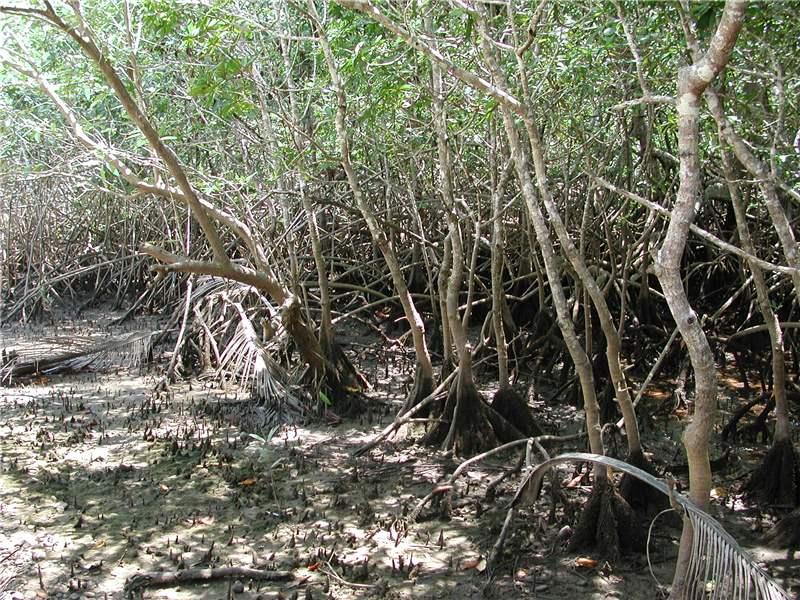
Sign in to savePelliciera rhizophorae, known as the tea mangrove, is a less-common species of mangroves found along the Pacific coast from the Gulf of Nicoya in Costa Rica to the Esmeraldas River in Ecuador, as well as within stands located in Nicaragua, Panama, and Colombia. During eras such as the Cenozoic, the species was prevalent. The mangrove hummingbirds of Costa Rica live off the relatively large quantity of nectar produced by its prolific blooms. Pelliciera rhizophorae is the only species in the genus Pelliciera which was previously recognized as the only genus in the family Pellicieraceae, but is n
Species
VulnerableSPECIES
- KingdomPlantae
- PhylumTracheophyta
- ClassMagnoliopsida
- OrderEricales
- FamilyTetrameristaceae
Manglares.
via GBIF · IUCN · Kew POWO
Museum specimens
- Specimen records
- 209
- With media
- 90
- Family
- Tetrameristaceae
- Collections
- US, IBUNAM, NY, DAV
- Recorded in
- Colombia, Ecuador, Panama, Costa Rica, Nicaragua
Wikidata facts
- Instance of
- taxon
- Image
- Pelliciera rhizophorae.jpg
Show 7 more facts
- taxon rank
- species
- IUCN conservation status
- Vulnerable
- taxon name
- Pelliciera rhizophorae
- taxon common name
- Manglar Piñuelo
- Commons category
- Pelliciera rhizophorae
- short name
- P. rhizophorae
Sources (1)
via Wikidata · CC0
~1 min read
Encyclopedic overview
1 sectionsContents
- References
Pelliciera rhizophorae, known as the tea mangrove, is a less-common species of mangroves found along the Pacific coast from the Gulf of Nicoya in Costa Rica to the Esmeraldas River in Ecuador, as well as within stands located in Nicaragua, Panama, and Colombia. During eras such as the Cenozoic, the species was prevalent. The mangrove hummingbirds of Costa Rica live off the relatively large quantity of nectar produced by its prolific blooms. Pelliciera rhizophorae is the only species in the genus Pelliciera which was previously recognized as the only genus in the family Pellicieraceae, but is now included in the family Tetrameristaceae.
==References==
Excerpted from Wikipedia’s “Pelliciera rhizophorae” article, available under the CC BY-SA 4.0 licence.