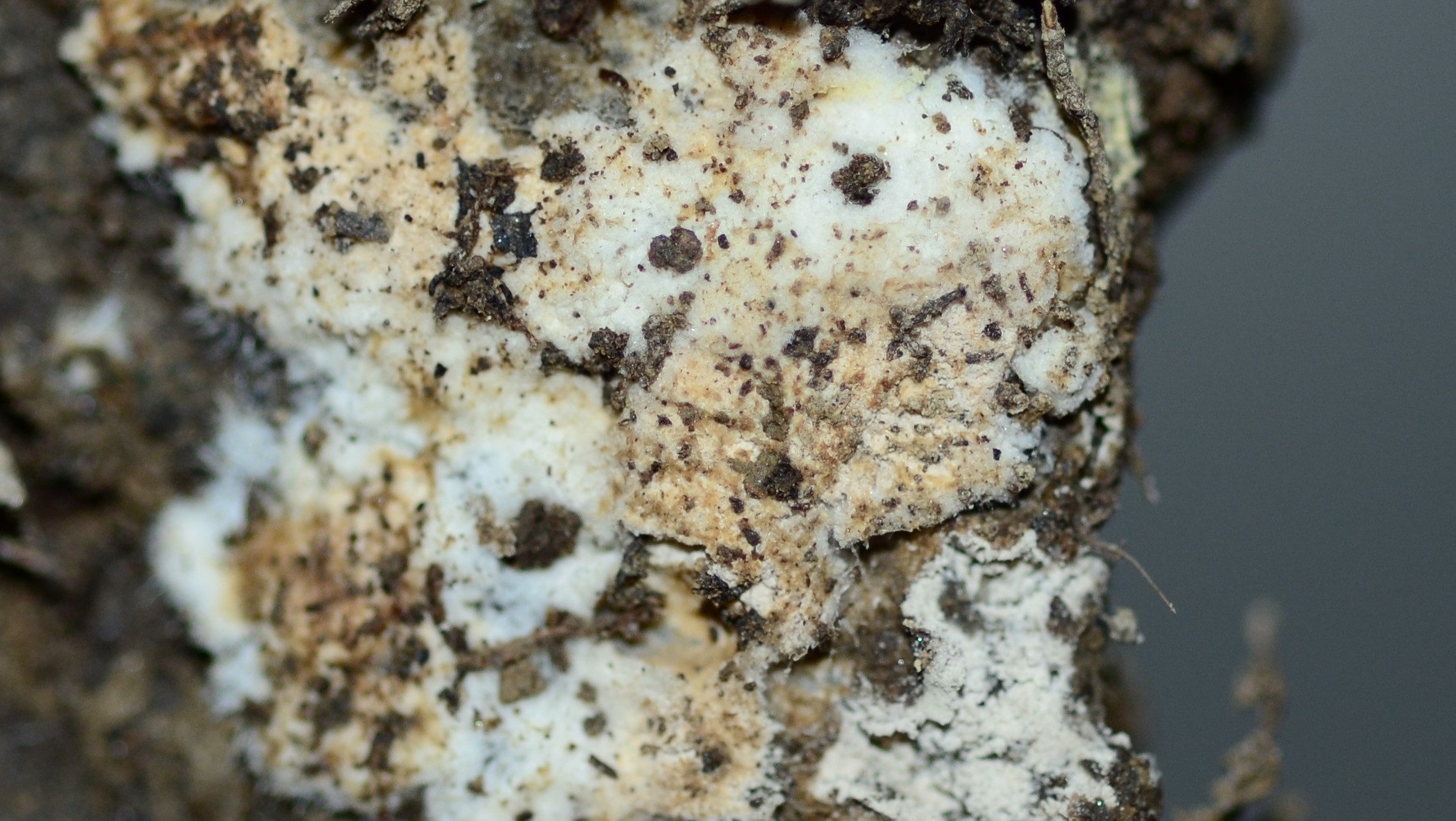
Specimen image via iDigBio · BY-NC-SA
Pezizaceae
Sign in to saveAlso known as cup fungi
The Pezizaceae (commonly referred to as cup fungi) are a family of fungi in the Ascomycota which produce mushrooms that tend to grow in the shape of a "cup". Spores are formed on the inner surface of the fruit body (ascoma). The cup shape typically serves to focus raindrops into splashing spores out of the cup. Additionally, the curvature enables wind currents to blow the spores out in a different manner than in most agarics and boletes.
Species
FAMILY
- KingdomFungi
- PhylumAscomycota
- ClassPezizomycetes
- OrderPezizales
- FamilyPezizaceae
via GBIF
Museum specimens
- Specimen records
- 211
- With media
- 67
- Family
- Pezizaceae
- Collections
- IBUNAM, TENN-F, CUP, FLAS, MIN, MSC
- Recorded in
- Mexico, United States, Costa Rica, Guyana
Wikidata facts
Show 5 more facts
- taxon name
- Pezizaceae
- taxon rank
- family
- Commons category
- Pezizaceae
- topic's main category
- Category:Pezizaceae
- taxon common name
- kustřebkovité
Sources (2)
via Wikidata · CC0
~5 min read
Encyclopedic overview
2 sectionsContents
- Subtaxa
- References
The Pezizaceae (commonly referred to as cup fungi) are a family of fungi in the Ascomycota which produce mushrooms that tend to grow in the shape of a "cup". Spores are formed on the inner surface of the fruit body (ascoma). The cup shape typically serves to focus raindrops into splashing spores out of the cup. Additionally, the curvature enables wind currents to blow the spores out in a different manner than in most agarics and boletes.
Cup fungi grow in peculiar shapes, frequently resembling cups or saucers. For example, the orange peel fungus (Aleuria aurantia) resembles a discarded orange rind. According to one 2008 estimate, the family contains 31 genera and 230 species.
Excerpted from Wikipedia’s “Pezizaceae” article, available under the CC BY-SA 4.0 licence.