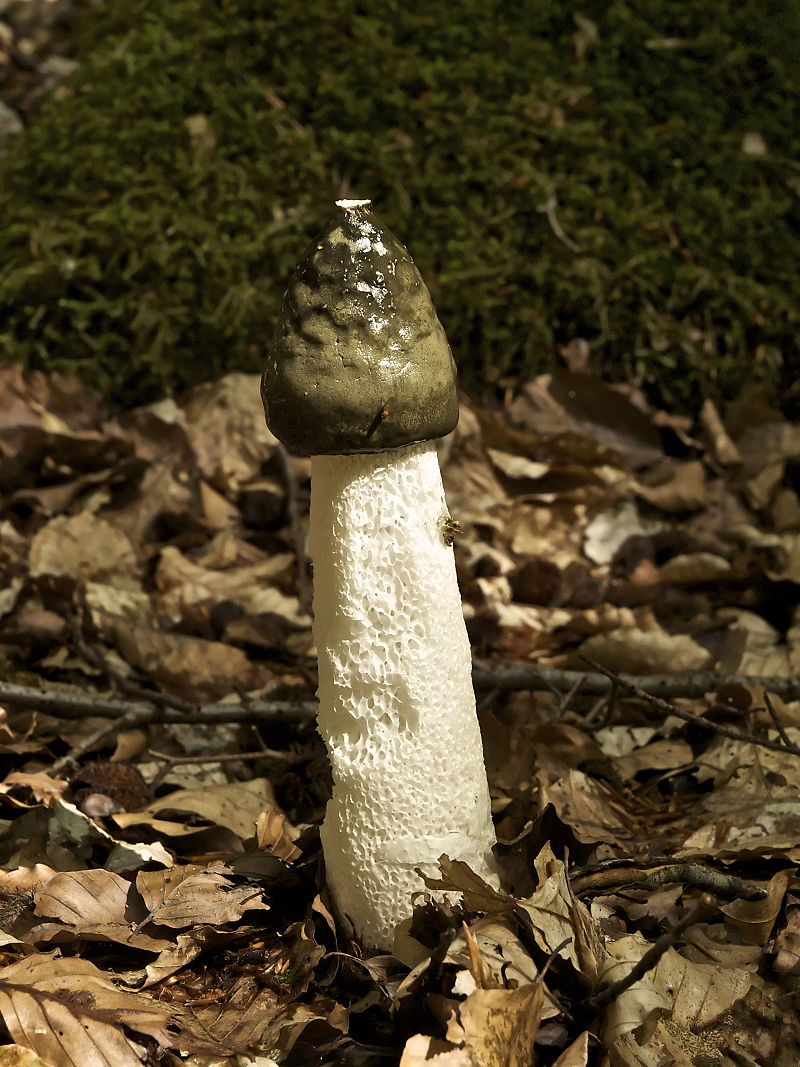
File:Phallus_impudicus_LC0235.jpg · Wikimedia Commons · See Wikimedia Commons
OverviewAI-generated
*Phallus impudicus* is a species of fungus classified within the kingdom Fungi, phylum Basidiomycota, class Agaricomycetes, order Phallales, and family Phallaceae. It belongs to the genus *Phallus* and is characterized by a gleba hymenium type. As a saprobiont, it is considered an edible mushroom and is also categorized among medicinal mushrooms. The species was described by L. and has been referenced in the Brockhaus and Efron Encyclopedic Dictionary.
Common names for this organism include cingroen y tywod, Grote stinkzwam, hadovka smrdutá, and haisusieni. Records of *Phallus impudicus* have been documented in Brasil, the United States, the United Kingdom, and Sweden. Specimens are held by institutions such as UFPB, MSC, TENN-F, DBG, and USU. The species has 67,952 occurrence records and 573 records with 301 media items available.
Synthesized by Vinony from 27 facts across 5 sources: Wikidata, GBIF, Gbif Occ, iDigBio, Vinony graph. Generated from structured data (not the Wikipedia text) and checked against those facts — may still contain errors.
Species
SPECIES
- KingdomFungi
- PhylumBasidiomycota
- ClassAgaricomycetes
- OrderPhallales
- FamilyPhallaceae
白鬼笔 科学分类 界: 真菌界 Fungi 门: 担子菌门 Basidiomycota 纲: 傘菌綱 Agaricomycetes 亚纲: 鬼筆亞綱 Phallomycetidae 目: 鬼筆目 Phallales 科: 鬼筆科 Phallaceae 属: 鬼笔属 Phallus 种: 白鬼笔 P. impudicus 二名法 Phallus impudicusLinnaeus, 1753 白鬼笔(学名:Phallus impudicus),又名竹下菌、无裙竹荪,是一种广泛分布於北美洲、欧洲和中国的真菌,从夏季到深秋在富有粗木质残体的林地和园中群生或单生,是一种食用蕈类。白鬼笔会散发恶臭的气味,白色蕈柄较高,顶部是覆有暗绿色黏液的圆锥形蕈伞,而这些产孢组织中的孢子是靠被腐肉气味吸引来的昆虫传播的。其恶臭的气味和成熟时典型的短粗毛笔外形,使人们很容易辨识出白鬼笔。虽然白鬼笔的气味很难闻且鬼笔属的其它生物多数为剧毒,但其并不是毒蕈。白鬼笔的菌柄、菌托可入药,同时在在法国和德国的部分地区也是一种常见的食用菌,不过食用时需去除菌盖和菌托,留下菌柄食用。包括命名人林奈在内的很多人认为其外形像阴茎,因此在17世纪的英国,白鬼笔有很多诨号。 目录 1 命名 2 分布 3 特征 4 孢子传播 5 用途 5.1 食用 5.2 药用 5.2.1 中药 6 参考文献 命名 白鬼笔的种加词impudicus源自拉丁语,意为“无耻的”、“放肆的”、“淫荡的”[1],与属名连起来,学名的意思就是“放肆的菲勒斯”,或者译为“淫鬼笔”,可见白鬼笔在欧洲国家的名声不太好。[2] 分布 白鬼笔在北美洲、欧洲和中国[3]的大部分地区都可见到,在哥斯达黎加[4]、冰岛[5]、印度[6]、坦桑尼亚[7]和澳大利亚东南部[8]也有生长。在北美洲密西西比西部,白鬼笔生长非常普遍,而在东部则是雷氏鬼笔(Phallus ravenelii)生长更为普遍[9]。白鬼笔常生於朽木,而在夏季至秋末的落叶林中也极为常见,不过有时在针叶林或是在公园和花园的草坪中也可以发现白鬼笔[10]。白鬼笔可能会与某些特定的树种形成菌根共生关系[11]。 特征 切开的幼时子实体 子实体幼时苍白柔软卵球形,有弹性,长轴4-6 cm,短轴3-5 cm[12],其外是一层厚实的苍白色包被,成熟後,包被遗留在柄基部,形成菌托;包被中是暗绿色的胶状产孢组织,这些胶状产孢组织在成熟後就会产生吸引苍蝇的恶臭黏稠孢子液;胶状产孢组织层内是绿色物质,最终会发展成菌盖;最内层是白色结构,称为孢托,质地较硬,海绵状结构,中心为空心。[10]在1-2日内,幼小的卵球状子实体就可以冲破包被,抽出菌柄,发育成白鬼笔的成熟子实体。[13][14] 菌体成熟後10-25 cm高,基部菌托及圆筒状菌柄白色,海绵状,中空,直径2-5 cm[12],钟形菌盖暗绿色,密
via GBIF
Museum specimens
- Specimen records
- 573
- With media
- 301
- Family
- Phallaceae
- Collections
- UFPB, MSC, TENN-F, DBG, USU, UT
- Recorded in
- Brasil, United States, United Kingdom, Sweden
Wikidata facts
Show 10 more facts
- taxon rank
- species
- taxon name
- Phallus impudicus
- Commons category
- Phallus impudicus
- Commons gallery
- Phallus impudicus
- hymenium type
- gleba
- mushroom ecological type
- saprobiont
- edibility
- medicinal mushrooms
- taxon common name
- carallán
- taxon author citation
- L.
- short name
- P. impudicus
via Wikidata · CC0
~9 min read
Encyclopedic overview
Phallus impudicus, known colloquially as the common stinkhorn, is a widespread species of fungus in the Phallaceae (stinkhorn) family. It is recognizable for its foul odor and its phallic shape when mature, the latter feature giving rise to several names in 17th-century England.
It is a common mushroom in Europe and North America, where it occurs in habitats rich in wood debris, such as forests and mulched gardens. It appears from summer to late autumn. The fruiting structure is tall and white with a slimy, dark olive colored conical head. Known as the gleba, this material contains the spores, and is transported by insects which are attracted by the odor—described as resembling carrion.
Excerpted from Wikipedia’s “Phallus impudicus” article, available under the CC BY-SA 4.0 licence.