OverviewAI-generated
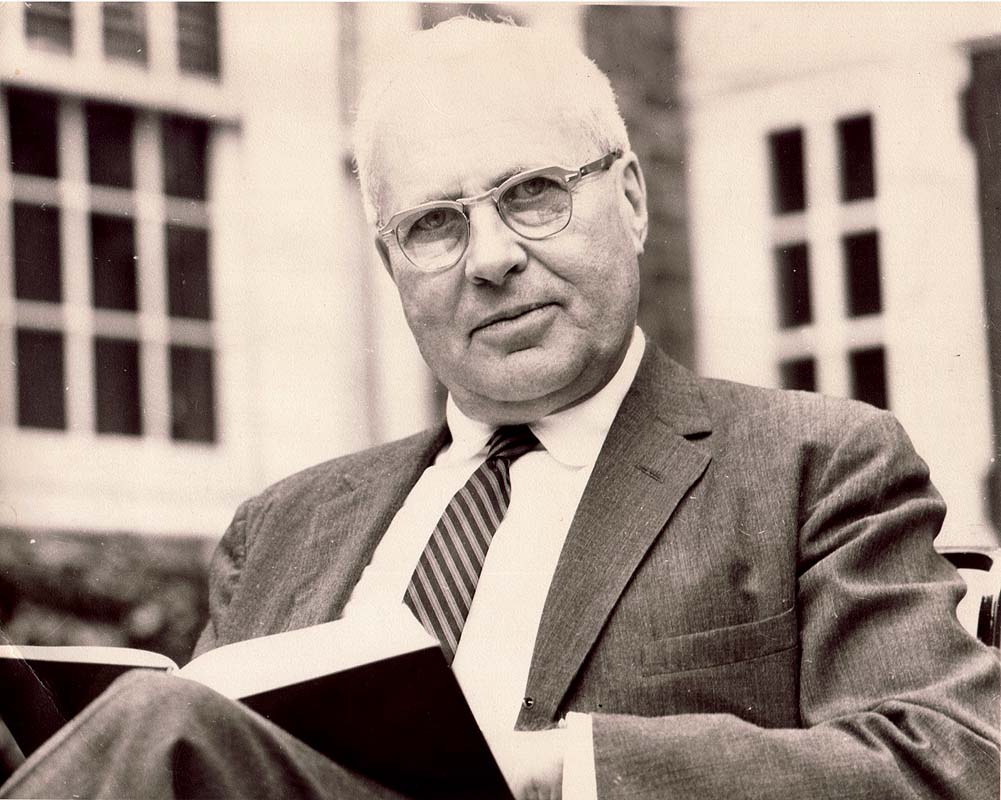
Quincy Porter was an American composer. He was born on February 7, 1897, and died on November 12, 1966.
His musical works are available for exploration and purchase as sheet music through the American Composers Alliance. Additionally, his compositions are included in the Pulitzer Prize collection.
Synthesized by Vinony from 8 facts across 3 sources: Wikidata, Firecrawl, Vinony collections. Generated from structured data (not the Wikipedia text) and checked against those facts — may still contain errors.
Described at
Porter, Quincy – American Composers Alliance
Explore and purchase sheet music for musical works by composer Quincy Porter.
composers.com →Quincy Porter (1897-1966) is a descendant of early American pioneers with deep New England roots. His father was a minister and a professor at the Yale Divinity School, as was his grandfather also a professor at Yale. It is no surprise that Quincy Porter would spend his undergraduate and most of his professional life at Yale. Porter's musical style is mainly tonal, with high use of chromaticism. He did not push the edge of new musical sounds, but he definitely has a unique and fresh style of his own. While he was in Cleveland, Porter was the violist of the Ribaupierre Quartet, which may be why he is one of the few American composers who has an extensive cycle of string quartets. Other important works are his Viola Concerto (1948), often hailed as his greatest work, two symphonies 1934, 1962, and a Concerto Concertante, which won the Pulitzer prize in 1954. Along with Aaron Copland, Porter helped establish the American Music Center, the Yaddo Artist Colony and Music Festival, and co-founded the American Recording Society.
Excerpt from a page describing this subject · 17,547 chars · not written by Vinony
Wikidata facts
- Instance of
- human
- Family name
- Porter
- Gender
- male
- Citizenship
- United States
- Place of birth
- New Haven
- Place of death
- Bethany
- Occupation
- pedagogue
- Educated at
- Yale University
- Employer
- Cleveland Institute of Music
- Participant in
- 1936 Summer Olympics
- Genre
- classical music
- Instrument
- viola
- Image
- Quincy Porter Pierson College 1961.jpg
Show 4 more facts
- date of birth
- 1897-02-07
- date of death
- 1966-11-12
- member of
- American Academy of Arts and Letters
- described at URL
- composers.com/quincy-porter
via Wikidata · CC0
Available in 11 languages
via Wikidata sitelinks · CC0