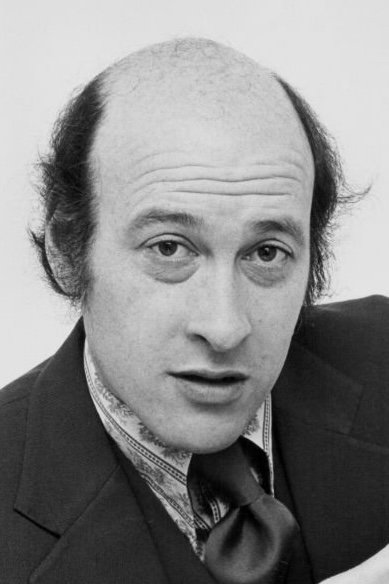
Profile via TMDB · Courtesy of TMDB
Film & TV
Philadelphia, Pennsylvania, U.S.
Richard Lester (born 19 January 1932) is an American-born British-based film director notable for his work with The Beatles in the 1960s and his work on the Superman film series in the 1980s.
Known for
- The Beatles: Eight Days a Week - The Touring Years — Self2016
- Spike Milligan: Love, Light and Peace — Self - Director2014
- THE BEATLES in HELP! — Self2007
- Filmmakers in Action — Self2006
- Best Sellers or: Peter Sellers and 'Dr. Strangelove' — Self2004
- Things They Said Today — Self2002
- The Unknown Peter Sellers — Self2000
- Richard Lester!1998
- Spike — Self1996
- You Can't Do That! The Making of 'A Hard Day's Night' — Self1995
via TMDB
Key facts
- Born
- Richard Lester Liebman , ( 1932-01-19 ) January 19, 1932 (age 94) , Philadelphia , Pennsylvania , U.S.
- Other name
- Dick Lester
- Education
- University of Pennsylvania ( BA )
- Occupation
- Film director
- Years active
- 1959–2006
- Known for
- A Hard Day's Night Help! The Knack ...and How to Get It A Funny Thing Happened on the Way to the Forum How I Won the War The Three Musketeers Superman II Superman III
- Spouse
- Deirdre Smith ( married</span>"}]]}'>m. 1956 )
via Wikipedia infobox
Wikidata facts
- Instance of
- human
- Given name
- Richard
- Gender
- male
- Citizenship
- United States
- Place of birth
- Philadelphia
- Occupation
- director
- Languages spoken
- English language
- Religion
- atheism
- Award
- Palme d'Or
- Image
- Richard Lester Bologna 2014 (cropped).jpg
Show 4 more facts
- date of birth
- 1932-01-19
- Commons category
- Richard Lester
- related category
- Category:Films directed by Richard Lester
- start of work period
- 1960-00-00
Sources (7)
via Wikidata · CC0
~13 min read
Encyclopedic overview
Richard Lester Liebman (born January 19, 1932) is an American retired film director. He spent the majority of his professional life in the United Kingdom and is known for the fast-paced, flamboyant directing he brought to his comedy films, most notably the Beatles' vehicles A Hard Day's Night (1964) and Help! (1965), and The Knack ...and How to Get It (1965).
Originally from Philadelphia, Lester began his career directing television, moving to the United Kingdom in the mid-1950s. He collaborated with Peter Sellers and Spike Milligan, on The Goon Show and The Running Jumping & Standing Still Film. After breaking into film directing through his Beatles collaborations, he helmed various productions including A Funny Thing Happened on the Way to the Forum (1966), How I Won the War (1967), Petulia (1968), The Three Musketeers (1973) and its two sequels, Robin and Marian (1976), Butch and Sundance: The Early Days (1979), and the superhero films Superman II (1980) and Superman III (1983).
Excerpted from Wikipedia’s “Richard Lester” article, available under the CC BY-SA 4.0 licence.