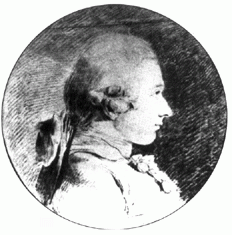
File:Sade_(van_Loo).png · Wikimedia Commons · See Wikimedia Commons
sadomasochism
Sign in to saveAlso known as S&M, SM, S/M, algolagnia, S & M, S and M, algophilia, sado-masochism
Sadism () and masochism (), known collectively as sadomasochism ( ) or S&M, is the derivation of pleasure from acts of respectively inflicting or receiving pain or humiliation. The term is named after the Marquis de Sade, a French author known for his violent and libertine works and lifestyle, and Leopold von Sacher-Masoch, an Austrian author who described masochistic tendencies in his works. Though sadomasochistic behaviours and desires do not necessarily need to be linked to sex, sadomasochism is also a definitive feature of consensual BDSM relationships.
Sadomasochism refers to the practice of deriving pleasure from either inflicting pain or humiliation on others (sadism) or receiving it oneself (masochism), and while these behaviors can occur in various contexts, they are a recognized feature of some consensual intimate relationships. The term comes from two historical figures—the Marquis de Sade and Leopold von Sacher-Masoch—whose writings explored these themes.
AI-generated from the Wikipedia summary — may contain errors.
Wikidata facts
- Subclass of
- BDSM
- Part of
- BDSM
- Has part
- masochism
- Named after
- Leopold von Sacher-Masoch
- Image
- Flogging demo folsom 2004.jpg
Show 4 more facts
- different from
- self-defeating personality disorder
- Commons category
- BDSM
- health specialty
- psychology
- hashtag
- S/M
Sources (3)
via Wikidata · CC0
~18 min read
Encyclopedic overview
23 sectionsContents
- Etymology and definition
- Historical origins
- Psychoanalytical perspectives
- Early psychoanalysis
- Libertine movement
- Krafft-Ebing and Freud
- Havelock Ellis
- Jean-Paul Sartre
- Gilles Deleuze
- René Girard
- Modern understanding
- Medical and forensic classification
- DSM
- ICD
- Forensic classification
- Role in BDSM
- See also
- References
- Citations
- Bibliography
- Further reading
- External links
- Videos
Sadism () and masochism (), known collectively as sadomasochism ( ) or S&M, is the derivation of pleasure from acts of respectively inflicting or receiving pain or humiliation. The term is named after the Marquis de Sade, a French author known for his violent and libertine works and lifestyle, and Leopold von Sacher-Masoch, an Austrian author who described masochistic tendencies in his works. Though sadomasochistic behaviours and desires do not necessarily need to be linked to sex, sadomasochism is also a definitive feature of consensual BDSM relationships.
Sadomasochism was introduced in psychiatry by Richard von Krafft-Ebing and later elaborated by Sigmund Freud. Modern understanding distinguishes consensual BDSM practices from non-consensual sexual violence, with DSM-5 and ICD-11 recognizing consensual sadomasochism as non-pathological. S&M can involve varying levels of pain, dominance, and submission, practiced by individuals of any gender, often within negotiated roles of sadist, masochist, or switch. Forensic and medical classifications focus on consent and harm.
Excerpted from Wikipedia’s “sadomasochism” article, available under the CC BY-SA 4.0 licence.