Encyclopedia of Life · EOL (see source)
Scenedesmus
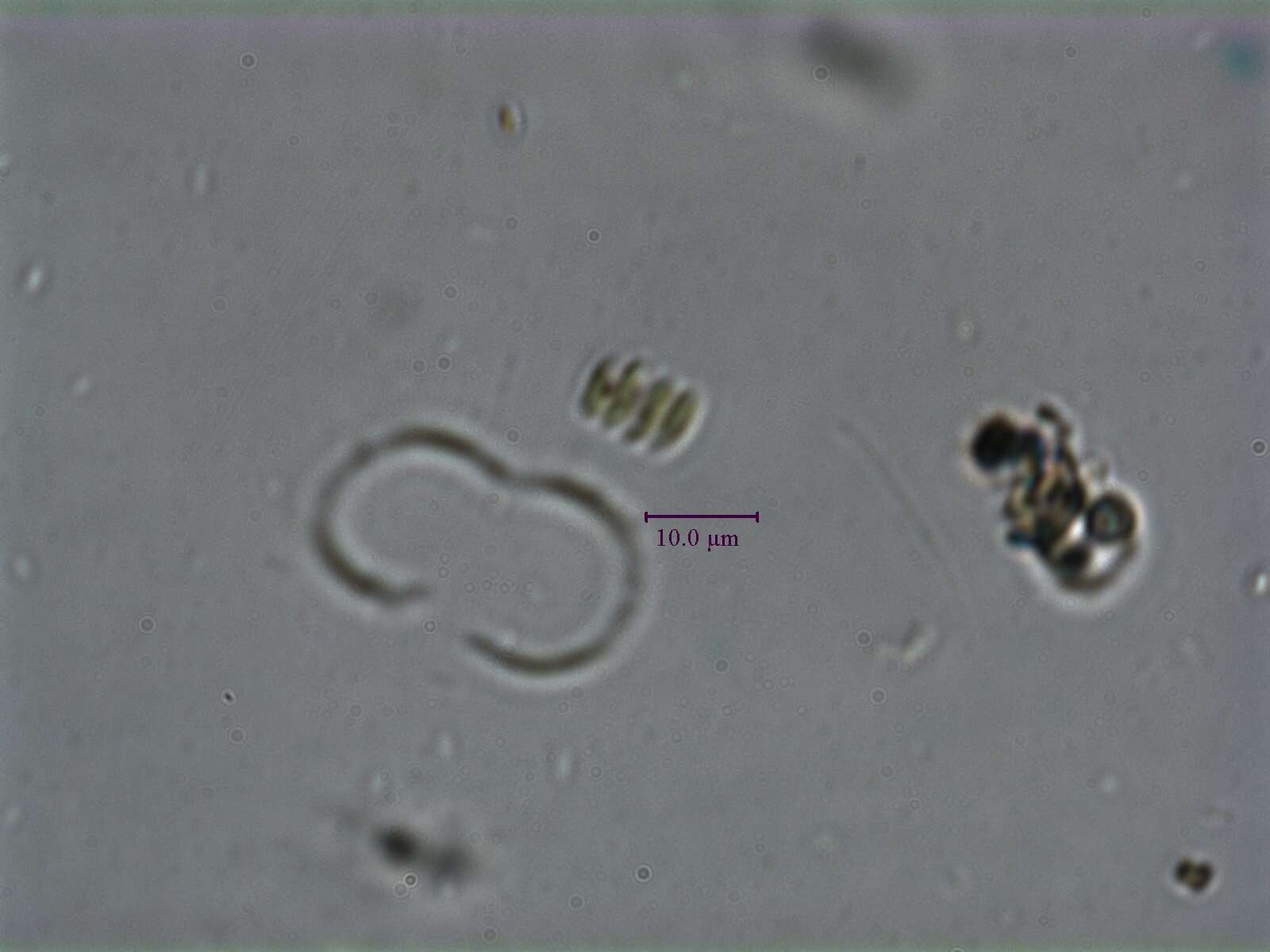
Sign in to saveScenedesmus is a genus of green algae, in the class Chlorophyceae. They are colonial and non-motile. They are one of the most common components of phytoplankton in freshwater habitats worldwide.
In the Vinony graph
Vinony's link graph records 34 inbound references to Scenedesmus, and connects out to green algae, plant and nitrogen.
Vinony files it under Freshwater algae, Sphaeropleales and Sphaeropleales genera.
Vinony links it to 22 Wikipedia language editions.
Species
GENUS
- KingdomPlantae
- PhylumChlorophyta
- ClassChlorophyceae
- OrderSphaeropleales
- FamilyScenedesmaceae
The Protist Image Server has great descriptions, photos, and key trait information for ID of Scenedesmus samples.
via GBIF
Museum specimens
- Specimen records
- 213
- With media
- 123
- Family
- Scenedesmaceae
- Collections
- INECOL, US, CCBA-FMVZ-UADY, NY, CIIDIR-IPN
- Recorded in
- Mexico, United States, China, Canada
Research
2,766 papers- Mechanistic insights into the potential application of Scenedesmus strains towards the elimination of antibiotics from wastewater.Bioresource technology · 2024
- Scenedesmus rubescens Heterotrophic Production Strategies for Added Value Biomass.Marine drugs · 2023
- Nitrogen uptake by Scenedesmus quadricauda and its responses over environmental factors.Marine pollution bulletin · 2024
- Scenedesmus sp. strain SD07 cultivation in municipal wastewater for pollutant removal and production of lipid and exopolysaccharides.Environmental research · 2023
- Green coagulants recovering Scenedesmus obliquus: An optimization study.Chemosphere · 2021
via PubMed
~13 min read
Encyclopedic overview
15 sectionsContents
- Taxonomy
- Basic biology
- Coenobia and cell growth
- Defense mechanisms
- Reproduction and colony formation
- Cell ornamentation and outer layers
- Mitochondrial DNA
- Biofuel production
- Biohydrogen (H<sub>2</sub>) production
- Biodiesel production
- Bioethanol
- Drop-in fuels
- Wastewater management
- Gallery
- References
Scenedesmus is a genus of green algae, in the class Chlorophyceae. They are colonial and non-motile. They are one of the most common components of phytoplankton in freshwater habitats worldwide.
==Taxonomy== The starting point of Scenedesmus and related algae is in 1820, when Pierre Jean François Turpin observed these algae under a microscope. He classified them under the diatom genus Achnanthes; later authors moved them to different groups, until it was finally classified as a green alga. The name comes from the Greek roots skene, meaning "tent" or "awning", and desmos, meaning "bond".
Excerpted from Wikipedia’s “Scenedesmus” article, available under the CC BY-SA 4.0 licence.