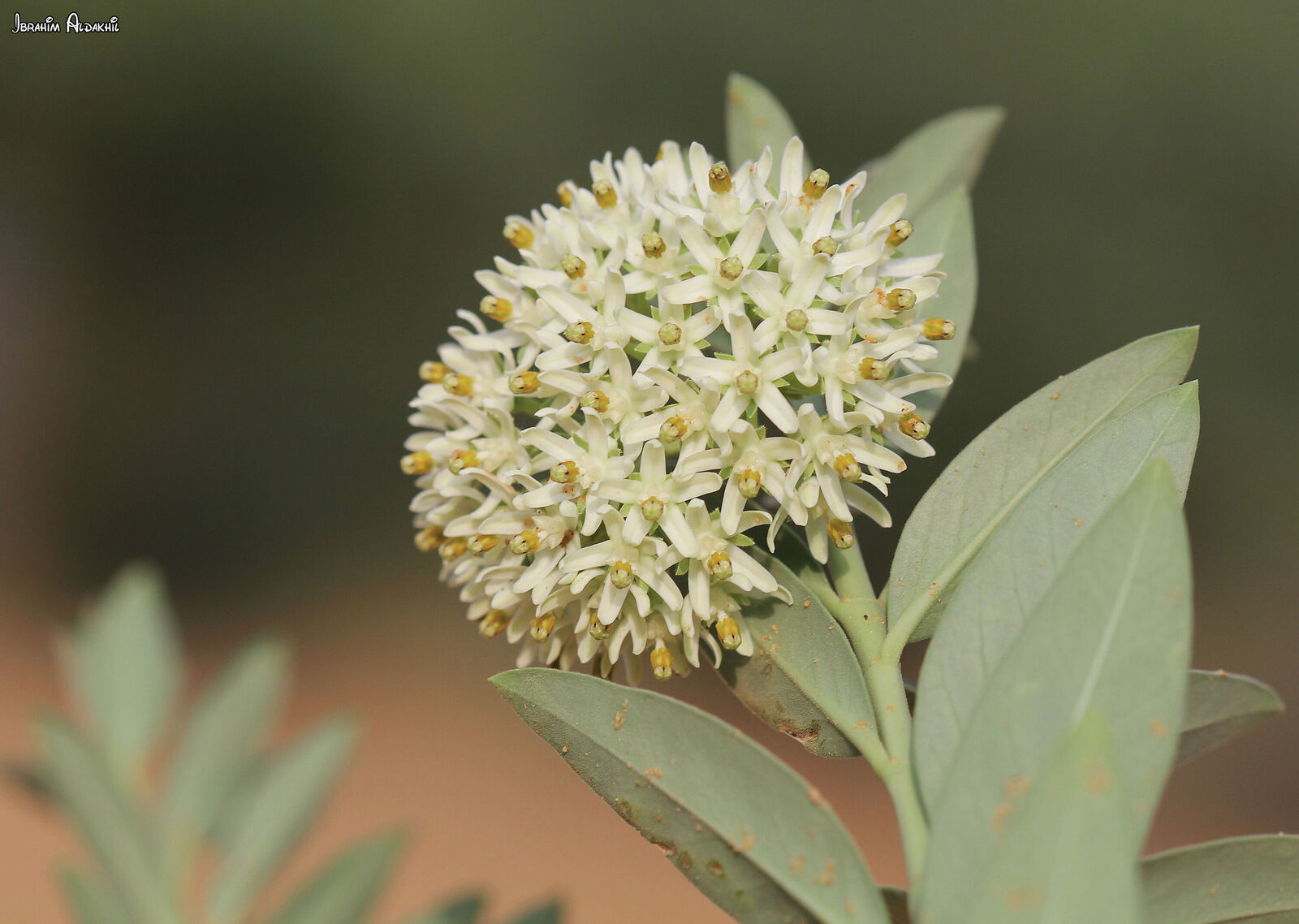
Solenostemma · Kew POWO · Kew Plants of the World Online
Solenostemma
Sign in to saveSolenostemma is a genus of plants in the family Apocynaceae, It was established as a genus in 1825. It contains only one known species, Solenostemma arghel, native to North Africa and the Arabian Peninsula.
In the Vinony graph
Vinony's link graph records 5 inbound references to Solenostemma, and connects out to Sudan, plant and North Africa.
Vinony files it under Asclepiadoideae, Flora of North Africa and Flora of the Arabian Peninsula.
Vinony links it to 6 Wikipedia language editions.
Species
GENUS
- KingdomPlantae
- PhylumTracheophyta
- ClassMagnoliopsida
- OrderGentianales
- FamilyApocynaceae
via GBIF · Kew POWO
Museum specimens
- Specimen records
- 5
- With media
- 1
- Family
- Apocynaceae
- Collections
- NHMUK, B, MNHN
- Recorded in
- Chad
Wikidata facts
- Instance of
- taxon
- Image
- Solenostemma argel.jpg
Show 5 more facts
- taxon name
- Solenostemma
- taxon rank
- genus
- topic's main category
- Category:Solenostemma
- Commons category
- Solenostemma
Sources (1)
via Wikidata · CC0
~1 min read
Encyclopedic overview
1 sectionsContents
- References
Solenostemma is a genus of plants in the family Apocynaceae, It was established as a genus in 1825. It contains only one known species, Solenostemma arghel, native to North Africa and the Arabian Peninsula.
The leaves are used in herbal medicine for the treatment of some diseases such as of liver and kidney and allergies. It is used to treat neuralgia and sciatica. It is used as incense in the treatment of measles and sometimes crushed and used as remedy for suppurating wounds. The leaves are infused to treat gastro-intestinal cramps, stomach-ache, colic, cold and urinary tract infections. Leaves possess purgative properties which may be due to the latex present in the stems. Several active compounds have been extracted from Solenostemma. The native Sudanese have commonly used Solenostemma arghel to suppress stomach pain, pains due to childbirth, and loss of appetite.
Excerpted from Wikipedia’s “Solenostemma” article, available under the CC BY-SA 4.0 licence.