Encyclopedia of Life · EOL (see source)
spikedace
Sign in to saveAlso known as Meda fulgida
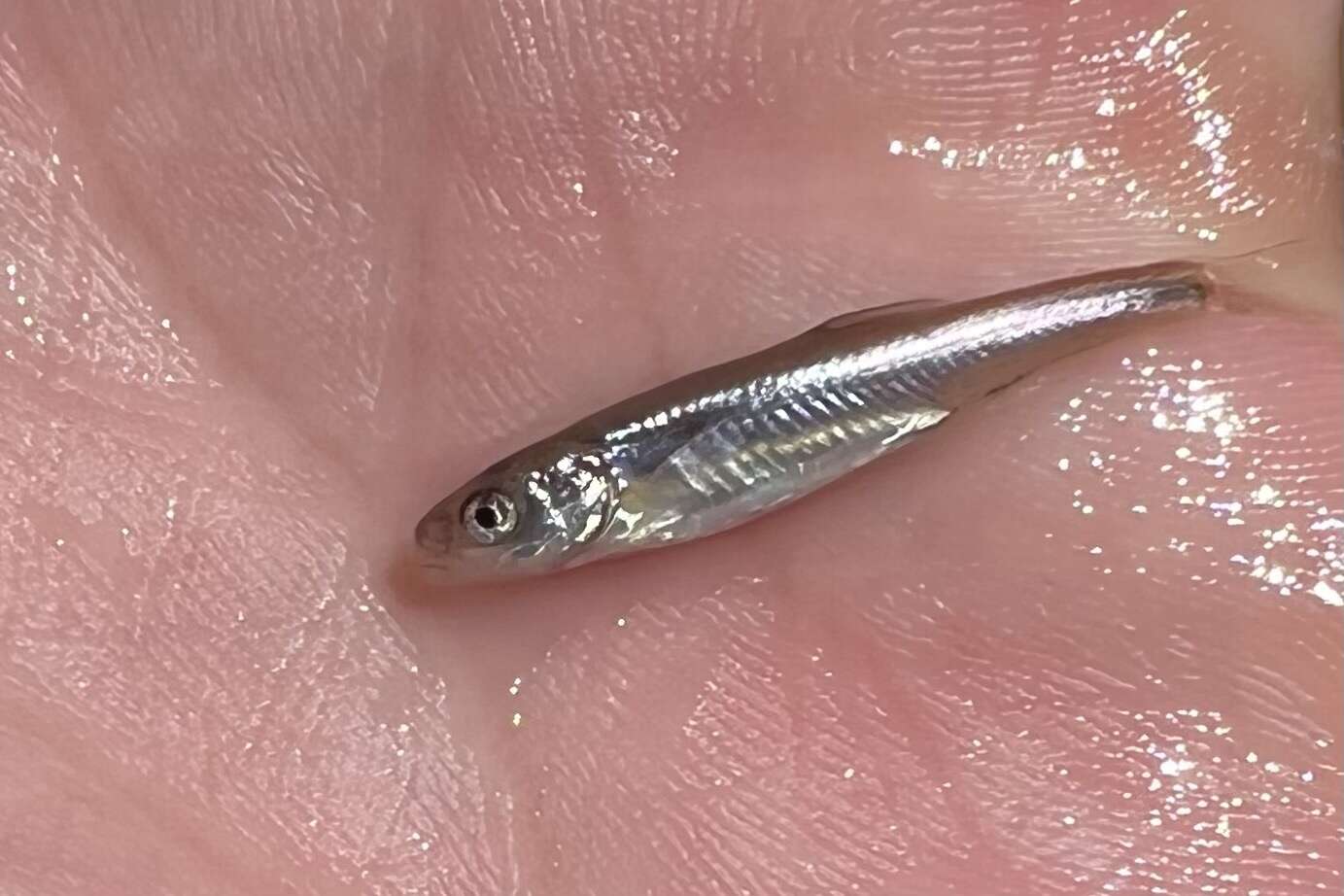
The spikedace (Meda fulgida) is an endangered species of ray-finned fish in the family Leuciscidae. It is found in Arizona and New Mexico in the United States. It lives in fast-moving streams.
Species
EndangeredSpecies
- PhylumChordata
- ClassTeleostei
- OrderCypriniformes
- FamilyCyprinidae
光鱥(学名:Meda fulgida)为輻鰭魚綱鯉形目鲤科的其中一種,被IUCN列為次級保育類動物,分布於北美洲美國亞利桑納州及新墨西哥州,體長可達9.1公分,棲息在砂石底質的小溪或水塘。
via IUCN
Wikidata facts
- Instance of
- taxon
- Image
- Meda fulgida.jpg
Show 6 more facts
- taxon rank
- species
- IUCN conservation status
- Endangered status
- Commons category
- Meda fulgida
- taxon name
- Meda fulgida
- taxon common name
- Spikedace
- short name
- M. fulgida
Sources (1)
via Wikidata · CC0
~3 min read
Encyclopedic overview
6 sectionsContents
- Description
- Range
- Habitat
- Population trends
- Management factors
- References
The spikedace (Meda fulgida) is an endangered species of ray-finned fish in the family Leuciscidae. It is found in Arizona and New Mexico in the United States. It lives in fast-moving streams.
==Description== The maximum length of the spikedace rarely exceeds . It usually has a slender body, with a somewhat compressed front, and is strongly compressed at the caudal peduncle, with a fairly pointed snout and contains a slightly subterminal mouth with large eyes. The dorsal fin origin is behind the pelvic fin origin. The scales are present only as small, deeply embedded plates. The first spinous ray of the dorsal fin is the strongest and most sharp-pointed. The spikedace has seven dorsal fin-rays and typically 9 anal fin-rays. The spikedace skin is olive-gray to light brown above, with a brilliant silver side, often with blue reflections, and with black specks and blotches on the back and upper side. The breeding male has a spectacular, bright, brassy yellow head and fins.
Excerpted from Wikipedia’s “spikedace” article, available under the CC BY-SA 4.0 licence.
Available in 13 languages
via Wikidata sitelinks · CC0