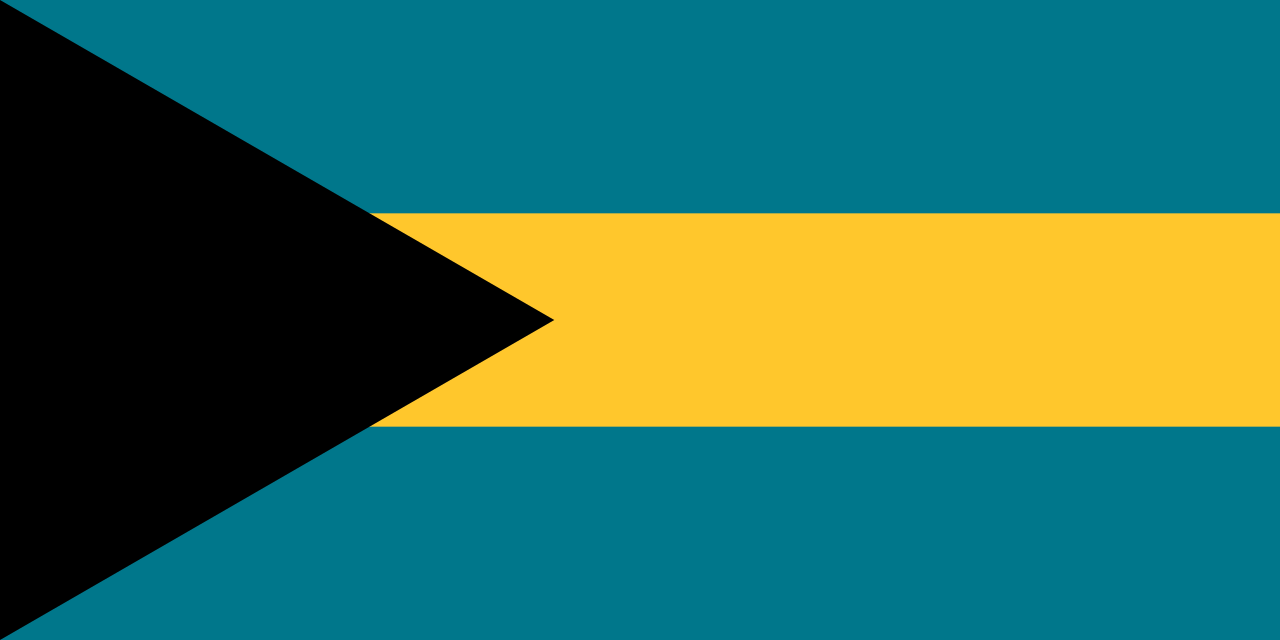
Bahamas
Also known as Commonwealth of The Bahamas, Commonwealth of the Bahamas, bs, Bahama Islands, Bahamas, The
país en América Insular y el Caribe
AI overview
The Bahamas is an island nation in the Atlantic Ocean made up of more than 3,000 islands, cays, and islets located between Florida and the Caribbean. Its capital is Nassau, and the country controls a vast ocean territory of about 470,000 square kilometers.
AI-generated from the Wikipedia summary — may contain errors.
Weather now
cached 6h ago29°scattered clouds
70% 4.8 m/s OpenWeatherMap
7-day forecast
via Open-Meteo
Country

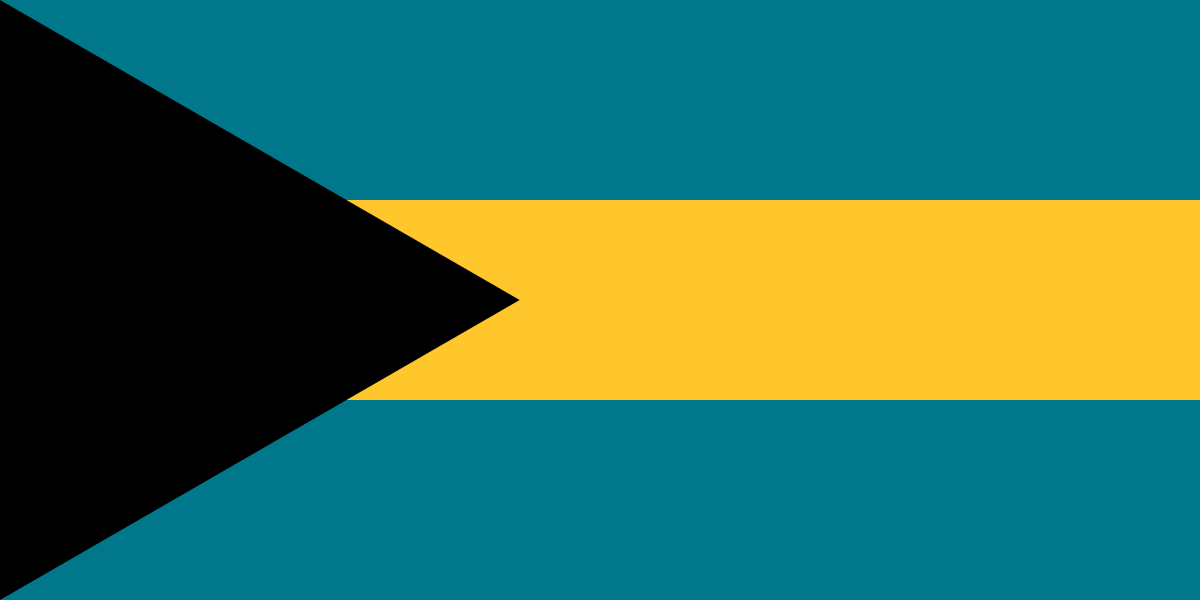
- Capital
- Nassau
- Population
- 398,165
- Region
Travel guide
Understand
The name of the country is said to be derived from the Spanish words "baha mar" or shallow water. Before 1973, the islands were officially the Bahama Islands although often dubbed the Bahamas. The country's name was formally changed when the country gained Independence from the United Kingdom.
The people of the Bahamas are Bahamians. While the country's name is pronounce "buh-HA-muss", a person from the Bahamas is called "buh-HAYm-yun" (Bahamian).
See
thumb|Fort Fincastle Lucayan National Park and Port Lucaya in Freeport Dolphin Cay on Paradise Island The Thunderball Grotto in Exuma Flamingos, iguanas and other tropical wildlife. Fort Fincastle, the Old Town and the Pirate museum in Nassau
Do
Diving: The "shallow seas" of the Bahamas lie over extensive submerged limestone platforms, with high points here and there just breaking the surface to form an archipelago. The climate is good for diving year-round, and hurricanes seldom strike. All the inhabited islands have local diving, and some have extensive inland cave systems. Nassau on New Providence is the base for liveaboard cruises.
Eat
thumb|240px|Cracked conch, peas and rice, coleslaw and a cold Kalik beer
As you'd expect in an island nation, seafood is very popular. The national dish is conch (pronounced "conk" with a hard K), a type of mollusk, served deep-fried ("cracked") or raw with a twist of lemon, and as elsewhere in the Caribbean, the classic accompaniment is peas and rice.
Ordinary meals can be purchased for anywhere from $5-25 a plate. Authentic island food can be found at the Fish Fry, a collection of small open air restaurants where many locals hang out. Meals can be had for about $8. Sunday night the locals flock to this area for some authentic Bahamian nightlife. You can find fast-food chains such as KFC or McDonalds, especially in the downtown areas, but as it is a highly touristed country, you can find many nice restaurants serving many different cuisines. Most restaurants serve American or British food, though you can easily find the normal island flair, especially during the Fish Fry during June. A 15% service charge is added to the bill at most establishments; additional tips are optional.
Service is distinct from the American standard. There is a concentration on the customer at hand. You are expected to patiently wait your turn. At fast food restaurants the server will take care of only the first customer until they have left the service area. Don't expect to be in a hurry even at a fast food establishment.
Article · Español
Bahamas, oficialmente la Mancomunidad de las Bahamas (en inglés, Commonwealth of The Bahamas), es uno de los 13 países que forman la América Insular o Islas del Caribe, uno de los 35 del continente americano. Su capital y ciudad más poblada es Nasáu, situada en la isla de Nueva Providencia. Por su ubicación externa al Mar Caribe, las Bahamas es uno de los grupos insulares que no pertenecen a una unidad geográfica antillana, denominadas Antillas Mayores y Antillas Menores. Constituido por más de 700 islas (de las cuales 24 están habitadas), cayos e islotes en el océano Atlántico, está ubicado al norte de Cuba, Haití y República Dominicana, noroeste de Islas Turcas y Caicos, al sureste del estado estadounidense de Florida y al este de los Cayos de la Florida. Geográficamente las islas Bahamas forman, junto con las Islas Turcas y Caicos, el archipiélago de las Lucayas, también denominado por extensión Bahamas. Por manifiesto de la Real Fuerza de Defensa de las Bahamas, el territorio de las Bahamas ocupa 180 000 millas cuadradas de espacio oceánico, si bien las medidas oficiales les aportarían mucho más espacio económico. Originalmente habitadas por los lucayos, una rama de la etnia taína, las Bahamas fueron el sitio donde Cristóbal Colón llegó en su primer viaje al Nuevo Mundo en 1492 (isla de San Salvador). Luego fueron colonizadas por los españoles desde 1513 hasta 1648, cuando colonos ingleses procedentes de la isla de Bermudas se establecieron en la isla de Eleuthera. Las Bahamas se convirtieron en una colonia de la corona británica en 1718, cuando los británicos prohibieron la piratería. Después de la Guerra de Independencia de los Estados Unidos, miles de estadounidenses leales a la corona británica se asentaron en las islas junto con sus esclavos, lo que llevó a una economía basada en las plantaciones. Después de que Gran Bretaña prohibiera el comercio de esclavos en 1807, la Marina Real británica llevó muchos de los nuevos esclavos ilegales africanos a las Bahamas durante el siglo XIX. Cientos de esclavos escaparon de las islas hacia Florida, y cerca de 500 fueron liberados desde barcos mercantes estadounidenses. La esclavitud quedó abolida en las Bahamas en 1834. Aún hoy gran parte de la población es descendiente de estos esclavos liberados. Las Bahamas alcanzaron su independencia como Monarquía en la Mancomunidad de Naciones el 10 de julio de 1973. En términos de renta per cápita, las Bahamas es uno de los países más ricos de América del Norte (por detrás de Estados Unidos y Canadá).
Abstract from DBpedia / Wikipedia · CC BY-SA
Gallery (16)
On the map
2 mapped locations
Connections
Categories
1970s establishments in the Caribbean1973 establishments in North AmericaArchipelagoes of the Atlantic OceanCountries and territories where English is an official languageCountries in North AmericaCountries in the CaribbeanFormer English coloniesIsland countriesMember states of the Caribbean CommunityMember states of the Commonwealth of NationsMember states of the United Nations