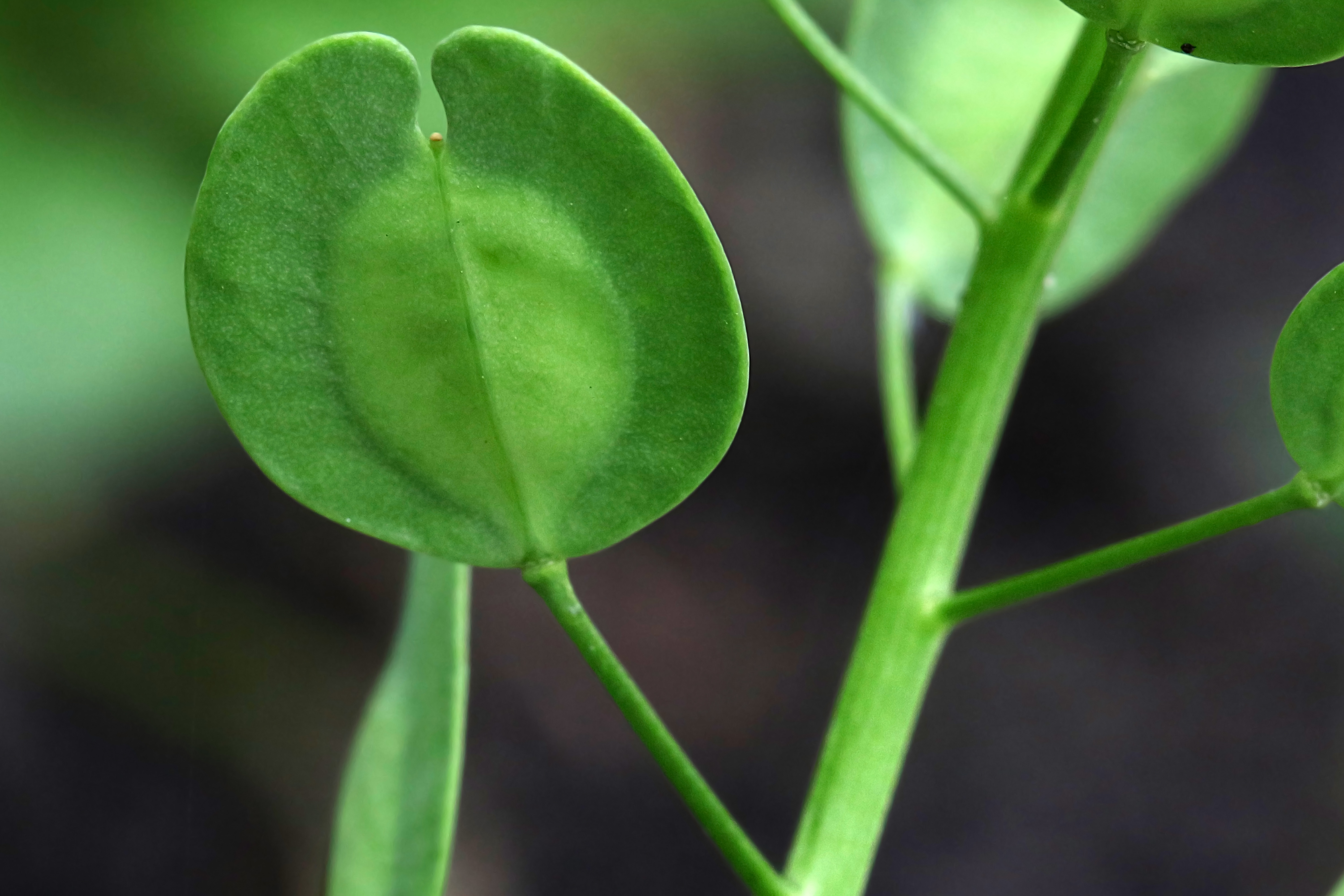
Image from GBIF · CC BY-NC-ND
Thlaspi arvense
Sign in to saveAlso known as field pennycress, Frenchweed, pennycress, stinkweed, fanweed
species of plant
OverviewAI-generated
Thlaspi arvense, commonly known as field pennycress, is a species of herbaceous plant within the family Brassicaceae. It belongs to the genus Thlaspi and is classified under the order Brassicales. The plant produces a fruit type called a silique and has a cabbage-like smell. It is utilized as a medicinal plant, vegetable, and food source.
The taxon range includes China, Shanghai, Tianjin, and Xinjiang. Records from iDigBio indicate occurrences in Canada and the United States, with specimens held by institutions such as the University of Alberta Museums. The species has been described in the source Gujin Tushu Jicheng.
Synthesized by Vinony from 34 facts across 6 sources: Wikidata, GBIF, Gbif Occ, Plants of the World, iDigBio, Vinony graph. Generated from structured data (not the Wikipedia text) and checked against those facts — may still contain errors.
Species
SPECIES
- KingdomPlantae
- PhylumTracheophyta
- ClassMagnoliopsida
- OrderBrassicales
- FamilyBrassicaceae
Das Acker-Hellerkraut (Thlaspi arvense), auch als Acker-Täschelkraut, Acker-Pfennigkraut oder Ackertäschel bezeichnet, ist ein in Mitteleuropa verbreiteter und häufig vorkommender Angehöriger der Kreuzblütengewächse (Brassicaceae). Inhaltsverzeichnis 1 Beschreibung 2 Ökologie 3 Vorkommen 3.1 Standortansprüche 3.2 Verbreitung 4 Sonstiges 5 Verwendung 6 Literatur 7 Einzelnachweise 8 Weblinks Beschreibung Blüte des Acker-Hellerkrauts Acker-Hellerkraut (Schötchen) Die meist einjährige krautige Pflanze erreicht eine Wuchshöhe von etwa 10 bis 40 cm. Die ganze Pflanze ist kahl, gelbgrün und riecht beim Zerreiben deutlich nach Knoblauch. Der Stängel wächst aufrecht, ist meist verzweigt und kantig. Alle Blätter mit Ausnahme der untersten sind sitzend und pfeilförmig stängelumfassend. Sie sind länglich bis schmal verkehrt-eiförmig, ganzrandig oder gezähnt. Die Traube ist reichblütig. Die Kelchblätter sind elliptisch geformt und etwa 2 bis 2,5 mm lang. Die Kronblätter sind weiß, länglich keilförmig, abgerundet bis schwach ausgerandet und etwa 3 bis 5 mm lang. Die Schötchen sitzen auf etwa 7 bis 15 mm langen und fast waagerecht abstehenden Stielen. Sie sind fast kreisrund, 12 bis 18 mm lang un
via GBIF · Kew POWO
Museum specimens
- Specimen records
- 9,811
- With media
- 7,108
- Family
- Brassicaceae
- Collections
- UNIVERSITY OF ALBERTA MUSEUMS
- Recorded in
- Canada, United States
Wikidata facts
- Instance of
- taxon
- Subclass of
- herbaceous plant
- Parent taxon
- Thlaspi
- Image
- Thlaspi arvense1 eF.jpg
- Has use
- vegetable
Show 12 more facts
- taxon rank
- species
- taxon name
- Thlaspi arvense
- Commons category
- Thlaspi arvense
- Commons gallery
- Thlaspi arvense
- taxon common name
- njivski mošnjak
- has fruit type
- silique
- this taxon is source of
- food plant
- taxon range
- Zhoushan Archipelago
- short name
- T. arvense
- taxon author citation
- L.
- smells of
- cabbage
via Wikidata · CC0
~9 min read
Encyclopedic overview
Thlaspi arvense, known by the common name field pennycress, is a flowering plant in the cabbage family Brassicaceae. It is native to Eurasia, and is a common weed throughout much of North America and its home.
Description
Excerpted from Wikipedia’s “Thlaspi arvense” article, available under the CC BY-SA 4.0 licence.