
File:Donkeys,_Timbuktu.jpg · Wikimedia Commons · See Wikimedia Commons
Timbuktu
Sign in to saveAlso known as Tombouctou, Tumbutu, Timbuctoo, Timbuktoo
Timbuktu ( ; ; Koyra Chiini: ; ) is an ancient city in Mali, situated north of the Niger River. It is the capital of the Tombouctou Region, one of the eight administrative regions of Mali, having a population of 32,460 in the 2018 census.
OverviewAI-generated
Timbuktu, also known as Tombouctou or تمبكتو, is a city and urban area located in Mali. It serves as the capital of Azawad and is situated within the Timbuktu Region and Timbuktu Cercle. The city is recognized as a World Heritage Site and is included in the list of World Heritage in Danger. It is twinned with Marrakesh, Saintes, Château-Chinon (Ville), and Chemnitz.
The population of Timbuktu is recorded as 54,453 in one source and 84,208 in another. The city covers an area of 14,789 and sits at an elevation of 261 meters or 274 meters above sea level. Notable features within the city include the Djinguereber Mosque. Timbuktu is located in the Africa/Bamako time zone.
Synthesized by Vinony from 53 facts across 9 sources: Wikidata, Openweathermap, OpenStreetMap, GeoNames, Firecrawl, Open Meteo, Vinony collections, Vinony graph, Geo. Generated from structured data (not the Wikipedia text) and checked against those facts — may still contain errors.
Weather now
cached 2h ago7-day forecast
via Open-Meteo
Place details
- Locality
- Tombouctou
- Region
- Tombouctou
- Country
- Mali
- Population
- 84,208
- Timezone
- Africa/Bamako
via OpenStreetMap · GeoNames
Key facts
- Settlement.map_caption
- Map showing main trans-Saharan caravan routes . Also shown are the Ghana Empire (until the 13th century) and 13th – 15th century Mali Empire, with the western route running from Djenné via Timbuktu to Sijilmassa. Present day Niger in yellow.
- Settlement.pushpin_map
- Mali
- Settlement.pushpin_mapsize
- 250
- Settlement.pushpin_map_caption
- Location of Timbuktu within Mali
- Settlement.subdivision_type
- Country
- Settlement.subdivision_type1
- Region
- Settlement.subdivision_name1
- Tombouctou Region
- Settlement.subdivision_type2
- Cercle
- Settlement.subdivision_name2
- Timbuktu Cercle
- Settlement.established_title
- Settled
- Settlement.established_date
- 5th century BCE
- Settlement.established_title1
- City
- Settlement.established_date1
- 11th - 12th Century CE
- Settlement.area_land_km2
- 21
- Settlement.elevation_m
- 261
- Settlement.population_total
- 54,453
- Settlement.population_as_of
- 2009
- Settlement.population_density_km2
- auto
via Wikipedia infobox
Described at
Timbuktu - Mali - PlaceMania
Timbuktu: legenda o „meste na konci sveta“, ktorá v skutočnosti skrýva centrum obchodných ciest, mešít a starých rukopisov.
placemania.sk →Ak niekto v angličtine povie, že je to „odtiaľto až do Timbuktu“, nemyslí tým Malijské mesto. Myslí tým vzdialenosť, koniec sveta, miesto tak ďaleké, že znie takmer vymyslene. Oxfordský slovník angličtiny pri hesle Timbuktu síce uvádza, že ide o mesto na severe Mali, no rovno dodáva aj druhý význam: pomenovanie, ktoré sa používa pre niečo odľahlé, mimoriadne ďaleké. Keď sa dnes povie „Timbuktu“, veľa ľuďom naskočí rozprávka: karavány zlata, minarety pokryté drahým kovom, exotika a bohatstvo, ktoré sa vymyká realite. Tento obraz je starý. Západ si Timbuktu dlho spájal s bájnou Afrikou, s mestami „nepredstaviteľne bohatými“, s dvormi čiernych kráľov a s karavánami, ktoré ťahajú Saharou až k Stredozemnému moru. Timbuktu neleží na konci sveta. Leží na križovatke. V oáze pri ohbí Nigeru, tam, kde sa stretávali obchodné cesty západnej Afriky s transsaharskými trasami smerujúcimi na sever. Na jednej strane rieka a úrodnejšie územia, na druhej Sahara, ktorá nebola len prekážkou, ale aj cestou. Obchod prinášal do Timbuktu bohatstvo – nielen v podobe zlata, ale aj soli, obilia a ďalších komodít. Na severe čakali prístavy ako Tunis, Alžír či Tanger; na juhu riečne spojenia do vnútrozemia. V polovici 15. storočia vraj jeden Benátčan dokonca európskym obchodníkom odporúčal Timbuktu ako obchodného partnera, pretože severný tovar tam bol „dychtivo očakávaný“. Zároveň bol dôležitý obchod po Nigeri: proti prúdu na Djenné a na juhozápad, po prúde na juhovýchod smerom k bohatým náleziskám zlata. Ďalšia vec, ktorú si Timbuktu zaslúži vrátiť do reality, je jeho druhé meno – mesto učenosti. Európska predstava o Afrike dlho trpela jednou chybou: kontinent bol považovaný za „svetadiel bez histórie“. Nie preto, že by žiadnu nemal, ale preto, že o nej písal najmä niekto iný – a často neskoro, selektívne alebo skreslene. Najmä tam, kde sa neudržiavala písomná kultúra v európskom zmysle, pôsobili dejiny ako prázdno. No je to omyl. Okolo roku 1600 mal vraj najznámejší učenec mesta Ahmad Baba vo svojom vlastníctve tisíc šesťsto spisov a skromne dodal, že iní členovia jeho rodiny majú kníh ešte oveľa viac. V Timbuktu fungovali skriptóriá, kde sa opisovali rukopisy podobne ako v európskych kláštoroch. Karavány privážali aj knihy či drahý papier z Európy, aby sa mohli robiť kópie. Niektoré z týchto rukopisov prežili dodnes – v súkromných zbierkach, napriek termitom, suchu aj pokušeniu priekupníkov. A tak je Timbuktu mestom, ktoré sa udržiava rituálom. Obyvatelia už stáročia opravujú a nanovo omietajú mešity, aby prežili. Opravy nie sú len technická údržba – majú náboženský aj spoločenský význam, týždňový rytmus, ktorý drží komunitu pokope. Lenže aj rituál má svoje hranice. Mladý britský major Alexander Gordon Laing sa do Timbuktu dostal, no o svojej ceste už nestihol podať správu. Cesta z Tripolisu bola strastiplná: horúčka, prepad, olúpenie, ťažké zranenia. Mesto síce dosiahol, ale niekoľko dní po odchode bol zavraždený na Sahare. A tu prichádza moment, ktorý zlomil romantický obraz: Caillé zistil, že Timbuktu nie je žiadne bohaté obchodné mesto so strechami a minaretmi pokrytými zlatom, ale schátralé hniezdo s najviac dvanástimi tisícmi obyvateľov, stratené uprostred púšte. Po obchode so zlatom nebolo ani stopy. Mesto síce zažilo veľké časy, ale veľa z nich už nezostalo. Po návrate do Francúzska sa Caillé dočkal pocty aj odmeny, no jeho príbeh ukázal, ako silno vie legenda žiť vlastným životom – nezávisle od reality. Dokonca aj keď Európa neskôr zaznamenala do mapy bezpečné údaje o polohe mesta, Timbuktu zostávalo symbolom niečoho vzdialeného, zanikajúceho, nenaplnených túžob – a dokonca synonymom niečoho, čo „akoby ani neexistovalo“. Viktoriánske Anglicko poznalo obrat „from here to Timbuktu“ – tak ďaleko, ako sa len dá predstaviť. Príbeh Timbuktu však nekončí dejinami obchodu ani tým, ako si ho Západ vysníval. Dnes sa často spomína ako centrum dokumentácie arabskej kultúry v Afrike a ako mesto starých stavieb, nad ktorými prevzalo záštitu UNES
Excerpt from a page describing this subject · 22,438 chars · not written by Vinony
Wikidata facts
- Instance of
- urban area
- Has part
- Djinguereber Mosque
- Official name
- تمبكتو
- Demonym
- Timbuctaniki
- Country
- Mali
- Located in
- Timbuktu Cercle
- Population
- 35330
- Area
- 14789
- Elevation
- 261
- Time zone
- UTC±00:00
- Capital of
- Azawad
- Image
- TIMBUKTU-EINZUG.jpg
- Significant event
- list of World Heritage in Danger
Show 12 more facts
- twinned administrative body
- Tempe
- Commons category
- Timbuktu
- topic's main category
- Category:Timbuktu
- category for people born here
- Category:Births in Timbuktu
- Commons gallery
- Timbuktu
- heritage designation
- World Heritage Site
- native label
- تمبكتو
- category of associated people
- Category:People from Timbuktu
- P8168
- Gottlob Krause
- different from
- Timbuktu Region
- described at URL
- www.placemania.sk/svetova-zaujimavost/timbuktu
Sources (9)
via Wikidata · CC0
Travel guide
Understand
thumb|400px|Donkey transport outside Timbuktu's walls
Its long history as a trading outpost that linked black Africa below the Sahara Desert with Berber and Islamic traders throughout north Africa, and thereby indirectly with traders from Europe, has given it a fabled status. Combined with its relative inaccessibility, "Timbuktu" has come to be used as a metaphor for exotic, distant lands. It was once the capital of the Mali Empire, and home to Mansa Musa, the king of the Mali Empire who is regarded as the richest person in history.
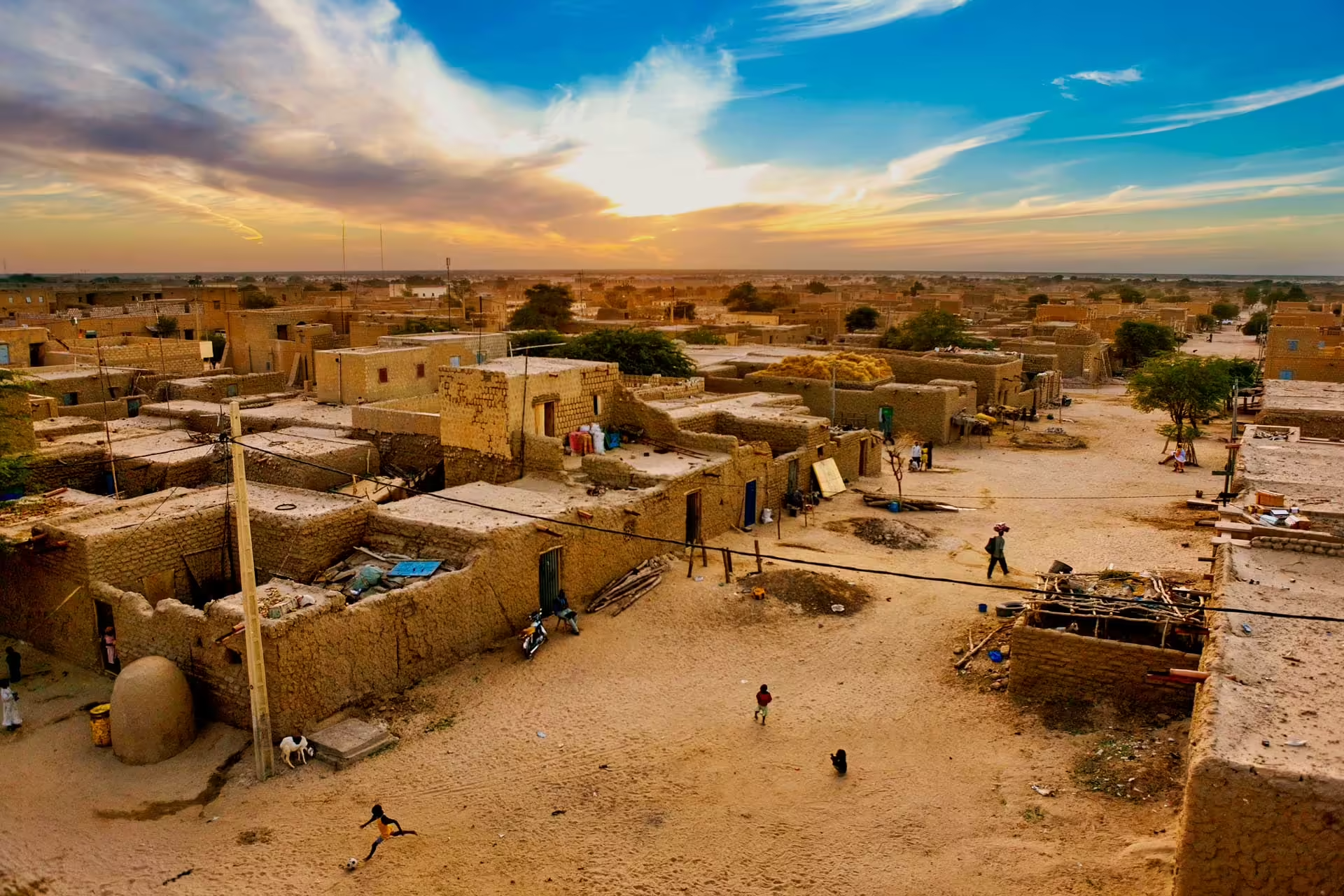
Today, Timbuktu is an impoverished town, although its reputation makes it a tourist attraction, and it has an airport. It is one of the eight regions of Mali, home to the local governor. It is the sister city to Djenne (also in Mali). thumb|320px|Timbuktu street scene In 1990, it was added to the list of world heritage sites in danger, due to the threat of desert sands. A program was set up to preserve the site and in 2005, it was taken off the list of endangered sites only to suffer immeasurable damage at the hands of Islamist militants in 2012 and early 2013, destroying an undetermined amount of the area's cultural heritage. Fourteen of the Sufi mausoleums smashed by extremists were reconstructed by 2015, but much of the city remains damaged.
It was one of the major stops during Henry Louis Gates' PBS special Wonders of the African World. Gates visited with Abdel Kadir Haidara, curator of the Mamma Haidara Library together with Ali Ould Sidi…
Get around
There are taxis, camels and donkeys, and not much more, but you can easily walk from one end of the city to the other in under an hour. All the mosques are in the old town, which can be walked across in just a few minutes.
See
thumb|250px|The minaret of Sankore Mosque. thumb|250px|Inside Sankore Mosque
The three mosques of Djinguereber, Sidi Yahya and Sankore makes up of what have come to be known as the University of Timbuktu. They are closed for visitors during prayers and have time to time been completely off-limits for non-Muslims. All three are within a short walk of each other.
The Western explorers who were the "first" to find Timbuktu all have their houses preserved and commemorative plaques are visible on each of them. Alexander Gordan Laing, first Westerner to make it there and René Caillié, first Westerner to make it there and back among others. Most of these houses are private homes nowadays.
You can also hire a Tuareg and camels, however the "sunset tours" are too short to really appreciate the surroundings as the Tuareg camps are only a few hundred metres away from the edge of town. However it is interesting to visit one of the camps (usually just a small family group) and see the sun set over the desert. Even if you don't visit the camps it is worth walking to the dunes on the edge of the town just to see them. A tour over several days will however be fascinating. You may even go to do the 40-day trip to the salt fields. Negotiate with the Tuaregs, and not so-called "guides".
Don't forget to visit the tourist office so you can get your passport stamped with a Timbuktu stamp.
Buy
Take some salt along as well as the Tuareg sabres or knives. You'll be pretty hard pressed to get away from vendors selling all the same "unique" necklaces, earrings, knives and other handicrafts, so make sure to drive them down to a good price. A fair rule is to offer about a third of the first price they quote, then haggle so you pay half their first price. They are used to this and so always start at a high price. However, the things they sell are generally of good quality and great for souvenirs.
There is a shop (called 'objets artes boutique' or something similar) that sells the souvenirs to the sellers you see around town. If you head north on the Askia Mohamed Blvd from the Djingareyber Mosque Mosque Djingareyber, it forks; take the left fork and about 100-200 m down the road, on the left hand side, is this shop. Prices are 6-10 times cheaper here, you cannot bargain but you may get a small (5-10%) discount for buying several items.
Another good idea is to get a postcard and post it, it will have the Timbuktu postal stamp on it. The Post office is down the main street south of the roundabout. The staff in there will give you the right stamps, you can sometimes buy postcards from there or from the many street vendors. Just don't expect to receive the postcard too soon; it can take over a month to get through to many Western countries!
Eat
There are bars and restaurants around, including one on top of the Grand Marché. There is also a patisserie opposite the post office. Cat (see above)
Drink
Avoid drinks prepared from local tap water. Drink only bottled water from shops; if you must drink tap water, boil it first.
A variety of "Western" drinks are available for purchase, sometimes at hotels from the counter. Coca Cola, original, diet or zero will make you lose liquids more quickly than you consume the drink, but the original version of the drink can help to replace sugars. Fanta is also available, but can be harder to find than Coke.
Keep drinking lots of water and carry a bottle with you at all times, even on short trips. Timbuktu can be extremely hot all year round and there are no bodies of water to cool off in.
Travel guide from Wikivoyage (CC BY-SA 4.0)
~44 min read
Encyclopedic overview
35 sectionsContents
- Toponymy
- Prehistory
- History
- Siege of Timbuktu
- Geography
- Climate
- Economy
- Salt trade
- Agriculture
- Tourism
- Attacks
- Early accounts in the West
- Leo Africanus
- Shabeni
- Arts and culture
- The mosques
- Djinguereber
- Sankoré
- Sidi Yahya
- Cultural events
- World Heritage Site
- Attacks by radical Islamic groups
- Education
- Centre of learning
- Manuscripts and libraries
- Language
- Infrastructure
- Notable people
- In popular culture
- Twin towns – sister cities
- See also
- Explanatory notes
- Citations
- Cited and general sources
- External links
Timbuktu ( ; ; Koyra Chiini: ; ) is an ancient city in Mali, situated north of the Niger River. It is the capital of the Tombouctou Region, one of the eight administrative regions of Mali, having a population of 32,460 in the 2018 census.
Archaeological evidence suggests prehistoric settlements in the region, predating the city's Islamic scholarly and trade prominence in the medieval period. Timbuktu began as a seasonal settlement and became permanent early in the 12th century. After a shift in trading routes, particularly after the visit by Mansa Musa around 1325, Timbuktu flourished, due to its strategic location, from the trade in salt, gold, and ivory. It gradually expanded as an important Islamic city on the Saharan trade route and attracted many scholars and traders before it became part of the Mali Empire early in the 14th century. In the first half of the 15th century, the Tuareg people took control for a short period, until the expanding Songhai Empire absorbed it in 1468.
Excerpted from Wikipedia’s “Timbuktu” article, available under the CC BY-SA 4.0 licence.
Gallery (40)
On the map
3 mapped locations
Available in 110 languages
- Español
- Français
- Deutsch
- 中文
- 日本語
- Русский
- Português
- Italiano
- العربية
- हिन्दी
- Afrikaans
- Akan
- Akan
- Aragonese
- Asturian
- azb
- Bahasa Indonesia
- Bambara
Show 91 more
- Bangla
- Basque
- Belarusian
- Bosnian
- Breton
- Bulgarian
- Catalan
- Cebuano
- Croatian
- Czech
- dag
- Danish
- Egyptian Arabic
- Esperanto
- Estonian
- Filipino
- Finnish
- Frafra
- Galician
- Georgian
- Greek
- Gujarati
- Hausa
- Hebrew
- Hungarian
- Icelandic
- Ido
- Interlingue
- Irish
- Javanese
- Kabyle
- Kannada
- Kazakh
- Kotava
- Ladino
- Latin
- Latvian
- Limburgish
- Lithuanian
- Low German
- Luxembourgish
- Maithili
- Malagasy
- Malay
- Malayalam
- Maltese
- Marathi
- Moksha
- Mossi
- Nederlands
- Nepali
- Northern Frisian
- Norwegian
- Norwegian Nynorsk
- Occitan
- Pampanga
- Polski
- Punjabi
- Romanian
- Scots
- Scottish Gaelic
- Serbian
- Serbian (Latin)
- Sicilian
- Silesian
- simple
- Sindhi
- Slovak
- Slovenian
- Standard Moroccan Tamazight
- Svenska
- Swahili
- Tamil
- Tiếng Việt
- Türkçe
- Ukrainian
- Urdu
- Uzbek
- Waray
- Welsh
- Western Frisian
- Western Panjabi
- Wu Chinese
- Yiddish
- Yoruba
- zh_classical
- zh_min_nan
- zh_yue
- فارسی
- ไทย
- 한국어
via Wikidata sitelinks · CC0