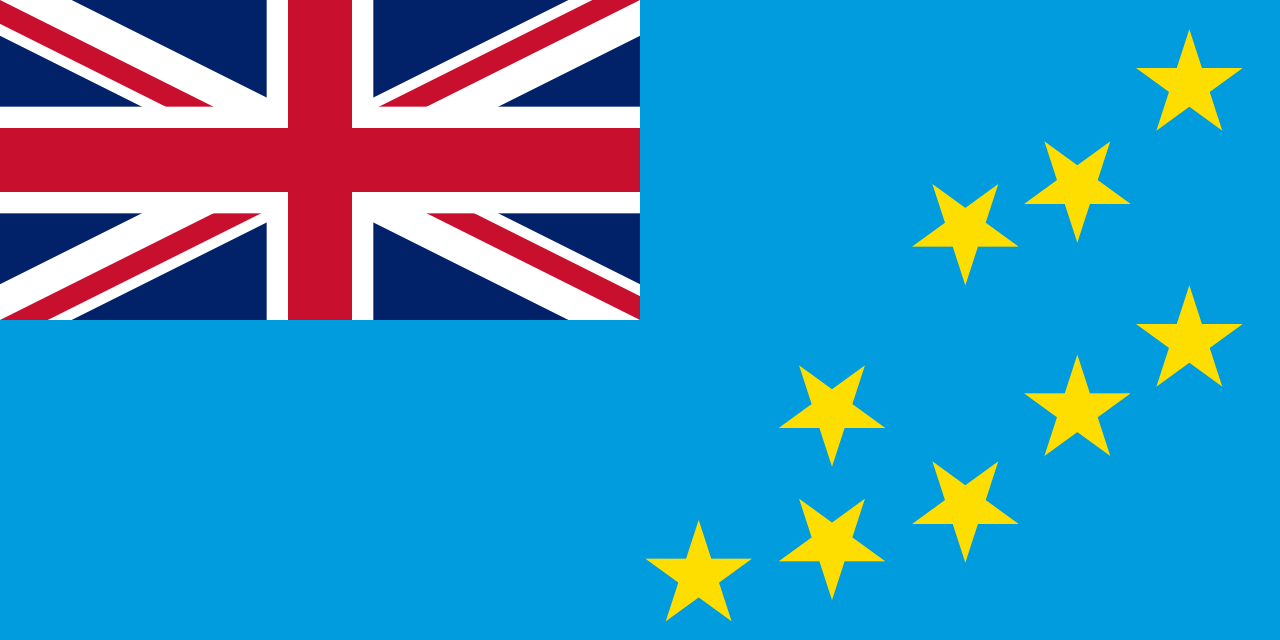
Tuvalu
Also known as Ellice Islands, tv, TUV
konstitutionell monarki i Polynesien i Stilla havet
AI overview
Tuvalu is a small island country located in the Pacific Ocean between Hawaii and Australia, positioned in the Polynesian region of Oceania. It is significant as an independent nation in a strategically important and culturally rich area of the Pacific, situated among various other island territories and countries.
AI-generated from the Wikipedia summary — may contain errors.
Weather now
cached 10h ago27°scattered clouds
71% 10.6 m/s OpenWeatherMap
7-day forecast
via Open-Meteo
Country
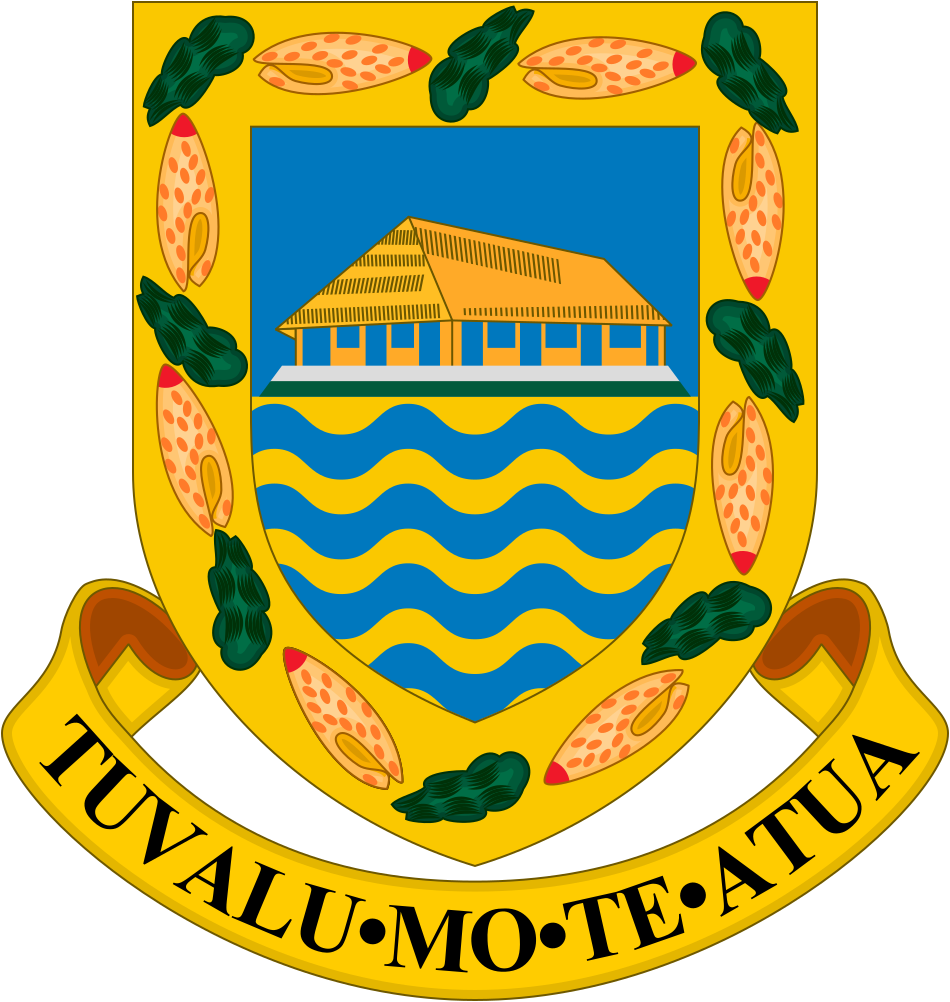
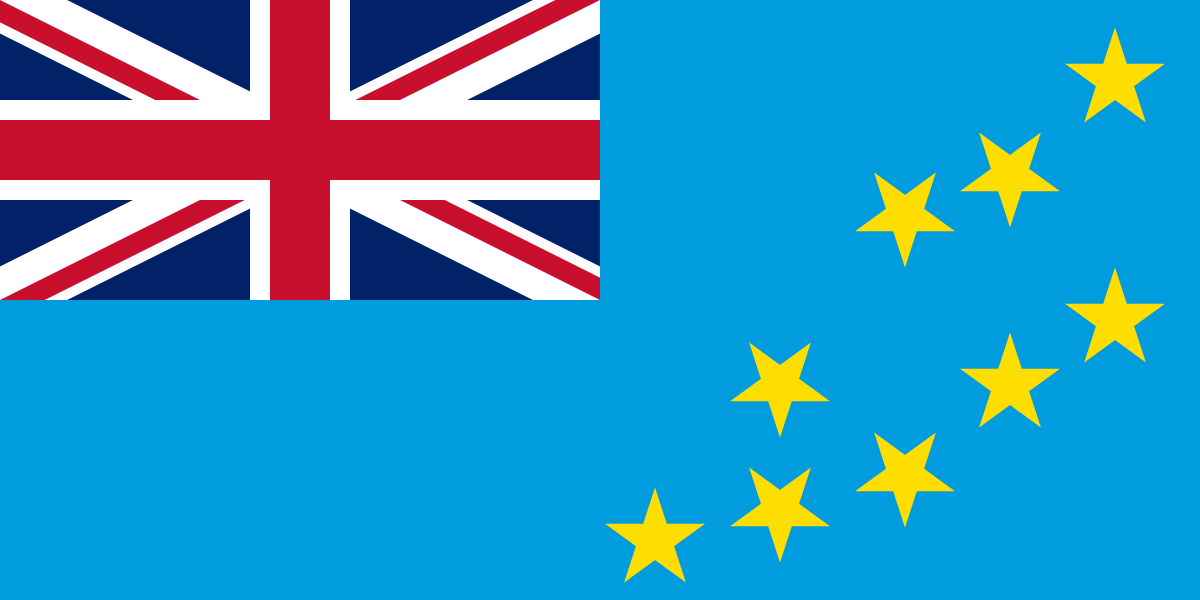
- Capital
- Funafuti
- Population
- 10,643
- Region
Travel guide
Get in
thumb|Tuvaluan kids watching an incoming airplane at Funafuti International Airport Citizens of Schengen Area countries do not need a visa.
Everyone else is eligible for a one-month visa on arrival. This is free for citizens of: American Samoa, Antigua and Barbuda, Bahamas, Belize, Cayman Islands, Cook Islands, Fiji, Gambia, Gibraltar, Grenada, Hong Kong, Jamaica, Kenya, Kiribati, Lesotho, Malawi, Malaysia, Maldives, Mauritius, Montserrat, Nauru, Niue, Samoa, Saint Kitts and Nevis, Saint Lucia, Saint Vincent and the Grenadines, South Korea, Tanzania, Tonga, Trinidad and Tobago, Uganda, United Kingdom, Vanuatu and Zambia. For everybody else, the visa costs A$100.
Get around
Getting around Tuvalu is simple but requires a relaxed, flexible mindset. Most movement happens on Funafuti, where the main islet, Fongafale, is long and narrow, making it easy to explore by motorbike, bicycle, or on foot. Scooters and bikes are widely rented by guesthouses, and the single main road runs the length of the islet, passing villages, shops, and the airport runway. Traffic is light, and distances are short, so getting around feels easy and informal.
Travel between the outer islands is done by boat, as there are no domestic flights. Government‑run ferries and cargo vessels make scheduled trips several times a week, though timetables can shift depending on weather and operational needs. Journeys can take several hours to more than a day, depending on the destination. While basic, these inter‑island boats are an essential part of Tuvaluan life and offer a memorable way to experience the country’s seafaring culture.
On the outer islands, transport is minimal and wonderfully simple. Most people walk or cycle along sandy paths shaded by coconut palms, and distances between villages are short. With no crowds, no rush, and no complex transport networks, getting around Tuvalu is as much about embracing the slow pace of island life as it is about reaching your destination.
See
thumb|Traditional canoe carving Tuvalu is not a destination for those in search of spectacular sightseeing opportunities. The island nation is not only small, it also lacks any city-like destination or architectural heritage. There are no hills or mountain ranges, no rivers or gorges. But it will provide travellers an experience unlike others.
The Funafuti Conservation Area on the western side of the Funafuti atoll has some of the best natural sights, and includes reefs, the gorgeous lagoon, channel, parts of the ocean and island habitats. Its diversity in marine life makes it an excellent place for scuba diving or snorkelling.
Article · Svenska
Tuvalu (tuvaluanska Tuvalu) är en stat i Polynesien i sydvästra Stilla havet.
Abstract from DBpedia / Wikipedia · CC BY-SA
Gallery (59)
On the map
6 mapped locations
Connections
Categories
1978 establishments in OceaniaArchipelagoes of the Pacific OceanBritish Western Pacific TerritoriesChristian statesCountries and territories where English is an official languageCountries in OceaniaCountries in PolynesiaIsland countriesIslands of OceaniaLeast developed countriesMember states of the Commonwealth of NationsMember states of the United Nations