Official website (http://urikatzenstein.com/)
Uri Katzenstein
Sign in to saveIsraeli artist (1951-2018)
Person · Open Library
- Born
- 1951
- Works
- 3
Top works
- אחת־עשרה
- אורי קצנשטיין Hope machines
- שש:שש
- Backyard
- Missive
via Open Library + Wikidata
Listeners · Last.fm
- Listeners
- 433
- Total plays
- 5,449
Tags
<a href="https://www.last.fm/music/Uri+Katzenstein">Read more on Last.fm</a>
Official website
Home - Uri Katzenstein | אורי קצנשטיין
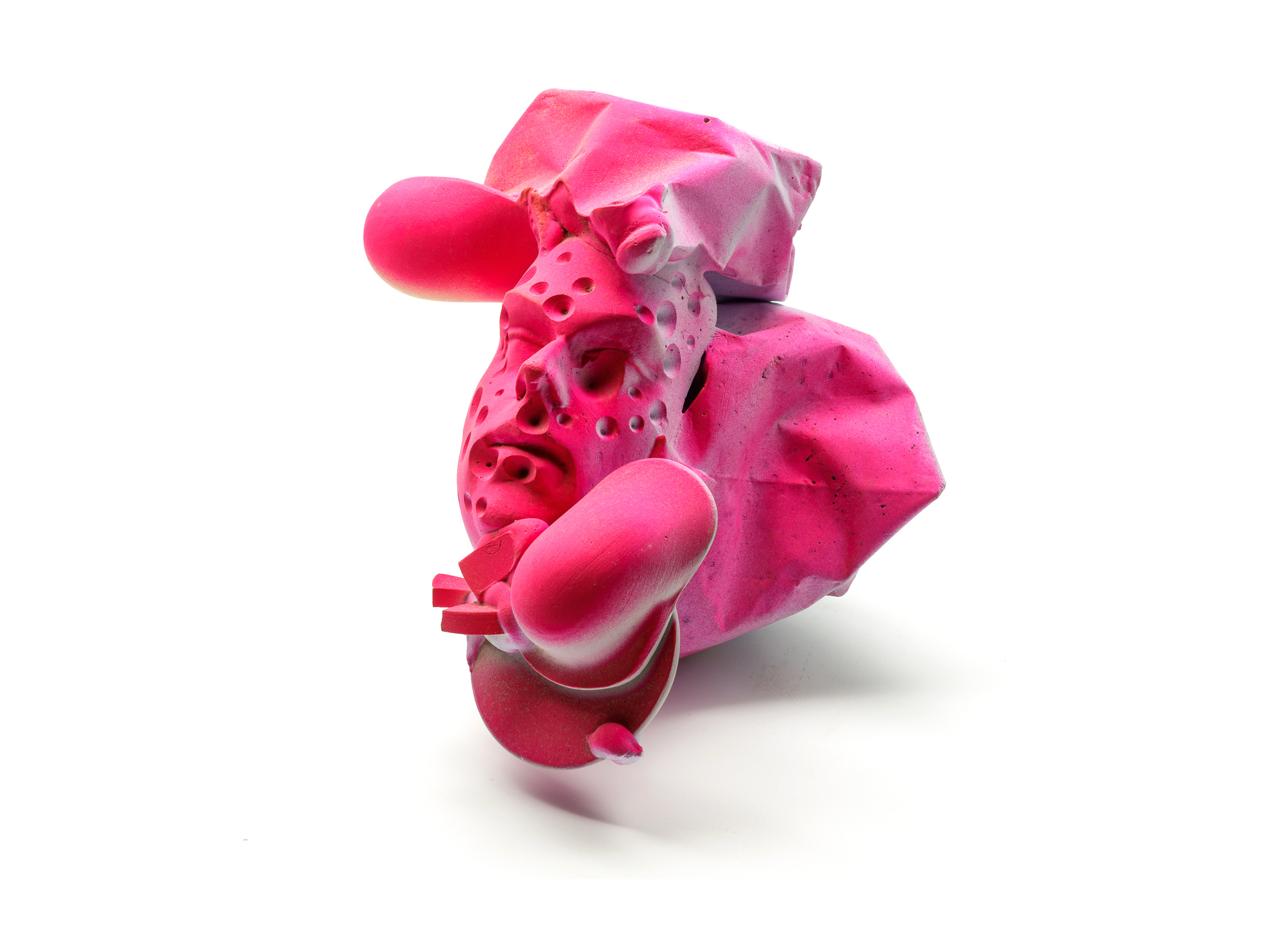
urikatzenstein.com →Uri Katzenstein, a consummate artist and an inspiring, profound soul, was born in 1951 in Tel Aviv, where he passed away suddenly in his studio in 2018 at 67. His untimely death was a tremendous loss—not only to his family, friends, loved ones, and the Israeli art community but also to art itself. Katzenstein studied art at Indiana State University and completed his MFA at the San Francisco Art Institute in the late 1970s. In the early 1980s, he moved to New York, where he performed in alternative spaces using musical instruments he had crafted himself. Among these was a distinctive flute that produced sound from draining liquids such as blood, milk, and water—an instrument he used extensively throughout his career. Upon returning to Israel in 1985, his work’s innovation and maturity immediately captured the attention of the art community, leading to exhibitions in major museums and galleries. A trailblazer of multidisciplinary art in Israel, he was among the first to combine performance, sculpture, music, dance, video, and the construction of sound machines. His sculptures, executed with exceptional technical mastery, carried an undercurrent of raw and turbulent energy beneath their polished and refined surfaces. A central theme in Katzenstein’s work was the body—especially his own—which he used as an endless source of raw material: its shape, unique silhouette, blood, nails, tattoos, and piercings. His body anchored various objects and tools that acted as extensions of himself while also serving as a canvas for images that fused masculinity and femininity. This approach challenged the conventional Israeli masculine ideal that had cast its traumatic shadow over him. His work aimed to push beyond human boundaries, exploring the animalistic and embracing a playful, “incorrect” sense of creatureliness. “Of all things, sometimes normality is the hardest to work through,” Katzenstein said in his work Hope Machines (2006-7). Indeed, his fundamental outlook on the world was one of resistance. From a young age, as an only child to German-born parents in a conservative, militaristic culture, he sought the strange and unconventional, rejecting the mainstream and gravitating toward the margins. He was captivated by malfunction, failure, and things that didn’t quite work. These painful and flawed places became a source of meaning and excitement for him. As he put it, they could be “rescued from their banality” to produce change, hope, and connection. For example, the image of the lab coat – drawn from his parents’ delicatessen – became a recurring motif in his work, charged with his persona as a scientist, shaman, and healer. Similarly, his service as a combat medic during the Yom Kippur War left a post-traumatic imprint that inspired a series of delicate and poetic drawings made with his blood. The complexity of Katzenstein’s work and his multifaceted personality is reflected in numerous texts. People have described him as a combination of a sweet child with a hint of restrained violence, a charismatic man with a soft yet unyielding voice, and an artist whose art shifts between naïve New Age sensibilities and horror film aesthetics. His works are said to convey deep suffering while being outrageously funny. Ohad Fishof defined him as somewhere between a Teenaged Mutant Ninja Turtle and Joseph Beuys, while Yigal Zalmona described him as a blend of Walt Disney and Antonin Artaud. Katzenstein himself summed up his duality in these words: “I’m a very responsible, disciplined, and organized person, but I think it’s important to skid off track sometimes.” Katzenstein gained international recognition, exhibiting and performing in major galleries and museums in Israel and worldwide. Alongside his artistic practice, he taught for many years at Haifa University’s Art Department, a role he cherished deeply. His notable achievements include participating in the 1991 São Paulo Biennial and representing Israel at the 49th Venice Biennale in 20
Read more on their site →Excerpt from the official site · 1,217 chars · not written by Vinony
Wikidata facts
- Instance of
- human
- Given name
- Uri
- Gender
- male
- Citizenship
- Israel
- Place of birth
- Tel Aviv
- Place of death
- Tel Aviv
- Occupation
- video artist
- Educated at
- San Francisco Art Institute
- Languages spoken
- Hebrew
- Award
- Dizengoff Prize
- Field of work
- art of sculpture
- Movement
- avant-garde
- Official website
- urikatzenstein.com
- Image
- Uri Katzenstein photo.jpg
- Work location
- University of Haifa
Show 6 more facts
- Commons category
- Uri Katzenstein
- date of birth
- 1951-02-17
- date of death
- 2018-08-24
- cause of death
- cerebrovascular disease
- manner of death
- natural causes
- Commons Creator page
- Uri Katzenstein
via Wikidata · CC0