Category
page 2Agaricales genera

Hemimycena
Hemimycena is a genus of fungi in the family Mycenaceae. The genus has a widespread distribution, and according to a 2008 estimate, contains about 50 species. The genus was described by mycologist Rolf Singer in 1938. They lack amyloid reaction in the spores.
Parasola
Parasola is a genus of coprinoid mushrooms in the family Psathyrellaceae. These small frail fungi have translucent caps where the radiating gills look like the spokes of a parasol (except for P. conopilea which was recently added to the genus). In the past these mushrooms were classified under Coprinus, but unlike that genus there is no veil and the caps do not break down into inky fluid, but curl up and wither as they age. Species in this genus are commonly known as umbrella inky caps.
%20Redhead%2C%20Lutzoni%2C%20Moncalvo%20%26%20Vilgalys%20152659.jpg)
Lichenomphalia
Lichenomphalia is both a basidiolichen and an agaric genus. Most of the species have inconspicuous lichenized thalli that consist of scattered, small, loose, nearly microscopic green balls or foliose small flakes containing single-celled green algae in the genus Coccomyxa, all interconnected by a loose network of hyphae. The agaric fruit bodies themselves are nonlichenized and resemble other types of omphalinoid mushrooms. These agarics lack clamp connections and do not form hymenial cystidia. The basidiospores are hyaline, smooth, thin-walled, and nonamyloid. Most of the species were original

Clitopilus
Clitopilus is a genus of fungi in the family Entolomataceae. The genus has a widespread distribution, especially in northern temperate areas. Although a 2008 estimate suggested about 30 species in the genus, a more recent publication (2009) using molecular phylogenetics has redefined the genus to include many former Rhodocybe species.

Cystoagaricus
Cystoagaricus is a genus of fungi in the family Psathyrellaceae. The genus contains four species found in subtropical America. The genus was circumscribed by mycologist Rolf Singer in 1947, with Cystoagaricus strobilomyces as the type species.
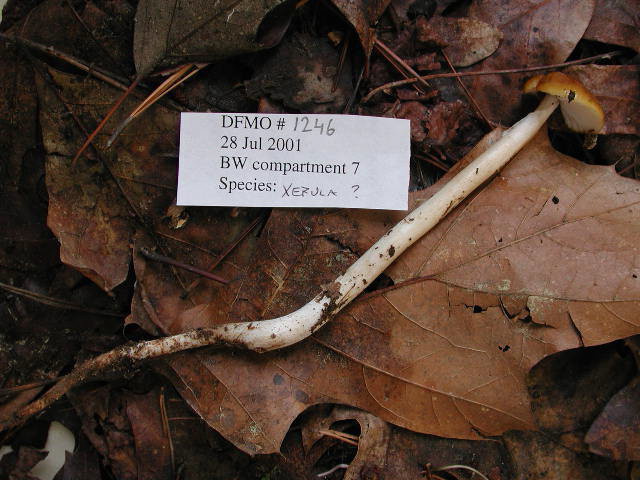
Xerula
Xerula is a genus of gilled mushrooms in the family Physalacriaceae.
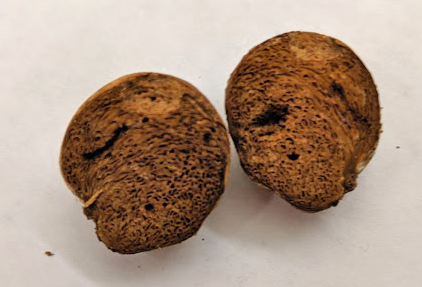
Hymenogaster
Hymenogaster is a genus of fungi in the family Hymenogastraceae (Agaricales). The genus has a widespread distribution, especially in temperate regions, and contains about 100 species. The taxonomy of the European species was revised in 2011, and twelve species were recognized, for which an identification key was presented. In 2024, seven species were described from China.

Tricholomopsis
Tricholomopsis is a genus of fungi in the family Phyllotopsidaceae. Its best known member and type species is Tricholomopsis rutilans. The name means appearing like Tricholoma. The genus has a widespread distribution, and contains about 30 species. Tricholomopsis was described in 1939 by German mycologist Rolf Singer.
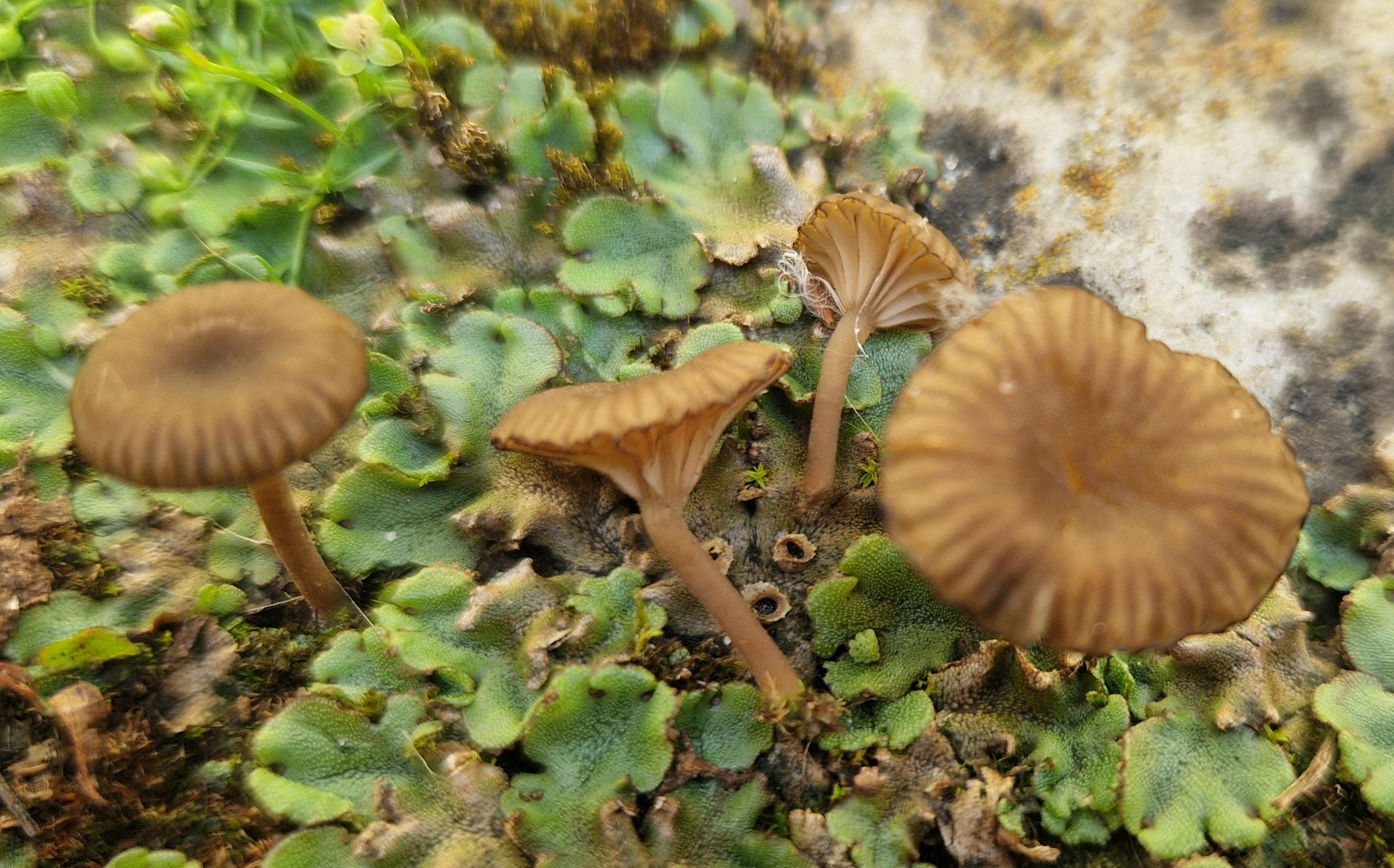
Arrhenia
Arrhenia is a genus of fungi in the family Hygrophoraceae. Arrhenia also includes species formerly placed in the genera Leptoglossum and Phaeotellus and the lectotype species itself has an unusual growth form that would not normally be called agaricoid. All of the species grow in association with photosynthetic organisms such as mosses and the alga found on decaying wood and soil biocrusts. Typically the fruitbodies of Arrhenia species are grey to black or blackish brown, due to high concentrations of fungal melanin.
Chamaemyces
Chamaemyces is a genus of fungi in the family Agaricaceae. It was circumscribed by mycologist Franklin Sumner Earle in 1906.
Melanophyllum
Melanophyllum is a genus of fungi in the family Agaricaceae. The widespread genus contains four species.

Tubaria
Tubaria is a genus of fungi in the family Tubariaceae. The genus is widely distributed, especially in temperate regions. Tubaria was originally named as a subgenus of Agaricus by Worthington George Smith in 1870. Claude Casimir Gillet promoted it to generic status in 1876. The mushrooms produced by species in this genus are small- to medium-sized with caps ranging in color from pale pinkish-brown to reddish-brown, and often with remnants of the partial veil adhering to the margin. Mushrooms fruit on rotting wood, or, less frequently, in the soil. There are no species in the genus that are reco
%20Corner%20110488.jpg)
Ramariopsis
Ramariopsis is a genus of coral fungi in the family Clavariaceae. The genus has a collectively widespread distribution and contains about 40 species. The name means 'having the appearance of Ramaria'.
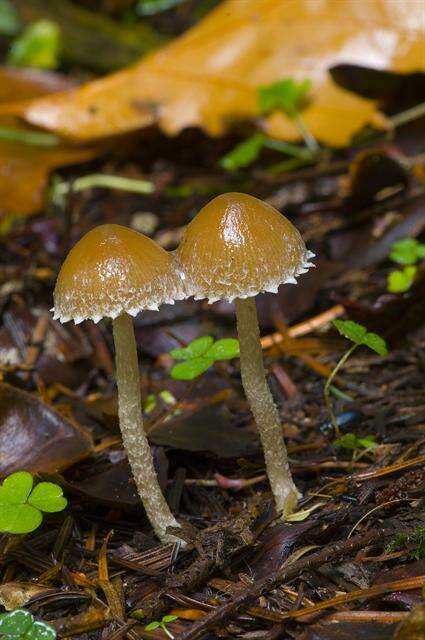
Deconica
Deconica is a genus of mushroom-forming fungi in the family Strophariaceae. It was formerly considered synonymous with Psilocybe until molecular studies showed that genus to be polyphyletic, made of two major clades: one containing bluing, hallucinogenic species, the other non-bluing and non-hallucinogenic species. Deconica contains species formerly classified in the sections Deconica and Coprophila of Psilocybe.

Leucopaxillus
Leucopaxillus is a genus of fairly large white-spored gilled mushrooms which are found worldwide growing on the ground in woodlands. These are saprotrophs, but may sometimes be ectomycorrhizal. Less than ten species of Leucopaxillus are known to grow in North America. No species of Leucopaxillus are known to be poisonous, but they do not have an appealing taste or texture. The widespread genus contains about 15 species.

Hypsizygus
Hypsizygus is a small genus of fungi that are widely distributed in north temperate regions. The genus was circumscribed by Rolf Singer in 1947. The common name for Hypsizygus ulmarius is the elm oyster mushroom.

Schizophyllum
Schizophyllum is a genus of fungi in the family Schizophyllaceae. The widespread genus contains six wood-rotting species.
Infundibulicybe
Infundibulicybe is a genus of fungi that is robustly placed incertae sedis as sister group to the Tricholomatoid clade. It has previously been part of the family of Tricholomataceae, but recent molecular phylogeny has shown it to take an isolated position within the Agaricales.

Hohenbuehelia
Hohenbuehelia is a pleurotoid genus of agaric fungi characterized by gelatinous-sheathed bowling-pin-shaped cystidia, on conidia, basidiospore germ tubes, and mycelium that adhere to and capture nematodes. The fruitbodies bear thick-walled cystidia (metuloids) in the hymenium along the gill sides and that differentiate the genus from Pleurotus in the Pleurotaceae family. The genus has a widespread distribution and contains about 50 species.

Typhula
Typhula is a genus of clavarioid fungi in the order Agaricales. Species of Typhula are saprotrophic, mostly decomposing leaves, twigs, and herbaceous material. Basidiocarps (fruit bodies) are club-shaped or narrowly cylindrical and are simple (not branched), often arising from sclerotia. A few species are facultative plant pathogens, causing a number of commercially important crop and turfgrass diseases.
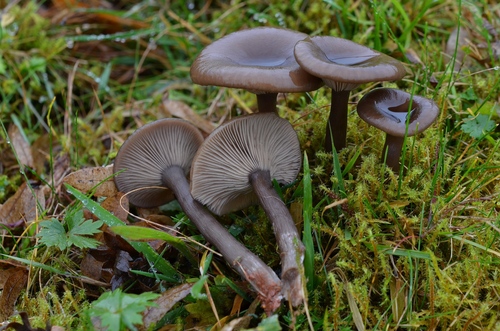
Pseudoclitocybe
Pseudoclitocybe is a genus of fungi in the family Pseudoclitocybaceae. The genus contains about ten species with a collectively widespread distribution.
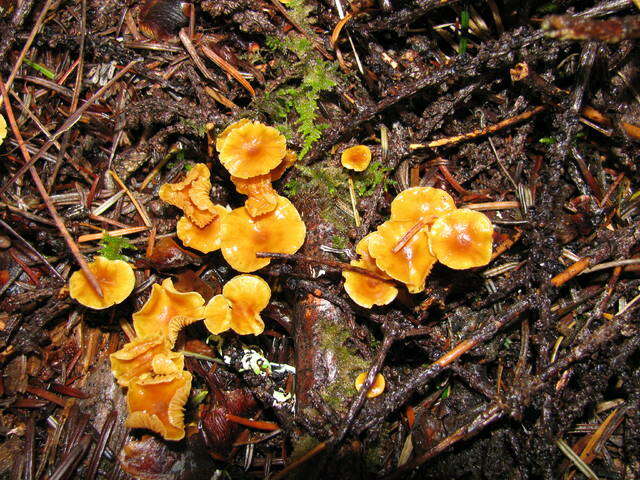
Xeromphalina
Xeromphalina is a genus of fungi in the family Mycenaceae. The genus has a widespread distribution, and contains about 30 species.
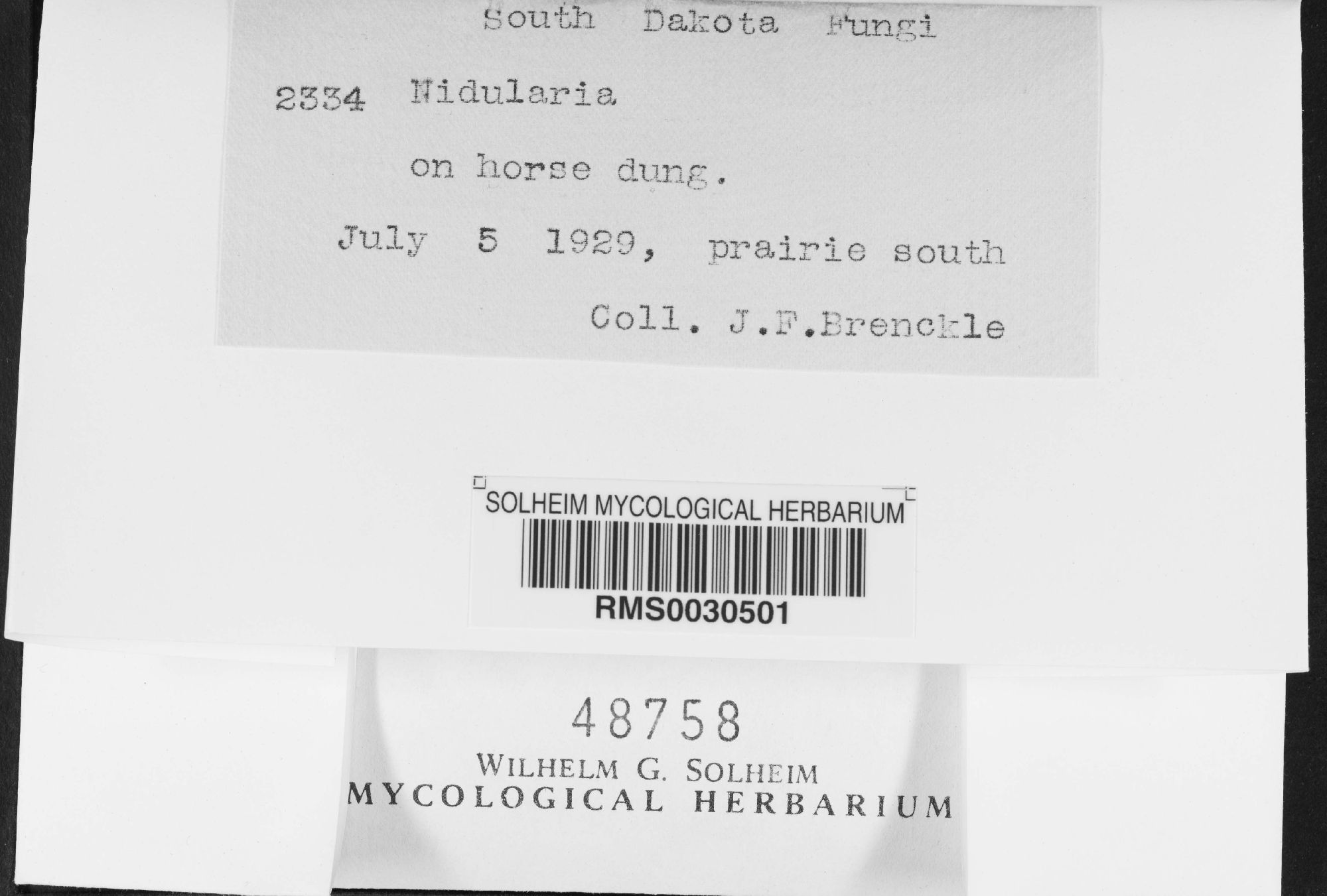
Nidularia
Nidularia is a genus of nine species of fungi in the family Agaricaceae. Their fruit bodies resemble tiny egg-filled bird nests. The name comes from the Latin meaning nest. The related genus Mycocalia was segregated from Nidularia in 1961 based on differences in the microscopic structure of the peridium.
Favolaschia
Favolaschia is a genus of fungi in the family Mycenaceae. The genus has a widespread distribution, and contains about 50 species. Like the genus Favolus, the name is derived from the Latin favus meaning honeycomb, as the fungi with the large pores on the underside are resembling a honeycomb. The name was first published as a section of the obsolete genus Laschia, which was named after Wilhelm Gottfried Lasch (1787-1863), who was a German apothecary and botanist.
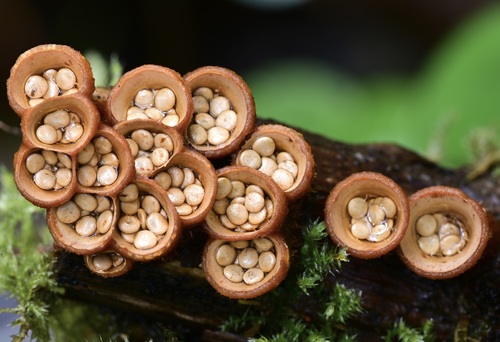
Crucibulum
genus of fungi
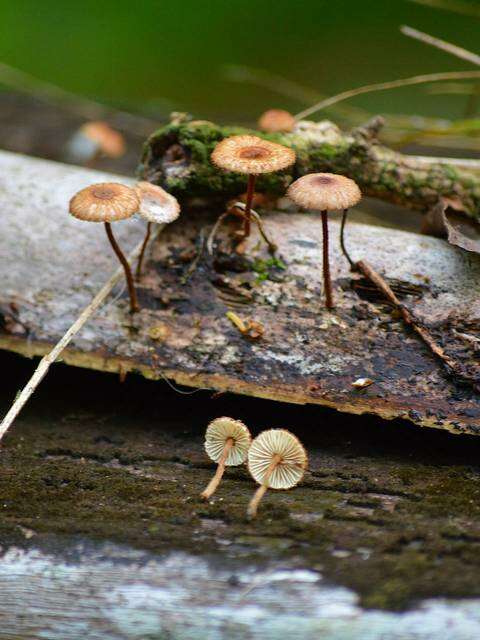
Crinipellis
Crinipellis is a genus of fungus in the family Marasmiaceae. The genus has a widespread distribution and contains about 65 species.

Omphalina
Omphalina is a genus of small agarics with white, nonamyloid, basidiospores and decurrent gills. Typically the cap has a deep central depression giving the umbrella-like to funnel-shaped cap the appearance of a belly button, or a belly with a navel. Similarly-shaped agarics are said to be omphalinoid in appearance.
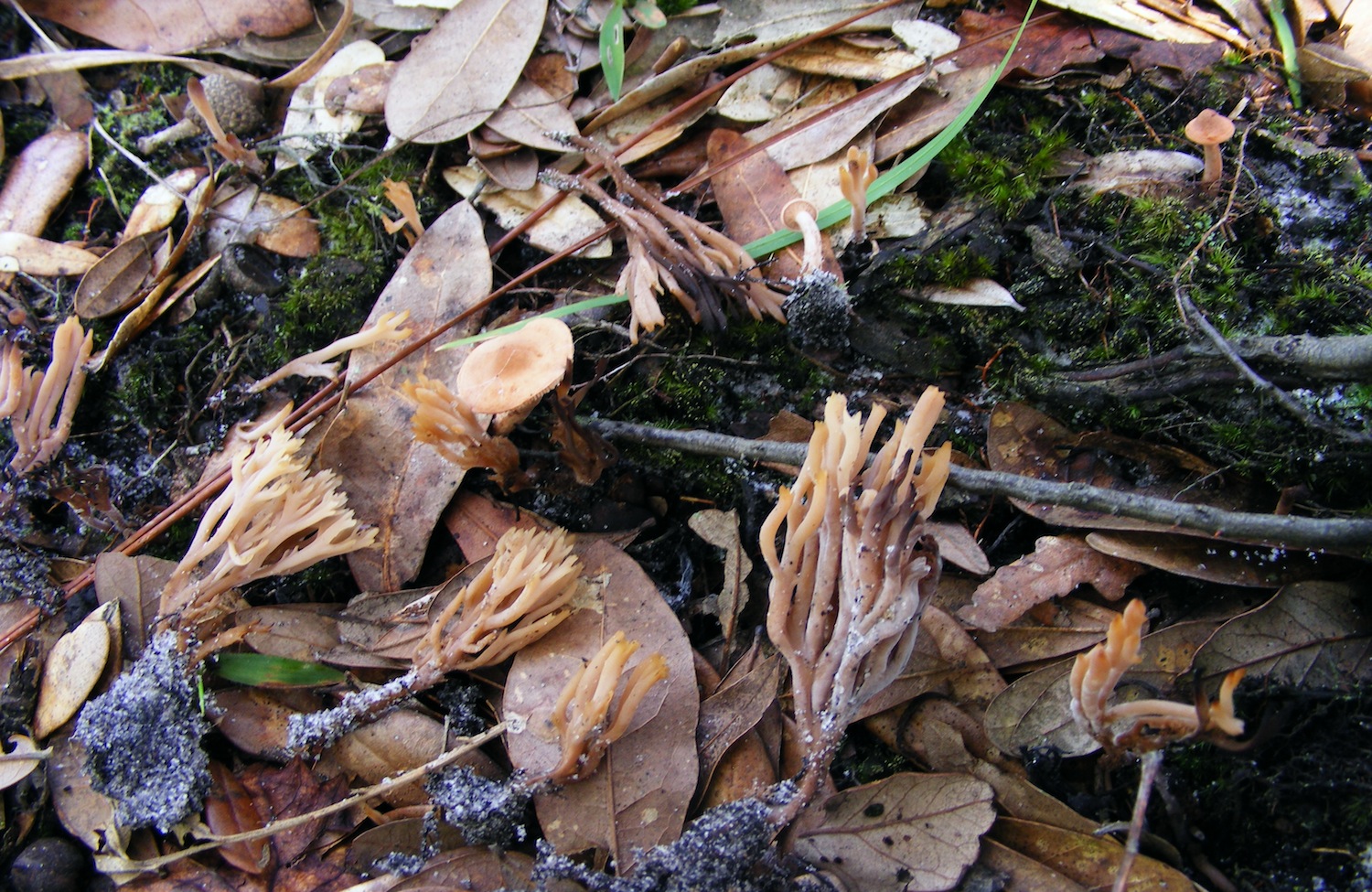
Phaeocollybia
Phaeocollybia is a genus of fungi in the family Hymenogastraceae. They are characterized by producing fruit bodies (mushrooms) with umbonate caps and rough brown spores. The genus is widely distributed (especially in temperate regions). , the genus contained about 90 species. They are known for a long stipe which continues down into the ground, known as a rooting stipe or pseudorhiza formed as the fruitbody grows up from the subterranean colonized roots well below the organic soil layer. The genus is primarily mycorrhizal but may also be somewhat parasitic on forest trees.
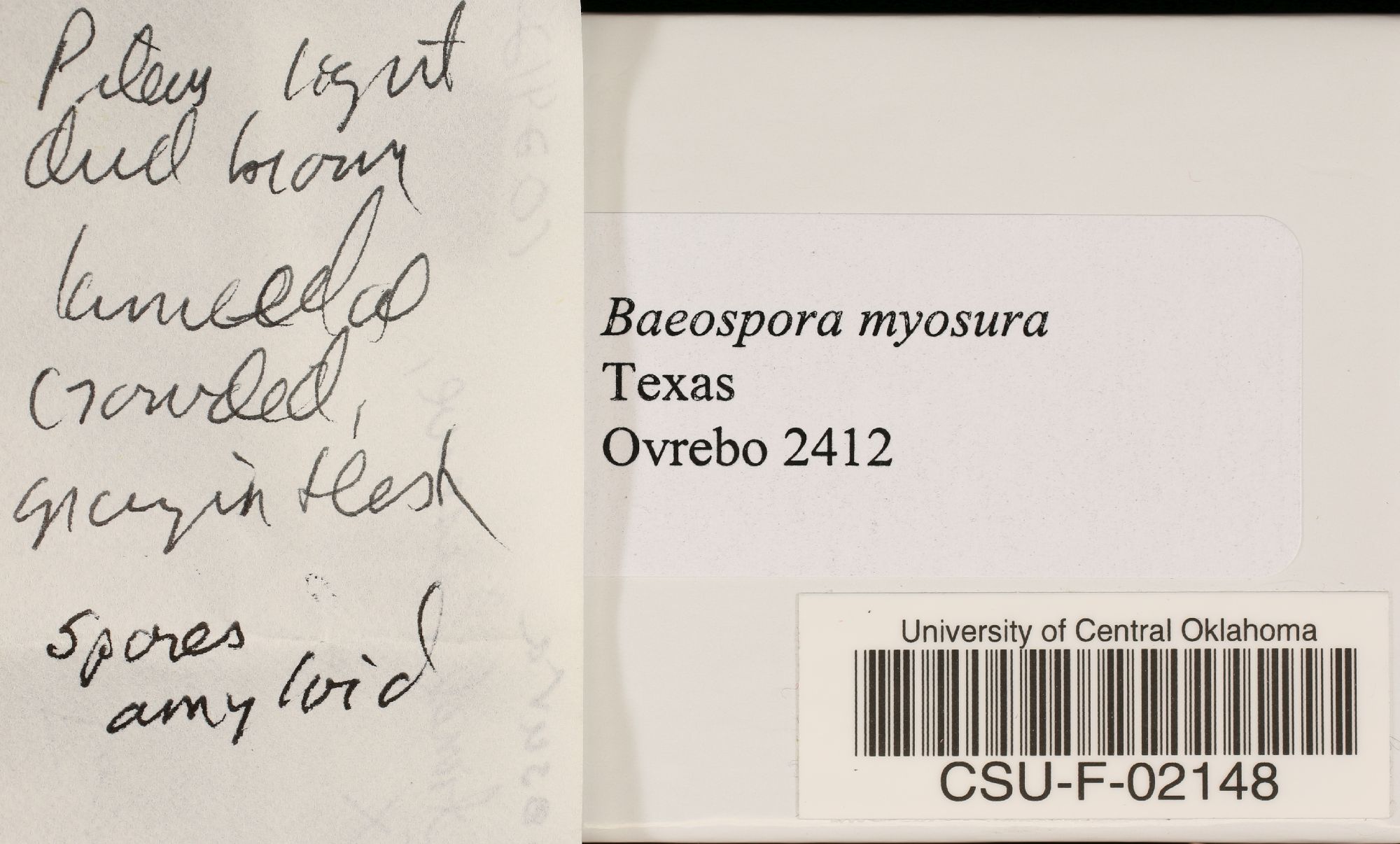
Baeospora
Baeospora is a genus of fungi in the family Cyphellaceae. Basidiocarps (fruit bodies) are agarics. The genus was circumscribed by mycologist Rolf Singer in 1938. The most recently described species, B. occidentalis, is a snowbank fungus that was discovered in montane coniferous forests of the western USA.
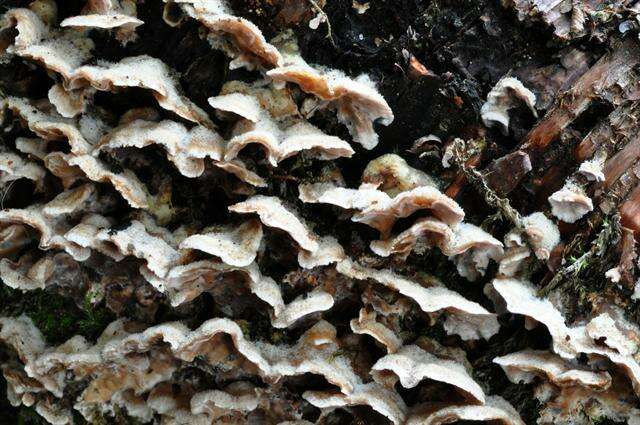
Chondrostereum
Chondrostereum is a genus of fungi in the family Cyphellaceae. The type species, Chondrostereum purpureum, causes the disease called silver leaf.

Calyptella
Calyptella is a genus of Cyphelloid fungi in the family Marasmiaceae. The genus has a widespread distribution and contains 20 species.
Battarrea
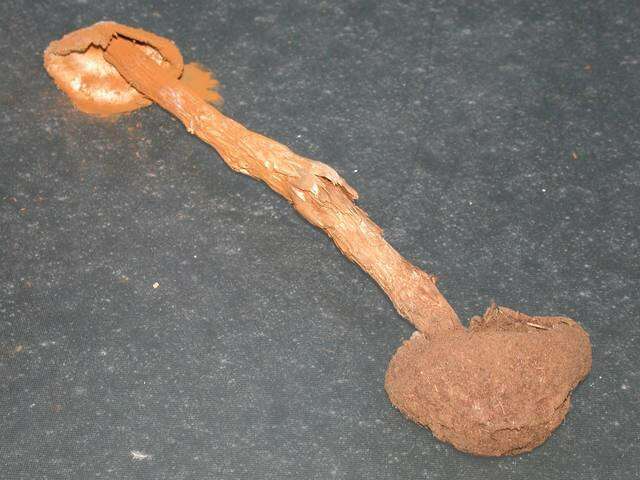
Battarrea is a genus of mushroom-producing fungi. The genus used to be classified in the family Tulostomaceae until molecular phylogenetics revealed its affinity to the Agaricaceae. Species of Battarrea have a peridium (spore sac) that rests atop an elongated, hollow stipe with a surface that tends to become torn into fibrous scales. Inside the peridium, the gleba consists of spherical, warted spores, and a capillitium of simple or branched hyphal threads that have spiral or angular thickenings. The genus is named after Italian priest and mycologist Giovanni Antonio Battarra.
Macrocystidia
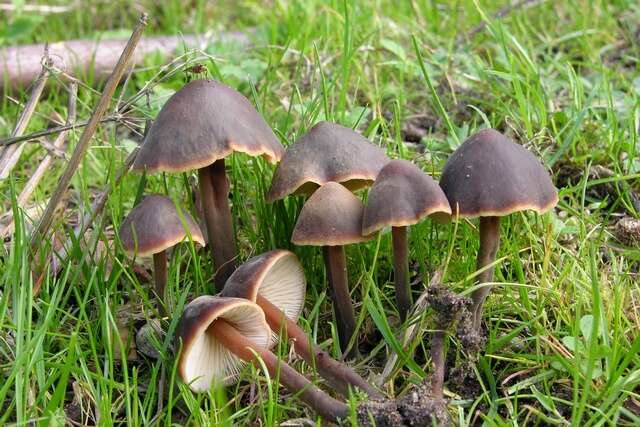
Macrocystidia is a genus of fungus in the mushroom family Macrocystidiaceae. The genus contains five species that collectively have a widespread distribution.
Cuphophyllus
Cuphophyllus is a genus of agaric fungi in the family Hygrophoraceae. Cuphophyllus species belong to a group known as waxcaps in English, sometimes also waxy caps in North America or waxgills in New Zealand. In Europe, Cuphophyllus species are typical of waxcap grasslands, a declining habitat due to changing agricultural practices. As a result, six species, Cuphophyllus atlanticus (as C. canescens), C. colemannianus, C. flavipes, C. lacmus, C. lepidopus, and C. radiatus, are of global conservation concern and are listed as "vulnerable" on the IUCN Red List of Threatened Species.
Pterula
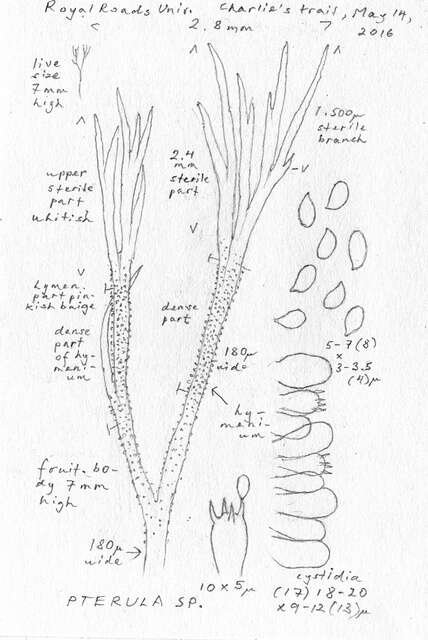
Pterula is a genus of fungi in the Pterulaceae family. The genus has a widespread distribution, especially in tropical regions, and contains about 50 species.
One such species, Pterula sp. 82168, has yielded potential antifungal antibiotic properties.

Clitocybula
Clitocybula is a genus of mushroom-forming fungi in the family Porotheleaceae but was originally classified within Marasmiaceae. The genus was circumscribed by Georges Métrod in 1952. Species in the genus are commonly known as "coincaps".

Megacollybia
Megacollybia is a genus of fungus in the family Marasmiaceae. Previously thought to be monotypic, the genus was split into several species based on genetic data in 2007 . The type species, M. platyphylla, is restricted in distribution to Europe, Scandinavia, and western and central Russia. M. rimosa was described as new to science from Brazil in 2013.

Mucronella
Mucronella is a genus of fungi in the family Clavariaceae. Species in the genus resemble awl-shaped teeth that grow in groups without a common subiculum (supporting layer of mycelium).

Echinoderma
Echinoderma is a genus of fungi in the family Agaricaceae. Its members were for a long time considered to belong to genus Lepiota and the group was then circumscribed by French mycologist Marcel Bon in 1981 as a subgenus of Cystolepiota before he raised it to generic status in 1991.

Ampulloclitocybe
Ampulloclitocybe is a genus of three species of fungi with a widespread distribution.
Henningsomyces
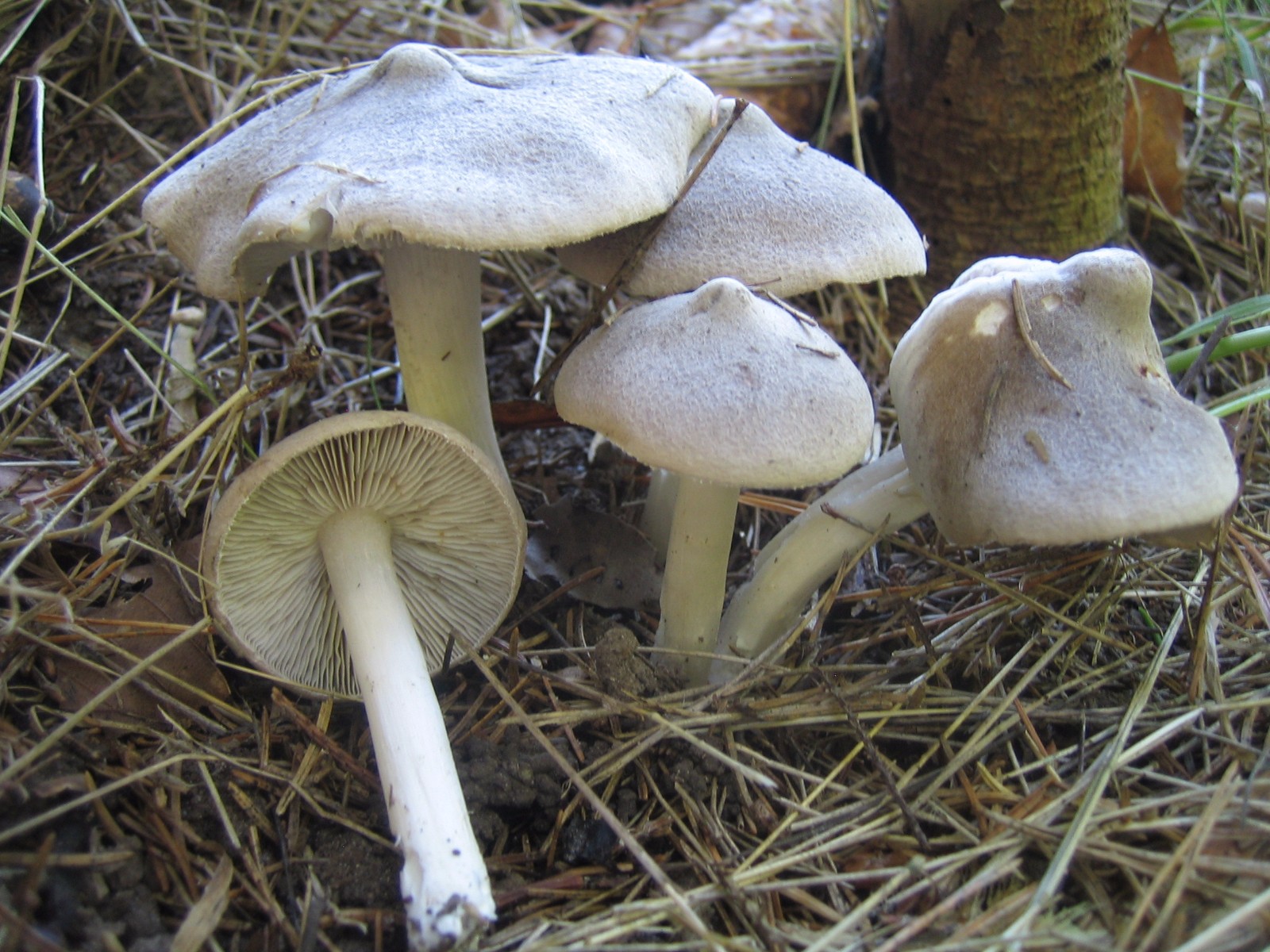
Henningsomyces is a genus of fungi in the family Marasmiaceae. Based on the small, tubular structure of its sporulating body it is called a cyphelloid fungi.
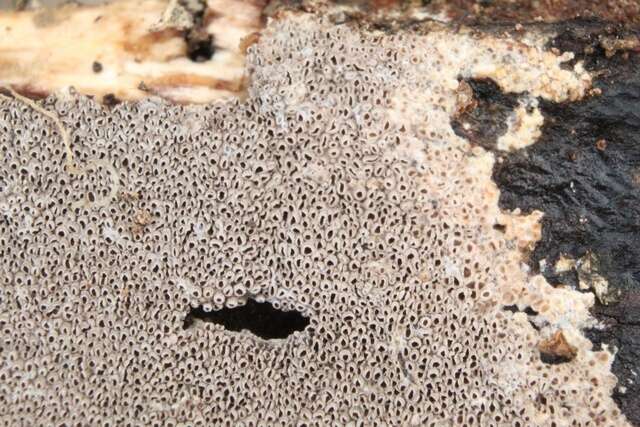
Resupinatus
Resupinatus is a genus of fungi in the family Resupinataceae, of which it is the only member. Species are saprobic, and often found growing on the underside of decaying wood or sides of decaying woody substrates. The generic name is derived from the Latin resupinus (bent backward, inverted).

Abstoma
Abstoma is a genus of gasteroid fungi in the family Agaricaceae. The type species,
A. purpureum, was described from New Zealand by mycologist Gordon Herriot Cunningham in 1926. Wright and colleagues transferred A. stuckertii (originally Bovista stuckertii Speg.) to the genus in 1990, but Moreno et al. proposed a new combination Disciseda stuckertii in 2007. A. fimbrialis was described from Baja California, Mexico, in 1992. Abstoma townei| is found in western and southwest USA and in west Argentina, while A. reticulatum occurs in Australia and the western and southwestern USA.
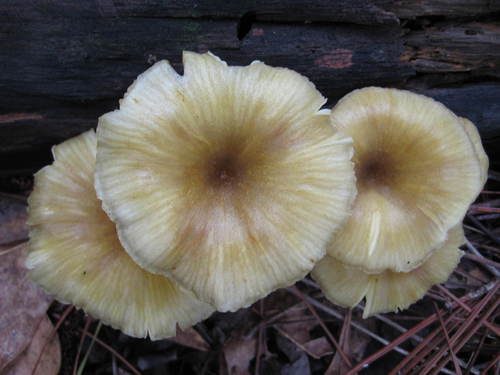
Gerronema
Gerronema is a genus of over 50 fungi species that form agaric fruit bodies. They are of small to medium size, with a centrally depressed cap. They are similar to Omphalina species.

Disciseda
Disciseda is a genus of gasteroid fungi in the family Agaricaceae. It is a widely distributed genus that is prevalent in arid zones. Disciseda was circumscribed by mycologist Vassiliĭ Matveievitch Czernajew in 1845.
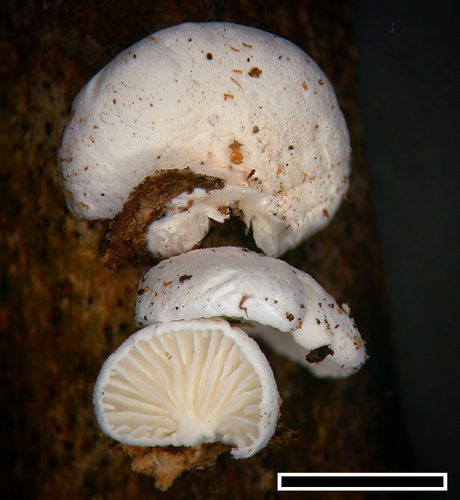
Cheimonophyllum
Cheimonophyllum is a genus of fungi in the family Cyphellaceae. The widely distributed genus contains three species.
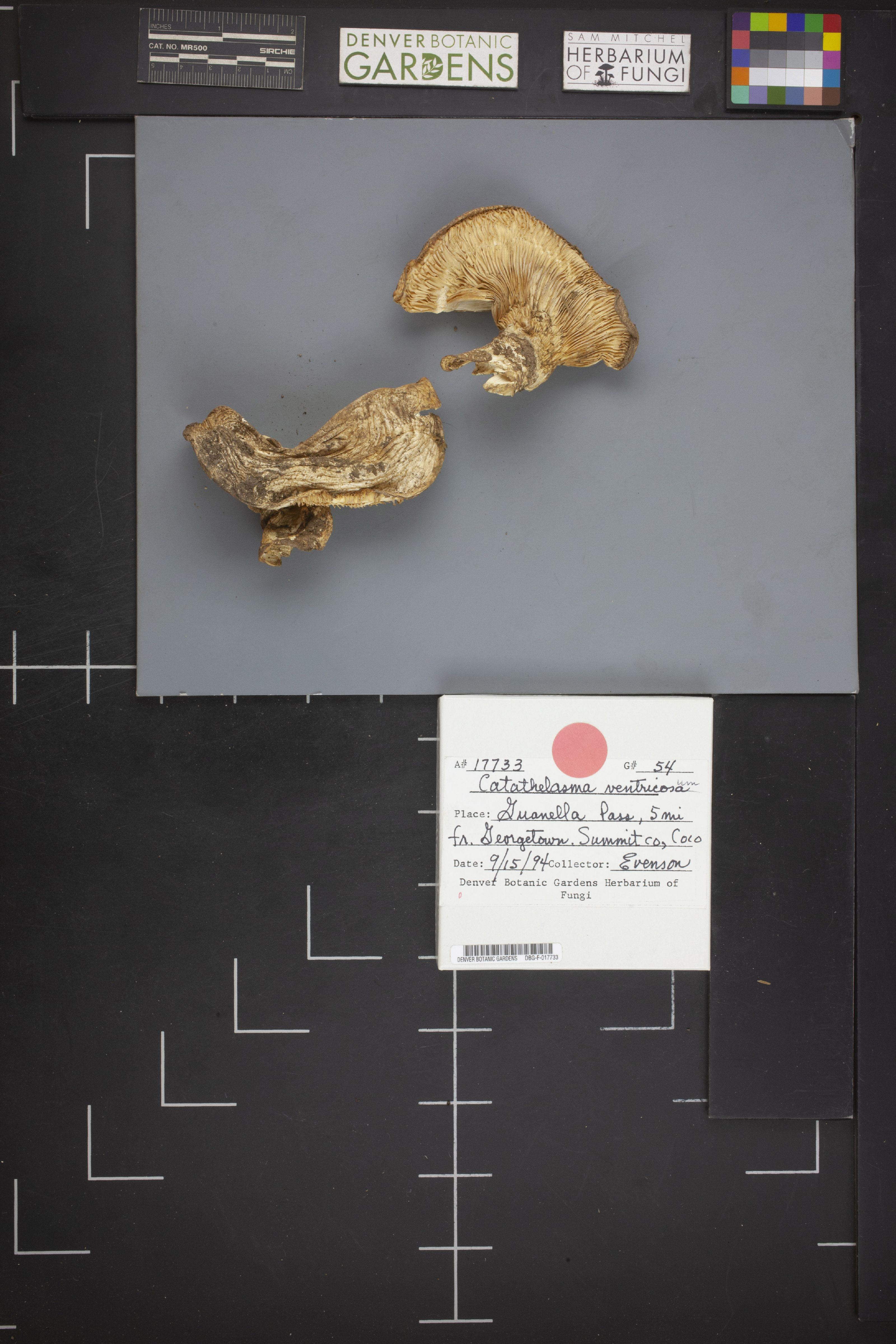
Catathelasma
Catathelasma is a genus of fungi in the family Biannulariaceae. Basidiocarps (fruit bodies) are agaricoid, with a conspicuous veil (leaving a double ring on the stem), adnate to decurrent lamellae, and amyloid basidiospores. The genus is separated on DNA characteristics as well as morphology. Species are known from North America, Europe, and Asia and are ectomycorrhizal, forming an association with the living roots of trees.
Cystodermella
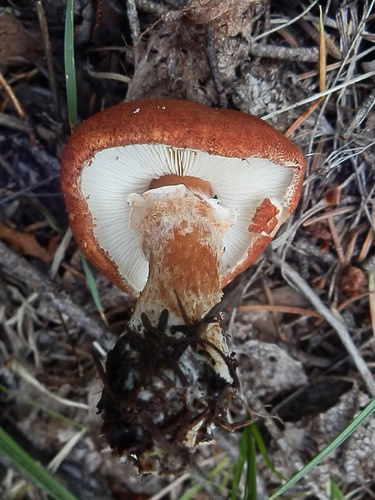
Cystodermella is a genus of fungi in the family Agaricaceae. The genus comprises about 12 species, noted for producing agaric fruit bodies, bearing a cap, white gills and stipe with a fine, ephemeral ring. The genus was devised by Harri Harmaja in 2002, dividing the older genus Cystoderma into three independent genera: Cystoderma, Ripartitella and Cystodermella largely on the basis of microscopic differences. Cystodermella species bear non-amyloid spores and sometimes cystidia. The spores, in contrast to Ripartitella are not echinulate.

Mycetinis
Mycetinis is a genus of fungus in the Omphalotaceae family, containing about eight species formerly classified in Marasmius.

Oudemansiella
Oudemansiella is a genus of fungi in the family Physalacriaceae. The genus contains about 15 species that are widely distributed in tropical and temperate regions.
Montagnea
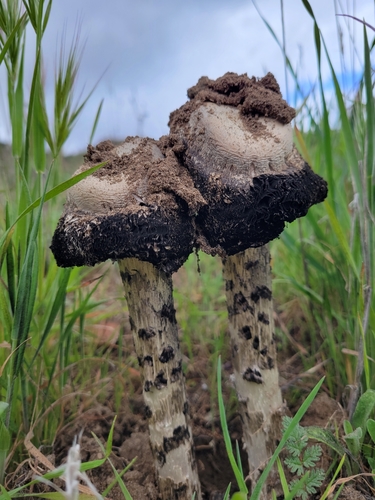
Montagnea is a genus of fungi in the family Agaricaceae. The genus has a widespread distribution in subtropical dry areas, and contains six species. Montagnea was circumscribed by Swedish mycologist Elias Magnus Fries in 1836.
Simocybe
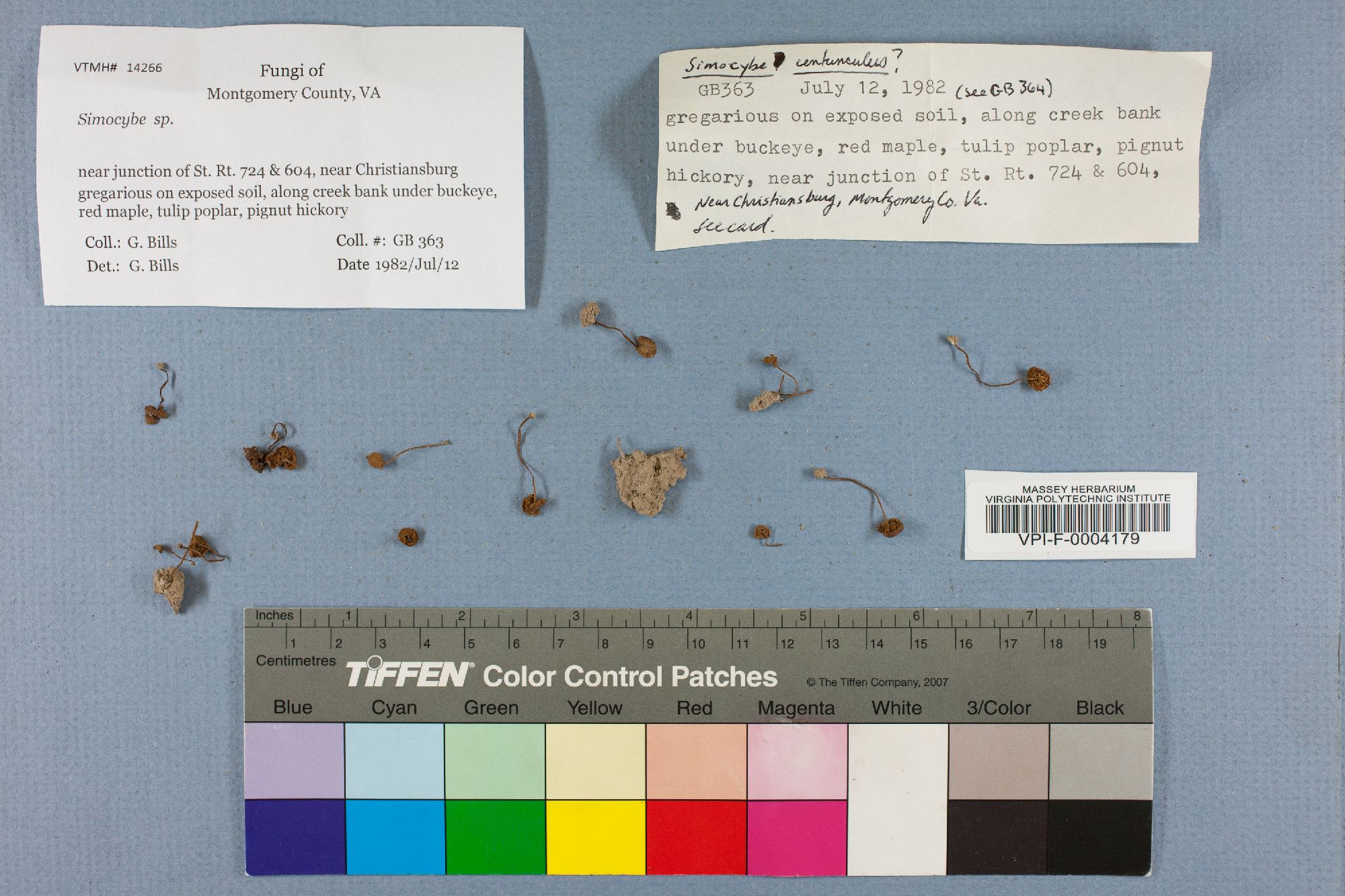
Simocybe is a genus of fungi in the family Crepidotaceae. The genus is widely distributed, and contains 25 species.

Fistulina
Fistulina is a genus of fungi in the family Fistulinaceae. Species in the genus cause a brown rot of both dead and living hardwood trees.
Gamundia
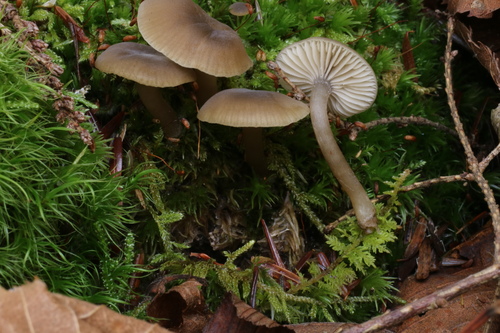
Gamundia is a genus of fungi in the family Tricholomataceae. The genus contains six species found in Europe and temperate regions of South America.
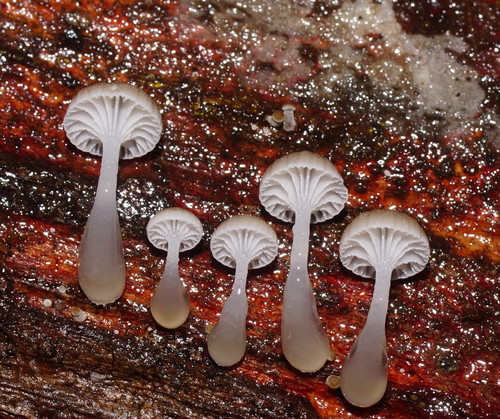
Roridomyces
Roridomyces is a genus of fungi in the family Mycenaceae. The genus, widely distributed in temperate areas, was circumscribed by Karl-Heinz Rexer in his 1994 doctoral thesis. Species in the genus were formerly placed in Mycena section Roridae. They are characterized by having a slimy, glutinous stipe in moist conditions.
Camarophyllopsis
Camarophyllopsis is a genus of agarics (gilled fungi) in the family Clavariaceae. Basidiocarps (fruit bodies) are dull-coloured and have dry caps, rather distant, decurrent lamellae, white spores, and smooth, ringless stems. In Europe species are characteristic of old, unimproved grasslands (termed waxcap grasslands) which are a declining habitat, making them of conservation concern.
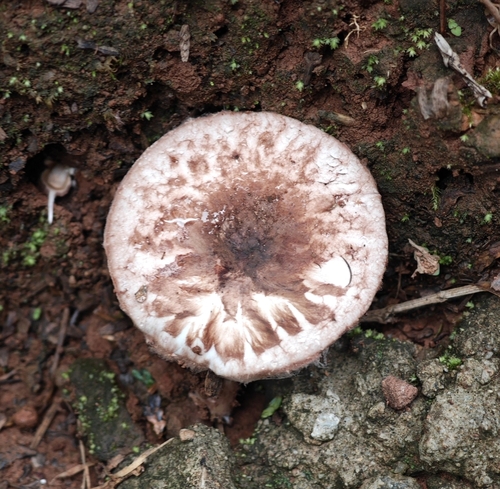
Hymenagaricus
Hymenagaricus is a genus of fungi in the family Agaricaceae. The widespread genus contains species found largely in tropical regions. Hymenagaricus was circumscribedby Belgian mycologist Paul Heinemann in 1981.

Volvopluteus
Volvopluteus is a genus of small to medium-sized or big saprotrophic mushrooms growing worldwide. The genus has been segregated from Volvariella with which it shares some morphological characteristics such as the presence of a volva and a pink to pink-brown spore print. Phylogenetic analyses of DNA data have shown that Volvopluteus is closely related to Pluteus and both genera currently are classified in the family Pluteaceae, while Volvariella is not closely related to either genus and its position in the Agaricales is still uncertain.
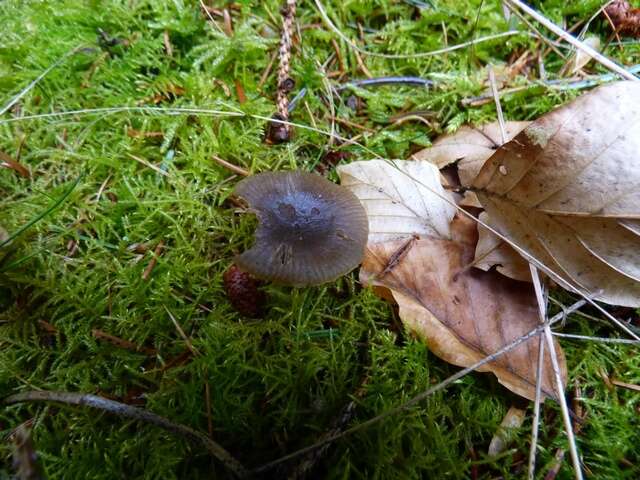
Omphaliaster
Omphaliaster is a genus of fungi in the family Tricholomataceae. The widespread genus contains seven species, predominantly in northern temperate regions.
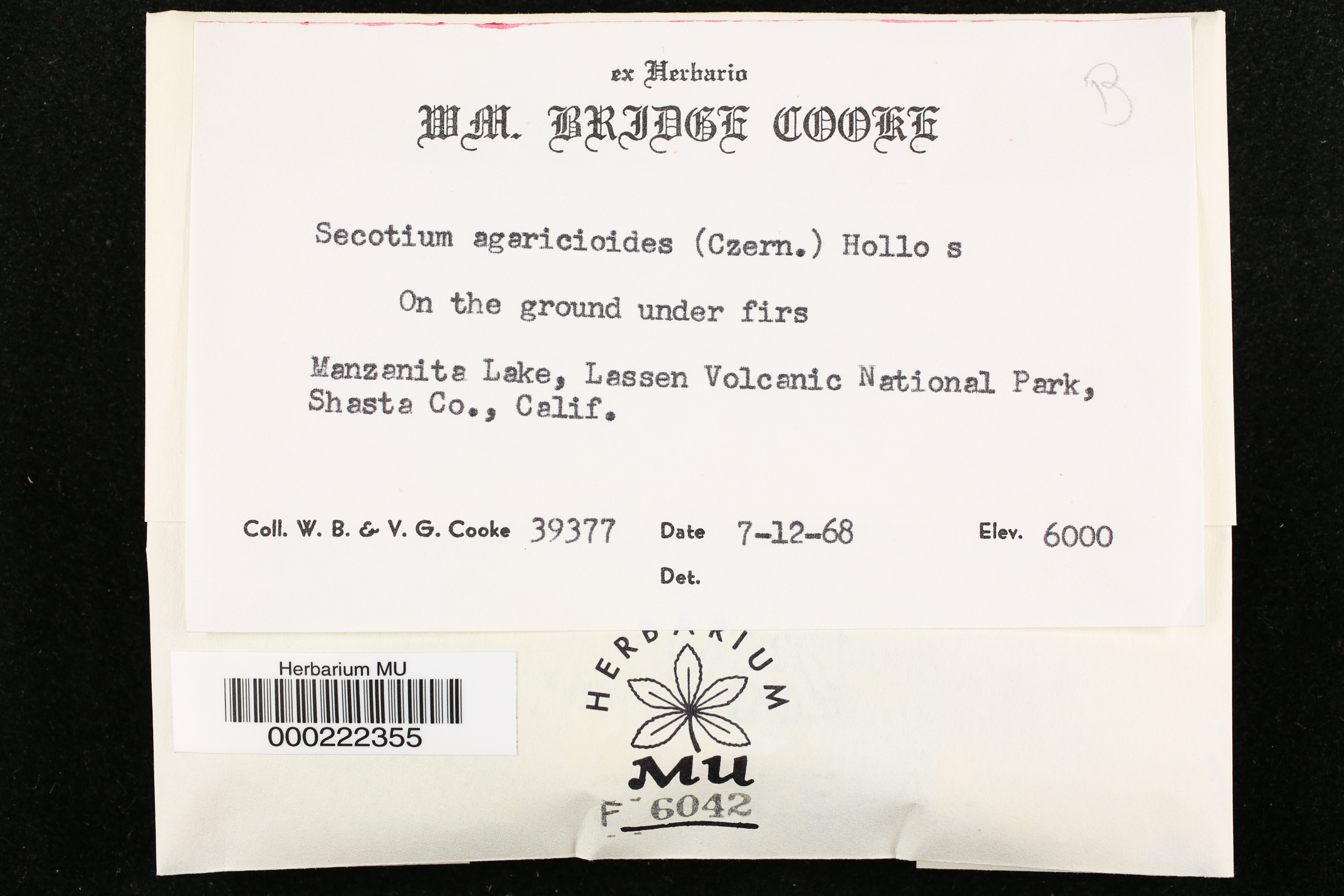
Secotium
Secotium is a genus of fungi in the family Agaricaceae. The members of this genus are closely related to ordinary Agaricus mushrooms, but do not open out in the usual way; this has given rise to the term "secotioid" for such mushrooms in general. They are thought to form an evolutionary link between agarics and gasteroid fungi (whose spores are enclosed in a pouch-like structure). Secotium is a widespread genus, with species that are predominantly found in warm and arid regions.