Category
page 1Agglutinative languages

Japanese
language spoken in East Asia

Esperanto
Esperanto () is the world's most widely spoken constructed auxiliary language. Created by L. L. Zamenhof in 1887 as "the International Language" (), it is intended to be a universal second language for international communication. He described the language in ''Dr. Esperanto's International Language'' (known as , the "first book"), which he published under the pseudonym . Early adopters of the language liked the name and soon used it to describe his language. The word translates into English as "one who hopes".

Turkish
Oghuz Turkic language of the Turkish people

Finnish
Finno-Ugric language mostly spoken in Finland

Korean
language spoken in Korean Peninsula and some parts of North-eastern China
Swahili
Swahili, also known as Kiswahili, is a Bantu language originally spoken by the Swahili people, who are found primarily in Tanzania, Kenya, and Mozambique (along the East African coast and adjacent littoral islands). Estimates of the number of Swahili speakers, including both native and second-language speakers, generally range from 150 million to 200 million. Most native speakers reside in Tanzania and Kenya.
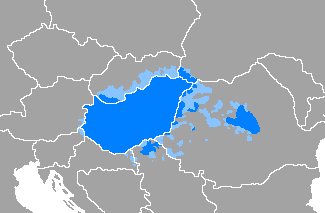
Hungarian
Uralic language

Azerbaijani
Oghuz Turkic language

Estonian
Finnic language

Indonesian
official language of Indonesia

Tamil
Dravidian language native to South India and Sri Lanka
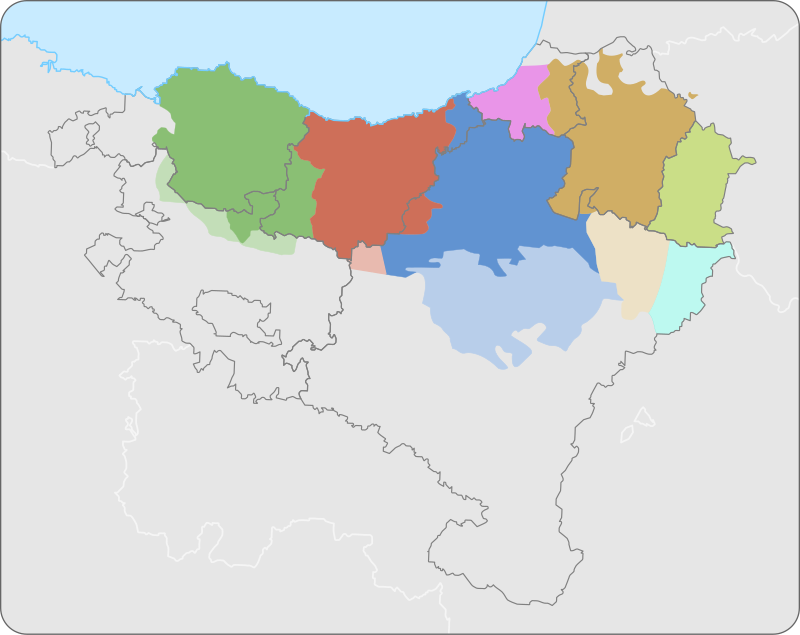
Basque
language of the Basque people

Georgian
Kartvelian language

Kazakh
Turkic language in Central Asia, state language of Kazakhstan

Malay
Austronesian macrolanguage, basis for Malaysian Malay and Indonesian

Mongolian
official language of Mongolia

Telugu
Dravidian language native to South India

Tatar
Turkic language spoken by Tatars

Uzbek
Turkic language

Kyrgyz
Kipchak Turkic language of Central Asia
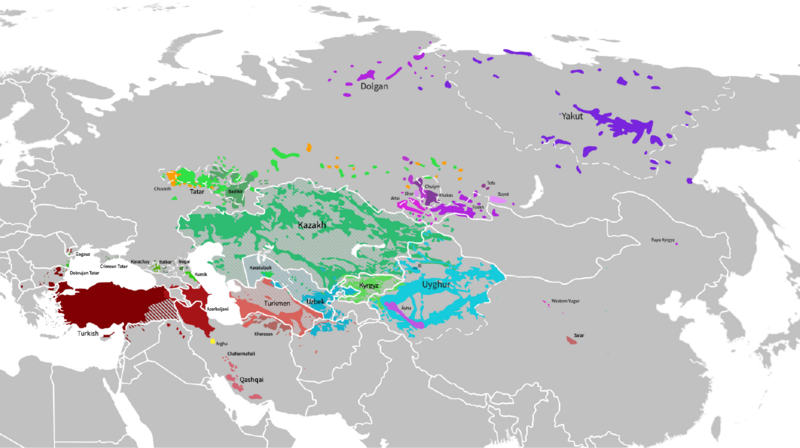
Turkic
language family of Eurasia
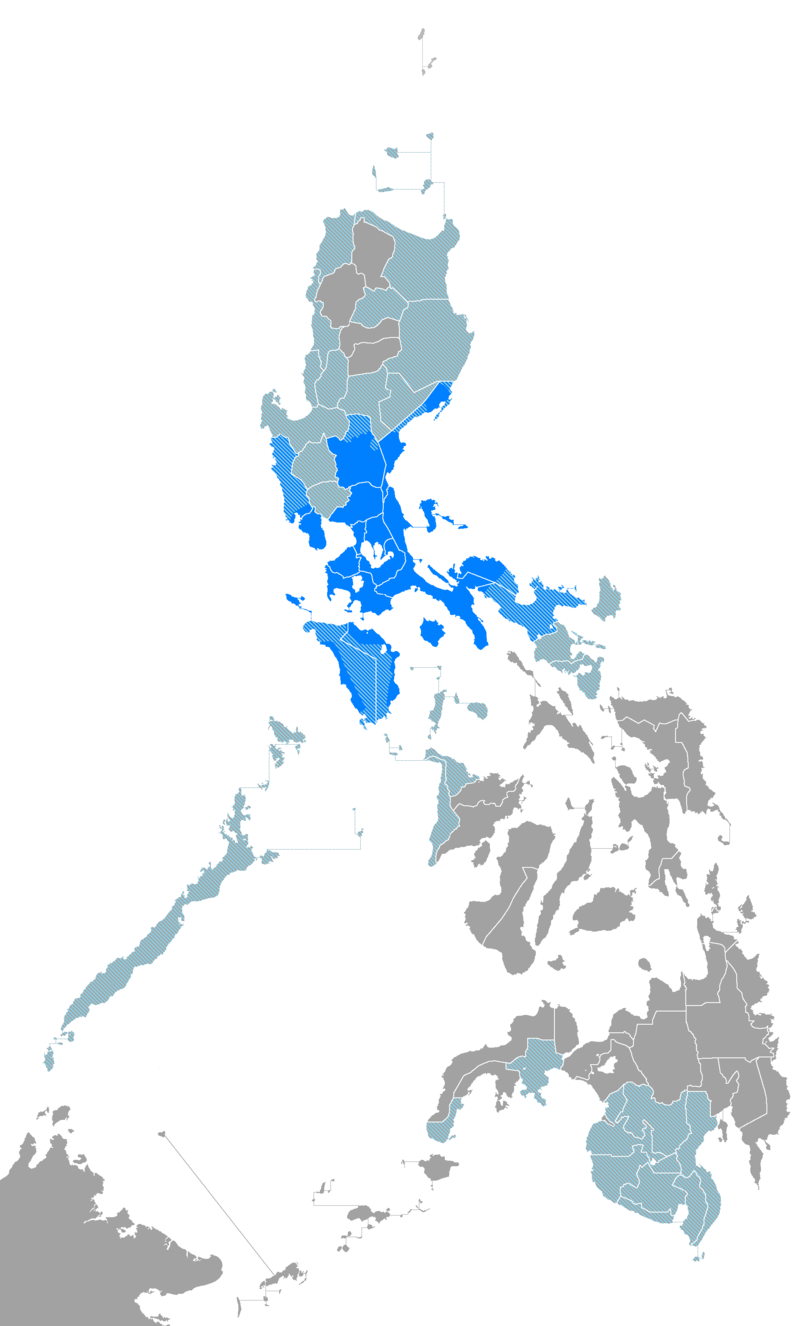
Tagalog
Austronesian language; native language of the Tagalog ethnic group

Bashkir
Turkic language spoken in Russia

Javanese
Austronesian language

Quechua
language family spoken primarily in the Andes region of South America

Uyghur
Turkic language spoken by the Uyghur people

Abkhaz
Northwest Caucasian language native to northwestern Georgia

Turkmen
Oghuz Turkic language of Central Asia

Chechen
Northeast Caucasian language spoken mostly in Chechnya and by Chechen people

Zulu
Nguni language of eastern South Africa and neighbouring countries

Chuvash
Turkic language spoken in central Russia, primarily in the Chuvash Republic and adjacent areas

Volapük
Volapük (; , 'Language of the World', or ) is a constructed language created in 1879 and 1880 by Johann Martin Schleyer, a Roman Catholic priest in Baden, Germany. Notable as the first major constructed international auxiliary language, it primarily drew from Germanic languages. Its grammar is inspired largely by German, although it was heavily regularized by Schleyer, while its lexicon is rooted mostly in English, with additional influence from German, the Romance languages, and Russian. Despite some roots remaining recognizable, many words were altered beyond recognition, as Schleyer sought

Somali
Afroasiatic language belonging to the Cushitic branch

Uralic
language family prevalent in northern Eurasia

Crimean Tatar
Turkic language spoken in Crimea
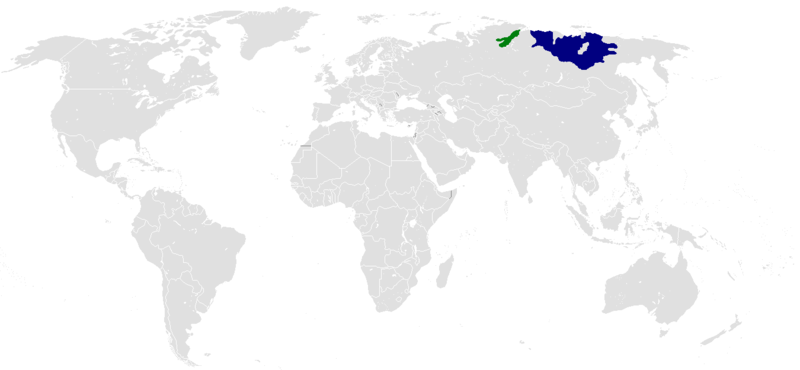
Yakut
Turkic language belonging to Siberian Turkic branch
.svg)
Nahuatl
Nahuatl ( ; hispanicized from Nawatl ), Aztec, or Mexicano is a language or, by some definitions, a group of languages of the Uto-Aztecan language family. Varieties of Nahuatl are spoken by about Nahuas, most of whom live mainly in Central Mexico and have smaller populations in the United States. Nahuatl has been spoken in central Mexico since at least the seventh century AD. It was the language of the Mexica, who dominated what is now central Mexico during the Late Postclassic period of Mesoamerican history. During the centuries preceding the Spanish conquest of the Aztec Empire, the Azt
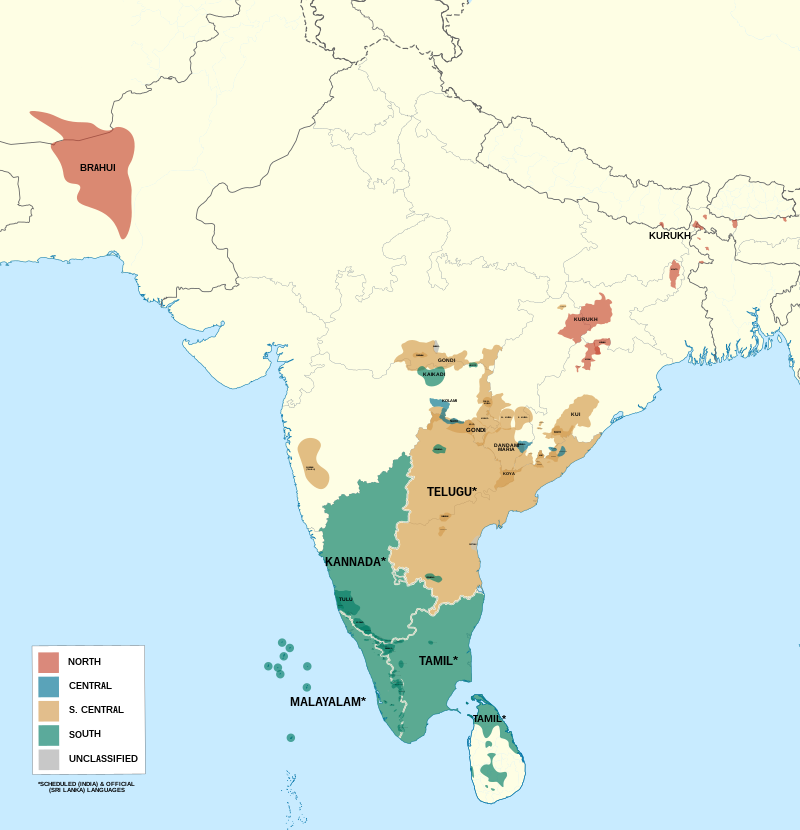
Dravidian
language family mostly of southern India

Altaic
obsolete, widely rejected supergroup of Turkic, Mongolic, Tungusic, Koreanic and Japonic language families
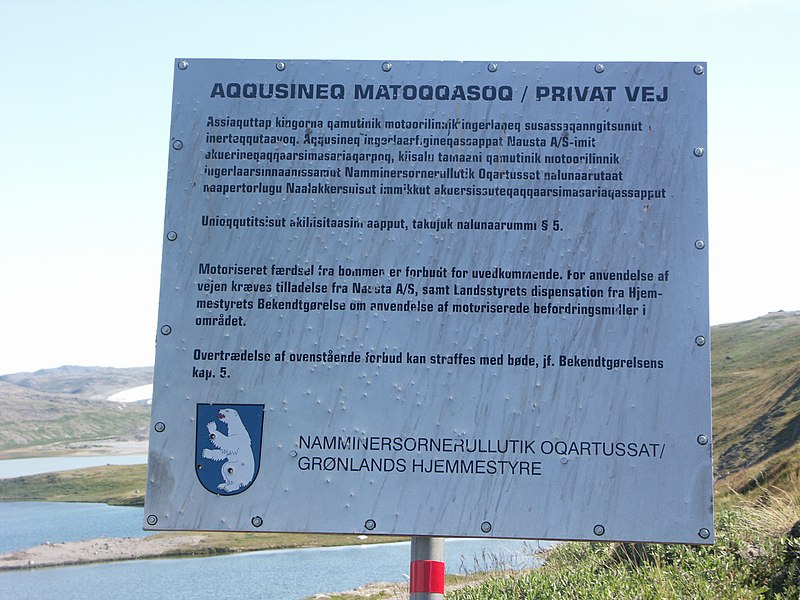
Greenlandic
Eskimo-Aleut language spoken in Greenland
Avar
language belonging to the Avar–Andic group of the Northeast Caucasian language family

Sundanese
language spoken in Indonesia

Udmurt
Uralic language

Igbo
Niger–Congo language of the Igbo people, mainly spoken in Nigeria

Gagauz
Turkic language, spoken mainly by the Gagauz people and the official language of the autonomous Moldovan region of Gagauzia

Tuvan
Siberian Turkic language

Inuit–Yupik–Unangan
language family of the Arctic

Adyghe
one of the official languages of the Republic of Adygea in Russia

Manchu
Tungusic language originating from Northeast China
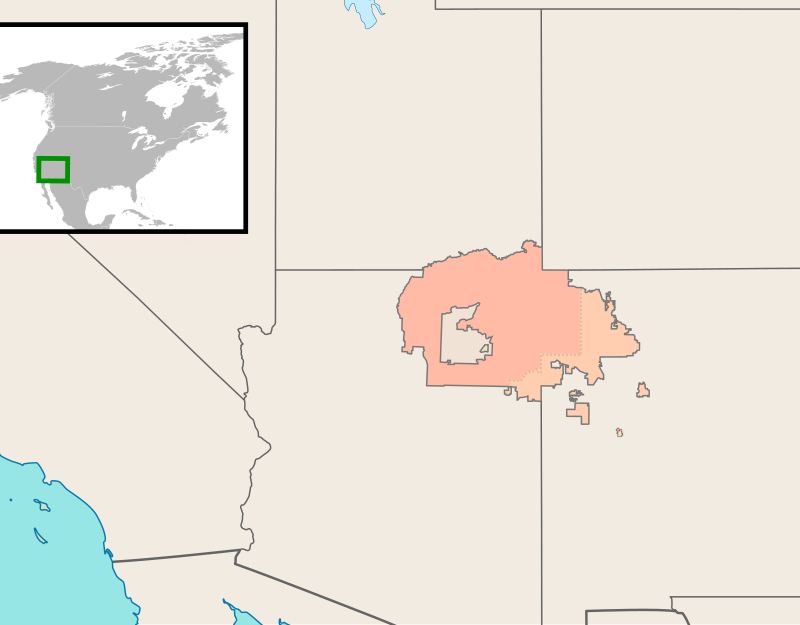
Navajo
Athabaskan language of Na-Dené stock spoken in the southwestern United States

Sumerian
language of ancient Sumer

Klingon
constructed language created for Star Trek

Buryat
variety of Mongolic spoken by the Buryats that is classified either as a language or as a major dialect group of Mongolian

Karakalpak
one of the Turkic languages in Central Asia, the state language of Karakalpakstan

Inuktitut
Inuktitut ( ; , syllabics ), also known as Eastern Canadian Inuktitut, is one of the principal Inuit languages of Canada. It is spoken in all areas north of the North American tree line, including parts of the provinces of Newfoundland and Labrador, Quebec, to some extent in northeastern Manitoba as well as the Northwest Territories and Nunavut. It is one of the aboriginal languages written with Canadian Aboriginal syllabics.

Karachay-Balkar
thumb|Karachay–Balkar-language version of the Quran|Koran
Karachay–Balkar (, ), often referred to as the "mountaineer language" (, ) by its speakers, is a Turkic language spoken by the Karachays and Balkars in Kabardino-Balkaria and Karachay-Cherkessia, European Russia, as well as by an immigrant population in Afyonkarahisar Province, Turkey. It is divided into two dialects: Karachay-Baksan-Chegem, which pronounces two phonemes as and and Malkar, which pronounces the corresponding phonemes as and . The modern Karachay–Balkar written language is based on the Karachay–Baksan–Chegem dialect. The

Bantu
large language family spoken in Sub-Saharan Africa

Moksha
language part of the Mordvinic branch of the Uralic languages and the majority language in the western part of Mordovia

Abaza
language of the Caucasus mountains in the Russian Karachay–Cherkess Republic by the Abazins

Minangkabau
Malayic language spoken predominantly by the Minangkabau ethnic group