Category
page 1Allergology

allergy
An allergy is an exaggerated immune response where the body mistakenly identifies an ordinarily harmless allergen as a threat. Allergic reactions give rise to allergic diseases such as hay fever, allergic conjunctivitis, allergic asthma, atopic dermatitis, food allergies, and anaphylaxis. Symptoms of allergic diseases may include red eyes, an itchy rash, sneezing, coughing, a runny nose, shortness of breath, or swelling.

pollen
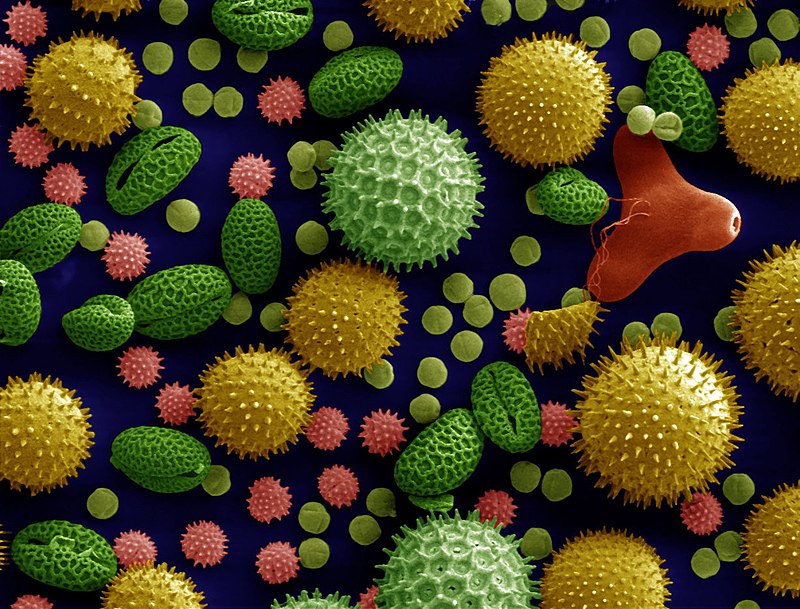
thumb|Colorized scanning electron microscope image of pollen grains from a variety of common plants: sunflower (Helianthus annuus), morning glory ([[Ipomoea purpurea), prairie hollyhock (Sidalcea malviflora), oriental lily (Lilium auratum), evening primrose (Oenothera fruticosa), and castor bean (Ricinus communis).]]
thumb|Pollen tube diagram

anaphylaxis
rhinitis
Rhinitis, also known as coryza, is irritation and inflammation of the mucous membrane inside the nose. Common symptoms are a stuffy nose, runny nose, sneezing, and post-nasal drip.
allergic rhinitis
inflammation in nose occurs when immune system overreacts to allergens in air

allergen
An allergen is an otherwise harmless substance that triggers an allergic reaction in sensitive individuals by stimulating an immune response.

Ambrosia
Ragweeds are flowering plants in the genus Ambrosia in the aster family, Asteraceae. They are distributed in the tropical and subtropical regions of the Americas, especially North America, where the origin and center of diversity of the genus are in the southwestern United States and northwestern Mexico. Several species have been introduced to the Old World and some have naturalized and have become invasive species. In Europe, this spread is expected to continue, due to ongoing climate change.
hypersensitivity
Hypersensitivity (also called hypersensitivity reaction) is an immune response characterized by mechanisms that cause significant tissue damage or physiological dysfunction, whether directed against pathogens, harmless environmental antigens, or self-antigens that is reproducible upon re-exposure to the antigen. While hypersensitivity mechanisms can sometimes serve protective functions (such as control of infectious diseases), they are distinguished by their capacity to cause collateral tissue damage that may exceed any protective benefit. Collectively, hypersensitivities are extremely common:
Toxicodendron radicans
species of plant
idiosyncrasia
An idiosyncrasy is a unique feature of something. The term is often used to express peculiarity.
polyethylene glycol
polymer
Cladosporium
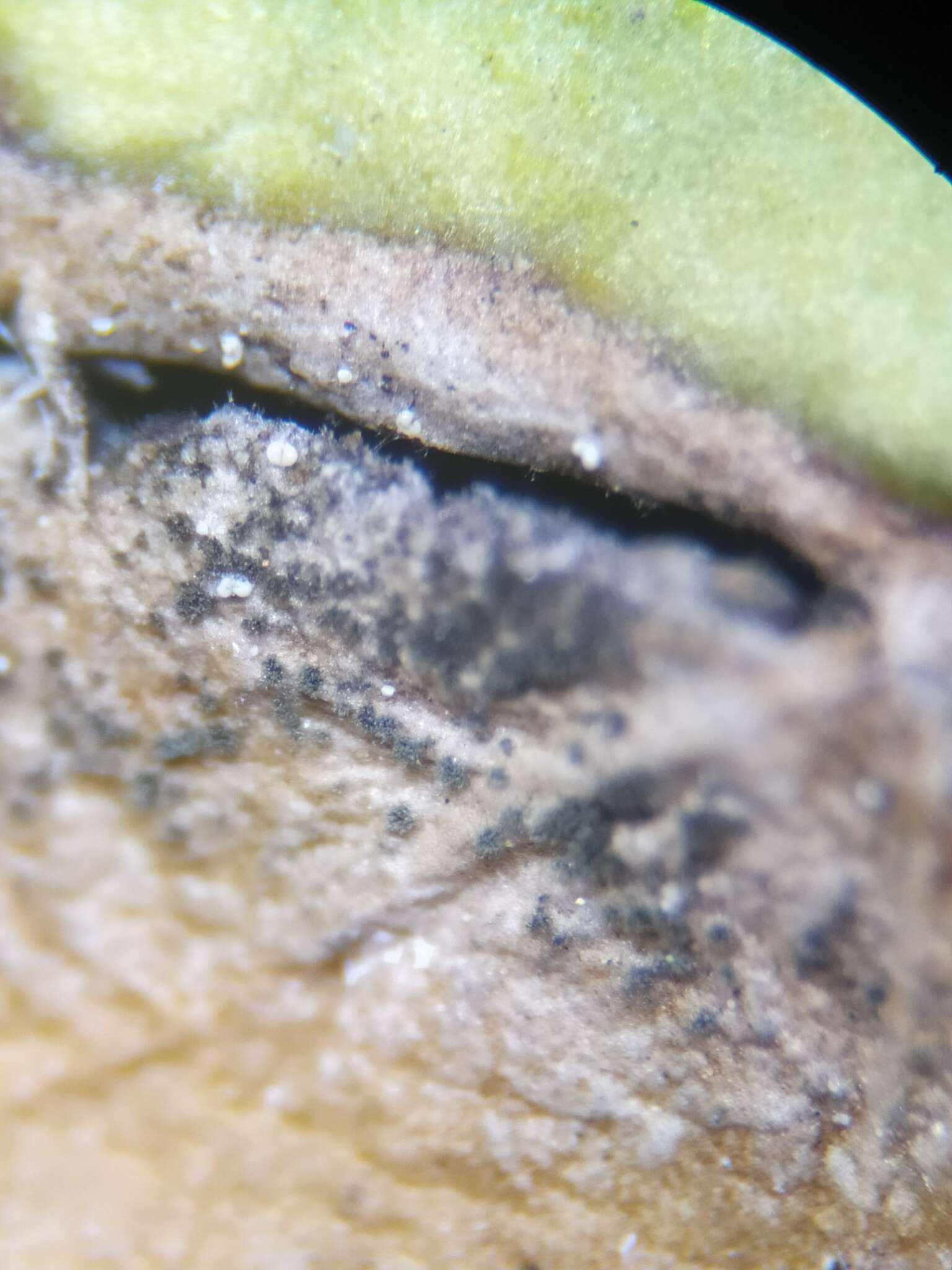
Cladosporium is a genus of fungi including some of the most common indoor and outdoor molds. Some species are endophytes or plant pathogens, while others parasitize fungi.
contact dermatitis
human disease
alpha-gal allergy
type of meat allergy, reaction to galactose-alpha-1,3-galactose (alpha-gal)
allergen immunotherapy
medical treatment for environmental allergies
allergic conjunctivitis
chronic conjunctivitis that is an inflammation of the conjunctiva
hygiene hypothesis
hypothesis in medicine that early childhood exposure to certain microorganisms (e.g. gut flora, helminths) protects against allergies
skin allergy test
allergy diagnosis
dicyclohexylcarbodiimide
is an organic compound with the chemical formula (C6H11N)2C. It is a waxy white solid with a sweet odor. Its primary use is to couple amino acids during artificial peptide synthesis. The low melting point of this material allows it to be melted for easy handling. It is highly soluble in dichloromethane, tetrahydrofuran, acetonitrile and dimethylformamide, but insoluble in water.
balsam of Peru
herbal preparation
drug allergy
human disease
aquagenic urticaria
medical condition
latex allergy
hypersensitivity reaction type I disease triggered by latex
desensitization
method to reduce or eliminate an organism's negative reaction to a substance or stimulus via gradual exposure
oral allergy syndrome
allergic reaction in the mouth following eating food
allergist
An allergist is a physician specially trained to manage and treat allergies, asthma and the other allergic diseases. They may also be called
immunologists.
aspirin-exacerbated respiratory disease
human disease

Toxicodendron orientale
species of plant
major urinary protein
InterPro Family
toxicodendron dermatitis
Human disease
helminthic therapy
treatment of immune system diseases by deliberate infestation with helminths

dust mite allergy
medical condition
allergy test
medical diagnostic method
slow-reacting substance of anaphylaxis
mixture of the leukotrienes
Elimination diet
procedure to identify foods that produce adverse effects
insect sting allergy
type of allergy cause by an insect bite or sting
Pseudoallergy
Pseudoallergy, sometimes known as nonallergic hypersensitivity, is a type of hypersensitivity reaction mostly described in the context of drug allergy. The mechanism is somewhat similar to the type 1 hypersensitivity in the Gell and Coombs classification in that the effector cell is also mast cell. In pseudoallergic reaction, the mast cell is directly activated, rather than through the mediation of Immunoglobulin E (IgE). Therefore, it is also known as direct mast cell activation.

allergic salute
upward rubbing of the nose to relieve itching
hypoallergenic
Hypoallergenic, meaning "below average" or "slightly" allergenic, is a term meaning that something (usually cosmetics, pets, textiles, food, etc.) causes fewer allergic reactions. The term was first used in 1953 in an advertising campaign for cosmetics or perhaps as early as 1940. A 2017 study of the top-selling skin moisturizers from Amazon, Target, and Walmart found 83% of those marketed as "hypoallergenic" contained at least one potentially allergenic chemical.
hay fever in Japan
pollen from acres of Cryptomeria japonica
allergy to cats
type of allergy caused by cats
mosquito bite allergy
excessive reactions to mosquito bites
betamethasone/dexchlorpheniramine
Betamethasone/dexchlorpheniramine (trade names Betadexin, Celabet, Celestamine, Ocuson) is a drug containing betamethasone and dexchlorpheniramine maleate to treat allergic conditions. Betamethasone is a steroid to relieve itches and inflammation while dexchlorpheniramine maleate is an antihistamine to treat urticaria.