Category
page 4Amphibian genera
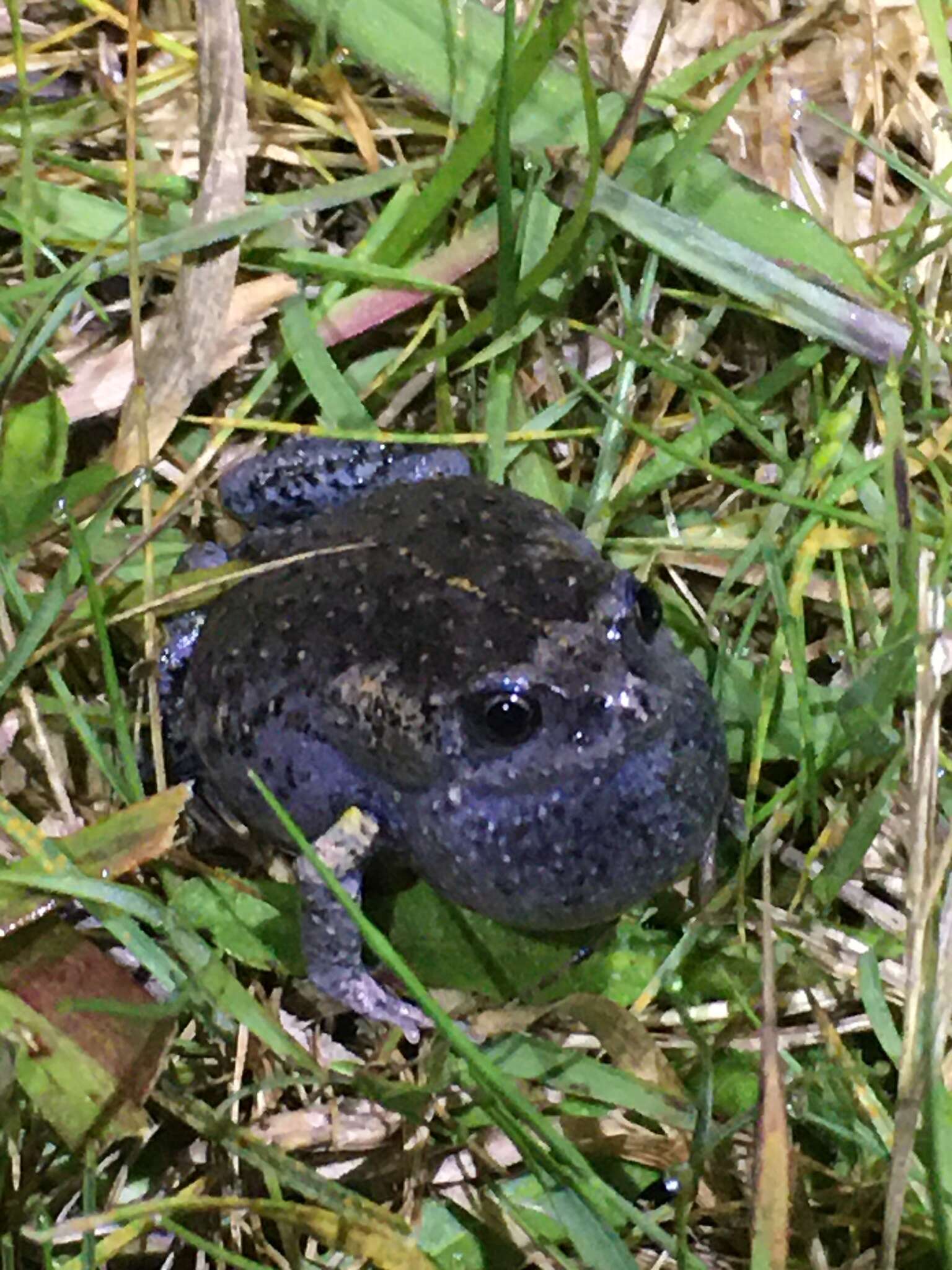
Uperoleia
Uperoleia is a genus of frogs in the family Myobatrachidae. They are native to northern and eastern Australia and southern lowlands of New Guinea. These are small squat frogs, more commonly known as "toadlets". They have glandular skin, often with a pair of raised glands behind each eye, or on the flanks.
Acanthixalus
Acanthixalus, commonly known as African wart frogs, is a genus of frogs in the family Hyperoliidae. They occur in the rainforests of Western and Central Africa, from Ivory Coast to Congo.
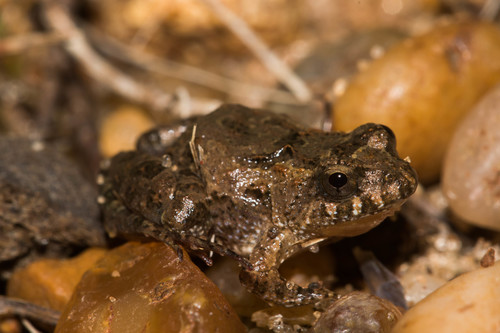
Pseudopaludicola
Pseudopaludicola is a genus of leptodactylid frogs from lowland northern and central South America. They are known under the common name dwarf swamp frogs or swamp frogs.

Chiasmocleis
Chiasmocleis is a genus of microhylid frogs. They are found in tropical South America north and east of the Andes. Their common name is humming frogs or silent frogs, the latter referring to the formerly recognized Syncope.

Desmognathus
Desmognathus is a genus of lungless salamanders in the family Plethodontidae known as dusky salamanders. They range throughout the eastern United States as far west as Texas, and north to southeastern Canada.
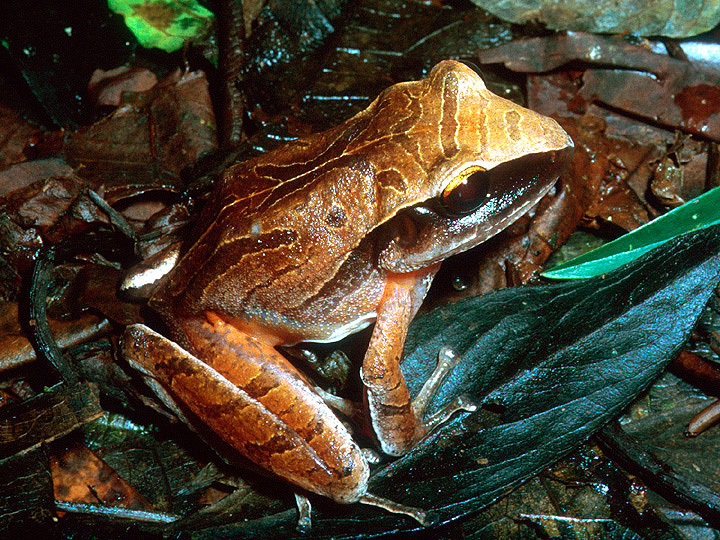
Craugastor
Craugastor is a large genus of frogs in the family Craugastoridae with 126 species.
Its scientific names means brittle-belly, from the Ancient Greek ' (, brittle, dry) and ' (, belly, stomach).
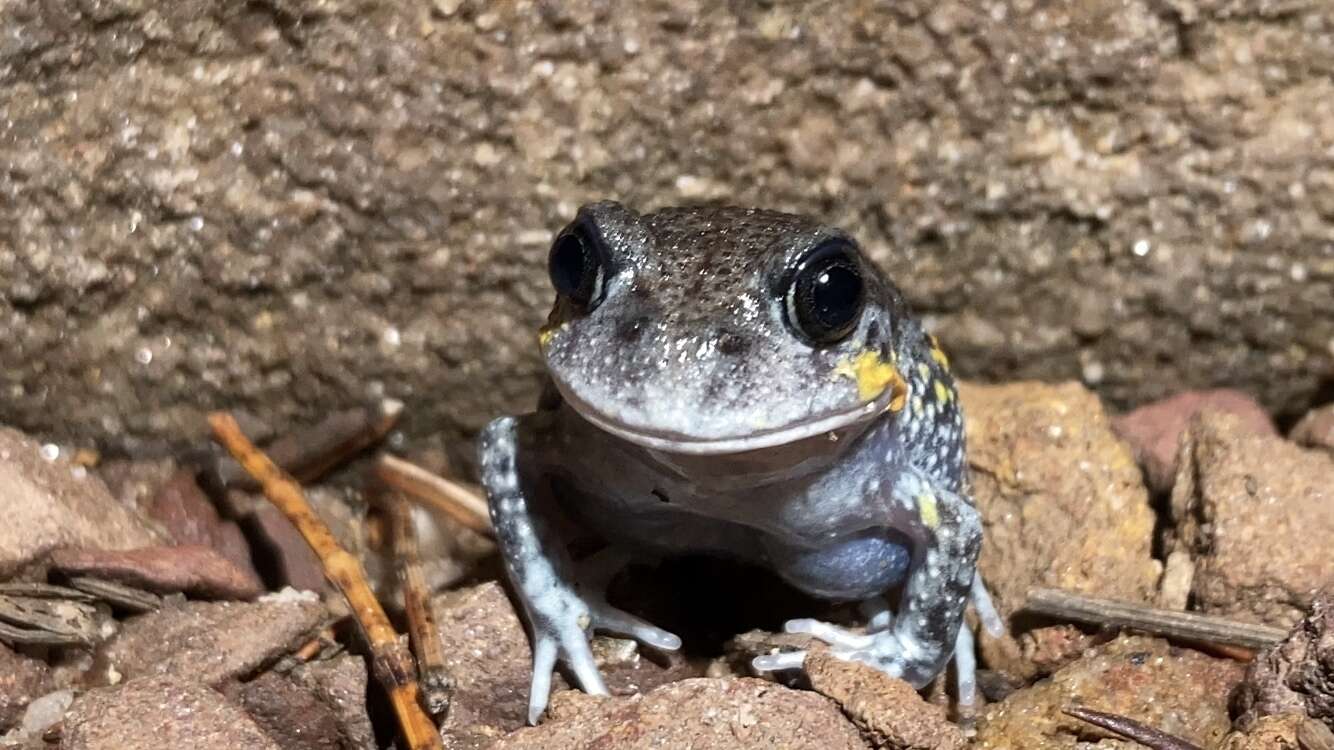
Heleioporus
Heleioporus is a genus of frogs native to Australia. Of the six species in this genus, five live in south-west Western Australia, while the other one species only occurs in south-eastern Australia. All members of this genus are medium to large sized burrowing frogs with rounded heads, short bodies, bulging eyes, short limbs and the hands are free from webbing. The toes are relatively short with only a trace of fleshy webbing. A characteristic of this genus (except for Heleioporus eyrei and some Heleioporus psammophilus) is the black nuptial spines that male frogs have on their first and occasi
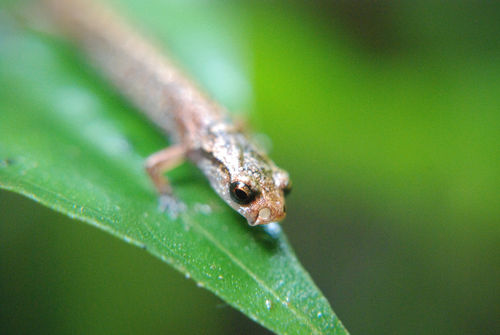
Nototriton
Nototriton, commonly referred to as moss salamanders is a genus in the salamander family Plethodontidae, which is characterized by their absence of lungs; they instead achieve respiration through their skin and the tissues lining their mouth. They range from Central Costa Rica to north-central and western Honduras reaching also to eastern Guatemala.
Phrynomedusa
Phrynomedusa is a genus of tree frogs from the Southeast Region and South Region in Brazil. They were formerly considered to be part of the genus Phyllomedusa, as the "Phyllomedusa fimbriata group". The common names of "colored leaf frog" and "monkey frog" have been used to refer to this type of frog.

Cacosternum
Cacosternum is a genus of frog in the family Pyxicephalidae that are found in southern and eastern Africa. They have many common names, including cacos, dainty frogs, and metal frogs.
Scutiger
genus of amphibians
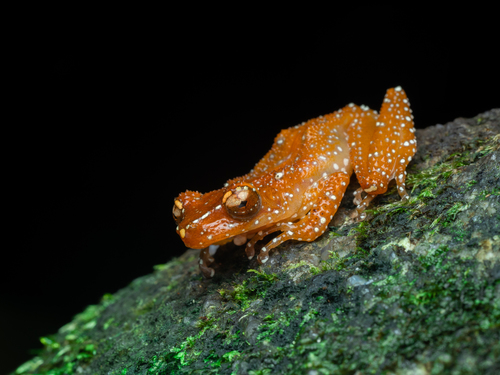
Nyctixalus
Nyctixalus is a genus of frogs in the family Rhacophoridae. The common name is Indonesian tree frogs. They can be found in the Malay Peninsula, Sumatra, Java, Borneo, the Philippines, and southern Vietnam. Nyctixalus is the sister taxon of Theloderma. It has also been considered subgenus of Theloderma, but the most recent research treat it as a distinct genus.
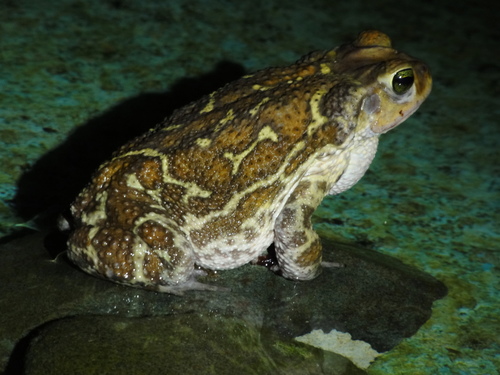
Peltophryne
Peltophryne is a genus of true toads in the family Bufonidae, from the Greater Antilles (in Cuba, Isla de Juventud, Hispaniola, and Puerto Rico). With ten endemic species, Cuba hosts the highest diversity. Hispaniola has three endemics and Puerto Rico and the Virgin Islands combined have one.
Salamandrella
Salamandrella is a genus of salamanders in the family Hynobiidae.

Spinomantis
Spinomantis is a frog genus in the mantellid subfamily Mantellinae. This genus is restricted to Madagascar. At present it contains 13 species. They are arboreal or terrestrial frogs and occur in or along small streams. Most species are nocturnal.

Philoria
Philoria is a genus of frogs native to eastern and southern Australia. These frogs are all confined to mountain areas, with 7 species occurring in the mountains of northern New South Wales and southern Queensland. One species occurs in Victoria. All species are listed as endangered, except the Baw Baw frog, which is listed as critically endangered. They are small to medium-sized frogs that live in water saturated sites, such as sphagnum bogs and seepages on rocky slopes. The eggs are laid in foam nests hidden from light. The tadpoles remain within the nest and live entirely on the yolk.
Silverstoneia
Silverstoneia is a genus of poison dart frogs (family Dendrobatidae) from southern Central America and northern South America, between southwestern Costa Rica and southwestern Colombia. It is named in honour of Phillip A. Silverstone, an expert on dendrobatoid frogs.
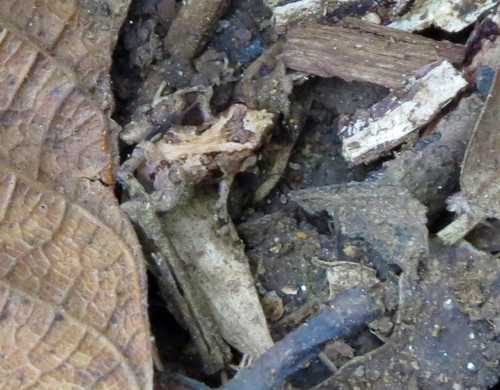
Rhombophryne
Rhombophryne is a genus of microhylid frogs endemic to Madagascar. It is currently estimated to include more than 23 species, but only 20 of these are currently described. The common name 'diamond frog' has been proposed and used for members of this genus.
Geocrinia
Geocrinia is a genus of frogs in the family Myobatrachidae. These frogs are endemic to Australia. Two species are known from southeastern Australia (Victoria and Tasmania), while one is known from southeastern Western Australia.

Bryophryne
Bryophryne is a genus of frogs in the family Strabomantidae. These frogs are endemic to south-eastern Peru in the Cusco Region, with an undescribed species from the Puno Region. Their range is separated from that of Phrynopus by the Apurímac River valley.

Lyciasalamandra
Lyciasalamandra is a genus of salamanders in the family Salamandridae. They are native to southwestern coast of Turkey and nearby Aegean Islands (Greece). As of early 2018, all species in the genus are threatened. The common name Lycian salamanders has been coined for them.
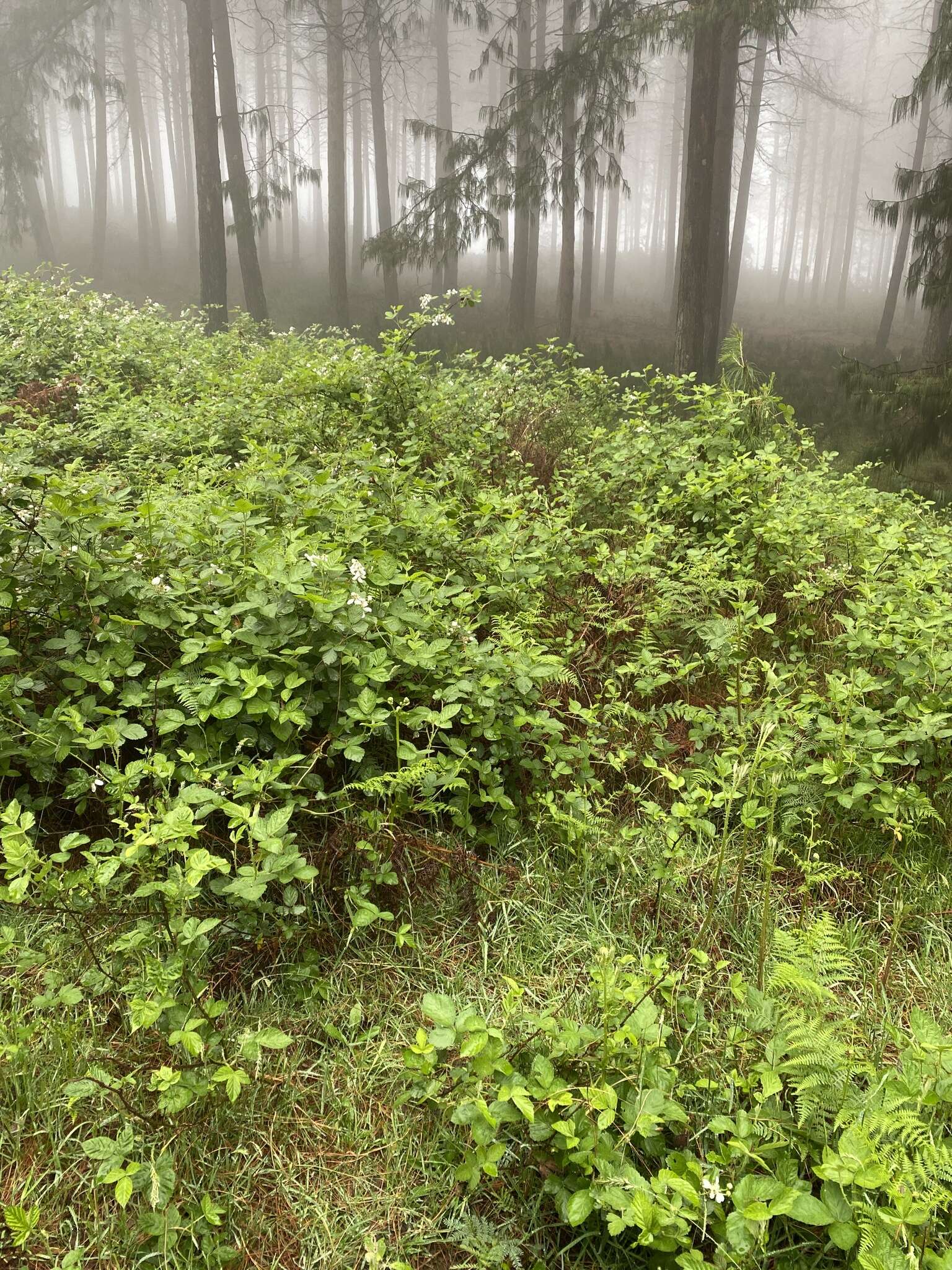
Anhydrophryne
Anhydrophryne is a genus of frogs in the family Pyxicephalidae, formerly in Petropedetidae. It is endemic to South Africa. Until recently, the genus was monotypic, containing only Anhydrophryne rattrayi, until it absorbed two more species formerly classified as belonging to genus Arthroleptella.
Ptychohyla
Ptychohyla is a genus of frogs (common names: stream frogs, mountain stream frogs) in the family Hylidae. These frogs are found in the southern Mexican states of Chiapas, Guerrero, and Oaxaca, and Central America to western Panama.
Nymphargus
Nymphargus is a genus of glass frogs in the subfamily Centroleninae, which was established in 2007. They are distributed in the Andean slopes of Colombia, Ecuador, Peru, and Bolivia. They are characterized by lacking webbing among the outer fingers, lacking humeral spines in adult males, and having a lobed liver covered by a transparent hepatic peritoneum. They can be more specifically characterized as having a head that is darker green than the body, there being yellow spots surrounded by black on head and body, upper eyelids are dark lavender. The conservation status of the Nymphargus frogs
Heleophryne
Heleophryne is a genus of ghost frogs. They are known from mountainous regions of South Africa, Lesotho, and Eswatini.
Boulengerula
Boulengerula is a genus of amphibians in the family Herpelidae. They are found in East Africa. They are sometimes known as '''Boulenger's caecilians or Usambara bluish-gray caecilians'''.
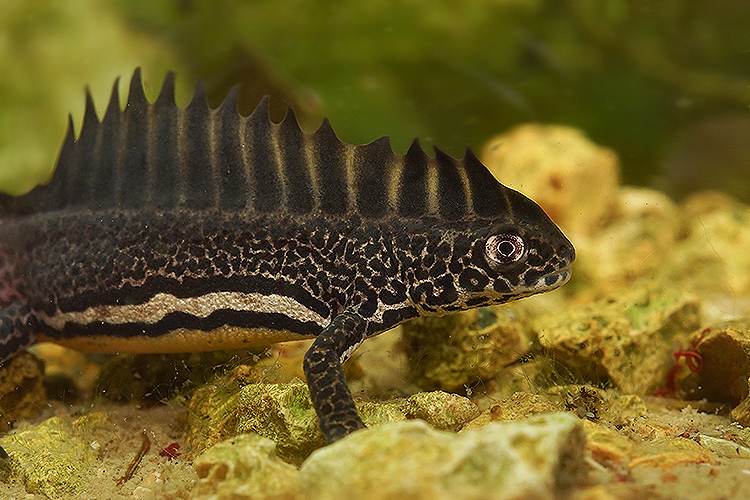
Ommatotriton
Ommatotriton or banded newts is a genus of salamanders in the family Salamandridae. The genus occurs in Western Asia and Caucasus. The species in this genus were formerly placed in the genus Triturus.
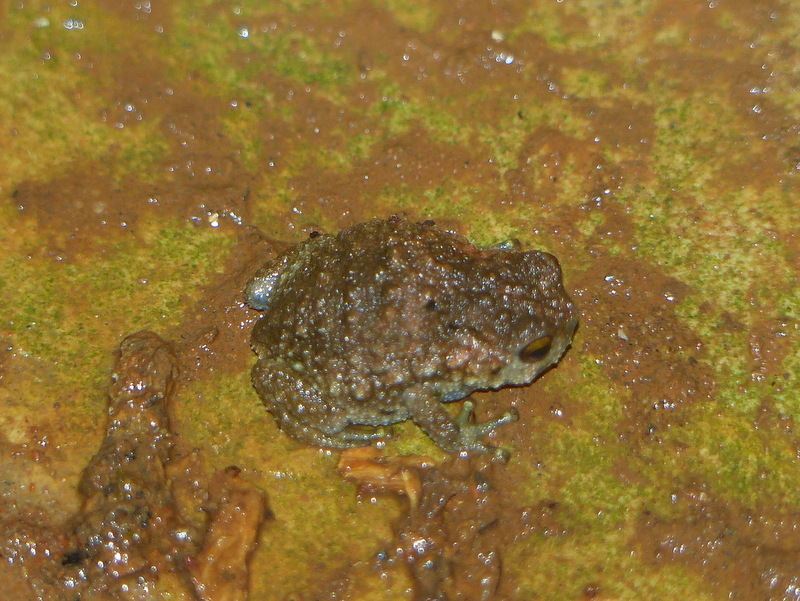
Callulina
Callulina (commonly known as the warty frogs) is a small genus of frogs in the family Brevicipitidae with nine members in Tanzania and Kenya. Originally Callulina was thought to be monotypic and widely distributed through Eastern Arc Mountains in Tanzania and in southern Kenya. However, within the last decade eight new species has been identified, the majority of which are considered critically endangered by the International Union for Conservation of Nature (IUCN).
Dermophis
Dermophis is a genus of worm-like amphibians in the family Dermophiidae, the Neotropical and Tropical African caecilians. They are found in the Middle America between southern Mexico and northwestern Colombia. Common names Mexican caecilians or Neotropical caecilians are sometimes used for them.
Aubria
Aubria is a small genus of frogs, with two (possibly three) known species. All members of this genus are found in West Africa. Their common name is ball frogs or fishing frogs.

Strabomantis
Strabomantis is a genus of frogs in the family Strabomantidae. At times these frogs have been included in the large genus Eleutherodactylus. They are distributed from Costa Rica southwards to northern South America.

Anomaloglossus
Anomaloglossus is a genus of frogs in the family Aromobatidae. The genus is endemic to the Guiana Shield in northern South America. It used to be placed in the family Dendrobatidae (together with other genera in the current Aromobatidae), and is still placed in that family by some sources. The name of the genus, from the Greek anomalos (=irregular, unusual) and glossa (=tongue), refers to the unusual tongue bearing the median lingual process, the only unambiguous phenotypic synapomorphy of this genus.

Amazon Treefrogs
Tepuihyla, commonly known as Amazon tree frogs or Tepui tree frogs, is a genus of frogs in the family Hylidae found in mountains of eastern and south-eastern Venezuela and Guyana, and likely in adjacent Brazil. Tepuihyla derives from the words tepui; table-top mountains characteristic of the Guiana Highlands, and Hyla, a wastebasket taxon that used to contain hundreds of species.
Exerodonta
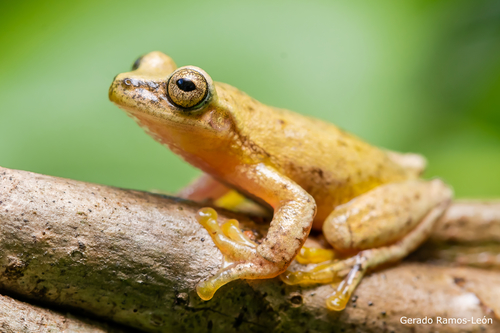
Exerodonta is a genus of frogs in the family Hylidae. This genus was resurrected in 2005 following a major revision of the Hylidae . Eleven species previously placed in the genus Hyla were moved to this genus. They are endemic to south-central Mexico.

Rhaebo
Rhaebo is a genus of true toads, family Bufonidae, from Central and South America. They are distributed from Honduras to northern South America including the Amazonian lowlands. Common name Cope toads has been suggested for them.

Raorchestes
thumb|Raorchestes flaviocularis in India
thumb|Raorchestes chalazodes from the Western Ghats.
Raorchestes is a genus of frogs in the subfamily Rhacophorinae that are found in mountainous regions of South Asia, Southeast Asia, and southern China. A recent study places Raorchestes as a sister taxon of Pseudophilautus. Before the description of the genus in 2010, species now in Raorchestes had been assigned to genera Ixalus (no longer recognized), Philautus, and Pseudophilautus.
Oedipina
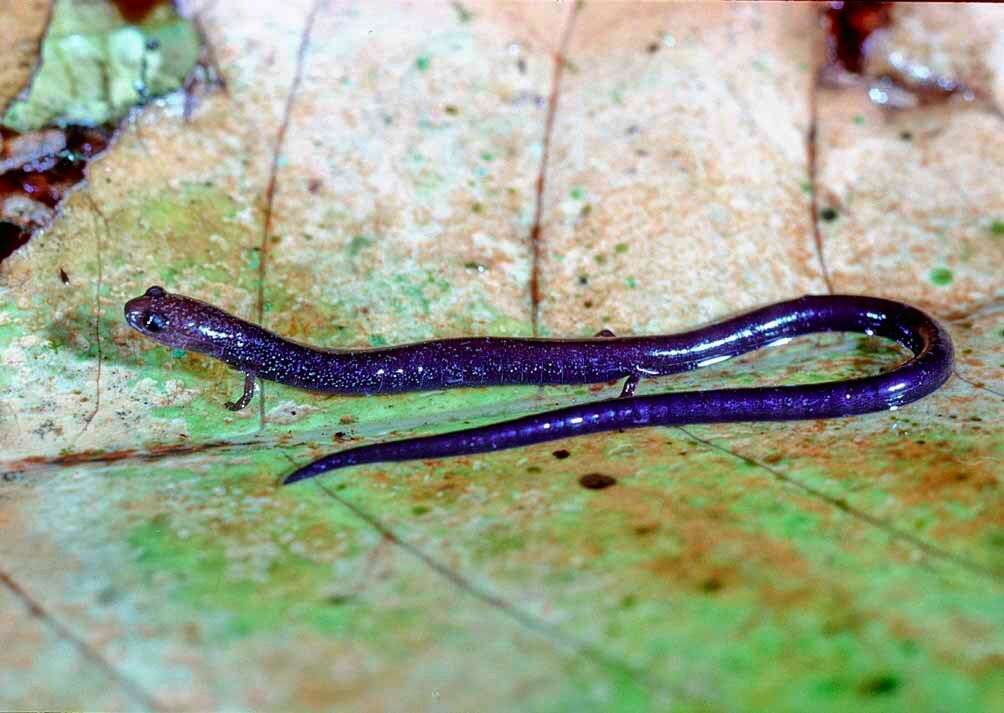
Oedipina is a genus of salamanders in the family Plethodontidae (lungless salamanders). They achieve respiration through the skin and the tissues lining the mouth. Species of Oedipina are native to Honduras, Colombia, Costa Rica, Ecuador, and Mexico. Their common name, worm salamanders, derives from the species' extraordinarily slender form with tiny limbs and digits. The genus was originally named Oedipus, but was renamed because the name Oedipus was already occupied.
.jpg)
Dryophytes
Dryophytes is a genus of Ameroasian tree frogs in the family Hylidae. Species of the genus are found mostly in North America, but the genus also includes five species found in eastern Asia.
Osornophryne
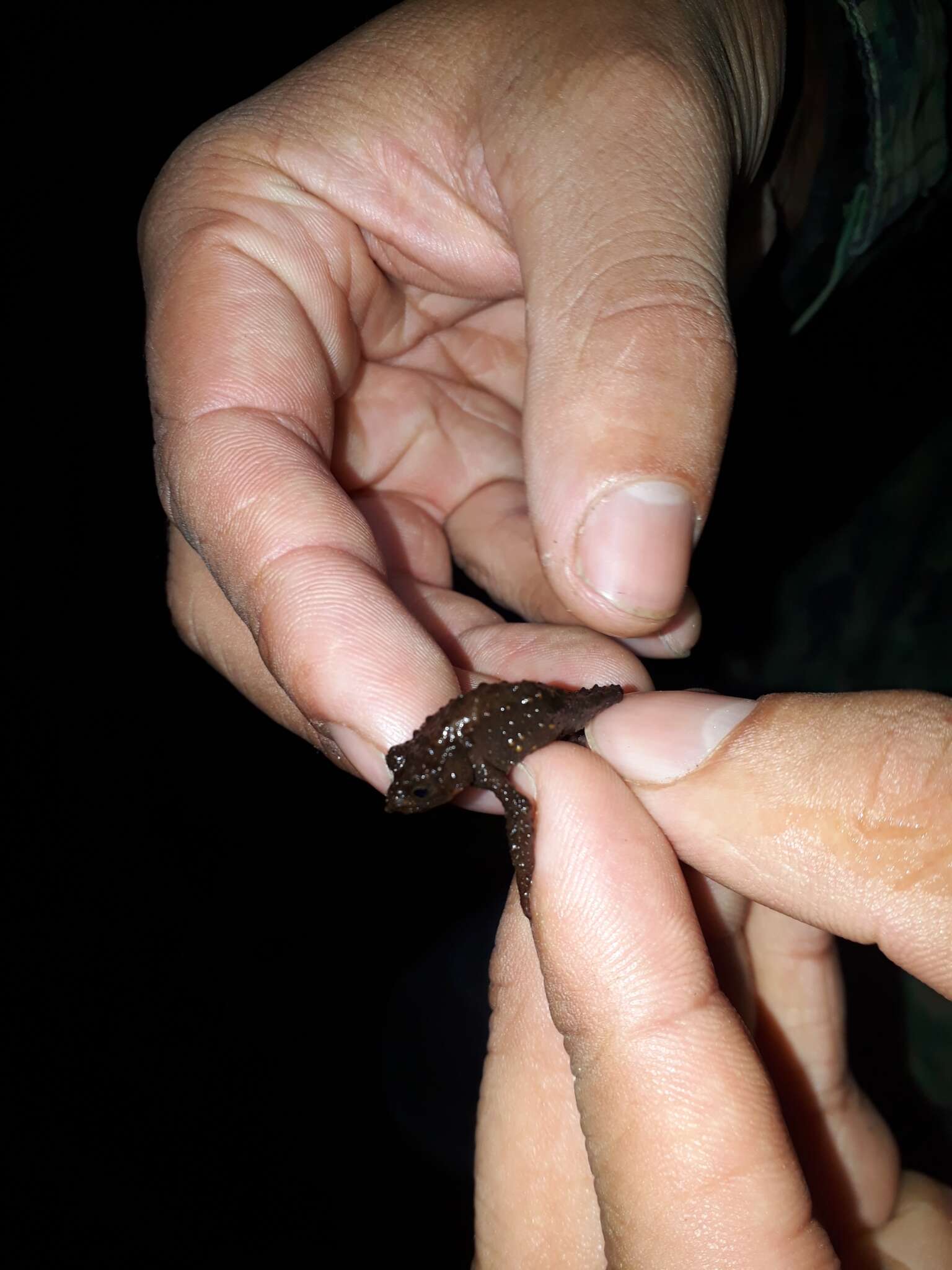
Osornophryne (plump toads) is a genus of true toads endemic to the Cordillera Central in Colombia and central Andes in Ecuador.
Hylomantis
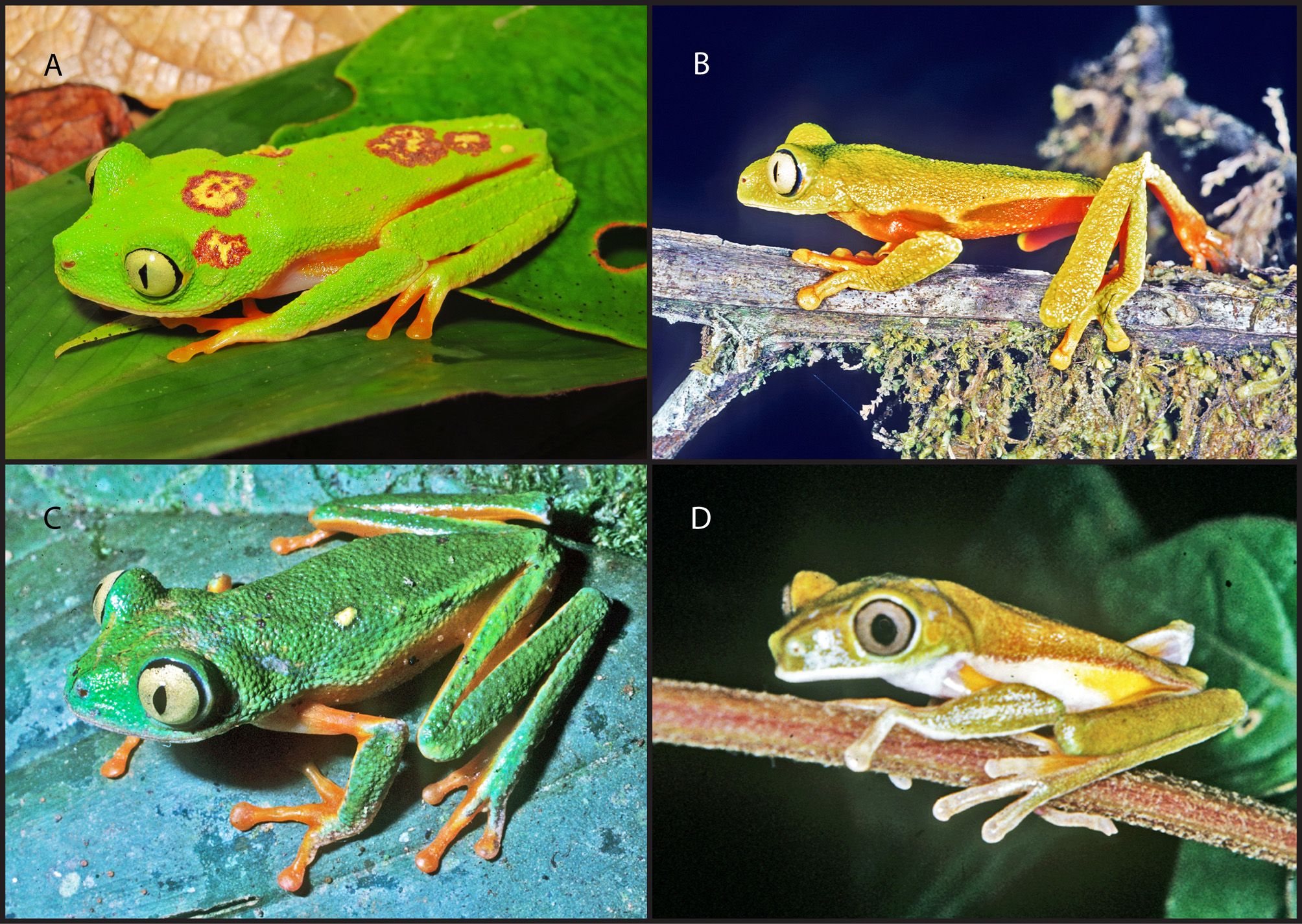
Hylomantis is a genus of tree frogs, the rough leaf frogs, native to the Atlantic forest in eastern Brazil. There are two recognized species; several others formerly placed in this genus now are placed in Agalychnis.
Eupsophus
Eupsophus is a genus of frogs in the family Alsodidae. They are sometimes known as ground frogs. The genus is endemic to Patagonia (Chile and Argentina). Eupsophus is the second most species-rich frog genera of Patagonia. These frogs are restricted to forested areas at southern latitudes.
Arthroleptella
Arthroleptella is a genus of frogs known as moss frogs in the family Pyxicephalidae. The ten species of this genus are endemic to South Africa.
Tomopterna
Tomopterna (common names: sand frogs, burrowing frogs, Old World bullfrogs) is a genus of frogs from sub-Saharan Africa.
Gymnopis
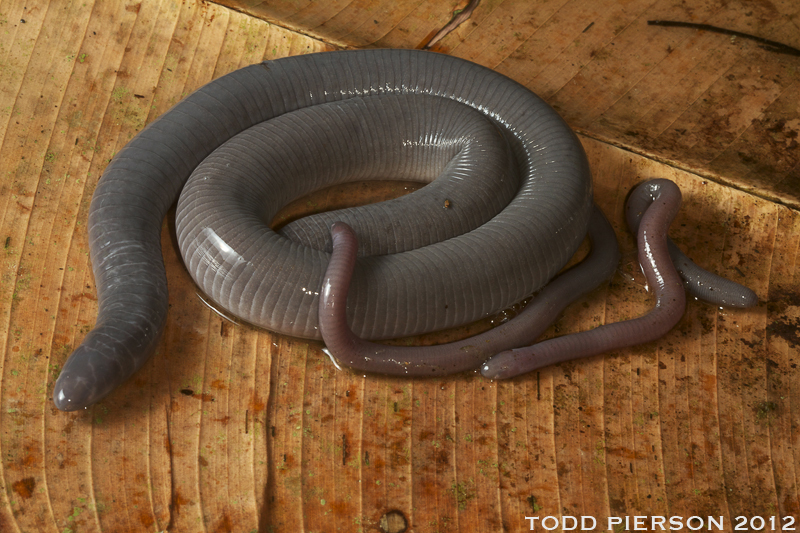
Gymnopis is a Central American genus of caecilian in the family Dermophiidae.
Callulops
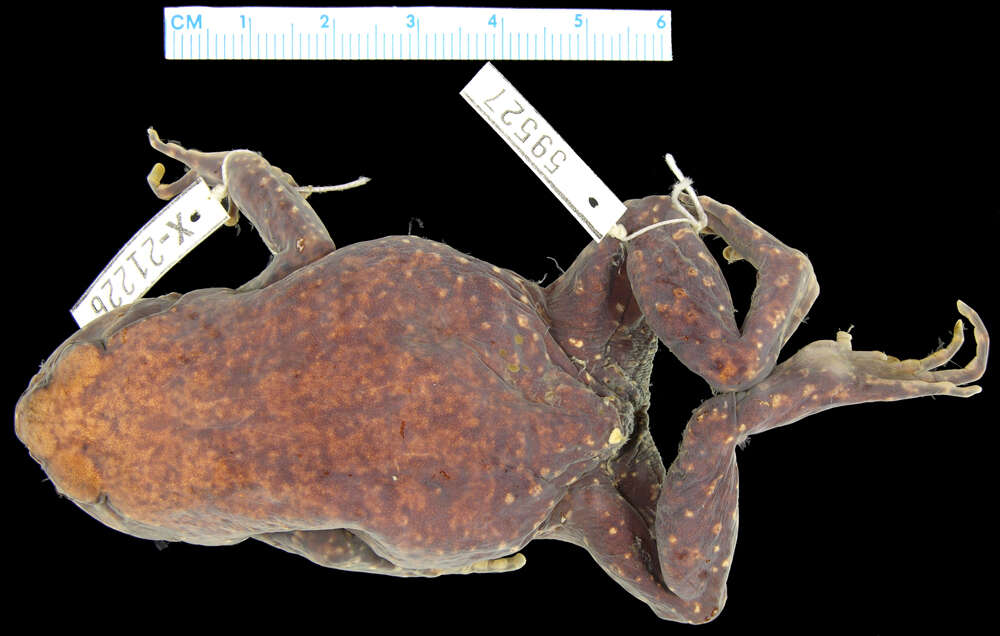
Callulops is a genus of microhylid frogs from Sulawesi as well as the New Guinea region, from Talaud Islands and the Maluku Islands (Moluccas) in the northwest to the Louisiade Archipelago in the east.
They are medium- to large-sized terrestrial frogs inhabiting burrows on the forest floor, often under large rocks. Because their population densities can be low, and they are difficult to observe and collect owing to their lifestyle, many species are known only from few specimens.
Elachistocleis
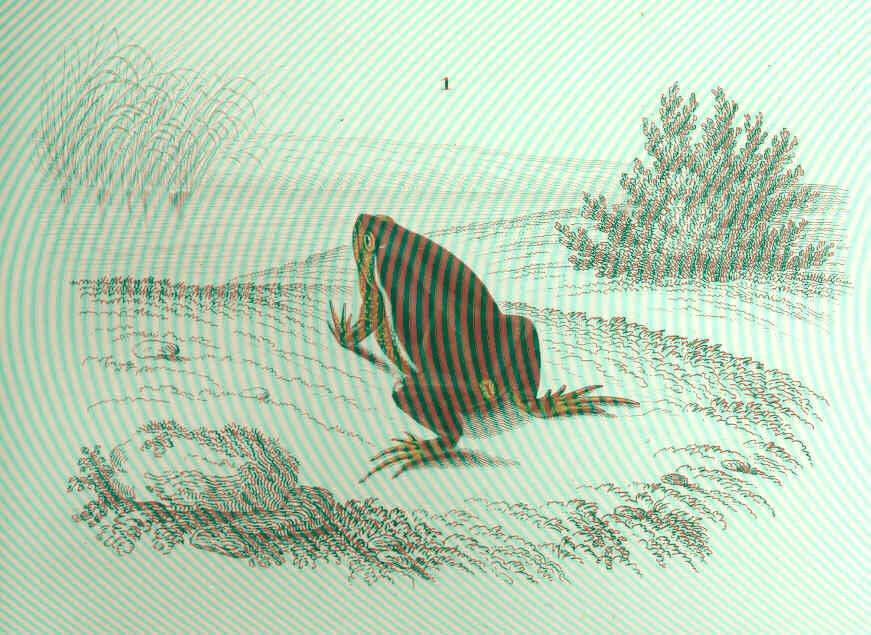
Elachistocleis is a genus of microhylid frogs found in southern America from Panama southwards. Their common name is oval frogs, although for historic reasons not all species are named so.
Neobatrachus
Neobatrachus is a genus of burrowing ground frogs native to Australia. They occur in every state except Tasmania, however this genus is absent from the far north of Australia and most of Queensland. Most of the species in this genus occur in south-western Western Australia. They are often found in arid areas and burrow underground to avoid dehydration. They are typically found in temporary claypan and flooded grassland habitats.
Oreolalax
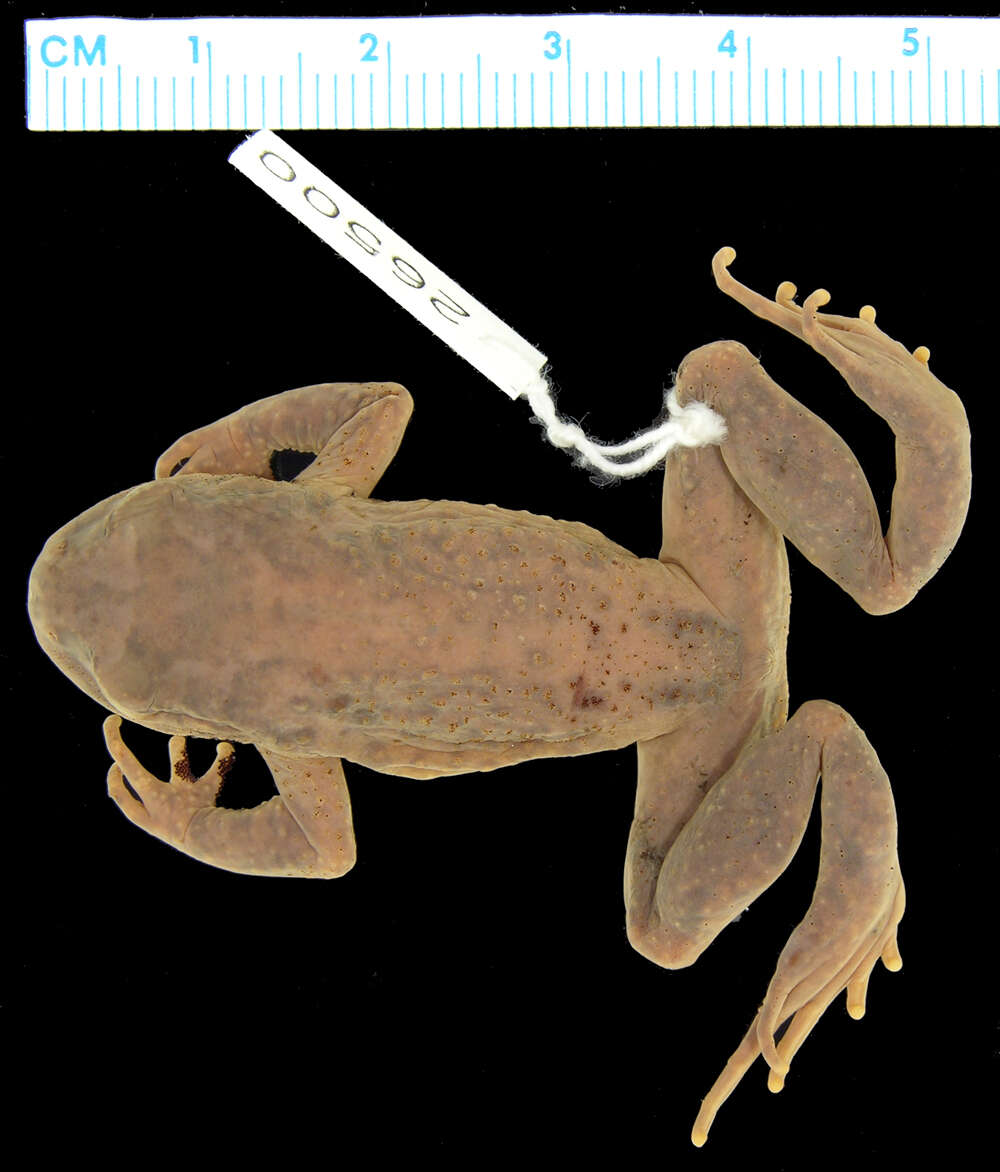
Oreolalax, commonly known as tooth toads, is a genus of frogs that belongs to the family Megophryidae. Most species are endemic to China with some species being found in Vietnam and possibly Laos.

Euparkerella
Euparkerella, sometimes known as Guanabara frogs, is a genus of frogs in the family Strabomantidae. They are endemic to the Atlantic coastal forests in the south-eastern Brazilian states of Espírito Santo and Rio de Janeiro. The name Euparkerella honours H. W. Parker, a herpetologist who named the type species, with the Greek prefix eu meaning true and suffix ella, a diminutive form.
%20Andasibe.jpg)
Aglyptodactylus
thumb|A. australis, Andasibe-Mantadia National Park
Aglyptodactylus is a genus of frogs in the family Mantellidae. These frogs, sometimes known as the Madagascar jumping frogs, are endemic to Madagascar. Systematic revisions of the groups were published in 1998 and 2015. Six species are currently recognized.
Paradoxophyla
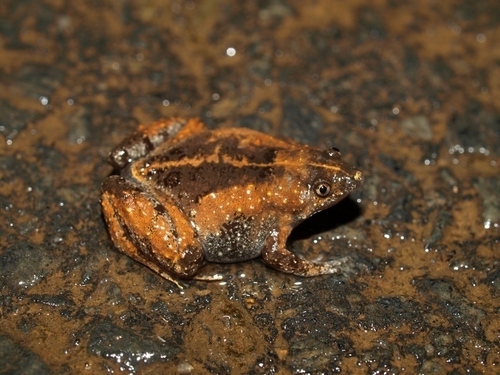
Paradoxophyla is a small genus of microhylid frogs endemic to Madagascar.

Thorius
Thorius, also known as minute salamanders, pigmy salamanders, or Mexican pigmy salamanders, is a genus of salamanders in the family Plethodontidae. They are endemic to Mexico and found in southern Veracruz and Puebla to Guerrero and Oaxaca.
Austrochaperina
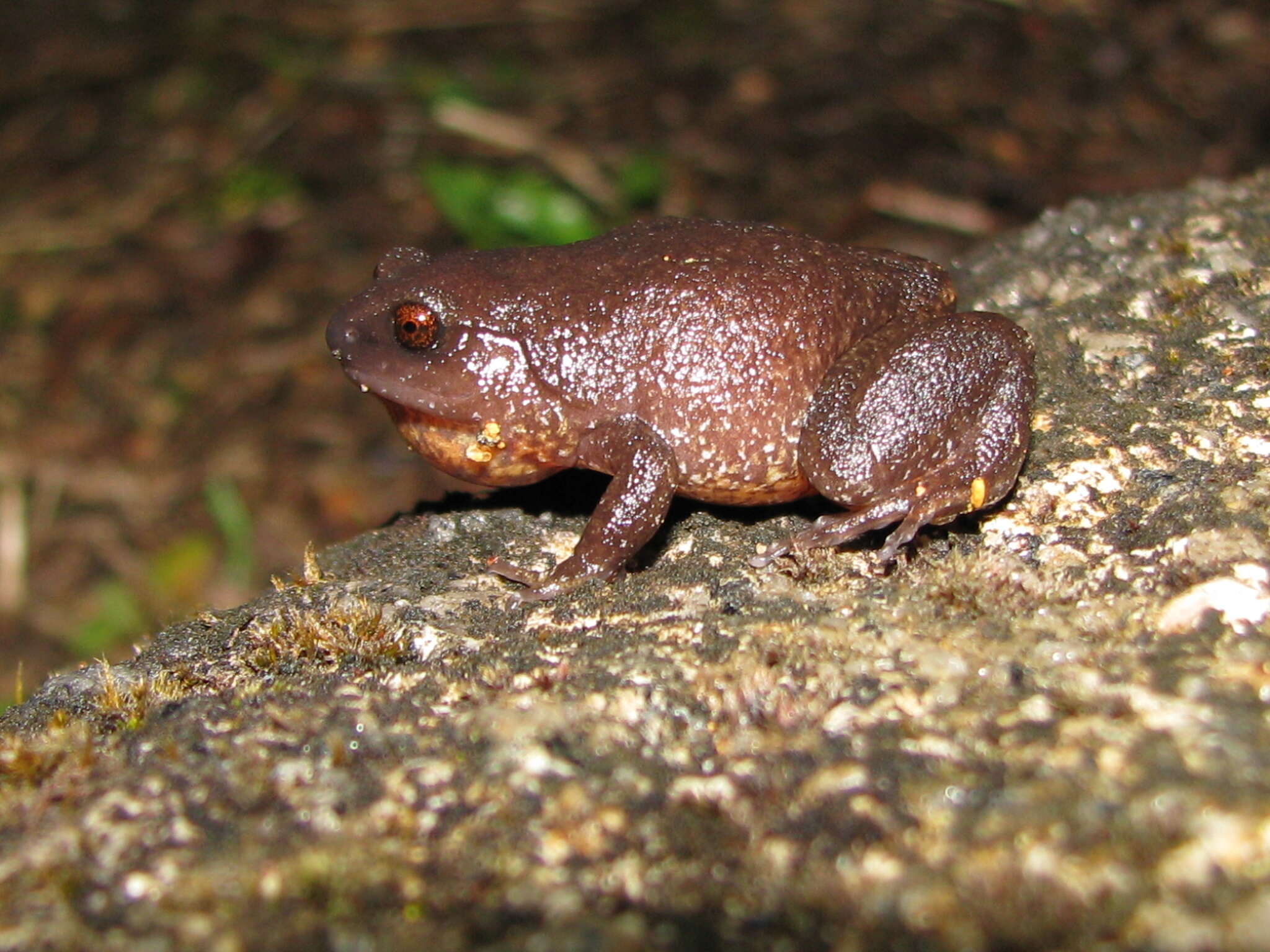
Austrochaperina is a genus of microhylid frogs found on New Guinea, New Britain and Australia.
Pseudotriton
Pseudotriton is a genus of salamanders in the family Plethodontidae. They are endemic to eastern and southern United States, from New York south to Florida and west to southern Ohio, Kentucky, Tennessee, and eastern Louisiana. They are commonly known as red salamanders or mud salamanders.
Humerana
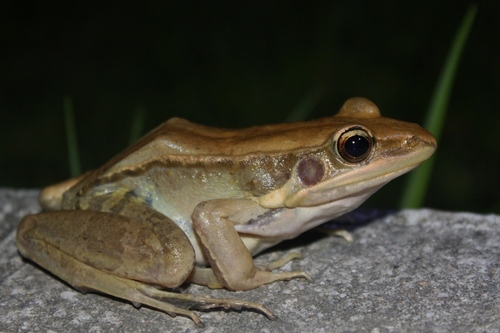
Humerana is a genus of frogs in the family Ranidae from southern and southeastern Asia. It was originally proposed as a subgenus of Rana. It may belong to Hylarana.
Lynchius
Lynchius is a genus of frogs in the family Strabomantidae. The name honours herpetologist John D. Lynch. The distribution of Lynchius is restricted to the Cordillera Oriental in southern Ecuador and Cordillera de Huancabamba in northern Peru.
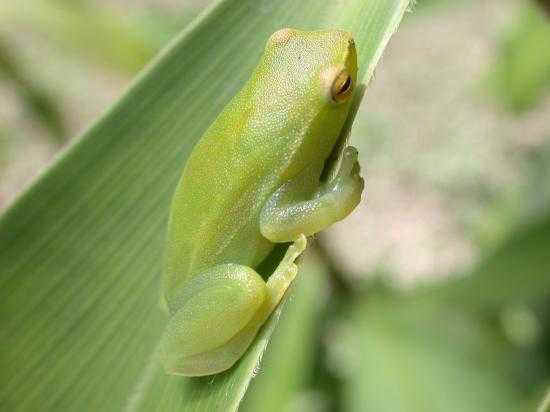
Sphaenorhynchus
Sphaenorhynchus is a genus of frogs in the family Hylidae. They are also known as lime treefrogs or hatchet-faced treefrogs. They are found in the Amazon and Orinoco River basins of South America, the Guianas, Trinidad, and southern and eastern Brazil. The majority of the species are associated with the Atlantic Forest domain in Brazil.

Babina
genus of amphibians
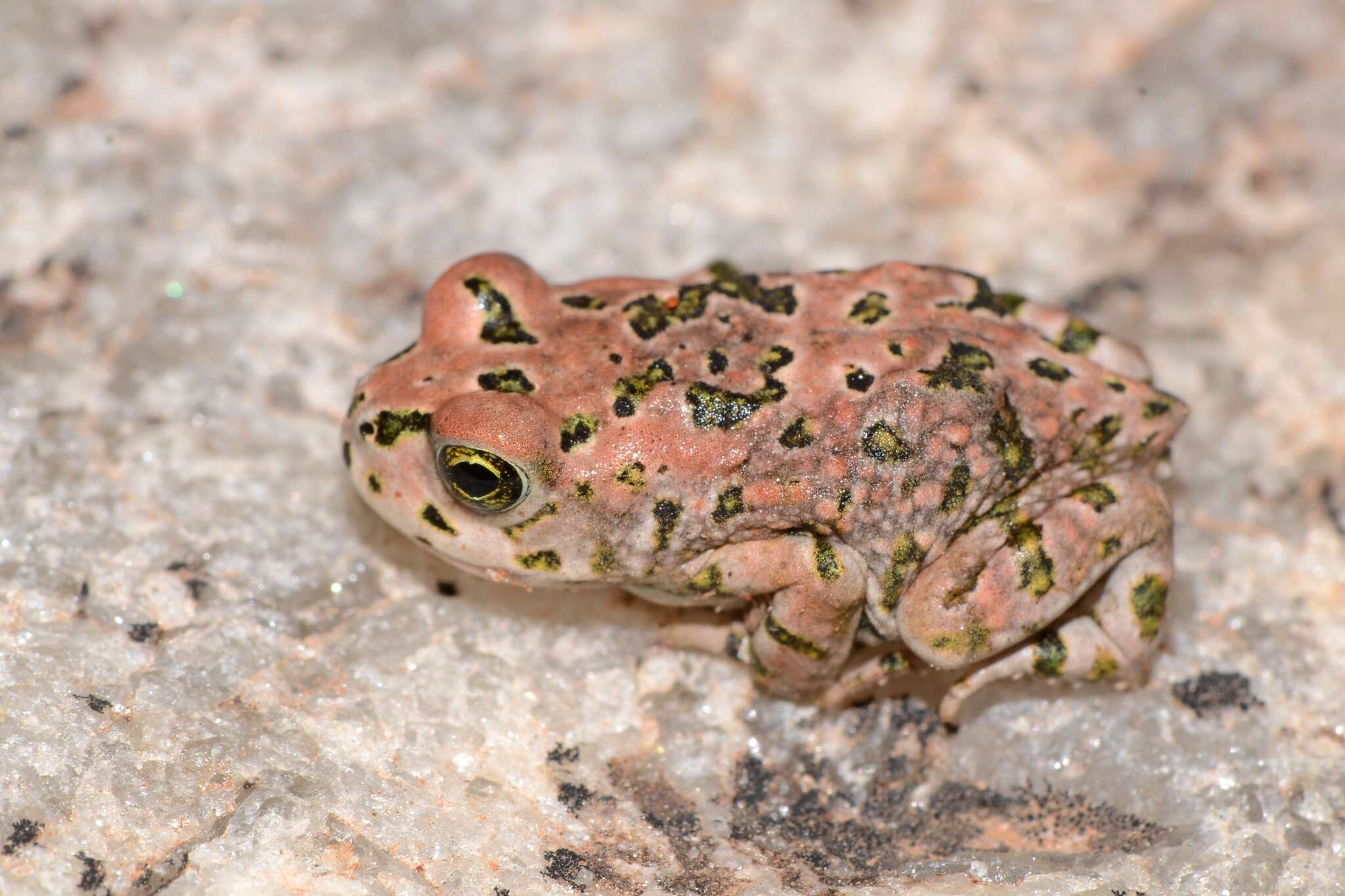
Vandijkophrynus
Vandijkophrynus, also known as '''Van Dijk's toads''', are a small genus of true toads, family Bufonidae. They are native to Southern Africa (southern Namibia, South Africa, Lesotho, and Eswatini, Zimbabwe, and Mozamibique). The name commemorates Eddie Van Dijk, a South African herpetologist.
Mannophryne
Mannophryne is a genus of frogs native to Venezuela and Trinidad and Tobago. They are sometimes known as the fingered poison frogs. This genus was created in 1992 and corresponds to the former Colostethus trinitatis species group. All species have a dark throat collar.