Category
page 3Amphibian genera
Odontophrynus
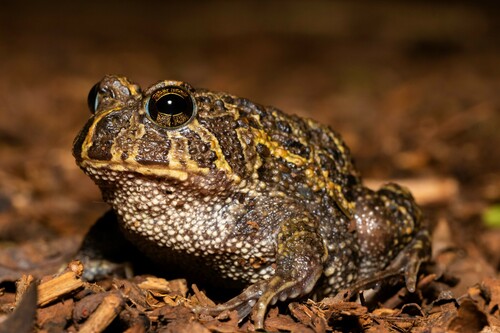
Odontophrynus is a genus of frogs in the family Odontophrynidae. They are found in southern and eastern South America. They are sometimes known as the escuerzos.

Clinotarsus
Clinotarsus is a genus of ranid frogs. Members of this genus are found in India and Southeast Asia.
Nectophryne
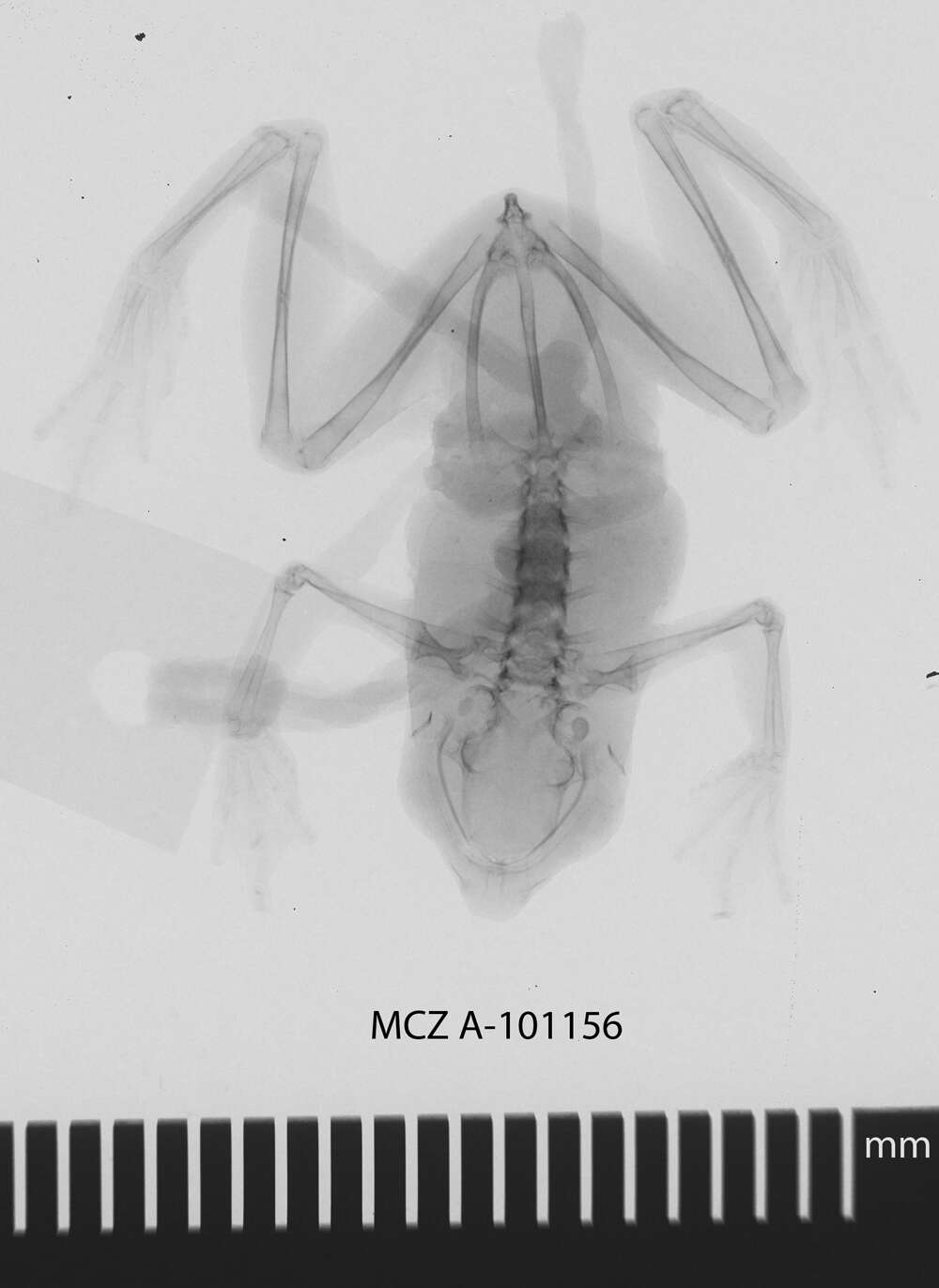
Nectophryne, or African tree toads, is a small genus of true toads with only two species. They are native to West and Central Africa: Nigeria, Cameroon, Gabon, northeastern Congo, Bioko and Equatorial Guinea. Nectophryne afra uses small bodies of water to lay its eggs which are then guarded by the male.
Hylophorbus
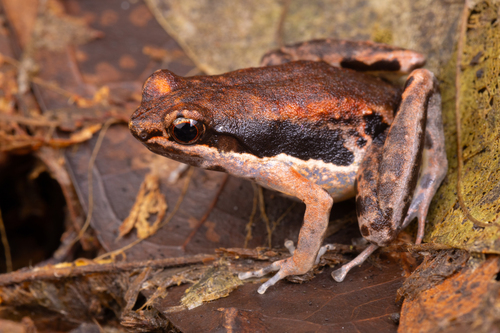
Hylophorbus is a genus of microhylid frogs endemic to New Guinea. Common name Mawatta frogs has been coined for them.

Mantophryne
Mantophryne is a genus of microhylid frogs. The genus is found in New Guinea, Louisiade Archipelago, and Woodlark Island.
Choerophryne
Choerophryne is a genus of microhylid frogs, commonly known as Torricelli mountain frogs, endemic to New Guinea. These frogs are small, with the body length measured from snout to vent between 11 and 23 mm.
Odorrana
Odorrana, commonly known as odorous frogs, is a genus of true frogs (Ranidae) from East Asia and surrounding regions. Many of these frogs inhabit fast-flowing mountain streams, and they typically have a remarkably pointed snout, as evidenced by common names like tip-nosed frog and scientific names like nasica or nasutus ("with a nose").

Notaden
Notaden is a genus of burrowing ground frogs native to central and northern Australia. Their common name is Australian spadefoot toads.
Ptychadena
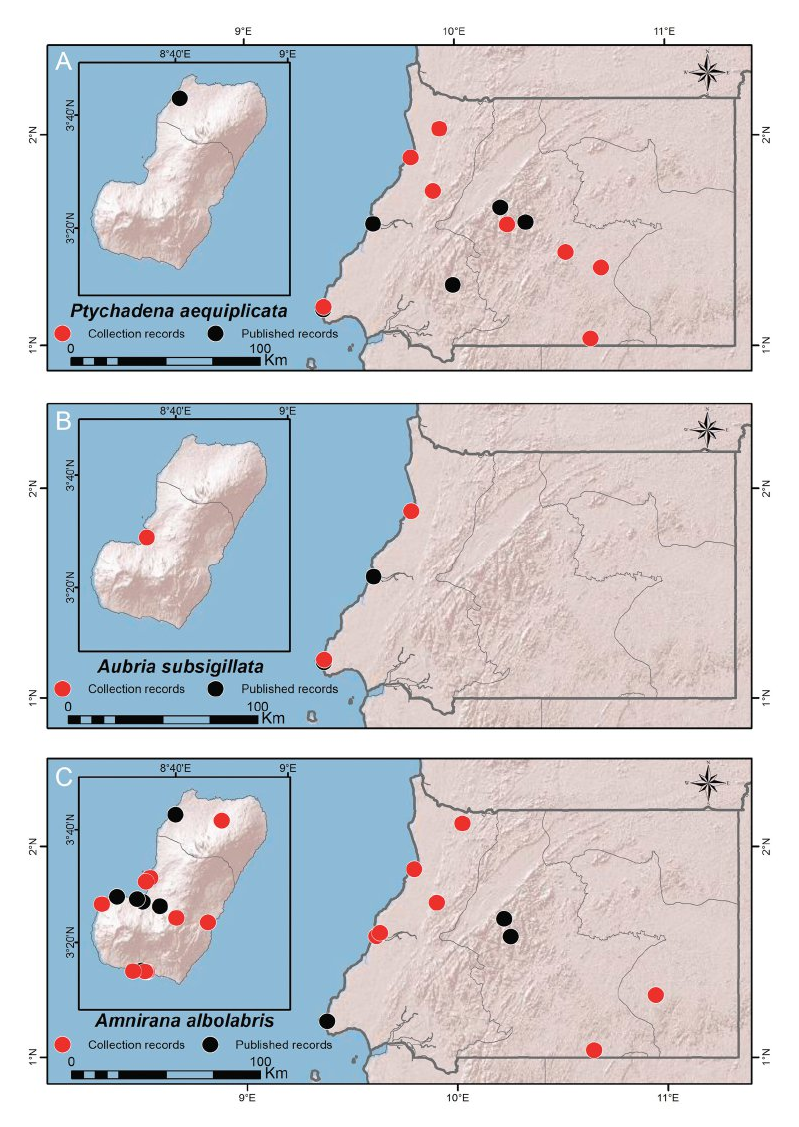
Ptychadena is a genus of frogs in the grassland frog family, Ptychadenidae. They are distributed in Sub-Saharan Africa, as well as nilotic Egypt. The common names of this genus are ridged frogs and grass frogs. This type of family have many different characteristics such as the species, Ptychadena neumanni who have long hindlimbs and a large ear drum compared to the Ptychadena erlangeri, for example. They also have a unique bone structure which is a fusion between the presacral vertebrae and sacrum.
.jpg)
Hemiphractus
Hemiphractus is a genus of frogs, the horned treefrogs, in the family Hemiphractidae. These overall brownish frogs have a pointed snout and a casque on the head. They are nocturnal, relatively rare and native to humid lowland and highland forests in northern South America (Amazon east as far as Tapajós, Chocó-Magdalena and northern Andes) and Panama, where typically found on the ground or at relatively low levels in vegetation.

Ameerega
Ameerega is a genus of poison dart frogs in the family Dendrobatidae. These frogs live around rocks that are nearby streams. They are found in central South America north to Panama. It contains many former species of the genus Epipedobates.

mountain salamanders
Batrachuperus is a genus of salamander in the family Hynobiidae found in western China and adjacent Myanmar. Their common name is stream salamanders or mountain salamanders. Species now in Paradactylodon were formerly part of the then paraphyletic Batrachuperus.
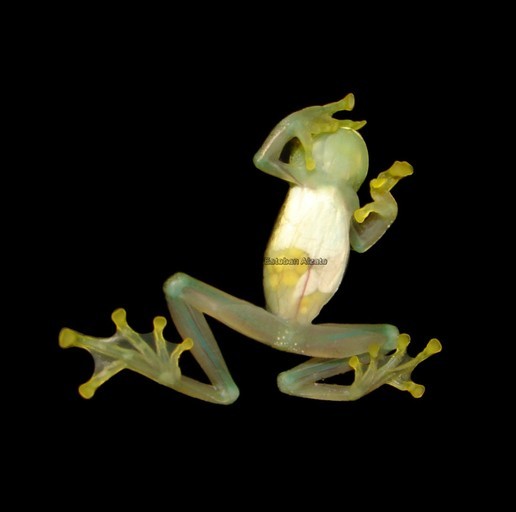
Centrolene
Centrolene is a genus of glass frogs in the family Centrolenidae. The adult males are characterized by having a humeral spine, as most members of this family. The delimitation of this genus versus Cochranella is not fully resolved, and some species formerly in Centrolenella — which is nowadays synonymized with Centrolene — are now in Hyalinobatrachium.
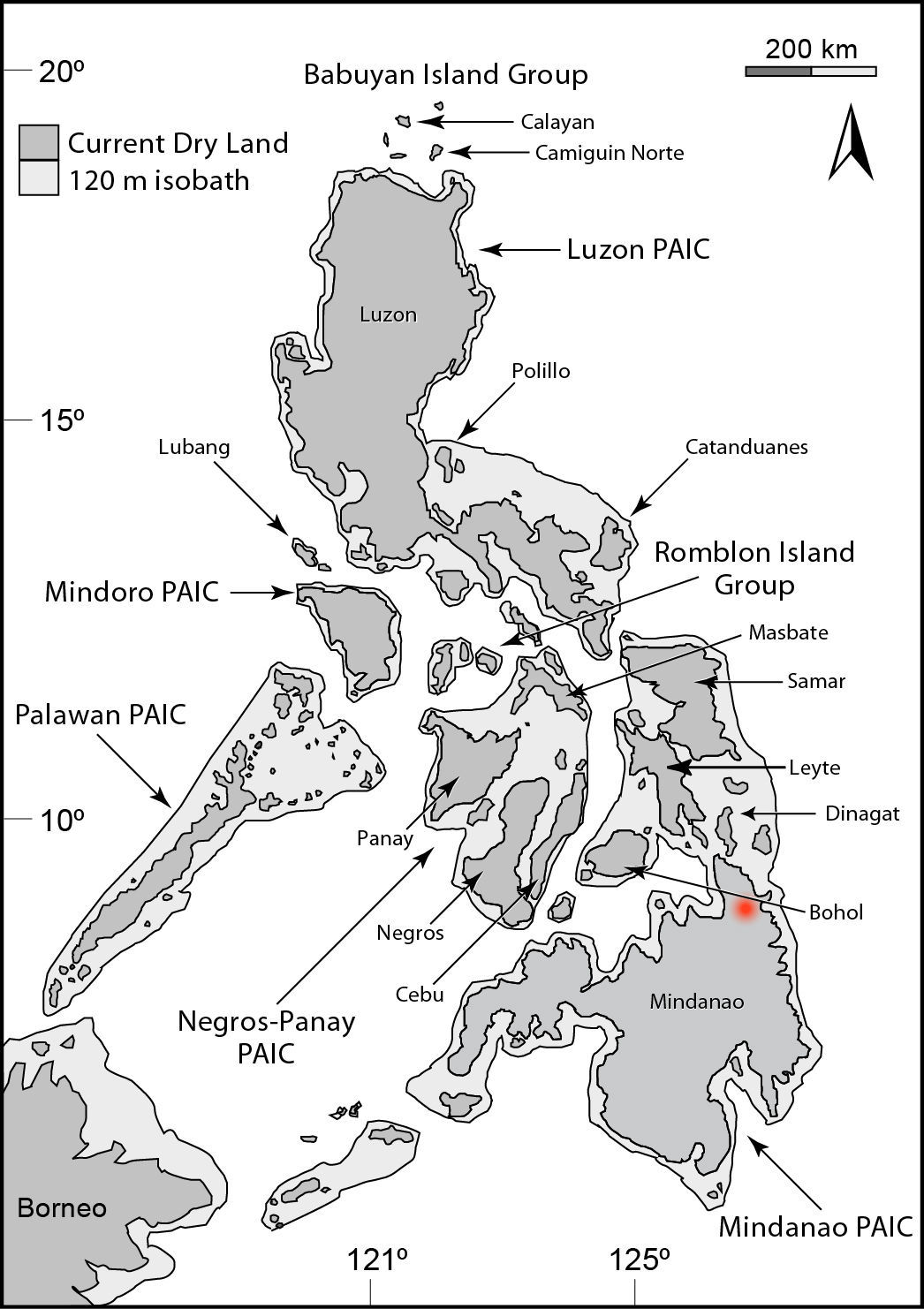
Philautus
Philautus is a genus of shrub frogs in the family Rhacophoridae from Asia. Some species in this genus are now considered extinct by IUCN, while others are widespread and abundant (such as the recently described P. abundus, which was specifically named for this fact). The taxonomy of the group is unclear, with many poorly described species.

Stereocyclops
Stereocyclops (common name: Brazilian dumpy frogs) is a small genus of microhylid frogs. It is endemic to the Atlantic forest of eastern Brazil. Molecular phylogeny suggests that it is sister taxon to the clade containing Dasypops and Myersiella.
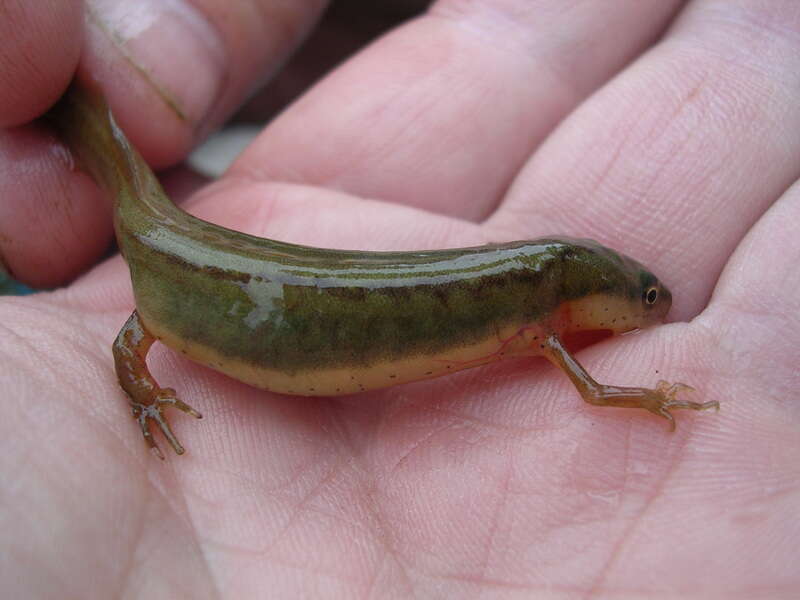
Notophthalmus
Notophthalmus is a genus of newts. There are three species. The name derives from Greek νῶτον (nōton), meaning "back", and Greek ὀφθαλμός (ophthalmos), meaning "eye".
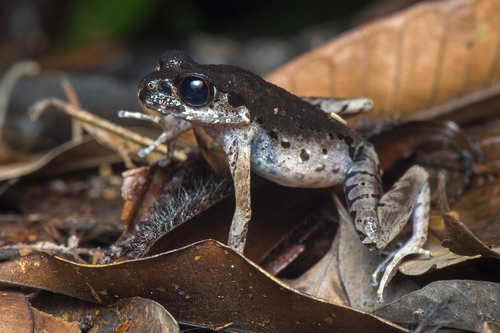
Leptobrachella
Leptobrachella is a genus of frogs in the family Megophryidae. Members of Leptobrachella are found throughout Asia including on Borneo and the Natuna Islands. They are sometimes referred to as Borneo frogs, slender-armed frogs, or dwarf litter frogs. The genus contains over 82 species with 25 found in China alone.
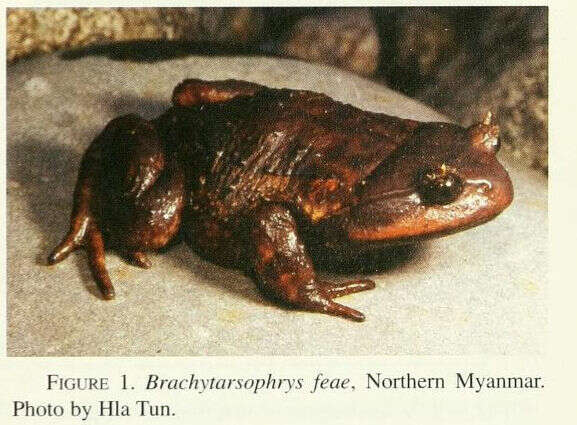
Megophrys
Megophrys is a genus of frogs in the family Megophryidae. They are endemic to Indonesia, where they are found on the islands of Java and Sumatra. They commonly have elongated upper "eyebrows" and are thus known as Indonesian horned toads. This group was thought to contain many more species and have a much wider distribution prior to recent taxonomic revisions.
%20Figure%201%20(cropped).png)
Adelophryne
Adelophryne is a genus of frogs in the family Eleutherodactylidae. They are native to northern South America east of the Andes, known roughly from the area corresponding to the Guiana Shield, as well as to the coastal area of Bahia, Brazil. Whether the genus is truly distinct from Phyzelaphryne remains uncertain. Common name shield frogs has been proposed for this genus, although the stem flea frog is used for some species.

Heterixalus
Heterixalus is a genus of frogs within the family Hyperoliidae, endemic to Madagascar. It is the sister taxon to the genus Tachycnemis. These frogs are commonly referred to as Madagascar reed frogs. Heterixalus species are colorful, small to medium-sized frogs ranging from 18-40 mm in length. They have webbing on both the front and back feet, and the digits and webbing are typically yellow and orange. The tips of the digits are circularly enlarged, and the lateral metatarsalia are connected. Distinct among Malagasy frogs, the pupil is shaped as a "vertical rhomboid," with the anterior side poi

Scaphiopus
thumb|Southern Spadefoot toad, Florida-adult
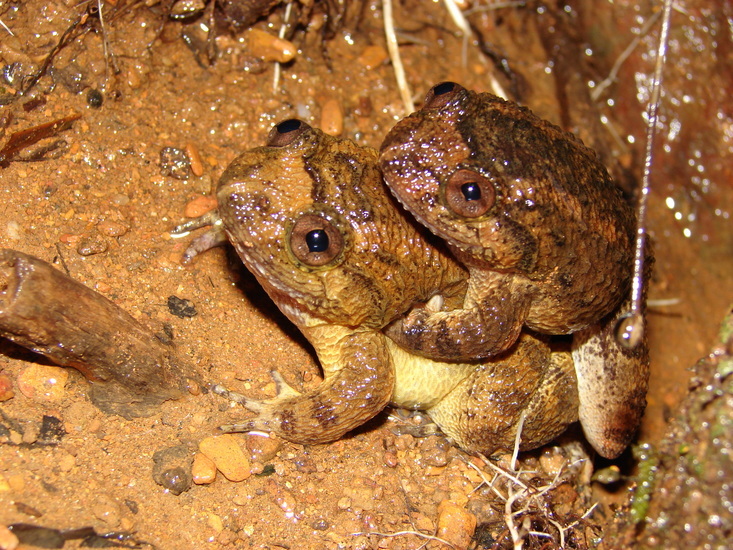
Nyctibatrachus
Nyctibatrachus is a genus of frogs endemic to the Western Ghats of southwestern India. Their common name is night frogs. Their scientific name also means "night frog", in reference to their habits and dark color. They are the only extant members of the monotypic subfamily Nyctibatrachinae. Currently, 35 species belong to Nyctibatrachus.

Excidobates
Excidobates is a genus of poison dart frogs endemic to the Marañón River drainage in Peru and Ecuador, South America. At one time members of this genus were classified as Dendrobates. A characteristic of this genus is the presence of pale, ovoid spots on the under surface of the thighs.
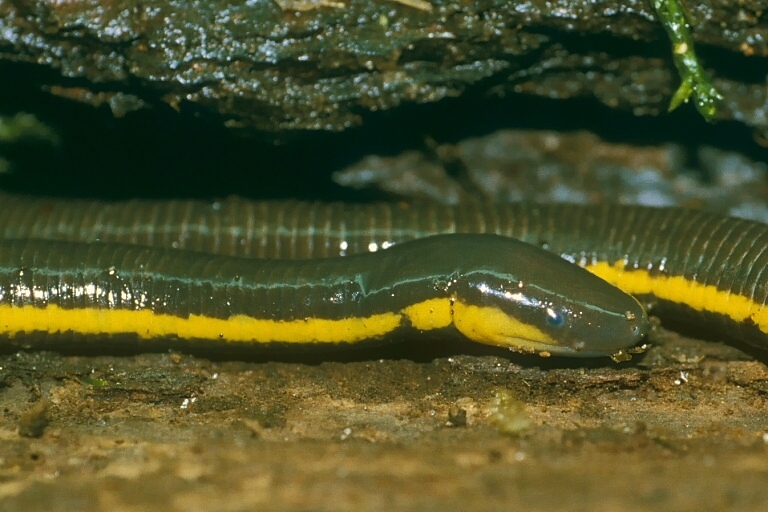
Ichthyophis
Ichthyophis (from Ancient Greek ἰχθύς (ikhthús), meaning "fish", and ὄφις (óphis), meaning "snake", and thus, "fish snake") is a genus of caecilians found in Southeast Asia, the southern Philippines, and the western Indo-Australian Archipelago.
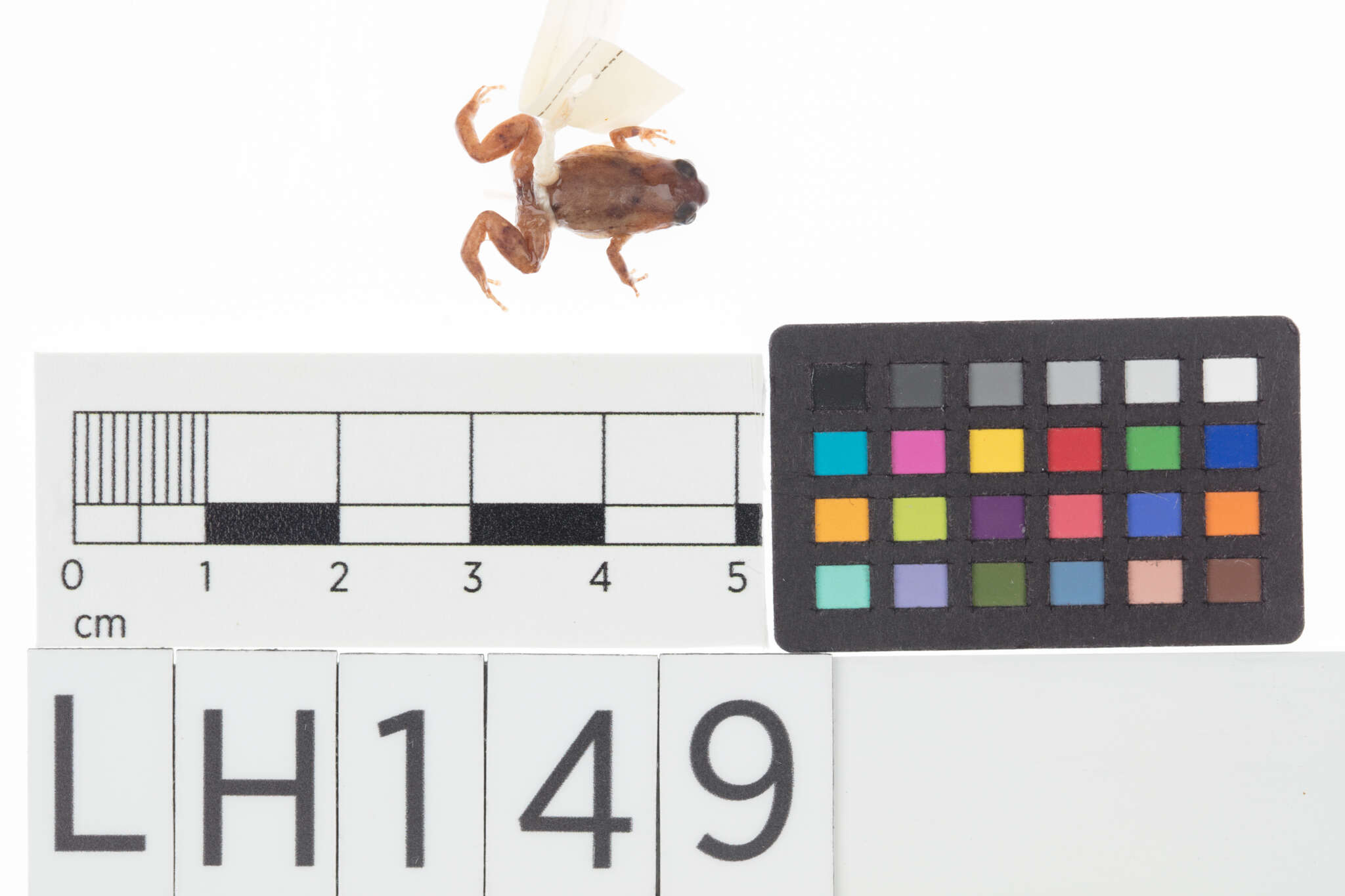
Cophixalus
Cophixalus (rainforest frogs or nursery frogs) is a genus of microhylid frogs. These are arboreal species with expanded toe-pads, endemic to Moluccan Islands, New Guinea and northeastern Queensland, Australia.
Staurois
Staurois is a small genus of minuscule true frogs. Most species in the genus are restricted to Borneo, but two species are from the Philippines. This genus is a quite ancient member of the true frog family, Ranidae. They are typically found in or near rapidly flowing, small rocky streams, and are sometimes known as splash frogs or foot-flagging frogs. The latter name refers to their unusual behavior of conspicuously waving their hindlegs and feet, as a way of signalling other members of the species. Similar behavior has also been documented in other frog genera, notably Hylodes and Micrixalus.
Gyrinophilus
Gyrinophilus, the spring salamanders, are a genus of salamanders in the family Plethodontidae. The genus is endemic to the Appalachian Mountains of the eastern United States and Canada. Their habitat is under rocks in cold, clear springs, in wet caves, and in streams in forested areas.

Phrynomantis
Phrynomantis is a genus of frog in the family Microhylidae. They are also known as rubber frogs, red-marked frogs, red-marked short-headed frogs, and snake-necked frogs. The genus is found in Subsaharan Africa.
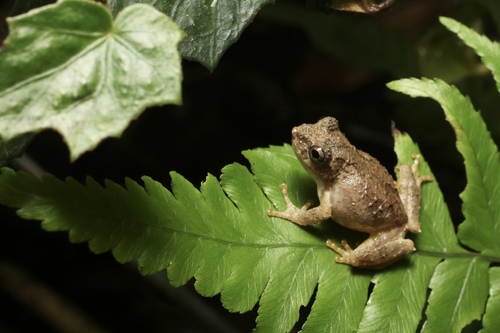
Kurixalus
Kurixalus is a genus of frogs in the family Rhacophoridae. The taxonomy of small rhacophids is difficult and has been subject to many revisions, but molecular genetic data do support monophyly of Kurixalus. These frogs are distributed from Himalayan front ranges of eastern India southward and eastward to Cambodia, Vietnam, southern China, Taiwan, and the Ryukyu Islands.
Euphlyctis
Euphlyctis is a genus of frogs in family Dicroglossidae distributed from the southwestern Arabian Peninsula, Pakistan and Afghanistan to India, Nepal, through Myanmar and Thailand to Malaya, and Sri Lanka. None of the four species assessed by the IUCN is considered threatened.
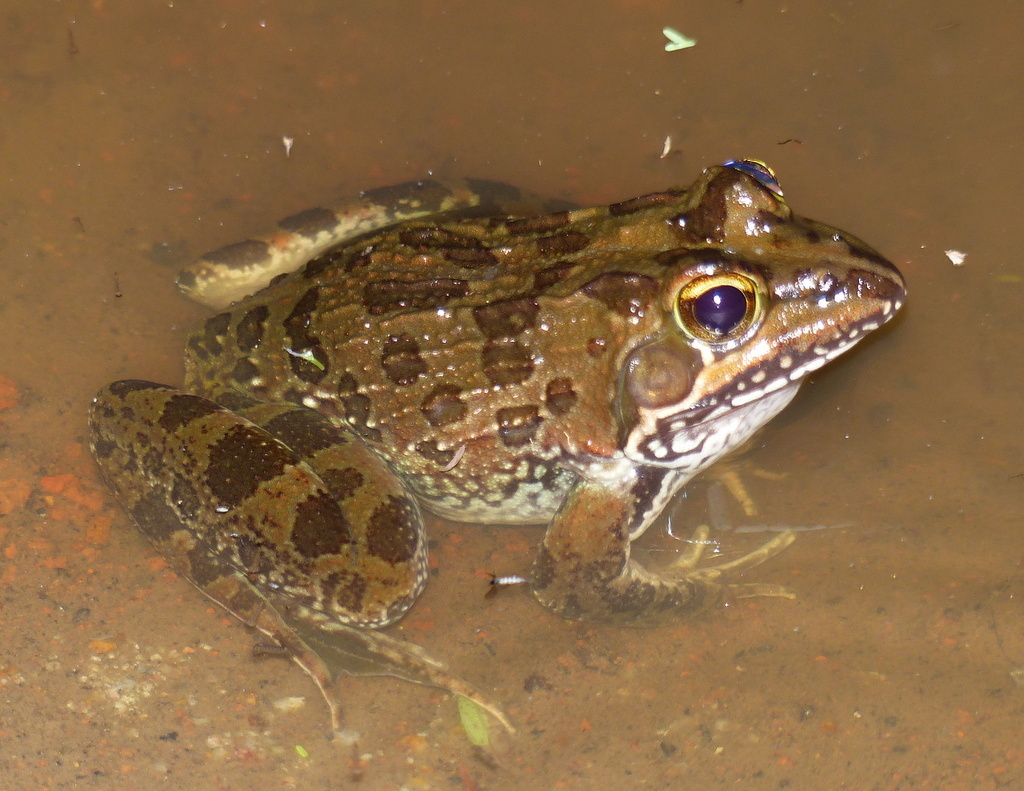
Amietia
Amietia is a genus of frogs, commonly known as large-mouthed frogs or river frogs, in the family Pyxicephalidae. They are endemic to central and southern Africa. Formerly, the genus was named Afrana and was placed in the family Ranidae.
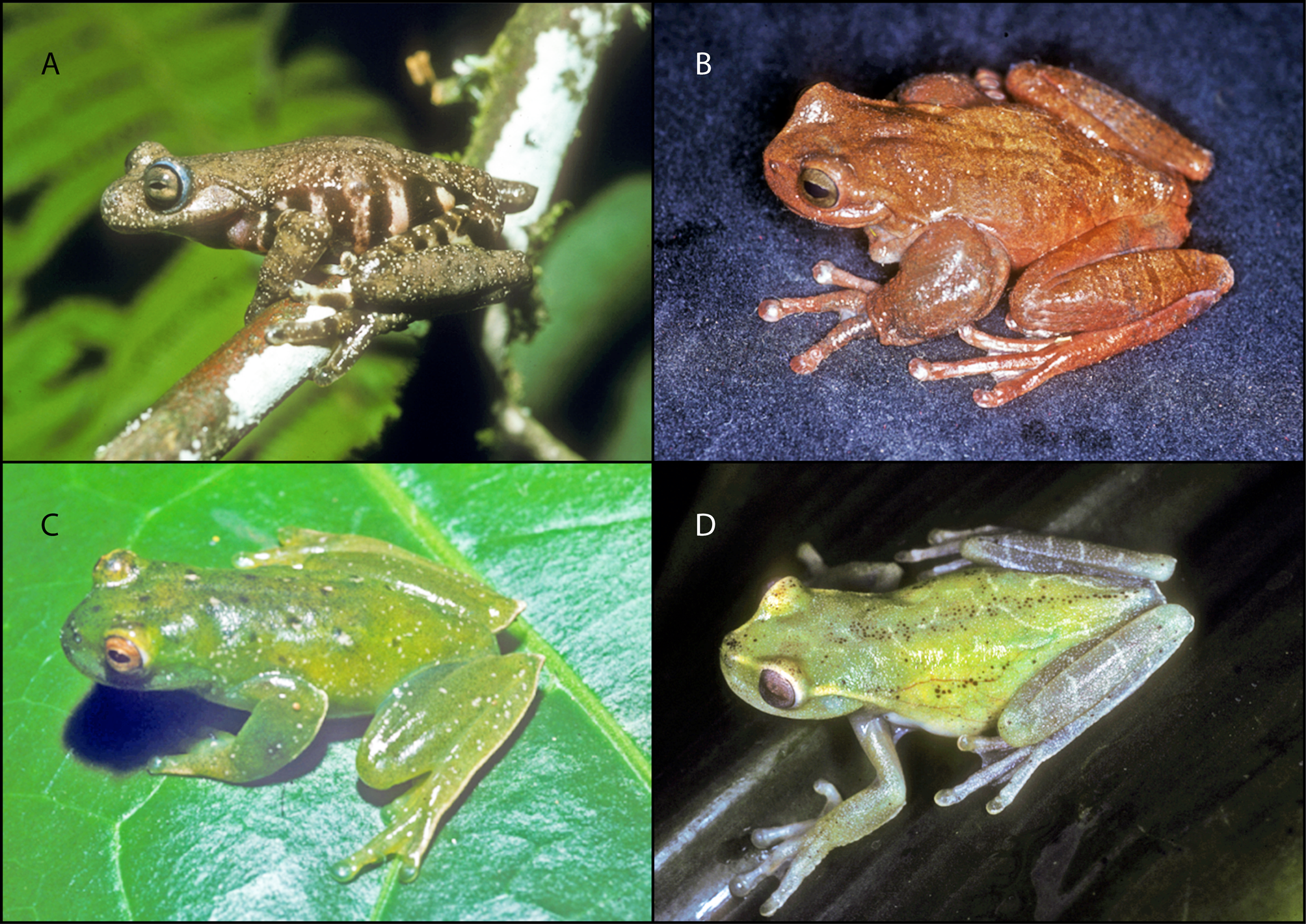
Hyloscirtus
Hyloscirtus is a genus of Neotropical frogs in the family Hylidae. This genus was resurrected in 2005 following a major revision of the Hylidae, with the distinguishing features being 56 transformations in nuclear and mitochondrial proteins and ribosomal genes. Of these species, 28 species, previously placed in the genus Hyla, were moved to this genus. The fingers and toes of these frogs have wide dermal fringes.
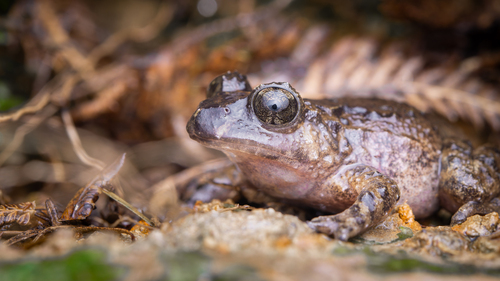
Leiopelma
__NOTOC__
Leiopelma is a genus of New Zealand primitive frogs, belonging to the suborder Archaeobatrachia. It is the only genus in the monotypic family Leiopelmatidae. The leiopelmatids' unique and ancestral features indicate they are part of an ancient lineage. While some taxonomists have suggested combining the North American frogs of the genus Ascaphus in the family Ascaphidae with the New Zealand frogs of the genus Leiopelma in the family Leiopelmatidae, the current consensus is that these two groups constitute two separate families. The three extant species of Leiopelmatidae are only foun
Scutiger
genus of amphibians
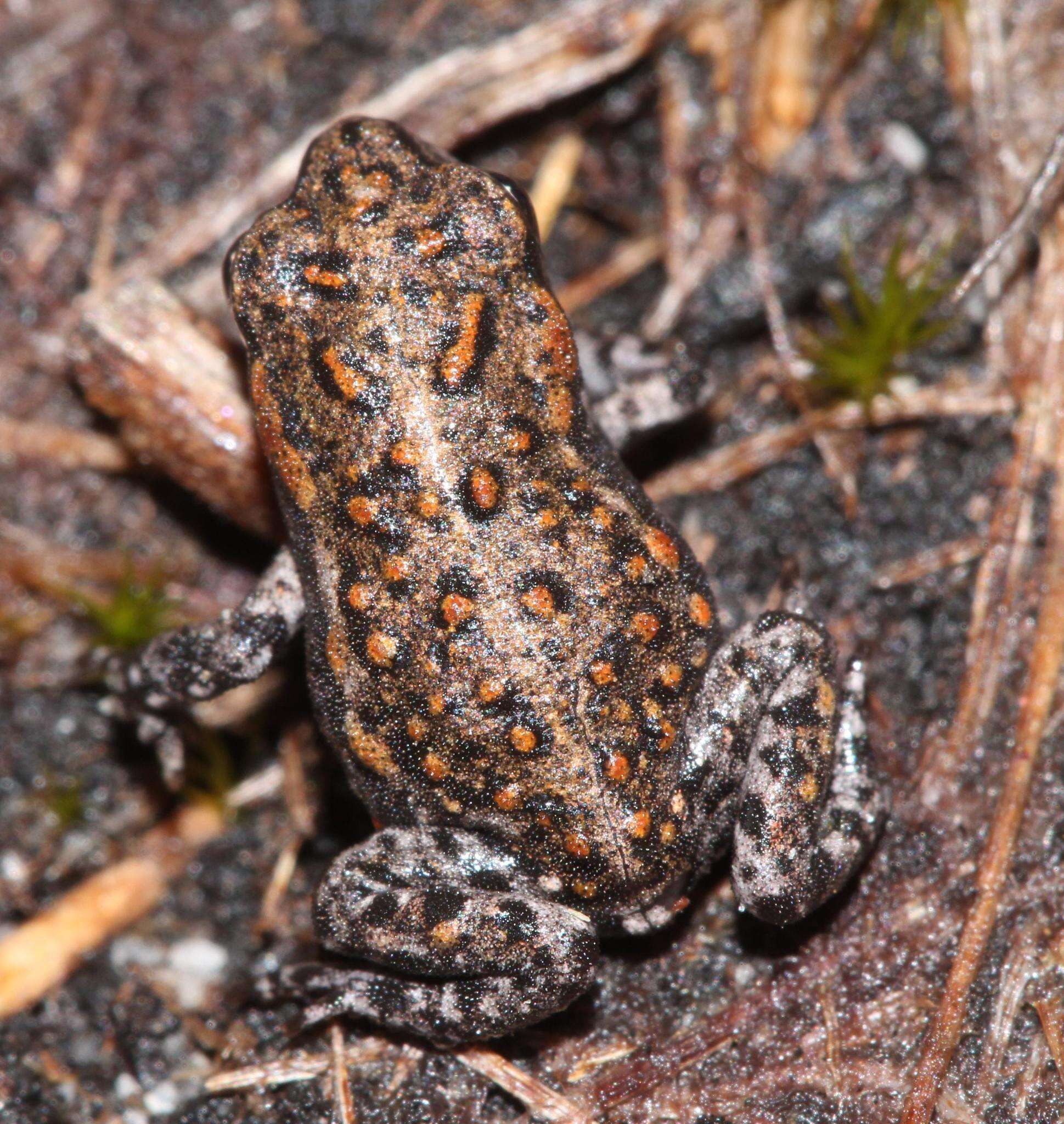
Capensibufo
Capensibufo is a genus of true toads commonly known as Cape toads or mountain toadlets. They are found in the Republic of South Africa from Breede River to north of Knysna, Western Cape Province.
Siphonops
Siphonops is a genus of caecilians in the family Siphonopidae, found in South America. All species are known to occur within Brazil, however, only S. hardyi and S. leucoderus are endemic to it. The native ranges of the other two known species, S. annulatus and S. paulensis, extend outwards into the surrounding countries of Argentina, Bolivia, and Paraguay. S. annulatus's range extends even further, stretching into Colombia, Ecuador, French Guiana, Guyana, Peru, Suriname, and Venezuela, and giving it perhaps the most widespread distribution of any single caecilian species.
Barygenys
Barygenys is a genus of microhylid frogs. They are endemic to New Guinea and the adjacent Louisiade Archipelago. So far only known from Papua New Guinea, the range of the genus is expected to reach Papua province in the Indonesian part of New Guinea. Despite not being known from Papua, common name Papua frogs has been suggested for them.
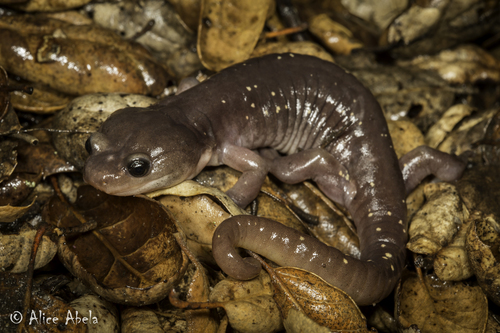
Aneides
genus of amphibians
Silverstoneia
Silverstoneia is a genus of poison dart frogs (family Dendrobatidae) from southern Central America and northern South America, between southwestern Costa Rica and southwestern Colombia. It is named in honour of Phillip A. Silverstone, an expert on dendrobatoid frogs.
Cryptobatrachus
Cryptobatrachus is a genus of frogs in the family Hemiphractidae. They are found in Colombia and Venezuela. They are also known as backpack frogs, as the females have the habit of carrying their egg clutch on their backs until the young hatch; this behavior also occurs in the related hemiphractid genera Hemiphractus and Stefania.
-from-Papua-New-Guinea-ZooKeys-333-093-g002.jpg)
Oreophryne
thumb|Portraits in life of A paratype of Oreophryne cameroni from Keki Lodge, Adelbert Mts., 850 m elevation; B paratype of Oreophryne cameroni from Torricelli Mts., 550 m elevation; C paratype of Oreophryne parkopanorum from near summit of Mt. Sapau, Torricelli Mts., 1100–1300 m elevation; D holotype of Oreophryne parkopanorum from near summit of Mt. Sapau, Torricelli Mts., 1100–1300 m elevation; E holotype of Oreophryne gagneorum from Rossel Island, 720 m elevation; and F paratype of Oreophryne gagneorum from Rossel Island, 720 m elevation.
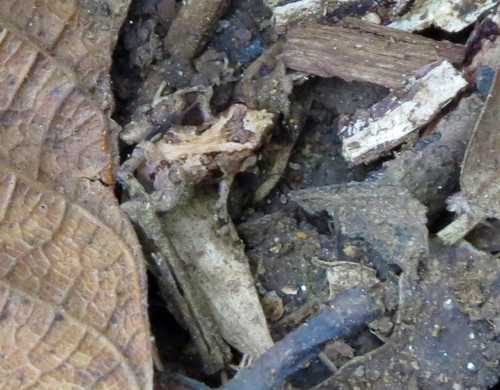
Stumpffia
Stumpffia is a genus of microhylid frogs that are endemic to Madagascar. They are mostly brown frogs that typically live among leaf litter. S. contumelia has a snout–vent length of about , making it one of the world's smallest frogs, and several others in the genus are only slightly larger. The largest species is no more than .
Telmatobufo
Telmatobufo is a genus of frogs (false toads) endemic to southern Chile. Their closest living relative is the monotypic helmeted water toad, Calyptocephalella gayi. These frogs were recently removed from the Leptodactylidae and placed in a new family, the Calyptocephalellidae. All three species of Telmatobufo that have been assessed by the IUCN are considered threatened.
Tlalocohyla
Tlalocohyla is a genus of frogs in the family Hylidae, also known as rain treefrogs or Middle American yellow-bellied treefrogs. They occur in Middle America between Mexico and Costa Rica. This genus was created in 2005 following a major revision of the Hylidae. The five species in this genus were previously placed in the genus Hyla.
Acanthixalus
Acanthixalus, commonly known as African wart frogs, is a genus of frogs in the family Hyperoliidae. They occur in the rainforests of Western and Central Africa, from Ivory Coast to Congo.
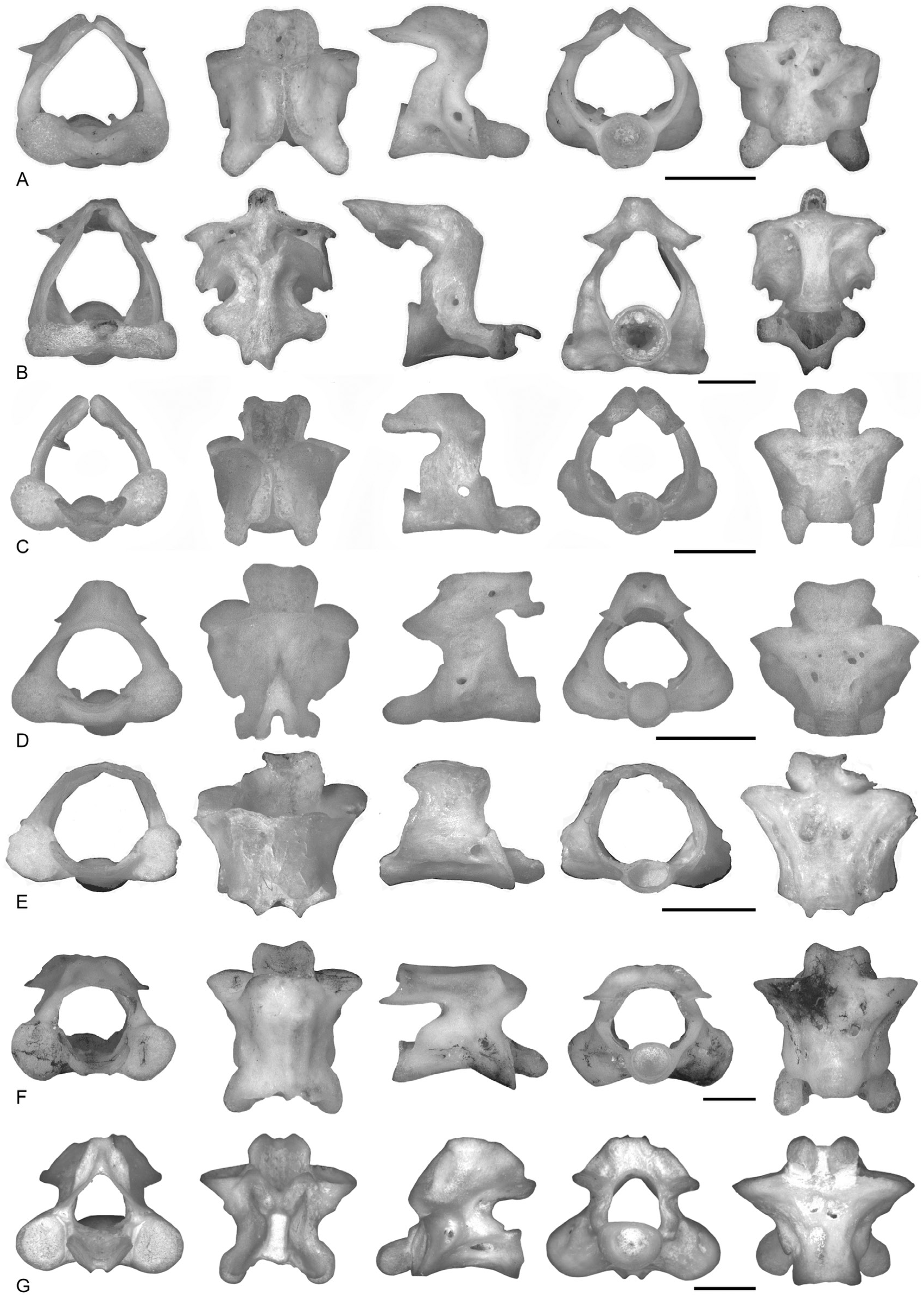
Salamandrella
Salamandrella is a genus of salamanders in the family Hynobiidae.
Isthmohyla
Isthmohyla is a genus of frogs in the family Hylidae. This genus was erected in 2005 following a major revision of the Hylidae. The 15 species in this genus were previously placed in the genus Hyla. They are endemic to Central America in Honduras, Costa Rica, and Panama.
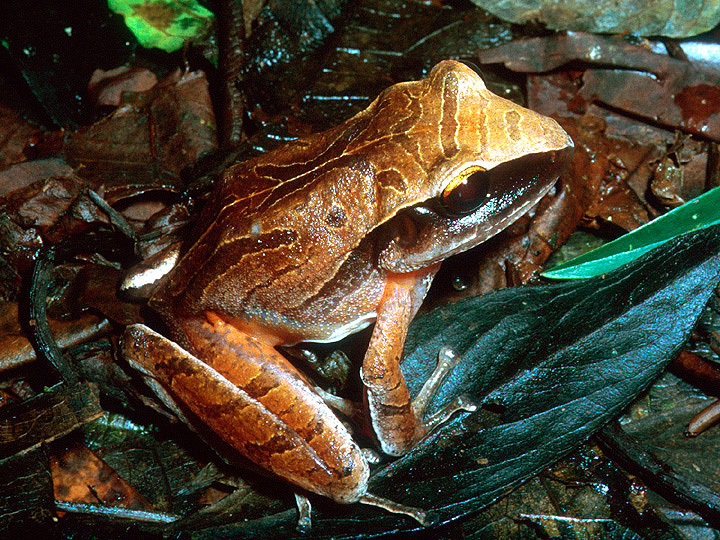
Craugastor
Craugastor is a large genus of frogs in the family Craugastoridae with 126 species.
Its scientific names means brittle-belly, from the Ancient Greek ' (, brittle, dry) and ' (, belly, stomach).
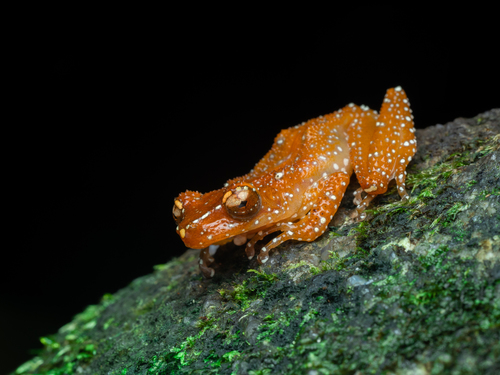
Nyctixalus
Nyctixalus is a genus of frogs in the family Rhacophoridae. The common name is Indonesian tree frogs. They can be found in the Malay Peninsula, Sumatra, Java, Borneo, the Philippines, and southern Vietnam. Nyctixalus is the sister taxon of Theloderma. It has also been considered subgenus of Theloderma, but the most recent research treat it as a distinct genus.

Desmognathus
Desmognathus is a genus of lungless salamanders in the family Plethodontidae known as dusky salamanders. They range throughout the eastern United States as far west as Texas, and north to southeastern Canada.
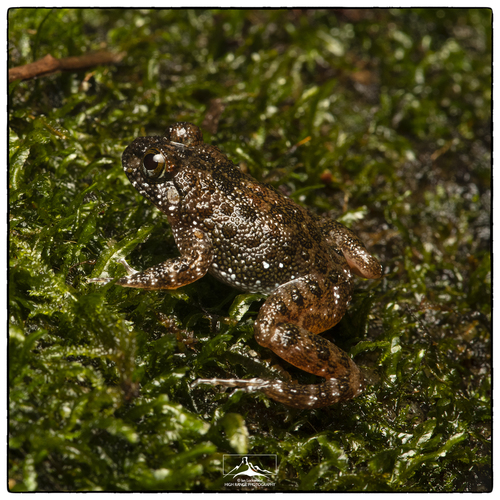
Nannophrys
Nannophrys is a genus of frogs endemic to Sri Lanka. It used to be placed in the large frog family Ranidae but a phylogenetic study was undertaken using DNA sequences and it is now included in the family Dicroglossidae. They are sometimes known under the common name streamlined frogs.
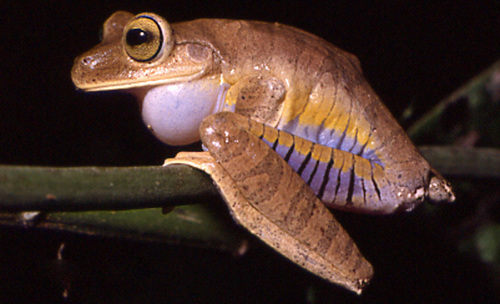
Bokermannohyla
Bokermannohyla is a genus of frogs in the family Hylidae. It was erected in 2005 following a major revision of the Hylidae. Twenty-three species previously placed in the genus Hyla were moved to this genus named in honor of Werner Carlos Augusto Bokermann, Brazilian herpetologist. The genus is endemic to southern Brazil.
Peltophryne
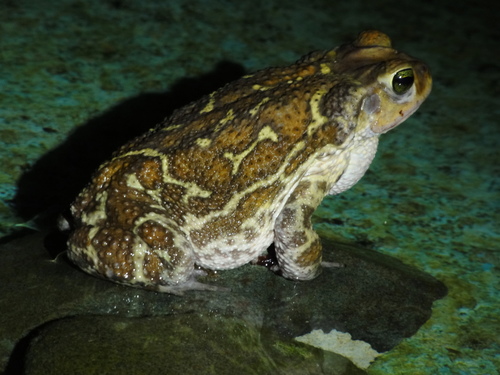
Peltophryne is a genus of true toads in the family Bufonidae, from the Greater Antilles (in Cuba, Isla de Juventud, Hispaniola, and Puerto Rico). With ten endemic species, Cuba hosts the highest diversity. Hispaniola has three endemics and Puerto Rico and the Virgin Islands combined have one.

Chiasmocleis
Chiasmocleis is a genus of microhylid frogs. They are found in tropical South America north and east of the Andes. Their common name is humming frogs or silent frogs, the latter referring to the formerly recognized Syncope.
Cophyla
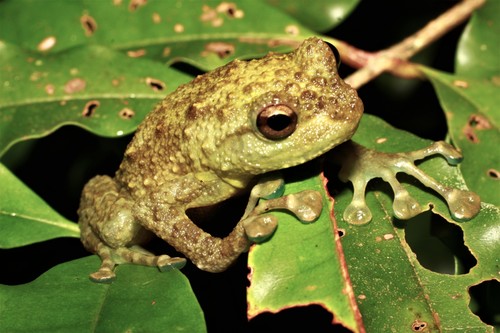
Cophyla is a genus of microhylid frogs endemic to Madagascar.
Geocrinia
Geocrinia is a genus of frogs in the family Myobatrachidae. These frogs are endemic to Australia. Two species are known from southeastern Australia (Victoria and Tasmania), while one is known from southeastern Western Australia.
Altiphrynoides
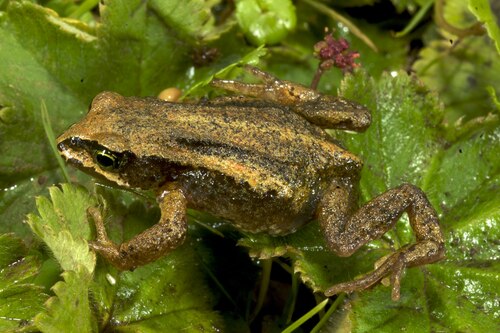
Altiphrynoides is a genus of toads, commonly referred to as Ethiopian toads. They are restricted to highlands of south-central Ethiopia in the Arussi, Bale and Sidamo Provinces. Both species are threatened by habitat loss. They were formerly included in Nectophrynoides, but lack the unusual reproductive mode of those species (they lay eggs, while Nectophrynoides give birth to fully developed young). Conversely, some authorities treat Altiphrynoides as a monotypic genus for A. malcolmi, placing A. osgoodi in another monotypic genus, Spinophrynoides.
Cardioglossa
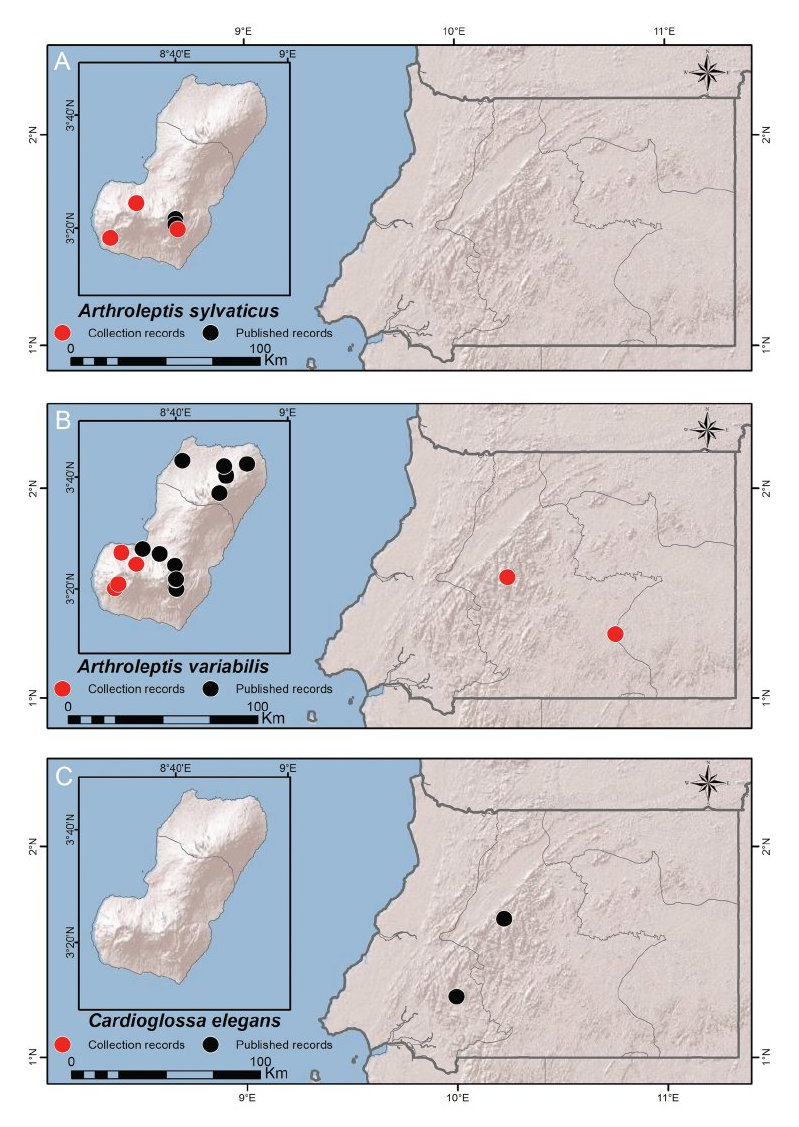
Cardioglossa is a genus of frogs in the family Arthroleptidae known as long-fingered frogs. They are native to western and central Africa, with the greatest species richness in Cameroon. They are found near streams in lowland and mountain forests, but also occur in other highland habitats near streams at up to in altitude. These are small frogs with a snout-to-vent length of . Some of the more localized species are threatened.
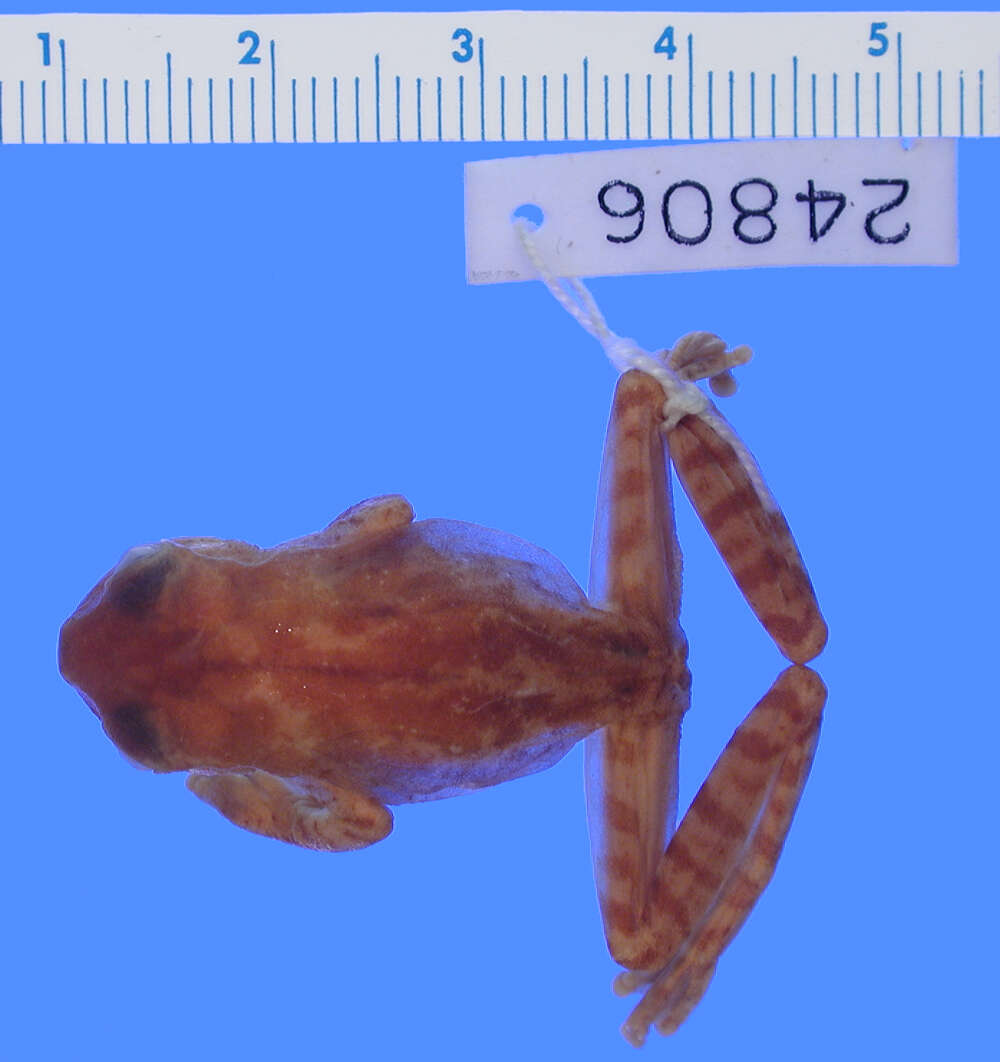
Megastomatohyla
Megastomatohyla is a genus of frogs in the family Hylidae. They are endemic to the cloud forests of central Veracruz and Oaxaca, Mexico. All are rare species with restricted distributions. The generic name is derived from Greek mega (="large") and stem of the genitive stomatos (="mouth"), referring to the enlarged oral disc of the tadpoles, juxtaposed with Hyla, the genus in which the four Megastomatohyla species were previously placed. Common name large-mouthed treefrogs has been coined for this genus.
Mertensophryne
Mertensophryne is a genus of true toads (family Bufonidae). They are found in eastern and southern Democratic Republic of Congo to Kenya, Tanzania, Malawi, southeastern Zimbabwe, and adjacent Mozambique. Their common names include snouted frogs, Chirinda forest toads, and forest toads. The genus is named for Robert Mertens, German zoologist and herpetologist.