Category
page 5Amphibian genera
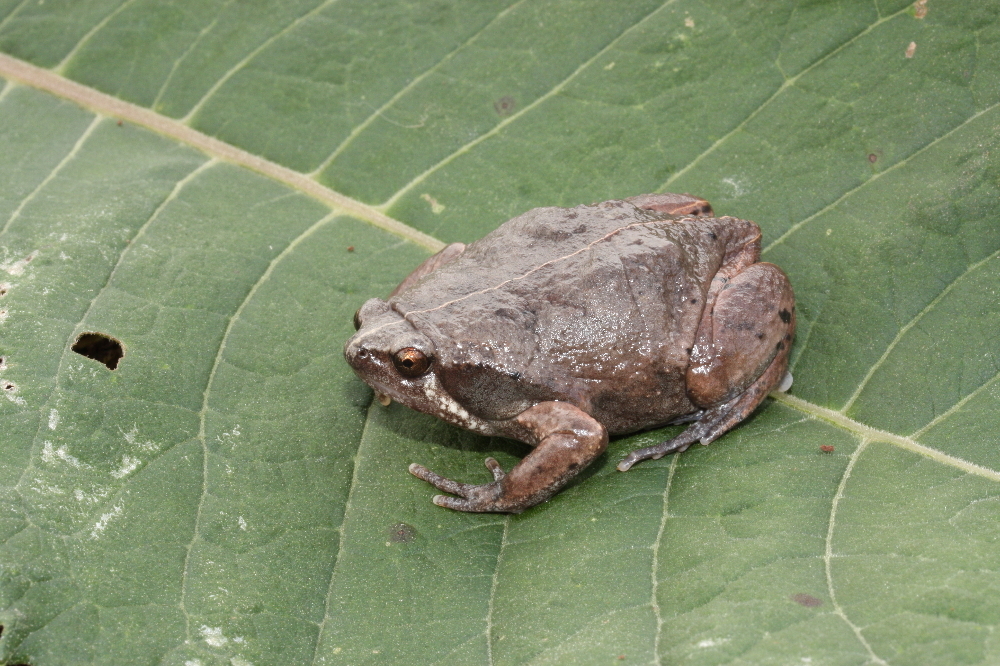
Hypopachus
Hypopachus is a genus of microhylid frogs (common name: sheep frogs) found in the Americas between Costa Rica and the southern United States. They can bury themselves under the ground or moss. Its name means ‘somewhat thick’, referring to its tough skin.
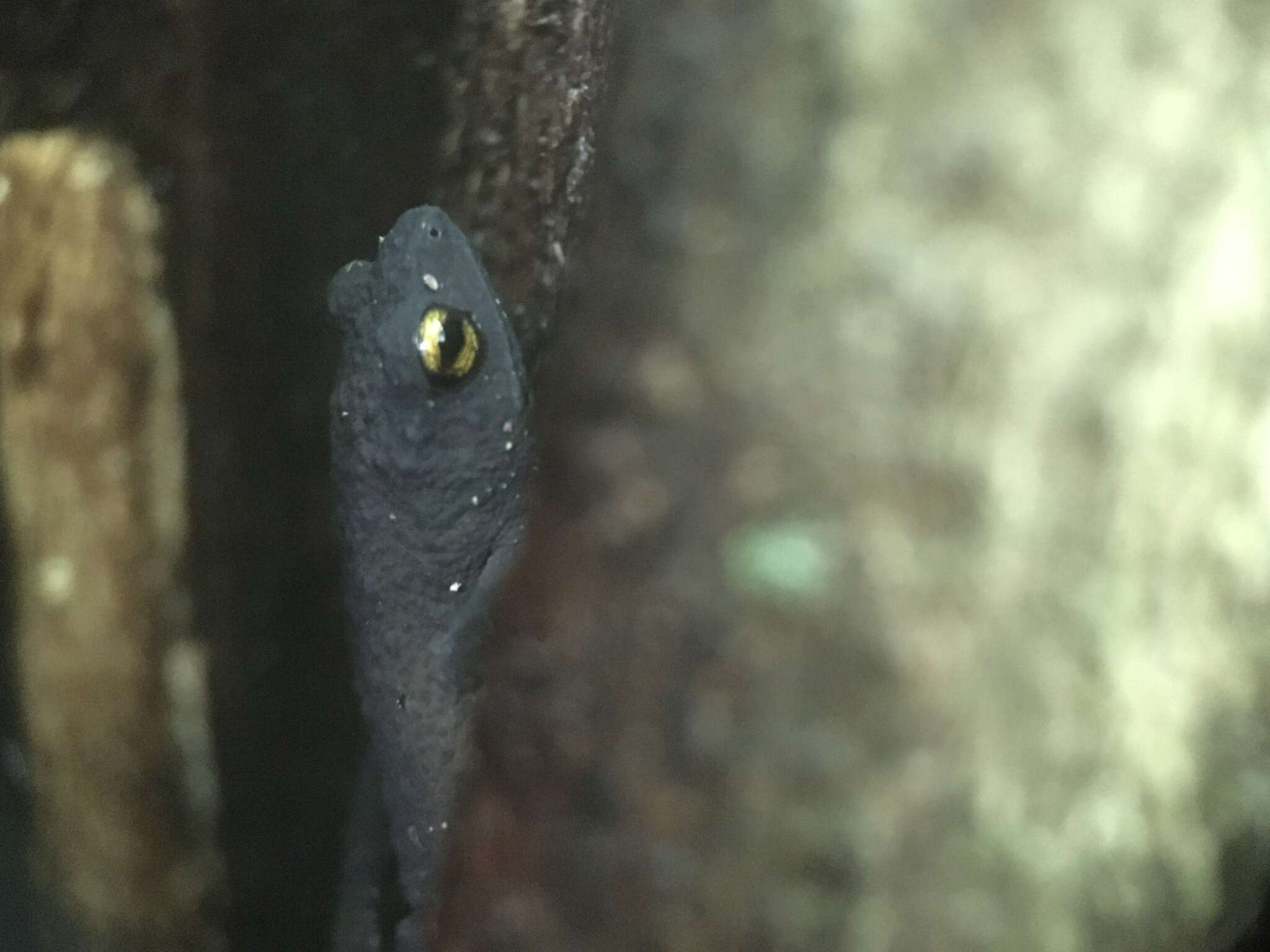
Frostius
Frostius – known as '''Frost's toads' – is a small genus of true toads consisting of only two species endemic to Brazil. The genus was proposed by David C. Cannatella in 1986 based on an analysis of a species previously classified as Atelopus. Various morphological and life-history information first suggested that it is sister taxon to Atelopus or Atelopus + Osornophryne, but later molecular evidence suggests that it is sister taxon to Oreophrynella''. It was named for Darrel Frost in recognition of his work on anuran systematics.
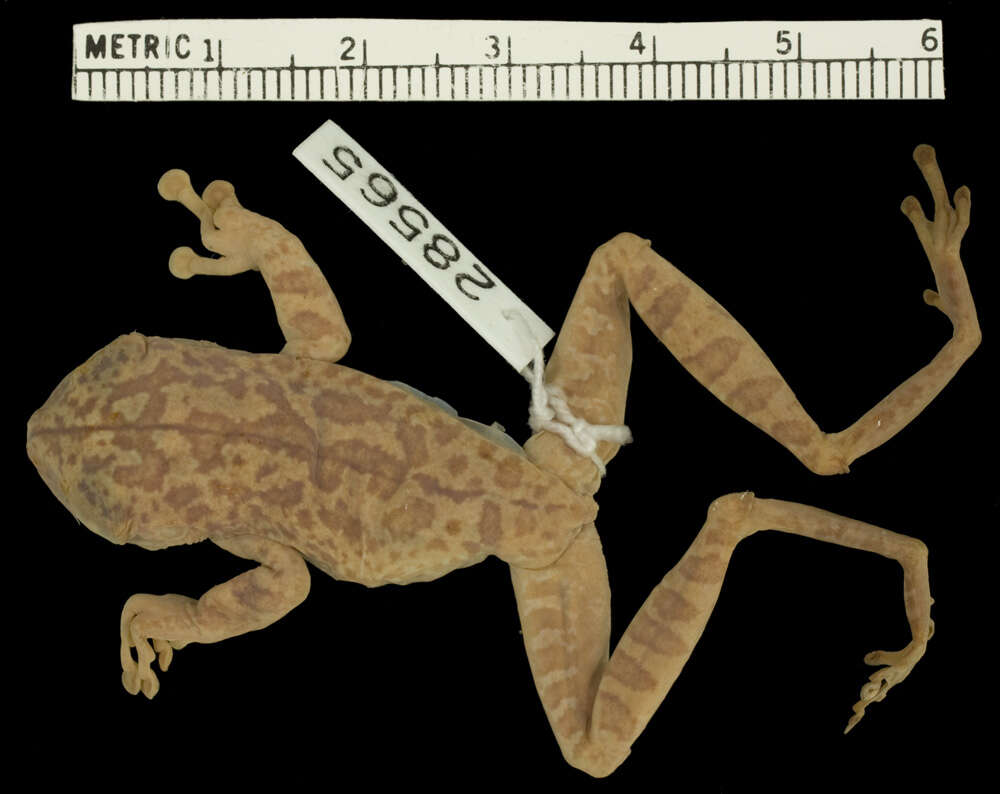
Myersiohyla
Myersiohyla is a genus of frogs in the family Hylidae. It was erected in 2005 following a major revision of the Hylidae and initially included four species that were previously placed in the genus Hyla. The genus is found in the tepui region of Guyana and Venezuela.
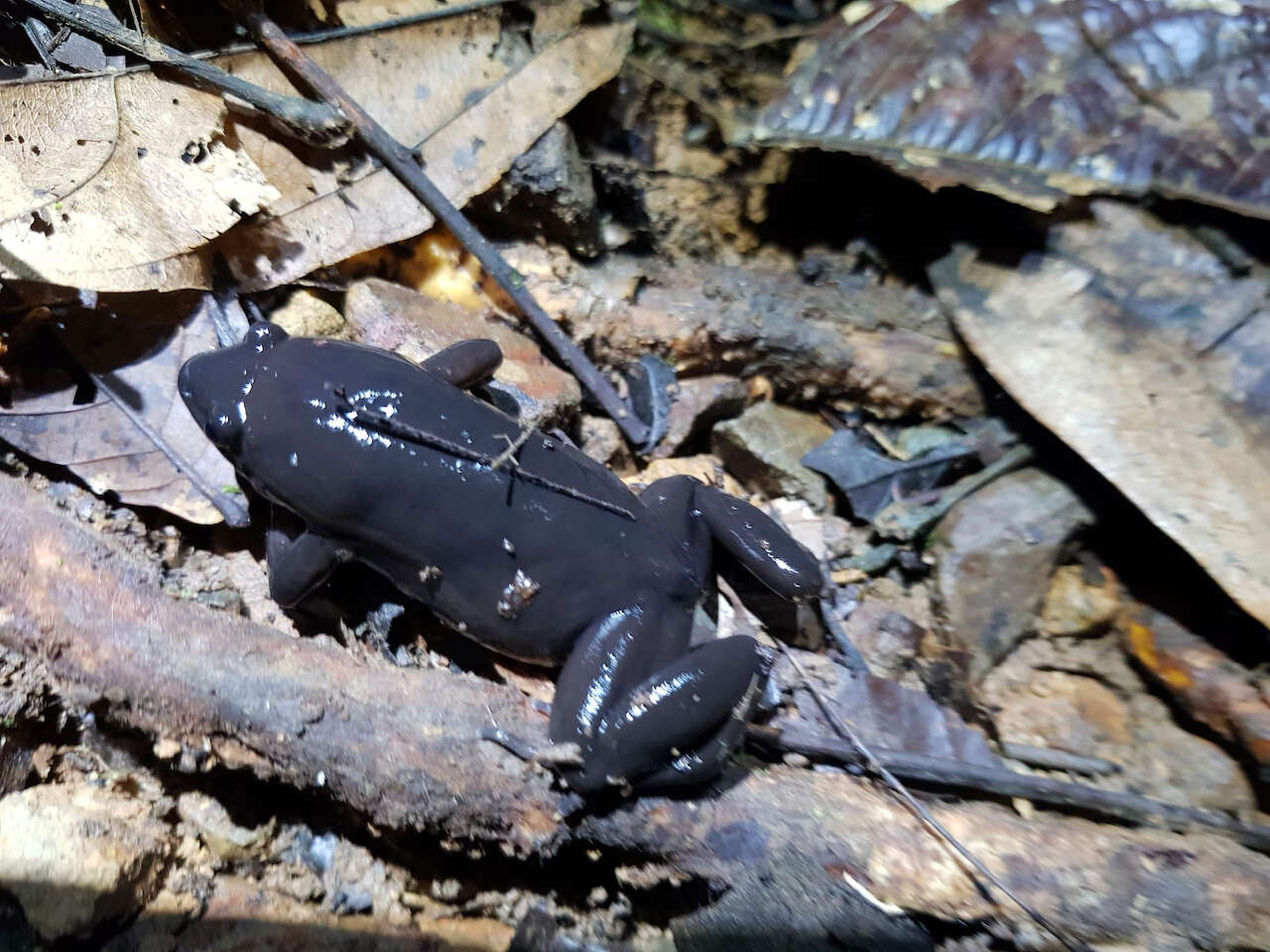
Ctenophryne
Ctenophryne is a genus of microhylid frogs. They occur in southern Central America (Costa Rica, Panama) and South America. Their common names are egg frogs and Nelson frogs, the latter applying to species in the formerly recognized Nelsonophryne.
Alsodes
Alsodes is a genus of alsodid frogs found in Chile and Argentina. It is the most species-rich frog genus in Patagonia. Common name spiny-chest frogs has been coined for them.

Speleomantes
Speleomantes, or European cave salamanders, are a genus of salamander in the family Plethodontidae, or lungless salamanders. It is one of two genera in the family to inhabit the Old World (the other being Karsenia), with the remaining 250 or so species being found in North, Central and South America. The genus is endemic to Italy and a few nearby areas (San Marino, Monaco, and eastern Provence).
Wolterstorffina
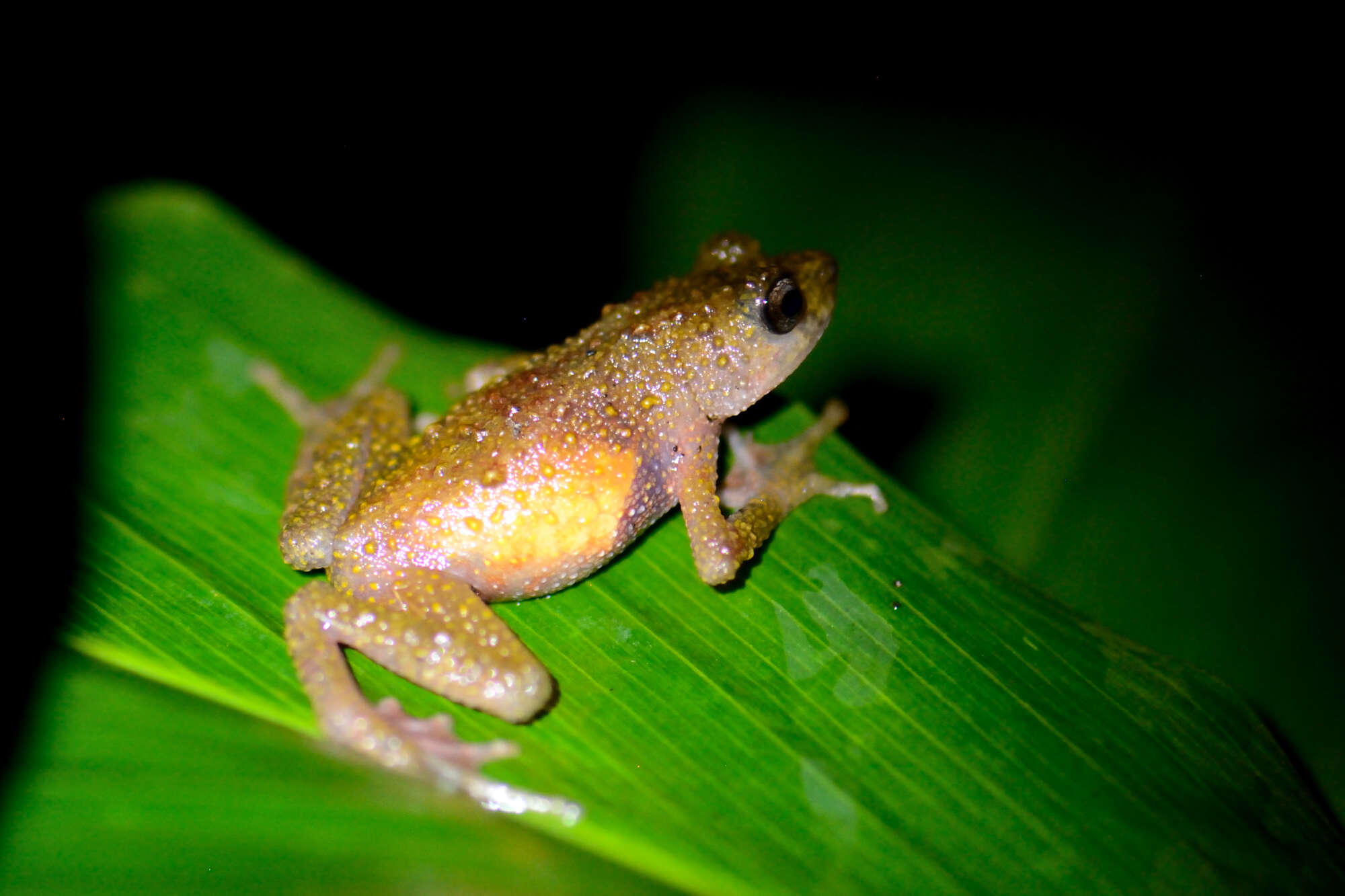
Wolterstorffina, also known as Wolterstorff toads, is a genus of "true toads" (family Bufonidae) native to Nigeria and Cameroon. Its sister taxon is either genus Werneria or the clade Werneria+Nectophryne. The name of the genus honours German geologist and herpetologist Willy Wolterstorff.
Uperodon
Uperodon is a genus of microhylid frogs. They occur in South Asia (Pakistan, India, Sri Lanka, Bhutan, Nepal, and Bangladesh) and Myanmar. Uperodon reached its current composition in 2016 when the genus Ramanella was brought into its synonymy. The common names of these frogs are globular frogs and balloon frogs in reference to their stout appearance, or dot frogs, the last specifically referring to the former Ramanella.
Taudactylus
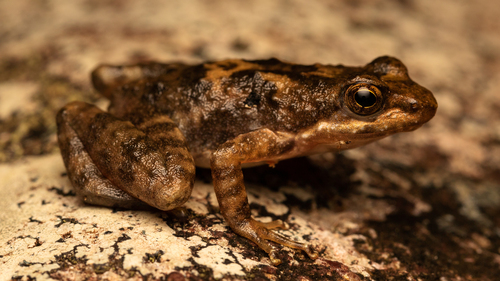
Taudactylus is a genus of frogs in the family Myobatrachidae. These frogs are endemic to rainforest areas of coastal eastern Australia, most of this genus inhabit fast flowing streams in highland area. Most members of this genus have suffered serious declines, in which the disease chytridiomycosis appears to have played a significant role: T. diurnus is believed to be extinct, while all others except T. liemi are listed as critically endangered by the IUCN. These listings are conservative, and it is likely T. acutirostris, presently listed as critically endangered, already is extinct.
Engystomops
Engystomops is a genus of frogs in the family Leptodactylidae. They are commonly known as foam frogs or túngara frogs, though the latter name most commonly refers to Engystomops pustulosus. They are native to the Americas from southern Mexico south to the Amazon Basin.
Phasmahyla
Phasmahyla is a genus of tree frogs. They are commonly known as shining leaf frogs, and are endemic to Brazil.

Cochranella
Cochranella is a genus of glass frogs, family Centrolenidae. They are found in Central America from Honduras southward to the Amazonian and Andean cloud forests of Colombia, Ecuador, Peru, and Bolivia.
Phrynoidis
Phrynoidis is a small genus of true toads of the Bufonidae family. They are found in Mainland Southeast Asia and the Greater Sundas. They are sometimes known as the rough toad or the river toad.

Anodonthyla
Anodonthyla is a genus of microhylid frogs endemic to Madagascar. Molecular data suggest that it is the sister taxon to all other species in the subfamily Cophylinae.
Strongylopus
Strongylopus ('strongylos'=round, 'pus'=foot) is a genus of pyxicephalid frogs native to Africa. They are found in the area from southwestern South Africa and Namibia to northern Tanzania. Their common name is stream frogs.
Holoaden
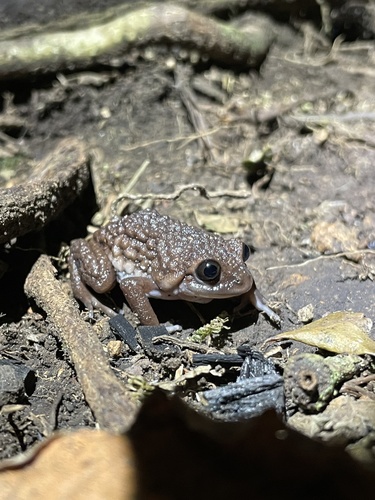
Holoaden, the highland frogs, is a small genus of frogs in the family Strabomantidae. The species are endemic to south-eastern Brazil.
Crossodactylodes
Crossodactylodes (common name: bromeliad frogs) is a genus of leptodactylid frogs from the Atlantic Forest of eastern Brazil.
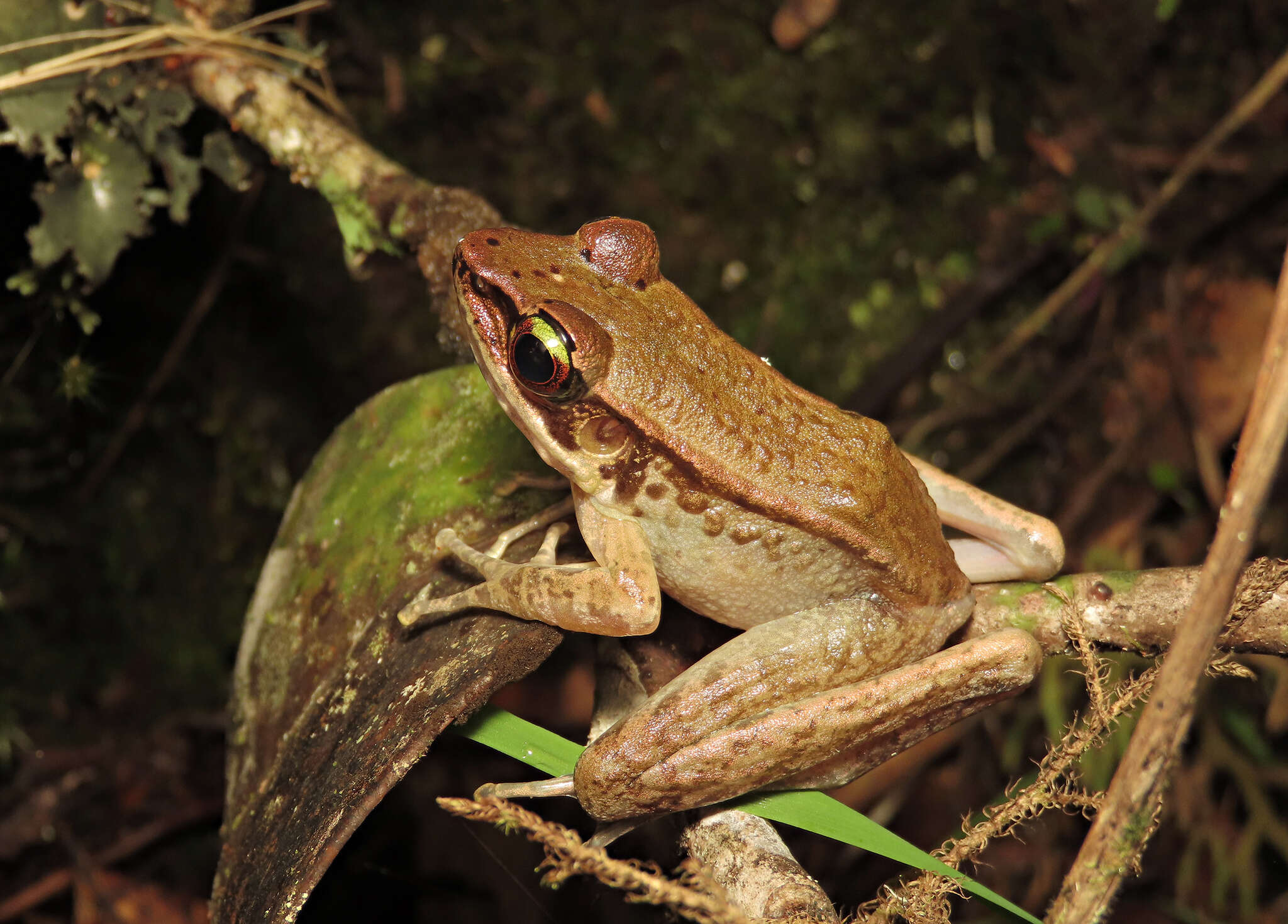
Meristogenys
Meristogenys is a genus of true frogs from Borneo. Its tadpoles are adapted to fast-flowing mountain streams and easily recognizable by their divided upper lip with ribs on the outside.

Chiropterotriton
thumb|Miquihuana splayfoot salamander (Chiropterotriton miquihuanus) Municipality of Miquihuana, Tamaulipas, Mexico (5 July 2004).
Chiropterotriton, also known as splayfoot salamanders or flat-footed salamanders, is a genus of salamanders in the family Plethodontidae. The genus is endemic to Mexico.

Pseudophilautus
Pseudophilautus is a genus of shrub frogs in the family Rhacophoridae endemic to the Western Ghats of southwestern India and to Sri Lanka where the majority of the species are found. Many of them are already extinct (marked with † in the species list). On the other, some species believed to be extinct have also been rediscovered.
thumb|right|Pseudophilautus amboli, one of the Indian species
Xenorhina
Xenorhina is a genus of microhylid frogs. The genus is endemic to New Guinea. They are sometimes known as the snouted frogs or fanged frogs, the latter referring to the now-synonymized genus Xenobatrachus.
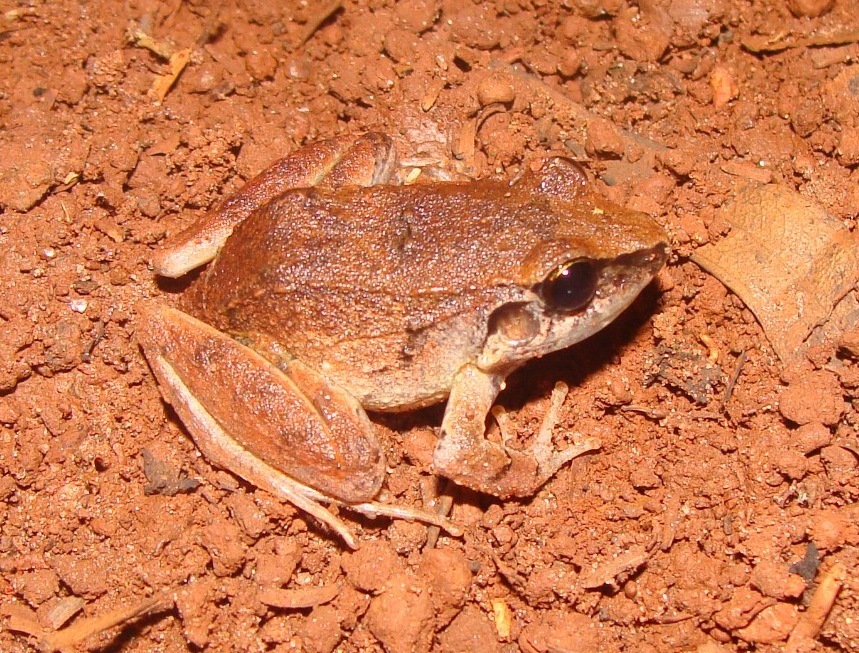
Barycholos
Barycholos, common name Chimbo frogs, is a genus of small frogs in the family Strabomantidae found in south-eastern Brazil and tropical lowland Ecuador. The name Barycholos, from the Greek '''' ("savage"), is in honor of herpetologist Jay M. Savage.
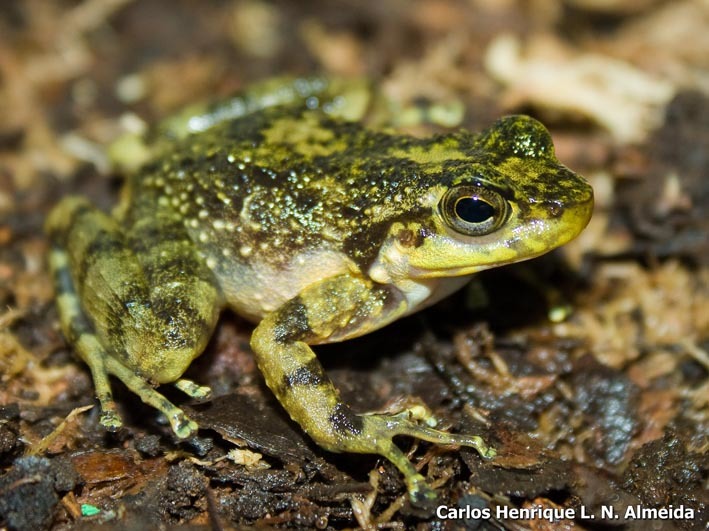
Hylodes
Hylodes is a genus of frogs in the family Hylodidae. The genus may be paraphyletic with respect to Megaelosia. The genus Hylodes is endemic to southeastern Brazil. Member species are also known commonly as the tree toads, or more ambiguously, as torrent frogs. They are diurnal and usually inhabit shallow mountain streams.
Cycloramphus
Cycloramphus is a genus of frogs in the family Cycloramphidae. The genus is endemic to the southeastern Brazil. They are sometimes known as the button frogs.
Xenohyla
Xenohyla is a genus of tree frogs in the family Hylidae that is endemic to xeric habitats of coastal Brazil, with Xenohyla eugenioi native to the State of Bahia and the State of Sergipe, and Xenohyla truncata native to the State of Rio de Janeiro. This genus is characterized by a robust body, wide flat head, short snout, short forelimbs with muscular forearms, and a truncate-shaped body when viewed from above. They are associated with bromeliads, where they hide during the day and eat the insects that also inhabit the plant. They breed in temporary pools that are formed by rainwater. Both spec
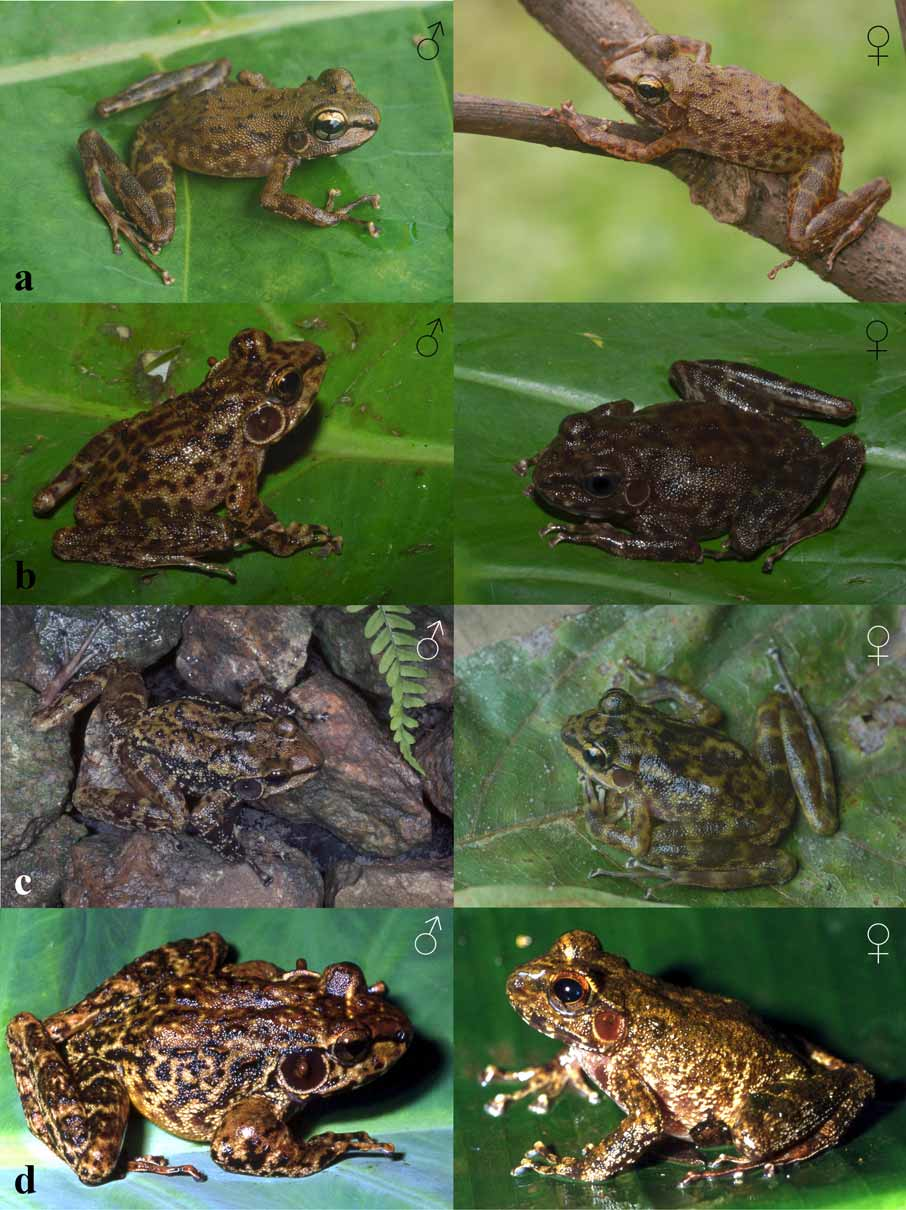
Petropedetes
Petropedetes is a genus of frogs in the family Petropedetidae, found in sub-saharan tropical Africa. In 2002, the genus absorbed all three species of the genus Arthroleptides, but they were moved back in 2014. The informally assigned common name for frogs in this genus (and for frogs in certain other genera) is torrent frogs.
.jpg)
Echinotriton
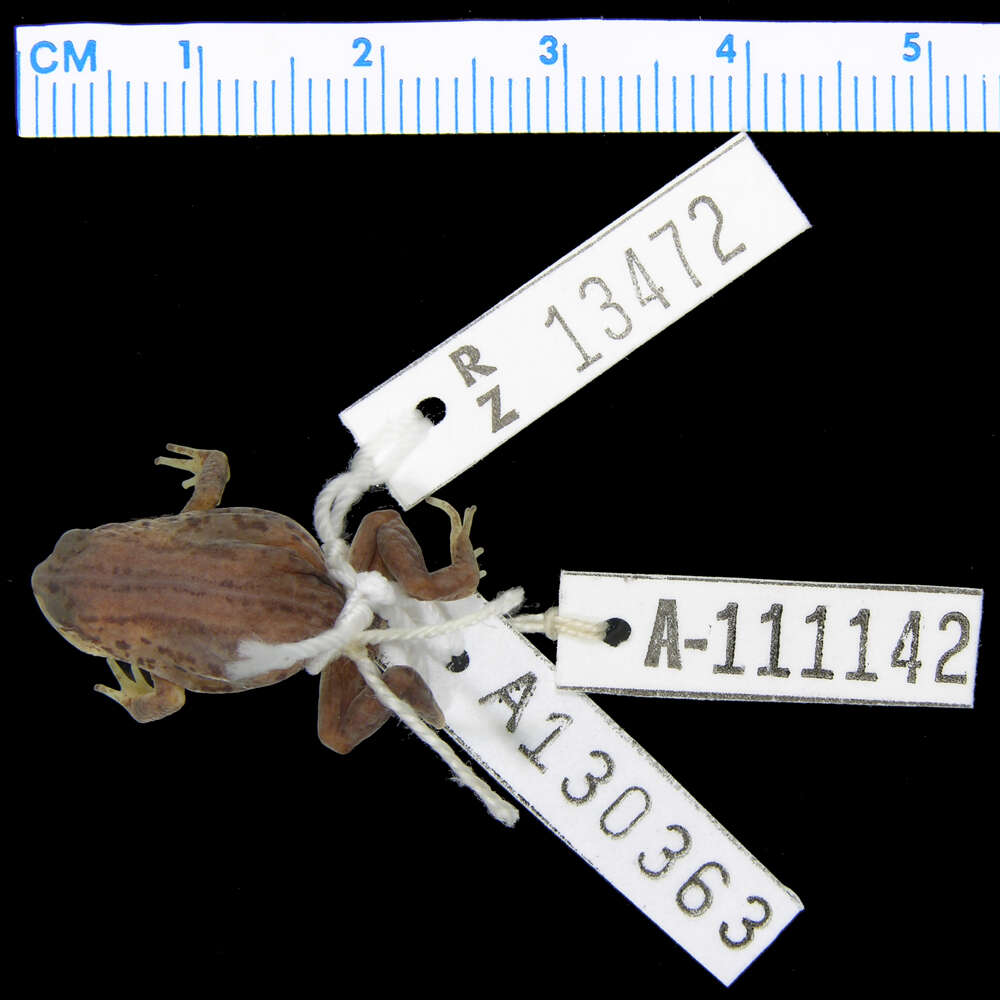
Echinotriton is a genus of salamanders in the family Salamandridae.
==Species==
It contains the following species:
{| class="wikitable"
|-
! Image !! Scientific name !! Distribution
|-
| 120px || Echinotriton andersoni (Boulenger, 1892) || Ryukyu Islands of Japan, and, at least formerly, Mount Guanyin in northern Taiwan
|-
| || Echinotriton chinhaiensis (Chang, 1932) ||Zhejiang province, China
|-
| || Echinotriton maxiquadratus Hou, Wu, Yang, Zheng, Yuan, and Li, 2014 || China
|-
|}
Aphantophryne
Aphantophryne is a genus of microhylid frogs found in New Guinea and in Mindanao, the Philippines. Originally described by Fry in 1917, Richard G. Zweifel considered in 1956 Aphantophryne synonymous to Cophixalus. The genus was resurrected in 1989 to house two new species in addition to the type species, A. pansa. A molecular study on the subfamily Asterophryinae in 2017 revealed that two species originally included in the genus Oreophryne were more closely related to Aphantophryne than to other Oreophryne, and were consequently moved to this genus. The study also revealed a number of undescri

Leptodactylodon
thumb | right | alt=A black and white print of a small frog. | Leptodactylodon ovatus
Leptodactylodon, also known as egg frogs, is a genus of frog in the family Arthroleptidae. It contains 15 species. Members of this genus can be found in eastern Nigeria and western and southwestern Cameroon, Equatorial Guinea, and Gabon.
Paratelmatobius
Paratelmatobius is a genus of frogs in the family Leptodactylidae. They are endemic to southern Brazil.
Scarthyla
Scarthyla is a genus of tree frogs, the family Hylidae. They are found in the upper Amazon Basin of Bolivia, Peru, and Brazil and northward through Colombia and Venezuela to the Caribbean lowlands. They are sometimes known as Madre de Dios treefrogs and South American aquatic treefrogs. They are semiaquatic.

Pachytriton
Pachytriton, also known as the paddle-tail newts or Chinese newts, is a genus of salamanders in the family Salamandridae. They are found in southeastern China.
Nanorana
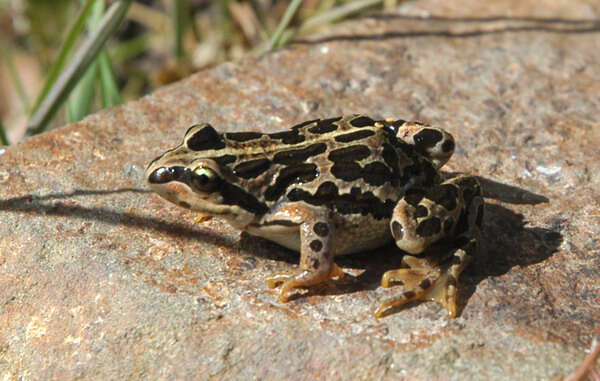
Nanorana is a genus of dicroglossid frogs. They are found in Asia, from the Himalayan region of northern Pakistan and northern India, Nepal, and western China east to montane southern China and southeast to Myanmar, Thailand, Laos, and northern Vietnam. Common names of these frogs reflect the complex taxonomic history of the genus (see below) and include Yunnan slow frogs (or simply slow frogs) and High Himalaya frogs (for the now-synonymized genus Altirana).
Spea
Spea is a genus of North American amphibian commonly referred to as the western spadefoot toads. They differ greatly from true toads (those of the family Bufonidae) by having eyes with vertical pupils, no parotoid glands, and relatively smooth skin. Their most distinctive feature is a spade-like projection on their hind feet, from which their common name is derived. This projection enables spadefoot toads to dig in loose soils with ease.
Its name is from the Ancient Greek '''' (, ‘cave, cavern’)
Otophryne
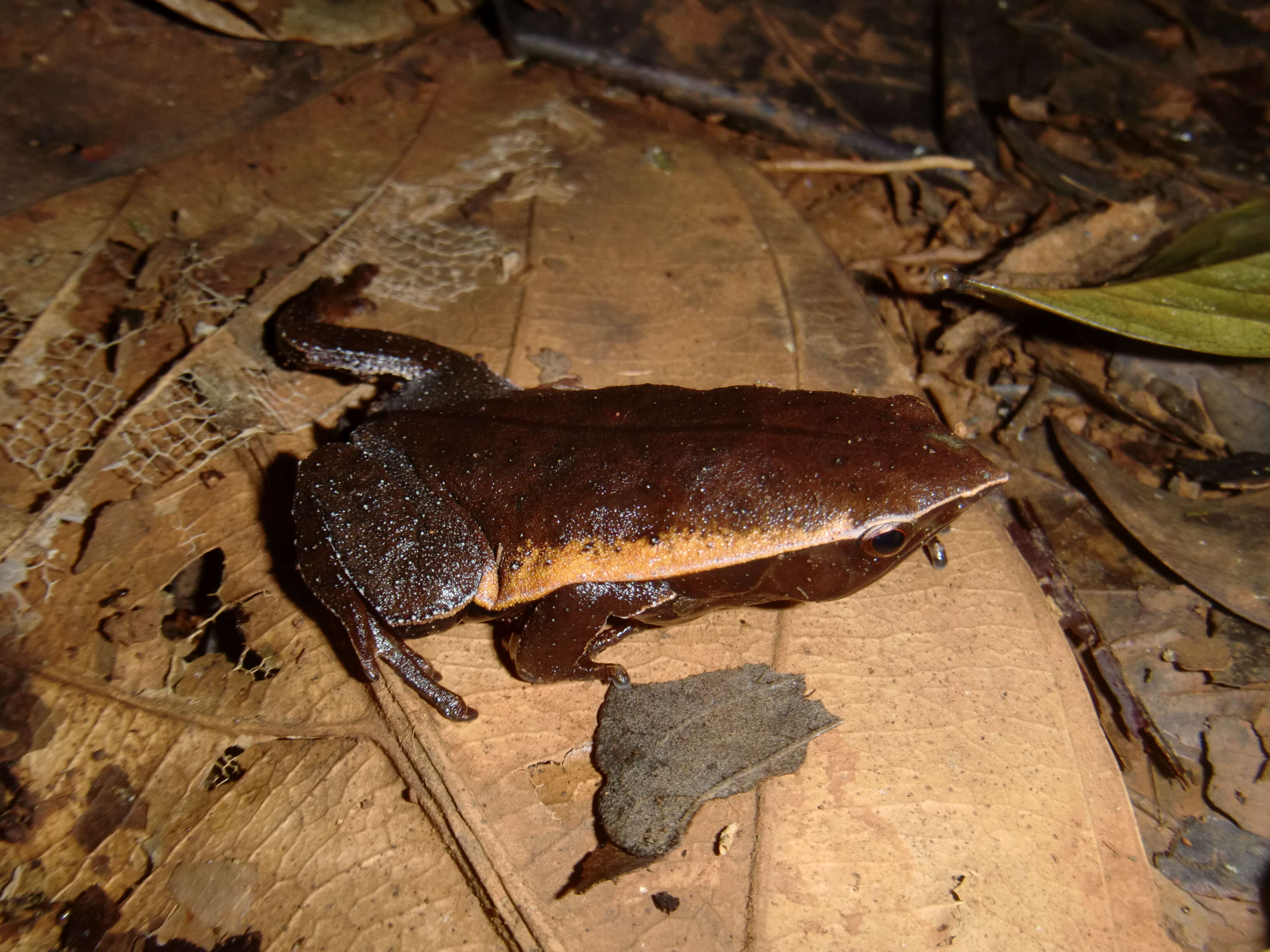
Otophryne is a small genus of microhylid frogs from northern South America. They are sometimes known as the pancake frogs.
Rheobates
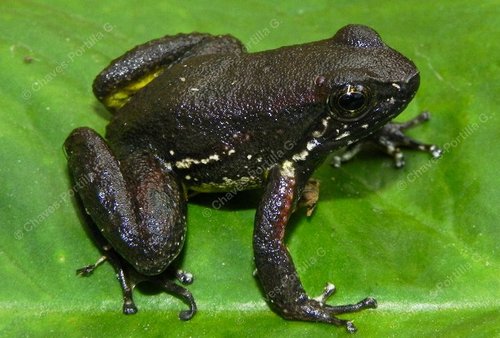
Rheobates is a genus of frogs in the family Aromobatidae. It is endemic to Colombia. These are cryptically coloured frogs with extensive toe webbing. The name Rheobates is derived from the Greek words rheo (stream, current) and βάτης bátēs (a walker), in reference to the riparian habitat of the type species Rheobates palmatus. They are associated with streams in sub-Andean forests and foothills of the Andes at low to medium altitudes.
Liua
Liua is a genus of salamanders (common name: Sichuan salamanders) in the family Hynobiidae, endemic to China.
Platyplectrum
Platyplectrum is a genus of ground-dwelling frog in the family Limnodynastidae. Species in this genus are found in Australia, New Guinea, and on the Aru Islands. They are medium-sized frogs and the dorsal skin has a sandpaper-like texture.
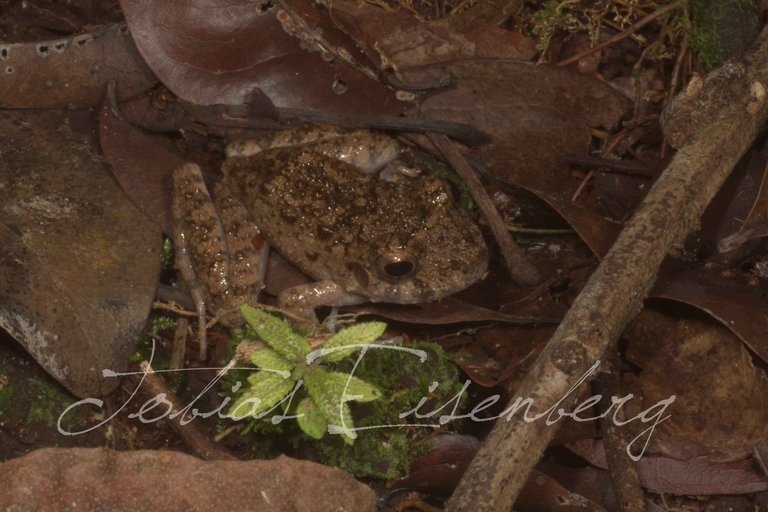
Oreobates
Oreobates is a genus of frogs in the family Strabomantidae. Most species were formerly in the genus Ischnocnema, but were moved to this revalidated genus following a 2006 revision. Its sister taxon is Lynchius.
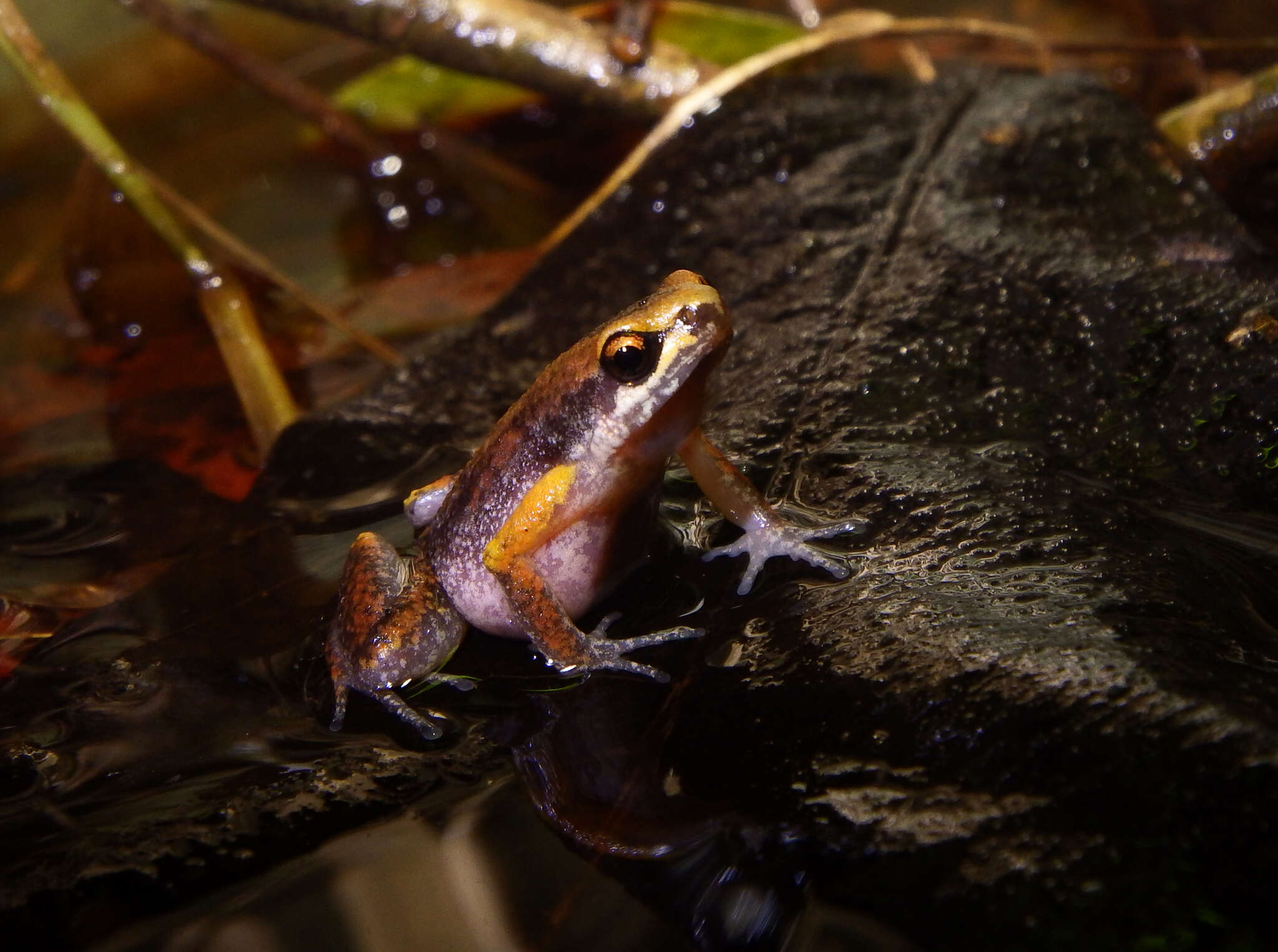
Micryletta
Micryletta is a genus of microhylid frogs. Prior to 2018, only 3 species were recognized, but phylogenetic studies since then have found a much higher species diversity within the genus.
Truebella
Truebella is a genus of small true toads, family Bufonidae. It is endemic to the Ayacucho and Junín Regions of Peru. The generic name honors Linda Trueb, an American herpetologist.
Corythomantis
Corythomantis is a small genus of hylid frogs endemic to northeastern Brazil. It was monotypic until description of a second species, Corythomantis galeata in 2012, though this species was later moved to Nyctimantis. Corythomantis botoque was described in 2021. These frogs are sometimes known under common name '''Greening's frogs'''.
Thoropa
Thoropa is a genus of frogs in the family Cycloramphidae. They are endemic to eastern and southeastern Brazil. They are sometimes known as river frogs.
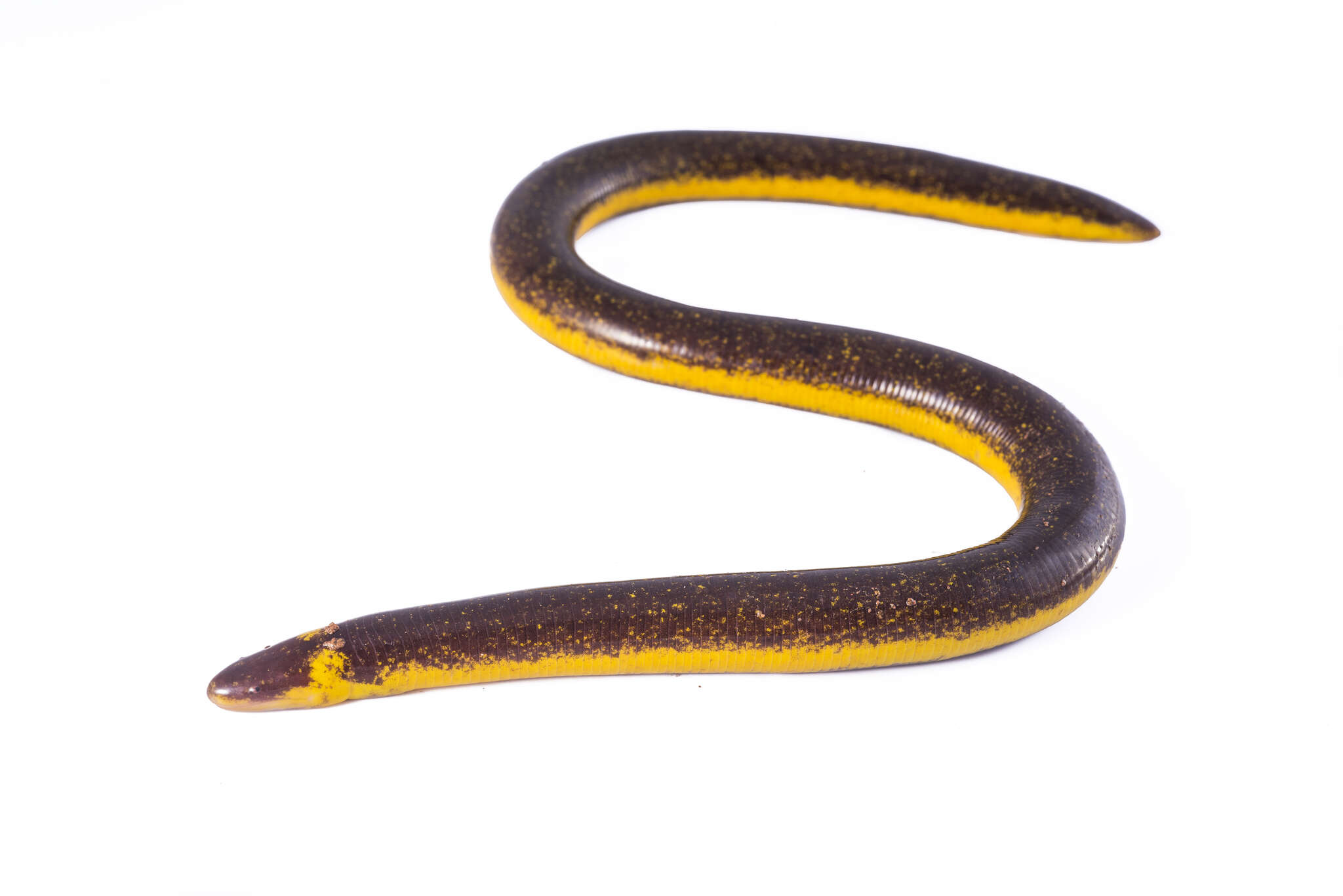
Epicrionops
Epicrionops is a genus of caecilians in the family Rhinatrematidae. Species in this genus are known from Colombia, Ecuador, Guyana and Peru, and are likely to occur in Venezuela and Brazil.
Sclerophrys
Sclerophrys is a genus of "true toads", family Bufonidae, native to Africa and the southern Arabian Peninsula. Originally, all of these species were classified in the genus Bufo. The genus, originally named Amietophrynus, was split due to large enough taxonomic divergence. Ohler and Dubois showed in 2016 that Sclerophrys capensis Tschudi, 1838 is the same species as Bufo regularis rangeri Hewitt, 1935, the type species of Amietophrynus. Because the former name is older, the implication is that Amietophrynus is a junior synonym of Sclerophrys.

Bufotes
Bufotes, the Eurasian green toads or Palearctic green toads, is a genus of true toads (family Bufonidae). They are native to Europe (absent from the British Isles, most of Fennoscandia, most of France and the Iberian Peninsula), western and central Asia and northern Africa; a region roughly equalling the western and central Palearctic. Historically they were included in the genus Bufo and then for a few years placed in Pseudepidalea, which is a synonym of the currently accepted name Bufotes.
Pseudoeurycea
Pseudoeurycea is a genus of salamander in the family Plethodontidae. The members of this genus are commonly known as the false brook salamanders. They are found in Mexico and Guatemala.
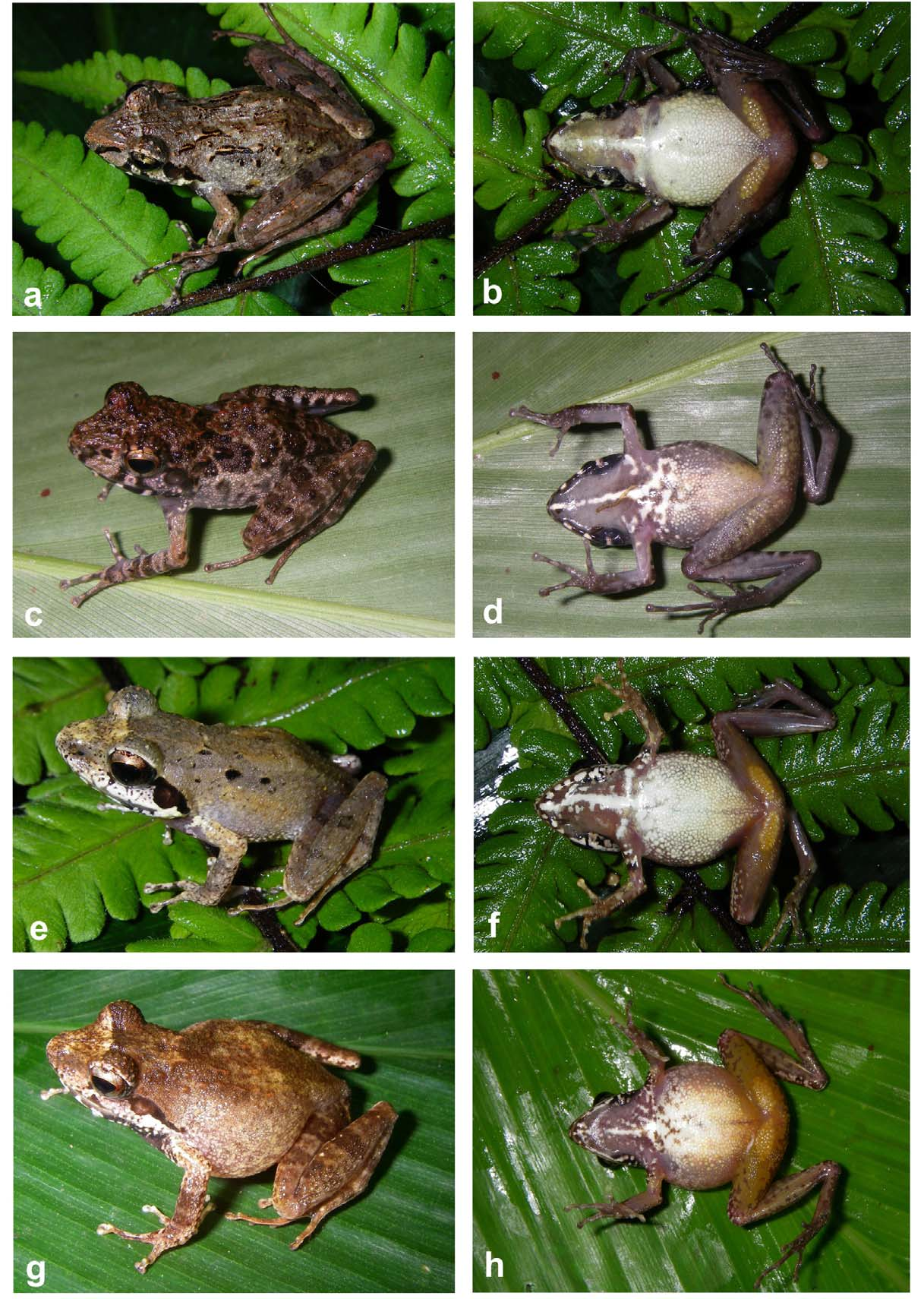
Gephyromantis
Gephyromantis is a frog genus in the mantellid subfamily Mantellinae. This genus is restricted to Madagascar. At present it contains 45 species divided into six subgenera.
Guibemantis
Guibemantis is a frog genus in the mantellid subfamily Mantellinae. This genus is restricted to Madagascar. At present it contains 25 species divided into two subgenera.

Astylosternus
Astylosternus (commonly known as night frogs) is a genus of frogs in the family Arthroleptidae. It contains 12 species found in an area spanning from Sierra Leone in West Africa to the Democratic Republic of Congo in Central Africa, with a gap in the region of Ghana.
Copiula
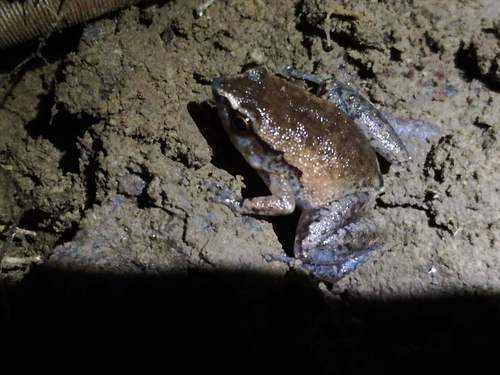
Copiula is a genus of microhylid frogs endemic to New Guinea. The common name Mehely frogs has been coined for them. They are leaf-litter inhabitants.

Crossodactylus
Crossodactylus is a genus of frogs in the family Hylodidae. The genus occurs in Brazil, southern Paraguay, and northern Argentina. These frogs are sometimes known as Limnocharis, Tarsopterus, Calamobates, and by the common name spinythumb frogs. They typically inhabit streams in mountainous areas in the Atlantic Forest or in montane savanna.
Liuixalus
Liuixalus is a small genus of rhacophorid frogs that are distributed in southern China (Hong Kong, Hainan, Guangxi, Guangdong). Some species now in Liuixalus were originally placed in Philautus. It is thought to be sister to the remaining lineages within Rhacophorinaeae.
Zachaenus
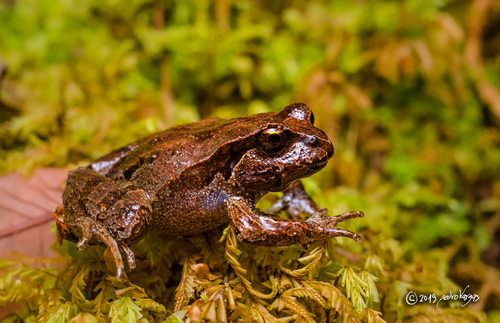
Zachaenus is a genus of frogs in the family Cycloramphidae. There are two species that both are endemic to southeastern Brazil. Common name bug-eyed frogs has been coined for the genus.

Andinobates
Andinobates is a genus of poison dart frogs from Ecuador, Colombia and Panama. It contains species formerly classified in the genus Dendrobates and in 2006 transferred to the genus Ranitomeya. In 2011 Twomey, Brown, and their colleagues erected the genus Andinobates for a group of 12 species of Ranitomeya. Andinobates frogs can be distinguished from their sister taxon Ranitomeya anatomically in that their 2nd and 3rd vertebrae are fused. They show no limb reticulation, which is present in most species of Ranitomeya.
Allopaa
Allopaa is a small genus of frogs in the family Dicroglossidae. Their distribution is restricted to Kashmir region of India and Pakistan. The phylogenetic placement of this genus has not been addressed with molecular methods and remains uncertain.
Schistometopum
Schistometopum is a genus of amphibian in the family Dermophiidae. S. thomense is only known from two islands in the Bight of Benin, but has been reported from "Upper Zaïre". This likely refers to an undiscovered third species.
Dischidodactylus
Mount Duida frogs (Dischidodactylus) form a genus of brachycephaloid frogs endemic to the tepuis of southern Venezuela. The scientific name is derived from the Greek dischidos, meaning divided, and dactylos, meaning finger or toe, in reference to the divided ungual flap (see below).
Hildebrandtia
genus of amphibians

Mini
genus of frog endemic to Madagascar