Category
page 1Animal developmental biology
.jpg)
birth
right|thumb|Lambing: the mother licks the first lamb while giving birth to the second
Birth is the act or process of bearing or bringing forth offspring, also referred to in technical contexts as parturition. In mammals, the process is initiated by hormones which cause the muscular walls of the uterus to contract, expelling the fetus at a developmental stage when it is ready to feed and breathe.

Echinoidea
class of marine invertebrates

human fetus
A fetus or foetus (; : fetus, foetus, or fetuses, foetuses) is the unborn offspring of a viviparous animal that develops from an embryo. Following the embryonic stage, the fetal stage of development takes place. Prenatal development is a continuum, with no clear defining feature distinguishing an embryo from a fetus. However, in general a fetus is characterized by the presence of all the major body organs, though they will not yet be fully developed and functional, and some may not yet be situated in their final anatomical location.

metamorphosis
thumb|A dragonfly undergoing the final moult of its metamorphosis; in this process it transforms from its nymphal form to its adult stage
%20mating%2C%20female%20typica%202.jpg)
mating
thumb|250px|Blue-tailed damselfly|Blue-tailed damselflies(Ischnura elegans) mating

congenital disorder
condition present at birth regardless of cause; human disease or disorder developed prior to birth

moulting
260px|thumb|A dragonfly in its radical final moult, metamorphosing from an aquatic nymph to a winged adult.
In biology, moulting (British English), or molting (American English), also known as sloughing, shedding, or in many invertebrates, ecdysis, is a process by which an animal casts off parts of its body to serve some beneficial purpose, either at specific times of the year, or at specific points in its life cycle.

diencephalon
In the human brain, the diencephalon (or interbrain) is a division of the forebrain (embryonic prosencephalon). It is situated between the telencephalon and the midbrain (embryonic mesencephalon). The diencephalon has also been known as the tweenbrain in older literature. It consists of structures that are on either side of the third ventricle, including the thalamus, the hypothalamus, the epithalamus and the subthalamus.

spermatogenesis
thumb|Normal spermatogenesis, testis biopsy.
thumb|High-power view of a seminiferous tubule with normal spermatogenesis.
Spermatogenesis is the process by which haploid spermatozoa develop from germ cells in the seminiferous tubules of the testicle. This process starts with the mitotic division of the stem cells located close to the basement membrane of the tubules. These cells are called spermatogonial stem cells. The mitotic division of these produces two types of cells. Type A cells replenish the stem cells, and type B cells differentiate into primary spermatocytes. The primary spermatocyte

ectoderm
The ectoderm is one of the three primary germ layers formed in early embryonic development. It is the outermost layer, and is superficial to the mesoderm (the middle layer) and endoderm (the innermost layer). It emerges and originates from the outer layer of germ cells. The word ectoderm comes from the Greek ektos meaning "outside", and derma meaning "skin".
gastrulation
Gastrulation is the stage in the early embryonic development of most animals, during which the blastula (a single-layered hollow sphere of cells), or in mammals, the blastocyst, is reorganized into a two-layered or three-layered embryo known as the gastrula. Before gastrulation, the embryo is a continuous epithelial sheet of cells; by the end of gastrulation, the embryo has begun differentiation to establish distinct cell lineages, set up the basic axes of the body (e.g. dorsal–ventral, anterior–posterior), and internalized one or more cell types, including the prospective gut.

coelom
The coelom (or celom) is the main body cavity in many animals and is positioned inside the body to surround and contain the digestive tract and other organs. In some animals, it is lined with mesothelium. In other animals, such as molluscs, it remains undifferentiated. In the past, and for practical purposes, coelom characteristics have been used to classify bilaterian animal phyla into informal groups.

prosencephalon
In the anatomy of the brain of vertebrates, the forebrain or prosencephalon is the rostral (forward-most) portion of the brain. The forebrain controls body temperature, reproductive functions, eating, sleeping, and the display of emotions.

ecdysis
thumb|Adult Rhopalomyia solidaginis fly, emerging from pupal case
thumb|right|Process of ecdysis of a cicada.

neurogenesis
Neurogenesis is the process by which nervous system cells, the neurons, are produced by neural stem cells (NSCs). This occurs in all species of animals except the porifera (sponges) and placozoans. Types of NSCs include neuroepithelial cells (NECs), radial glial cells (RGCs), basal progenitors (BPs), intermediate neuronal precursors (INPs), subventricular zone astrocytes, and subgranular zone radial astrocytes, among others.

cuteness
Cuteness is a type of attractiveness commonly associated with youth and appearance, as well as a scientific concept and analytical model in ethology, first introduced by Austrian ethologist Konrad Lorenz. Lorenz proposed the concept of baby schema (Kindchenschema), a set of facial and body features that make a creature appear "cute" and activate ("release") in others the motivation to care for it. Cuteness may be ascribed to people as well as things that are regarded as attractive or charming.

trophoblast cell
The trophoblast (from Greek : to feed; and : germinator) is the outer layer of cells of the blastocyst. Trophoblasts are present four days after fertilization in humans. They provide nutrients to the embryo and develop into a large part of the placenta. They form during the first stage of pregnancy and are the first cells to differentiate from the fertilized egg to become extraembryonic structures that do not directly contribute to the embryo. After blastulation, the trophoblast is contiguous with the ectoderm of the embryo and is referred to as the trophectoderm. After the first differentiati
Anti-Mullerian hormone
mammalian protein found in Homo sapiens
Blastocoele
The blastocoel (), also spelled blastocoele and blastocele, and also called cleavage cavity, or segmentation cavity is a fluid-filled or yolk-filled cavity that forms in the blastula during very early embryonic development. At this stage in mammals the blastula is called the blastocyst, which consists of an outer epithelium, the trophectoderm, enveloping the inner cell mass and the blastocoel.
pharyngeal arch
embryonic precursor structures in vertebrates

metencephalon
The metencephalon is the embryonic part of the hindbrain that differentiates into the pons and the cerebellum. It contains a portion of the fourth ventricle and the trigeminal nerve (CN V), abducens nerve (CN VI), facial nerve (CN VII), and a portion of the vestibulocochlear nerve (CN VIII).

archenteron
right|thumb
The archenteron, also called the gastrocoel, is the internal cavity formed in the gastrulation stage in early embryonic development that becomes the cavity of the primitive gut.
Wharton's jelly
gelatinous substance within the umbilical cord
bone morphogenetic protein
bone-growth regulatory factors that are members of the transforming growth factor-beta superfamily of proteins

thelarche
thumb|Tanner scale of female breast development
Thelarche, also known as breast budding, is the onset of secondary breast development, often representing the beginning of pubertal development. It is the stage at which male and female breasts differentiate due to variance in hormone levels; however, some males have a condition in which they develop breasts, which is called gynecomastia. Thelarche typically occurs between the ages of 8 and 13 years with significant variation between individuals. However, the initial growth of breast tissue occurs during fetal development. It is usually the first
epithelial to mesenchymal transition
transition where an epithelial cell becomes a migratory mesenchymal cell
.jpg)
fledgling
thumb|upright=.8|Fledging stage of the northern mockingbird (Mimus polyglottos)
Fledging is the stage in a flying animal's life between hatching or birth and becoming capable of flight.
This term is most frequently applied to birds, but is also used for bats. For altricial birds, those that spend more time in vulnerable condition in the nest, the nestling and fledging stage can be the same. For precocial birds, those that develop and leave the nest quickly, a short nestling stage precedes a longer fledging stage.

Starlet sea anemone
species of corals
Triploblasty
thumb|right|upright=2|alt=An illustration describing the classification of tripoblasts.|Classification of tripoblasts based on body cavities
Triploblasty is a condition of the gastrula in which there are three primary germ layers: the ectoderm, mesoderm, and endoderm. Germ cells are set aside in the embryo at the blastula stage, and are incorporated into the gonads during organogenesis. The germ layers form during the gastrulation of the blastula. The term triploblast may refer to any egg cell in which the blastoderm splits into three layers.
primitive streak
structure around day 15 of amniote embryogenesis

folliculogenesis
Although the process is similar in many animals, this article will deal exclusively with human folliculogenesis.
thumb|right|320px|Order of changes in ovary.1 - Menstruation2 - Developing follicle3 - Mature follicle4 - Ovulation5 - Corpus luteum6 - Deterioration of corpus luteum
In biology, folliculogenesis is the maturation of the ovarian follicle, a densely packed shell of somatic cells that contains an immature oocyte. Folliculogenesis describes the progression of a number of small primordial follicles into large preovulatory follicles that occurs in part during the menstrual cycle.
nervous system development
the process whose specific outcome is the progression of nervous tissue over time, from its formation to its mature state
neural tube defect
congenital disorder of the nervous system

Blastema
thumb|Blastema cells surrounded by transparent cystic spaces.
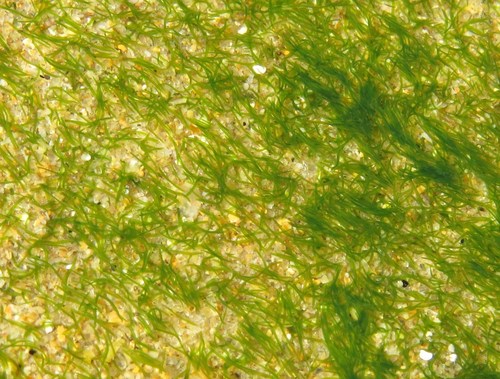
Symsagittifera roscoffensis
species of worms
.jpg)
blastulation
thumb|A. Morula and B. cross section of a blastula displaying the [[blastocoel and blastoderm of early animal embryonic development]]
Blastulation is the stage in early animal embryonic development that produces the blastula. In mammalian development, a blastula develops into the blastocyst with a differentiated inner cell mass and an outer trophectoderm. The blastula (from Greek βλαστός ( meaning sprout)) is a hollow sphere of cells known as blastomeres surrounding an inner fluid-filled cavity called the blastocoel. Embryonic development begins with a sperm fertilizing an egg cell to become a
endochondral ossification
cartilaginous bone development that forms the long bones

myelencephalon
The myelencephalon or afterbrain is the most posterior region of the embryonic hindbrain, from which the medulla oblongata develops.
Precociality and altriciality
classification of birds based on the condition of the young after hatching
Nidifugous
organisms that leave the nest shortly after hatching or birth
bone resorption
process in which osteoclasts degrade bone, and endocytose and transport the degradation products

myogenesis
thumb|300px|Myoblasts (cells with a single nucleus, represented in violet) fusing together to form Skeletal muscle#Skeletal muscle cells|muscle fibers (multinucleated muscle cells) during myogenesis
Primitive knot
Organisational structure around day 17 of vertebrate embryogenesis

Oikopleura dioica
species of chordates
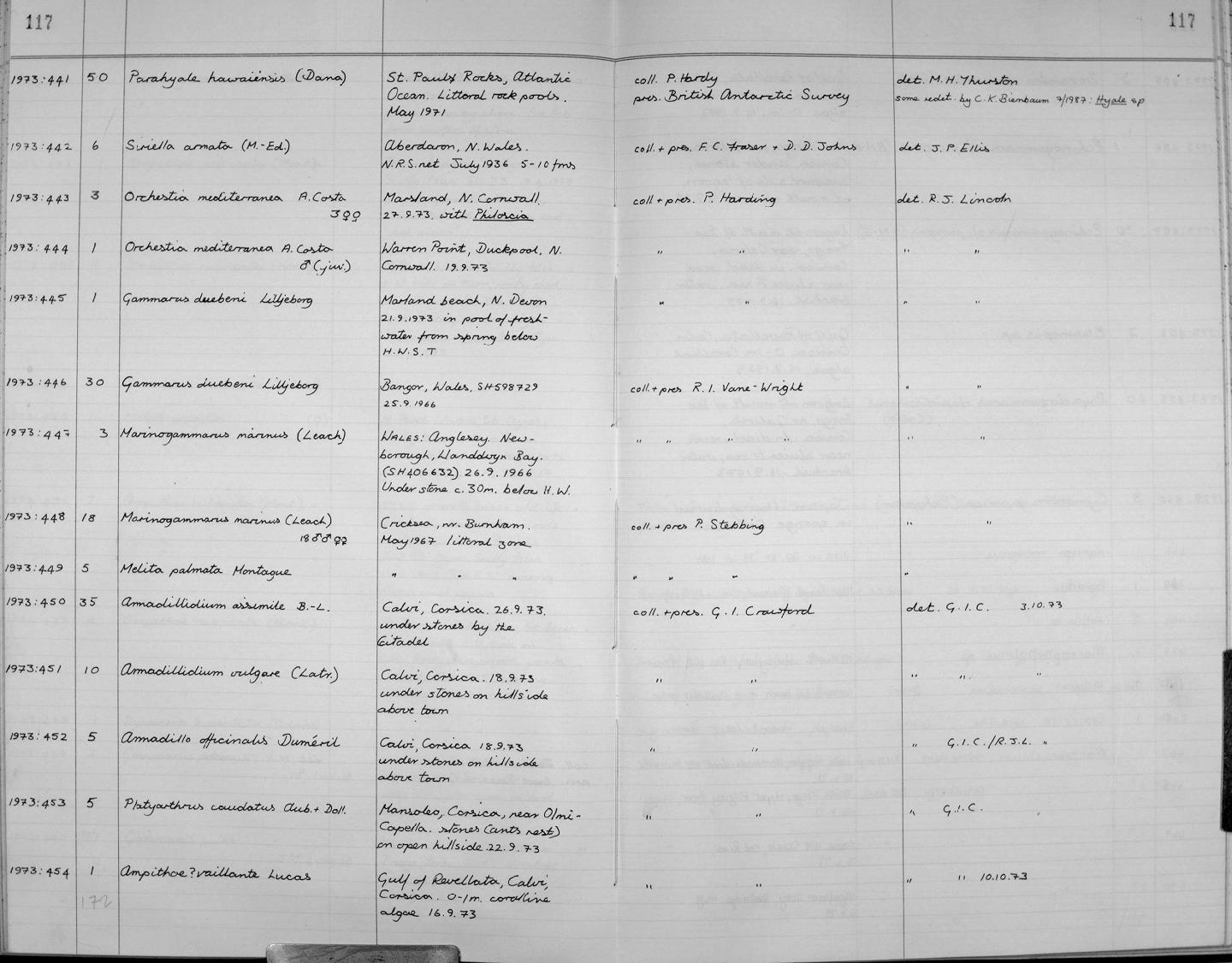
Parhyale hawaiensis
species of Malacostraca
pharyngeal slit
repeated openings that appear along the pharynx of chordates
von Baer's laws
theory in embryology
Amorphous globosus
Malformation in veterinary medicine
mating call
auditory signal used by animals to attract mates
pharyngeal pouch
Feature of vertebrate embryos
surface ectoderm
embryonic division of the ectoderm
chromosome 1q21.1 deletion syndrome
Human disease
germinal disc
thumb|Embryo of Zebrafish undergoing cleavage
The blastodisc, also called the germinal disc, is the embryo-forming part on the yolk of the egg of an animal that undergoes discoidal meroblastic cleavage. Discoidal cleavage occurs in those animals with a large proportion of yolk in their eggs, and include insects, fish, reptiles and birds. The blastodisc is a small disc of cytoplasm that sits on top of the yolk. In birds, it is a small, circular, white spot (approximately 1.5-3 mm across) on the surface of the yellow yolk of an egg, at the animal pole.
neoblast
Neoblasts (ˈniːəʊˌblæst) are adult stem cells found in planarian flatworms. They are the only dividing planarian cells, and they produce all cell types, including the germline. Neoblasts are abundant in the planarian parenchyma, and comprise up to 30 percent of all cells. Following injury, neoblasts rapidly divide and generate new cells, which allows planarians to regenerate any missing tissue.
bcd
protein-coding gene in the species Drosophila melanogaster