Category
page 1Art movements

Romanticism
thumb|Caspar David Friedrich, [[Wanderer above the Sea of Fog, 1818]]
thumb|right|Eugène Delacroix, [[Death of Sardanapalus, 1827, taking its Orientalist subject from a play by Lord Byron]]
thumb|Philipp Otto Runge, The Morning, 1808
%20edited.jpg)
Baroque
The Baroque ( , , ) is a Western style of architecture, music, dance, painting, sculpture, poetry, and other arts that flourished from the early 17th century until the 1750s. It followed Renaissance art and Mannerism and preceded the Rococo (in the past often referred to as "late Baroque") and Neoclassical styles. It was encouraged by the Catholic Church as a means to counter the simplicity and austerity of Protestant architecture, art, and music, though Lutheran Baroque art developed in parts of Europe as well.

surrealism
Surrealism is an art and cultural movement that developed in Europe in the aftermath of World War I in which artists aimed to allow the unconscious mind to express itself, often resulting in the depiction of illogical or dreamlike scenes and ideas. Its intention was, according to leader André Breton, to "resolve the previously contradictory conditions of dream and reality into an absolute reality, a super-reality", or surreality. It produced works of painting, writing, photography, theatre, filmmaking, music, comedy and other media as well.

Impressionism
Impressionism was a 19th-century art movement characterized by visible brush strokes, open composition, emphasis on accurate depiction of light in its changing qualities (often accentuating the effects of the passage of time), ordinary subject matter, unusual visual angles, and inclusion of movement as a crucial element of human perception and experience. Impressionism originated with a group of Paris-based artists whose independent exhibitions brought them to prominence during the 1870s and 1880s.
%2C%20oil%20on%20canvas%2C%20100.3%20x%2073.6%20cm%2C%20Museum%20of%20Modern%20Art%20New%20York..jpg)
cubism
thumb|upright=1.15|Pablo Picasso, 1910, Girl with a Mandolin (Fanny Tellier), oil on canvas, 100.3 × 73.6 cm, [[Museum of Modern Art, New York]]

modernism
Modernism was an early 20th-century movement in literature, visual arts, performing arts, and music that emphasized experimentation, abstraction, and subjective experience. Philosophy, politics, architecture, and social issues were all aspects of this movement. Modernism centered around beliefs in a "growing alienation" from prevailing "morality, optimism, and convention" and a desire to change how "human beings in a society interact and live together".
%20Building%201989-94%20by%20Terry%20Farrell.jpg)
Postmodernism
alt=Terry Farrell "SIS Building" (1994)|thumb|360x360px|SIS Building (1994) by Terry Farrell: Detail view of the British intelligence service ([[MI6) headquarters in London, a "hulking, postmodern fortress" influenced by 1930s industrial modernist design and Mayan and Aztec temples.]]
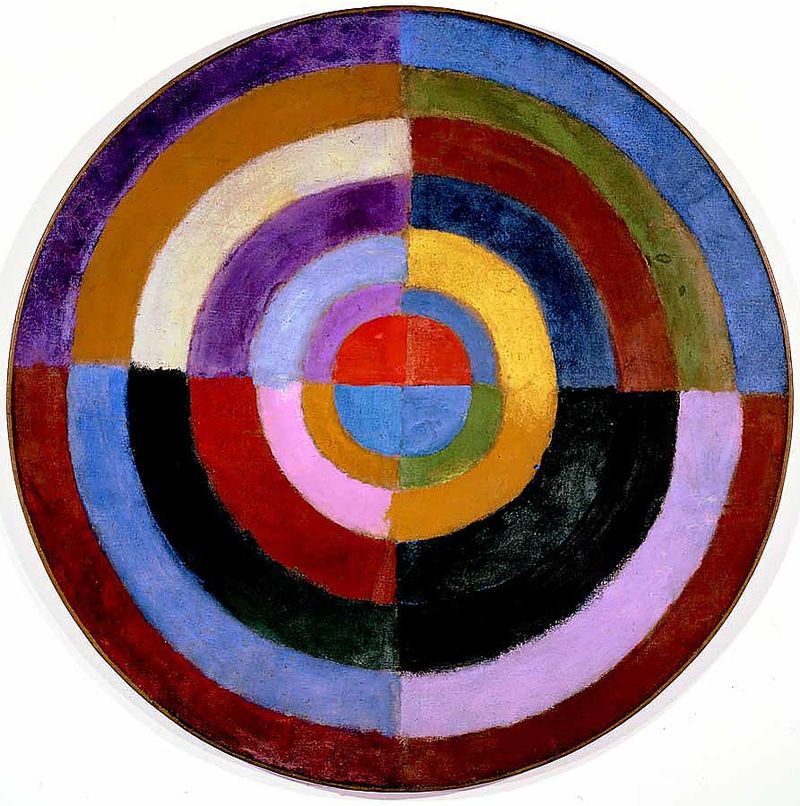
abstract art
art with a degree of independence from visual references in the world

Art Nouveau
international philosophy and style of art, architecture and applied art

Bauhaus

Classicism
thumb|upright=1.35|Jacques-Louis David, [[Oath of the Horatii, 1784, an icon of Neoclassicism in painting]]

Rococo
Rococo, less commonly Roccoco ( , ; or ), also known as Late Baroque, is an exceptionally ornamental and dramatic style of architecture, art, and decoration which combines asymmetry, scrolling curves, gilding, white and pastel colours, sculpted moulding, and ''trompe-l'œil'' frescoes to create surprise and the illusion of motion and drama. It is often described as the final expression of the Baroque movement.
.jpg)
Neoclassicism
Neoclassicism, also spelled Neo-classicism, emerged as a Western cultural movement in the decorative and visual arts, literature, theatre, music, and architecture that drew inspiration from the art and culture of classical antiquity. Neoclassicism was born in Rome, largely due to the writings of Johann Joachim Winckelmann during the rediscovery of Pompeii and Herculaneum. Its popularity expanded throughout Europe as a generation of European art students finished their Grand Tour and returned from Italy to their home countries with newly rediscovered Greco-Roman ideals. The main Neoclassical mo

Post-impressionism
Post-Impressionism (also spelled Postimpressionism) was a predominantly French art movement which developed roughly between 1886 and 1905, from the last Impressionist exhibition to the birth of Fauvism. Post-Impressionism emerged as a reaction against Impressionists' concern for the naturalistic depiction of light and colour. Its broad emphasis on abstract qualities or symbolic content means Post-Impressionism encompasses Les Nabis, Neo-Impressionism, Symbolism, Cloisonnism, the Pont-Aven School, and Synthetism, along with some later Impressionists' work. The movement's principal artists were

Art Deco
influential visual arts design style which first appeared in France during the 1920s

Fauvism
thumb|250px|alt=Henri Matisse painting Woman with a Hat, from 1905. in the San Francisco Museum of Modern Art|Henri Matisse. Woman with a Hat, 1905. [[San Francisco Museum of Modern Art]]
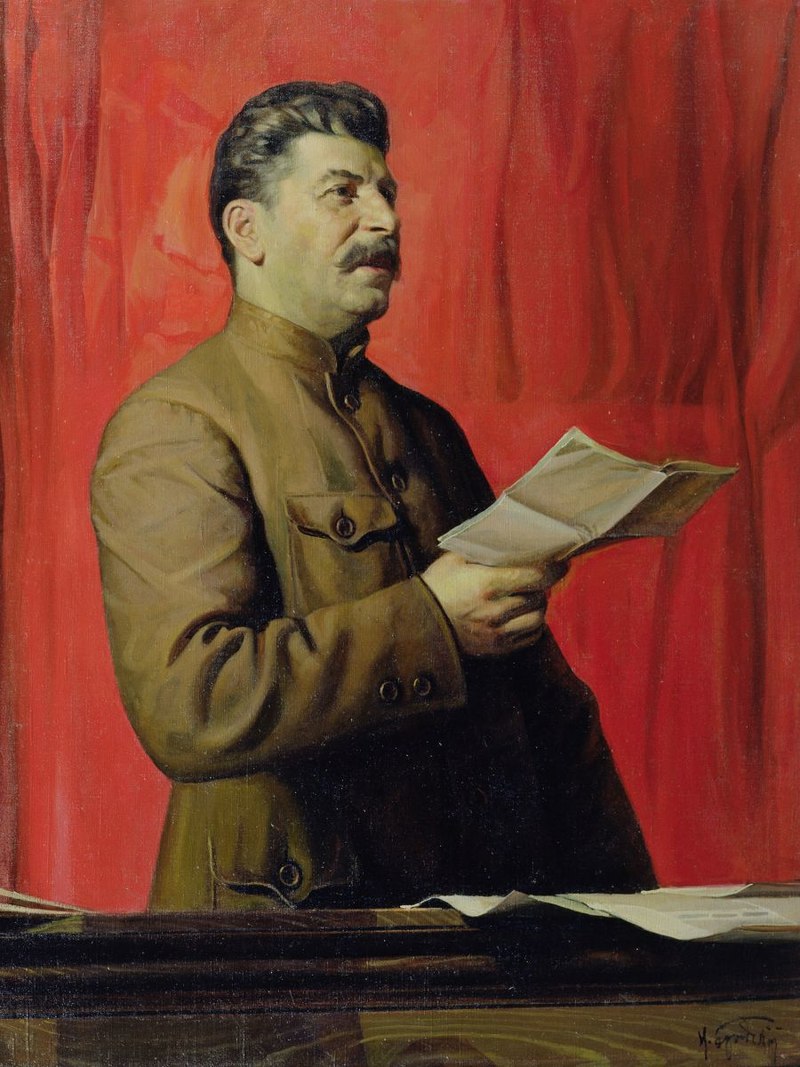
socialist realism
Art style depicting communist values

Pre-Raphaelite Brotherhood
group of English painters, poets, and critics, founded in 1848

academic art
style of painting and sculpture produced under the influence of European academies of art

Constructivism
artistic and architectural philosophy

Empire style
19th-century art movement and style of architecture and interior design

Arts and Crafts movement
international design movement

naïve art
art movement

decadence
thumb|An orgy in Imperial Rome, by Henryk Siemiradzki
thumb|Romans during the Decadence, by [[Thomas Couture]]

deconstructivism
Deconstructivism is a postmodern architectural movement which appeared in the 1980s. It gives the impression of the fragmentation of the constructed building, commonly characterised by an absence of obvious harmony, continuity, or symmetry. Its name is a portmanteau of Constructivism and "Deconstruction", a form of semiotic analysis developed by the French philosopher Jacques Derrida. Architects whose work is often described as deconstructivist (though in many cases the architects themselves reject the label) include Zaha Hadid, Peter Eisenman, Frank Gehry, Rem Koolhaas, Daniel Libeskind, Bern

Decadent movement
late-19th-century artistic and literary movement centered in Western Europe

primitivism
thumb|300px|In a Tropical Forest Combat of a Tiger and a Buffalo (1908–1909), by Henri Rousseau
In the arts of the Western world, Primitivism is a mode of aesthetic idealization that means to recreate the experience of the primitive time, place, and person, either by emulation or by re-creation. In Western philosophy, Primitivism proposes that the people of a primitive society possess a morality and an ethics that are superior to the urban value system of civilized people.

Les Nabis
artist collective

social realism
art showing conditions of the working class

Aestheticism
Aestheticism (also known as the aesthetic movement) was an art movement in the late 19th century that valued the appearance of literature, music, fonts, and the arts over their functions. According to Aestheticism, art should be produced to be beautiful, rather than to teach a lesson, create a parallel, or perform another didactic purpose, a sentiment expressed in the slogan "art for art's sake." Aestheticism flourished, in the 1870s and 1880s, gaining prominence and the support of notable writers, such as Walter Pater and Oscar Wilde. Those seen as guided by the movement were known as Aesthet

COBRA
artist collective and art movement
%2C%201922%2C%20Nature%20morte%20verticale%20(Vertical%20Still%20Life)%2C%20oil%20on%20canvas%2C%20146.3%20x%2089.3%20cm%2C%20Kunstmuseum%2C%20Basel.jpg)
purism
thumb|200px|Le Corbusier, 1922, Nature morte verticale (Vertical Still Life), oil on canvas, , [[Kunstmuseum Basel]]
Purism, referring to the arts, was a movement that took place between 1918 and 1925 that influenced French painting and architecture. Purism was led by Amédée Ozenfant and Charles-Édouard Jeanneret (Le Corbusier). Ozenfant and Le Corbusier formulated an aesthetic doctrine born from a criticism of Cubism and called it Purism: where objects are represented as elementary forms devoid of detail. The main concepts were presented in their short essay "Après le Cubisme" (After Cubism)
art movement
tendency or style in art with a specific common philosophy or goal, possibly associated with a specific historical period
Orphism
art movement

pictorialism
Pictorialism is an international style and aesthetic movement that dominated photography during the later 19th and early 20th centuries. There is no standard definition of the term, but in general it refers to a style in which the photographer has somehow manipulated what would otherwise be a straightforward photograph as a means of creating an image rather than simply recording it. Typically, a pictorial photograph appears to lack a sharp focus (some more so than others), is printed in one or more colors other than black-and-white (ranging from warm brown to deep blue) and may have visible br

Neo-romanticism
thumb|300px| Pena Palace in [[Sintra, Portugal one of the points of reference for Neo-Romantic architecture]]
The term neo-romanticism is used to cover a variety of movements in philosophy, literature, music, painting, and architecture, as well as social movements, that exist after and incorporate elements from the era of Romanticism.
French Realism
French painting movement

Caravaggisti
thumb|upright=1.1|Mars Chastising Cupid by Bartolomeo Manfredi
The Caravaggisti (or the "Caravagesques"; singular: "Caravaggista") were stylistic followers of the late 16th-century Italian Baroque painter Caravaggio. His influence on the new Baroque style that eventually emerged from Mannerism was profound. Caravaggio never established a workshop as most other painters did, and thus had no school to spread his techniques. Nor did he ever set out his underlying philosophical approach to art, the psychological realism which can only be deduced from his surviving work. But it can be seen directly
Mexican muralism
global movement inspired by Mexican muralism
Historicism
art and architecture movement

Proletkult
Proletkult (), a portmanteau of the Russian words "proletarskaya kultura" (proletarian culture), was an experimental Soviet artistic institution that arose in conjunction with the Russian Revolution of 1917. This organization, a federation of local cultural societies and avant-garde artists, was most prominent in the visual, literary, and dramatic fields. Proletkult aspired to radically modify existing artistic forms by creating a new, revolutionary working-class aesthetic, which drew its inspiration from the construction of modern industrial society in agrarian Russia.
Color Field
art movement emerging in New York during the 1940s, using large fields of flat, solid color, with less emphasis on brushstrokes

Precisionism
thumb|right|250px|Charles Demuth, Aucassin and Nicolette, oil on canvas, 1921
Tingatinga
contemporary painting style in Tansania

exoticism
thumbnail|right|upright=1.3|Exotic figures in Jules Migonney's Venus mauresque

Rocaille
thumb|right|250px|Commode decoration by Charles Cressent (1745–1749), Metropolitan Museum
Rocaille ( , ) was a French style of elaborate design that appeared in furniture and interior decoration during the early reign of Louis XV. A reaction against the heaviness and formality of the Louis XIV style, it featured an abundance of curves, counter-curves, undulations, and elements modeled on nature. Beginning around 1710, it reached its peak in the 1730s, and came to an end in the late 1750s when it was replaced by Neoclassicism. It marked the beginning of the French Baroque movement in furniture
Tonalism
Tonalism was an artistic style that emerged in the 1880s.
International Typographic Style
20th century European graphic design style

Costumbrismo
thumb|right|José Jiménez Aranda (1837–1903): The Bullring (1870)
concrete art
art movement
Directoire style
architectural style
.jpg)
Afrofuturism
Afrofuturism is a cultural aesthetic, philosophy of science, and history that explores the intersection of the African diaspora culture with science and technology. It addresses themes and concerns of the African diaspora through technoculture and speculative fiction, encompassing a range of media and artists with a shared interest in envisioning black futures that stem from Afro-diasporic experiences. While Afrofuturism is most commonly associated with science fiction, it can also encompass other speculative genres such as Afro-fantasy, fantasy, alternate history and magic realism, and can al
Munich Secession
association of artists (1892-1938, 1946-)
surrealist automatism
art technique
Corporate Memphis
flat, geometric art style, widely used in Big Tech illustrations
Universal Zulu Nation
international hip hop awareness group formed by Afrika Bambaataa

Toyism
thumb|260px|De Stip - Live with energy situated at Dordsestraat in EmmenToyism is the latest contemporary art movement that originated in the 1990s in Emmen, Netherlands. The word symbolises the playful character of the artworks and the philosophy behind it. The suffix ism refers to motion or movements that exist in both the world of art and religion. Nevertheless, the game of Toyism is a serious matter that shows a new, critical and sensitive perspective on our present-day world.
abjection
In critical theory, abjection is the state of being cast off and separated from norms and rules, especially on the scale of society and morality. The term has been explored in post-structuralism as that which inherently disturbs conventional identity and cultural concepts. Julia Kristeva explored an influential and formative overview of the concept in her 1980 work Powers of Horror: An Essay on Abjection, where she describes subjective horror (abjection) as the feeling when an individual experiences or is confronted by the sheer experience of what Kristeva calls one's typically repressed "corp
Scandinavian design
20th century design movement
Antwerp school
artists active in Antwerp in the 16th and 17th Century