Category
page 1Ascomycota genera

Saccharomyces
Saccharomyces is a genus of fungi that includes many species of yeasts. The name Saccharomyces is from Greek () and () and means sugar fungus. Many members of this genus are considered very important in food production where they are known as brewer's yeast, baker's yeast and sourdough starter among others. They are unicellular and saprotrophic fungi. One example is Saccharomyces cerevisiae, which is used in making bread, wine, and beer, and for human and animal health. Other members of this genus include the wild yeast Saccharomyces paradoxus that is the closest relative to S. cerevisiae, Sac
Taphrina
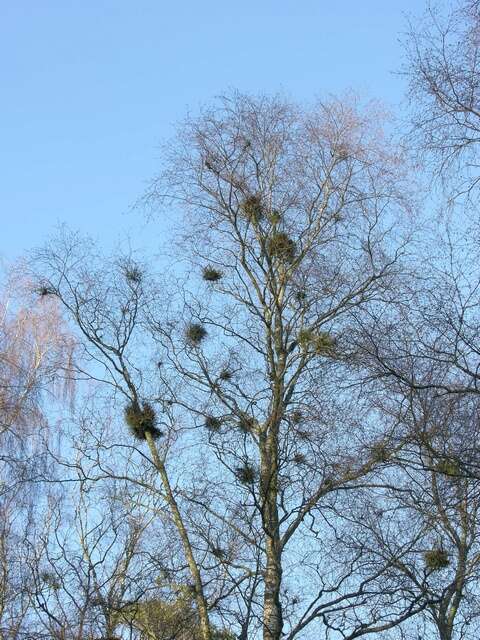
Taphrina is a fungal genus within the Ascomycota that causes leaf and catkin curl diseases and witch's brooms of certain flowering plants. One of the more commonly observed species causes peach leaf curl. Taphrina typically grow as yeasts during one phase of their life cycles, then infect plant tissues in which typical hyphae are formed, and ultimately they form a naked layer of asci on the deformed, often brightly pigmented surfaces of their hosts. No discrete fruit body is formed outside of the gall-like or blister-like tissues of the hosts. The asci form a layer lacking paraphyses, and they

Candelaria
genus of fungi

Neolecta
Neolecta is a genus of ascomycetous fungi. The species share the English designation "Earth tongues" along with some better-known fungi (e.g. Geoglossum, Microglossum) with a similar general form, but in fact they are only distantly related.

Geotrichum
Geotrichum is a genus of fungi found worldwide in soil, water, air, and sewage, as well as in plants, cereals, and dairy products; it is also commonly found in normal human flora and is isolated from sputum and feces. It was first described in 1809 by Johann Heinrich Friedrich Link.

Candelariella
Candelariella is a genus of bright yellow, ocher, or greenish yellow crustose or squamulose lichens in the family Candelariaceae. Members of the genus are commonly called eggyolk lichens, goldspeck lichens, or yolk lichens.
Zygosaccharomyces
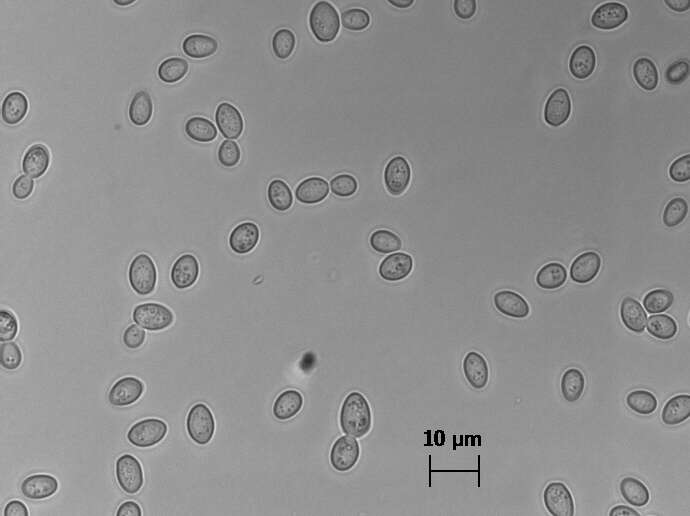
Zygosaccharomyces is a genus of yeasts in the family Saccharomycetaceae. It was first described under the genus Saccharomyces, but in 1983, it was reclassified to its current name in the work by Barnett et al. The yeast has a long history as a well-known spoilage yeast within the food industry, because several species in this genus are significantly resistant to many of the common food preservation methods. For example, the biochemical properties Z. bailii possesses to achieve this includes high sugar tolerance (50-60%), high ethanol tolerance (up to 18%), high acetic acid tolerance (2.0-2.5%)

Arthrobotrys
Arthrobotrys is a genus of mitosporic fungi in the family Orbiliaceae. They are predatory fungi that capture and feed on nematode worms.
Geoglossum
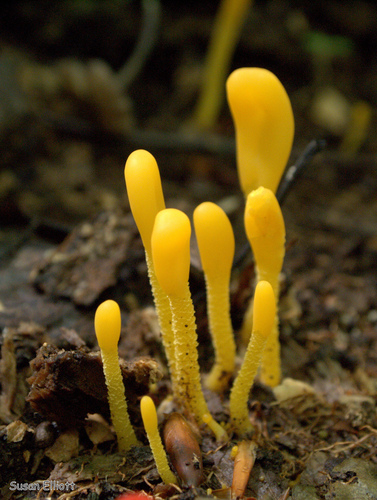
Geoglossum is a genus of fungi in the family Geoglossaceae. They are commonly called earth tongues. The type species is Geoglossum glabrum. Geoglossum species are distinguished from the related genus Trichoglossum by the lack of setae on the spore bearing surface. Geoglossum species are characterized by dark, club-shaped, terrestrial ascocarps with a fertile hymenium continuing downward from the apex of the ascocarp along the stipe, eventually intergrading with a sterile stipe. The ascospores of Geoglossum range from translucent to dark brown, and are fusiform, and multiseptate. Identification
Yarrowia
Yarrowia is a fungal genus in the family Dipodascaceae. For a while the genus was monotypic, containing the single species Yarrowia lipolytica, a yeast that can use unusual carbon sources, such as hydrocarbons. Molecular phylogenetics analysis has revealed several other species that have since been added to the genus.
Trichoglossum
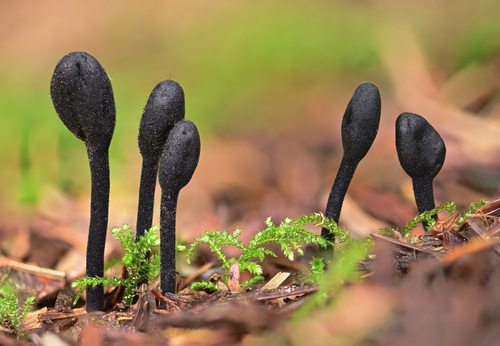
Trichoglossum is a genus of fungi in the family Geoglossaceae. They are commonly called hairy earth tongues. The type species is Trichoglossum hirsutum.

Chaenotheca
Chaenotheca is a genus of lichen-forming fungi in the family Coniocybaceae. The reproduction structures are a mass of loose ascospores that are enclosed by a cup-shaped sitting on top of a tiny stalk, having the appearance of a dressmaker's pin (called a mazaedium), hence the common name pin lichen. Genus members are also commonly called needle lichens. The genus has a worldwide distribution, with the greatest diversity in the temperate forests of the northern hemisphere, though species have also been recorded from the southern hemisphere including Australia, New Zealand, and South America. Sp
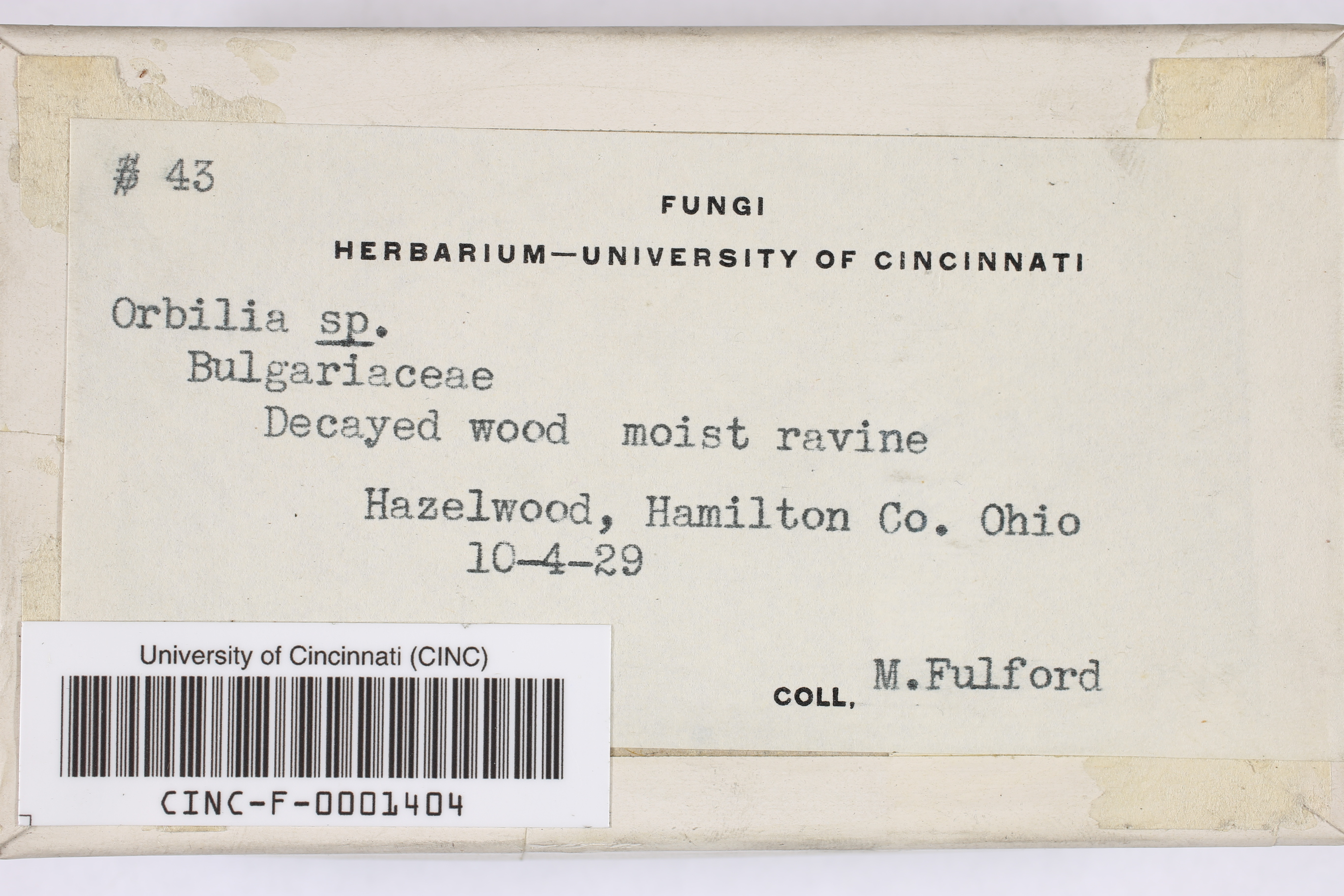
Orbilia
Orbilia is a genus of fungi in the family Orbiliaceae. Anamorphs of this genus include the Arthrobotrys, Dactylella, Dicranidion, Dwayaangam, Helicoön, Monacrosporium, and Trinacrium.
The genus was established in 1836 by Elias Magnus Fries to accommodate the species Peziza leucostigma. The mycologist Josef Velenovský wrote articles describing species found in Bohemia and Moravia (Czechoslovakia). In 1951, Fred Jay Seaver recorded 20 species in North America, and R.W.G. Dennis later described 9 species from Venezuela. According to the Dictionary of the Fungi (10th edition, 2008), there are abou
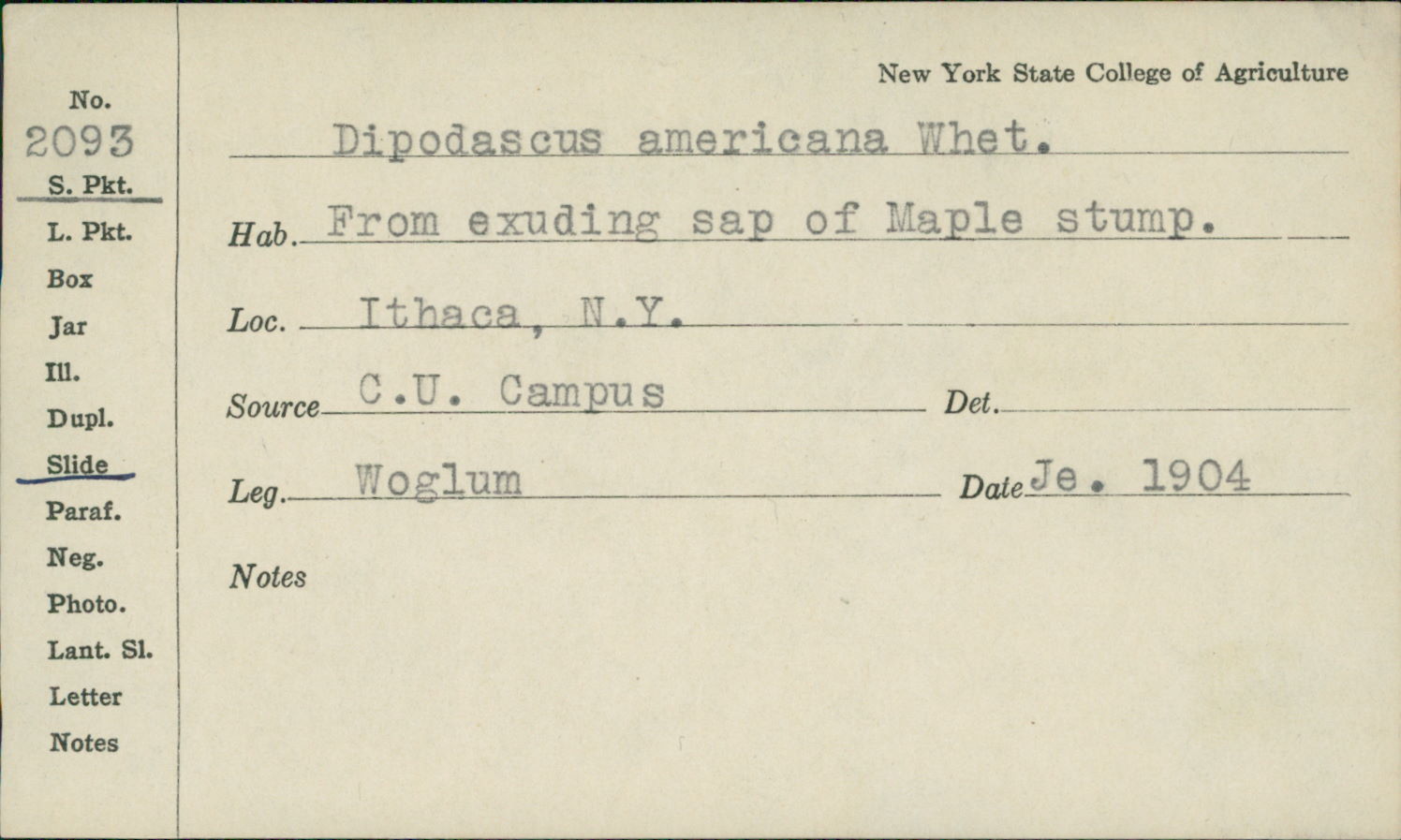
Dipodascus
Dipodascus is a genus of fungi in the family Dipodascaceae.
Hanseniaspora
Hanseniaspora is a genus of yeasts. The name Kloeckera is applied to its anamorph form. They are typically apiculate (lemon-shaped) in shape and often found in grape musts pre-fermentation.

Pycnora
Pycnora is a small genus of lichen-forming fungi in the monotypic family Pycnoraceae. The genus was established in 2001 by the Austrian lichenologist Josef Hafellner, who named it by combining references to its conspicuous black reproductive structures and its relationship to the lichen genus Lecanora. These wood-dwelling lichens form thin grey crusts on the smooth surfaces of dead wood in cool northern and mountain forests, where they colonise fallen tree trunks and branches that have lost their bark. The genus contains three species and is distinguished by its readily visible black fruiting
Lipomyces
Lipomyces is a genus of oleaginous yeast in the family Lipomycetaceae.
Komagataella
Komagataella is a methylotrophic yeast within the order Pichiales. It was found in the 1960s as Pichia pastoris, with its feature of using methanol as a source of carbon and energy. In 1995, P. pastoris was reassigned into the sole representative of genus Komagataella, becoming Komagataella pastoris. In 2005, it was found that almost all strains used industrially and in labs are a separate species, K. phaffii. Later studies have further distinguished new species in this genus, resulting in a total of 7 recognized species. It is not uncommon to see the old name still in use in the context of pr

Dactylella
Dactylella is a genus comprising 72 species of mitosporic fungi in the family Orbiliaceae. They are notable for trapping and eating nematodes.

Thelocarpon
Thelocarpon is a genus of lichen-forming fungi in the family Thelocarpaceae. The genus was established in 1853 by the Finnish lichenologist William Nylander, who distinguished it from related genera by its warted thallus structure, many-spored asci, and the distinctive violet-blue staining reaction of its fruiting body gel when treated with iodine. These tiny lichens form small, wart-like bumps on soil, wood, and plant debris, often covered with a distinctive bright yellow powdery coating. The genus includes about 30 species found worldwide, many of which produce unusually large numbers of asc
Issatchenkia
Issatchenkia is a genus of fungi belonging to the family Pichiaceae.

Endomyces
Endomyces is a genus of fungi in the family Dipodascaceae.
Glutinoglossum
Glutinoglossum is a genus of six species of earth-tongue fungi in the family Geoglossaceae. The widespread type species, G. glutinosum, is commonly known as the "glutinous earth tongue". G. heptaseptatum is known only from the Czech Republic. Four additional species were described in 2015.
Dipodascopsis
Dipodascopsis is a genus of fungi in the family Lipomycetaceae.
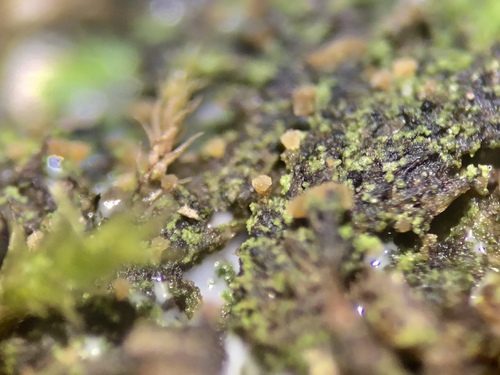
Vezdaea
Vezdaea is a genus of crustose lichens in the monotypic family Vezdaeaceae, which itself is the only taxon in the order Vezdaeales. The genus was established in 1976 and named after the Czech lichenologist Antonín Vězda for his contributions to lichen science. These lichens form extremely thin crusts that appear as dustings of tiny greenish to grey particles on decaying moss, plant debris, and soil, particularly in metal-enriched environments that other lichens avoid. The genus contains 14 species.

Torulaspora
Torulaspora is a genus of ascomycetous yeasts in the family Saccharomycetaceae.
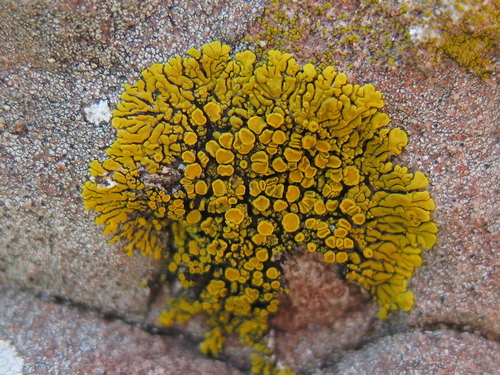
Candelina
Candelina is a small genus of lichen-forming fungi in the family Candelariaceae. It comprises three species of yellow-colored, rock-dwelling crustose lichens. The lichens grow on sun-baked rocks in desert and semi-desert regions in the Americas and south-western Africa.

Sarea
Sarea is a genus of small, non-lichenized, inoperculate, discomycete fungi in the family Zythiaceae. Sarea species are found growing on the resin of conifers in the Cupressaceae and Pinaceae in the Northern Hemisphere. Two species in the genus are readily distinguishable from each other: apothecia of Sarea difformis are black, while those of Sarea resinae are orange in color.
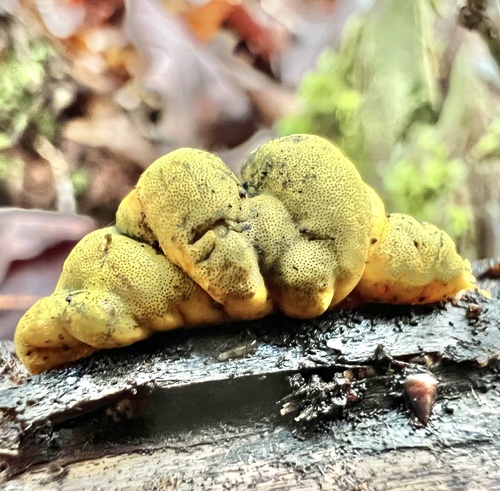
Thuemenella
Thuemenella is a genus of fungi in the family Hypoxylaceae. The genus was circumscribed in 1898 by Albert Julius Otto Penzig and Pier Andrea Saccardo.
Monodictys
Monodictys is a genus of fungi of uncertain familial and ordinal placement in the class Ascomycetes. The genus was circumscribed by Welsh-born Canadian mycologist Stanley Hughes in 1956. He assigned Monodictys putredinis as the type species.
Kuraishia
Kuraishia is a genus of two species of ascomycetous yeasts in the family Pichiaceae. The type species Kuraishia capsulata was originally described as a member of Hansenula (now Pichia) in 1953.
Wickerhamomyces
Wickerhamomyces is a genus of fungi within the Phaffomycetales order. It is placed within the family of Phaffomycetaceae.
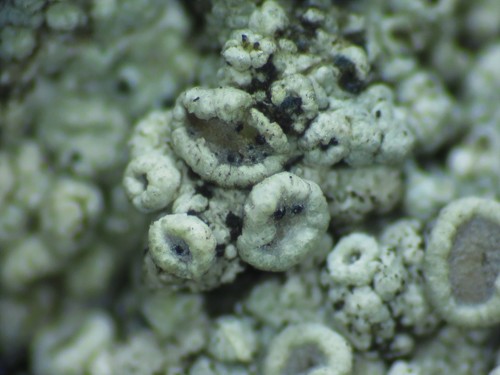
Lichenodiplis
Lichenodiplis is a genus of fungi with uncertain classification.

Strangospora
Strangospora is a genus of lichen-forming fungi. It is the only genus in the family Strangosporaceae, which itself is of uncertain taxonomic placement in the Ascomycota. It contains 10 species.

Lichenostigma
Lichenostigma is a genus of fungi in the family Phaeococcomycetaceae. It includes several species which are lichenicolous (i.e. parasitic on lichens). The genus was circumscribed in 1983 by the Austrian mycologist Josef Hafellner, with Lichenostigma maureri assigned as the type species.

Entonaema
Entonaema is a genus of fungi in the family Hypoxylaceae. The genus is widespread, especially in tropical areas, and contains six species.

Pyrenocollema
Pyrenocollema is a genus of lichenized fungi in the biological division Ascomycota. The genus was described by German botanist Johannes Reinke in 1895 and has been placed in the family Xanthopyreniaceae. Species in the genus form borderline lichen symbioses with cyanobacteria and are typically found in marine and freshwater environments, growing on rock surfaces or within calcareous substrates such as limestone and the shells of barnacles and limpets. Several species formerly placed in Pyrenocollema have been transferred to the related genus Collemopsidium.
Ascobotryozyma
Ascobotryozyma is a genus of fungi within the Saccharomycetales order. The relationship of this taxon to other taxa within the order is unknown (incertae sedis), and it has not yet been placed with certainty into any family.
Sporopachydermia
Sporopachydermia is a genus of fungi in the family Sporopachydermiaceae.
Cephaloascus
The Cephaloascaceae are a family of yeasts in the order Saccharomycetales. A monotypic taxon, it contains the single genus Cephaloascus. Species in the family are distributed in Canada, Japan, and the United Kingdom, where they grow on coniferous wood or other fungi, or are associated with insects.
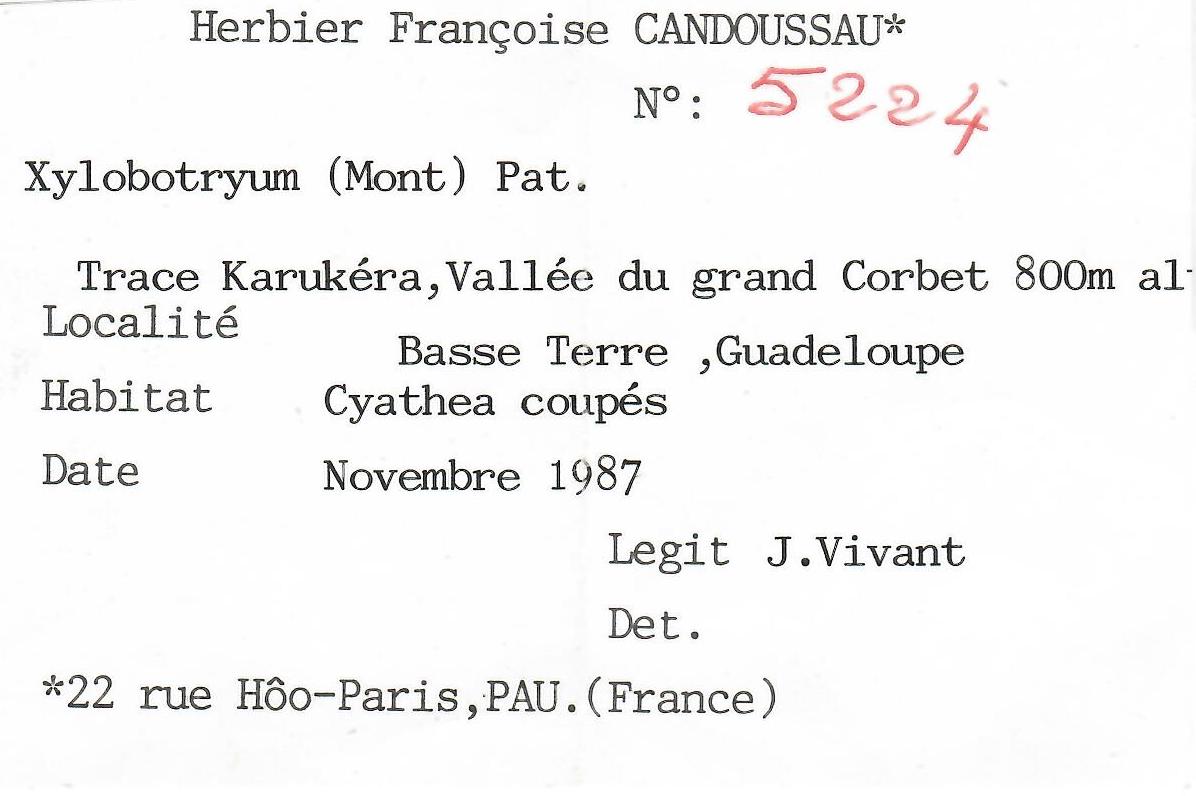
Xylobotryum
Xylobotryum is a genus of fungi in the Ascomycota phylum and in the order of Xylobotryales.
Nothomitra
Nothomitra is a genus of fungi in the earth tongue family Geoglossaceae. There is no known common name. Nothomitra is morphologically distinguished from Microglossum in that the fertile hymenium in Nothomitra is not flattened as in Microglossum. Furthermore, the hymenium in Nothomitra is distinctly free at the junction of the stipe, unlike in Microglossum in which the hymenium is flattened and gradually intergrades with the stipe.
Sarcoleotia
Sarcoleotia is a genus of fungi in the earth tongue family Geoglossaceae.

Harpidium
Harpidium is a genus of lichen-forming fungi in the family Harpidiaceae. The genus contains three species. Harpidium was circumscribed in 1855 by German lichenologist Gustav Wilhelm Körber, with Harpidium rutilans assigned as the type species.
Saccharomycopsis
Saccharomycopsis is a genus of fungi belonging to the family Saccharomycopsidaceae.
Ceratosporella
Ceratosporella is a genus of fungi. Some species interact with species of trees in the families Betulaceae and Fagaceae (Carpinus betulus, Castanea sativa). Ceratosporella disticha can be isolated from decaying leaves of the palm Arenga westerhautii in Malaysia.
Intralichen
Intralichen is a genus of lichenicolous fungi of uncertain classification in the class Ascomycota. It has four species. The genus was circumscribed by David Leslie Hawksworth and Mariette S. Cole in 2002, with Intralichen christiansenii as the type species.

Placomaronea
Placomaronea is a genus of lichen-forming fungi in the family Candelariaceae. These lichens are primarily found in the high mountains of South America, particularly in the Andes, where they grow on rocks and soil in harsh, exposed conditions. Most species form bright yellow, circular patches that can range from flat crusts to more complex, three-dimensional structures. The genus is distinguished from similar yellow lichens by its distinctive cellular structure, which includes specialised pigment-containing caps on the surface cells. Recent studies have added two new species from Peru, bringing
Mixtoconidium
Mixtoconidium is a small genus of lichenicolous (lichen-dwelling) fungi in the division Ascomycota. Its relationship to other genera is unclear (incertae sedis), and it has not been assigned to any family, order or class.
Karsteniomyces
Karsteniomyces is a genus of lichenicolous fungi of unknown familial, ordinal, and class placement in the Ascomycota. The genus was circumscribed by David Leslie Hawksworth in 1980. The species of this genus are found in Europe.
Hapsidascus hadrus
Hapsidascus is a fungal genus in the division Ascomycota. The relationship of this taxon to other taxa within the phylum is unknown (incertae sedis), and it has not yet been placed with certainty into any class, order, or family.
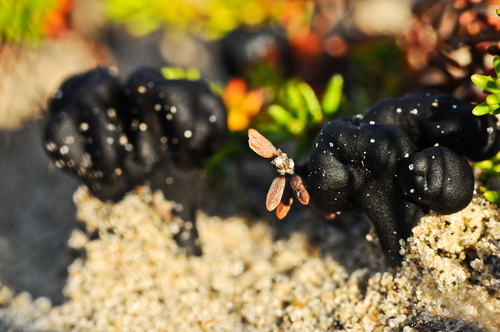
Sabuloglossum
Sabuloglossum is a fungal genus in the earth tongue family Geoglossaceae. Circumscribed in 2013, it contains the single widely distributed species Sabuloglossum arenarium, which has previously been placed in the genera Microglossum, Corynetes, Geoglossum, and Thuemenidium. The generic name derives from the Latin word sabulum and refers to its preference for sandy habitats.
Blastobotrys
Blastobotrys is a genus of fungi belonging to the family Trichomonascaceae.

Sclerophora
Sclerophora is a genus of lichen-forming fungi in the family Coniocybaceae. Largely restricted to temperate latitudes, three of its species have been reported in North America.
Starmerella
Starmerella is a genus of fungi within the Saccharomycetales order. The relationship of this taxon to other taxa within the order is unknown (incertae sedis), and it has not yet been placed with certainty into any family. Although, the GBIF list the family as Phaffomycetaceae.
Several members of the Starmerella clade are associated with flowers and flower-visiting insects like bees and bumblebees; these yeasts cope well with high sugar niches. Many strains (species) of the Starmerella clade, including Starmerella bombicola and Candida apicola are known to produce sophorolipids which are carboh
Clypeolum
genus of fungi

Libertiella
Libertiella is a genus of lichenicolous (lichen-dwelling) fungi of uncertain classification in the Ascomycota. The species of this genus are found in Europe.
Vanderwaltozyma
Vanderwaltozyma is a genus of ascomycetous yeasts in the family Saccharomycetaceae.