Category
page 1Bacteria classes
Bacilli
Bacilli is a taxonomic class of bacteria that includes two orders, Bacillales and Lactobacillales, which contain several well-known pathogens such as Bacillus anthracis (the cause of anthrax). Bacilli are almost exclusively gram-positive bacteria.
Clostridia
The Clostridia are a highly polyphyletic class of Bacillota, including Clostridium and other similar genera. They are distinguished from the Bacilli by lacking aerobic respiration. They are obligate anaerobes and oxygen is toxic to them. Species of the class Clostridia are often but not always Gram-positive (see Halanaerobium) and have the ability to form spores. Studies show they are not a monophyletic group, and their relationships are not entirely certain. Currently, most are placed in a single order called Clostridiales, but this is not a natural group and is likely to be redefined in the
Alphaproteobacteria
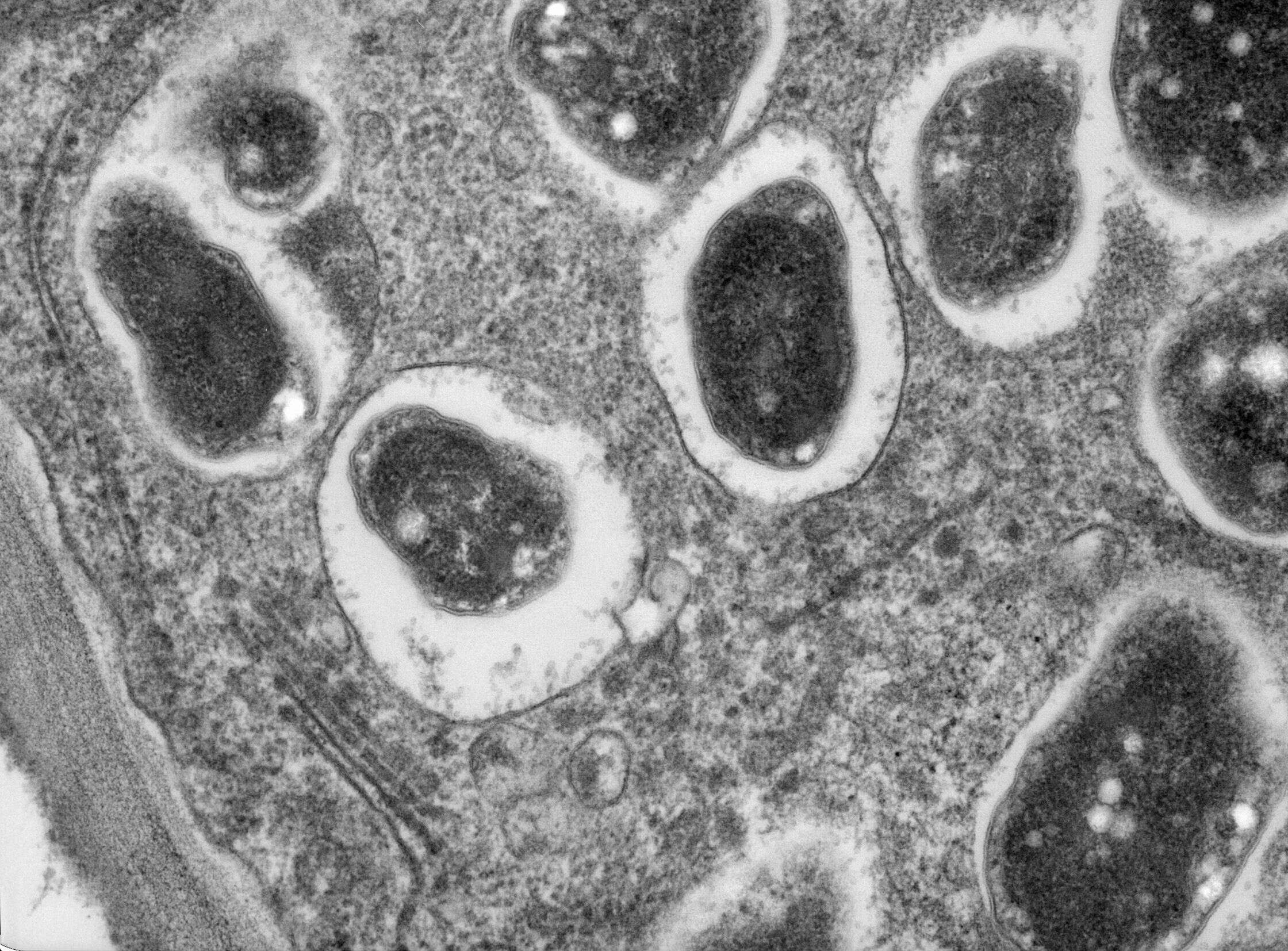
Alphaproteobacteria or α-proteobacteria, also called α-Purple bacteria in earlier literature, is a class of bacteria in the phylum Pseudomonadota (also called "Proteobacteria"). The Magnetococcales and Mariprofundales are considered basal or sister to the Alphaproteobacteria. The Alphaproteobacteria are highly diverse and possess few commonalities, but nevertheless share a common ancestor. Like all proteobacteria, its members are gram-negative, although some of its intracellular parasitic members lack peptidoglycan and are consequently gram variable.

Mollicutes
Mollicutes is a class of bacteria distinguished by the absence of a cell wall and its peptidoglycan. The word Mollicutes is derived from Latin '''' 'soft, pliable' and '''' 'skin'. Individuals are very small, typically only 0.2–0.3 μm (200–300 nm) in size and have a very small genome size. They vary in form, although most have sterols that make the cell membrane somewhat more rigid. Many move about by gliding, but members of the genus Spiroplasma are helical and move by twisting. The best-known genus in the Mollicutes is Mycoplasma, though it has been split in 2018 into several genera. Colonie
Betaproteobacteria
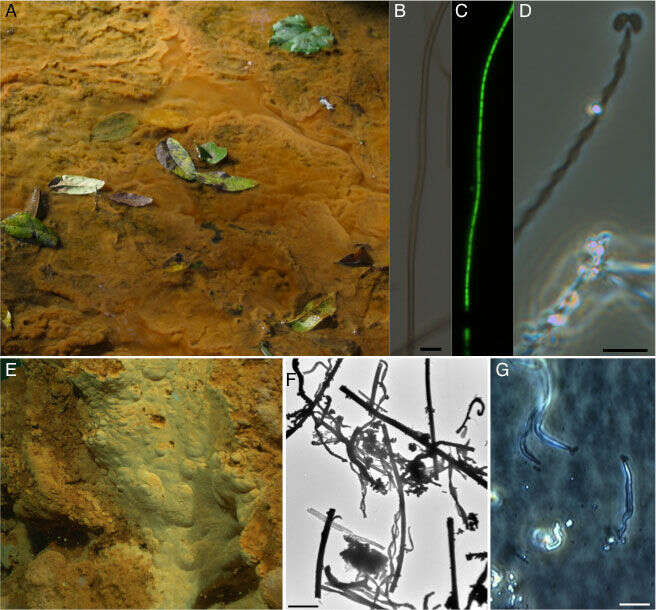
Betaproteobacteria are a class of Gram-negative bacteria, and one of the six classes of the phylum Pseudomonadota (synonym Proteobacteria).
Epsilonproteobacteria
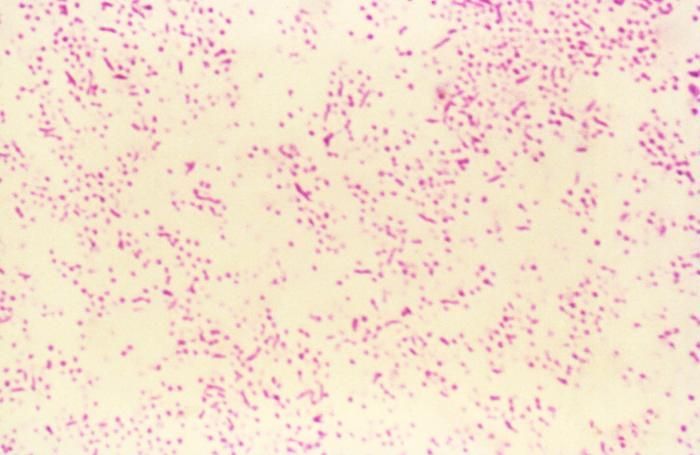
The Campylobacteria are a class of Gram-negative bacteria. It used to be known as Epsilonproteobacteria. Only a few genera have been characterized, including the curved to spirilloid Wolinella, Helicobacter, and Campylobacter.
Thermomicrobia
The Thermomicrobia is a group of thermophilic green non-sulfur bacteria. Based on species Thermomicrobium roseum (type species) and Sphaerobacter thermophilus, this bacteria class has the following description:
Negativicutes
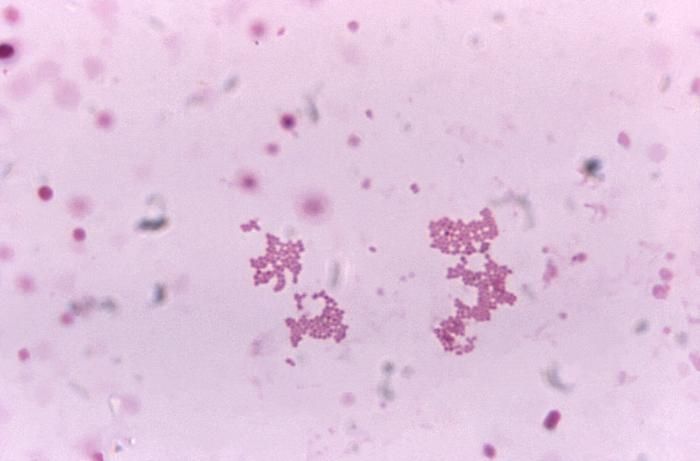
The Negativicutes are a class of bacteria in the phylum Bacillota, whose members have a peculiar cell wall with a lipopolysaccharide outer membrane which stains gram-negative, unlike most other members of the Bacillota. Although several neighbouring Clostridia species (firmicute bacteria) also stain gram-negative, the proteins responsible for the unusual diderm structure of the Negativicutes may have actually been laterally acquired from Pseudomonadota (formerly Proteobacteria). Additional research is required to confirm the origin of the diderm cell envelope in the Negativicutes.
Cyanophyceae
Cyanophyceae is a class of cyanobacteria.
Actinomycetes
Actinomycetes is a class of bacteria in the phylum Actinomycetota.
Coriobacteriia
The Coriobacteriia are a class of Gram-positive bacteria within the Actinomycetota phylum. Species within this group are nonsporulating, strict or facultative anaerobes that are capable of thriving in a diverse set of ecological niches. Gordonibacter species are the only members capable of motility by means of flagella within the class.
Several species within the Coriobacteriia class have been implicated with human diseases that range in severity. Atopobium, Olsenella, and Cryptobacterium species have responsible for human oral infections including periodontitis, halitosis, and other endodonti
Holophagae
Holophagae is a class of Acidobacteriota.
Phycisphaerae
Phycisphaerae is a class of aquatic bacteria. They reproduce by budding and are found in samples of algae in marine water. Organisms in this group are spherical and have a holdfast, at the tip of a thin cylindrical extension from the cell body called the stalk, at the nonreproductive end that helps them to attach to each other during budding.
Planctomycetia
Planctomycetia is a class of aquatic bacteria.