Category
page 1Bacteria families
Enterobacteriaceae
Enterobacteriaceae is a large family of Gram-negative bacteria. It includes over 30 genera and more than 100 species. Its classification above the level of family is still a subject of debate, but one classification places it in the order Enterobacterales of the class Gammaproteobacteria in the phylum Pseudomonadota. In 2016, the description and members of this family were emended based on comparative genomic analyses by Adeolu et al.
Lactobacillaceae
The Lactobacillaceae are a family of lactic acid bacteria. It is the only family in the lactic acid bacteria which includes homofermentative and heterofermentative organisms; in the Lactobacillaceae, the pathway used for hexose fermentation is a genus-specific trait. Lactobacillaceae include the homofermentative lactobacilli Lactobacillus, Holzapfelia, Amylolactobacillus, Bombilactobacillus, Companilactobacillus, Lapidilactobacillus, Agrilactobacillus, Schleiferilactobacillus, Loigolactobacillus, Lacticaseibacillus, Latilactobacillus, Dellaglioa, Liquorilactobacillus, Ligilactobacillus, and La
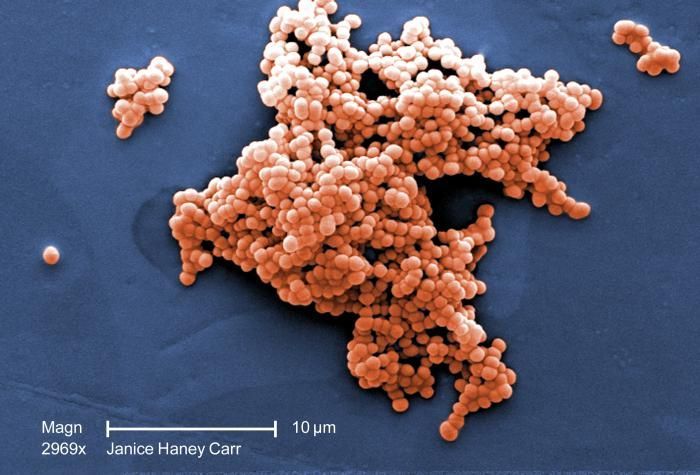
Streptococcaceae
Streptococcaceae, from Ancient Greek στρεπτός (streptós), meaning "twisted", and κόκκος (kókkos), meaning "grain", are a family of gram-positive bacteria, placed within the order Lactobacillales. Representative genera include Lactococcus, Lactovum, and Streptococcus.
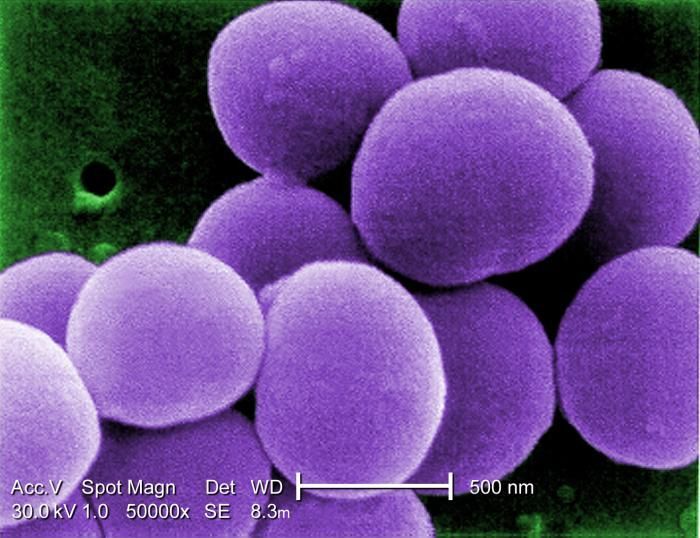
Staphylococcaceae
Staphylococcaceae, from Ancient Greek σταφυλή (staphulḗ), meaning "bunch of grapes", and κόκκος (kókkos), meaning "sphere", are a family of Gram-positive bacteria that includes the genus Staphylococcus, noted for encompassing several medically significant pathogens.
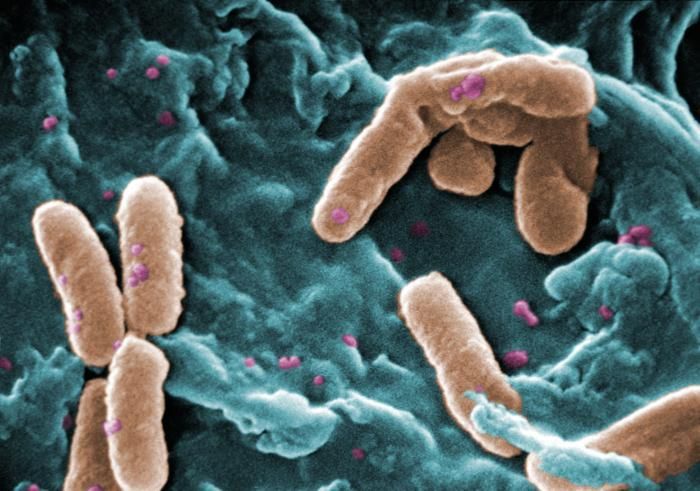
Pseudomonadaceae
The Pseudomonadaceae are a family of bacteria which includes the genera Azomonas, Azorhizophilus, Azotobacter, Mesophilobacter, Pseudomonas (the type genus), and Rugamonas. The family Azotobacteraceae was recently reclassified into this family.
Vibrionaceae
The Vibrionaceae are a family of Pseudomonadota given their own order, Vibrionales. Inhabitants of fresh or salt water, several species are pathogenic, including the type species Vibrio cholerae, which is the agent responsible for cholera. Most bioluminescent bacteria belong to this family, and are typically found as symbionts of deep-sea animals.

Moraxellaceae
The Moraxellaceae are a family of Gammaproteobacteria, including a few pathogenic species. Others are harmless commensals of mammals and humans or occur in water or soil. The species are mesophilic or psychrotrophic (Psychrobacter).
Acetobacteraceae
Acetobacteraceae is a family of Gram-negative bacteria, belonging to the order Rhodospirillales, class Alphaproteobacteria. Two distinct clades are recognized: the acetic acid bacteria and a more heterogeneous group including acidophilic and phototrophic bacteria. The type genus is Acetobacter. Ten genera from Acetobacteraceae make up the acetic acid bacteria.
Neisseriaceae
The Neisseriaceae are a family of Pseudomonadota, within the order Neisseriales of Betaproteobacteria. While many organisms in the family are mammalian commensals or part of the normal flora, the genus Neisseria includes two important human pathogens, specifically those responsible for gonorrhea (caused by N. gonorrhoeae) and many cases of meningitis ("meningococcal meningitis", caused by N. meningitidis). As a group, the Neisseriaceae are strictly aerobic and Gram-negative, occur mainly in pairs (diplococci), and typically do not have flagella.
Spirochaetaceae
The Spirochaetaceae are a family of spirochete bacteria. Some species within this family are known to have been causes for syphilis, Lyme disease, relapsing fever, and other illnesses.

Clostridiaceae
The Clostridiaceae are a family of the bacterial class Clostridia, and contain the genus Clostridium.
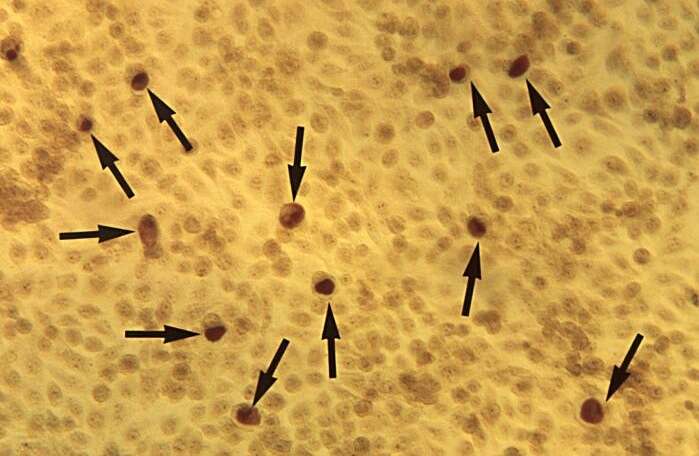
Chlamydiaceae
The Chlamydiaceae are a family of gram-negative bacteria that belongs to the phylum Chlamydiota, order Chlamydiales. Chlamydiaceae species express the family-specific lipopolysaccharide epitope αKdo-(2→8)-αKdo-(2→4)-αKdo (previously called the genus-specific epitope). Chlamydiaceae ribosomal RNA genes all have at least 90% DNA sequence identity. Chlamydiaceae species have varying inclusion morphology, varying extrachromosomal plasmid content, and varying sulfadiazine resistance.

Actinomycetaceae
The Actinomycetaceae (often called actinomycetes or mycelial bacteria) are a family of bacteria in the order Actinomycetales that contains the medically important genus Actinomyces. These organisms are closely related to the mycobacteria, but were originally classified as fungi because they were thought to be transitional forms between bacteria and fungi.

Enterococcaceae
The Enterococcaceae are a family of Gram-positive bacteria placed in the order Lactobacillales.
Representative genera include Enterococcus, Melissococcus, Pilibacter, Tetragenococcus, and Vagococcus. In this family are some important lactic acid bacteria which produce lactic acid as the major metabolic end product.
Mycoplasmataceae
Mycoplasmataceae is a family of bacteria in the order Mycoplasmatales. This family consists of Mycoplasma and four more genera.
Streptomycetaceae
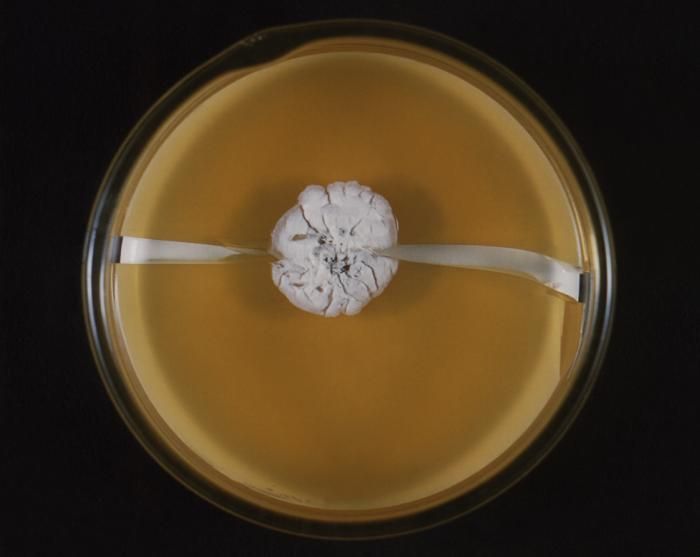
Streptomycetaceae is a family of the order Streptomycetales. It includes the important genus Streptomyces. This was the original source of many antibiotics, namely streptomycin, the first antibiotic against tuberculosis.
Burkholderiaceae
The Burkholderiaceae are a family of bacteria included in the order Burkholderiales. It includes some pathogenic species, such as Burkholderia mallei (glanders) and Burkholderia pseudomallei (melioidosis). This family was found to be enriched in scale-eating pupfish (Cyprinodon desquamator) guts, even after being fed a common laboratory diet, suggesting it may aid in scale-digestion (Heras and Martin 2022).
Nocardiaceae
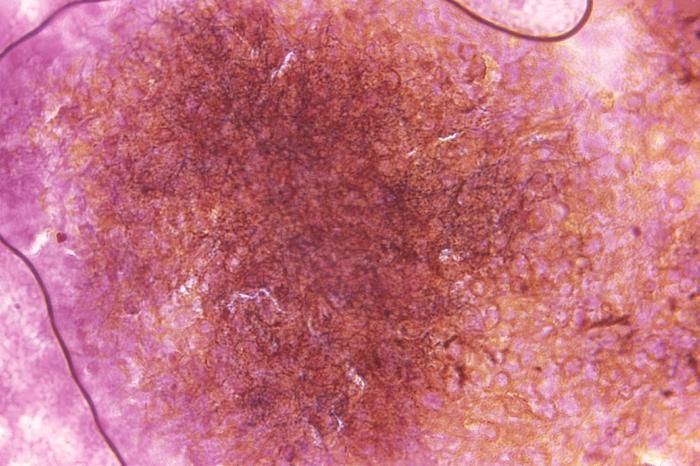
The Nocardiaceae are a family of aerobic, non-fastidious, high G+C, Gram-positive actinomycetes that are commonly found in soil and water. Members of this family have been isolated from Antarctic soils. Nocardiaceae present coccobacilli, filamentous or, rarely, fragmented and palisading forms, and filamentous species grow in a branching morphological pattern similar to fungal hyphae.

Lachnospiraceae
The Lachnospiraceae are a family of obligately anaerobic, variably spore-forming bacteria in the order Eubacteriales that ferment diverse plant polysaccharides to short-chain fatty acids (butyrate, acetate) and alcohols (ethanol). These bacteria are among the most abundant taxa in the rumen and the human gut microbiota. Members of this family may protect against colon cancer in humans by producing butyric acid. Lachnospiraceae have been found to contribute to diabetes in genetically susceptible (ob/ob) germ-free mice.

Chromatiaceae
The Chromatiaceae are one of the two families of purple sulfur bacteria, together with the Ectothiorhodospiraceae. They belong to the order Chromatiales of the class Gammaproteobacteria, which is composed of gram-negative bacteria. Most of the species are photolithoautotrophs and conduct an anoxygenic photosynthesis, but there are also representatives capable of growing under dark and/or microaerobic conditions as either chemolithoautotrophs or chemoorganoheterotrophs.
Brucellaceae
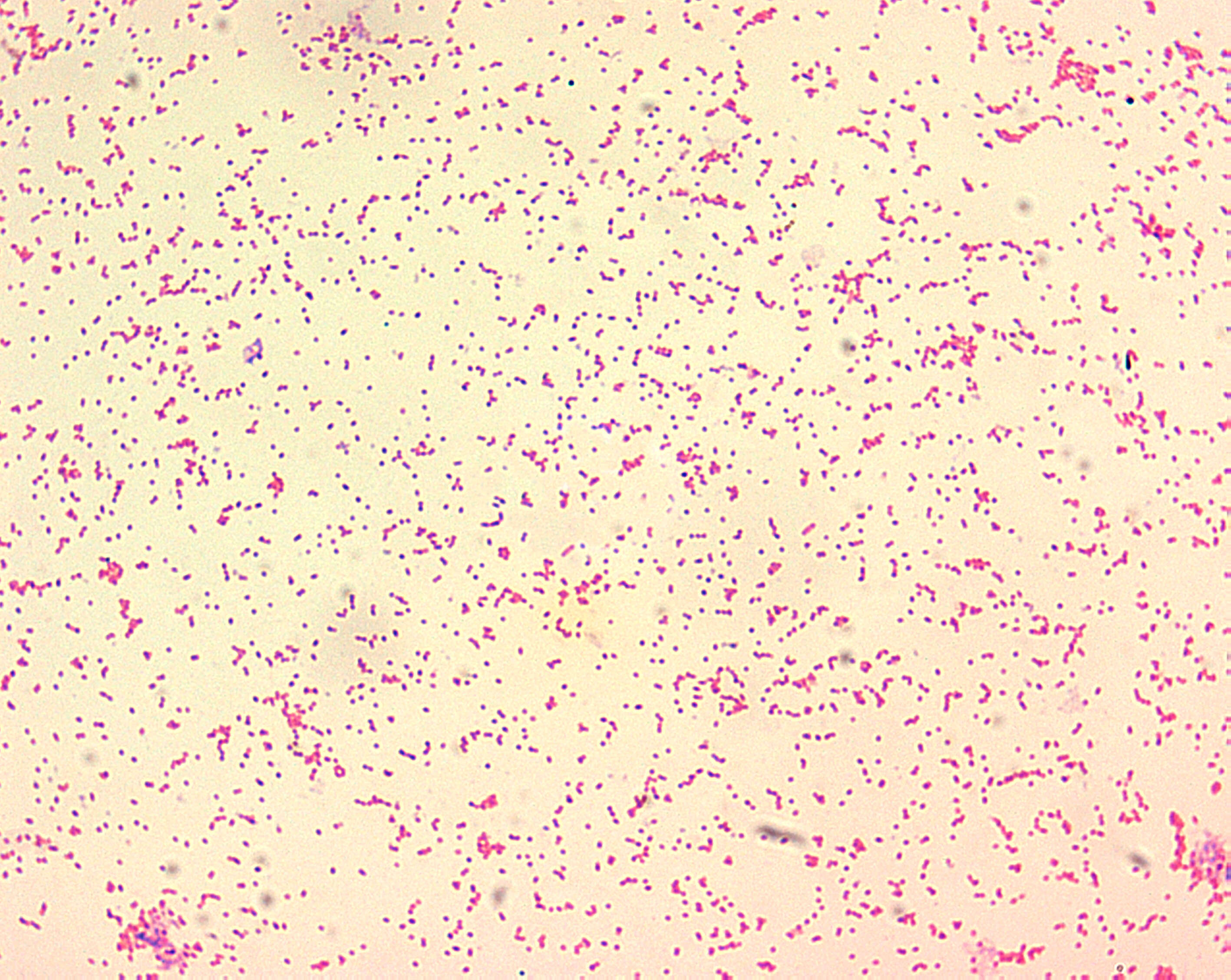
The Brucellaceae are a family of the Gram-negative Hyphomicrobiales. They are named after Sir David Bruce, a Scottish microbiologist. They are aerobic chemoorganotrophes. The family comprises pathogen and soil bacteria
Methylococcaceae
The Methylococcaceae are a family of bacteria that obtain their carbon and energy from methane, called methanotrophs.
Peptococcaceae
The Peptococcaceae are a family of bacteria in the order Eubacteriales.
Flavobacteriaceae
Flavobacteriaceae is a family of rod-shaped gram negative bacteria. The family contains many environmental bacteria, with some species being potential pathogens.
Coxiellaceae
The Coxiellaceae are a family in the order Legionellales.
Rhodobacteraceae
The Rhodobacteraceae are a family of Pseudomonadota in the order Rhodobacterales within the alpha subgroup. Like all Pseudomonadota, they are gram-negative. It contains chemoorganotrophs and photoheterotrophs. Many occur in aquatic habitats.
Oxalobacteraceae
The Oxalobacteraceae are a family of bacteria, included in the order Burkholderiales. Like all Pseudomonadota, Oxalobacteraceae are Gram-negative. The family includes strict aerobes, strict anaerobes, and nitrogen-fixing (diazotrophic) members. The cells are curved, vibroid, or straight rod-shaped.
Aerococcaceae
Aerococcaceae, from Ancient Greek ἀήρ (aḗr), meaning "air", and κόκκος (kókkos), meaning "grain", are a family of Gram-positive lactic acid bacteria, including the bacterium that causes gaffkaemia in lobsters.
Yersiniaceae
The Yersiniaceae are a family of Gram-negative bacteria that includes some familiar pathogens. For example, the type genus Yersinia includes Yersinia pestis, the causative agent of plague. This family is a member of the order Enterobacterales in the class Gammaproteobacteria of the phylum Pseudomonadota.
Campylobacteraceae
REDIRECT Campylobacterales
Bacteroidaceae
The Bacteroidaceae are a family of environmental gram-negative bacteria commonly found in the human gut microbiota.
Nitrospiraceae
REDIRECT Nitrospirota
Helicobacteracae
REDIRECT Campylobacterales
Sphingomonadaceae
Sphingomonadaceae are a gram-negative bacterial family of the Alphaproteobacteria. An important feature is the presence of sphingolipids (mainly 2′-hydroxymyristoyl dihydrosphingosine 1-glucuronic acid, "SGL-1") in the outer membrane of the cell wall. The cells are ovoid or rod-shaped. Others are also pleomorphic, i.e. the cells change the shape over time. Some species from Sphingomonadaceae family are dominant components of biofilms.
Alicyclobacillaceae
The Alicyclobacillaceae are a family of Gram-positive bacteria. All members of this family are aerobic and form endospores.
Acidobacteriaceae
The Acidobacteriaceae are a family of Acidobacteriota.
Planctomycetaceae
Planctomycetaceae is the only family in the order Planctomycetales within the Bacteria. Species within this family are mostly spherical, inhabiting a vast array of aquatic environments with the majority being in marine ecosystems. Planctomycetaceae species are generally aerobic, but are uniquely classified by fatty acid synthesis and stalk-like formations.
Phyllobacteriaceae
The Phyllobacteriaceae are a family of bacteria. The most common genus is Mesorhizobium which contains some of the rhizobia species.
Nitrosomonadaceae
REDIRECT Nitrosomonadales
Prevotellaceae
Prevotellaceae is a family of bacteria from the order Bacteroidales. As a member of the phylum Bacteroidota, its species are gram negative – meaning their outer cell wall contains lipopolysaccharides. Since they are anaerobes, members of Prevotellaceae can live in areas where there is little to no oxygen – such as the guts of mammals.
Mycobacteriaceae
Mycobacteriaceae is a family of bacteria in the phylum Actinomycetota. Its name is derived from the Mycobacterium genus, which includes pathogens known to cause serious diseases in mammals, including tuberculosis (M. tuberculosis) and leprosy (M. leprae) in humans. The Greek prefix myco- means 'fungus', alluding to the mold-like appearance of these organisms on agar plates.
Morganellaceae
Morganellaceae is a family of Gram-negative bacteria that include some important human pathogens formerly classified as Enterobacteriaceae. This family is a member of the order Enterobacterales in the class Gammaproteobacteria of the phylum Pseudomonadota. Genera in this family include the type genus Morganella, along with Arsenophonus, Cosenzaea, Moellerella, Photorhabdus, Proteus, Providencia and Xenorhabdus.
Methylocystaceae
The Methylocystaceae are a family of bacteria that are capable of obtaining carbon and energy from methane. Such bacteria are called methanotrophs, and in particular the Methylocystaceae comprise the type II methanotrophs, which are structurally and biochemically distinct from the Methylococcaceae or type I methanotrophs.
Cardiobacteriaceae
The Cardiobacteriaceae are a family of Pseudomonadota, given their own order. They are Gram-negative and rod-shaped, with diameters around 0.5 to 1.7 μm and lengths from 1–6 μm.
Cytophagaceae
Cytophagaceae is a family of bacteria.
Porphyromonadaceae
Porphyromonadaceae is a family of Gram-negative bacteria described by Noel R. Krieg in 2015. It contains nine genera, five of which are validly published by the International Code of Nomenclature of Prokaryotes. Bacteria with 16S ribosomal RNA highly similar to the Porphyromonas genus, as compared to the larger taxonomic order Bacteroidales, are classified in this family.
Thermoactinomycetaceae
The Thermoactinomycetaceae are a family of Gram-positive endospore-forming bacteria.
Veillonellaceae
The Veillonellaceae are a family of the Clostridia, formerly known as Acidaminococcaceae. Bacteria in this family are grouped together mainly based on genetic studies, which place them among the Bacillota. Supporting this placement, several species are capable of forming endospores. However, they differ from most other Bacillota in having Gram-negative stains. The cell wall composition is peculiar.
Peptostreptococcaceae
Peptostreptococcaceae is a family of Gram-positive anaerobic bacteria in the class Clostridia. A majority of members are identified as obligate anaerobes. The bacteria can be found in humans, vertebrates, manure, soil and hydrothermal vents. Peptostreptococcaceae metabolize via fermentation producing a variety of short-chain fatty acids. The bacteria are important in the digestion process of many ruminants, and in the oral health of vertebrates. Shape of the bacteria varies from cocci, rods or filaments, among species. Most strains fall within the size of 0.6-0.9 μm.
Rhodothermaceae
The Rhodothermaceae are a family of bacteria.
Erysipelotrichaceae
Erysipelotrichaceae is a family of Gram-positive bacteria.
Holosporaceae
The Holosporaceae are a family of bacteria. The member Holospora is an intracellular parasite found in the unicellular protozoa Paramecium.
Thermodesulfobacteriaceae
The Thermodesulfobacteriaceae are a family of sulfate-reducing bacteria.
Beijerinckiaceae
The Beijerinckiaceae are a family of Hyphomicrobiales named after the Dutch microbiologist Martinus Willem Beijerinck. Beijerinckia is a genus of free-living aerobic nitrogen-fixing bacteria. Acidotolerant Beijerinckiaceae has been shown to be the main bacterial methanol sink in a deciduous forest soil and highlights their importance for the conversion of methanol in forest soils.
Sporolactobacillaceae
The Sporolactobacillaceae are a family of Gram-positive bacteria including the genera Sporolactobacillus and Tuberibacillus.
Erwiniaceae
The Erwiniaceae are a family of Gram-negative bacteria which includes a number of plant pathogens and insect endosymbionts. This family is a member of the order Enterobacterales in the class Gammaproteobacteria of the phylum Pseudomonadota. The type genus of this family is Erwinia.
Chitinophagaceae
Chitinophagaceae is an aerobic or facultatively anaerobic and rod-shaped family of bacteria in the phylum Bacteroidota.
Saprospiraceae
The family Saprospiraceae is composed of environmental bacteria. The members of this family are important to the breakdown of complex organic compounds in the environment.
Bifidobacteriaceae
The Bifidobacteriaceae are the only family of bacteria in the order Bifidobacteriales.
Sutterellaceae
The Sutterellaceae are a family of Betaproteobacteria. Cells of Sutterellaceae are Gram-negative, oxidase- and catalase-negative, and grow under microaerophilic or anaerobic atmospheres.