Category
page 4Bacteria genera
Rhodomicrobium
Rhodomicrobium is a microaerobic to anaerobic, purple non-sulfur, cluster-building genus of bacteria. Rhodomicrobium uses bacteriochlorophyll a and bacteriochlorophyll b for photosynthesis and occurs in fresh- and sea-water and in soil
Arsenophonus
Arsenophonus is a genus of Morganellaceae, of the Gammaproteobacteria. Members of the Arsenophonus genus are increasingly discovered bacterial symbionts of arthropods that are estimated to infect over 5% of arthropod species globally and form a variety of relationships with hosts across the mutualism parasitism continuum. Arsenophonus bacteria have been identified in a diversity of insect taxa, including economically important species such as the Western honey bee and the rice pest Nilaparvata lugens.
Aquaspirillum
Aquaspirillum /ˌakwəspəˈrɪləm/ is a genus of helical aerobic bacteria in the family Neisseriaceae that lives in freshwater.
Syntrophus
Syntrophus is a Gram negative bacterial genus from the family of Syntrophaceae.
Sporosarcina
Sporosarcina is a genus of bacteria.
Algibacter
Algibacter is a genus in the phylum Bacteroidota (Bacteria).
Dickeya
Dickeya is a genus of the family Pectobacteriaceae that consists mainly of pathogens from herbaceous plants. Dickeya is the result of the reclassification of 75 strains of Pectobacterium chrysanthemi, as well as Brenneria paradisiaca CFBP 4178, into a new genus. The genus is named for American phytopathologist Robert S. Dickey. Several species in this genus, such as Dickeya dadantii, are known phytopathogens.
Psychrobacter
Psychrobacter is a genus of Gram-negative, osmotolerant, oxidase-positive, psychrophilic or psychrotolerant, aerobic bacteria which belong to the family Moraxellaceae and the class Gammaproteobacteria. The shape is typically cocci or coccobacilli. Some of those bacteria were isolated from humans and can cause humans infections such as endocarditis and peritonitis. This genus of bacteria is able to grow at temperatures between −10 and 42 °C. Rudi Rossau found through DNA-rRNA hybridization analysis that Psychrobacter belongs to the Moraxellaceae. The first species (Psychrobacter immobilis)
Sulfurimonas
Sulfurimonas is a bacterial genus within the class of Campylobacterota, known for reducing nitrate, oxidizing both sulfur and hydrogen, and containing Group IV hydrogenases. This genus consists of four species: Sulfurimonas autorophica, Sulfurimonas denitrificans, Sulfurimonas gotlandica, and Sulfurimonas paralvinellae. The genus' name is derived from "sulfur" in Latin and "monas" from Greek, together meaning a "sulfur-oxidizing rod". The size of the bacteria varies between about 1.5-2.5 μm in length and 0.5-1.0 μm in width. Members of the genus Sulfurimonas are found in a variety of different
Sporomusa
Sporomusa is a genus of Bacillota bacteria classified within the class Negativicutes.
Chromobacterium
Chromobacterium is a genus of Gram-negative rod-shaped bacteria. Currently, eleven species within the genus are known, two of those are Chromobacterium violaceum and Chromobacterium subtsugae; the latter was discovered by scientists at the Agricultural Research Service in Beltsville, Maryland.
Rhodopseudomonas
Rhodopseudomonas is a genus of bacteria from the family Nitrobacteraceae.
Aegyptianella
Aegyptianella is a genus in the phylum Pseudomonadota (Bacteria).
Cellulomonas
Cellulomonas is a genus of Gram-positive rod-shaped bacteria. One of their main distinguishing features is their ability to degrade cellulose, using enzymes such as endoglucanase and exoglucanase. They are members of the Actinomycetota.
Eubacterium
Eubacterium is a genus of Gram-positive bacteria in the family Eubacteriaceae. These bacteria are characterised by a rigid cell wall. They may either be motile or nonmotile. If motile, they have a flagellum. A typical flagellum consists of a basal body, filament, and hook. The long filament is the organ which helps eubacteria move.
Roseburia
Roseburia is a genus of butyrate-producing, Gram-positive anaerobic bacteria that inhabit the human colon. With a cell morphology of a curved-rod shape, this bacterium uses its flagella to move around. The bacterium is named in honor of Theodor Rosebury who has contributed vastly to the oral microbiome field. First isolated in human fecal samples, Roseburia has been found to provide several health benefits pertaining to the human gut microbiome. Belonging to the Bacillota phylum (previously known as Firmicutes), Clostridia class, Clostridiales order, and Lachnospiraceae family, the Roseburia g
Sphingomonas
Sphingomonas was defined in 1990 as a group of Gram-negative, rod-shaped, chemoheterotrophic, strictly aerobic bacteria. They possess ubiquinone 10 as their major respiratory quinone, contain glycosphingolipids (GSLs), specifically ceramide, instead of lipopolysaccharide (LPS) in their cell envelopes, and typically produce yellow-pigmented colonies. The GSL serves to protect the bacteria from antibacterial substances. Unlike most Gram-negative bacteria, Sphingomonas cannot carry endotoxins due to the lack of lipopolysaccharides, and has a hydrophobic surface characterized by the short nature o
Taylorella
Taylorella is a genus comprising Gram-negative, short rod-shaped, chemoorganotrophic bacteria that include species that are the causative agents of contagious equine metritis. The name Taylorella serves as a dedication to C.E.D. Taylor, the scientist who identified the only species originally included in this genus. They are non-motile microaerophiles that are able to be isolated in pure culture on chocolate agar. .

Streptobacillus
Streptobacillus is a genus of fastidious microaerophilic Gram-negative bacteria, which grow in culture as rods in chains.
Kluyvera
Kluyvera is a Gram negative, facultatively anaerobic bacterial and motile genus from the family of Enterobacteriaceae which have peritrichous flagella. Kluyvera occur in water, soil and sewage. Kluyvera bacteria can cause opportunistic infections in immunocompromised patients.
Acidobacterium
Acidobacterium is a bacterial genus from the family of Acidobacteriaceae.
Atopobium
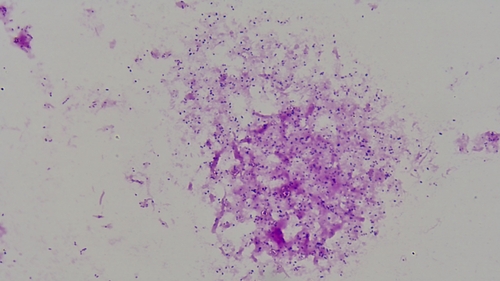
Atopobium is a genus of Actinomycetota, in the family Coriobacteriaceae. Atopobium species are anaerobic, Gram-positive rod-shaped or elliptical bacteria found as single elements or in pairs or short chains.
Mobiluncus
Mobiluncus is a genus of Gram-positive, anaerobic, rod-shaped bacteria. These bacteria may be stained either Gram-negative or Gram-variable. However, they are classified as Gram-positive rods due to the fact that they possess a Gram-positive cell wall, lack endotoxin and are sensitive to vancomycin, erythromycin and ampicillin, but resistant to colistin.
Midichloria
'"Candidatus Midichloria"' is a candidatus genus of Gram-negative, non-endospore-forming bacteria, with a bacillus shape around 0.45 μm in diameter and 1.2 μm in length. First described in 2004 with the temporary name IricES1, "Candidatus Midichloria" species are symbionts of several species of hard ticks (e.g., Ixodes ricinus and Ixodes uriae of the Ixodidae family). They live in the cells of the ovary of the females of this tick species. These bacteria have been observed in the mitochondria of the host cells, a trait that has never been described in any other symbiont of animals.
Pelomonas
Pelomonas is a genus of Gram-negative, rod-shaped, non-spore-forming bacteria from the family Comamonadaceae, which were isolated from haemodialysis water.
Porphyromonas
Porphyromonas is a Gram-negative, non-spore-forming, obligately anaerobic and non-motile genus from the family Porphyromonadaceae. There were 16 different Porphyromonas species documented as of 2015, which reside in both animal and human reservoirs. It was discovered more recently that Porphyromonas also exist in the environment, albeit to a lesser extent. This genus is notably implicated in the modulation of oral cavity, respiratory tract, and gastrointestinal tract disease states. It is suggested that Porphyromonas either operate as benign bacteria pertinent to host immunity or are potential
Peptoniphilus
Peptoniphilus is a genus of bacteria in the phylum Bacillota (Bacteria).
Thermodesulfobacterium
Thermodesulfobacterium is a genus of sulfate-reducing bacteria.
Acidaminococcus
Acidaminococcus is a genus in the phylum Bacillota (Bacteria), whose members are anaerobic diplococci that can use amino acids as the sole energy source for growth. Like other members of the class Negativicutes, they are gram-negative, despite being Bacillota, which are normally gram-positive.
Advenella
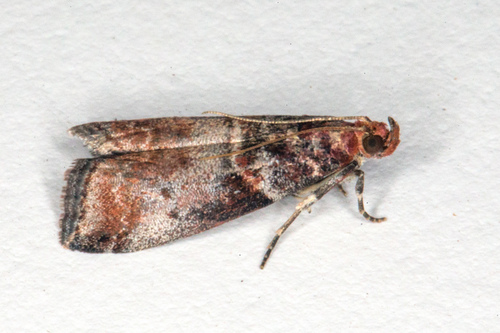
Advenella is a genus in the phylum Pseudomonadota (Bacteria). The two members of the genus Tetrathiobacter were transferred to this genus, namely Tetrathiobacter kashmirensis and Tetrathiobacter mimigardefordensis.
Bizionia
Bizionia is a strictly aerobic genus from the family of Flavobacteriaceae which produce carotenoids. Bizionia is named after Bartolomeo Bizio.
Roseobacter
Roseobacter is a genus of bacteria in the family Rhodobacteraceae. The Roseobacter clade falls within the {alpha}-3 subclass of the class Alphaproteobacteria. The first strain descriptions appeared in 1991 which described members Roseobacter litoralis and Roseobacter denitrificans, both pink-pigmented bacteriochlorophyll a-producing strains isolated from marine algae. The role members of the Roseobacter lineage play in marine biogeochemical cycles and climate change cannot be overestimated. Roseobacters make up 25% of coastal marine bacteria and members of this lineage process a significant po
Rothia
genus of bacteria
Kosakonia
Kosakonia is a genus of Gram-negative bacteria in the family Enterobacteriaceae. Members of this genus are rod-shaped, motile, and typically associated with plants. They are often isolated as endophytes or rhizosphere bacteria and have shown potential for plant growth promotion and nitrogen fixation.
Collimonas
Collimonas is a genus of bacteria in the family Oxalobacteraceae. Culturable representatives of this genus have the ability to lyse chitin, to use fungal hyphae as a source of food, to produce antifungal molecules and to weather minerals .
Cardiobacterium
Cardiobacterium is a genus of bacteria in the family Cardiobacteriaceae. These Gram-negative bacillus (rod-shaped) bacteria are commonly grouped with other bacteria into the HACEK group.
Dehalobacter
Dehalobacter is a genus in the phylum Bacillota (Bacteria).
Dokdonia
Dokdonia is a genus of bacteria in the family Flavobacteriaceae and phylum Bacteroidota.
Cedecea
Cedecea is a genus of extremely rare bacteria of the family Enterobacteriaceae. The name of this genus was derived from CDC, the abbreviation for the Centers for Disease Control where the initial members of this genus were discovered. This genus resembles no other group of Enterobacteriaceae. Cedecea bacteria are Gram-negative, bacillus in shape, motile, nonencapsulated, and non-spore-forming. The strains of Cedecea appear to be similar to those of Serratia. Both Cedecea and Serratia are lipase positive and resistant to colistin and cephalothin; however, Cedecea is unable to hydrolyze gelatin
Nakamurellaceae
The Nakamurella is a genus of bacteria.
Undibacterium
thumb|right|Drinking Water Bacteria
Undibacterium is a genus of Gram-negative, oxidase- and catalase-positive Betaproteobacteria in the Oxalobacteraceae family. Undibacterium bacteria occurs in drinking water.
Arenibacter
Arenibacter is a rod-shaped and strictly aerobic genus from the family of Flavobacteriaceae.
Rhodothermus
Rhodothermus is a genus of bacteria.
Mesorhizobium
Mesorhizobium is a genus of Gram-negative soil bacteria. At least one, the nitrogen fixing species, Mesorhizobium loti, forms symbiotic root nodules with plants in the genus Lotus. Strain MAFF303099 of M. japonicum has been fully sequenced.
Aminobacter
Aminobacter is a genus of Gram-negative soil bacteria.
Brenneria
Brenneria is a genus of Pectobacteriaceae, containing mostly pathogens of woody plants. This genus is named after the microbiologist Don J. Brenner.
Sporolactobacillus
Sporolactobacillus is a genus of anaerobic, endospore-forming, gram-positive, motile, rod-shaped, lactic acid bacteria.
Coprothermobacter
Coprothermobacter is a genus of rod-shaped microorganisms, belonging to the bacterial family Coprothermobacteraceae of the phylum Coprothermobacterota. This taxonomic genus has been reclassified in 2018, after different phylogenetic studies showed that these bacteria represented a deeply branched taxon of the domain Bacteria; consequently, the clade including this genus has been classified in a separate phylum from Firmicutes, the phylum where it was included before reclassification.
Arcobacter
Arcobacter is a genus of Gram-negative, spiral-shaped bacteria in the phylum Campylobacterota. It shows an unusually wide range of habitats, and some species can be human and animal pathogens. Species of the genus Arcobacter are found in both animal and environmental sources, making them unique among the Campylobacterota.
Methylosinus
Methylosinus is a genus of bacteria from the family of Methylocystaceae.
Anaerococcus
Anaerococcus is a genus of bacteria. Its type species is Anaerococcus prevotii. These bacteria are Gram-positive and strictly anaerobic. The genus Anaerococcus was proposed in 2001. Its genome was sequenced in August 2009. The genus Anaerococcus is one of six genera classified within the group GPAC (Gram-Positive Anaerobic Cocci). These six genera (Peptostreptococcus, Peptoniphilus, Parvimonas, Finegoldia, Murdochiella, and Anaerococcus) are found in the human body as part of the commensal human microbiota.
Desulfococcus
Desulfococcus is a Gram-negative, anaerobic and motile bacteria genus from the family Desulfococcaceae.
Sphingobacterium
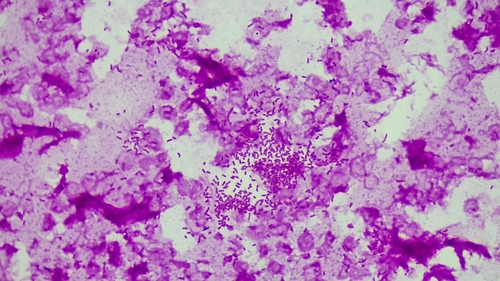
Sphingobacterium is a genus in the family Sphingobacteriaceae. The genus Sphingobacterium is characterized by the high concentrations of sphingophospholipids as lipid components.
Polynucleobacter
Polynucleobacter is a genus of bacteria, originally established by Heckmann and Schmidt (1987) to exclusively harbor obligate endosymbionts of ciliates belonging to the genus Euplotes.
Polaribacter
Polaribacter is a genus in the family Flavobacteriaceae. They are gram-negative, aerobic bacteria that can be heterotrophic, psychrophilic or mesophilic. Most species are non-motile and species range from ovoid to rod-shaped. Polaribacter forms yellow- to orange-pigmented colonies. They have been mostly adapted to cool marine ecosystems, and their optimal growth range is at a temperature between 10 and 32 °C and at a pH of 7.0 to 8.0. They are oxidase and catalase-positive and are able to grow using carbohydrates, amino acids, and organic acids.
Pasteuria
Pasteuria is a genus of mycelial and endospore-forming, nonmotile gram-positive bacteria that are obligate parasites of some nematodes and crustaceans. The genus of Pasteuria was previously classified within the family Alicyclobacillaceae, but has since been moved to the family Pasteuriaceae.
Kocuria
Kocuria is a genus of gram-positive bacteria. Kocuria is named after Miloslav Kocur, a Slovak microbiologist. It has been found in the milk of water deer and reindeer. Cells are coccoid, resembling Staphylococcus and Micrococcus, and can group in pairs, chains, tetrads, cubical arrangements of eight, or irregular clusters. They have rigid cell walls and are either aerobic or facultative anaerobic. Kocuria can usually survive in mesophilic temperatures.
Ahrensia
Ahrensia is a genus of bacteria in the order Hyphomicrobiales. Ahrensia is named after the German microbiologist R. Ahrens. The cells are rod-shaped and motile. They are strictly aerobic.
Neorickettsia
Neorickettsia is a genus of bacteria. Species or strains in this genus are coccoid or pleomorphic cells that reside in cytoplasmic vacuoles within monocytes and macrophages of dogs, horses, bats, and humans.
Amaricoccus
Amaricoccus is a genus of bacteria in the family Rhodobacteraceae.