Category
page 1Bases (chemistry)
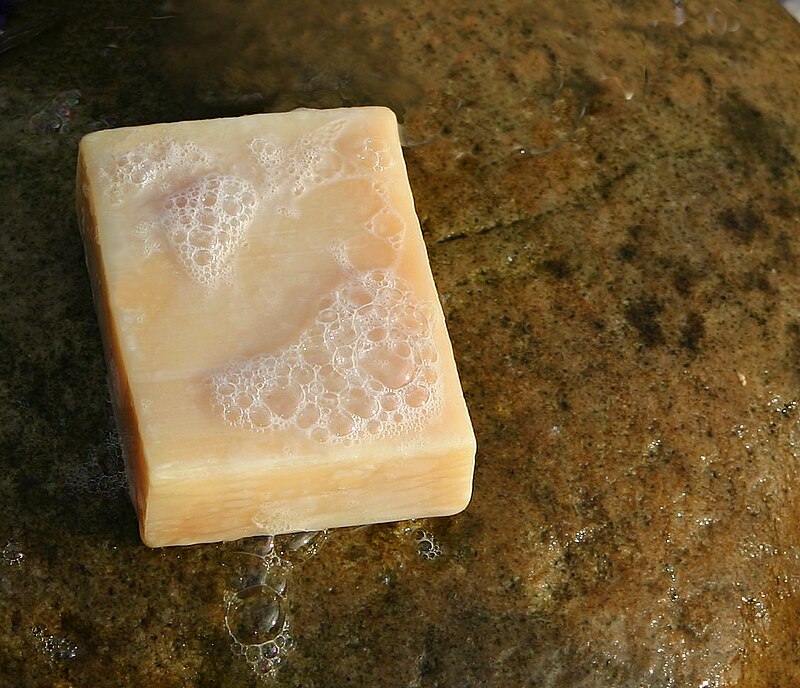
base
chemical substance that can react with an acid, accepting hydrogen ions (protons) or more generally, donating a pair of valence electrons

ammonia

sodium bicarbonate
chemical compound

calcium oxide
chemical compound

hydrazine

acid–base reaction
chemical reaction
acid dissociation constant
equilibrium constant as a measure of acid strength in solution

saponification
Saponification is a process of cleaving esters into carboxylate salts and alcohols by the action of aqueous alkali. Typically aqueous sodium hydroxide solutions are used. It is an important type of alkaline hydrolysis. When the carboxylate is a long chain, its salt is called a soap. The saponification of ethyl acetate gives sodium acetate and ethanol:

guanidine
Guanidine is the compound with the formula HNC(NH2)2. It is a colourless solid that dissolves in polar solvents. It is a strong base that is used in the production of plastics and explosives. It is found in urine predominantly in patients experiencing renal failure. A guanidine moiety also appears in larger organic molecules, including on the side chain of arginine.
Lewis acid–base theory
chemical bond theory involving the transfer of an electronic pair from the donor (the base) to the acceptor (the acid)
rubidium oxide
chemical compound

superbase
A superbase is a compound that has a particularly high affinity for protons. Superbases are of theoretical interest and potentially valuable in organic synthesis. Superbases have been described and used since the 1850s.
weak base
Base that does not dissociate completely in water
organic base
organic compound which acts as a base
methylenetriphenylphosphorane
Methylenetriphenylphosphorane is an organophosphorus compound with the formula Ph3PCH2. It is the parent member of the phosphorus ylides, popularly known as Wittig reagents. It is a highly polar, highly basic species.
free base
pure basic form of an amine, as opposed to its salt form
Schlosser's base