Category
page 1Basidiomycota genera
Puccinia
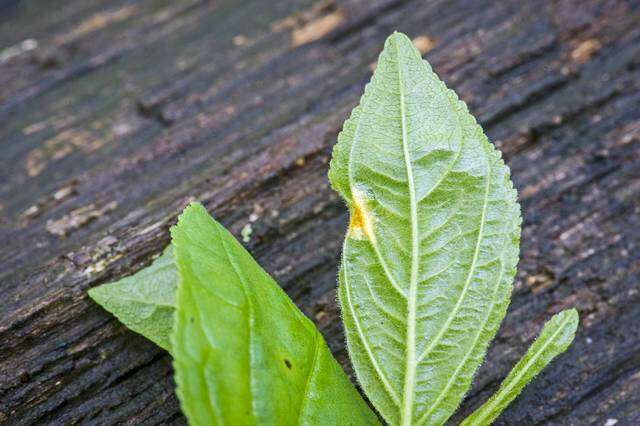
Puccinia is a genus of fungi. All species in this genus are obligate plant pathogens and are known as rusts. The genus contains about 4000 species.
Ustilago
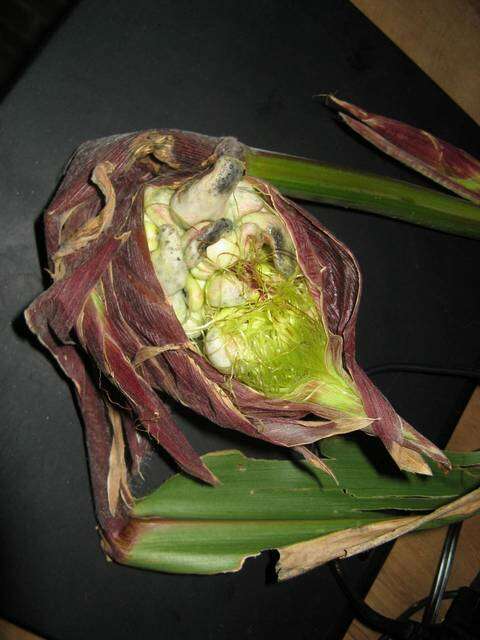
Ustilago is a genus of approximately 200 smut fungi, which are parasitic on grasses. 170 species are accepted by Wijayawardene et al. 2020; After phylogenetic research certain species in Ustilago, Macalpinomyces, and other genera in the Ustilaginaceae clade have been moved to other genera such as Mycosarcoma.

Cryptococcus
Cryptococcus (from Ancient Greek κρυπτός (kruptós), meaning "hidden", and κόκκος (kókkos), meaning "grain") is a genus of fungi in the family Cryptococcaceae that includes both yeasts and filamentous species. The filamentous, sexual forms or teleomorphs were formerly classified in the genus Filobasidiella, while Cryptococcus was reserved for the yeasts. Most yeast species formerly referred to Cryptococcus have now been placed in different genera. Some Cryptococcus species cause a disease called cryptococcosis.
Uromyces
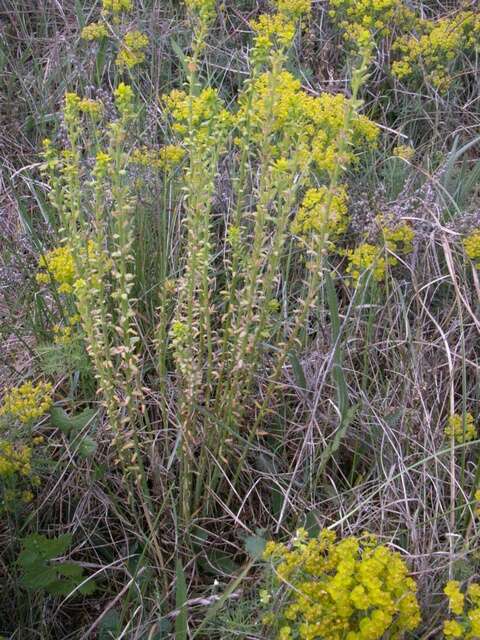
Uromyces is a genus of rust fungi in the family Pucciniaceae. The genus was described by Franz Unger in his 1833 work Die Exantheme der Pflanzen. They have a worldwide distribution but large occurrences happen in North America and Europe.

Malassezia
Malassezia is a genus of fungi (specifically, a yeast belonging to the division Basidiomycota).

Gymnosporangium
Gymnosporangium is a genus of heteroecious plant-pathogenic fungi which alternately infect members of the family Cupressaceae, primarily species in the genus Juniperus (junipers), and members of the family Rosaceae in the subfamily Amygdaloideae (apples, pears, quinces, shadbush, hawthorns, rowans and their relatives). The common name cedar-apple rusts has been used for these fungi. According to the Dictionary of the Fungi (10th edition, 2008), there were 57 species in the genus. In 2023, Species Fungorum lists up to 74 species.

Cronartium
Cronartium is a genus of rust fungi in the family Cronartiaceae.
Phragmidium
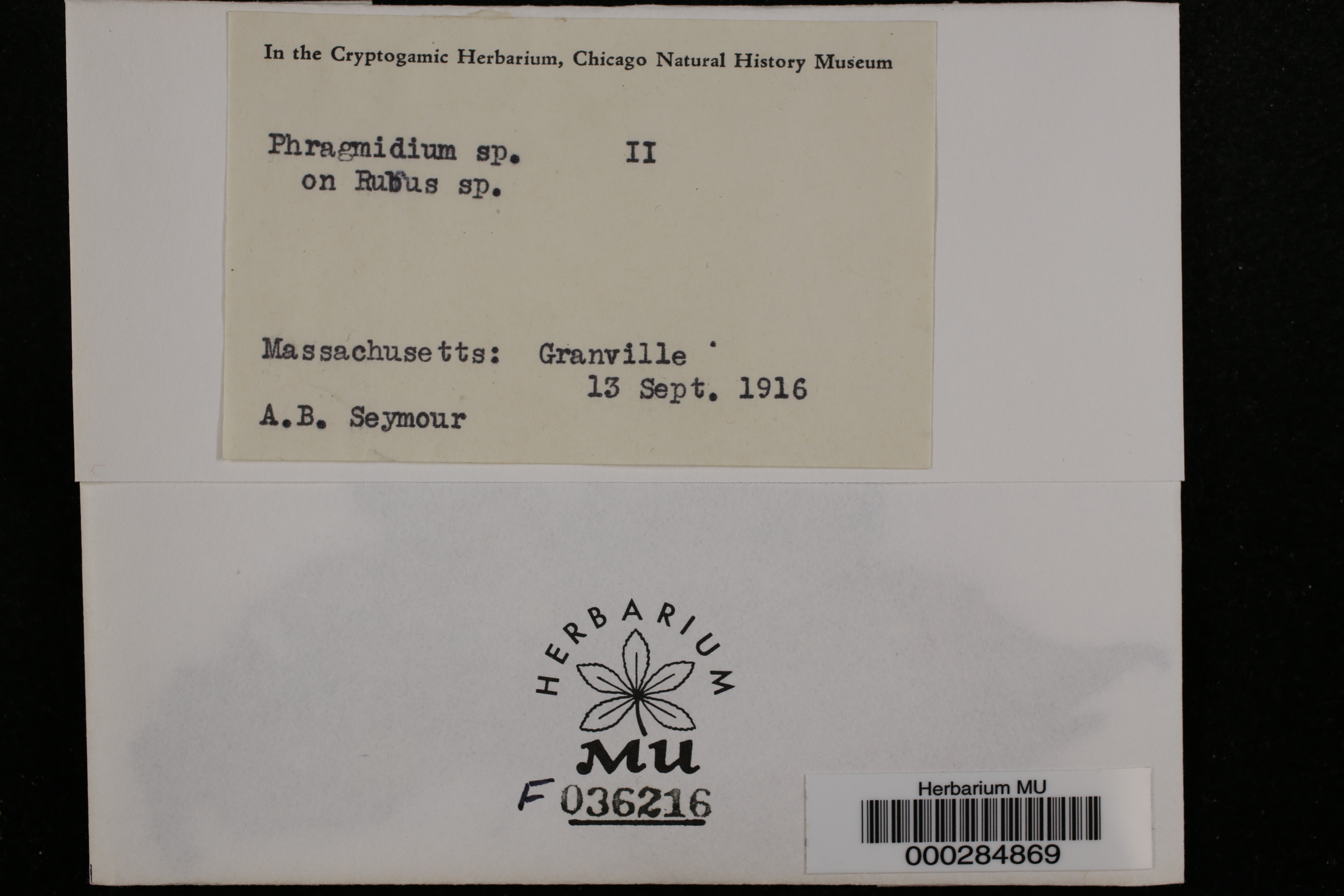
Phragmidium is a genus of rust fungus that typically infects plant species in the family Rosaceae. It is characterised by having stalked teliospores borne on telia each having a row of four or more cells. All species have a caeoma which is a diffuse aecidium lacking a peridium.
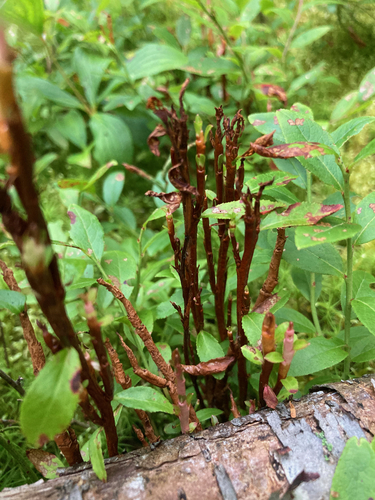
Pucciniastrum
Pucciniastrum is a genus of Basidiomycota fungi. Pucciniastrum species, like all rust fungi, are obligate plant parasites.
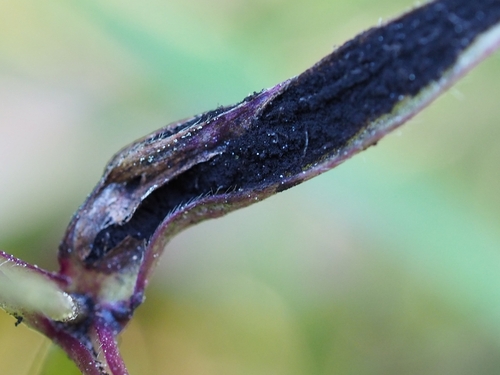
Urocystis
Urocystis is a genus of smut fungi containing plant pathogens, which infect grass species and other plants.
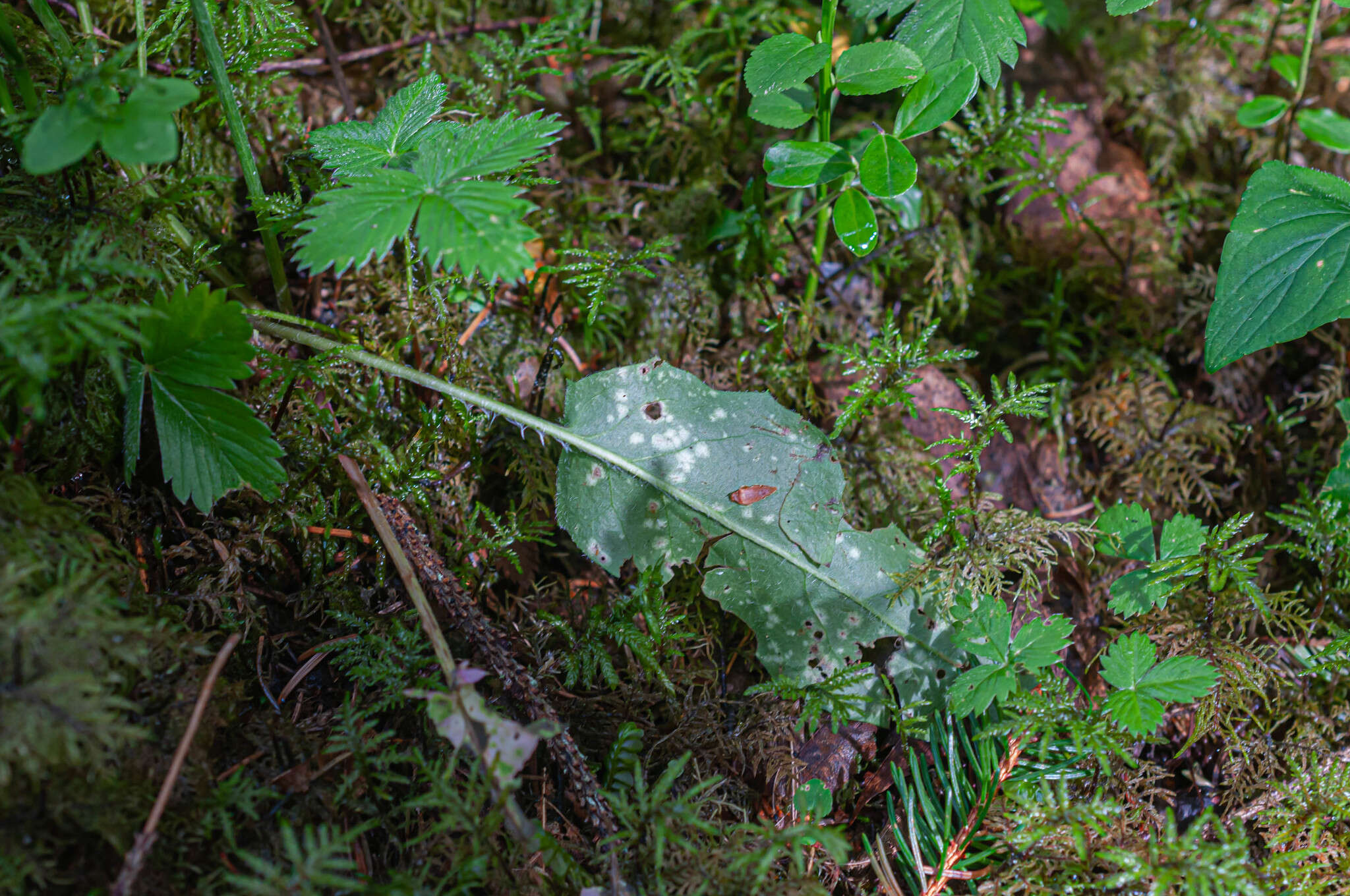
Entyloma
Entyloma is a genus of smut fungi in the family Entylomataceae. The genus was described by Anton de Bary in 1874. A 2008 estimates places about 180 species in the genus. The anamorph form of Entyloma is Entylomella.

Rhodotorula
thumb|.Rhodotorula mucilaginosa cells, Methylene blue stain, magnification 400x

Sporobolomyces
Sporobolomyces is a genus of fungi in the subdivision Pucciniomycotina. It is also known as "mirror yeast", due to its forceful ejection of its spores, which can create a "mirror image" of a growing colony when grown between two opposing agar surfaces.
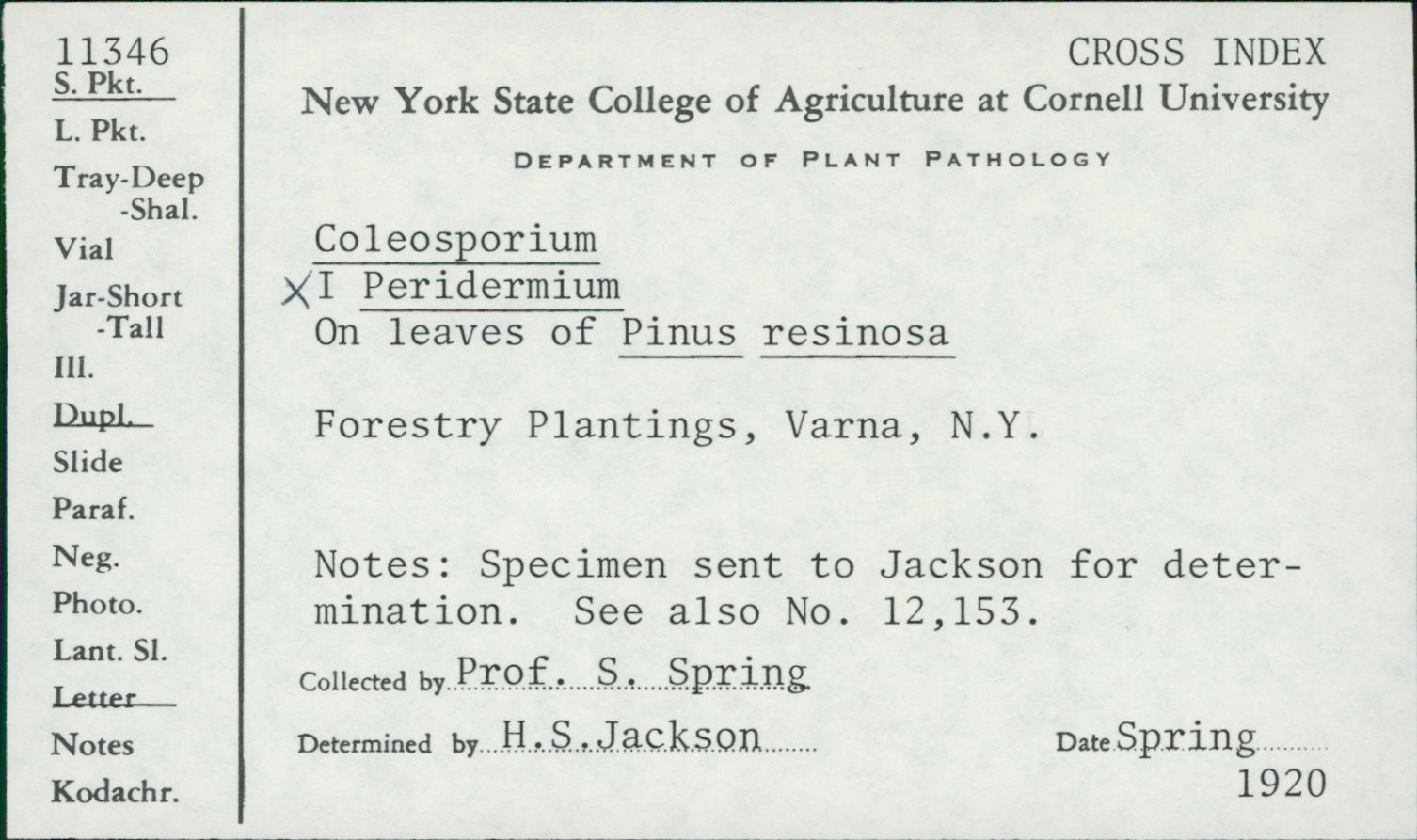
Coleosporium
Coleosporium is a genus of rust fungi in the family Coleosporiaceae. The genus contains about 100 species. The aecial stages are parasitic on Pinus spp., and the telial stages on a wide range of angiosperms.

Plicaturopsis
Plicaturopsis is a genus of fungi in the family Amylocorticiaceae. The genus was circumscribed by English mycologist Derek Reid in 1964. In 2023 P. scarlatina was reclassified to Phlebia making P. crispa the only described species in the genus.
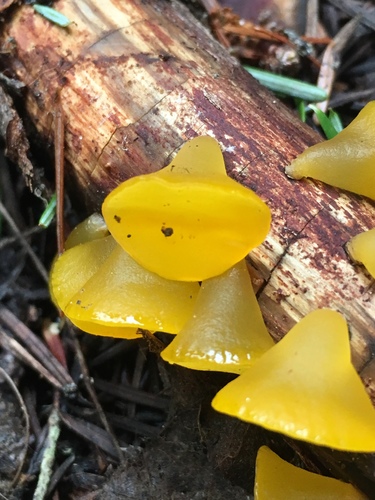
Guepiniopsis
Guepiniopsis is a genus of fungi in the family Dacrymycetaceae. The genus contains about seven widely distributed species. Guepiniopsis was circumscribed by Narcisse Théophile Patouillard in 1883.
Moniliella
Moniliella is a genus of fungi in the subdivision Ustilaginomycotina. It is in the monotypic family Moniliellaceae , which is in the monotypic order Moniliellales which is in the monotypic class Moniliellomycetes .

Microbotryum
Microbotryum is a genus of smut fungi found in the family Microbotryaceae. It contains about 89 species, which are parasites of plants.
%20Pat%20205222.jpg)
Helicobasidium
Helicobasidium is a genus of fungi in the subdivision Pucciniomycotina. Basidiocarps (fruit bodies) are corticioid (patch-forming) and are typically violet to purple. Microscopically they have auricularioid (laterally septate) basidia. Asexual anamorphs, formerly referred to the genus Thanatophytum, produce sclerotia. Conidia-bearing anamorphs are parasitic on rust fungi and are currently still referred to the genus Tuberculina.
Cerinomyces
Cerinomyces is a genus of fungi in the order Dacrymycetales. Species are saprotrophs and occur on dead wood. As originally conceived, the genus comprised species of the Dacrymycetes having effused, corticioid basidiocarps (fruit bodies). Molecular research, based on cladistic analysis of DNA sequences, has however shown that this circumscription is not valid. As a result, the genus now contains some (but not all) species having corticioid basidiocarps and some additional species (previously referred to Dacrymyces) with gelatinous, pustular basidiocarps. Around 30 species have been described wo

Helicogloea
Helicogloea is a genus of fungi in the family Phleogenaceae. Basidiocarps (fruit bodies) are gelatinous, effused or pustular, and (microscopically) have unclamped hyphae and basidia that are auricularioid (tubular and laterally septate). Some species form asexual anamorphs producing conidia. The widespread genus contains more than 20 species.
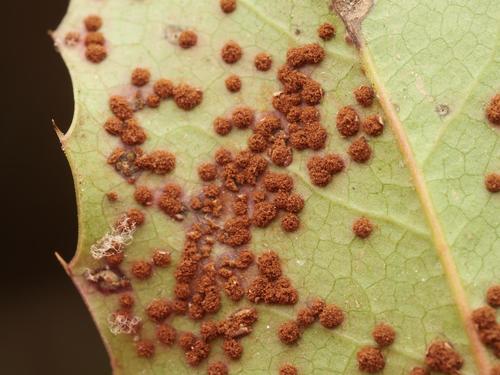
Cumminsiella
Cumminsiella is a genus of fungi belonging to the family Pucciniaceae.
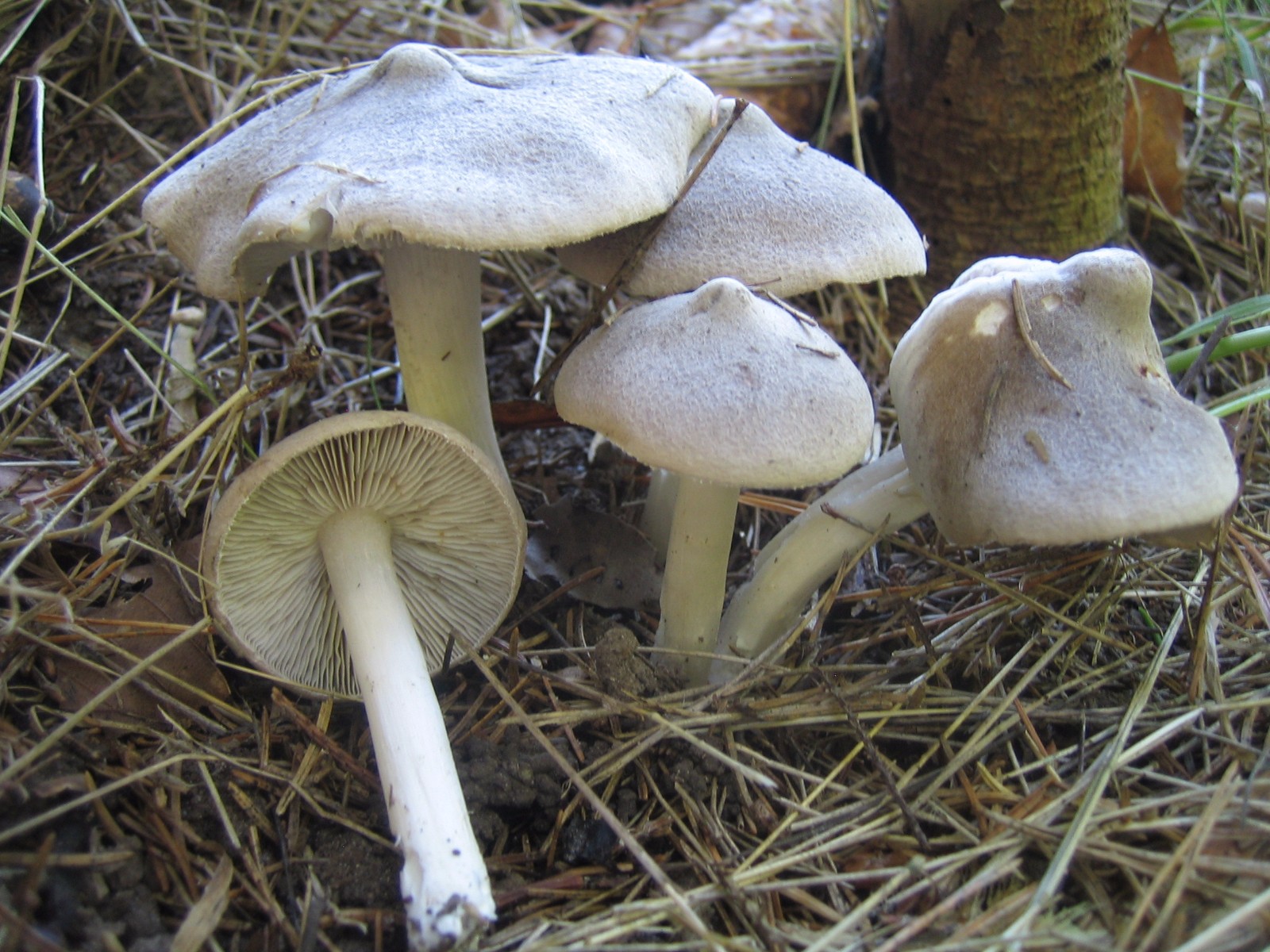
Ditiola
Ditiola is a genus of fungi in the family Dacrymycetaceae. The genus contains about 10 widely distributed species. Ditiola was circumscribed by Elias Fries in 1822.

Syzygospora
Syzygospora is a genus of fungi in the family Filobasidiaceae. Circumscribed by the American mycologist George Willard Martin in 1937, the genus is characterized by its gelatinous fruiting bodies that often form galls on host organisms. Syzygospora species possess distinctive features such as thin-walled hyphae with clamp connections, haustorial branches, and a hymenium containing probasidia that develop into elongated, club-shaped basidia. The genus has undergone taxonomic revisions, including the synonymization of Christiansenia and the transfer of some lichenicolous (lichen-dwelling) specie
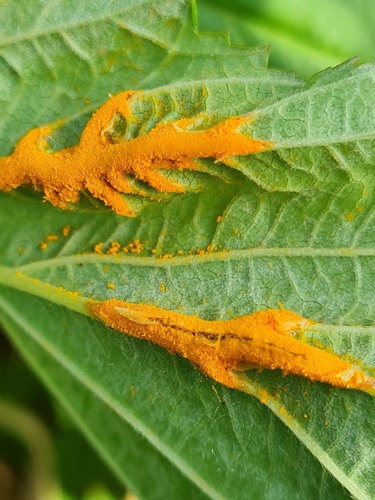
Triphragmium
Triphragmium is a genus of fungi belonging to the family Phragmidiaceae.
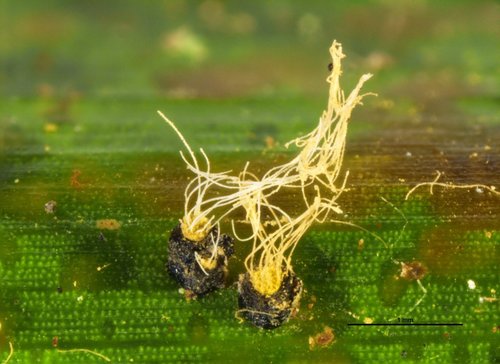
Graphiola
Graphiola is a genus of fungi belonging to the family Graphiolaceae.
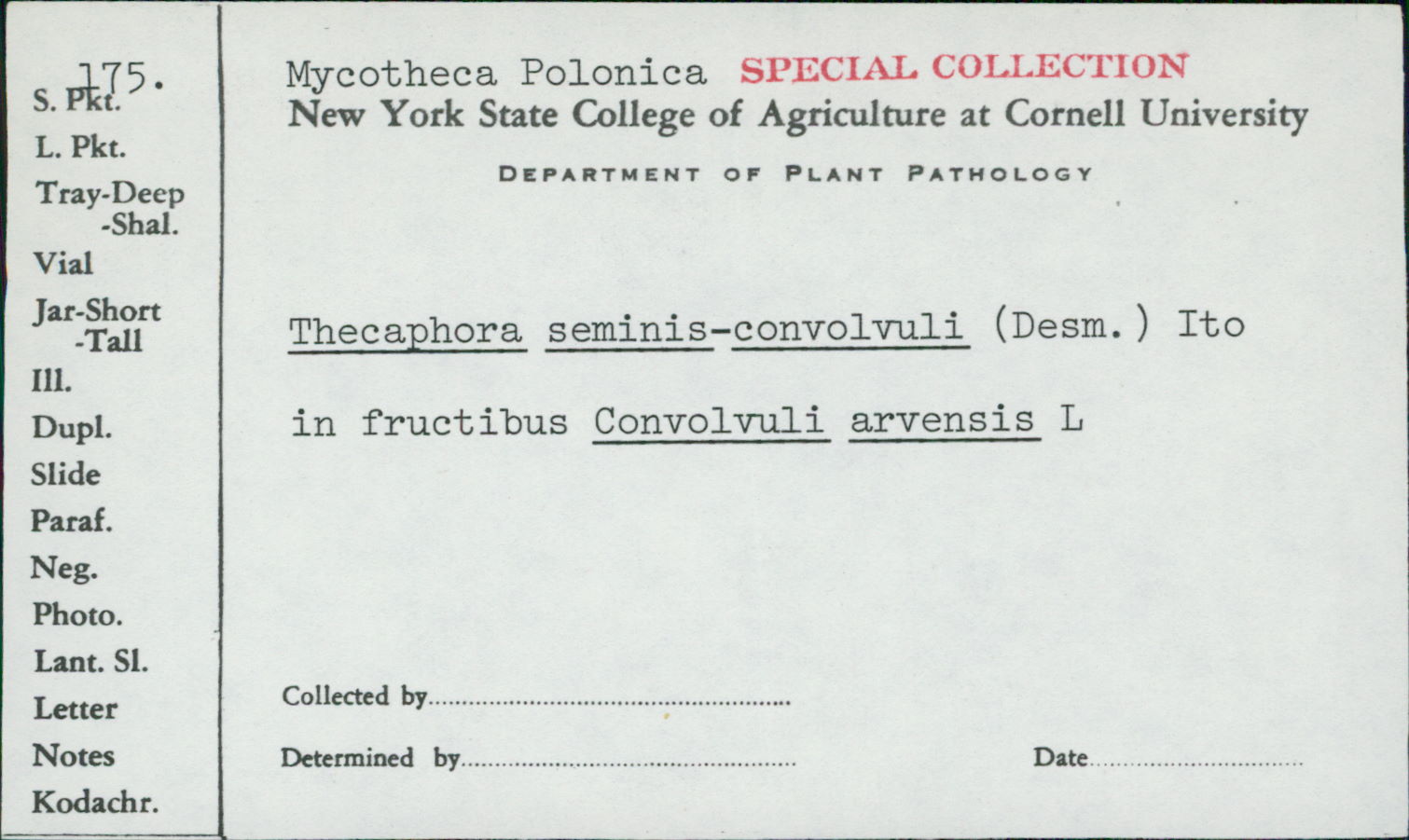
Thecaphora
Thecaphora was also proposed for the order of cnidarians usually known as Leptomedusae.

Ochropsora
Ochropsora is a genus of fungi belonging to the family Uropyxidaceae.
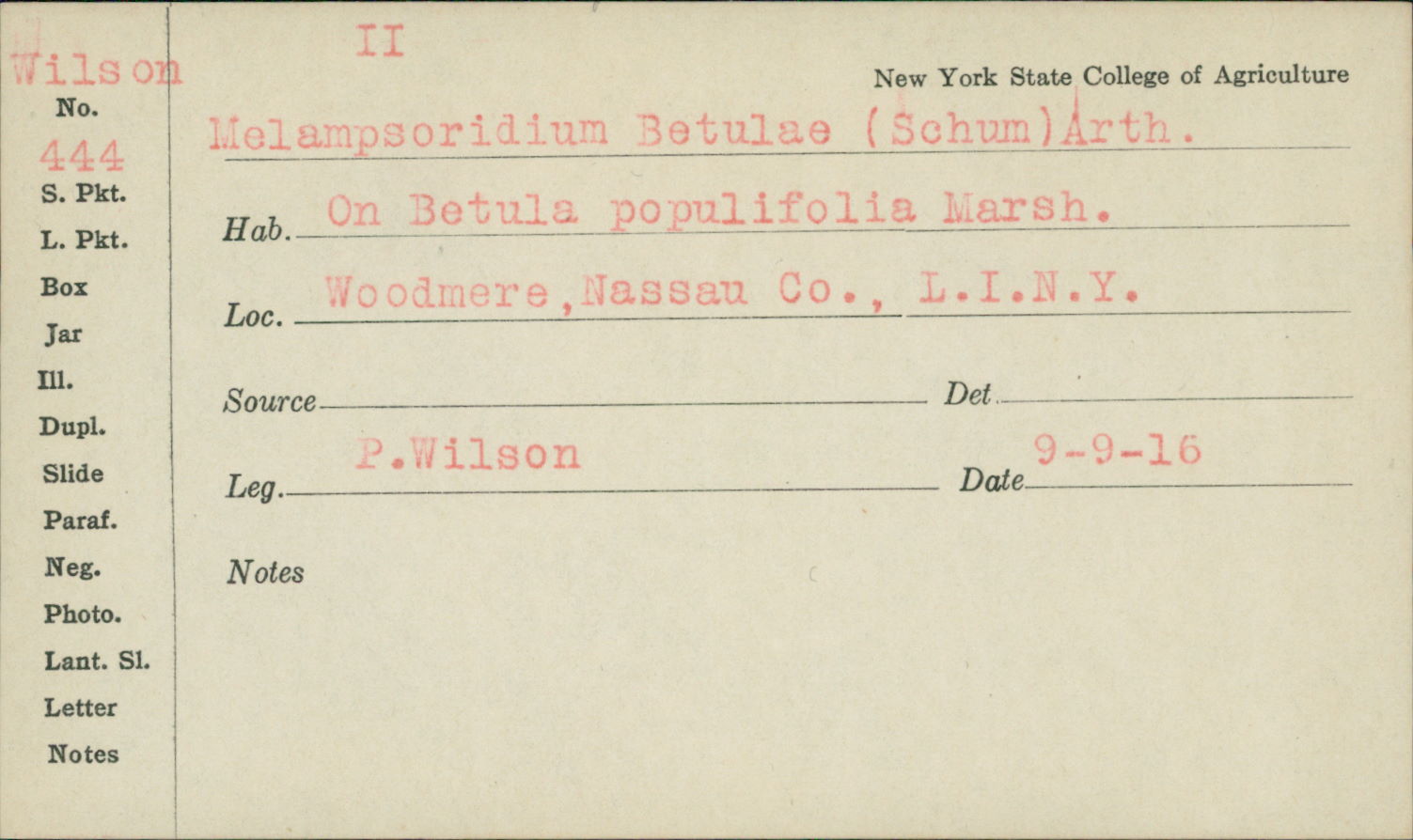
Melampsoridium
Melampsoridium is a genus of fungi belonging to the family Pucciniastraceae.

Tuberculina
Tuberculina is a genus of fungi in the order Helicobasidiales. The genus is a synonym of Helicobasidium, but currently species have not yet been assigned to the latter genus. Tuberculina species are conidia-bearing parasites of rust fungi, forming felt-like, purple patches on their hosts.
Arthuriomyces
Arthuriomyces is a genus of rust fungi in the family Phragmidiaceae. The genus contains three species that are found in North America, Russia, China, and Japan. The genus is named in honor of American botanist Joseph Charles Arthur, noted for his research on rust fungi.

Gerwasia
Gerwasia is a genus of rust fungi in the family Phragmidiaceae. Species in the genus grow on Rubus and Rosa plants.

Doassansia
Doassansia is a genus of fungi belonging to the family Doassansiaceae.
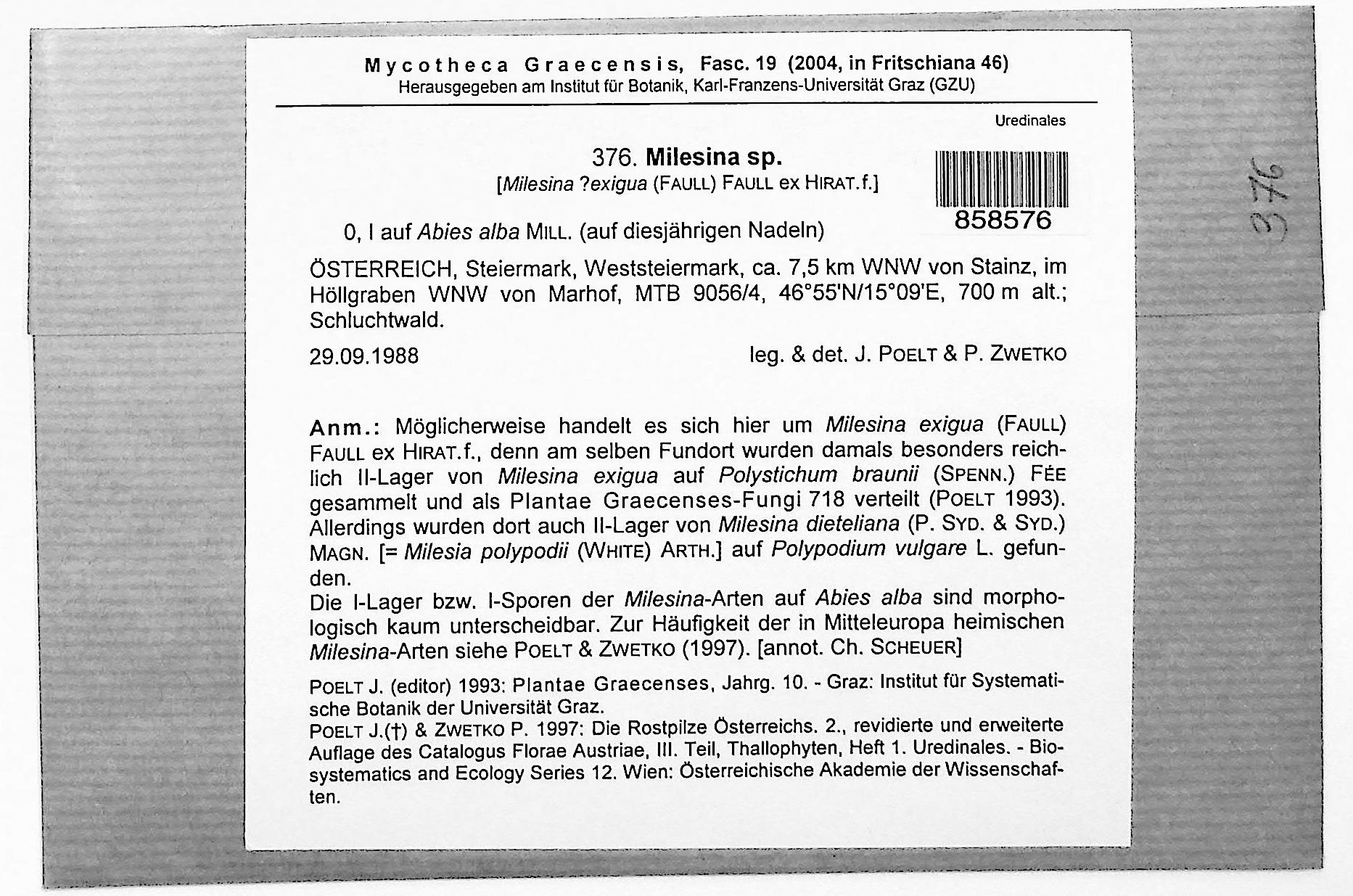
Milesina
genus of fungi
Frommeëlla
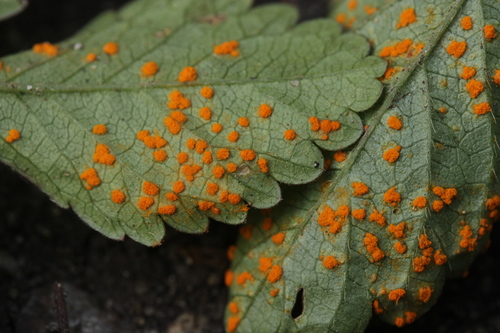
Frommeella (Frommeëlla) is a genus of rust fungi in the family Phragmidiaceae. The widespread genus contains two species.

Atractiella
Atractiella is a genus of fungi in the family Hoehnelomycetaceae. The widespread genus contains seven species. Basidiocarps (fruit bodies) are minute and stilboid (pin-shaped) Microscopically they produce auricularioid (laterally septate) basidia. Molecular research, based on cladistic analysis of DNA sequences, has shown that the genus is monophyletic (a natural grouping).
Anthracoidea
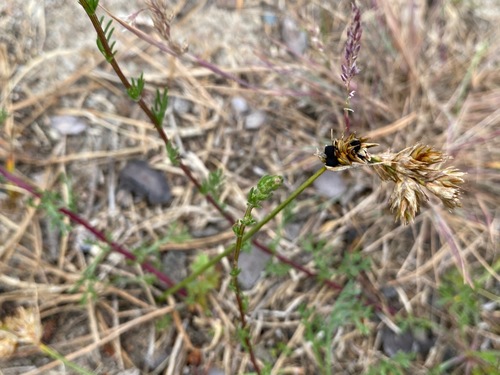
Anthracoidea is a genus of smut fungi belonging to the family Anthracoideaceae.

Gymnoconia
thumb|250px|Gymnoconia on Rubus ursinus, at Wildcat Canyon in Alameda County, CA.
Melampsorella
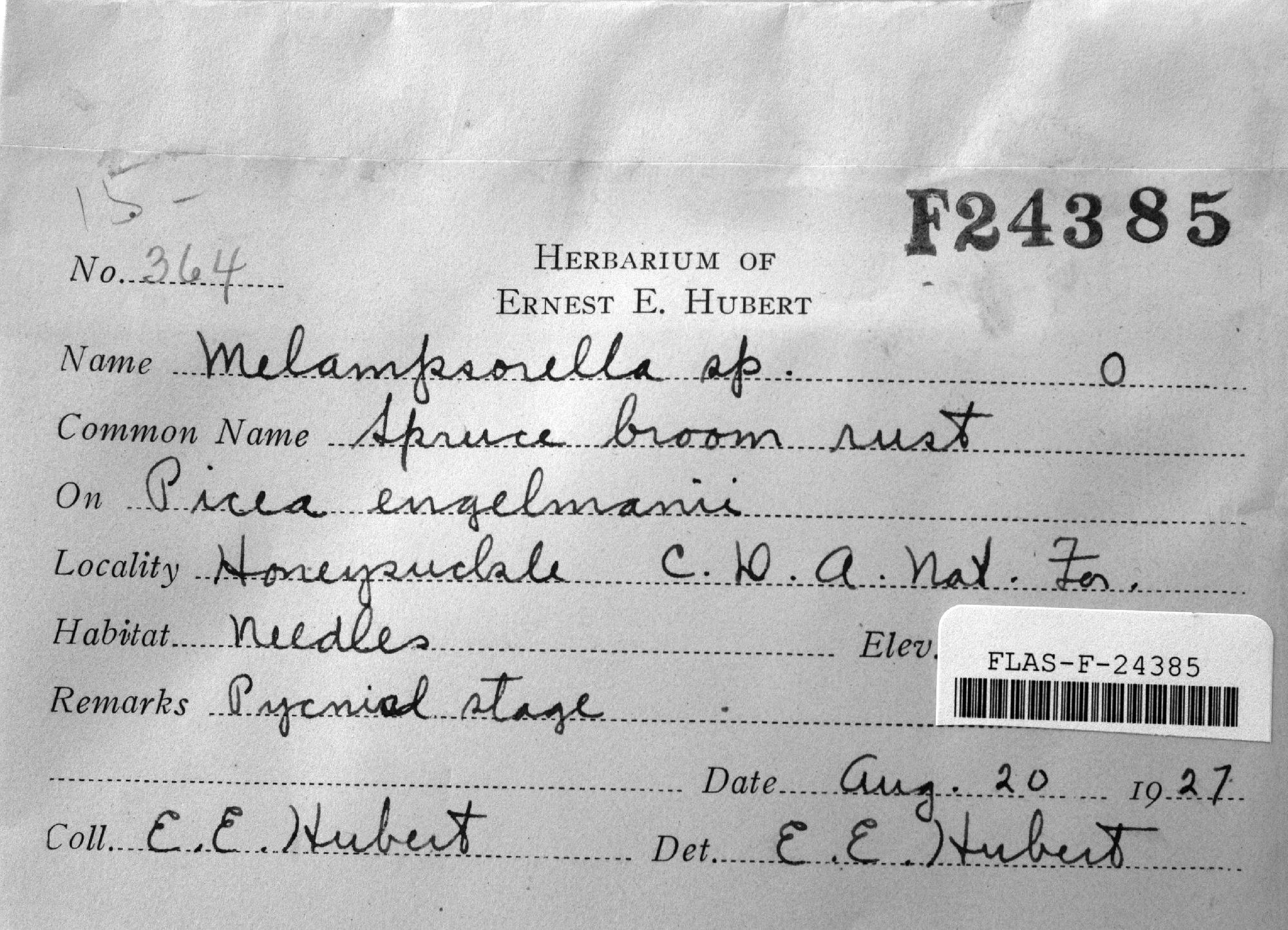
Melampsorella is a genus of plant pathogenic fungi belonging to the family Pucciniastraceae.

Bullera
Bullera is a genus of fungi in the family Bulleraceae. The genus, which comprises both anamorphic and teleomorphic forms, formerly contained some 35 species. Molecular research, based on cladistic analysis of DNA sequences, has however assigned most of these species elsewhere and reduced the genus Bullera to just four species. Anamorphic forms are yeasts; teleomorphic forms (formerly referred to Bulleromyces) produce septate basidia resembling those of Tremella species, but are not known to produce basidiocarps (fruit bodies).
Alloclavaria
Alloclavaria is a clavarioid genus in the Hymenochaetales recently segregated from Clavaria by molecular analysis. Phylogenetically related fungi are in the agaricoid genera Rickenella, Contumyces, Gyroflexus, Loreleia, Cantharellopsis and Blasiphalia, as well as the stipitate stereoid genera Cotylidia and Muscinupta. The only species as yet placed in Alloclavaria is the type, formerly known as Clavaria purpurea under which name it is often cited or illustrated.. It is suspected, via circumstantial evidence, i.e. habitat, but not proven, that Alloclavaria is mycorrhizal.
Caeoma
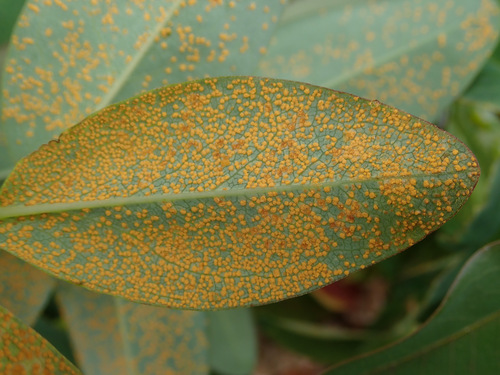
Caeoma is a genus of rust fungi.

Phaeotremella
Phaeotremella is a genus of fungi in the family Phaeotremellaceae. All Phaeotremella species are parasites of other fungi and produce anamorphic yeast states. Basidiocarps (fruit bodies), when produced, are gelatinous and are colloquially classed among the "jelly fungi". Fifteen or so species of Phaeotremella are currently recognized worldwide. Tremella sanguinea, shown to be a Phaeotremella species by DNA sequencing, is cultivated in China as an ingredient in traditional Chinese medicine.
Bauerago
Bauerago is a genus of fungi found in the family Microbotryaceae. It contained 9 species before being reduced to 5 species.

Uromycladium
Uromycladium is a genus of rust fungi in the family Pileolariaceae. It was circumscribed by mycologist Daniel McAlpine in 1905. The genus was established by McAlpine for rusts on Acacia (Fabaceae, subfamily Mimosoideae) with teliospores that clustered at the top of a pedicel.
Filobasidium
Filobasidium is a genus of fungi in the family Filobasidiaceae. Most species are only known from their yeast states, but some produce hyphae with haustorial cells, indicating that they are parasites of other fungi. Basidia are tubular with terminal, sessile basidiospores. Basidiocarps (fruit bodies) are not formed.
Jamesdicksonia
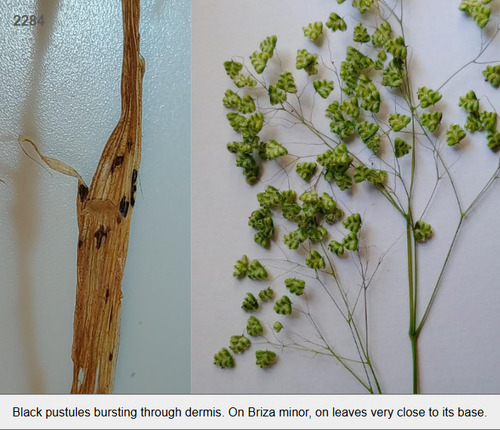
Jamesdicksonia is a genus of fungi belonging to the family Georgefischeriaceae.
Farysia
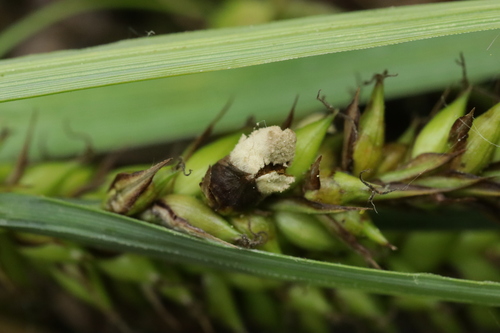
Farysia is a genus of fungi belonging to the family Anthracoideaceae.
Dicellomyces
Dicellomyces is a genus of fungi belonging to the family Brachybasidiaceae.
Hemileia
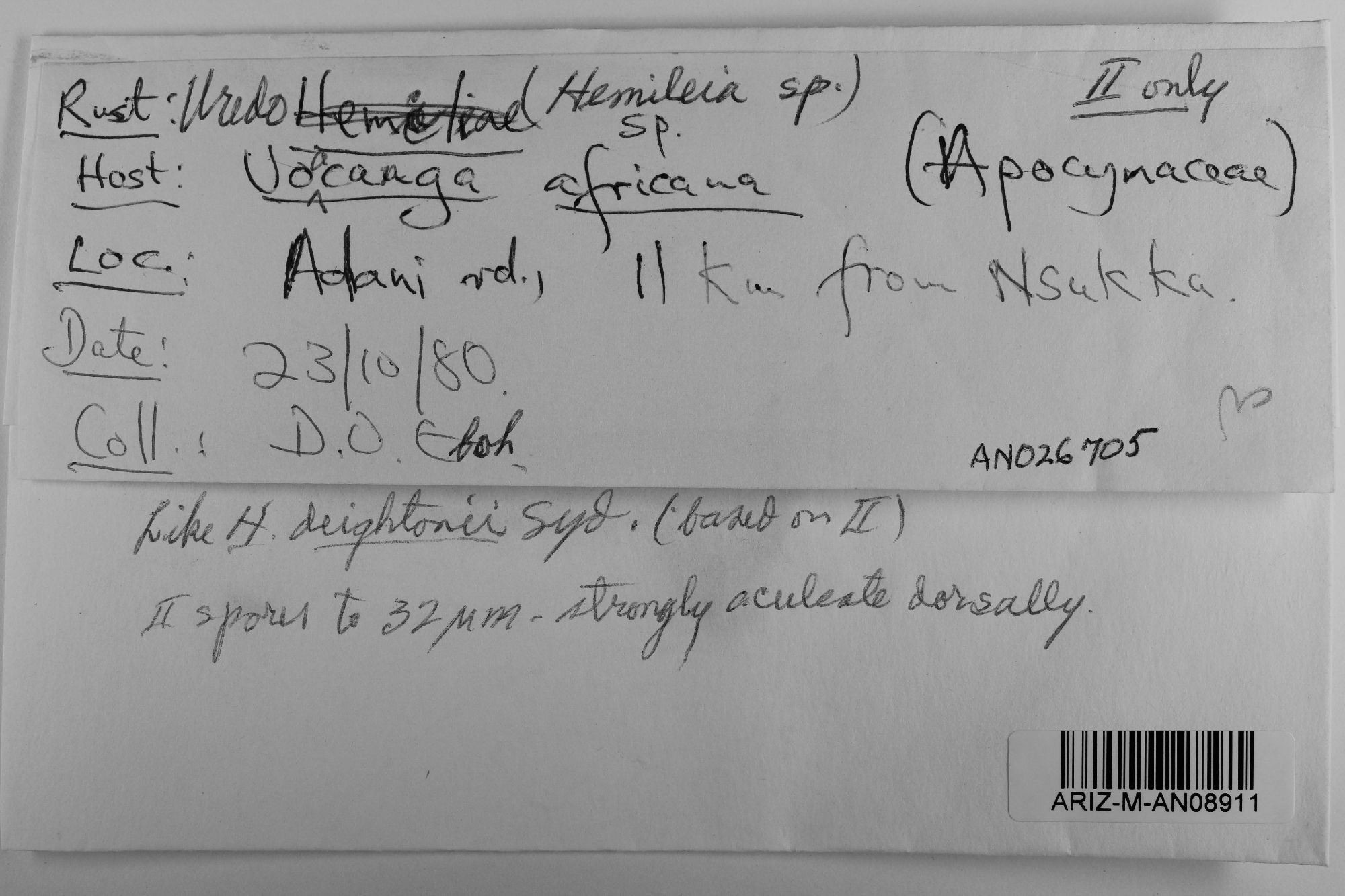
Hemileia is a genus of rust fungi, now placed in the family Zaghouaniaceae, but long considered incertae sedis in the order Pucciniales. This genus has a pan-tropical distribution and includes important crop plant pathogens, such as the causative organism of coffee leaf rust.
Aurantiosporium
Aurantiosporium is a genus of fungi found in the family Microbotryaceae. It contains 5 species.
Cystobasidium
Cystobasidium is a genus of fungi in the order Cystobasidiales. The type species is a fungal parasite forming small gelatinous basidiocarps (fruit bodies) on various ascomycetous fungi (including Lasiobolus and Thelebolus spp) on dung. Microscopically, it has auricularioid (laterally septate) basidia producing basidiospores that germinate by budding off yeast cells. Other species are known only from their yeast states. The yeasts Cystobasidium minutum and C. calyptogenae are rare but known human pathogens.
Antherospora
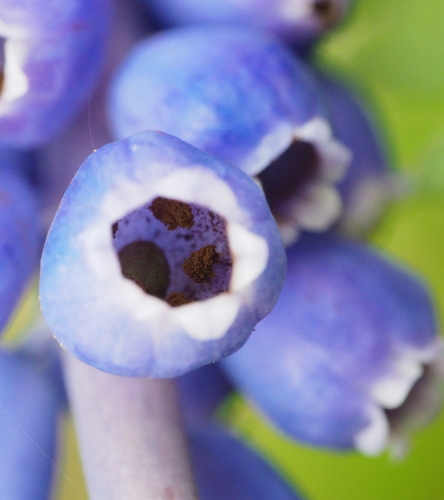
Antherospora is a genus of fungal plant pathogens. They are smut fungi parasitising plants in the Scilloideae.

Hyalopsora
Hyalopsora is a genus of fungi belonging to the family Pucciniastraceae.
Quambalaria
The Quambalariaceae are a family of fungi in the class Exobasidiomycetes. The family contains the single genus Quambalaria, which in turn contains nine species. Quambalaria was circumscribed in 2000 to accommodate plant pathogenic species—previously classified in Ramularia and Sporothrix—that were known to infect Corymbia trees in Australia, causing a leaf spot and shoot blight and canker disease.
Conidiosporomyces
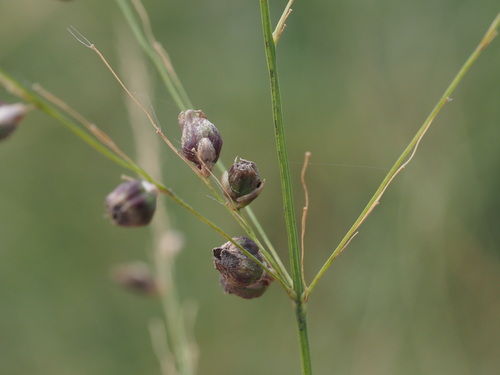
Conidiosporomyces is a genus of fungi in the smut family Tilletiaceae. The genus was described in 1992 to accommodate the species formerly known as Tilletia ayresii, first described by British naturalist Miles Joseph Berkeley in 1899. The species C. verruculosus (formerly Ustilago verruculosa) was described in 1993. Species in the genus are plant pathogens that affect various grasses.
Pachnocybe
The Pachnocybe are a genus of fungi, within the monotypic family of Pachnocybaceae , and within the monotypic order of Pachnocybales, within the class Pucciniomycetes. They are parasitic on plants or saprobic on rotten wood.
Ustilentyloma
Ustilentyloma is a genus of fungi found in the family Ustilentylomataceae.
Doassansiopsis
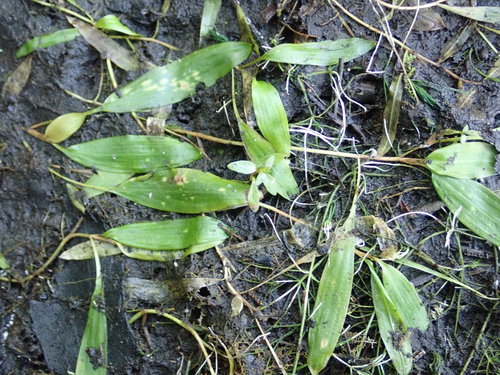
Doassansiopsis is a genus of smut fungi belonging to the monotypic family Doassansiopsidaceae , within the class Ustilaginomycetes and order Urocystidales.
Mrakia
Mrakia is a genus of fungi in the order Cystofilobasidiales. The genus comprises yeasts, some of which have a hyphal state forming teliospores from which basidia arise. Mrakia species are typically psychrophilic, many originally isolated from glaciers and frigid environments, and are capable of low-temperature fermentation, making them of potential interest in brewing and bioremediation.