Category
page 1Basidiomycota orders

Agaricales
The Agaricales are an order of fungi in the division Basidiomycota. As originally conceived, the order contained all the agarics (gilled mushrooms), but subsequent research has shown that not all agarics are closely related and some belong in other orders, such as the Russulales and Boletales. Conversely, DNA research has also shown that many non-agarics, including some of the clavarioid fungi (clubs and corals) and gasteroid fungi (puffballs and false truffles) belong within the Agaricales. The order has 46 extant families, more than 400 genera, and over 25,000 described species, along with s

Boletales
The Boletales are an order of Agaricomycetes containing over 1300 species with a diverse array of fruiting body types. The boletes are the best known members of this group, and until recently, the Boletales were thought to only contain boletes. The Boletales are now known to contain distinct groups of agarics, puffballs, and other fruiting-body types.
Russulales
The Russulales are an order of the Agaricomycetes, (which include the agaric genera Russula and Lactarius and their polyporoid and corticioid relatives). Based on 2025 data, the order includes 12 families, 102 genera and approximately 3.400 species.

Polyporales
The Polyporales are an order of about 1,800 species of fungi in the division Basidiomycota. The order includes some (but not all) polypores as well as many corticioid fungi and a few agarics (mainly in the genus Lentinus). Many species within the order are saprotrophic, most of them wood-rotters. Some genera, such as Ganoderma and Fomes, contain species that attack living tissues and then continue to degrade the wood of their dead hosts. Those of economic importance include several important pathogens of trees and a few species that cause damage by rotting structural timber. Some of the Polypo
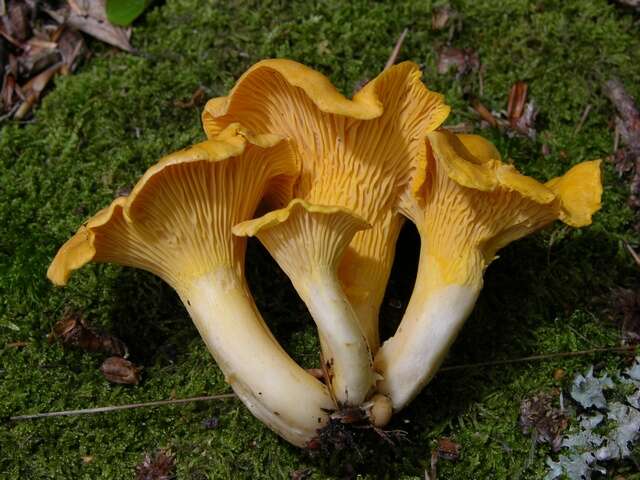
Cantharellales
The Cantharellales are an order of fungi in the class Agaricomycetes. The order includes not only the chanterelles (Cantharellaceae), but also some of the tooth fungi (Hydnaceae), clavarioid fungi (Aphelariaceae and Clavulinaceae), and corticioid fungi (Botryobasidiaceae). Species within the order are variously ectomycorrhizal, saprotrophic, associated with orchids, or facultative plant pathogens. Those of economic importance include edible and commercially collected Cantharellus, Craterellus, and Hydnum species as well as crop pathogens in the genera Ceratobasidium and Thanatephorus/Rhizocton
Ustilaginales
The Ustilaginales are an order of fungi within the class Ustilaginomycetes. The order contained 8 families, 49 genera, and 851 species in 2008.

Phallales
The Phallales are an order of fungi in the subclass Phallomycetidae.
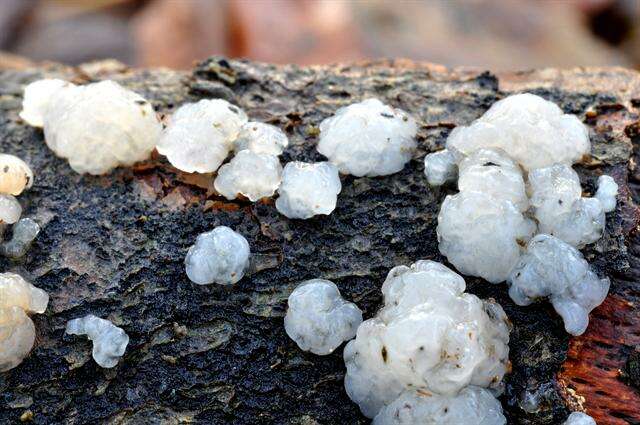
Tremellales
The Tremellales are an order of fungi in the class Tremellomycetes. The order contains both teleomorphic and anamorphic species, most of the latter being yeasts. All teleomorphic species in the Tremellales are parasites of other fungi, though the yeast states are widespread and not restricted to hosts. Basidiocarps (fruit bodies), when produced, are gelatinous.
Auriculariales
The Auriculariales are an order of fungi in the class Agaricomycetes. Species within the order were formerly referred to the "heterobasidiomycetes" or "jelly fungi", since many have gelatinous basidiocarps (fruit bodies) that produce spores on septate basidia. Around 200 species are known worldwide, placed in six or more families, though the status of these families is currently uncertain. All species in the Auriculariales are believed to be saprotrophic, most growing on dead wood. Fruit bodies of several Auricularia species are cultivated for food on a commercial scale, especially in China.
Gomphales
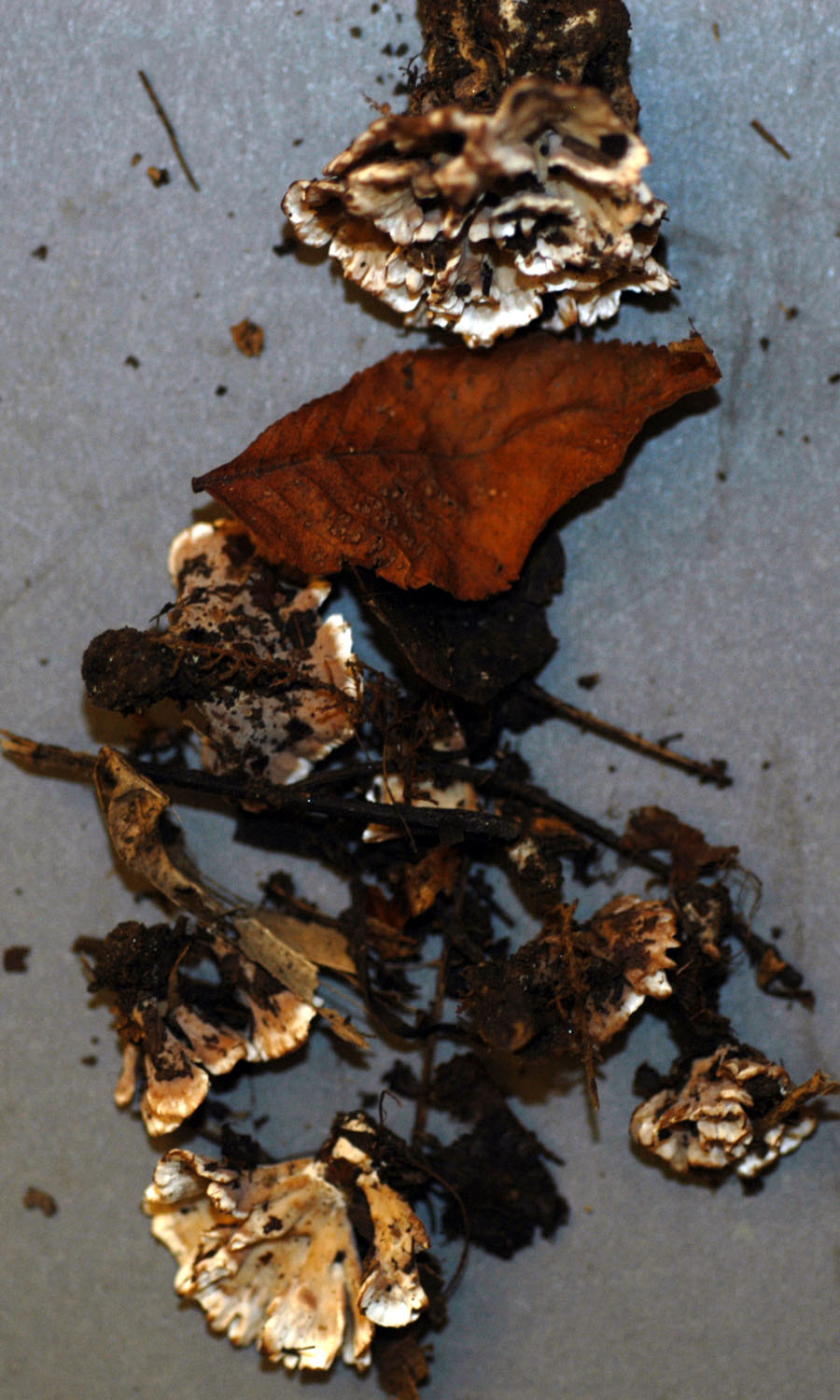
The Gomphales are an order of basidiomycete fungi. Some or all families belonging to Gomphales have been sometimes included in the order Phallales (and vice versa - they are also sometimes treated as synonyms), the now-obsolete Ramariaceae was also previously included in Cantharellales. Recent phylogenetic analyses include in Gomphales the families of the original description of the order by Walter Jülich, with addition of Clavariadelphaceae. According to one 2008 estimate, the Gomphales contain 18 genera and 336 species.
Hymenochaetales
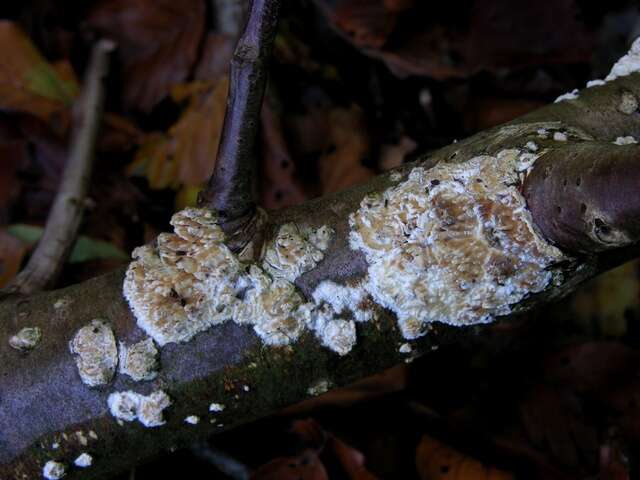
The Hymenochaetales are an order of fungi in the class Agaricomycetes. The order in its current sense is based on molecular research and not on any unifying morphological characteristics. According to one 2008 estimate, the Hymenochaetales contain around 600 species worldwide, mostly corticioid fungi and poroid fungi, but also including several clavarioid fungi and agarics. Species of economic importance include wood decay fungi in the genera Phellinus and Inonotus sensu lato, some of which may cause losses in forestry. Therapeutic properties are claimed for Inonotus obliquus ("chaga") and Phe
Thelephorales
The Thelephorales are an order of fungi in the class Agaricomycetes. The order includes corticioid and hydnoid fungi, together with a few polypores and clavarioid species. Most fungi within the Thelephorales are ectomycorrhizal. None is of any great economic importance, though Sarcodon imbricatus is edible and commercially marketed, whilst several species have been used for craft dyeing.
Exobasidiales
The Exobasidiales are an order of fungi in the class Exobasidiomycetes. The order consists of four families as well as one genus, Cladosterigma, not assigned to any family.
Hysterangiales
The Hysterangiales are an order of fungi in the class Agaricomycetes, subclass Phallomycetidae. According to one 2008 estimate, the order contains five families, 18 genera, and 114 species.
Geastrales
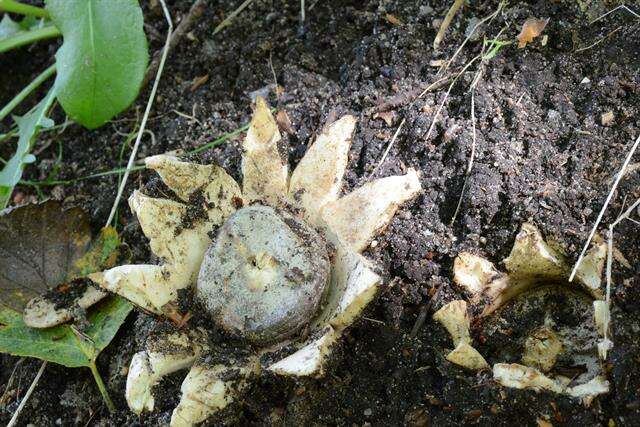
The Geastrales are an order of gasterocarpic basidiomycetes (fungi) that are related to the Gomphales. The order contains the families Geastraceae—which include the "earthstars" formerly placed in Lycoperdales or Phallales,—and also Schenellaceae, Sclerogastraceae and Sphaerobolaceae.
Sebacinales
The Sebacinales are an order of fungi in the class Agaricomycetes. Taxa have a widespread distribution and are mostly terrestrial, many forming mycorrhizas with a wide variety of plants, including orchids.
Urocystidales
The Urocystidales are an order of fungi within the class Ustilaginomycetes. The order contains 6 families and about 400 genera. They are a sister order to Ustilaginales.
Gloeophyllales
The Gloeophyllales are a phylogenetically defined order of wood-decay fungi that is characterized by the ability to produce a brown rot of wood. It includes a single, identically defined family, the Gloeophyllaceae, in which are included the genera Gloeophyllum, Neolentinus, Heliocybe, and Veluticeps.

Microbotryales
The Microbotryales are an order of fungi in the Microbotryomycetes class of the Basidiomycota. The order contains 2 families, 9 genera, and 114 species. The order was circumscribed in 1997.
Corticiales
The Corticiales are an order of fungi in the class Agaricomycetes. The order is composed of corticioid fungi. Species within the order are generally saprotrophic, most of them wood-rotters, but several are parasitic on grasses or lichens. Plant pathogens of economic importance include Erythricium salmonicolor, Laetisaria fuciformis, Waitea circinata, Waitea oryzae, and Waitea zeae.
Tilletiales
The Tilletiales are an order of smut fungi in the class Exobasidiomycetes. It is a monotypic order, consisting of a single family, the Tilletiaceae, which contains seven genera. The roughly 150 species in the Tilletiales all infect hosts of the grass family, except for species of Erratomyces, which occur on legumes.
Atheliales
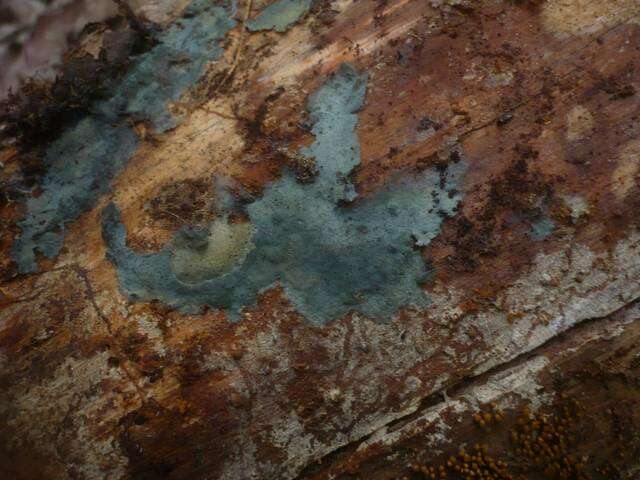
Atheliales is an order of mostly corticioid or athelioid fungi placed under the Agaricomycetidae subclass. It was first described by Walter Jülich in 1981 along with 4 families, Lobuliciaceae, Atheliaceae, Byssocorticiaceae and Pilodermataceae. Another family was discovered in 2020 called Tylosporaceae. It contains roughly 100 described species in 20 genera with varied ecological diversity. Most species have relatively simple gross morphology and do not have a lot of diagnostic characters. They produce crust-like fruiting bodies attached loosely to their substrate.
Filobasidiales
The Filobasidiales are an order in the fungal class Tremellomycetes. The order contains two families and seven genera.
Georgefischeriales
The Georgefischeriales are an order of smut fungi in the class Exobasidiomycetes. The order consists of four families, the Eballistraceae, the Georgefischeriaceae, the Gjaerumiaceae, and the Tilletiariaceae.
Entylomatales
The Entylomatales are an order of smut fungi in the class Exobasidiomycetes. A monotypic order, it consists of a single family, the Entylomataceae. Both the family and order were circumscribed in 1997.
Trechisporales
REDIRECT Hydnodontaceae
Microstromatales
The Microstromatales are order of fungi in the class Exobasidiomycetes. The order consists of three families: the Microstromataceae, the Quambalariaceae, and the Volvocisporiaceae.

Amylocorticiales
Amylocorticiales is an order of fungi in the class Agaricomycetes. The order was circumscribed in 2010 to contain mostly resupinate (crust-like) forms that have been referred to genera Anomoporia, Amyloathelia, Amylocorticiellum, Amylocorticium, Amyloxenasma, Anomoloma, Athelopsis, Ceraceomyces, Hypochniciellum, Leptosporomyces and Serpulomyces and the anomalous species, Athelia rolfsii, now classified in its own genus, Agroathelia.
Cystofilobasidiales
The Cystofilobasidiales are an order of fungi in the class Tremellomycetes of the Basidiomycota. They usually exhibit a life phase of free-living yeasts. The order contains two families with seven genera and some 25 species.
Doassansiales
The Doassansiales are an order of fungi in the class Exobasidiomycetes. The order consist of three families: the Doassansiaceae, the Melaniellaceae, and the Rhamphosporaceae (which is a monotypic family with a monotypic genus, with one species; Rhamphospora nymphaeae ).
Agaricostilbales
The Agaricostilbales are an order of fungi in the class Agaricostilbomycetes. The order consists of six families and 15 genera.
Sporidiobolales
REDIRECT Sporidiobolaceae
Hydnodontaceae
The Hydnodontaceae are a family of fungi in the class Agaricomycetes. According to a 2008 estimate, the family contains 15 genera and 105 species. It is the only family in the order Trechisporales.
Lepidostromatales
Lepidostromatales is an order of fungi in the class Agaricomycetes. It is the only known order of basidiomycete fungi composed entirely of lichenized members. Morphologically, the fruiting bodies of all species are clavarioid. Six species are known, five of which were described within the span of 2007–2013. Due to its morphological similarity to the genus Multiclavula, its isolated phylogenetic position (distinct from all other orders based on molecular data) was not understood until quite recently. The photobionts that have been found in association with members of this group are not known to
Platygloeales
The Platygloeales are an order of fungi in the class Pucciniomycetes. Species in the order have auricularioid basidia (tubular with lateral septa) and are typically plant parasites on mosses, ferns, and angiosperms, though Platygloea species appear to be saprotrophic.

Dacrymycetales
The Dacrymycetes are a class of fungi in the Basidiomycota. The class currently contains the single order Dacrymycetales, with a second proposed order Unilacrymales now treated at the family level. The order contains four families and has a cosmopolitan distribution.
Helicobasidiales
The Helicobasidiales are an order of fungi in the subdivision Pucciniomycotina. The order is currently monotypic, containing the single family Helicobasidiaceae which itself is monotypic, containing the single genus Helicobasidium. The anamorphic genus Tuberculina is a synonym of Helicobasidium, but species are not currently integrated in the latter genus.
Aphyllophorales
The Aphyllophorales is an obsolete order of fungi in the Basidiomycota. The order is entirely artificial, bringing together a miscellany of species now grouped among the clavarioid fungi, corticioid fungi, cyphelloid fungi, hydnoid fungi, and poroid fungi.
Stereopsidales
REDIRECT Stereopsidaceae
Kriegeriales
The Kriegeriales are an order of fungi in the subdivision Pucciniomycotina. Most species are known only from their yeast states and can be found in a variety of habitats, ranging from arctic waters to tropical ferns. Hyphal states produce auricularioid (laterally septate) basidia.
Cystobasidiales
The Cystobasidiales are an order of fungi in the class Cystobasidiomycetes. The order currently consists of a single family (Cystobasidiaceae) and two genera as yet unassigned to a family (Begerowomyces and Robertozyma).
Septobasidiales
REDIRECT Septobasidiaceae