Category
page 1Bromeliaceae genera

Ananas
Ananas is a plant genus in the family Bromeliaceae. It is native to South America. The genus contains Ananas comosus, the pineapple.

Tillandsia
Tillandsia is a genus of around 650 species of evergreen, perennial flowering plants in the family Bromeliaceae, native to the forests, mountains and deserts of the Neotropics, from northern Mexico and the southeastern United States to Mesoamerica and the Caribbean to central Argentina. Their leaves, more or less silvery in color, are covered with specialized cells (trichomes) capable of rapidly absorbing water that gathers on them.

Puya
genus of plants

Guzmania
Guzmania (tufted airplant) is a genus of over 120 species of flowering plants in the botanical family Bromeliaceae, subfamily Tillandsioideae. They are mainly stemless, evergreen, epiphytic perennials native to Brazil, southern Mexico, Central America, and northern and western South America. They are found at altitudes of up to in the Andean rainforests.

Bromelia
Bromelia is a genus of about 70 plant species widespread across Latin America and the West Indies. It is the type genus of the family Bromeliaceae, subfamily Bromelioideae, and its type species is B. karatas. Bromelia species are characterized by flowers with a deeply cleft calyx. The genus is named after the Swedish medical doctor and botanist (1639-1705).

Aechmea
thumb|right|Aechmea mertensii

Vriesea
Vriesea is a genus of flowering plants in the botanical family Bromeliaceae, subfamily Tillandsioideae. The genus is named after the Dutch botanist and physician Willem Hendrik de Vriese (1806–1862). Its species are widespread over Mexico, Central America, South America and the West Indies.

Billbergia
Billbergia is a genus of flowering plants in the family Bromeliaceae, subfamily Bromelioideae.
==Description==
The Billbergia species are rosette-forming, evergreen perennials, usually epiphytic, occasionally terrestrial or lithotypic in habit. They are mostly medium-sized species with small funnel diameters. Most species are epiphytes, some species grow on plants, on rocks, as well as directly on the ground. Water collects in the leaf funnels. In many funnels there are small biotopes with several species of animals and algae and aquatic plants. The rough leaves are always reinforced on the e
Brocchinia
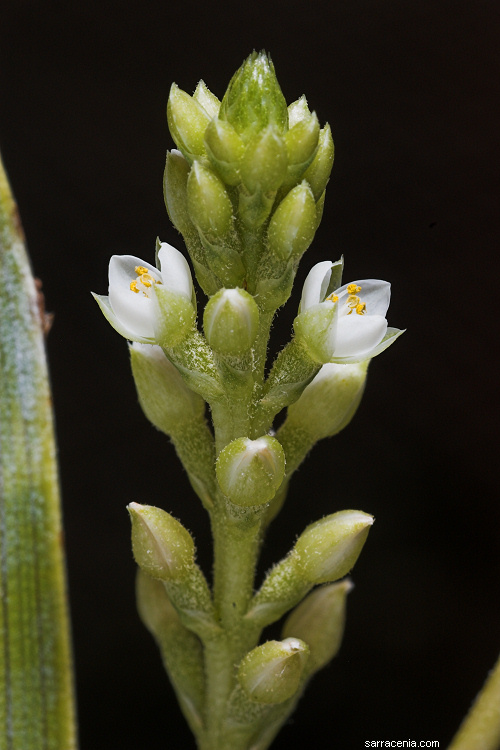
Brocchinia is a genus of the botanical family Bromeliaceae, and is the sole genus of the subfamily Brocchinioideae, containing 20 species. The genus is named after Giovanni Battista Brocchi, Italian naturalist (1772–1826). Brocchinia species are native primarily to the ancient Guayana Shield in southern Venezuela and Guyana, with some species extending into Colombia and northern Brazil. Its species are generally restricted to areas of sand and sandstone of the Roraima Formation; a few occur on granite.
Cryptanthus
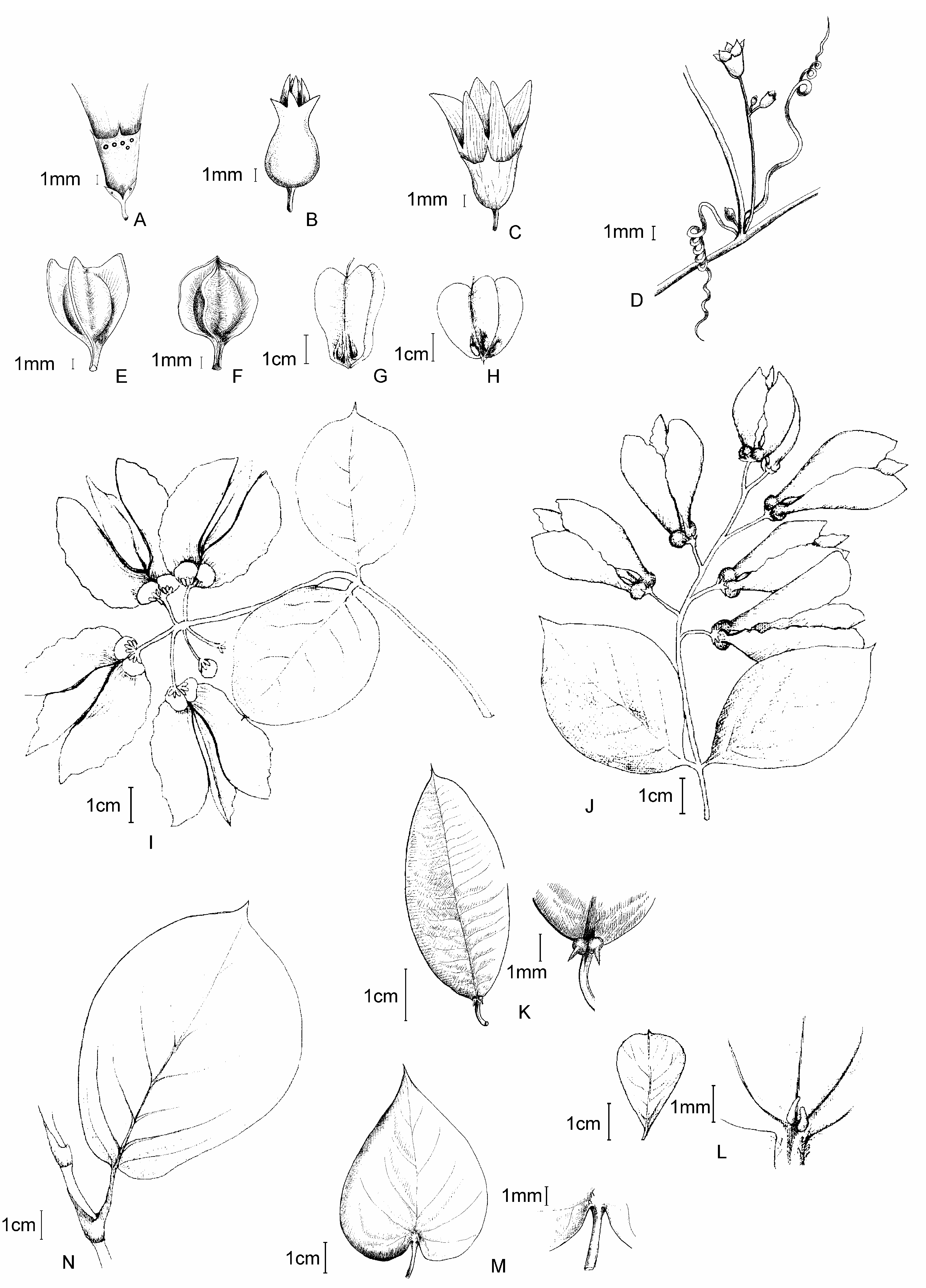
Cryptanthus is a genus of flowering plants in the family Bromeliaceae, subfamily Bromelioideae. The genus name is from the Greek cryptos (hidden) and anthos (flower). The genus formerly had two recognized subgenera: the type subgenus and subgenus Hoplocryptanthus Mez which has been raised to the separate genus Hoplocryptanthus. All species of this genus are endemic to Brazil. The common name for any Cryptanthus is "Earth star".

Catopsis
Catopsis is a genus in the botanical family Bromeliaceae, subfamily Tillandsioideae. The genus name is from the Greek “kata” (hanging down) and “opsis” (appearance). Catopsis is a genus of plants widespread across much of Latin America from Mexico to Brazil, plus Florida and the West Indies. One of the species, Catopsis berteroniana, is thought to be carnivorous.

Neoregelia
Neoregelia is a genus of epiphytic flowering plants in the family Bromeliaceae, subfamily Bromelioideae, native to South American rainforests. The genus name is for Eduard August von Regel, Director of St. Petersburg Botanic Gardens in Russia (1875–1892).

Pitcairnia
thumb|right|Pitcairnia spicata
Acanthostachys
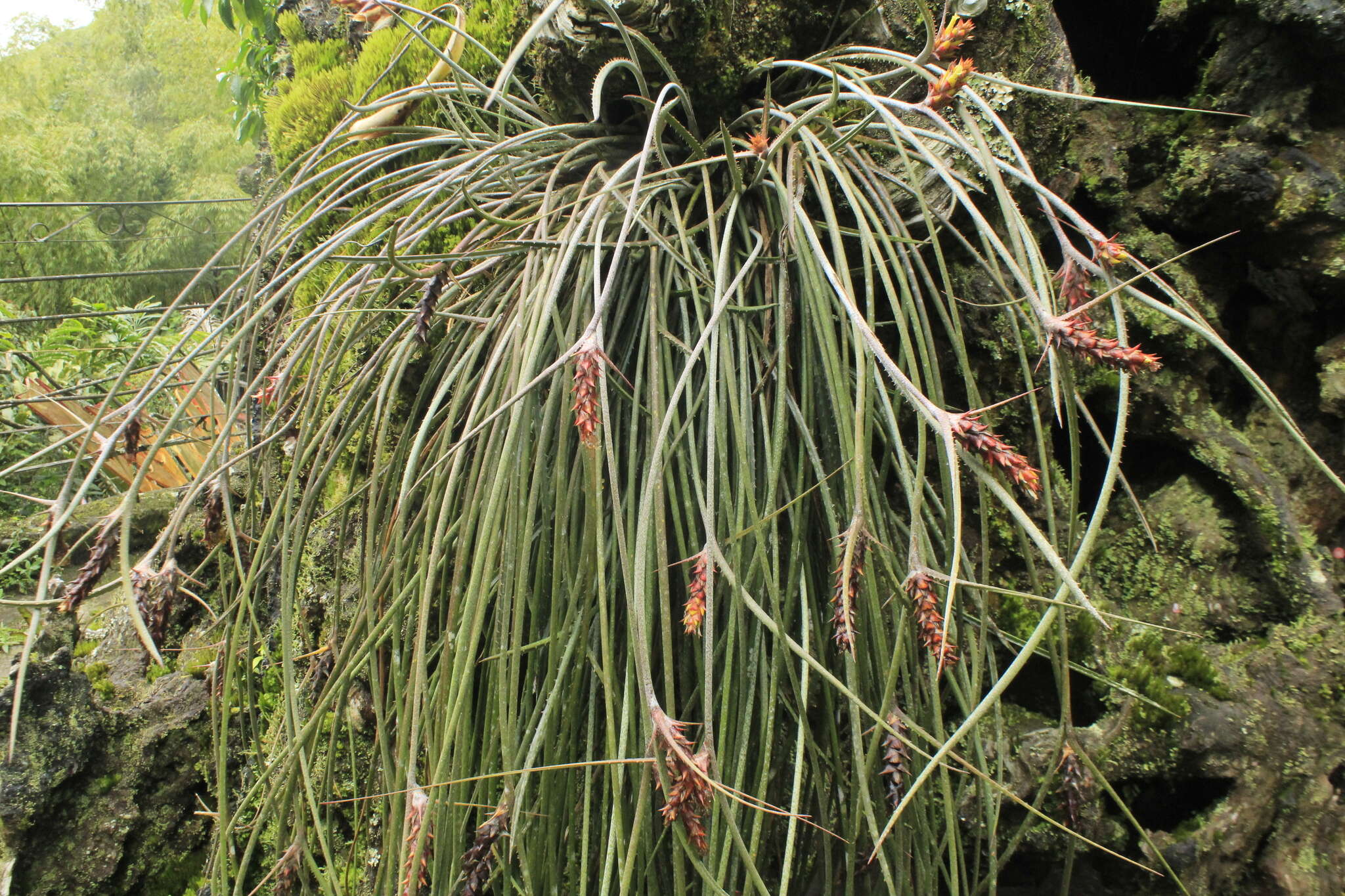
Acanthostachys is a genus of the botanical family Bromeliaceae, subfamily Bromelioideae. The genus name is from the Greek “acanthos” (thorny, spiny) and “stachys” (a flower spike).
Nidularium
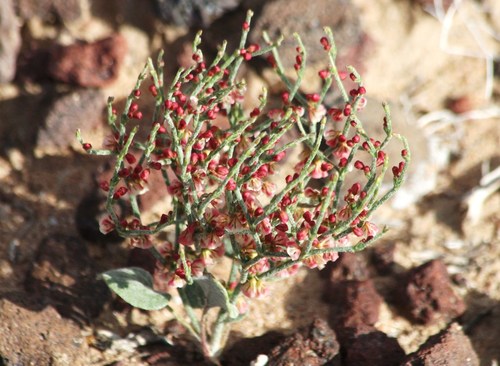
Nidularium is a genus in the plant family Bromeliaceae, subfamily Bromelioideae. Named to describe the nestling characteristic of the inflorescence (Lat. nidulus = little nest), all the species are endemic to Brazil. Commonly confused with Neoregelia which they resemble, this plant group was first described in 1854.
.jpg)
Deuterocohnia
Deuterocohnia is a genus of plants in the family Bromeliaceae, subfamily Pitcairnioideae, endemic to South America. The genus is named for Ferdinand Julius Cohn, Jewish botanist and bacteriologist.
Hechtia
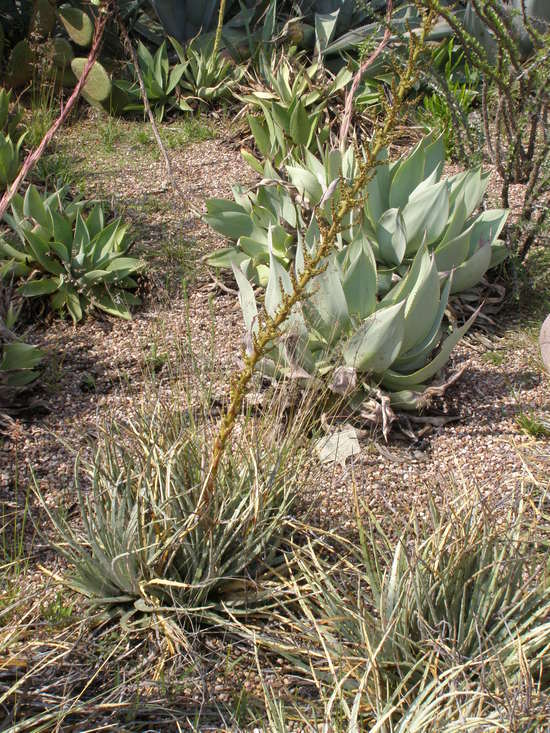
Hechtia is a genus of plants in the family Bromeliaceae, and is the sole genus of the subfamily Hechtioideae, containing 75 species. Its species are native to Mexico, Central America, and the United States (Texas).
%202-05203.jpg)
Quesnelia
Quesnelia is a genus of flowering plants in the family Bromeliaceae, subfamily Bromelioideae. The genus is named after French businessman and patron of botany Edouard Prosper Quesnel, of Le Havre (1781–1850). Endemic to eastern Brazil, this genus contains 22 known species. This genus has two recognized subgenera: the type subgenus and Billbergiopsis Mez.
Dyckia
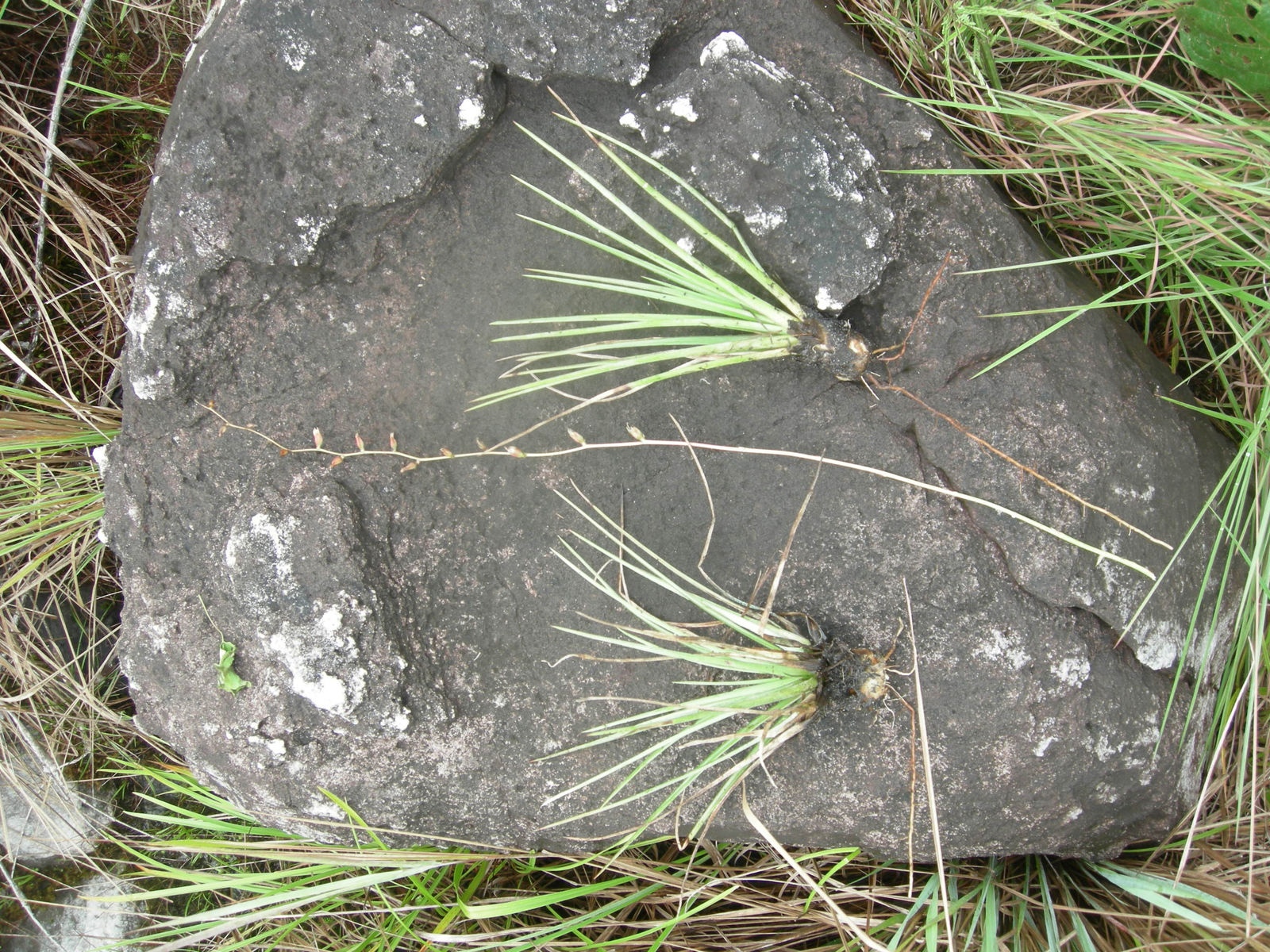
Dyckia is a genus of plants in the family Bromeliaceae, subfamily Pitcairnioideae.

Alcantarea
Alcantarea is a genus of flowering plants in the Bromeliaceae family. It is named for Dom Pedro d'Alcântara, second Emperor of Brazil. It is related to the genus Vriesea in the subfamily Tillandsioideae.
Araeococcus
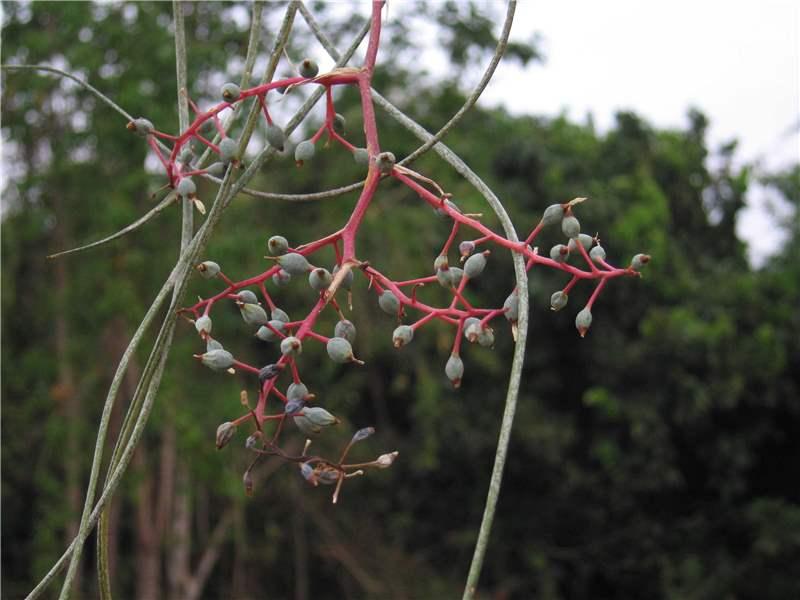
Araeococcus is a genus of the botanical family Bromeliaceae, subfamily Bromelioideae. It is native to northern South America, Central America and Trinidad.

Portea
Portea is a genus in the plant family Bromeliaceae, subfamily Bromelioideae. It is native to the Atlantic coast of Brazil.

Ochagavia
Ochagavia is a plant genus in the plant family Bromeliaceae, subfamily Bromelioideae, endemic to central and southern Chile. It comprises four recognized species—Ochagavia andina, Ochagavia carnea, Ochagavia elegans, and Ochagavia litoralis—which inhabit a range of environments from coastal cliffs to montane forests. Species of Ochagavia are caulescent and rosette-forming, with succulent, spiny leaves and simple terminal inflorescences bearing rose-colored flowers. The group exhibits adaptations to xeric habitats, and one species, Ochagavia elegans, is endemic to Robinson Crusoe Island in the
Canistrum
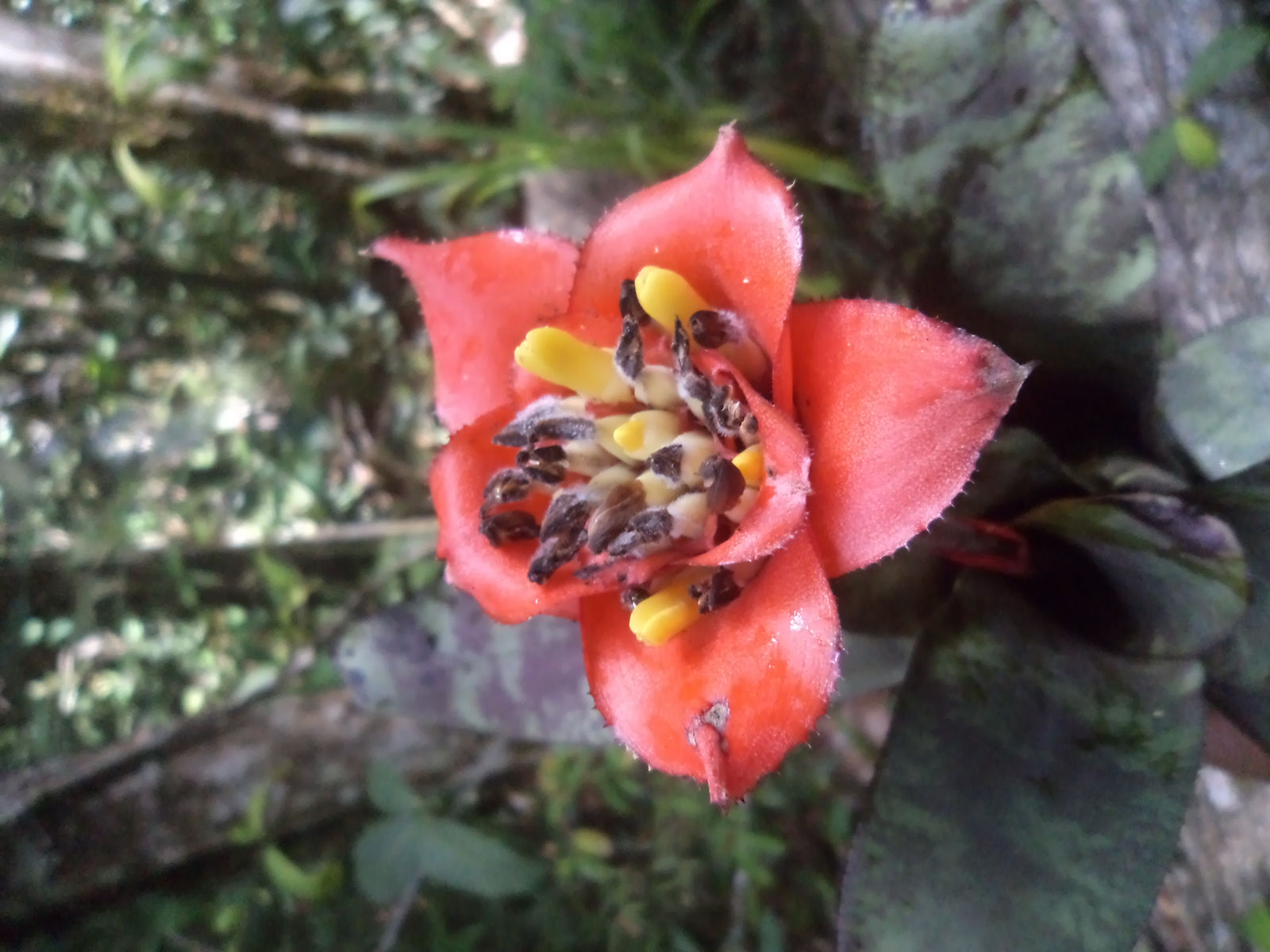
Canistrum is a genus of plants in the family Bromeliaceae, subfamily Bromelioideae.
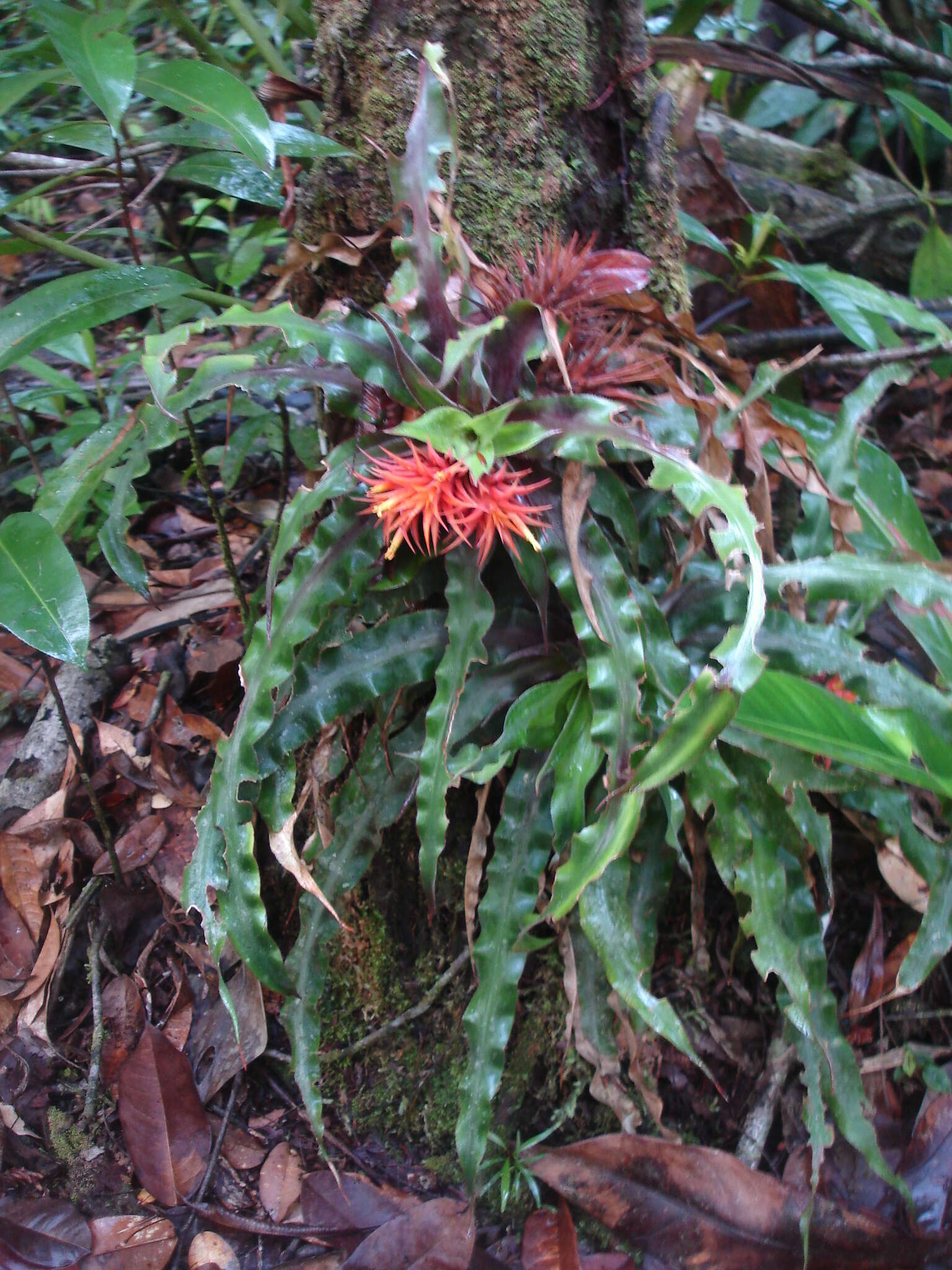
Navia
genus of plants
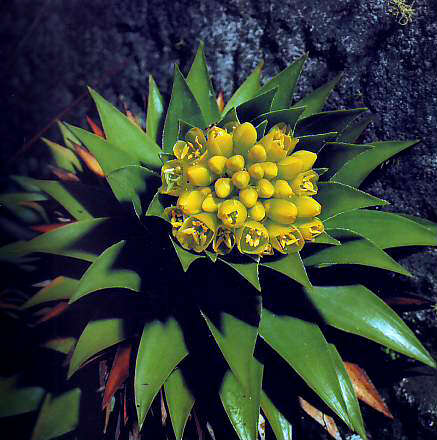
Lindmania
Lindmania is a genus of plants in the family Bromeliaceae. It is one of two genera in the subfamily Lindmanioideae, and contains 39 species. All but one of the known species are native to Venezuela, a few occurring in neighboring Guyana and northern Brazil.
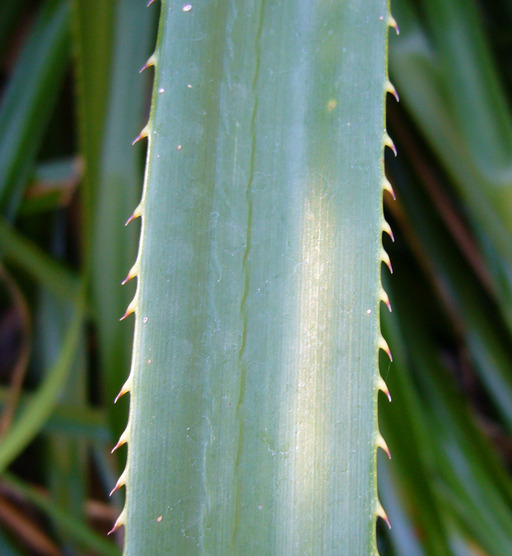
Greigia
Greigia is a genus of plants in the family Bromeliaceae, subfamily Bromelioideae. It is native to Latin America from Mexico to Chile. The genus is named in honour of Major General Samuel Alexjewitsch Greig, president of the Russian Horticultural Society in 1865.

Orthophytum
Orthophytum (Greek "ortho" = straight and "phytum" = plant) is a genus in the plant family Bromeliaceae, subfamily Bromelioideae.

Neoglaziovia
thumb|Neoglaziovia variegata in bloom.
Neoglaziovia is a genus in the plant family Bromeliaceae, subfamily Bromelioideae.

Glomeropitcairnia
Glomeropitcarnia is a genus of the botanical family Bromeliaceae, subfamily Tillandsioideae. The genus name is from the Latin “glomero” (to form into a ball) and the genus Pitcairnia. It has two known species, native to Venezuela, Trinidad and the Lesser Antilles.
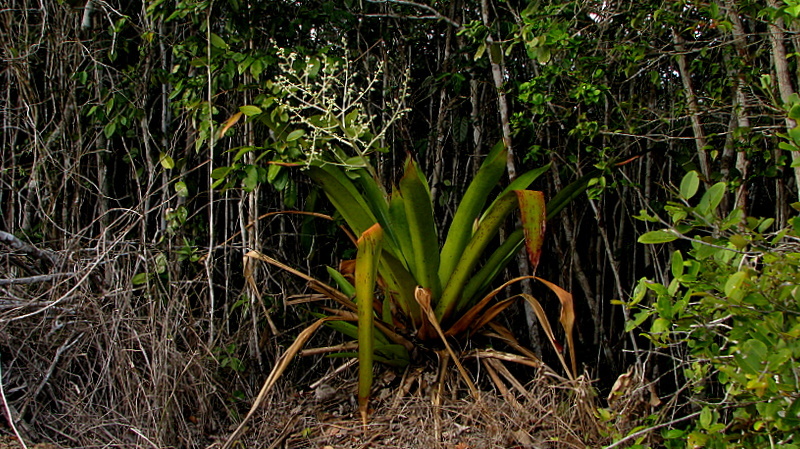
Hohenbergia
Hohenbergia is a genus of plants in the family Bromeliaceae, subfamily Bromelioideae. It is native to the West Indies, the Yucatán Peninsula, and northern South America (Colombia, Venezuela, Brazil).

Brewcaria
Brewcaria is a genus of plants in the family Bromeliaceae. The genus is named for Charles Brewer-Carías, Venezuelan explorer and naturalist. Some authorities treat Brewcaria as a synonym of Navia. It contains 6 known species, all native to Colombia and Venezuela.
Fosterella
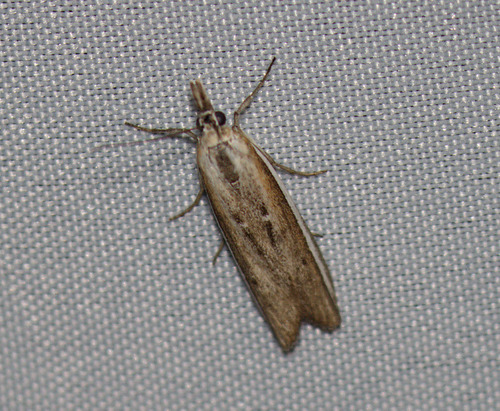
Fosterella is a genus of plants in the family Bromeliaceae, subfamily Pitcairnioideae. It contains 31 recognized species, 30 native to central and western South America, one to Mesoamerica. The genus is named after Mulford B. Foster, American horticulturist and collector (1888-1978).
Ronnbergia
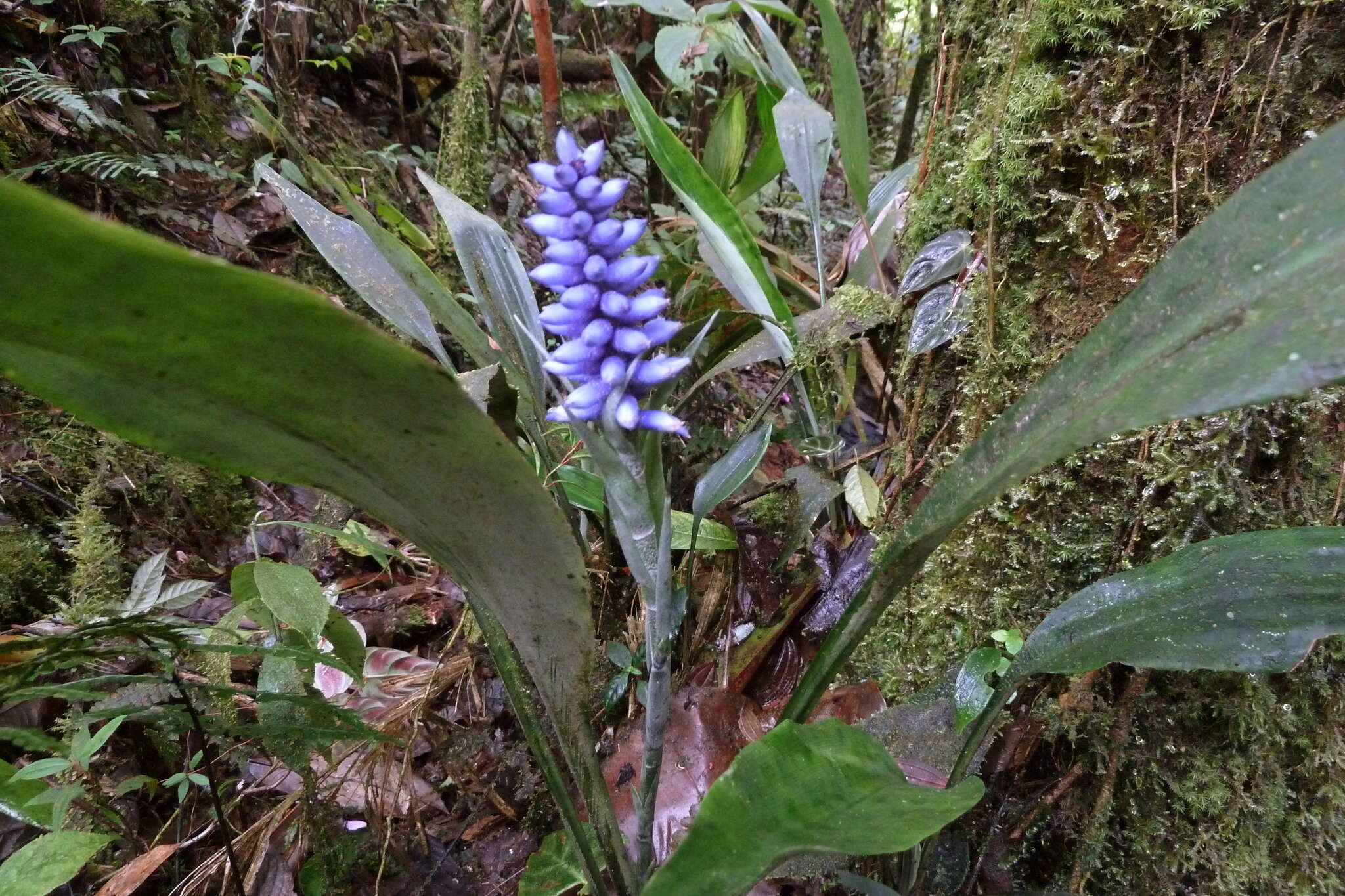
Ronnbergia is a genus in the plant family Bromeliaceae, subfamily Bromelioideae. Native to South and Central America, this genus was named for Auguste Ronnberg, Belgian Director of Agriculture and Horticulture in 1874.

Mezobromelia
Mezobromelia is a genus of the botanical family Bromeliaceae, subfamily Tillandsioideae. The genus name is for Carl Christian Mez, German botanist (1866-1944). Some authorities treat Mezobromelia as a synonym of Cipuropsis.

Lymania
Lymania (named for Lyman Bradford Smith, American botanist) is a genus in the plant family Bromeliaceae, subfamily Bromelioideae. The genus was established in 1984 to "unite furrowed or winged species from Aechmea subgenera Lamprococcus, Araeococcus and Ronnbergia."
Encholirium
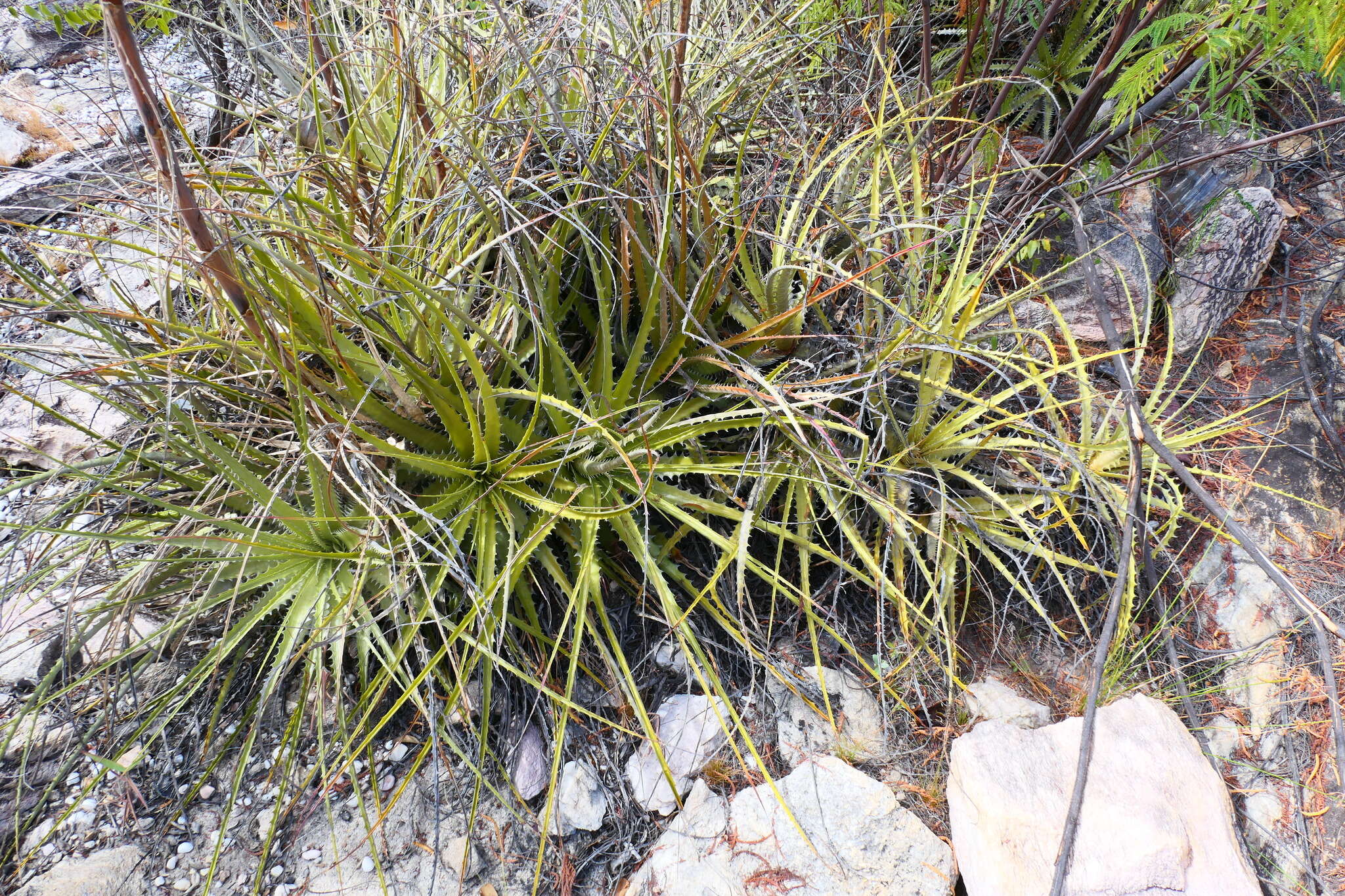
Encholirium is a genus of plants in the family Bromeliaceae, subfamily Pitcairnioideae. The entire genus is endemic to Brazil. The genus name is from the Greek “enchos” (spear) and “leiron” (lily).
Connellia
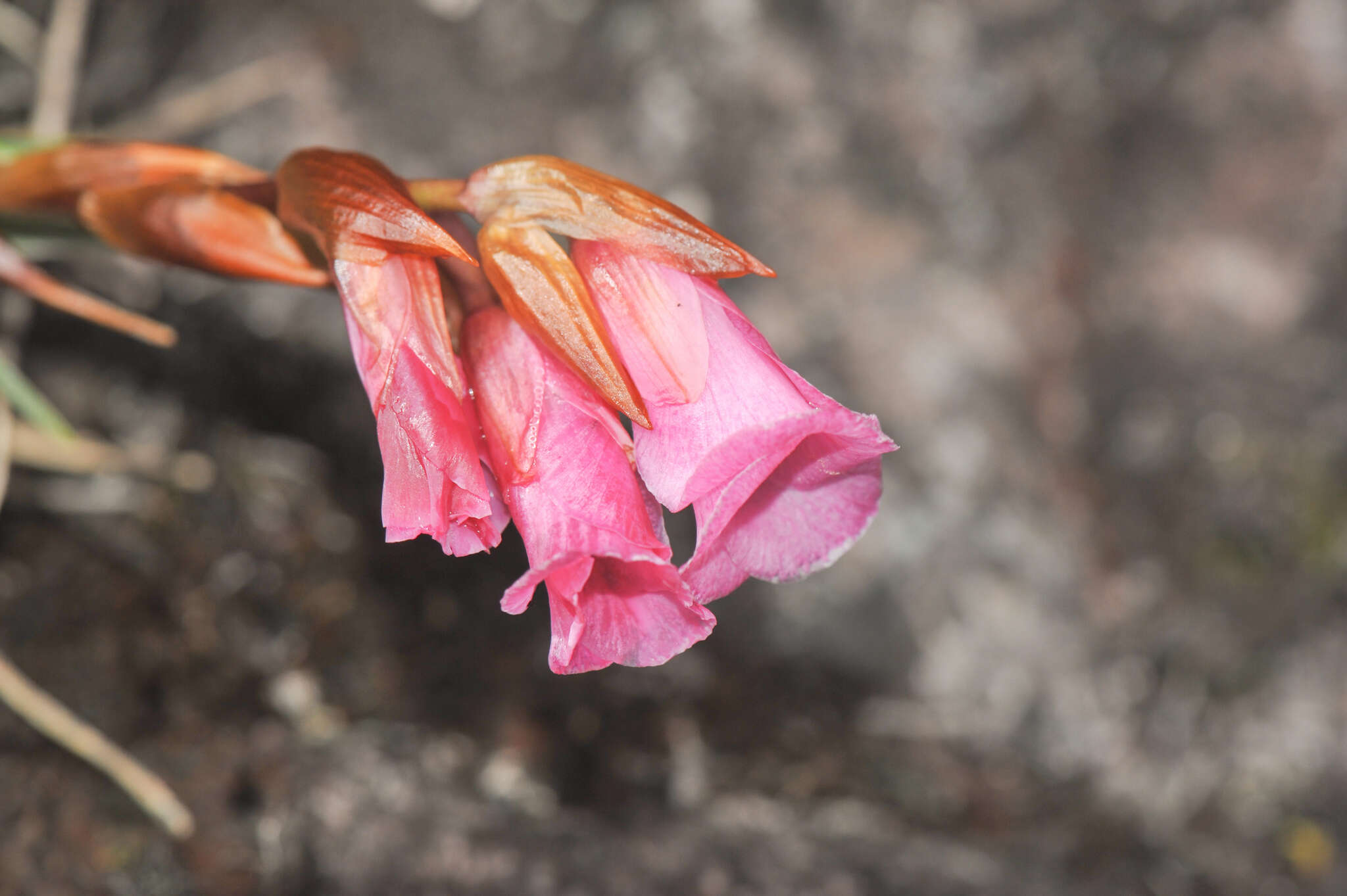
Connellia is a genus of plants in the family Bromeliaceae. The genus name is for Frederick Vavasour McConnell, English ornithologist and biologist (1868-1914). There are 6 known species, all native to the Guyana Highlands of Guyana and Venezuela.

Werauhia
Werauhia is a genus of the botanical family Bromeliaceae, subfamily Tillandsioideae. The genus is named for Werner Rauh, a German botanist (1913–2000). Based on molecular evidence, a number of species previously classified within other bromeliad genera, especially Vriesea and Tillandsia, have been placed in Werauhia instead. Species in this genus are distributed across tropical regions in the Americas.

Disteganthus
Disteganthus is a genus of plants in the family Bromeliaceae, subfamily Bromelioideae. The genus name is from the Greek “dis” (two), “steg” (covering), and “anthos” (flower). They are considered a primitive genus among bromeliads and are only found in terrestrial environments. Distenganthus has three known species, native to northeastern South America.
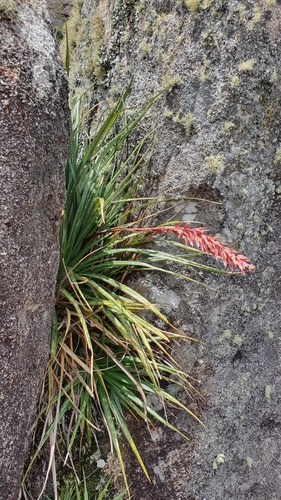
Fernseea
Fernseea is a genus of plants in the family Bromeliaceae, subfamily Bromelioideae, with two known species, both endemic to Brazil. The genus was named in honor of Moravian-Austrian botanist and physician at Vienna, Heinrich Ritter Wawra von Fernsee (1831–1887) by John Gilbert Baker.
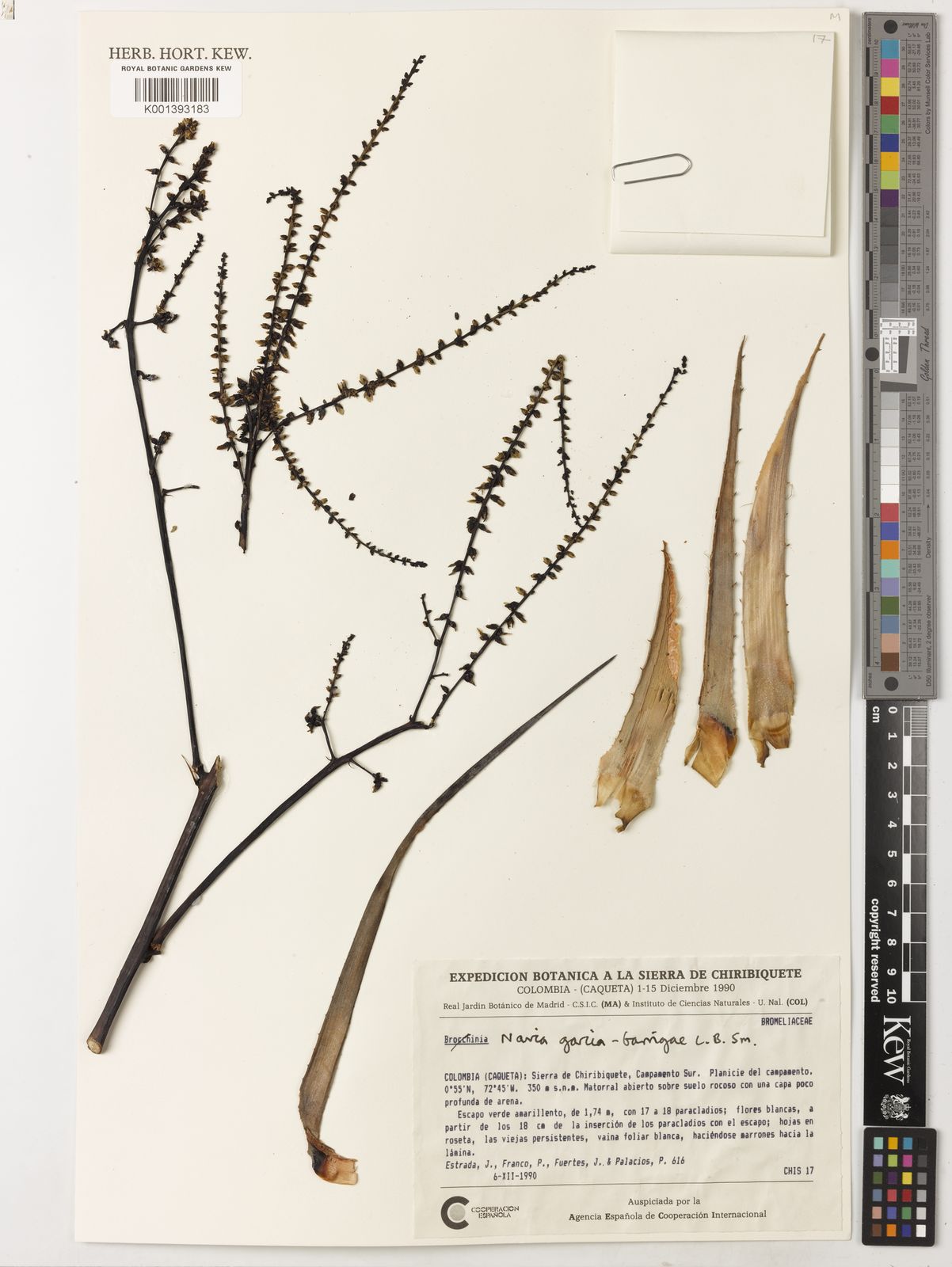
Steyerbromelia
Steyerbromelia (named after Julian A. Steyermark, an American plant collector, author, and editor) is a genus of plants in the family Bromeliaceae, subfamily Navioideae. All the known species in the genus are native to southern Venezuela, northern Brazil and Colombia.
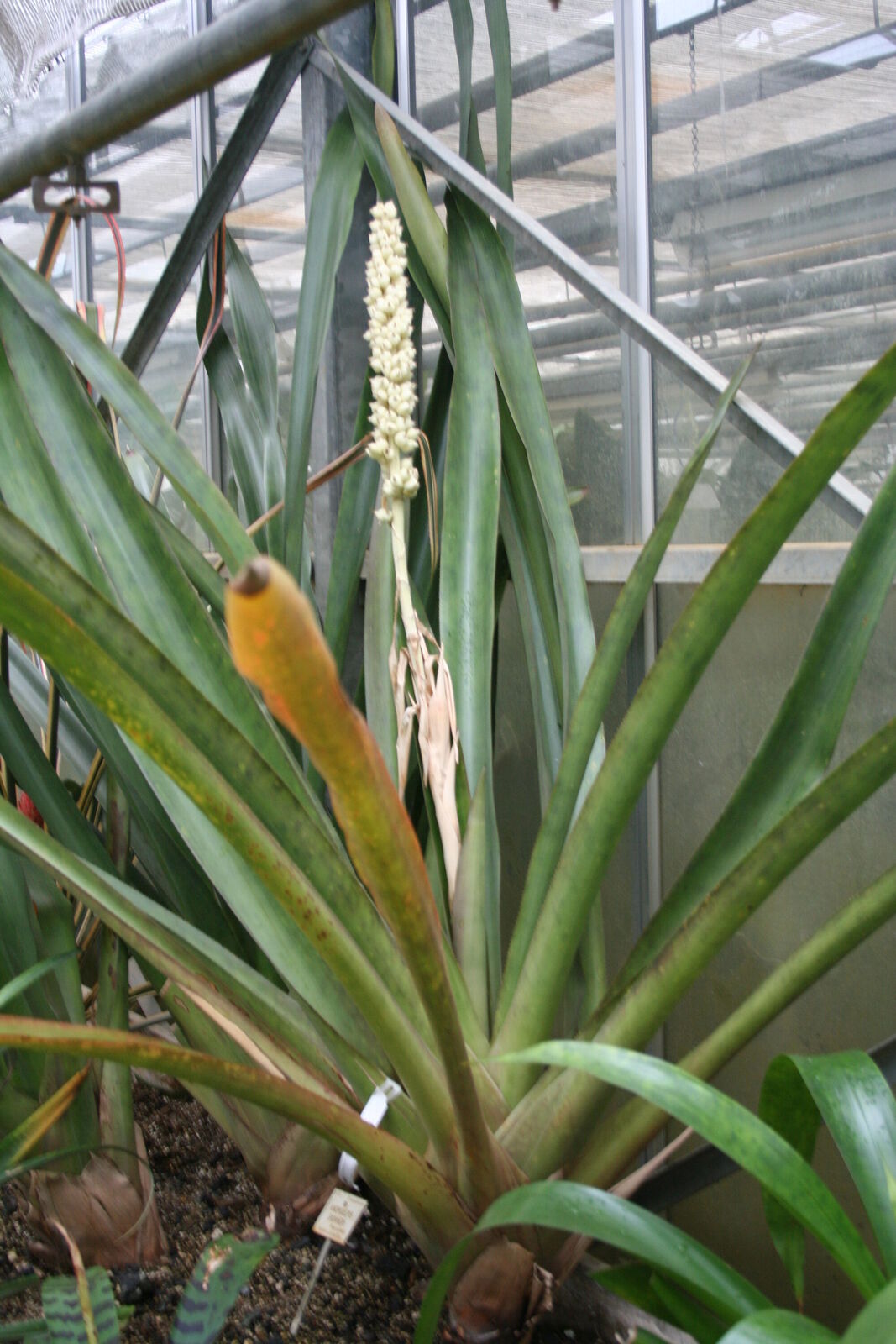
Androlepis
Androlepis is a genus of epiphytes in the botanical family Bromeliaceae, subfamily Bromelioideae, native to Central America and southern Mexico. The genus name is from the Greek “andros” (man) and “” (scale).
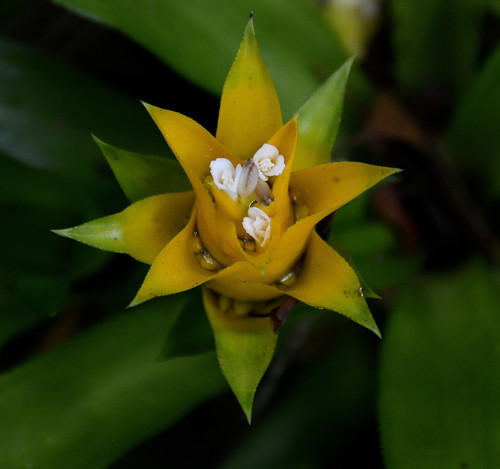
Canistropsis
Canistropsis is a genus of plants in the family Bromeliaceae, subfamily Bromelioideae.
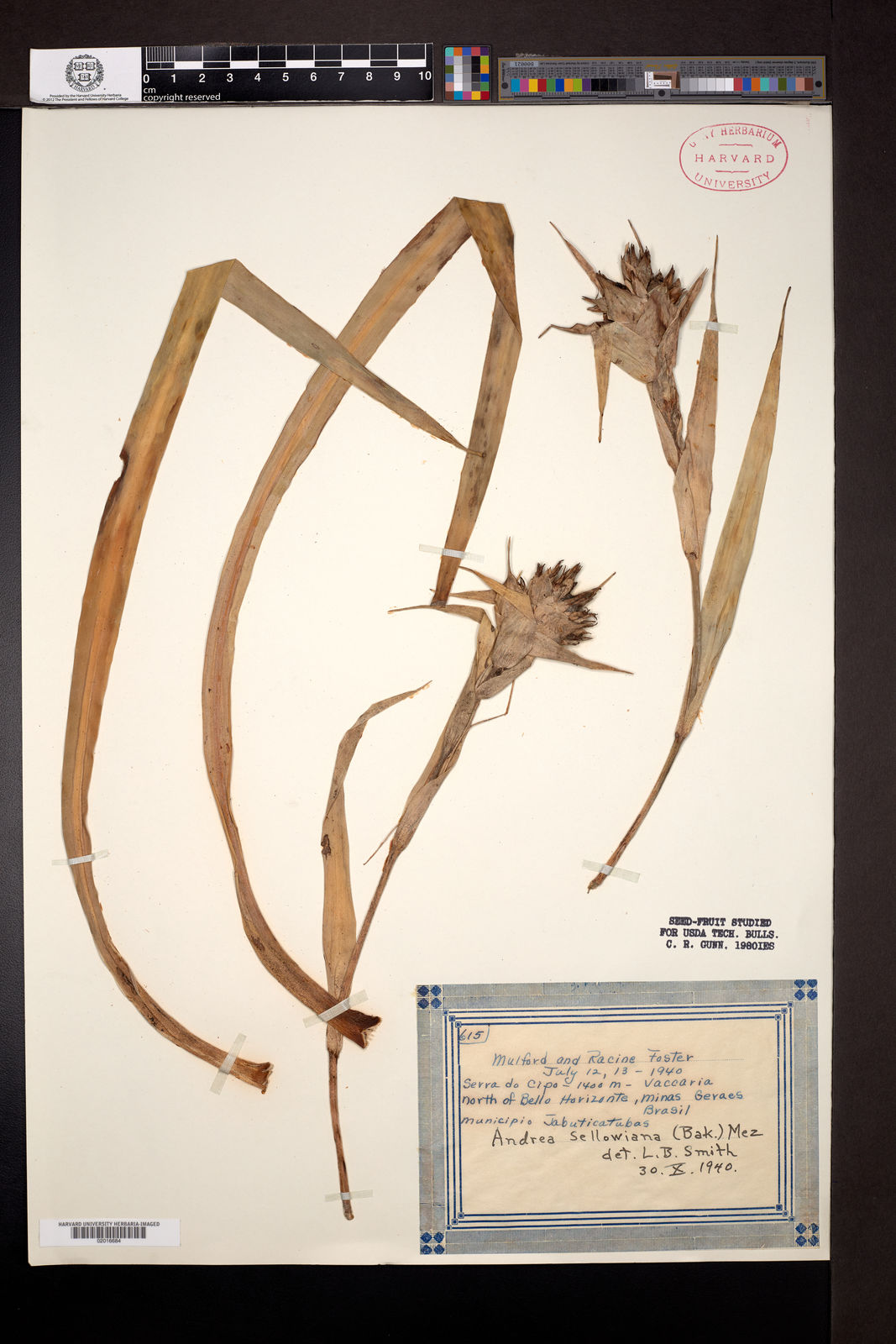
Eduandrea selloana
Eduandrea is a monotypic genus plants in the family Bromeliaceae, subfamily Bromelioideae.
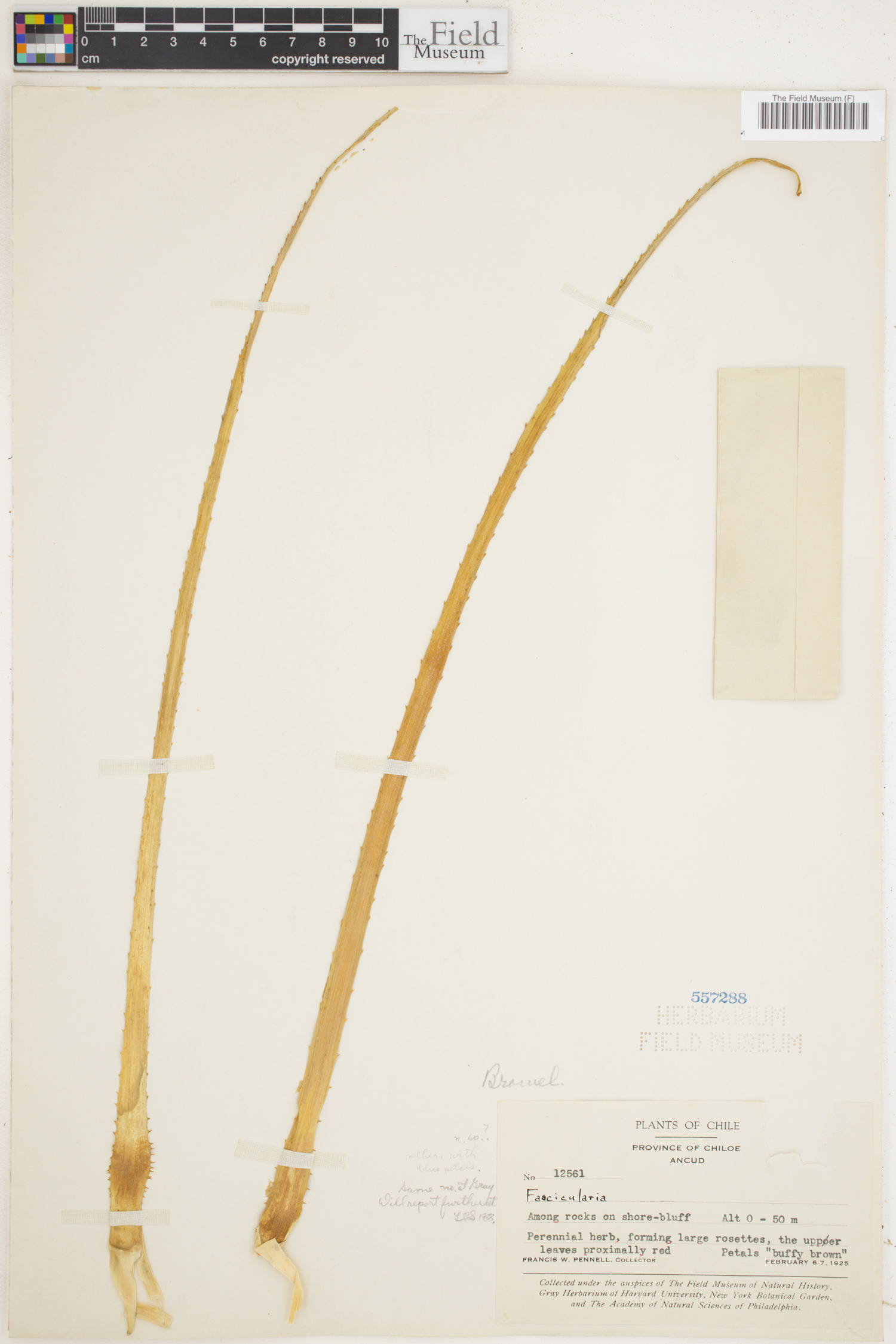
Fascicularia
Fascicularia is a monotypic genus of flowering plants in the pineapple family Bromeliaceae, subfamily Bromelioideae. The genus name is from the Latin fasciculus (bundle) and arius (pertaining to).
Goudaea
Goudaea is a genus of flowering plants belonging to the family Bromeliaceae.

Edmundoa
Edmundoa is a genus of flowering plants in the family Bromeliaceae, subfamily Bromelioideae. It is native to southern and south-eastern Brasil.
Pseudalcantarea
Pseudalcantarea is a genus of flowering plants belonging to the family Bromeliaceae. Its native range is Mexico to Central America. It was first described as the subgenus Pseudalcantarea of Tillandsia before being raised to a full genus in 2016.

Racinaea
Racinaea is a genus of the flowering plants in the family Bromeliaceae, subfamily Tillandsioideae. The genus is named for Racine Foster, wife of Mulford B. Foster and co-founder of the BSI. It is found in tropical regions of the Americas.
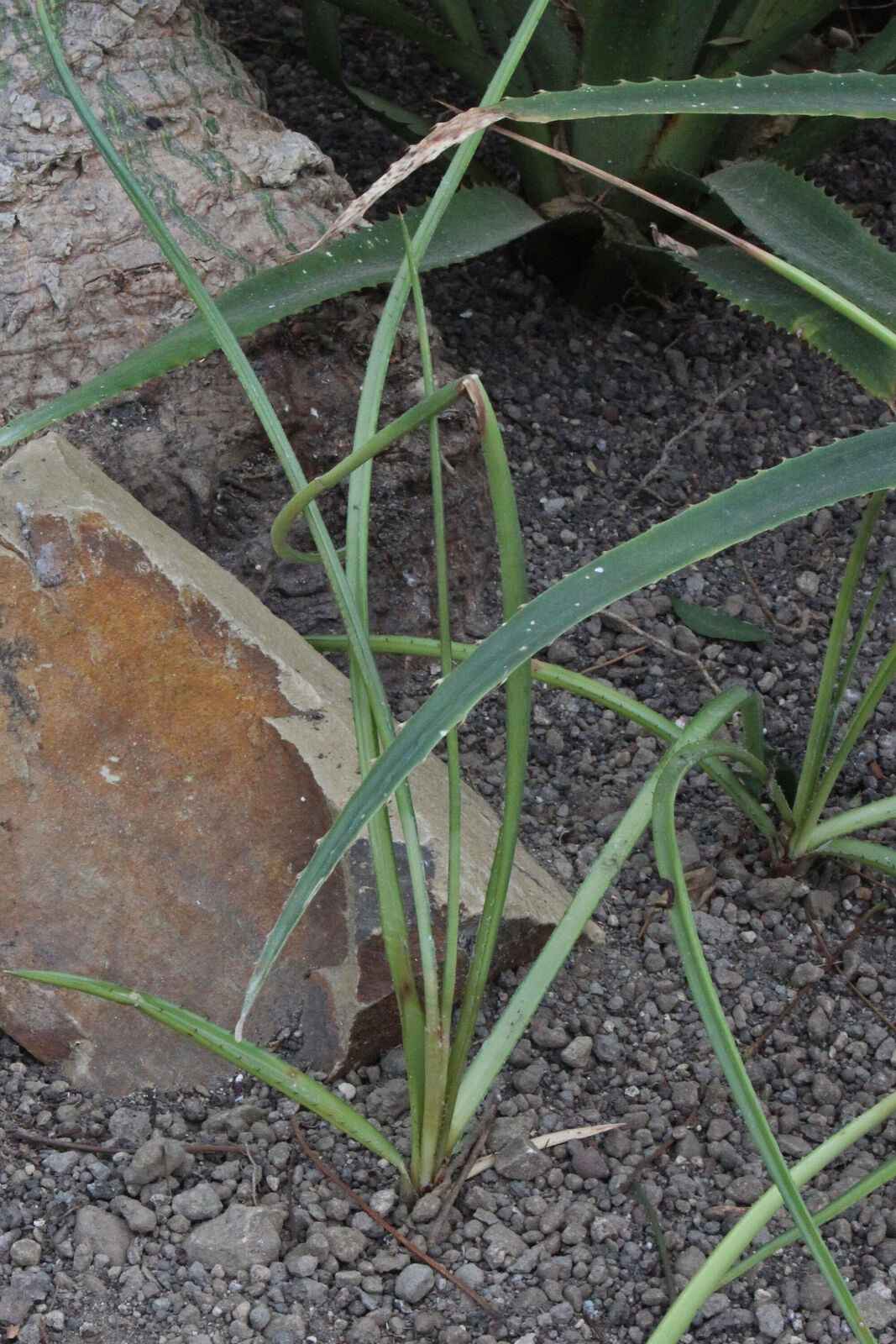
Deinacanthon
Deinacanthon is a genus of flowering plants in the family Bromeliaceae, subfamily Bromelioideae. The genus name is from the Greek “deinos” - terrible and “anthos” - flower. It contains a single species, Deinacanthon urbanianum, native to Bolivia, Paraguay and Argentina. In Spanish, it is known as cháguar.
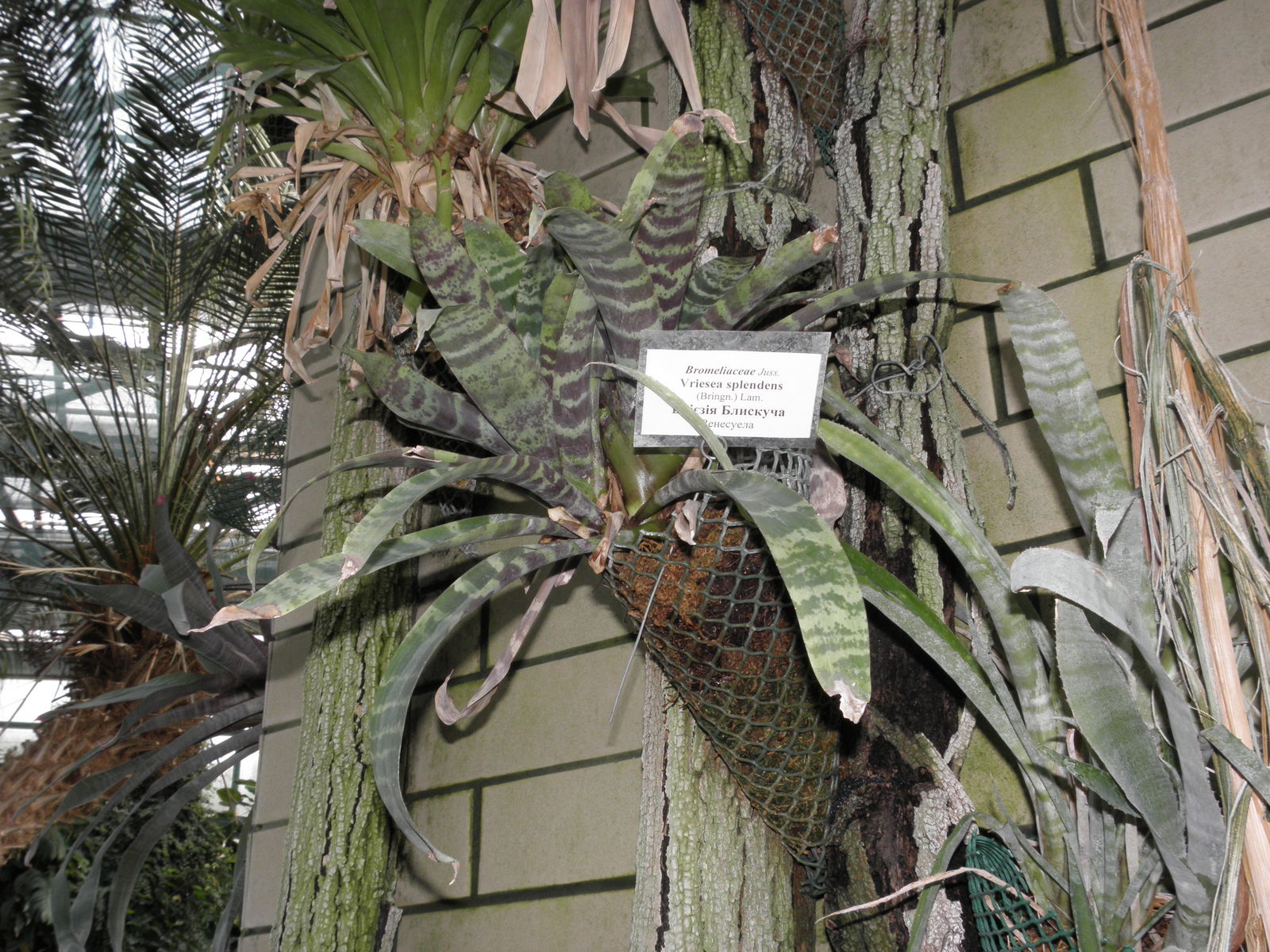
Lutheria
Lutheria is a genus of plants in the family Bromeliaceae. It is native to northern South America.
Gregbrownia
Gregbrownia is a genus of flowering plants belonging to the family Bromeliaceae.

Lemeltonia
Lemeltonia is a genus of flowering plants belonging to the family Bromeliaceae.
Wittrockia
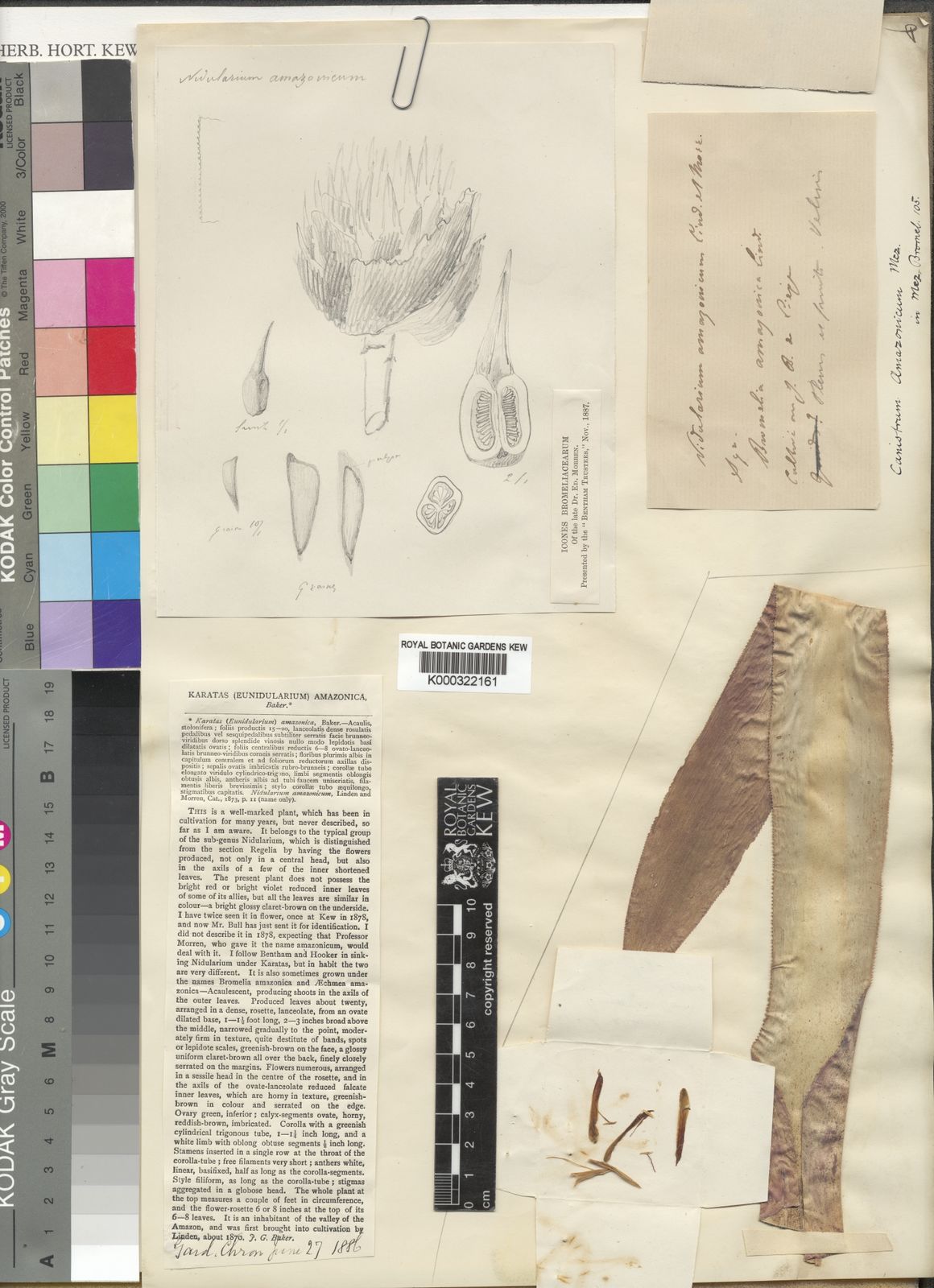
Wittrockia is a genus of plants in the family Bromeliaceae, subfamily Bromelioideae.
Wallisia
Wallisia is a genus of flowering plants belonging to the family Bromeliaceae. It is also in the Tillandsioideae subfamily.
Stigmatodon
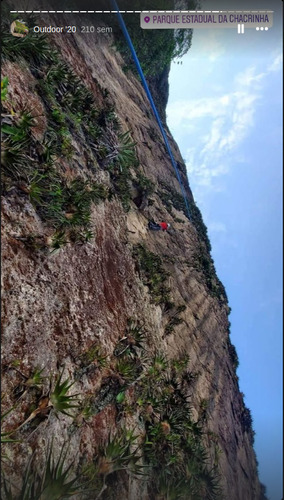
Stigmatodon is a genus of plants in the family Bromeliaceae. It is endemic to Brazil.
Barfussia
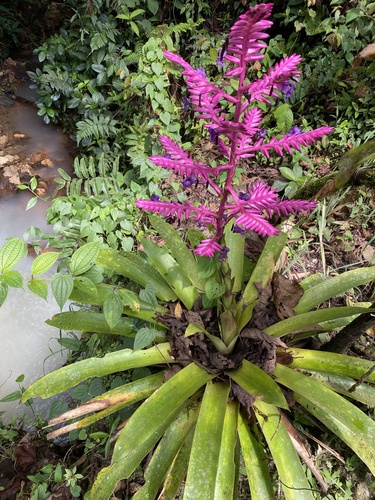
Barfussia is a genus of flowering plants belonging to the family Bromeliaceae.
Sincoraea
Sincoraea is a genus of flowering plant in the family Bromeliaceae, native to eastern Brazil (the states of Bahia and Minas Gerais). The genus was erected by Ernst Ule in 1908.
Forzzaea
Forzzaea is a genus of eu-bromelioids in the family Bromeliaceae, native to the Atlantic coastal forest of Brazil, and described in 2017.