Category
page 1Cacti of the United States

Opuntia
Opuntia, commonly called the prickly pear cactus, is a genus of flowering plants in the cactus family Cactaceae, many known for their flavorful fruit and showy flowers. Cacti are native to the Americas, and are well adapted to arid climates; however, they are still vulnerable to alterations in precipitation and temperature driven by climate change. The plant has been introduced to Australia, southern Europe, the Middle East, and parts of Africa.
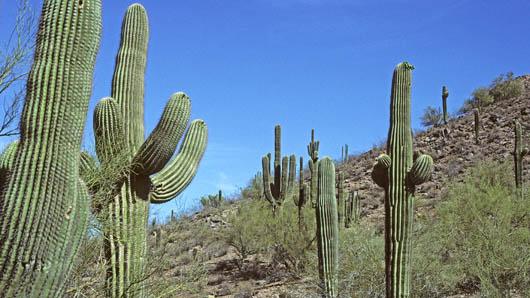
Carnegiea gigantea
alt=Example Of Old Growth Saguaro Cactus|thumb|Old growth saguaro
The saguaro ( , ; Carnegiea gigantea) is a tree-like cactus species in the monotypic genus Carnegiea that can grow to be over tall. It is native to the Sonoran Desert in Arizona, the Mexican state of Sonora, and the Whipple Mountains and Imperial County areas of California. Saguaro typically grow at elevations ranging from sea level to 4,500', although they may be found at up to 5,000'. The saguaro blossom is the state wildflower of Arizona. Its scientific name is given in honor of Andrew Carnegie. In 1933, Saguaro National Park
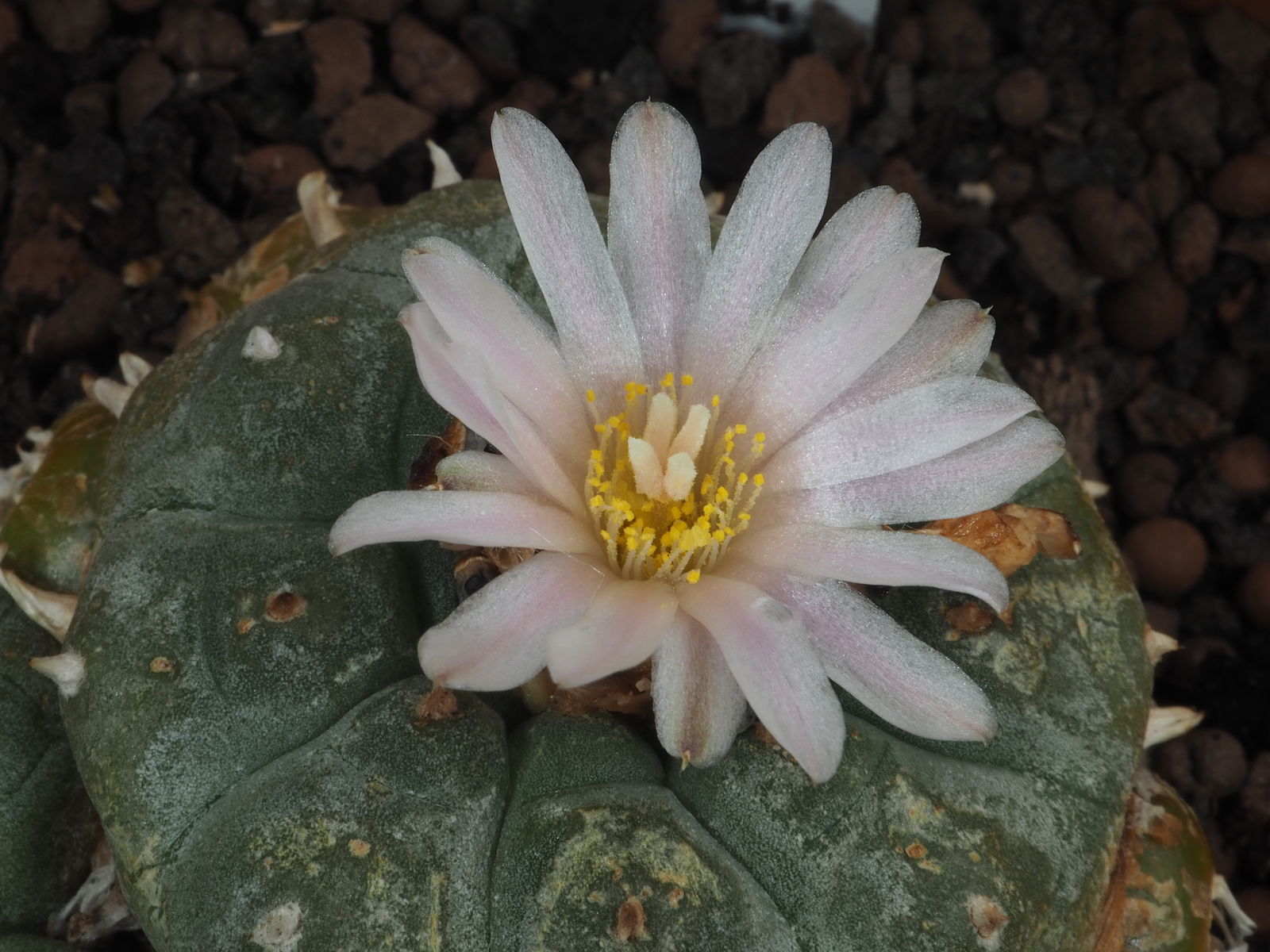
Lophophora williamsii
The peyote (Lophophora williamsii) is a small, spineless cactus which contains psychoactive alkaloids, particularly mescaline. is a Spanish word derived from the Nahuatl , meaning "caterpillar cocoon", from a root , "to glisten".

Echinocactus
Echinocactus is a genus of cacti in the subfamily Cactoideae. The generic name derives from the Ancient Greek ἐχῖνος (echînos), meaning "spiny," and cactus. It and Ferocactus are the two genera of barrel cactus. Members of the genus usually have heavy spination and relatively small flowers. The fruits are copiously woolly, and this is one major distinction between Echinocactus and Ferocactus. Propagation is by seed.
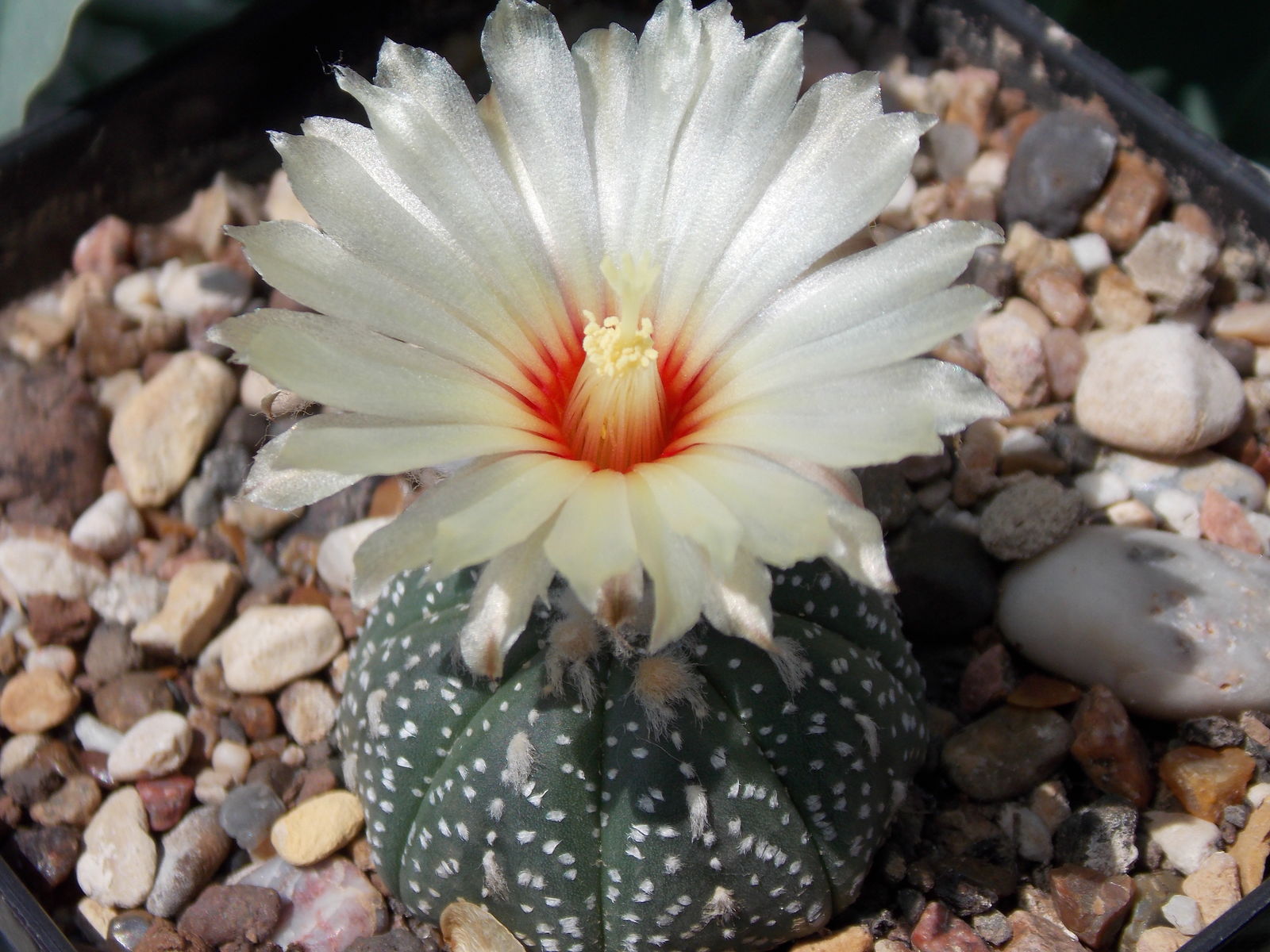
Astrophytum asterias
species of plant

Coryphantha
Coryphantha (from Greek, "flowering on the top"), or beehive cactus, is a genus of small to middle-sized, globose or columnar cacti. The genus is native to arid parts of Central America, Mexico, through Arizona, New Mexico, and western Texas and north into southwestern, central, and southeastern Montana. With its two subgenera, 57 species and 20 subspecies, it is one of the largest genera of cactus.
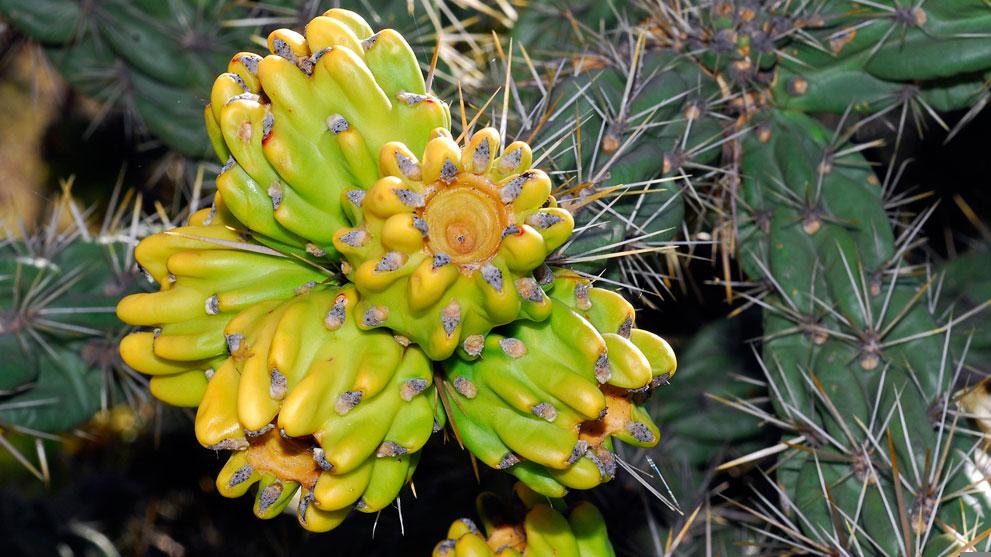
Cylindropuntia
Cylindropuntia is a genus of cacti (family Cactaceae), containing species commonly known as chollas ( ), native to northern Mexico and the Southwestern United States. They are known for their barbed spines that tenaciously attach to skin, fur, and clothing. Stands of cholla are called cholla gardens. Individuals within these colonies often exhibit the same DNA, as they were formerly tubercles of an original plant.
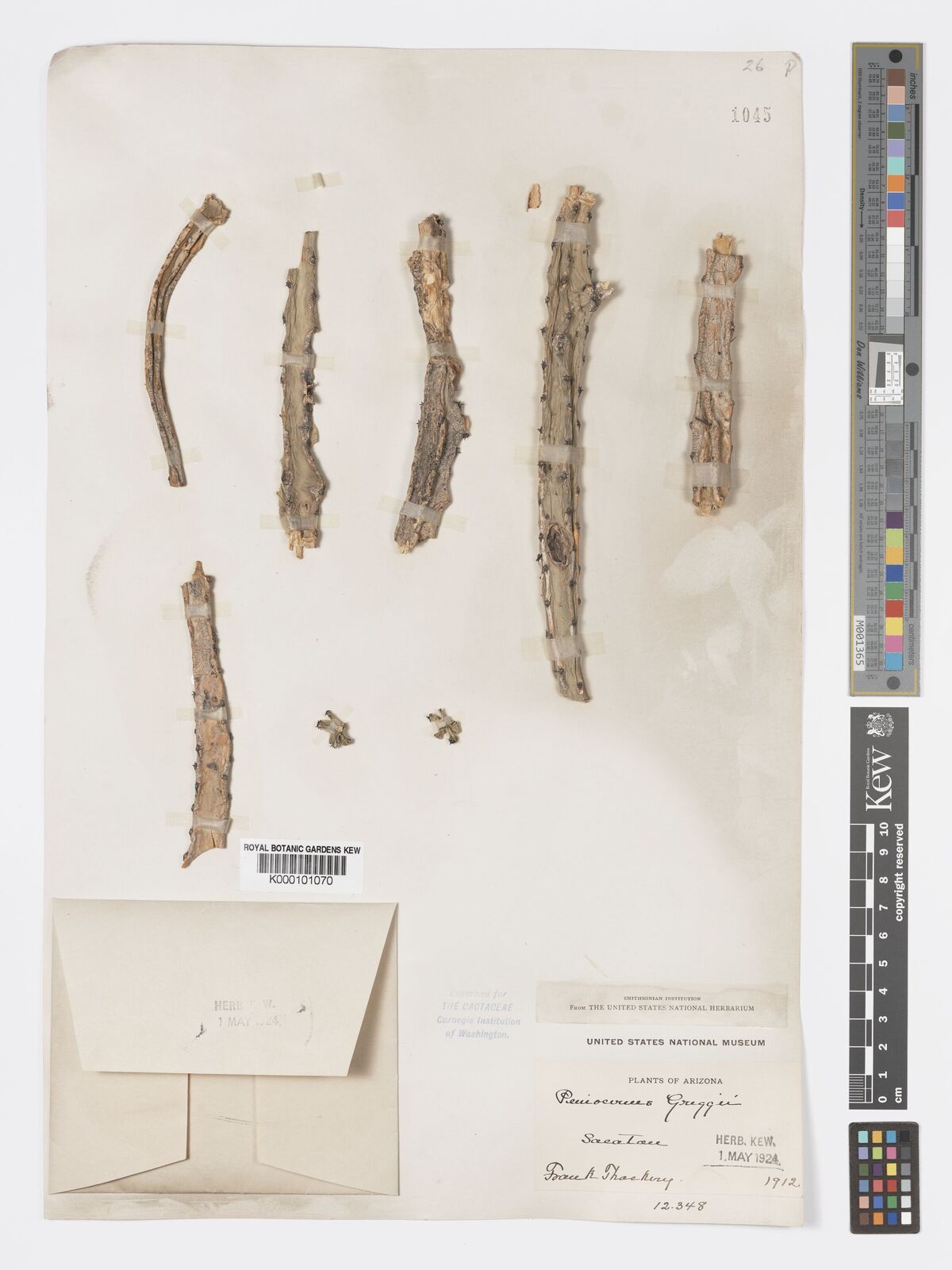
Peniocereus
Peniocereus is a genus of vining cacti, comprising about 18 species, found from the southwestern United States and Mexico. They have a large underground tuber, thin and inconspicuous stems.
Its name comes from the prefix penio- (from the Latin penis, meaning ‘tail’) and Cereus, the large genus from which it was split.
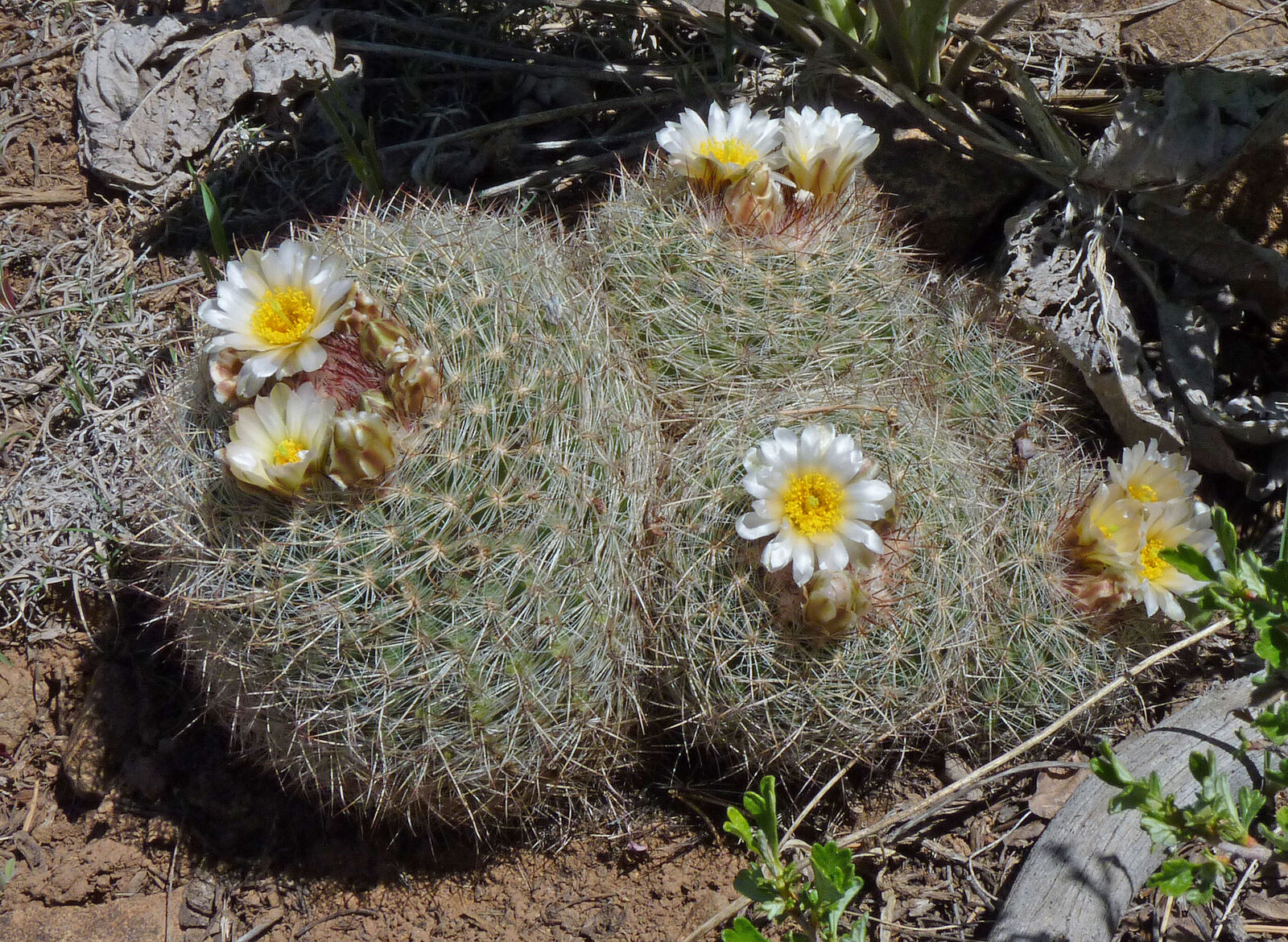
Pediocactus
Pediocactus (Greek: πεδίον (pedion) means "plain", "flat", "field") is a genus of cacti native to the Western United States. The genus comprises between 6 and 11 species, depending upon the authority. Species of this genus are referred to as hedgehog cacti, though that name is also applied to plants from the genera Echinocereus and Echinopsis. Species may also be referred to as pincushion cacti, a common name which is also applied to other genera.
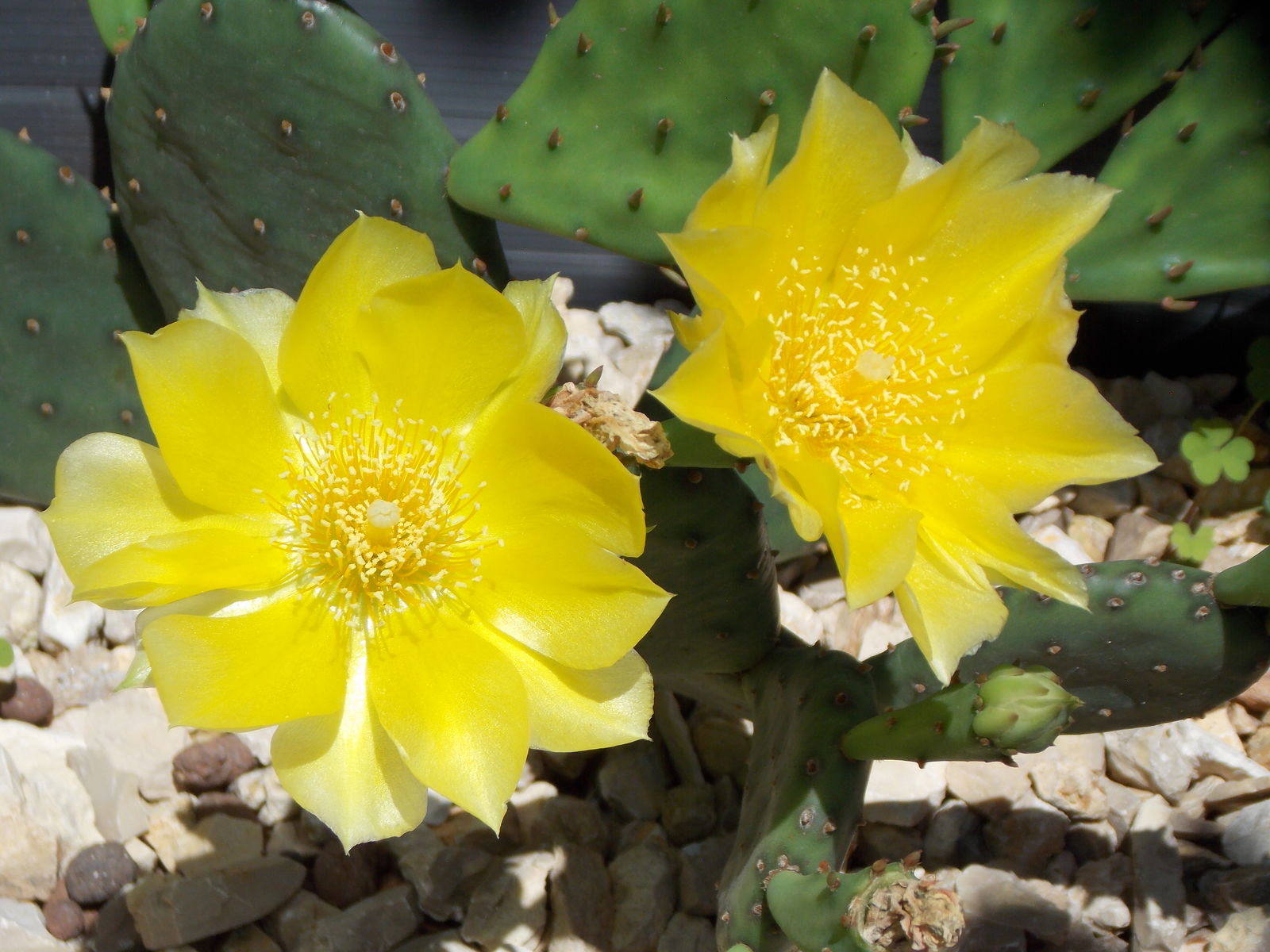
Opuntia humifusa
species of plant
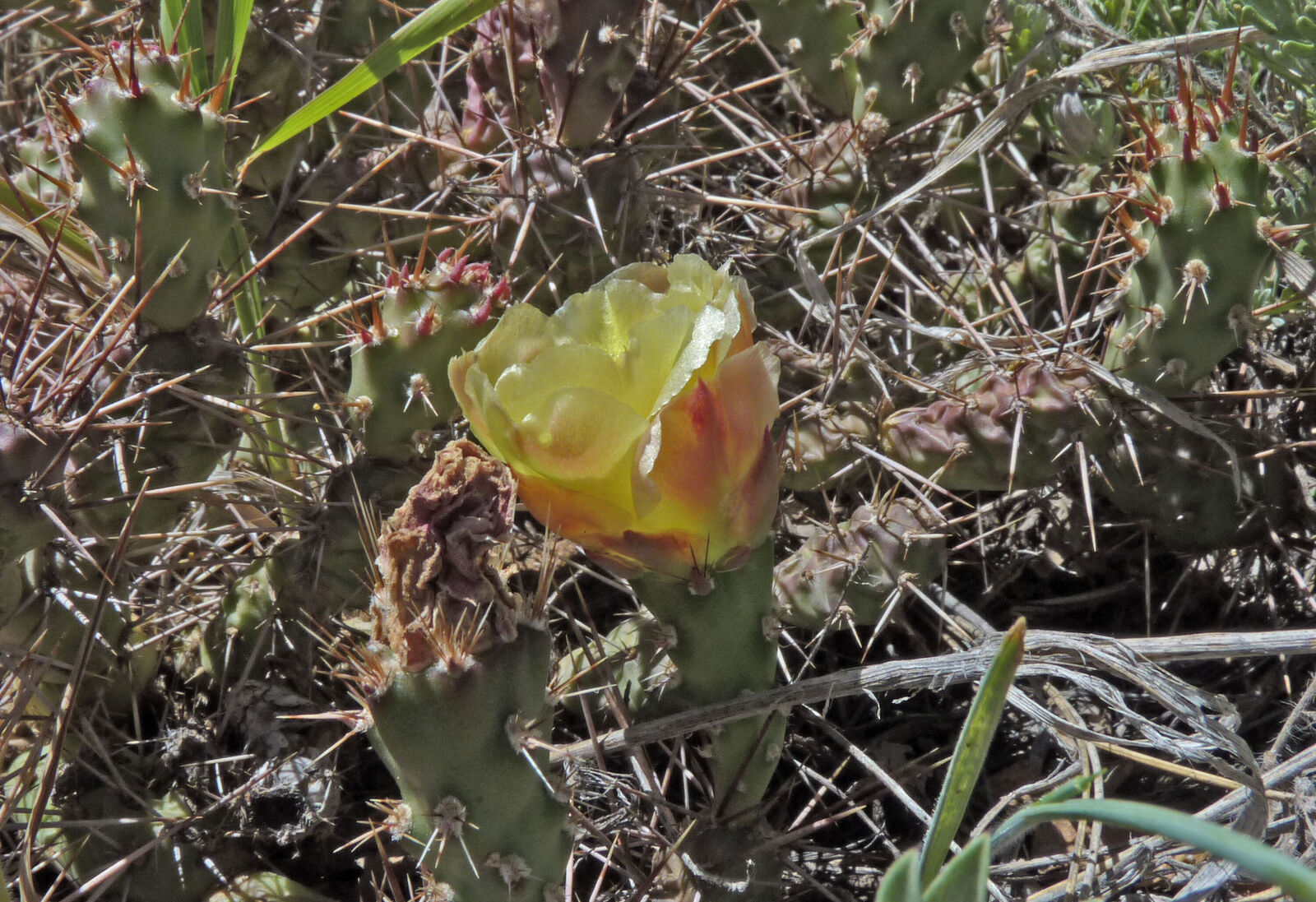
Opuntia fragilis
species of plant
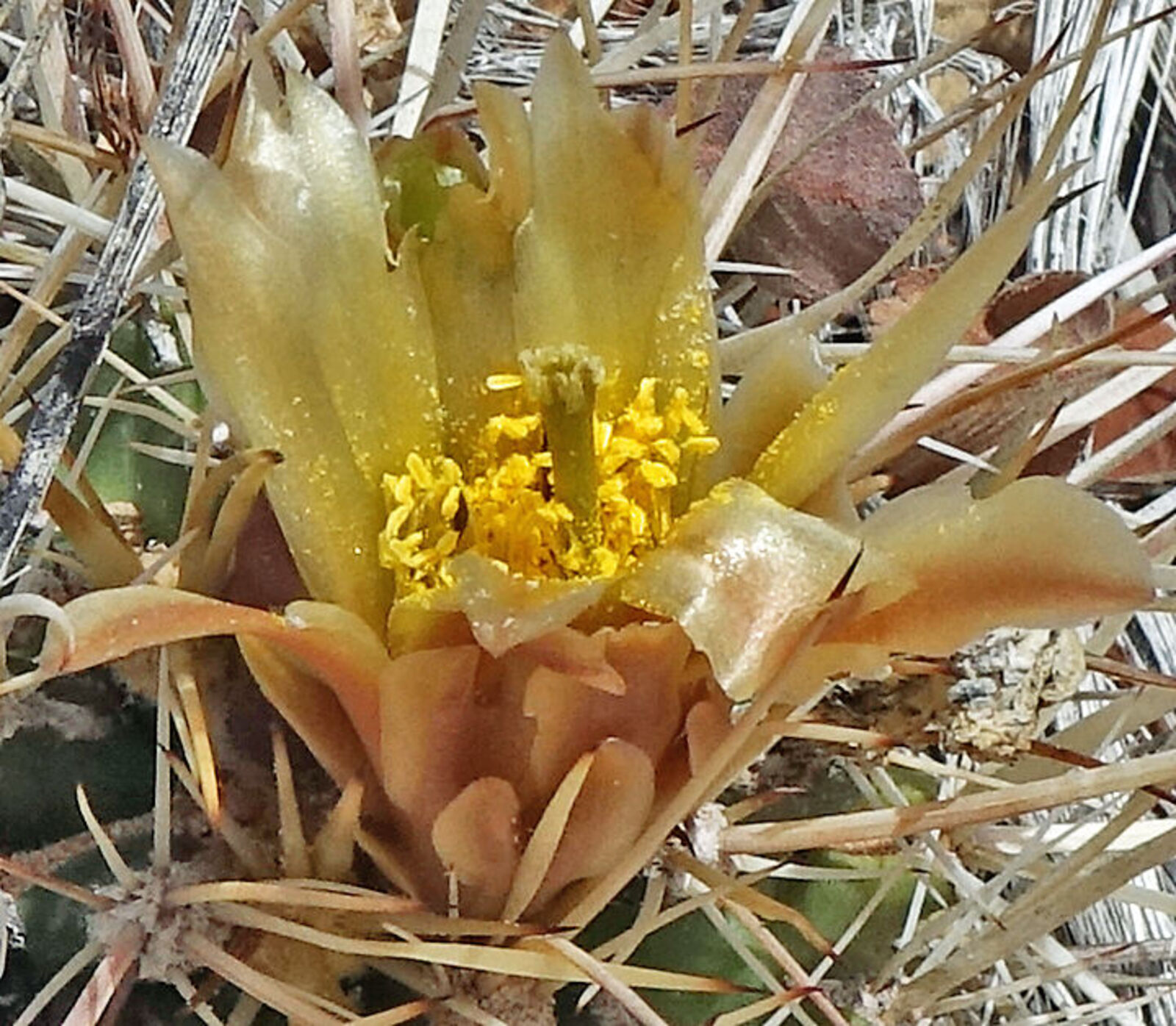
Sclerocactus
Sclerocactus ("hard cactus", from Greek; refers to the hard, dry fruit) is a genus of cacti. It comprises about 15 species, the exact number depending on the authority. These species are xerophytic. They are sometimes called 'fishhook cactus' or 'little barrels.'
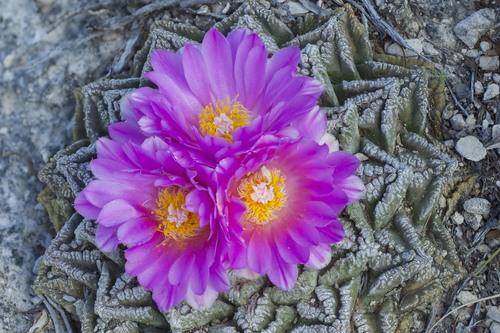
Ariocarpus fissuratus
species of plant

Opuntia engelmannii
species of plant
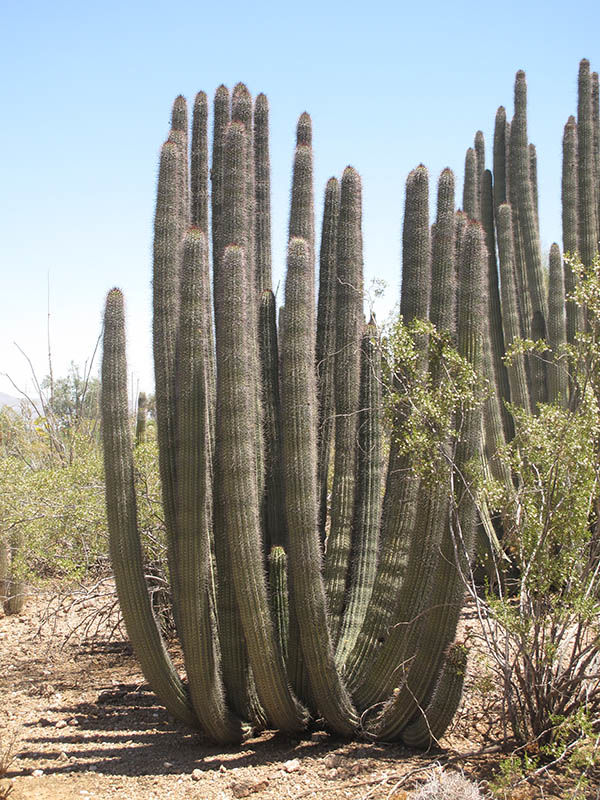
Stenocereus thurberi
species of plant
Cylindropuntia imbricata
species of plant

Grusonia
thumb|right|Grusonia parishiorum
Grusonia is a genus of opuntioid cacti (family Cactaceae), originating from the North American Deserts in Southwest United States and northern Mexico, including Baja California. Authors differ on precise boundaries of the genus, which has been included in Cylindropuntia. Corynopuntia, also known as club chollas (or "perritos" in Mexico), is now a synonym, with the genus originally being described by Knuth in 1935. Molecular phylogenetic studies suggest that it should be included in Grusonia, a view accepted by Plants of the World Online .
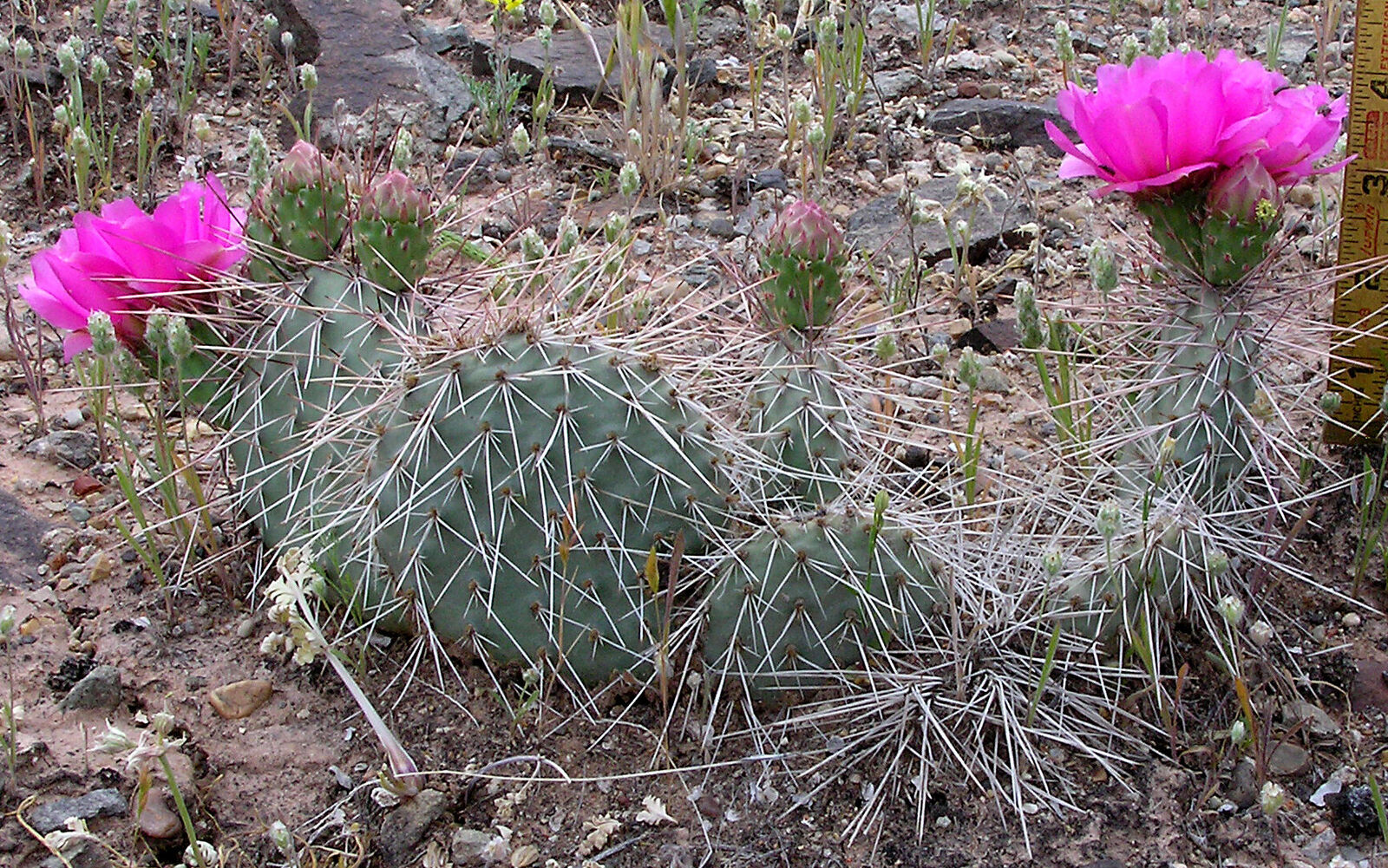
Opuntia phaeacantha
species of cactus
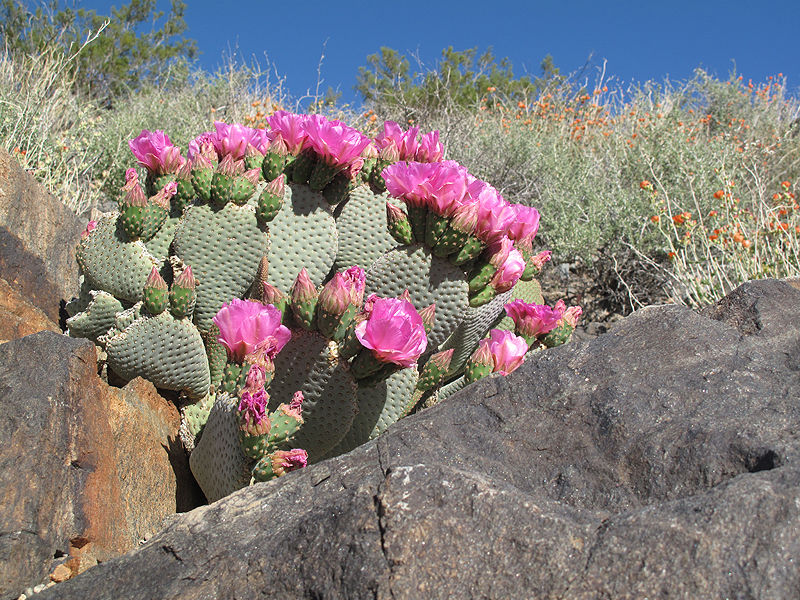
Opuntia basilaris
species of cactus

Opuntia chlorotica
species of plant

Opuntia polyacantha
species of plant
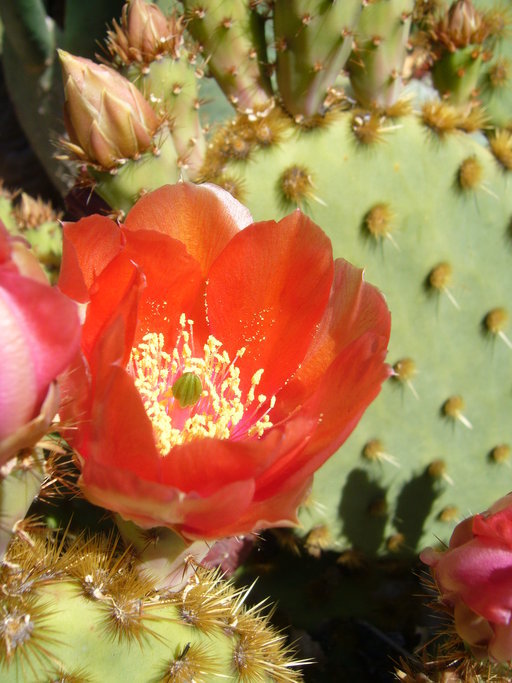
Chenille pricklypear
species of plant

Cochemiea dioica
species of cactus

Harrisia fragrans
species of plant
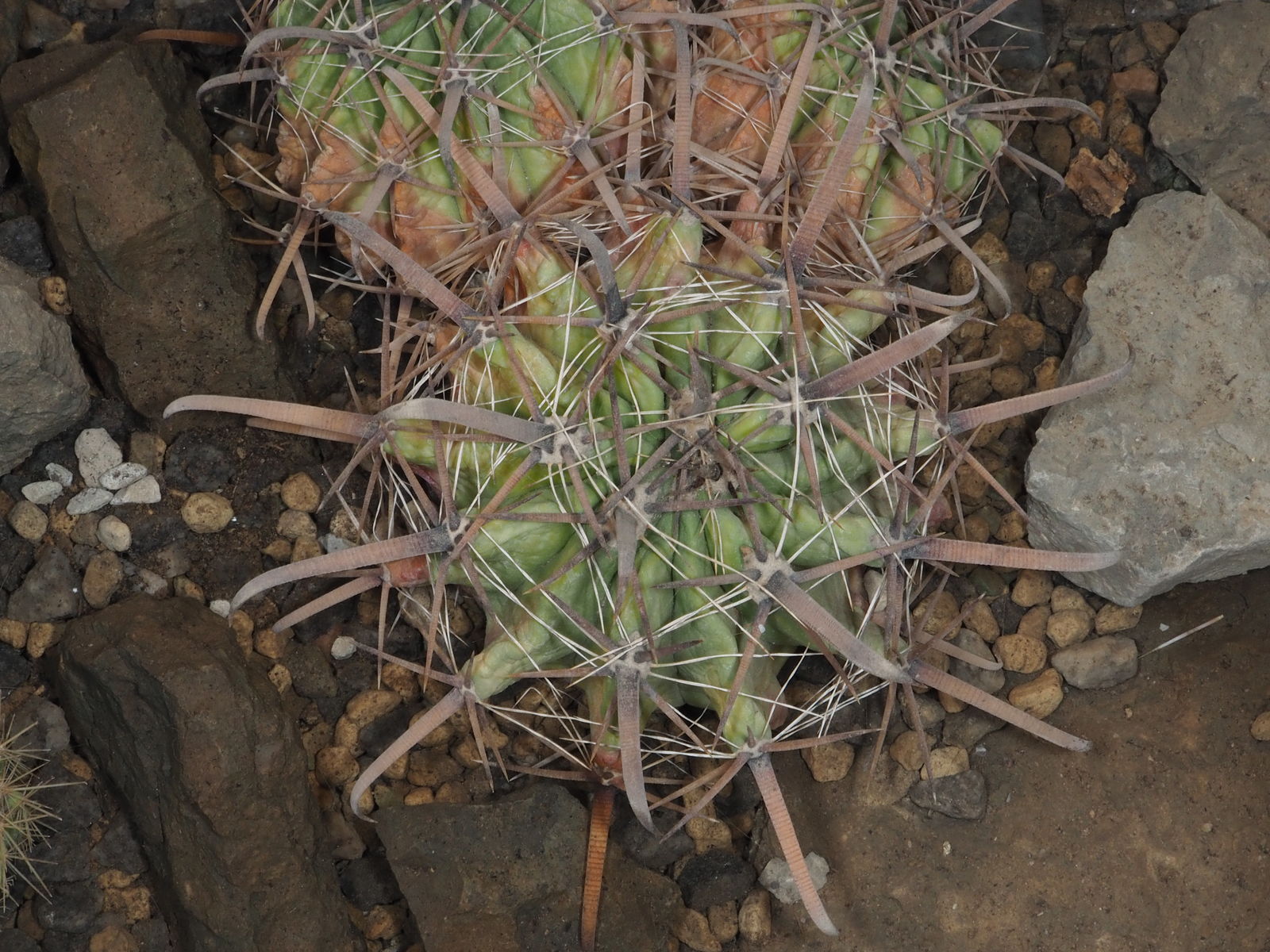
Ferocactus wislizeni
species of plant

Ferocactus emoryi
species of plant

Mammillaria prolifera
species of plant

Echinocactus horizonthalonius
species of plant
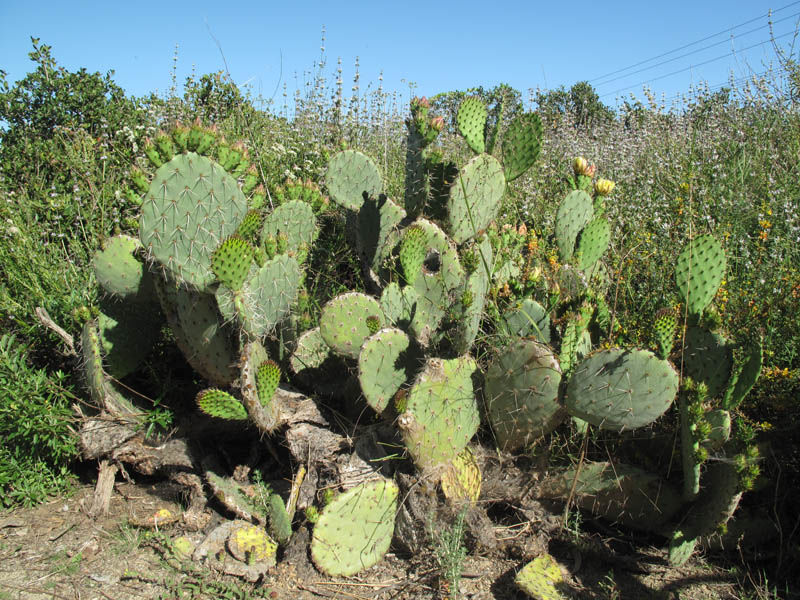
Opuntia littoralis
species of plant
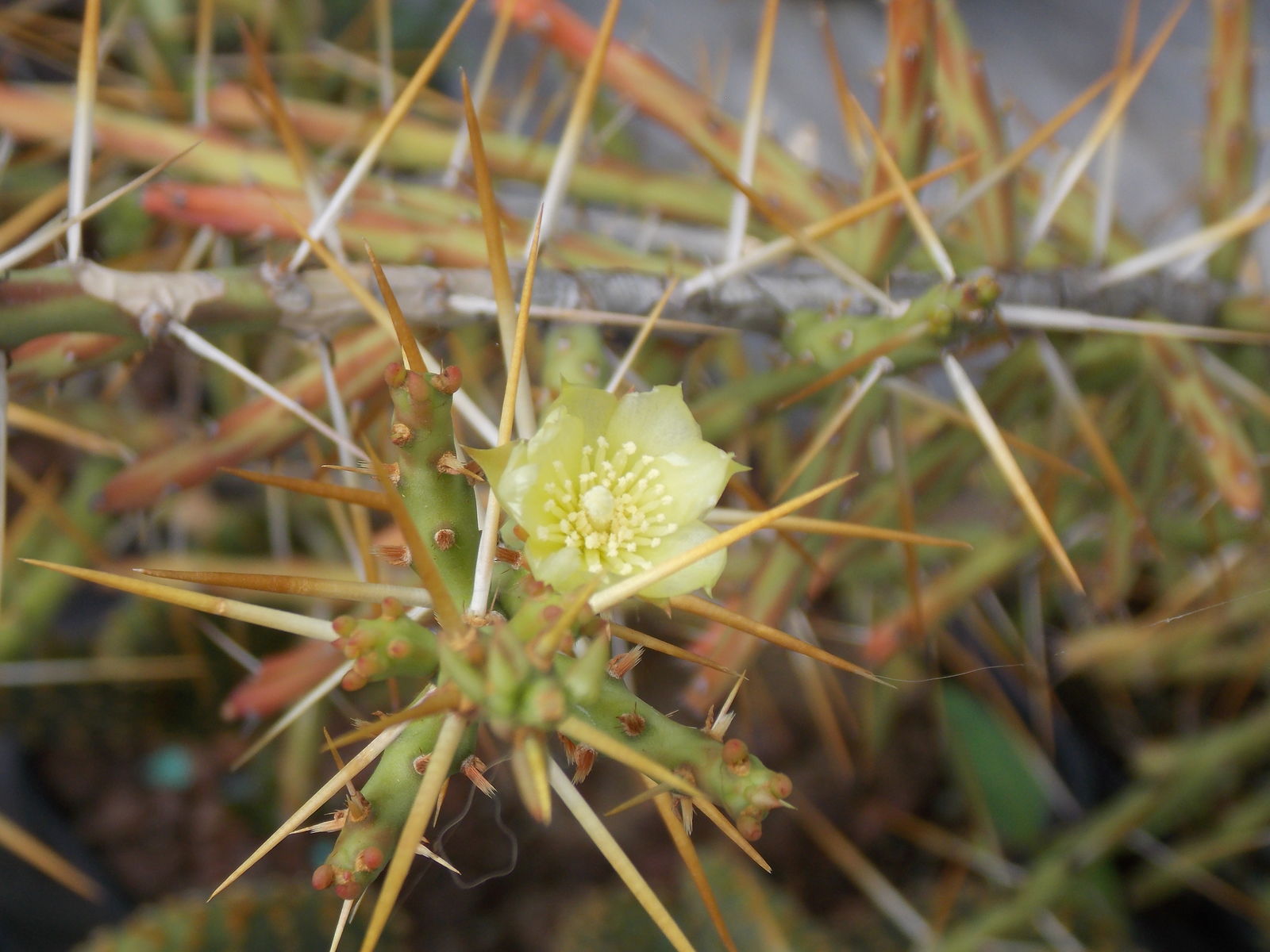
Cylindropuntia leptocaulis
species of plant
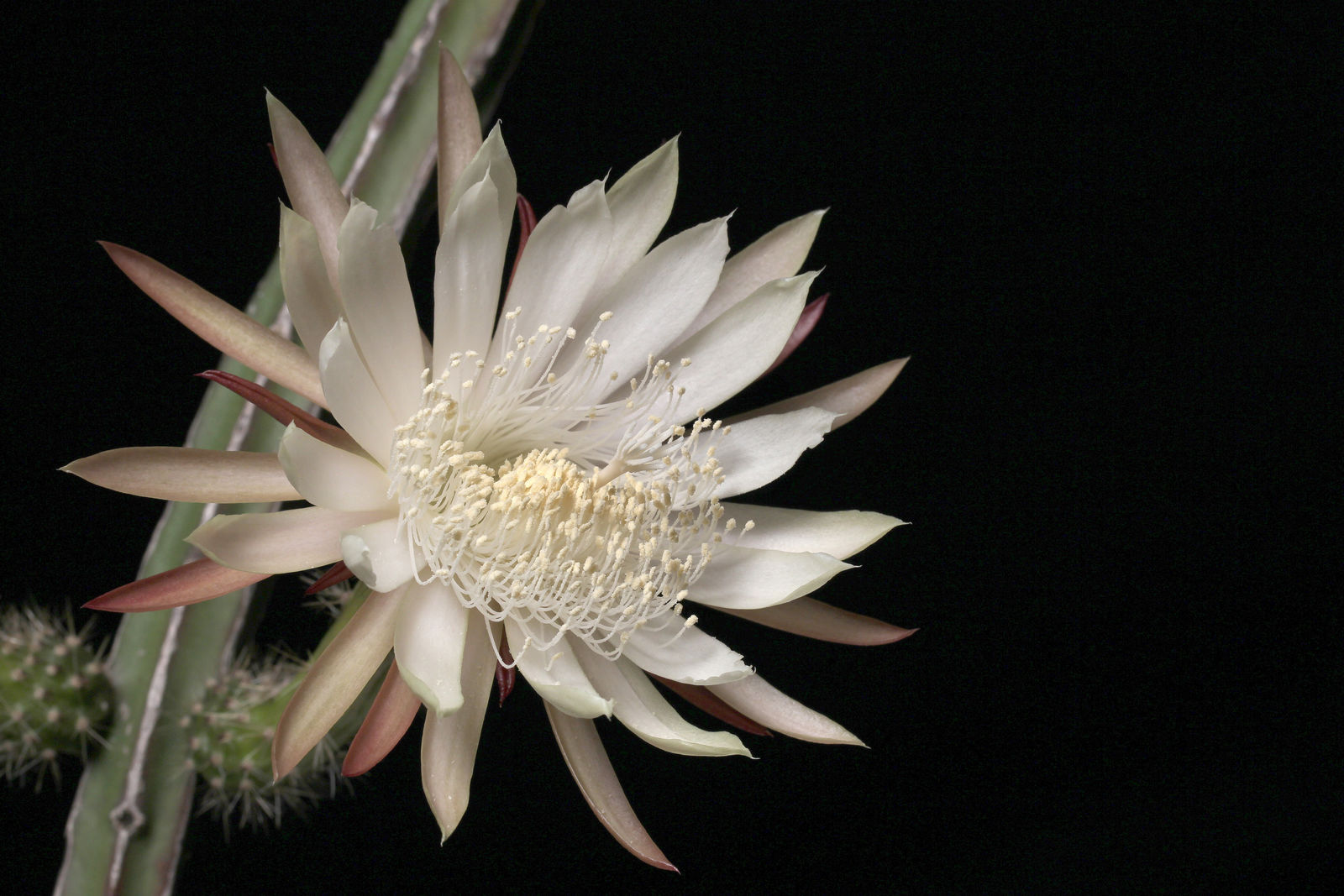
Selenicereus spinulosus
species of plant
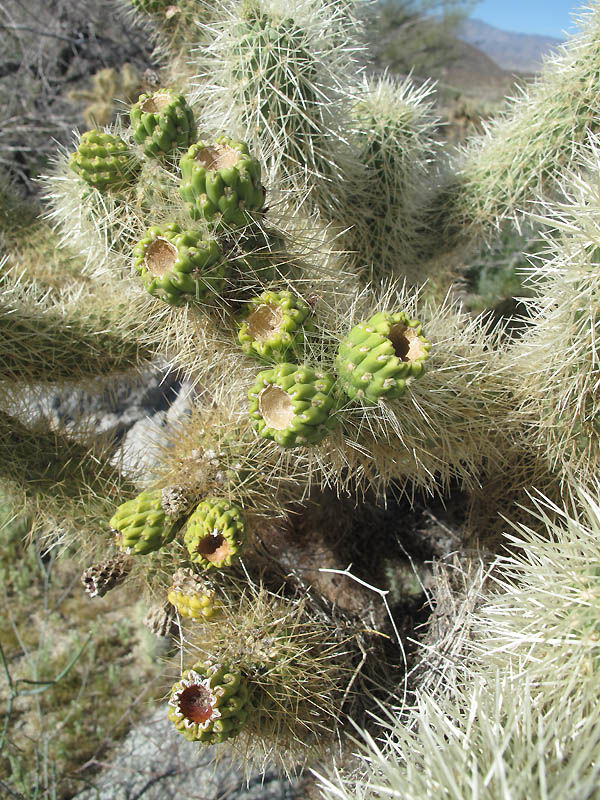
Cylindropuntia bigelovii
species of plant
Echinocereus engelmannii
epecies of plant

Coryphantha echinus
species of plant
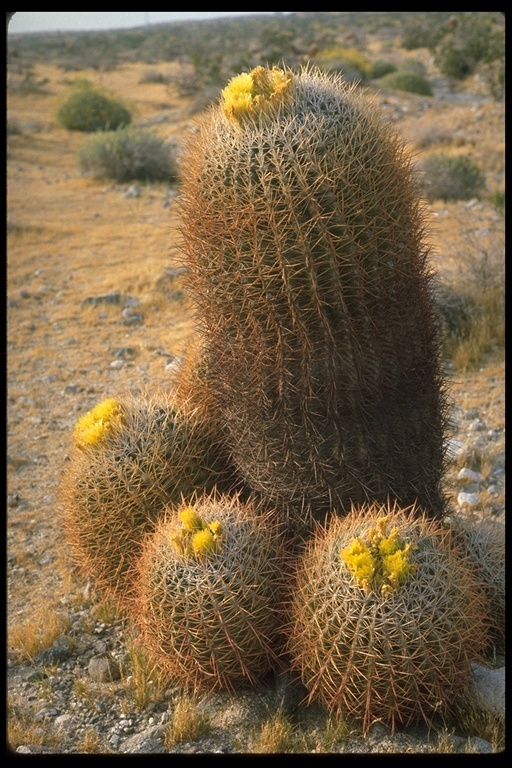
Ferocactus cylindraceus
species of plant

Escobaria missouriensis
species of plant
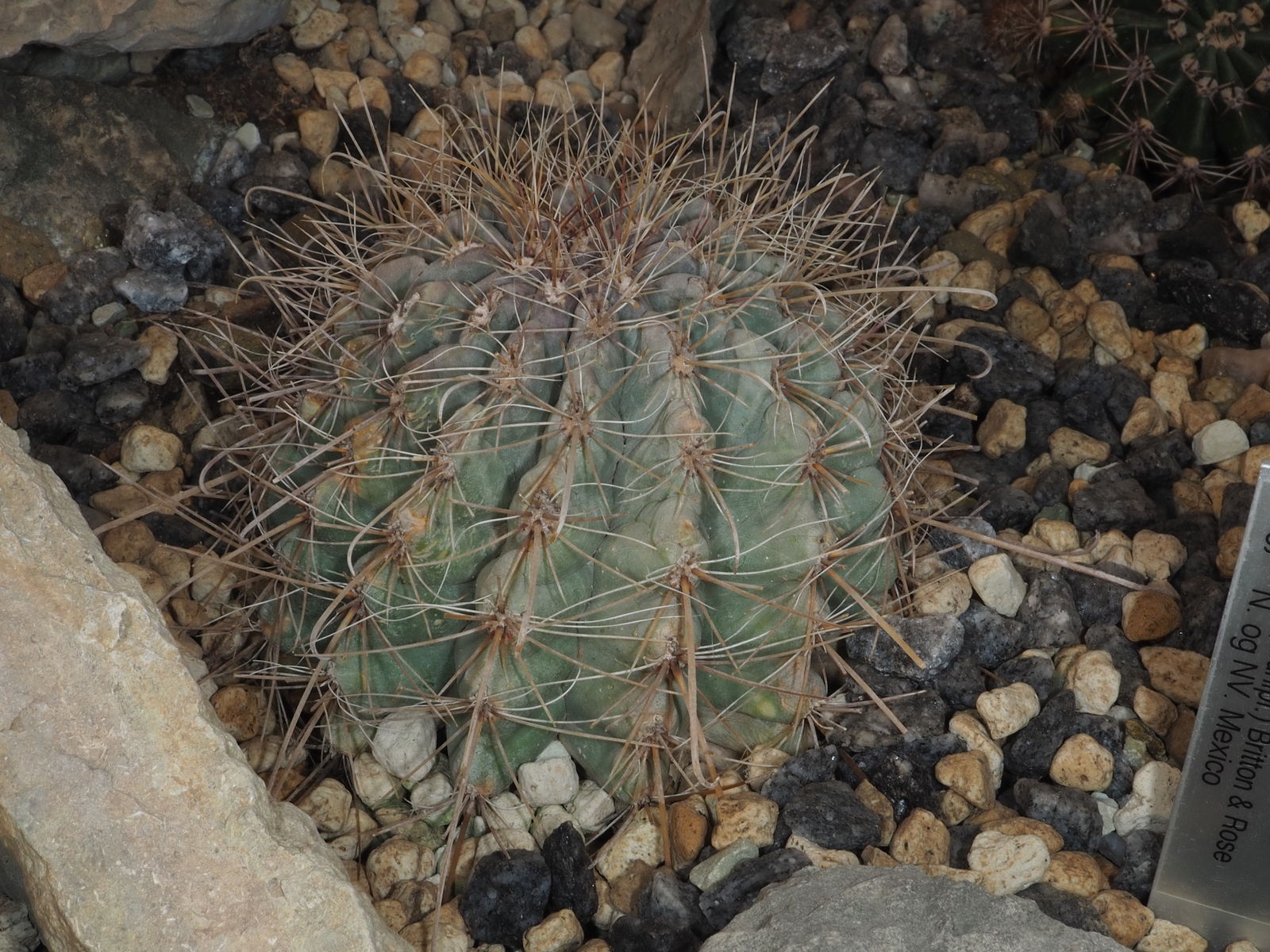
Ferocactus hamatacanthus
species of plant

Brady's pincushion cactus
species of plant
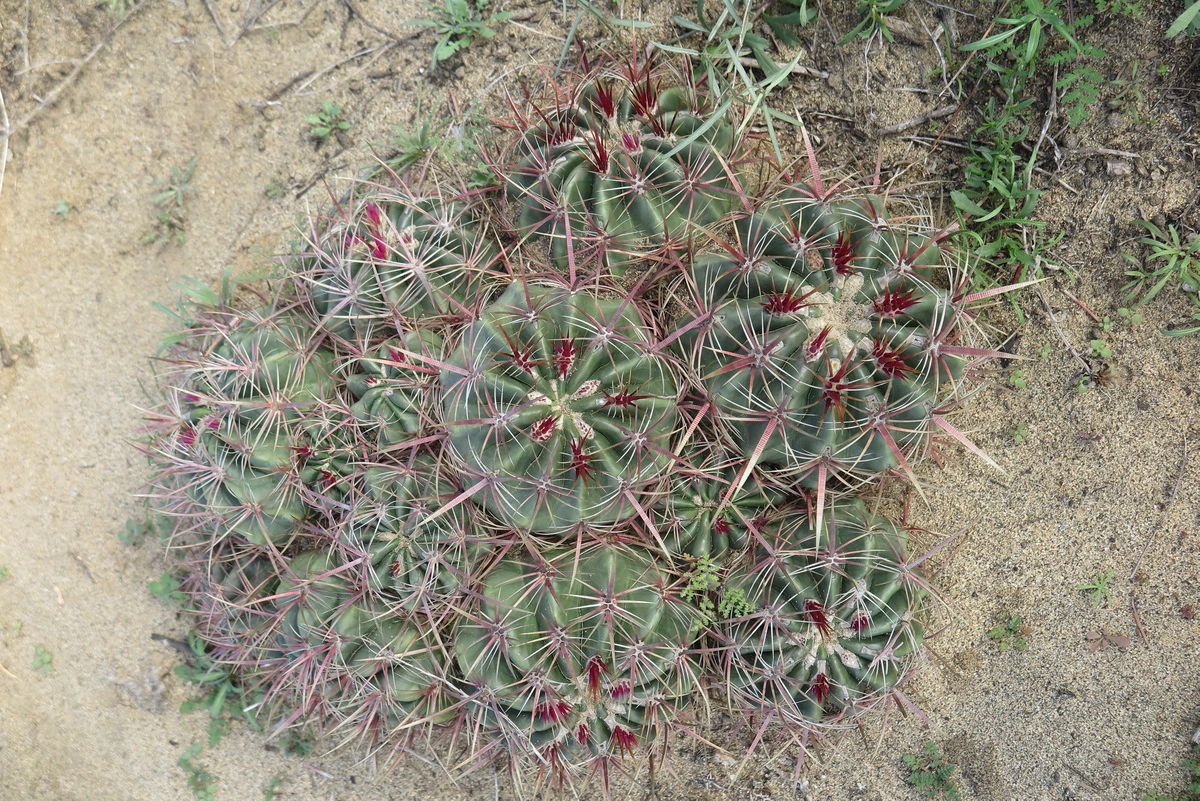
Ferocactus viridescens
species of plant
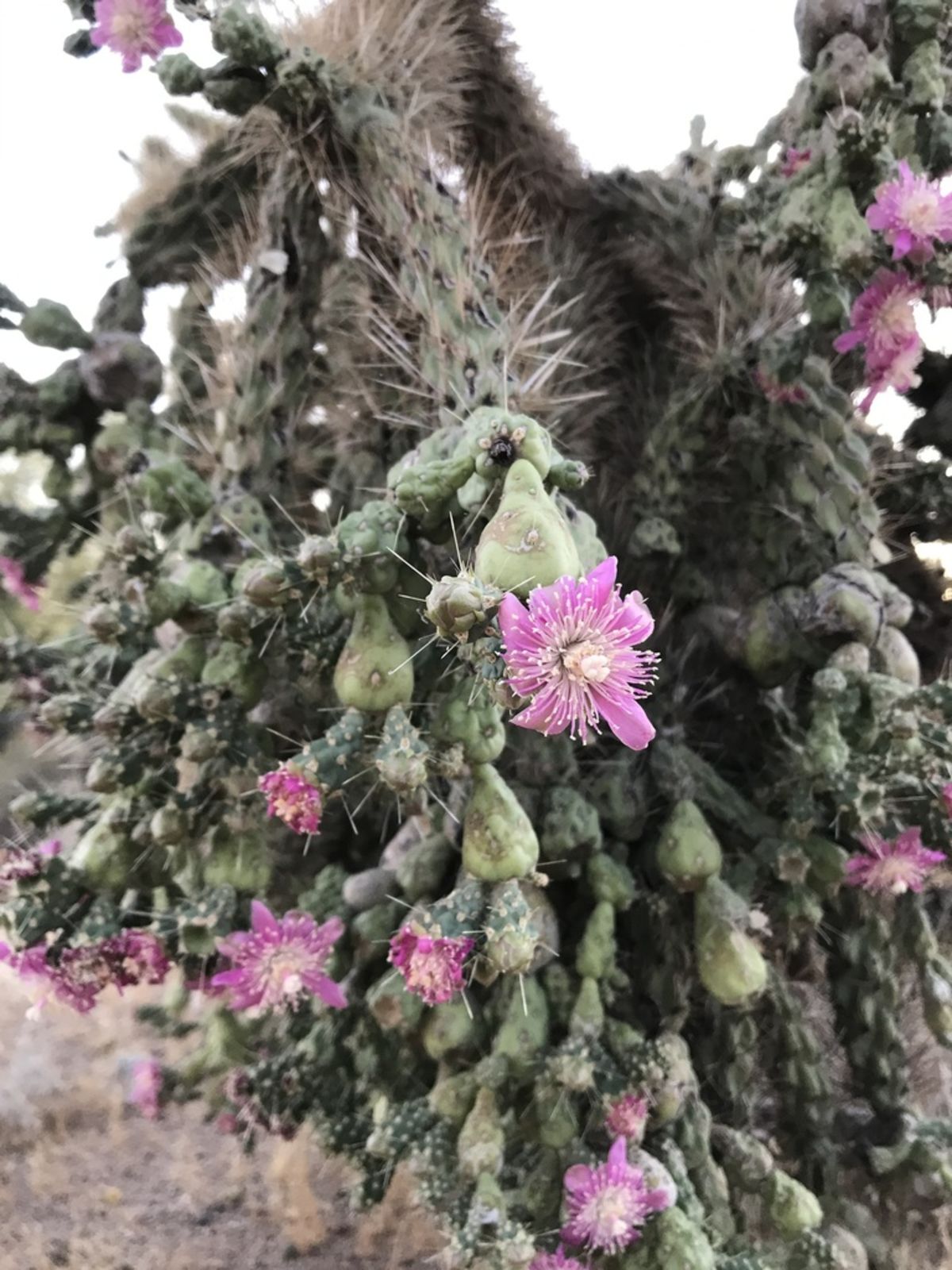
Cylindropuntia fulgida
species of plant
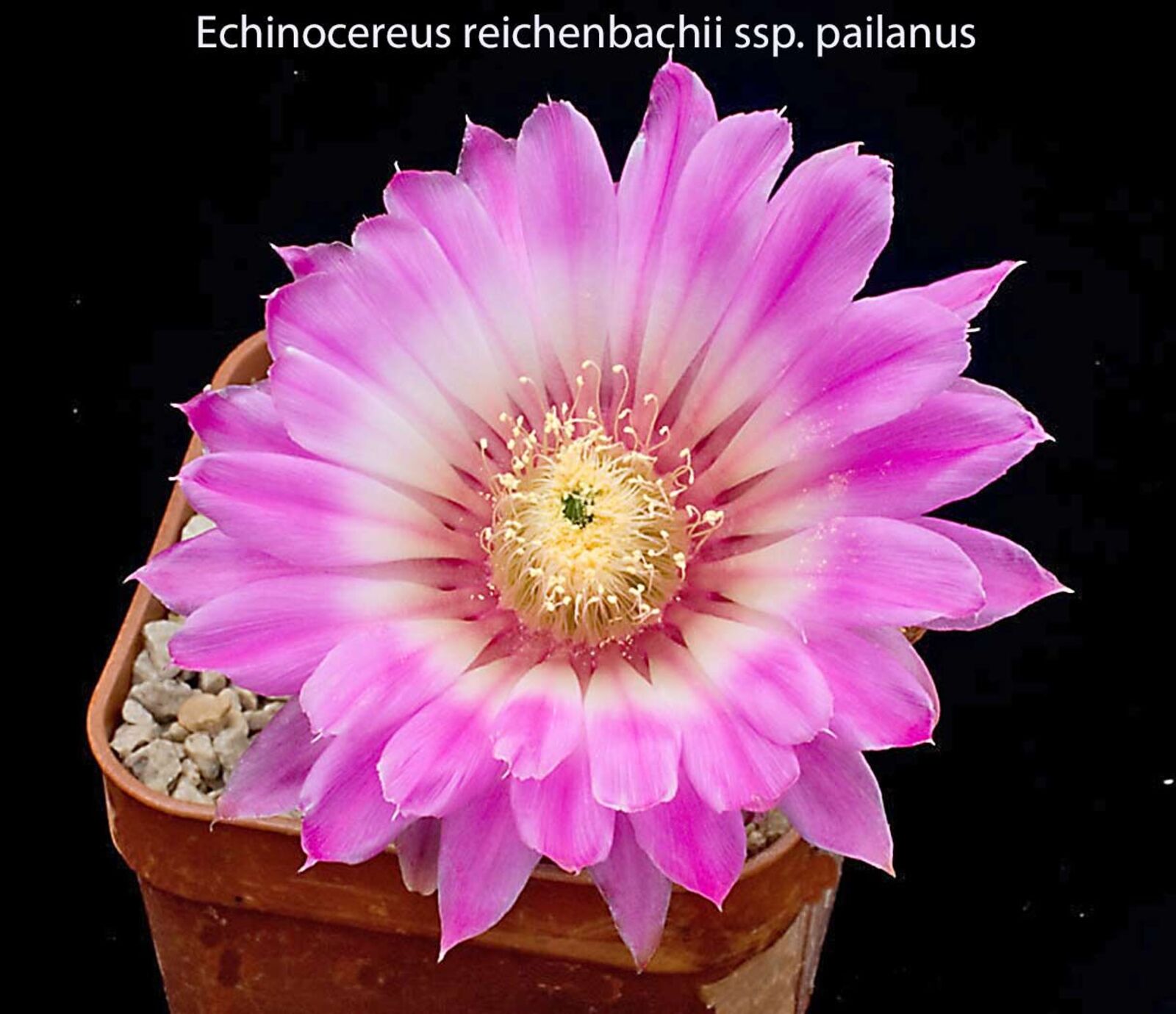
Echinocereus reichenbachii
species of plant
Peniocereus greggii
species of plant
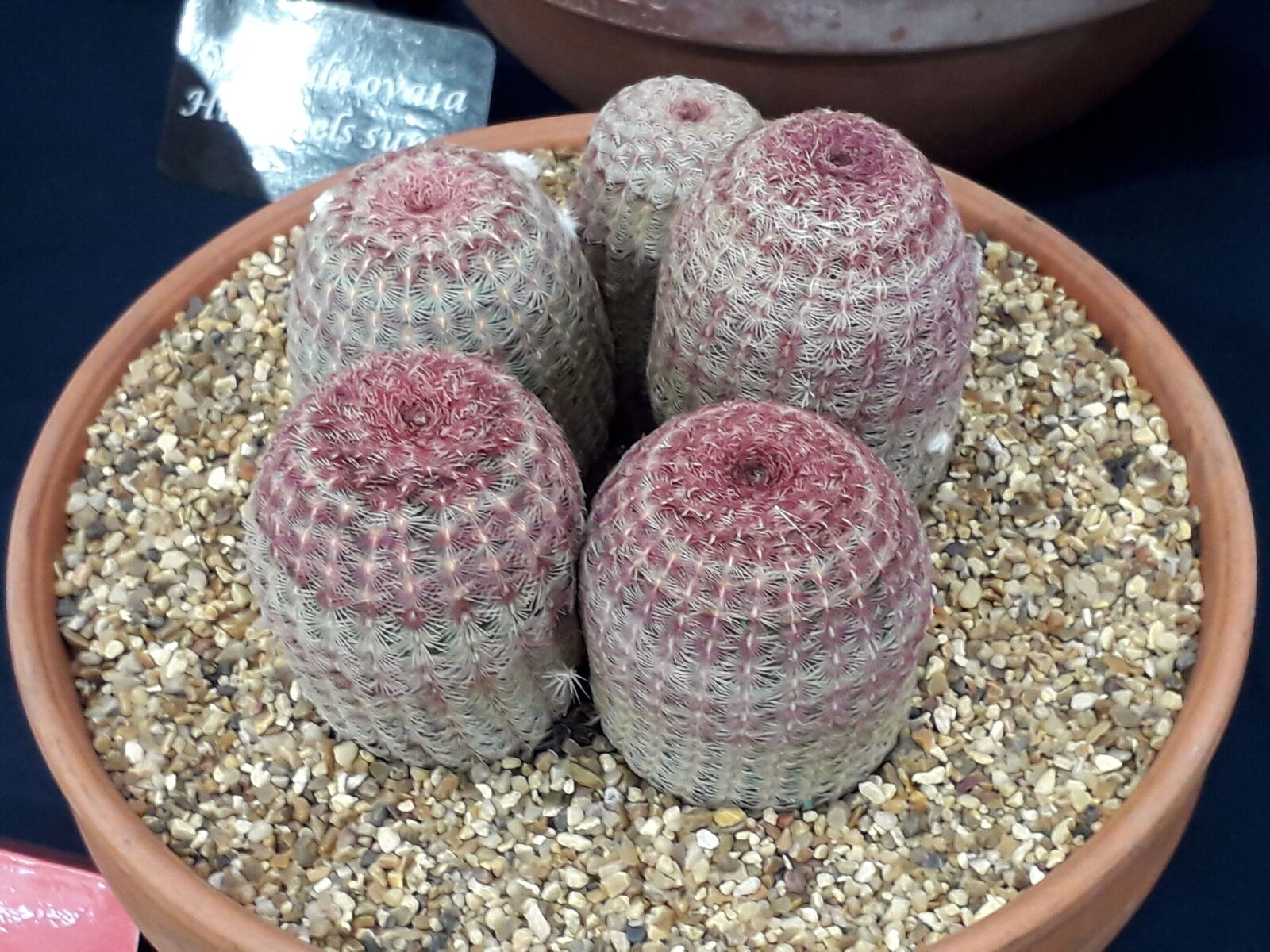
Echinocereus pectinatus
species of plant
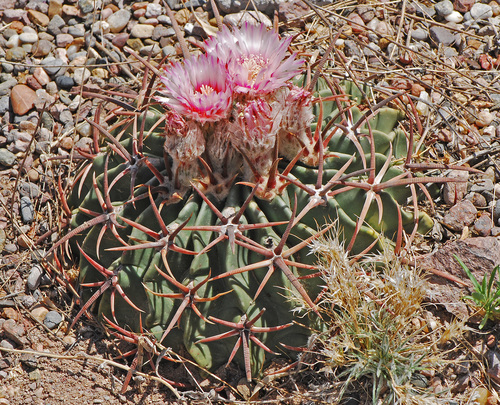
Homalocephala texensis
species of plant in the family Cactaceae
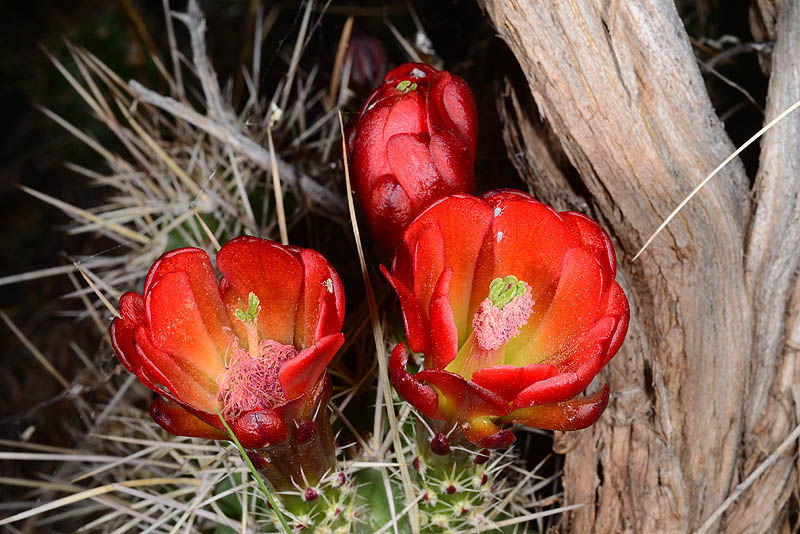
Echinocereus triglochidiatus
species of plant

Opuntia oricola
species of plant
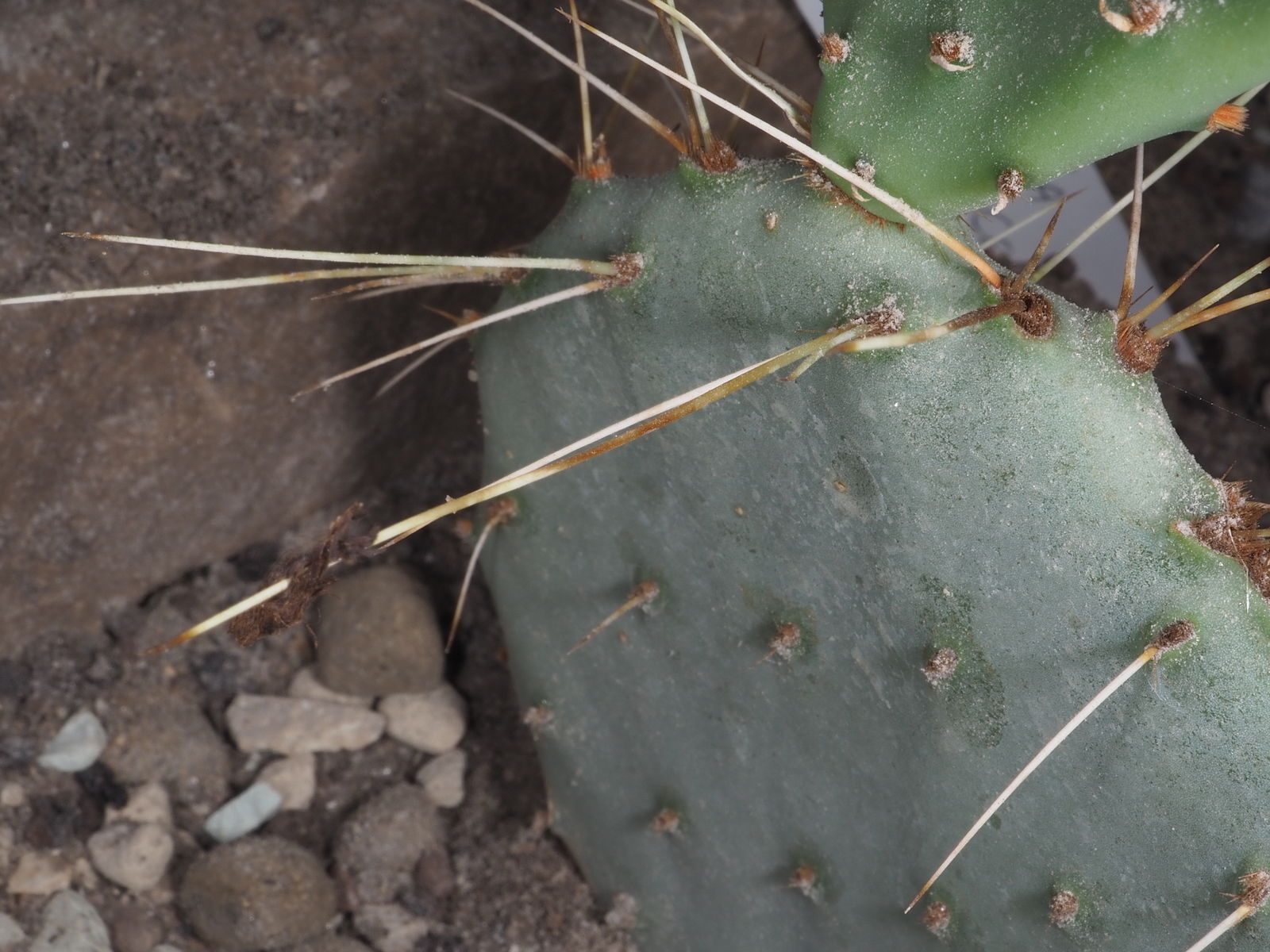
Opuntia Macrocentra
species of plant

Echinocereus pentalophus
species of plant
Homalocephala polycephala
species of cactus

Cylindropuntia imbricata subsp. spinosior
species of cactus

Cylindropuntia ramosissima
species of plant

Mesa Verde cactus
species of plant
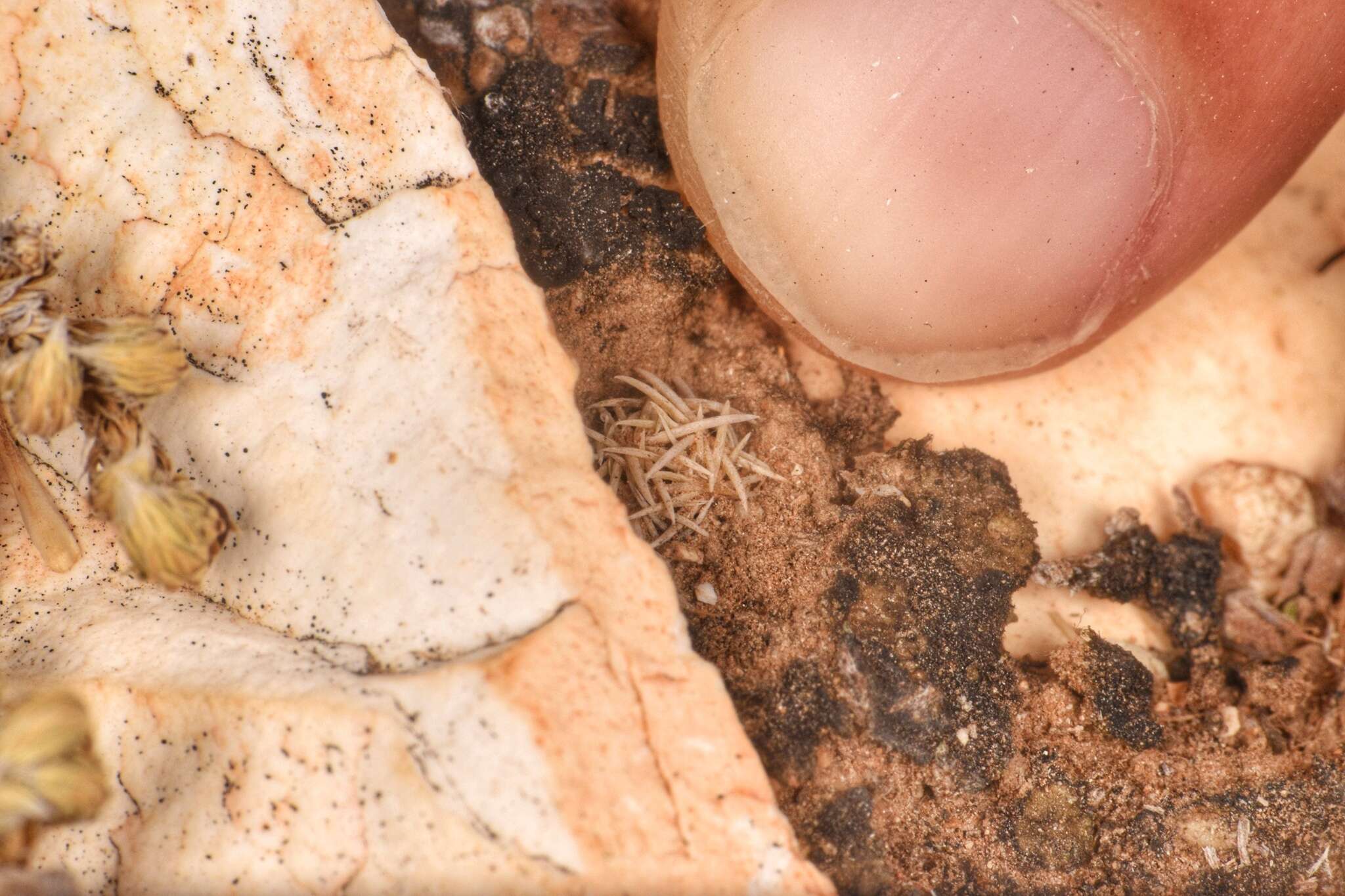
Escobaria minima
species of plant

Harrisia aboriginum
species of plant
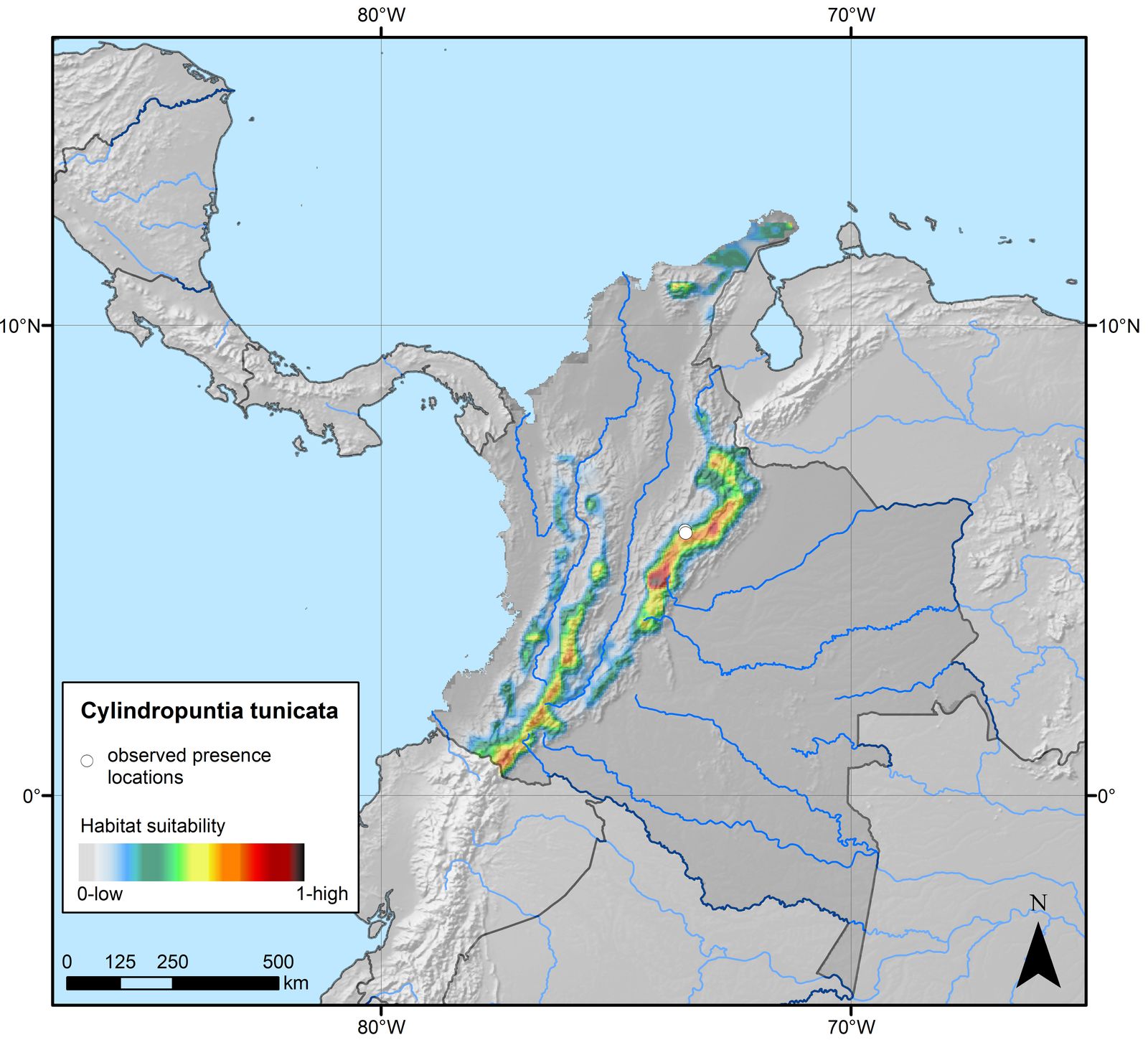
Cylindropuntia tunicata
species of plant
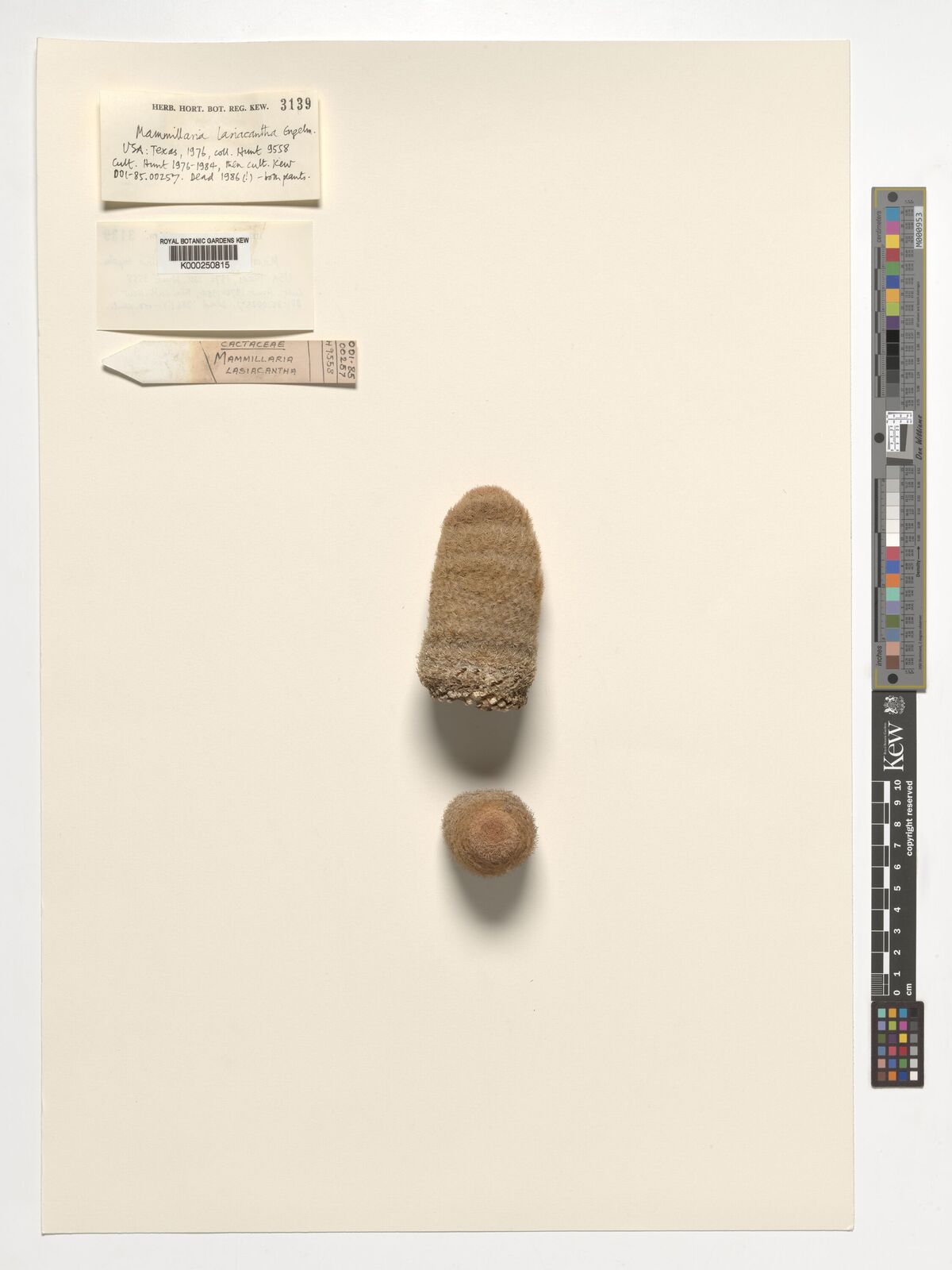
Mammillaria lasiacantha
species of plant
Bergerocactus
Bergerocactus emoryi is a species of cactus, known commonly as the golden-spined cereus, golden snake cactus, velvet cactus or golden club cactus. It is a relatively small cactus, but it can form dense thickets or colonies, with the dense yellow spines giving off a velvety appearance when backlit by the sun. From April to May, yellow, green-tinged flowers emerge, which transform into reddish, globular fruit. This species is native to the California Floristic Province, and is found in northwestern Baja California and a small part of California, in San Diego County and on the southern Channel Is
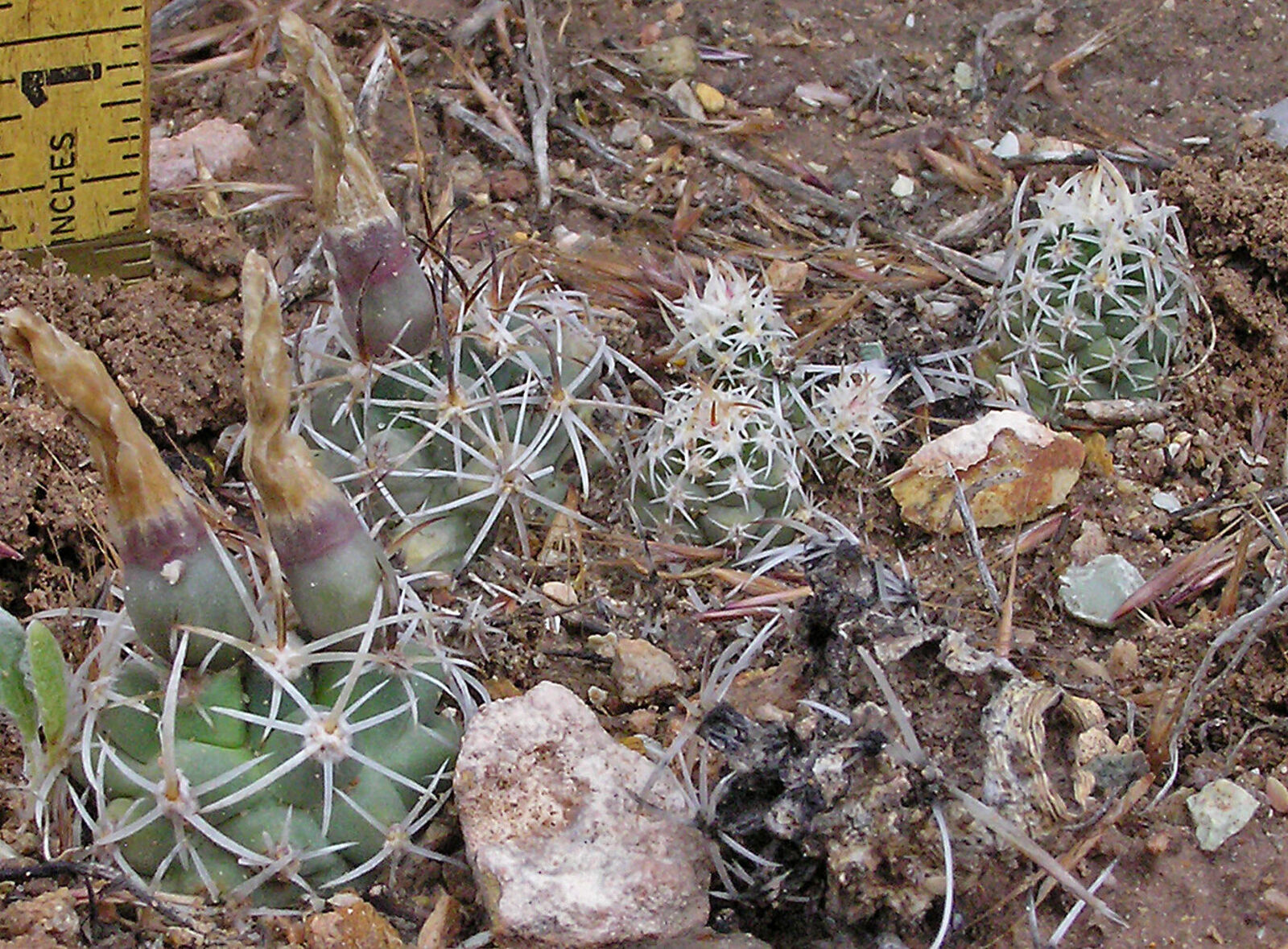
Sclerocactus glaucus
species of plant
Sclerocactus papyracanthus
species of plant

Cylindropuntia echinocarpa
species of plant