Category
page 1Carnivorans of North America

Ursus maritimus
species of bear native largely within the Arctic Circle

Red Fox
species of mammal
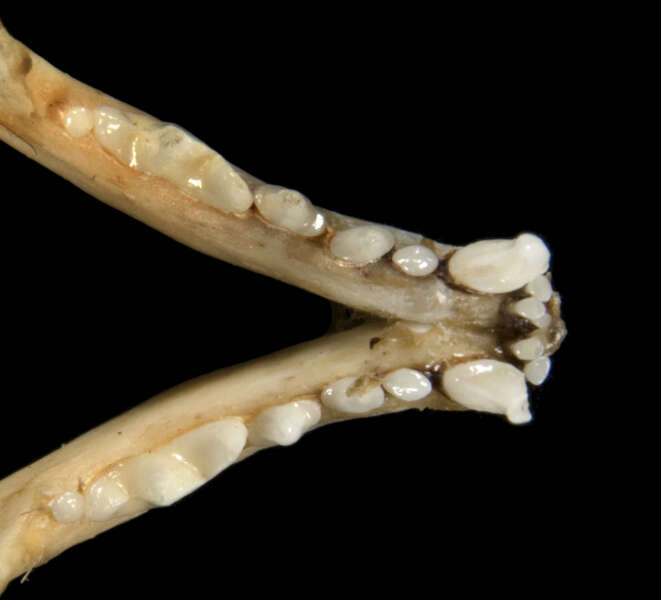
Mustela nivalis
species of mammal
%202.jpg)
raccoon
The raccoon ( or , Procyon lotor), sometimes called the North American, northern or common raccoon (also spelled racoon) to distinguish it from other species of raccoon, is a mammal native to North America. It is the largest of the procyonid family, having a body length of , and a body weight of . Its grayish coat mostly consists of dense underfur, which insulates it against cold weather. The animal's most distinctive features include its extremely dexterous front paws, its facial mask, and its ringed tail, which are common themes in the mythologies of the Indigenous peoples of the Americas su

Mustela erminea
The stoat (Mustela erminea), also known as the Eurasian ermine or ermine, is a species of mustelid native to Eurasia and the northern regions of North America. Because of its wide circumpolar distribution, it is listed as Least Concern on the IUCN Red List. The name ermine () is used especially in its pure white winter coat of the stoat or its fur. Ermine fur was used in the 15th century by Catholic monarchs, who sometimes used it as the mozzetta cape. It has long been used on the ceremonial robes of members of the United Kingdom House of Lords. It was also used in capes on images such as the

coyote
The coyote (Canis latrans) is a species of canine also known as the American jackal, prairie wolf, and brush wolf. It is native to North America, and it is smaller than its close relative, the gray wolf, and slightly smaller than the closely related eastern wolf and red wolf. It fills much of the same ecological niche as the golden jackal does in Eurasia but the coyote is generally larger.

wolverine
The wolverine ( , ; Gulo gulo), also called the carcajou or quickhatch (from East Cree, kwiihkwahaacheew), is the largest land-dwelling member of the family Mustelidae. It is a muscular carnivore and a solitary animal. The wolverine has a reputation for ferocity and strength out of proportion to its size, with the documented ability to kill prey many times larger than itself.
.jpg)
weasel
Weasels are mammals of the genus Mustela of the family Mustelidae. The genus Mustela includes the least weasels, polecats, stoats, ferrets, and European mink. Members of this genus are small, active predators, with long and slender bodies and short legs. The family Mustelidae, or mustelids (which also includes badgers, otters, and wolverines), is often referred to as the "weasel family". In Great Britain, the term "weasel" usually refers to the smallest species, the least weasel (M. nivalis), the smallest carnivoran species.

sea otter
species of marine mammal

Ursus arctos horribilis
subspecies of mammal

kinkajou
The kinkajou (/ˈkɪŋkədʒuː/ KING-kə-joo; Potos flavus) is a mammal of the family Procyonidae, a relative to olingos, coatis, raccoons, and the ringtail and cacomistle. It is the only member of the genus Potos and is also known as the "honey bear" (a name that it shares with the unrelated sun bear). Though kinkajous are arboreal, they are not closely related to any other tree-dwelling mammal group (primates, some mustelids, etc.).

Ursus arctos middendorffi
Subspecies of brown bear

Gray fox
species of mammal

American badger
species of mammal

Arctic wolf
Canine native to Canada

kit fox
species of fox native to North America

island fox
species of mammal

white-nosed coati
species of mammal
North American river otter
species of mammal

ringtail
The ringtail (Bassariscus astutus) is a mammal of the raccoon family native to arid regions of North America. It is widely distributed and well-adapted to its distributed areas. It has been legally trapped for its fur. Globally, it is listed as Least Concern on the IUCN Red List but is a Conservation Strategy Species in Oregon and Fully Protected in California The ringtail is the state mammal of Arizona.

Canis lupus baileyi
subspecies of mammal

Bassariscus sumichrasti
The cacomistle (; Bassariscus sumichrasti), also spelled cacomixtle, is a primarily nocturnal, arboreal, omnivorous member of the carnivoran family Procyonidae (coatis, kinkajous and raccoons). Depending on the location, its preferred habitats are humid and tropical evergreen jungle and montane cloud forests; seasonally, it may venture into drier, deciduous forests.

Greater grison
species of mammal

Cozumel raccoon
species of mammal

western spotted skunk
species of mammal

Canis lupus lycaon
subspecies of mammal

Eastern spotted skunk
species of mammal

hooded skunk
species of mammal
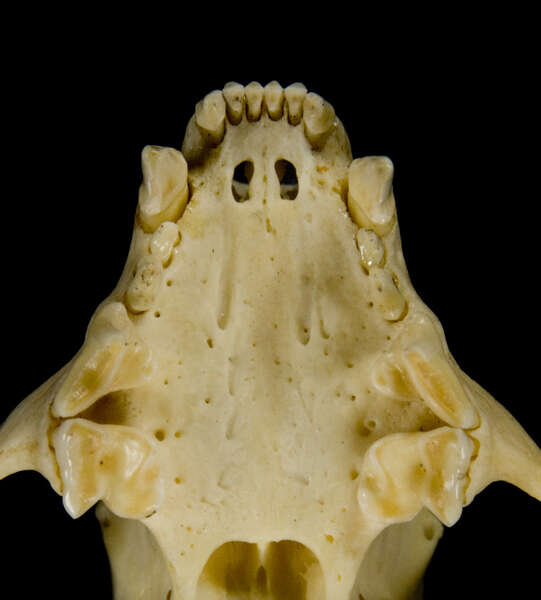
Spilogale
genus of mammals
Ursus arctos nelsoni
population of mammal

Southern spotted skunk
species of mammal in the skunk family

Conepatus leuconotus
species of mammal

Northwestern wolf
subspecies of mammal

Pygmy spotted skunk
species of mammal
silver fox
melanistic form of red fox

Great Plains wolf
subspecies of mammal

Alaskan Tundra Wolf
subspecies of mammal
Ursus arctos californicus
Subspecies of mammal

coati
Coatis (from Tupí), also known as coatimundis (), are members of the family Procyonidae in the genera Nasua and Nasuella (comprising the subtribe Nasuina). They are diurnal mammals native to South America, Central America, Mexico, and the Southwestern United States. The name "coatimundi" comes from the Tupian languages of Brazil, where it means "lone coati". Locally in Belize, the coati is known as "quash".

Nasua narica nelsoni
subspecies of mammal

skunk
Skunks are mammals in the family Mephitidae. They are known for their ability to spray a liquid with a strong, unpleasant scent from their anal glands. Different species of skunk vary in appearance from black-and-white to brown, cream or ginger colored, but all have warning coloration.

Northern Rocky Mountains wolf
subspecies of mammal

Yukon Wolf
subspecies of mammal

Ursus arctos gyas
subspecies of mammal

Alexander Archipelago wolf
subspecies of mammal

Cascade Mountain Wolf
subspecies of mammal

American red fox
subspecies of mammal

American ermine
species of mammal
Desmatophoca
Desmatophoca is an extinct genus of early pinniped that lived during the Miocene, and is named from the Greek "phoca", meaning seal. A taxon of the family Desmatophocidae, it shares some morphological similarities with modern true seals. Two species are recognized: Desmatophoca oregonensis and Desmatophoca brachycephala. Little information exists regarding Desmatophoca, due to the small number of fossil samples obtained and identified.
Sierra Nevada red fox
subspecies of mammal