Category
page 1Cat diseases

rabies
Rabies is a zoonotic viral disease that causes acute and severe encephalitis in humans and other mammals. It was historically referred to as hydrophobia ("fear of water") because its victims panic when offered liquids to drink. Early symptoms can include fever and abnormal sensations at the site of exposure, which are followed by nausea, vomiting, violent movements, uncontrolled excitement, fear of water, an inability to move parts of the body, confusion, and/or loss of consciousness. Once symptoms appear, the result is virtually always death. The time period between contracting the disease an

plague
specific contagious and frequently fatal human disease caused by Yersinia pestis

toxoplasmosis

dermatophytosis

hyperthyroidism
Hyperthyroidism is a endocrine disease in which the thyroid gland produces excessive amounts of thyroid hormones. Thyrotoxicosis is a condition that occurs due to elevated levels of thyroid hormones of any cause and therefore includes hyperthyroidism. Some, however, use the terms interchangeably. Signs and symptoms vary between people and may include irritability, muscle weakness, sleeping problems, a fast heartbeat, heat intolerance, diarrhea, enlargement of the thyroid, hand tremor, and weight loss. Symptoms are typically less severe in the elderly and during pregnancy. An uncommon but life-

Toxoplasma gondii
obligate intracellular parasitic protozoan that causes toxoplasmosis
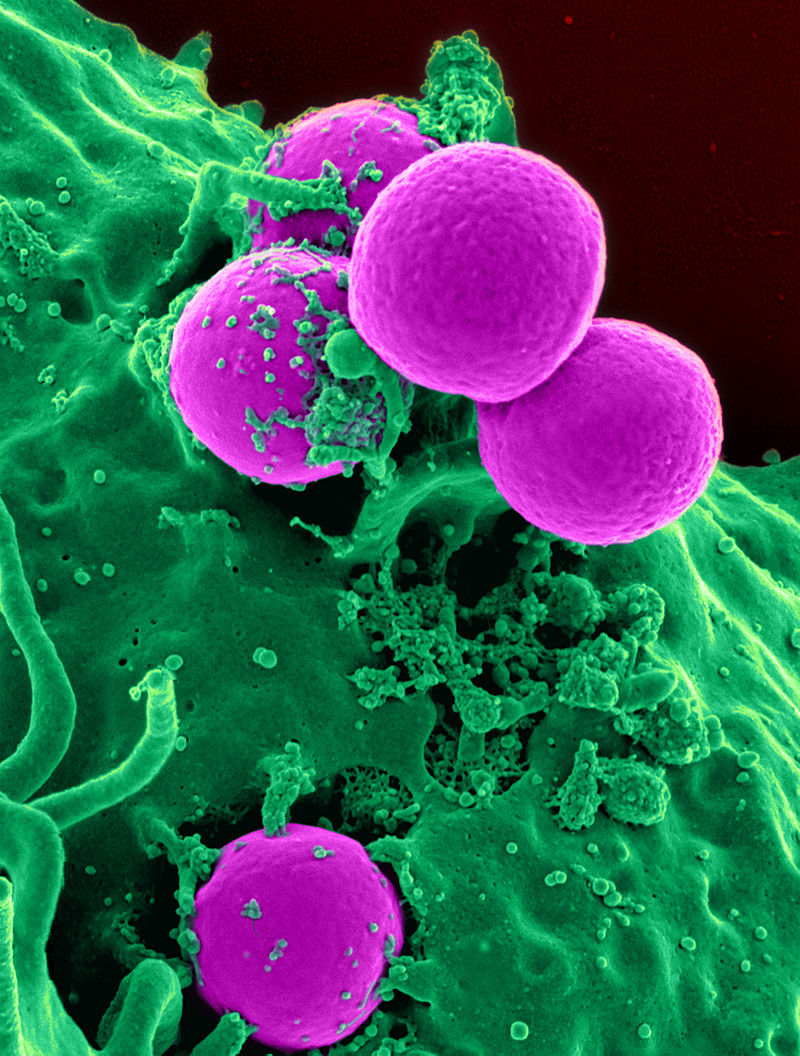
methicillin-resistant Staphylococcus aureus
bacterium responsible for difficult-to-treat infections in humans
hypertrophic cardiomyopathy
disease in which the heart muscle is enlarged

feline immunodeficiency virus
species of virus
.png)
cowpox
Cowpox is an infectious disease caused by Cowpox virus (CPXV). It presents with large blisters in the skin, a fever and swollen glands, historically typically following contact with an infected cow, though in the last several decades more often (though overall rarely) from infected cats. The hands and face are most frequently affected and the spots are generally very painful.
cat-scratch disease
human disease
feline infectious peritonitis
incurable, fatal disease that affects cats

histoplasmosis
Histoplasmosis is a fungal infection caused by Histoplasma capsulatum. Symptoms of this infection vary greatly, but the disease affects primarily the lungs. Occasionally, other organs are affected; called disseminated histoplasmosis, it can be fatal if left untreated.
Coccidia
Coccidia (Coccidiasina) are a subclass of microscopic, spore-forming, single-celled obligate intracellular parasites belonging to the apicomplexan class Conoidasida.
As obligate intracellular parasites, they must live and reproduce within an animal cell. Coccidian parasites infect the intestinal tracts of animals, and are the largest group of apicomplexan protozoa.

Feline leukemia virus
species of virus

cryptosporidiosis
Cryptosporidiosis, sometimes informally called crypto, is a parasitic disease caused by Cryptosporidium, a genus of protozoan parasites in the phylum Apicomplexa. It affects the distal small intestine and can affect the respiratory tract in both immunocompetent (i.e., individuals with a normal functioning immune system) and immunocompromised (e.g., persons with HIV/AIDS or autoimmune disorders) individuals, resulting in watery diarrhea with or without an unexplained cough. In immunosuppressed individuals, the symptoms are particularly severe and can be fatal. It is primarily spread through the

toxocariasis
Toxocariasis is an illness of humans caused by the dog roundworm (Toxocara canis) and, less frequently, the cat roundworm (Toxocara cati). These are the most common intestinal roundworms of dogs, coyotes, wolves and foxes and domestic cats, respectively. Humans are among the many "accidental" or paratenic hosts of these roundworms.
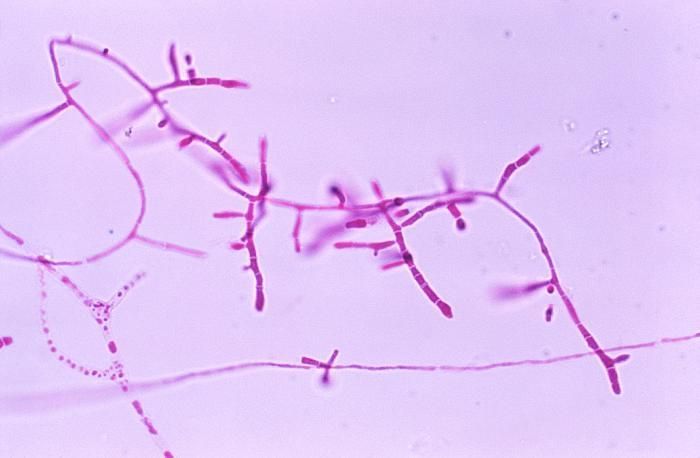
Trichophyton
Trichophyton is a genus of fungus, which includes the parasitic varieties that cause tinea, including athlete's foot, ringworm, jock itch, and similar infections of the nail, beard, skin and scalp. Trichophyton fungi are molds characterized by the development of both smooth-walled macro- and microconidia. Macroconidia are mostly borne laterally directly on the hyphae or on short pedicels, and are thin- or thick-walled, clavate to fusiform, and range from 4 to 8 by 8 to 50 μm in size. Macroconidia are few or absent in many species. Microconidia are spherical, pyriform to clavate or of irregular

pasteurella multocida
species of bacterium

cryptococcosis
Cryptococcosis is a potentially fatal fungal infection of mainly the lungs, presenting as a pneumonia, and in the brain, where it appears as a meningitis. Coughing, difficulty breathing, chest pain and fever are seen when the lungs are infected. When the brain is infected, symptoms include headache, fever, neck pain, nausea and vomiting, light sensitivity and confusion or changes in behavior. It can also affect other parts of the body including skin, where it may appear as several fluid-filled nodules with dead tissue.

sporotrichosis
Sporotrichosis, also known as '''rose handler's disease', is a fungal infection that may be localised to skin, lungs, bone and joint, or become systemic. It presents with firm painless nodules that later ulcerate. Following initial exposure to Sporothrix schenckii'', the disease typically progresses over a period of a week to several months. Serious complications may develop in people who have a weakened immune system.
ectopia lentis
disorder of lens

Feline calicivirus
virus of the family Caliciviridae
feline viral rhinotracheitis
upper respiratory or pulmonary infection of cats

pyometritis
Pyometra or pyometritis is a uterine infection. Though it is most commonly known as a disease of the entire female dog, it is also a notable human disease. It is also seen in female cattle, horses, goats, sheep, swine, cats, rabbits, hamsters, ferrets, chinchillas, rats and guinea pigs. Pyometra is an important disease to be aware of for any dog or cat owner because of the sudden nature of the disease and the deadly consequences if left untreated. It has been compared to acute appendicitis in humans, because both are essentially empyemas within an abdominal organ.
autosomal dominant polycystic kidney
human disease

Cheyletiella
Cheyletiella is a genus of mites that live on the skin surface of dogs, cats, and rabbits.
hyperesthesia
Hyperesthesia is a condition that involves an abnormal increase in sensitivity to stimuli of the senses. Stimuli of the senses can include sound that one hears, foods that one tastes, textures that one feels, and so forth. Increased touch sensitivity is referred to as "tactile hyperesthesia", and increased sound sensitivity is called "auditory hyperesthesia". In the context of pain, hyperaesthesia can refer to an increase in sensitivity where there is both allodynia and hyperalgesia.
feline lower urinary tract disease
any disorder affecting the bladder or urethra of cats

Feline coronavirus
strain of virus
luxating patella
medical condition
feline diabetes
disease in cats
Capnocytophaga canimorsus
Bacteria

Paragonimus
Paragonimus is a genus of flukes (trematodes) and is the only genus in the monotypic family Paragonimidae. Some tens of species have been described, but they are difficult to distinguish, so it is not clear how many of the named species may be synonyms. The name Paragonimus is derived from the combination of two Greek words, “para” (on the side of) and “gonimos” (gonads or genitalia). Several of the species are known as lung flukes. In humans some of the species occur as zoonoses; the term for the condition is paragonimiasis. The first intermediate hosts of Paragonimus include at least 54 spec
cat flu
feline upper respiratory tract disease
thelaziasis
Thelaziasis is the term for infestation with parasitic nematodes of the genus Thelazia. The adults of all Thelazia species discovered so far inhabit the eyes and associated tissues (such as eyelids, tear ducts, etc.) of various mammal and bird hosts, including humans. Thelazia nematodes are often referred to as "eyeworms".
Feline hepatic lipidosis
liver disease of cats
cat bite
The bite of the domestic cat
vaccine-associated sarcoma
animal disease
rhinosporidiosis
Rhinosporidiosis is an infection caused by Rhinosporidium seeberi.
Chronic kidney disease in cats
incurable progressive feline disease
feline congenital sensorineural deafness
cat disease
protothecosis
Protothecosis, otherwise known as Algaemia, is a disease found in dogs, cats, cattle, and humans caused by a type of green alga known as Prototheca that lacks chlorophyll and enters the human or animal bloodstream. It and its close relative Helicosporidium are unusual in that they are actually green algae that have become parasites. The two most common species are Prototheca wickerhamii and Prototheca zopfii. Both are known to cause disease in dogs, while most human cases are caused by P. wickerhami. Prototheca is found worldwide in sewage and soil. Infection is rare despite high exposure, and
epilepsy in animals
neurological animal disorder
eosinophilic granuloma
medical condition
Alphacoronavirus 1
species of virus
feline asthma
cat allergy
Protoparvovirus Carnivora 1
species of virus

hot spot
skin disease for cats and dogs
Chlamydia felis
species of bacterium
mastocytoma
A mastocytoma or mast cell tumor is a type of round-cell tumor consisting of mast cells. It is found in humans and many animal species; the term also can refer to an accumulation or nodule of mast cells that resembles a tumor.
cat health
level of functional and metabolic efficiency of a cat's organism
feline acne
common skin ailment found in cats, typically forms on the chin & can vary in severity
Flea allergy dermatitis
eczematous itchy skin disease of dogs and cats
Heart valve dysplasia
human disease
Rickettsia felis
species of bacterium
feline infectious anemia
infectious disease found in felines
feline spongiform encephalopathy
Feline brain disease