Category
page 1Chinese inventions

paper
Paper is a thin sheet of matted cellulose fibers. Largely derived from lignocellulose, paper is created from a pulp dissolved into a slurry that is drained and dried into sheets. Different types of paper are defined by constituent fiber, paper pulp, sizing, coating, paper size, paper density and grammage.

printing
upright=1.5|thumb|From top to bottom, left to right: cylinder seal of a scene, block used for [[woodblock printing, movable type, printing press, lithograph press, offset press used for modern lithographic printing, linotype machine for hot metal typesetting, digital printer, 3D printer in action.]]

silk
thumb|Raw silk of domesticated silk worms, showing its natural shine|360x360px
Silk is a natural protein fiber, some forms of which can be woven or knitted into textiles. The protein fiber of silk is composed mainly of fibroin (75-80%) and a smaller coating of sericin (20-25%). It is most commonly produced by certain insect larvae to form cocoons. The best-known silk is obtained from the cocoons of the larvae of the mulberry silkworm Bombyx mori, which are reared in captivity (sericulture). The shimmery appearance of silk is due to the triangular prism-like structure of the silk fiber, which c

compass
thumb|upright=1.5|alt=compass with a slit at cover and looking hole|A modern military compass, with included Sight (device)|sight device for aligningA compass is a device that shows the cardinal directions used for navigation and geographic orientation. It typically consists of a magnetized needle or another element, such as a compass card or compass rose, that pivots to align itself with magnetic north. Other methods may be used, including gyroscopes, magnetometers, and GPS receivers.

gunpowder
thumb|upright=1.3|Gunpowder for muzzleloader|muzzleloading firearms in granulation size
thumb|American Civil War re-enactors volley firing with black powder
thumb|Flash pan starter dispenser

rocket
alt=|thumb|upright|A Soyuz-FG rocket launches from "[[Gagarin's Start" (Site 1/5), Baikonur Cosmodrome ]]
A rocket (from , and so named for its shape) is an elongated flying vehicle that uses a rocket engine to accelerate without using any surrounding air. A rocket engine produces thrust by reaction to exhaust expelled at high speed. Unlike jet engines, rockets are fuelled entirely by propellant which they carry, without the need for oxygen from air; consequently a rocket can fly in the vacuum of space, indeed rocket engines operate more efficiently outside the atmosphere.

firearm
thumb|upright=1.35|The M16 rifle and the [[AK-47, two common firearms with significant influences on firearm design]]
A firearm is any type of gun that shoots projectiles using high explosive pressure generated from combustion (deflagration) of chemical propellant, most often black powder in antique firearms and smokeless powder in modern firearms. Small arms is a subset of light firearms that is designed to be readily carried and operated by an individual. The term "firearm" is however variably defined in both technically and legally in different countries (see legal definitions), and can be

match
thumb|Igniting a match on the striking strip of a matchbox

natural gas
fossil fuel

fork
thumb|From left to right: pastry fork, relish fork, [[salad fork, dinner fork, cold cuts fork, serving fork, carving fork]]
In cutlery or kitchenware, a fork (from 'pitchfork') is a utensil, now usually made of metal, whose long handle terminates in a head that branches into several narrow and often slightly curved tines with which one can spear foods either to hold them to cut with a knife or to lift them to the mouth.

bell
A bell () is a directly struck idiophone percussion instrument. Most bells have the shape of a hollow cup that—when struck—vibrates in a single strong strike tone, with its sides forming an efficient resonator. The strike may be made by an internal "clapper" or "uvula", an external hammer, or—in small bells—by a small loose sphere enclosed within the body of the bell (jingle bell).
explosive chemicals
thumb|right|upright=1.3|Demonstration of the explosive properties of three different explosives; four explosions are demonstrated. Three are conducted on a solid marble base, and one is conducted on the demonstrator's hand; each is initiated by a match.

cannon
A cannon (plural either cannons or cannon) is a large-caliber gun classified as a type of artillery, which usually launches a projectile using explosive chemical propellant. Gunpowder ("black powder") was the primary propellant before the invention of smokeless powder during the late 19th century. Cannons vary in gauge, effective range, mobility, rate of fire, angle of fire and firepower; different forms of cannon combine and balance these attributes in varying degrees, depending on their intended use on the battlefield. A cannon is a type of heavy artillery weapon. The word cannon is derived

firework
thumb|Ritual devils and townspeople participate in a Correfoc (firerun) at the culmination of Festa Major 2012, in Vilanova i la Geltrú
Fireworks are low explosive pyrotechnic devices used for aesthetic and entertainment purposes. They are most commonly used in fireworks displays (also called a fireworks show or pyrotechnics), combining a large number of devices in an outdoor setting. Such displays are the focal point of many cultural and religious celebrations, though mismanagement can lead to fireworks accidents.

bomb
thumb|An iron grenade with a wooden fuse from 1580
A bomb is an explosive weapon that uses the exothermic reaction of an explosive material to provide an extremely sudden and violent release of energy. Detonations inflict damage principally through ground- and atmosphere-transmitted mechanical stress, the impact and penetration of pressure-driven projectiles, pressure damage, and explosion-generated effects. Bombs have been utilized since the 11th century starting in East Asia.

artillery
thumb|upright=1.35|US artillerymen test fire an [[M777 Lightweight 155-millimeter Howitzer at Marine Corps Air Ground Combat Center Twentynine Palms (2005)]]

playing card
card used as one of a set for playing card games

kerosene
right|thumb|upright|A kerosene bottle, containing blue-dyed kerosene

acupuncture
Acupuncture is a form of alternative medicine and a component of traditional Chinese medicine (TCM) in which thin needles are inserted into the body. Acupuncture is a pseudoscience; the theories and practices of TCM are not based on scientific knowledge, and it has been characterized as quackery.

porcelain
thumb|Chinese Ru ware celadon-glazed bottle vase, [[Northern Song, 11th–12th century]]

noodle
Noodles are a type of food typically made from unleavened dough which is rolled flat and cut, stretched, or extruded into long strips or strings. Noodles are a staple food in many cultures and made into a variety of shapes. The most common noodles are those derived from Chinese cuisine or Italian cuisine. Italian noodles are generally referred to as pasta. In Chinese cuisine, the overarching term for noodles is 面 (miàn in Mandarin), which refers specifically to dough-based noodles made from wheat or other grain-based dough. Chinese noodles also include another category, called 粉 (fěn), which a

sail
A sail is a tensile structure, which is made from fabric or other membrane materials, that uses wind power to propel sailing craft, including sailing ships, sailboats, windsurfers, ice boats, and even sail-powered land vehicles. Sails may be made from a combination of woven materials—including canvas or polyester cloth, laminated membranes or bonded filaments, usually in a three- or four-sided shape.

chopsticks
upright=1.35|thumb|Various chopsticks, from top to bottom, with ruler at top for scale:

coffin
thumb|right|A display of coffins in the office of a funeral director in [[Poland]]
thumb|A casket showroom in Billings, Montana, depicting split lid coffins

rake
agricultural tool used for moving soil or other material

saddle
thumb|An Ottoman Empire|Ottoman saddle with [[shabrack, which, according to tradition, was captured at the Battle of Vienna in 1683 by the Mikołaj Hieronim Sieniawski and is now housed in Czartoryski Museum in Kraków]]
thumb|A dressage-style English saddle
thumb|A saddle with lacquer overlay from the Yi ethnic minority province in [[Yunnan, China]]
thumb|A Western saddle at [[Garza County Historical Museum in Post, Texas, United States]]

toothpaste
thumb|alt=Photo with toothpaste from a tube of toothpaste being applied to the bristles of a toothbrush in the foreground|Toothpaste from a tube being applied to the bristles of a toothbrush
Toothpaste is a paste or gel dentifrice that is used with a toothbrush to clean and maintain the aesthetics of teeth. Toothpaste is used to promote oral hygiene: it is an abrasive that aids in removing dental plaque and food from the teeth, assists in suppressing halitosis, and delivers active ingredients (most commonly fluoride) to help prevent tooth decay (dental caries) and gum disease (gingivitis). Due

dominoes
Dominoes is a family of tile-based games played with pieces. Each domino is a rectangular tile, usually with a line dividing its face into two square ends. Each end is marked with a number of spots (also called pips or dots) or is blank. The backs of the tiles in a set are indistinguishable, either blank or having some common design. The gaming pieces make up a domino set, sometimes called a deck or pack. The traditional European domino set consists of 28 tiles, also known as pieces, bones, rocks, stones, men, cards or just dominoes, featuring all combinations of spot counts between zero and s

ramen
is a Japanese noodle dish. It is a part of Japanese Chinese cuisine. It includes served in several flavors of hot broth. Common flavors are soy sauce and miso, with typical toppings including , nori (dried seaweed), lacto-fermented bamboo shoots (menma), narutomaki, and scallions. Nearly every region in Japan has its own variation of ramen, such as the tonkotsu (pork bone broth) ramen of Kyushu and the miso ramen of Hokkaido.

cast iron
group of iron-carbon alloys

land mine
explosive weapon, concealed under or on the ground

wheelbarrow
thumb|upright=1.35|A common wheelbarrow
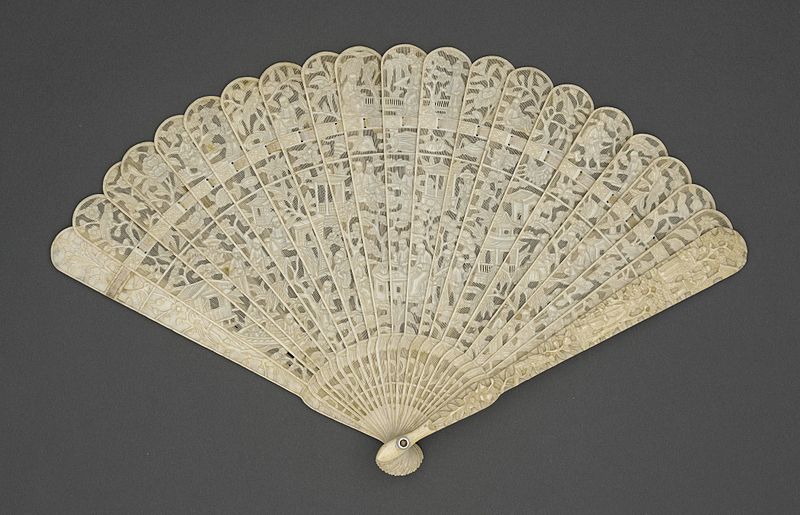
hand fan
device used to cool oneself, usually made of folded paper

soy sauce
liquid seasoning

electronic cigarette
device usually used to quit or be an alternative to tobacco

seismometer
320px|thumb|Kinemetric seismograph

toilet paper
tissue paper for cleaning after urination or defecation

envelope
thumb|upright=1.35|alt=Front of an envelope mailed in the U.S. in 1906, with a postage stamp and address|Front of an envelope mailed in the U.S. in 1906, with a postage stamp and address
thumb|upright=1.35|alt=Back of the above envelope, showing an additional receiving office postmark|Back of the above envelope, showing an additional receiving post office [[postmark]]

crossbow
thumb|A typical crossbow|upright=1.3

Gong
thumb|262px|Two men (right) are lifting the gong depicted on the 13th-century temple reliefs at the Candi Induk, Penataran|Panataran temple complex in [[East Java, Indonesia]]
thumb|262px|A gong collection in a gamelan ensemble of instruments – Indonesian Embassy [[Canberra]]

lock
fall structure with a fixed chamber in which the water level changes

wok
300px|thumb|right|upright=1.33|A wok being used for stir frying
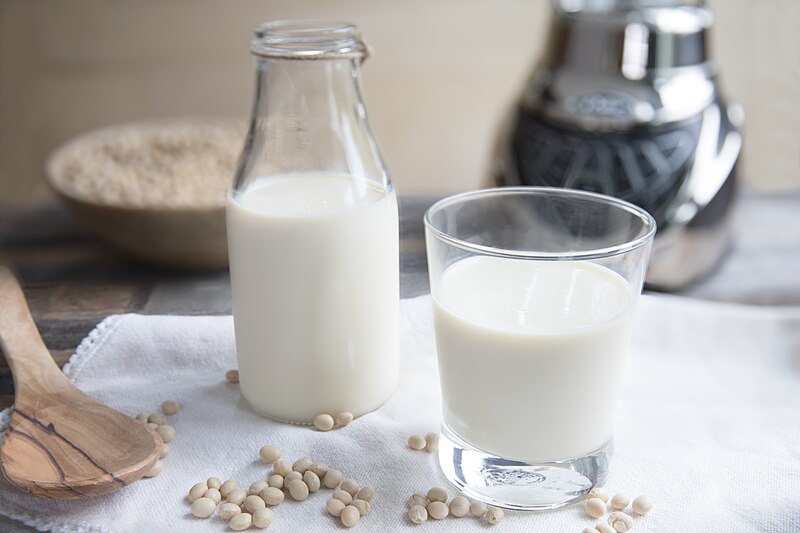
soy milk
beverage made from soybeans

coke
a grey, hard, and porous fuel with high carbon content and few impurities

blast furnace
type of metallurgical furnace used for smelting to produce industrial metals

shell
exploding artillery projectile

stirrup
thumb|A modern working stirrup on an endurance riding saddle
thumb|Typical metal stirrup used in English riding
A stirrup is a light frame or ring that holds the foot of a rider, attached to the saddle by a strap, often called a stirrup leather. Stirrups are usually paired and are used to aid in mounting and as a support while using a riding animal (usually a horse or other equine, such as a mule). They greatly increase the rider's ability to stay in the saddle and control the mount, increasing the animal's usefulness to humans in areas such as communication, transportation, and warfare.

sandpaper
thumb|upright=1.35|Sheets of sandpaper with different grit sizes (40 (coarse), 80, 150, 240, 600 (fine))
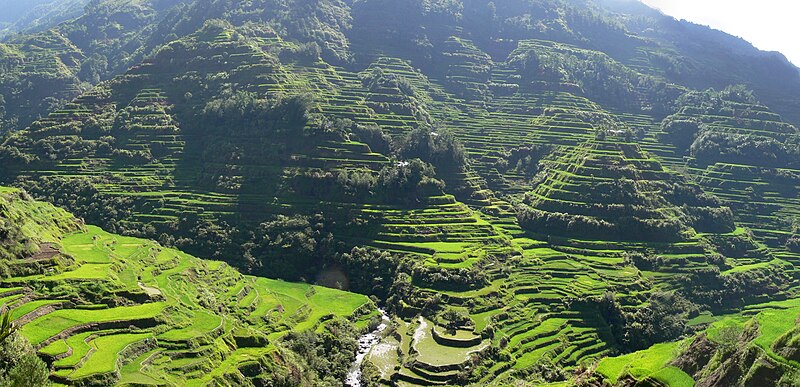
paddy field
flooded parcel of arable land used for growing semiaquatic rice

oil refinery
industrial process plant where crude oil is processed and refined into more useful products

caliper
thumb|A vernier caliper clamping on an object|330x330px
.svg)
bellows
thumb|Diagram of fireplace hand-bellows
Bellows are a device constructed to expel a controlled blast of air. The simplest type consists of a flexible bag comprising a pair of rigid boards with handles joined by flexible leather sides enclosing an approximately airtight cavity which can be expanded and contracted by operating the handles, and fitted with a valve allowing air to fill the cavity when expanded, and with a tube through which the air is forced out in a stream when the cavity is compressed. It has many applications, in particular blowing on a fire to supply it with air.

teapot
thumb|A Brown Betty (teapot)|Brown Betty teapot
A teapot is a vessel used for steeping tea leaves or a herbal mix in boiling or near-boiling water and serving the resulting infusion called tea; usually put in a teacup. It is one of the core components of teaware.

harrow
agricultural tool made up of four or five serrated boards, used for any kind of surface work

scale
ratio of a distance on the map to the corresponding distance on the ground

nail polish
lacquer applied to the human fingernails or toenails to decorate and protect the nail plates

firecracker
thumb|Chinese firecracker roll being set off
thumb|Large flower cracker set off at night
thumb|Firecrackers set off in Sibu, [[Pitaki, to celebrate Chinese New Year]]
A firecracker (cracker, noise maker, banger) is a small explosive device primarily designed to produce a large amount of noise, especially in the form of a loud bang, usually for celebration or entertainment; any visual effect is incidental to this goal. They have fuses, and are wrapped in a heavy paper casing to contain the explosive compound. Firecrackers, along with fireworks, originated in China.

junk
type of vessel typically of Southeast Asian or East Asian origin

sericulture
Sericulture, or silk farming, is the cultivation of silkworms to produce silk. Although there are several commercial species of silkworms, the caterpillar of the domestic silkmoth is the most widely used and intensively studied silkworm. This species of silkmoth is no longer found in the wild as they have been modified through selective breeding, rendering most flightless and without defense against predators. Silk is believed to have first been produced in China as early as the Neolithic period. Today, China and India are the two main producers, with more than 60% of the world's annual produc

hygrometer
thumb|A hair tension dial hygrometer with a nonlinear scale.