Category
page 1Commelinaceae genera
Tradescantia
thumb|Unusual example with four petals and eight anthers
Tradescantia () is a genus of 85 species of herbaceous perennial wildflowers in the family Commelinaceae, native to the Americas from southern Canada to northern Argentina, including the West Indies. Members of the genus are known by many common names, including inchplant, wandering jew, spiderwort, dayflower and trad.

Commelina
Commelina is a genus of approximately 208 species commonly called dayflowers due to the short lives of their flowers. They are less often known as '''widow's tears'. It is by far the largest genus of its family, Commelinaceae. The Swedish taxonomist Carl Linnaeus of the 18th century named the genus after the two Dutch botanists Jan Commelijn and his nephew Caspar, each representing one of the showy petals of Commelina communis''.

Callisia
200px|thumb|Callisia warszewicziana
Callisia is a genus of flowering plants in the spiderwort family, Commelinaceae. Members of the genus are commonly known as roselings. It is native to the Western Hemisphere from the southern United States to Argentina. The generic name is derived from the Greek word κάλλος (kallos), meaning "beauty."

Cyanotis
Cyanotis is a genus of mainly perennial plants in the family Commelinaceae, first described in 1825. Species of the genus are native to Africa, southern Asia, and northern Australia.
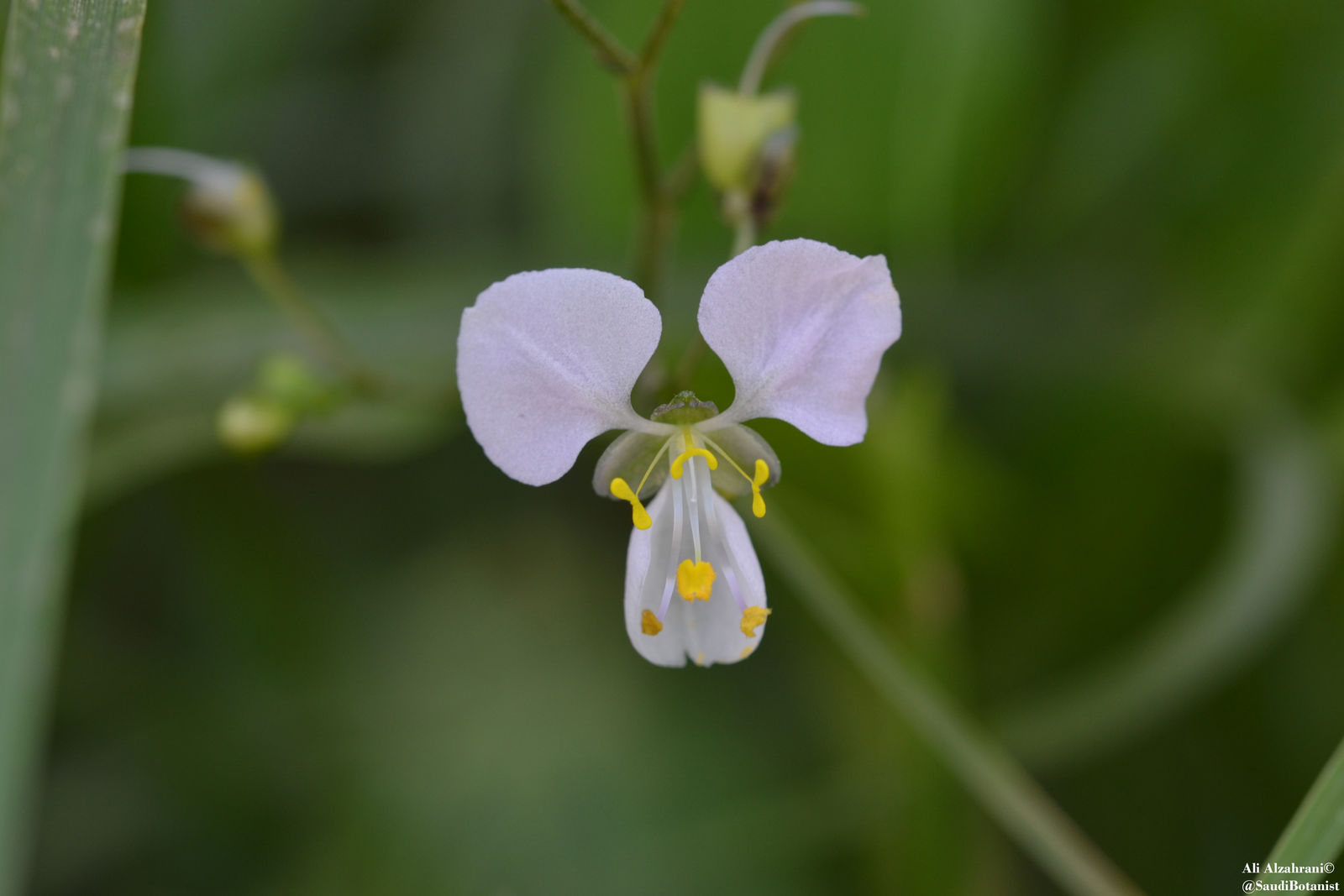
Aneilema
Aneilema is a genus of monocotyledonous plants of approximately 60 species. The vast majority of the species are native to sub-Saharan Africa, but a few are found in Oceania and one, Aneilema brasiliense, is from South America. It is the third largest genus in the family Commelinaceae after Commelina and Tradescantia, and it is one of only six genera in the family to occur in both the Eastern Hemisphere and the Western Hemisphere.
Murdannia
Murdannia is a genus of annual or perennial monocotyledonous flowering plants in the family Commelinaceae.
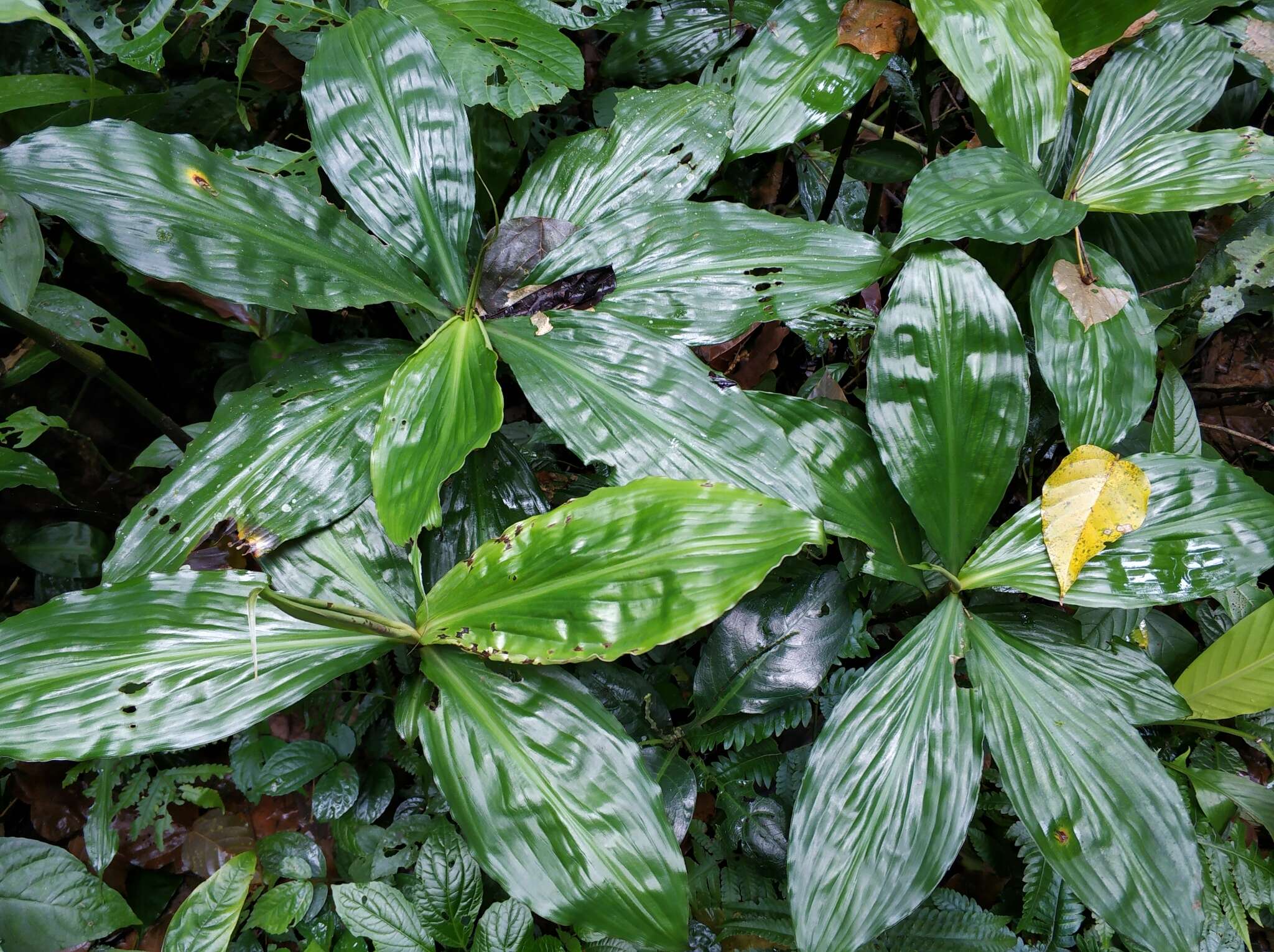
Amischotolype
Amischotolype is a genus of perennial monocotyledonous flowering plants in the Commelinaceae. It is found in Central Africa and from India through Southeast Asia to New Guinea, with the great majority or species found in Asia.

Pollia
genus of plants
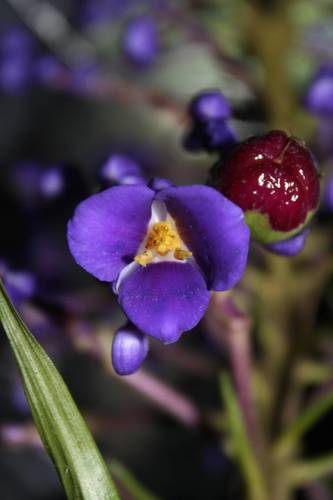
Dichorisandra
Dichorisandra is a genus of perennial monocotyledonous flowering plants in the dayflower family (Commelinaceae). It is found in the Neotropics. The genus is characterised by its slightly zygomorphic flowers with large anthers usually releasing pollen by means of pores at the apex, as well as by its seeds that are embedded in a red or sometimes white aril, and tubers that often form at the tips of the roots. Both morphology and an analysis of DNA sequences indicate it is very closely related to the genus Siderasis.
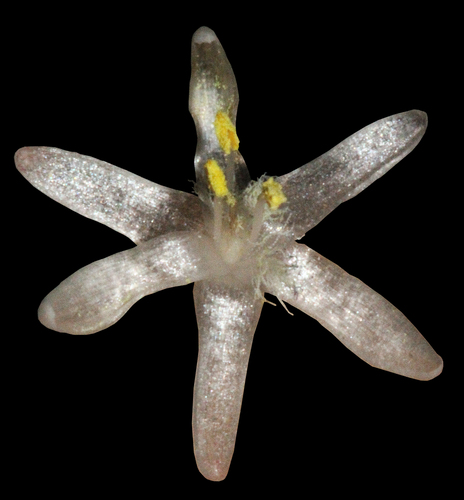
Palisota
Palisota is a genus of plant in family Commelinaceae, first described in 1828. It is native to sub-Saharan Africa.

Tricarpelema
Tricarpelema is a genus of monocotyledonous flowering plants in the family Commelinaceae consisting of 8 species. The genus is divided into two subgenera, subgenus Tricarpelema, which includes 7 known species found in tropical Asia, and subgenus Keatingia with one species in western Africa. The Asian species are typically found in the forest understory while the single African species has evolved to drier, sunnier conditions and is usually associated with inselbergs.
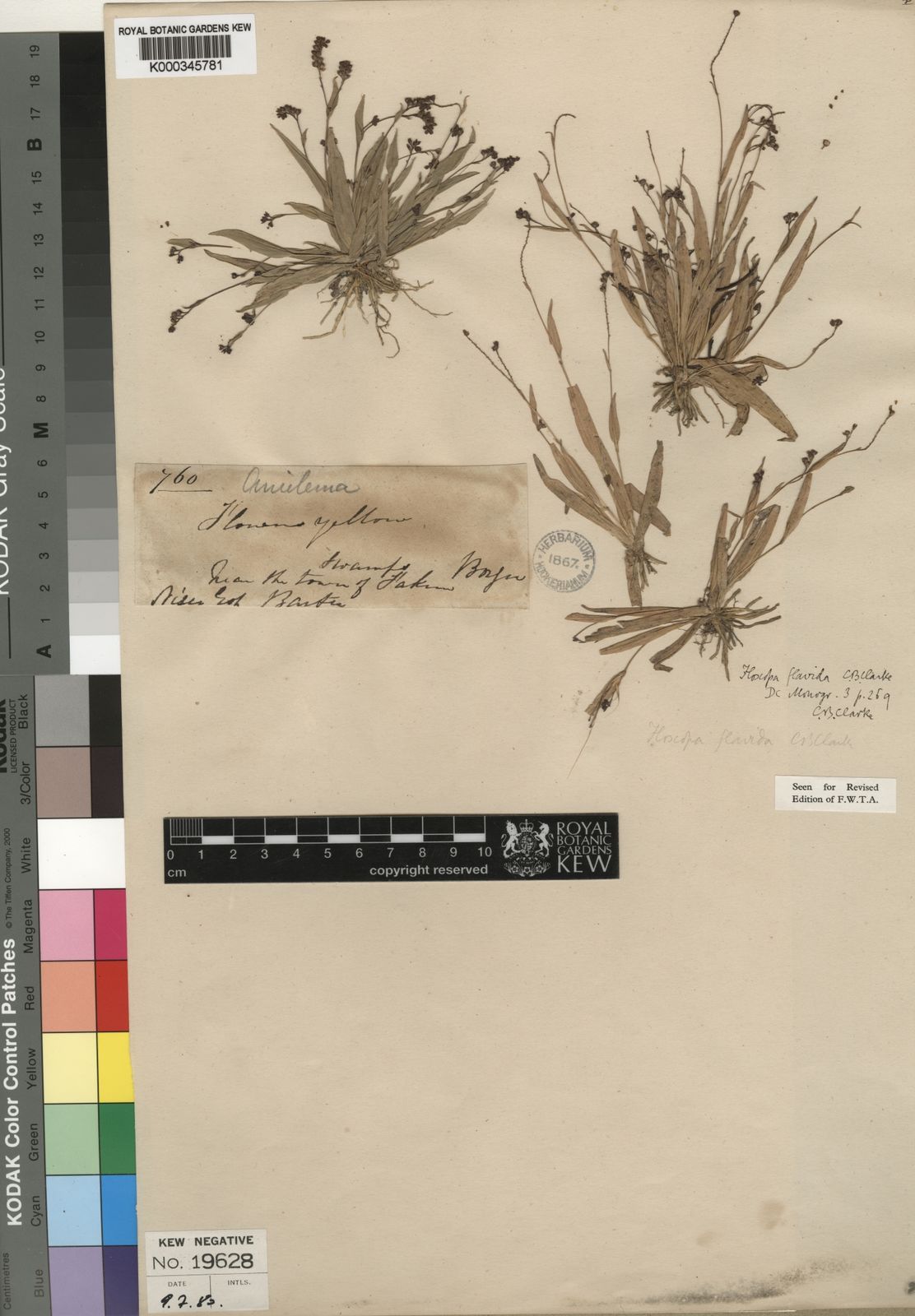
Floscopa
Floscopa is a genus of plants in the family Commelinaceae first described in 1790. It is widespread in tropical and subtropical areas: Africa, Madagascar, the Indian subcontinent, Southeast Asia, China, Queensland, Central + South America.
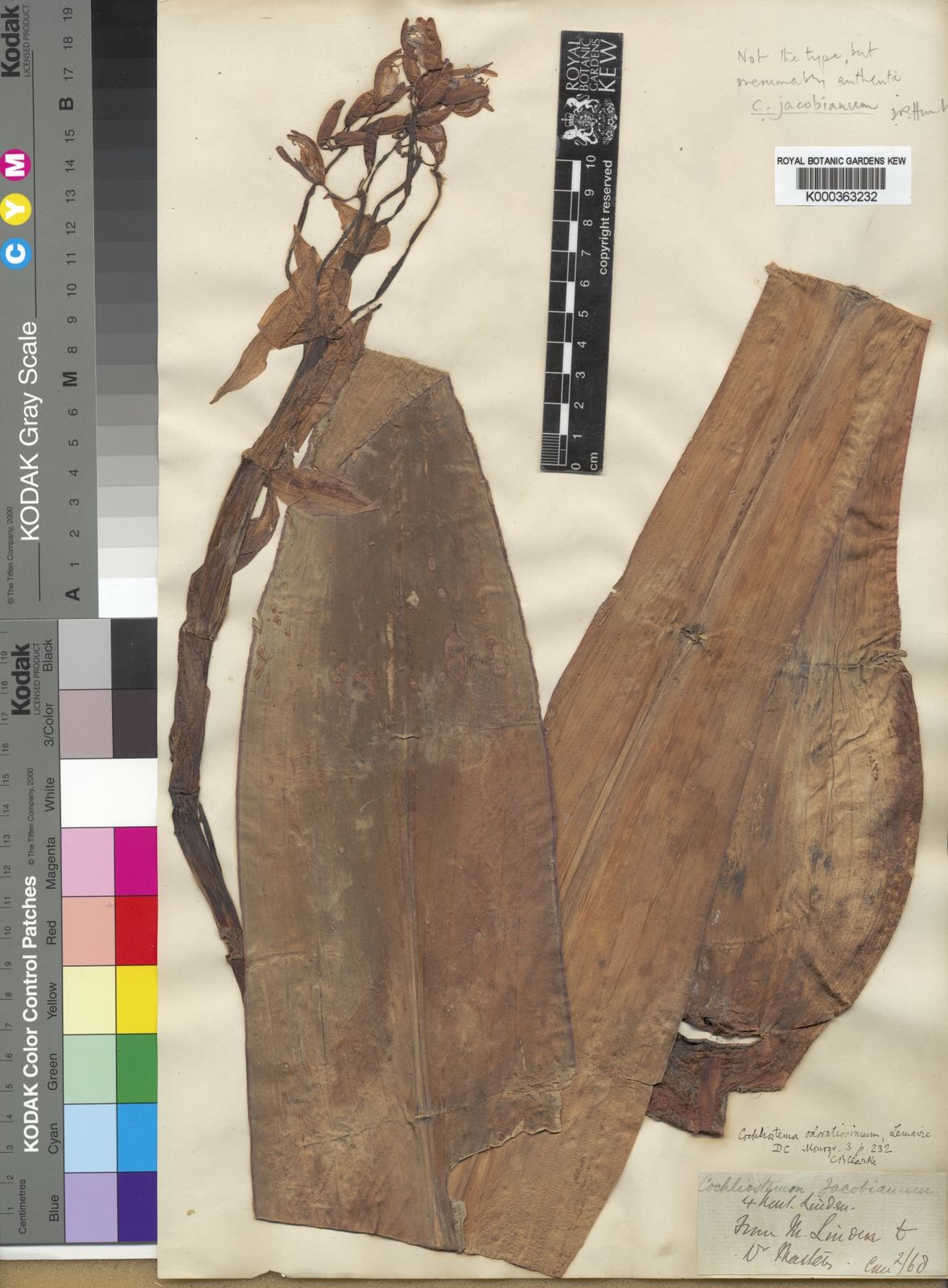
Cochliostema
Cochliostema is a genus of plants with two species in the family Commelinaceae (the spiderwort and dayflower family). The genus occurs from southern Nicaragua to southern Ecuador.

Thyrsanthemum
Thyrsanthemum is a genus of plants in the Commelinaceae, first described in 1946. The entire genus is endemic to Mexico.

Geogenanthus
Geogenanthus is a genus of plants with 3 species in the family Commelinaceae (the spiderwort and dayflower family). The genus is distributed from Colombia to Amazonian Peru and Brazil. Two of its species (Geogenanthus ciliatus and Geogenanthus poeppigii) are occasionally found in the horticultural trade as house plants.
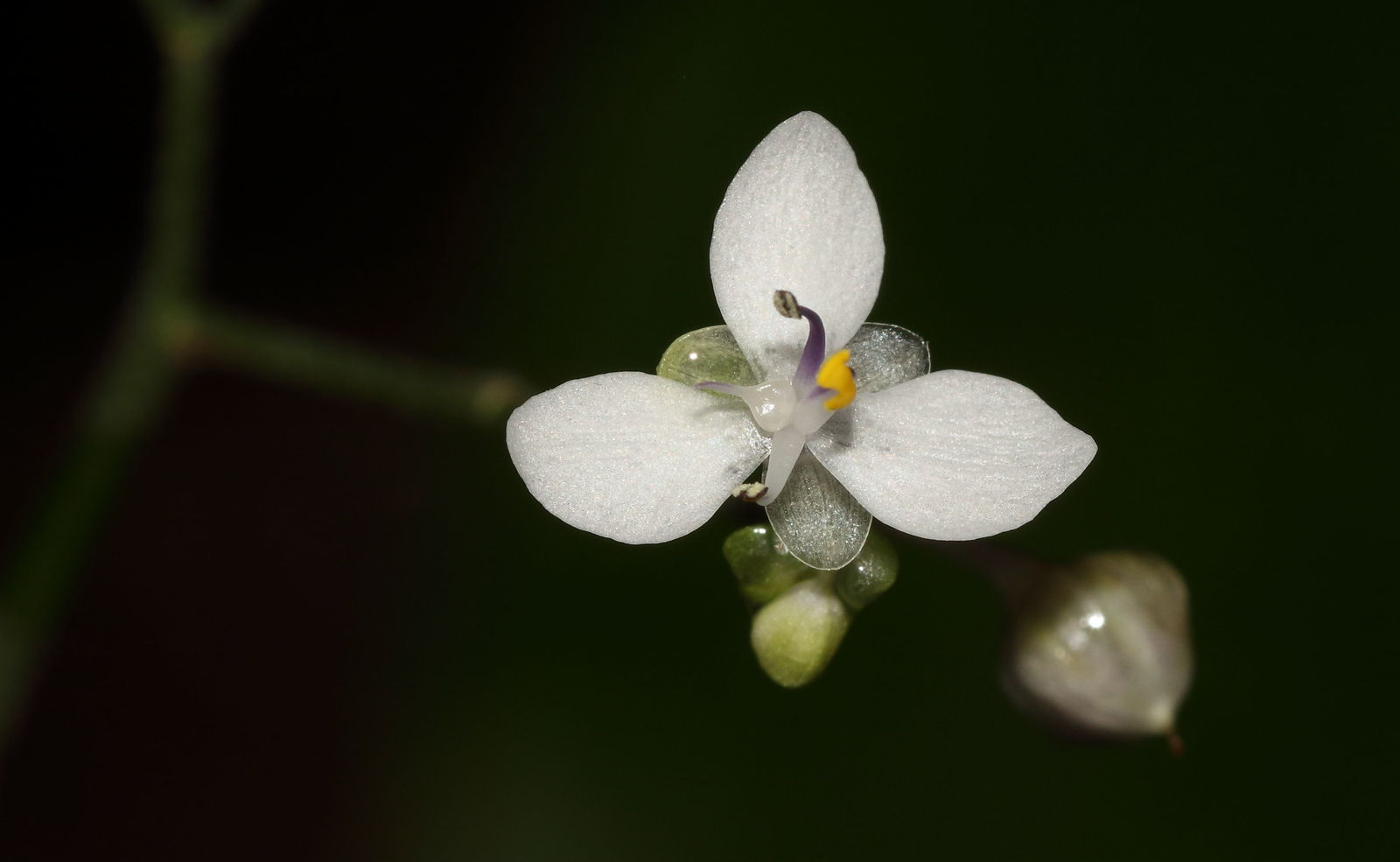
Dictyospermum
Dictyospermum is a genus of monocotyledonous flowering plants in the family Commelinaceae, first described in 1853. It is native to Tropical Asia. They have only three fertile stamens, middle one inserted opposite petal.
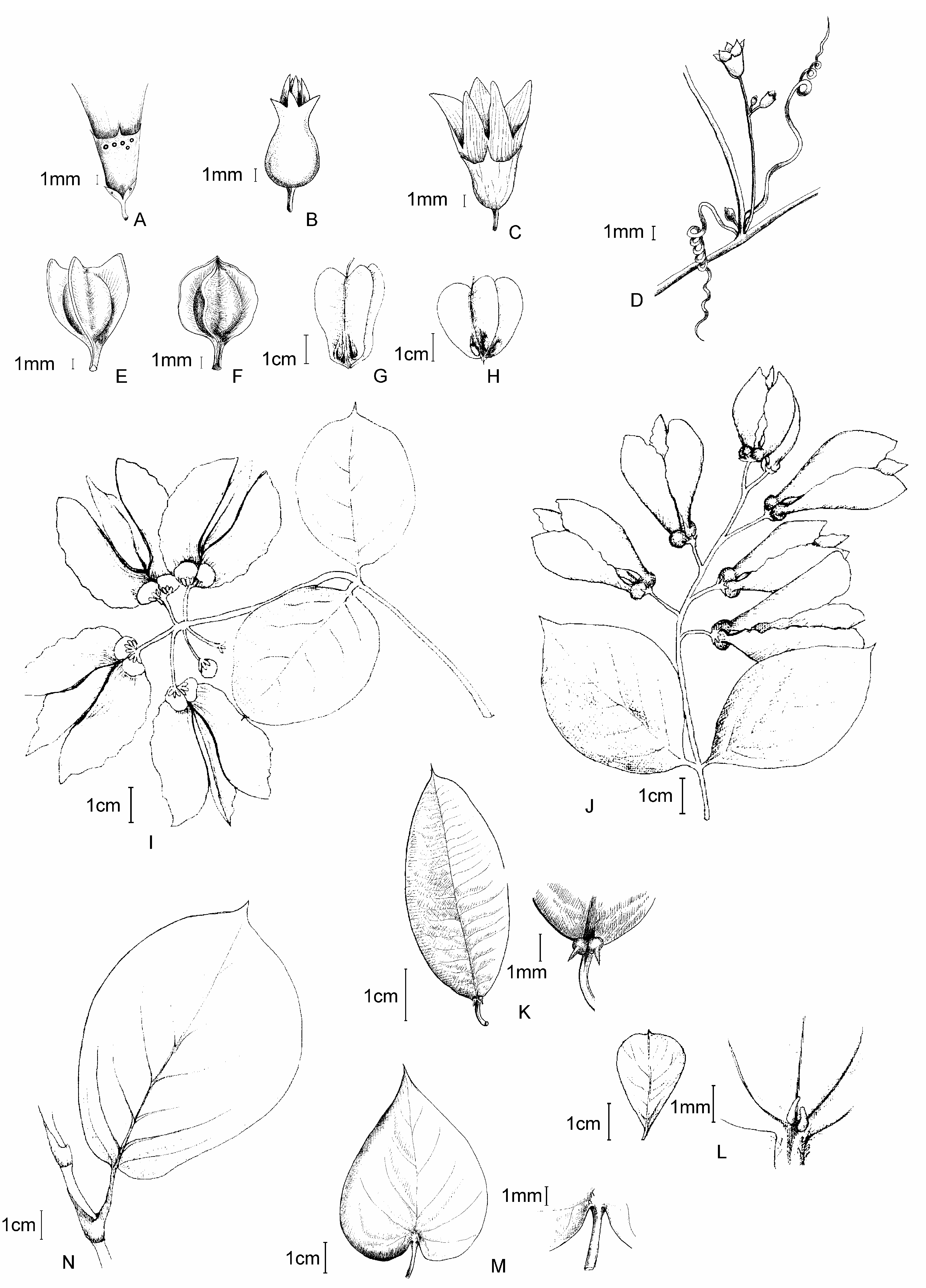
Tinantia
Tinantia is a genus of plants in the Commelinaceae, first described in 1839. They are commonly called '''widow's tears or false dayflowers' due to their resemblance of the closely related true dayflowers of the genus Commelina. Tinantia is native to North and South America from Texas + Hispaniola to Argentina, with a center of diversity from Mexico to Nicaragua. Tinantia pringlei'', an alpine native of Mexico, is grown as an ornamental in temperate areas and is also a common greenhouse weed.

Cartonema
Cartonema is a genus of perennial or annual monocotyledonous flowering plants in the dayflower family. It is restricted to Australia and nearby Trangan Island, one of Indonesia's Aru Islands. It is the earliest diverging member of its family and has a number of traits that are unique within it, such as non-succulent leaves and a lack of raphides (a particular form of calcium oxalate). Its distinctive features led to the genus to once be considered part of its own separate family, Cartonemataceae. However, analysis of DNA sequences, as well as many common anatomical characters, has supported it
Spatholirion
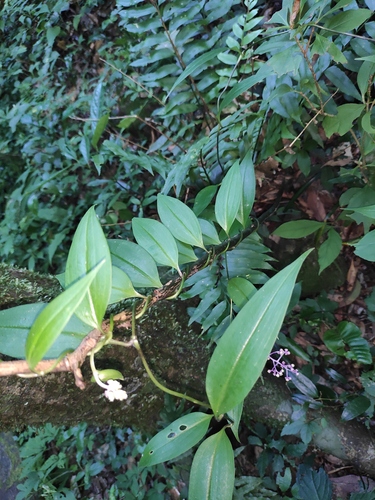
Spatholirion is a genus of climbing or rosette monocotyledonous flowering plants in the dayflower family. It is distributed from China in the north, south to Thailand, Vietnam, and northern Peninsular Malaysia. It has four to eight seeds per carpel, unlike the closely related Streptolirion, which has only two, and white or purple petals. The inflorescence axis of Spatholirion longifolium and all of its branches are a bright purple, probably aiding in visual pollinator attraction. The genus was first described in 1896 by Henry Nicholas Ridley, the father of the commercial rubber industry, from
Stanfieldiella
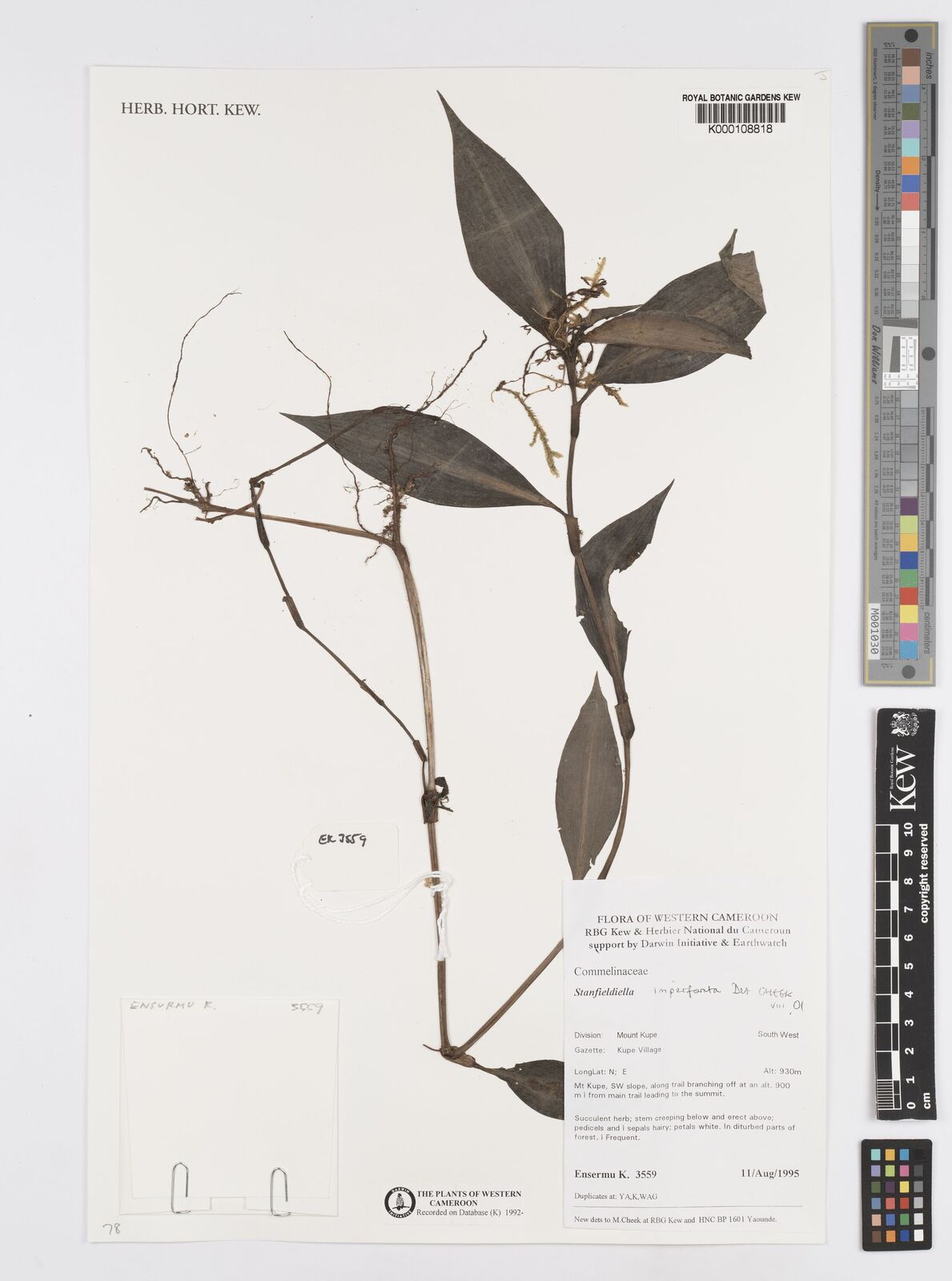
Stanfieldiella is genus of flowering plants within the family Commelinaceae, first described in 1960. It is native to sub-Saharan Africa.
Gibasis
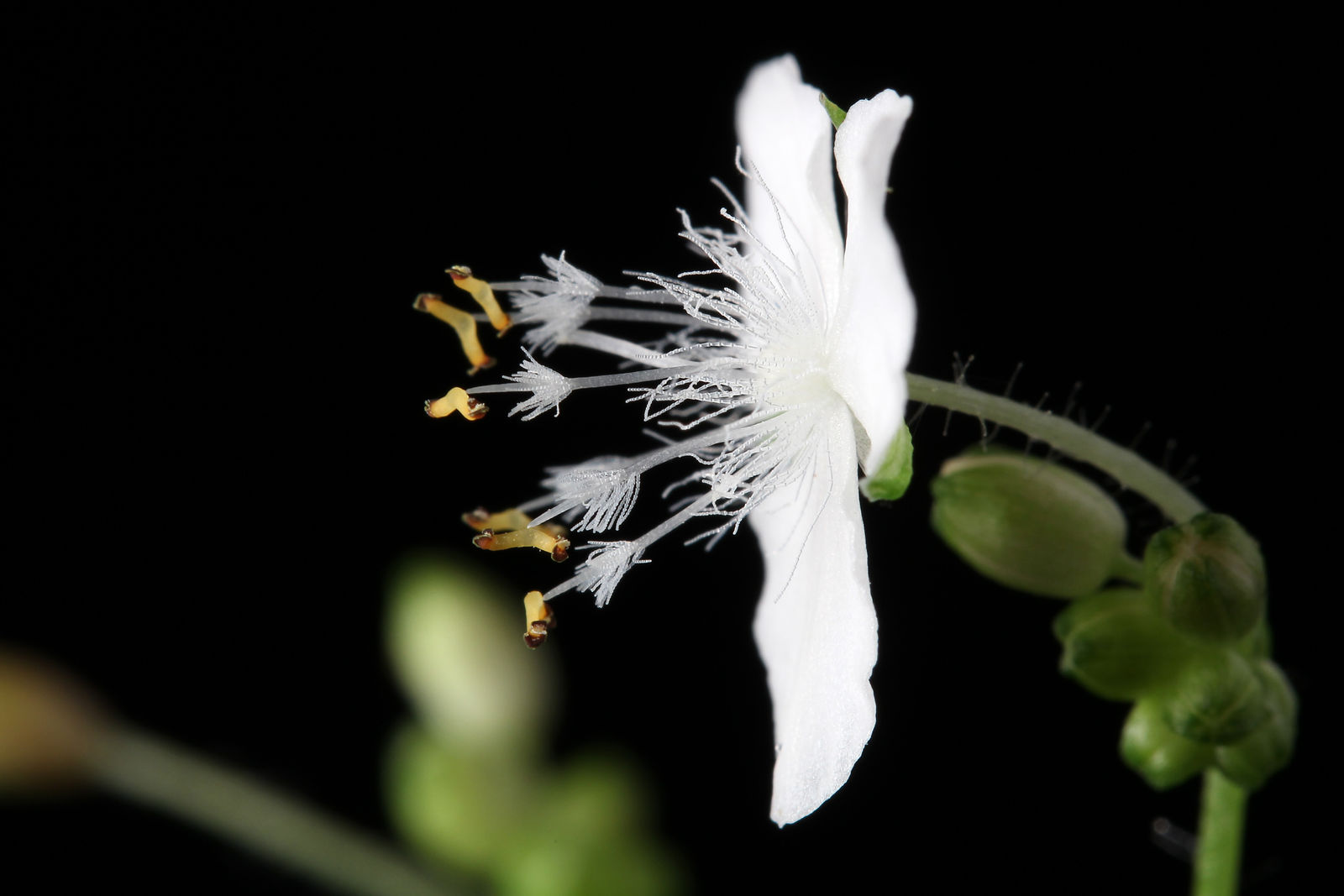
Gibasis is a genus of flowering plants within the Commelinaceae family, first described in 1837. It is native to the Western Hemisphere from Texas and the West Indies south to Argentina, with most of the species native to Mexico.
Rhopalephora
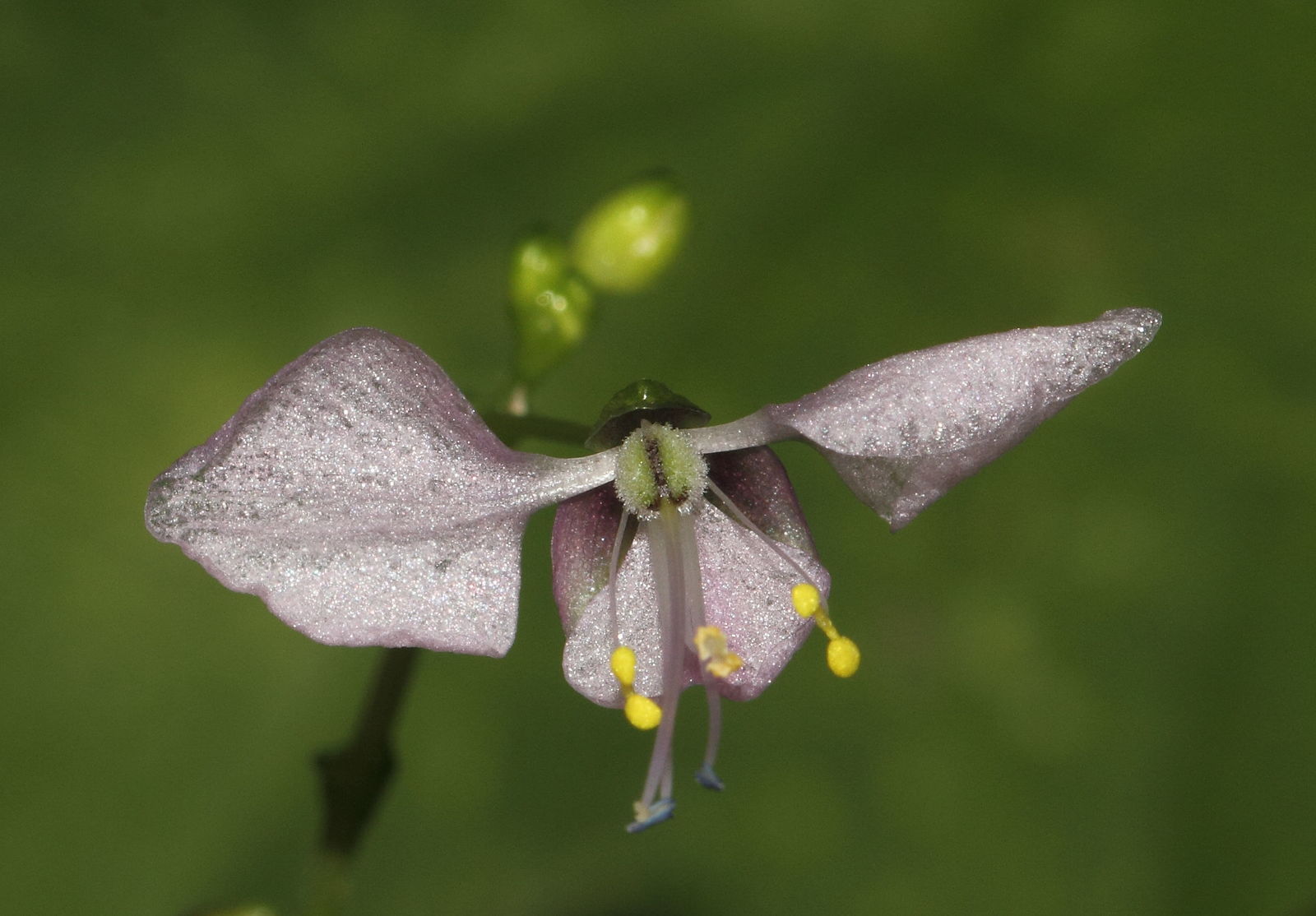
Rhopalephora is a genus of monocotyledonous flowering plants in the family Commelinaceae, first described in 1864. It is native to Asia, Madagascar, and a few islands in the Pacific.

Coleotrype
Coleotrype is a genus of perennial monocotyledonous flowering plants in the dayflower family. It is found in Africa and Madagascar.
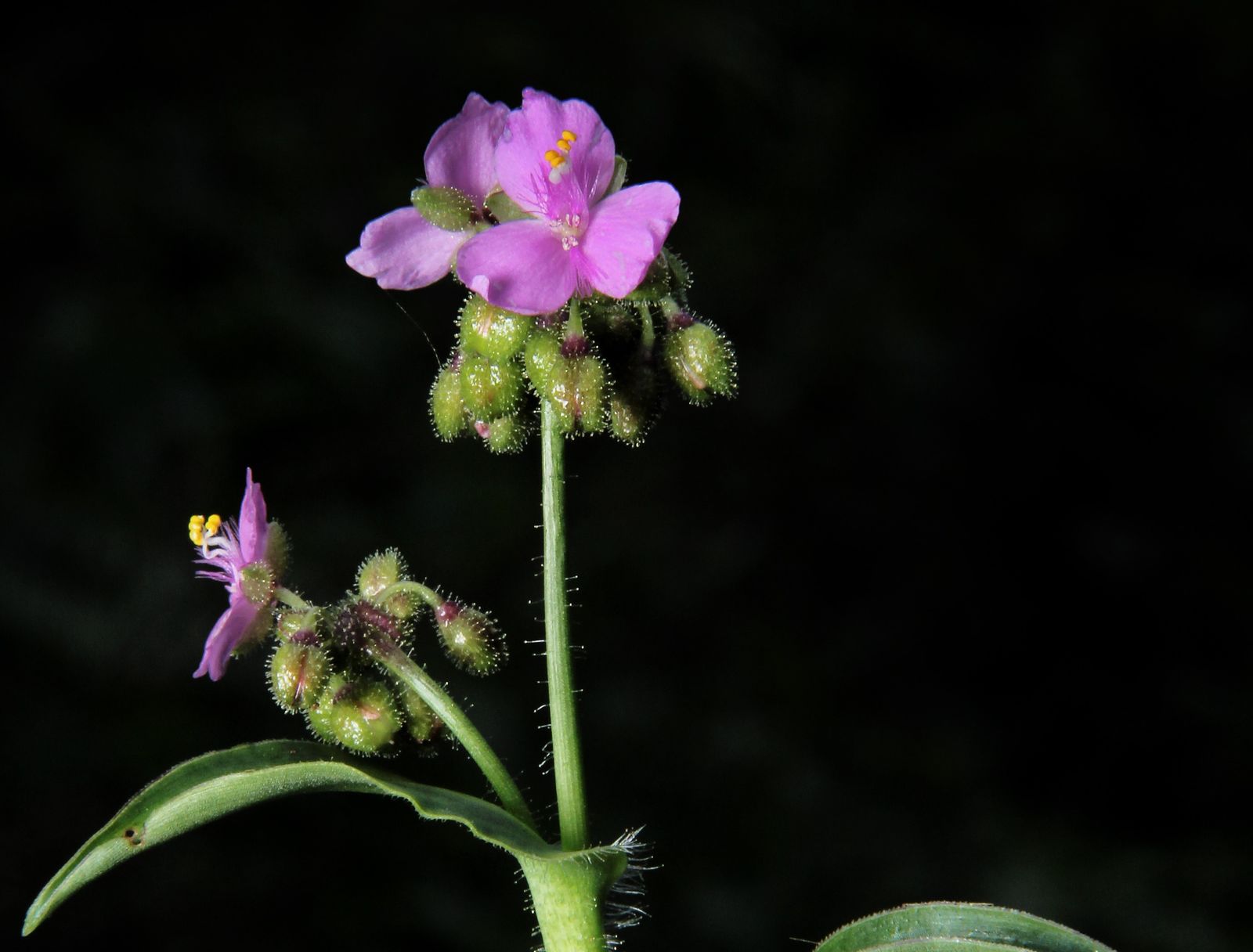
Tripogandra
Tripogandra is a genus of flowering plants in the spiderwort family, Commelinaceae. It is native to the Western Hemisphere from central Mexico and the West Indies south to Argentina.
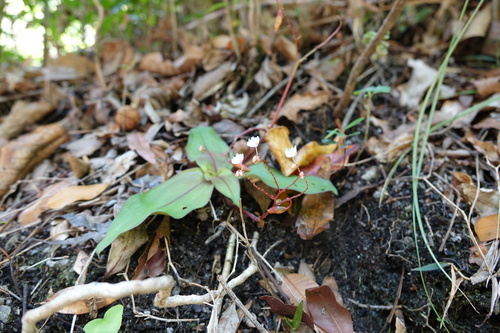
Pseudoparis
Pseudoparis is a genus of perennial monocotyledonous flowering plants in the family Commelinaceae, first described in 1936. The genus contains three known species, all endemic to Madagascar.
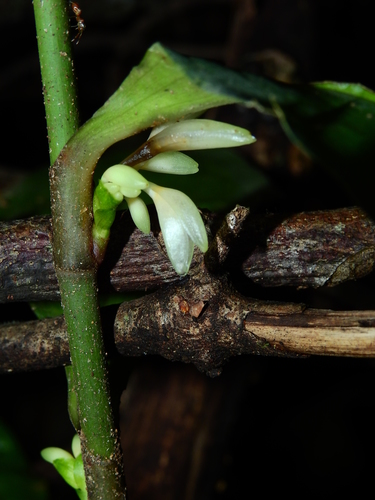
Buforrestia
Buforrestia is a genus of perennial monocotyledonous flowering plants in the dayflower family. The genus contains three known species, with two found in West and Central Africa and one in northeastern South America.
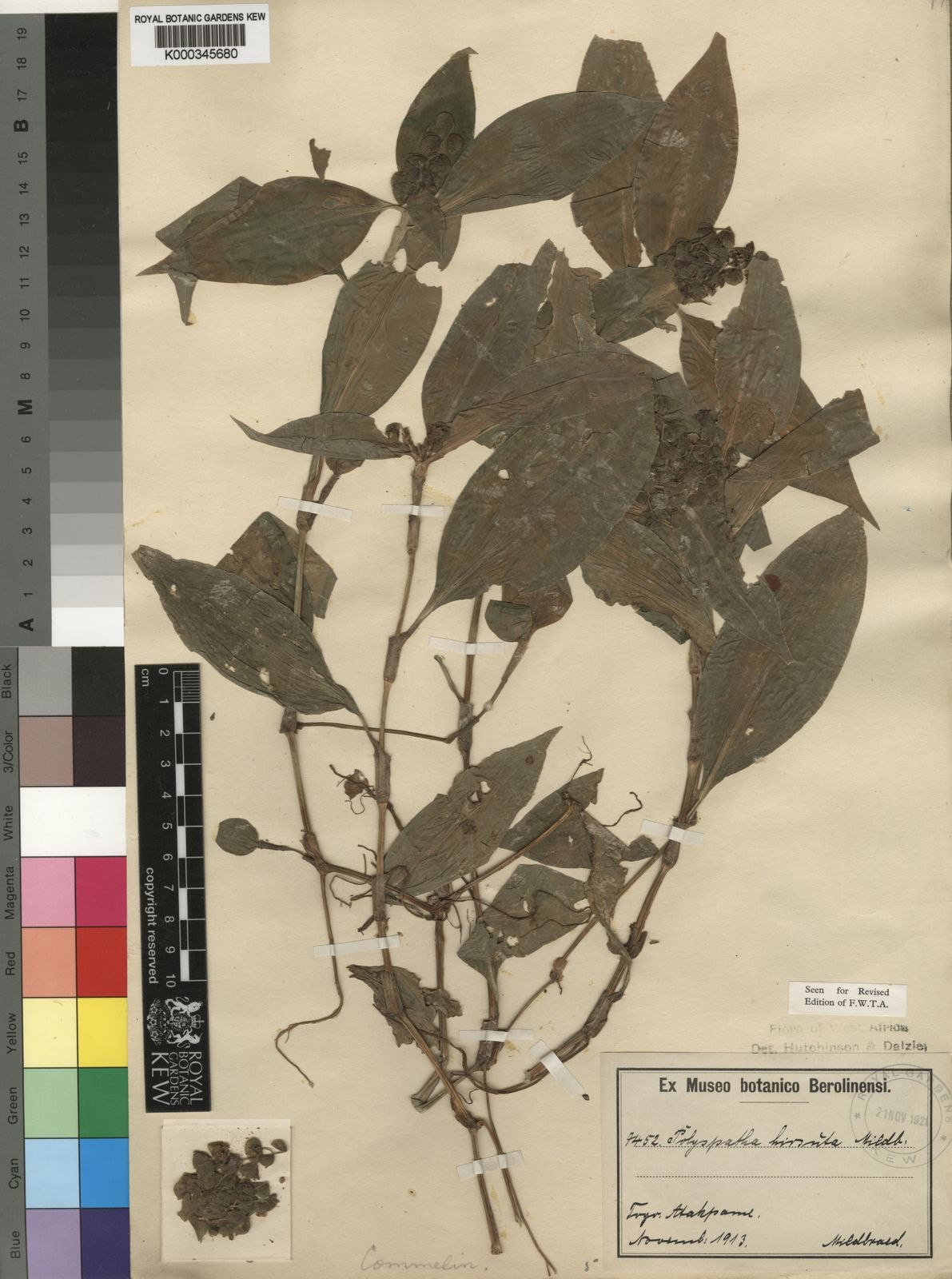
Polyspatha
Polyspatha is a genus of perennial monocotyledonous flowering plants in the family Commelinaceae. It is restricted to tropical Africa consists of three recognized species.
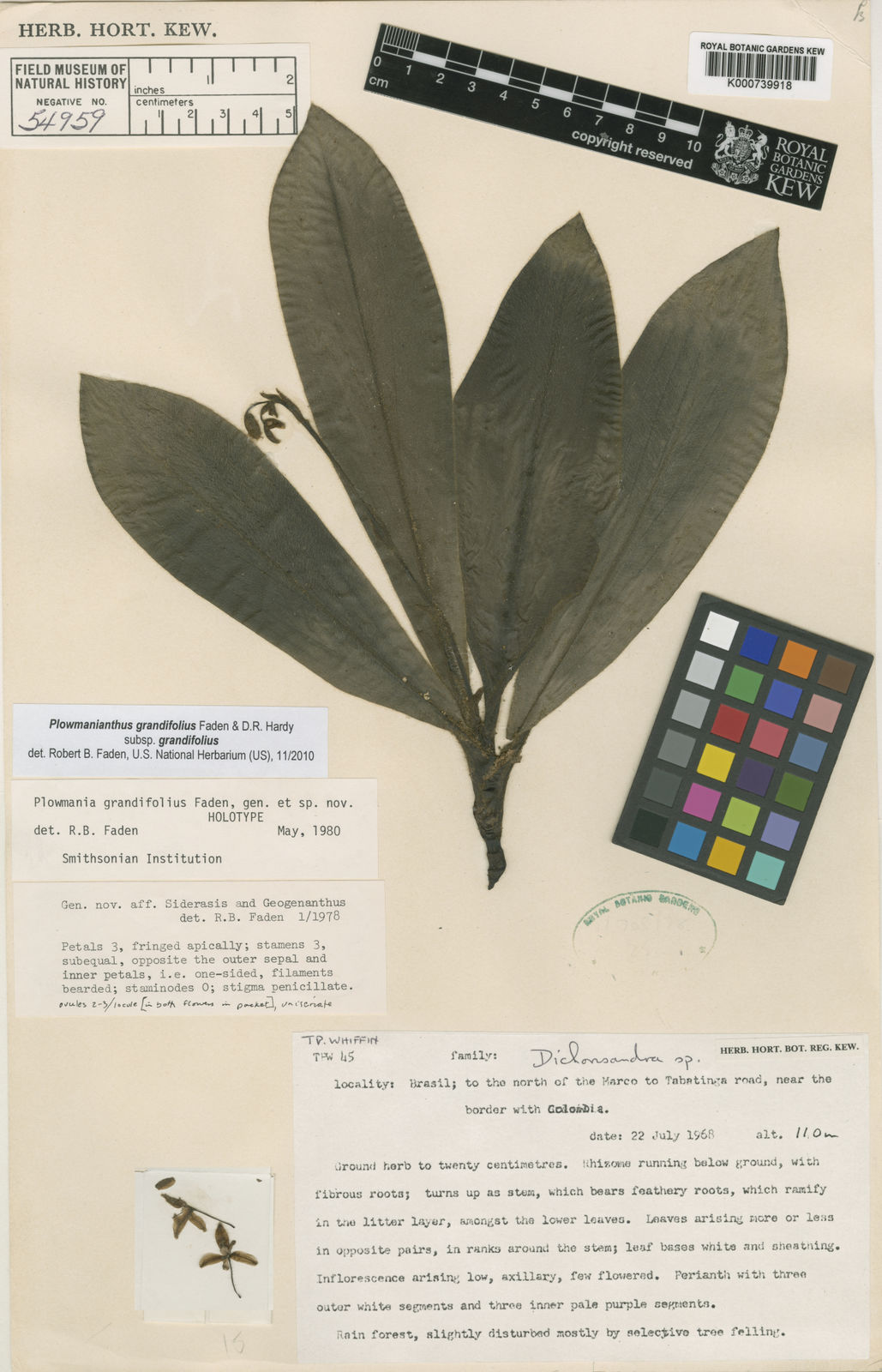
Plowmanianthus
Plowmanianthus Faden & C.R.Hardy is a genus of plants with 5 species and 2 subspecies in the family Commelinaceae (the spiderwort and dayflower family). The genus is distributed from Panama to Amazonian Peru and Brazil.

Streptolirion
thumb | right | Botanical illustration of Streptolirion volubile
Streptolirion is a genus of flowering plants in the family Commelinaceae. It includes two species native to Asia, ranging from Japan and Manchuria to Indochina and the Himalayas.

Weldenia
Weldenia is a genus of flowering plants in the family Commelinaceae. It includes two species of tuberous geophytes native to Mexico and Guatemala.
Sauvallia
Sauvallia is a monotypic genus of monocotyledonous flowering plants in the family Commelinaceae, first described as a genus in 1871. The genus consists of a single species, Sauvallia blainii, which was endemic to Cuba.
Elasis
Elasis is a genus of flowering plants in the family Commelinaceae. It includes two species of subshrubs native to southern Mexico, Central America, and Ecuador.
Elasis guatemalensis – southern Mexico to Nicaragua
Elasis hirsuta – Ecuador

Aetheolirion
Aetheolirion is a genus of monocotyledonous flowering plants in the dayflower family, first described in 1962. It consists of a single species, Aetheolirion stenolobium, endemic to Thailand.
Triceratella
Triceratella is a genus of annual monocotyledonous flowering plants in the dayflower family. The genus consists of a single species, Triceratella drummondii. It is known to occur in Zimbabwe and Mozambique, but has only been collected twice. Because of its rarity, DNA sequences have never been used to determine its relatives, but it is believed to be closely related to the early diverging genus Cartonema, with which it shares a number of characters unique for the dayflower family, such as a yellow flowers, glandular hairs, and a lack of glandular microhairs. It differs from Cartonema, however,
Siderasis
Siderasis is a genus of monocotyledonous flowering plants in the dayflower family, first described in 1837. It consists of a single known species, Siderasis fuscata, endemic to the State of Rio de Janeiro in southeastern Brazil, though it is also naturalized on the Island of Java in Indonesia.