Category
page 1Crops originating from Peru

potato
The potato () is a starchy tuberous vegetable native to the Americas that is consumed as a staple food in many parts of the world. Potatoes are underground stem tubers of the plant Solanum tuberosum, a perennial in the nightshade family Solanaceae.

chili pepper
fruit of plants from the genus Capsicum, members of the nightshade family, Solanaceae

cacao
tree native to tropical South America producing cocoa beans - the source plant of cacao and chocolate

Passiflora edulis
species of plant

Chenopodium quinoa
Quinoa (Chenopodium quinoa; , from Quechua ' or ') is a flowering plant in the amaranth family. It is an herbaceous annual plant grown as a crop primarily for its edible seeds; the seeds are high in protein, dietary fiber, B vitamins and dietary minerals especially potassium and magnesium in amounts greater than in many grains. Quinoa is not a grass but rather a pseudocereal botanically related to spinach and amaranth (Amaranthus spp.), and originated in the Andean region of northwestern South America. It was first used to feed livestock 5,2007,000 years ago, and for human consumption 3,0004,0

Bixa orellana
species of South American plant

Annona cherimola
The cherimoya (Annona cherimola), also spelled cherimoyer and chirimoya, and called chirimuya by the Quechua people, is a species of edible fruit-bearing plant in the genus Annona, within the family Annonaceae, which also includes the closely related sweetsop and soursop. Native to mountainous regions of Honduras and Guatemala, the plant has a long history of cultivation in the Andes and Central America

Bertholletia excelsa
species of plant, Brazil nut

Nicotiana rustica
species of plant

Plinia cauliflora
A jaboticaba () or jabuticaba () is a round, edible fruit produced by a jaboticaba tree (Plinia cauliflora), also known as Brazilian grapetree. The purplish-black, white-pulped fruit grows directly on the trunk of the tree, making it an example of 'cauliflory'. It is eaten raw or used to make jellies, jams, juice or wine. The tree, of the family Myrtaceae, is native to the states of Rio de Janeiro, Minas Gerais, Goiás and São Paulo in Brazil. Related species in the genus Myrciaria, often referred to by the same common names, are native to Brazil, Argentina, Paraguay, Peru and Bolivia.
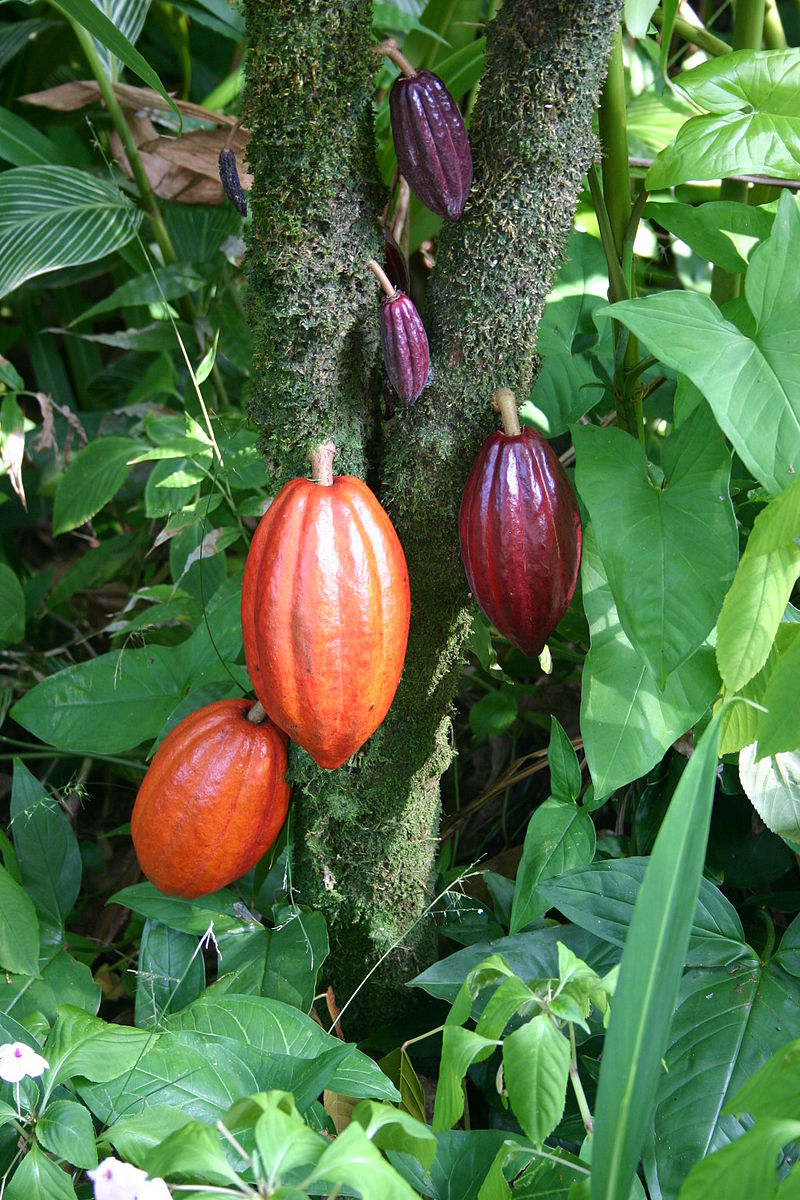
cocoa bean
fatty seed of Theobroma cacao which is the basis of chocolate

Solanum betaceum
The tamarillo (Solanum betaceum) is a tree or shrub in the flowering plant family Solanaceae (the nightshade family). It bears an egg-shaped edible fruit. It is common globally, especially in its native South America (as the Quechuan in Peru, Colombia, and Ecuador, or as tomate andino in other Andean countries), and has been introduced in New Zealand, Nepal, Rwanda, Burundi, the Democratic Republic of the Congo, Australia, and Bhutan.

Phaseolus lunatus
species of plant

Lepidium meyenii
species of plant

Solanum muricatum
species of plant

Pouteria caimito
species of flowering plant

Nicotiana glauca
species of plant

Solanum quitoense
species of plant

Oxalis tuberosa
species of plant
.JPG)
Smallanthus sonchifolius
The yacón (Smallanthus sonchifolius) is a species of daisy traditionally grown in the northern and central Andes from Colombia to northern Argentina for its crisp, sweet-tasting, tuberous roots. Their texture and flavour are very similar to jícama, mainly differing in that yacón has some slightly sweet, resinous, and floral (similar to violet) undertones to its flavour, probably due to the presence of inulin, which produces the sweet taste of the roots of elecampane, as well. Another name for yacón is Peruvian ground apple, possibly from the French name of potato, pomme de terre (ground apple)

Capsicum pubescens
species of plant

Solanum pseudocapsicum
species of plant
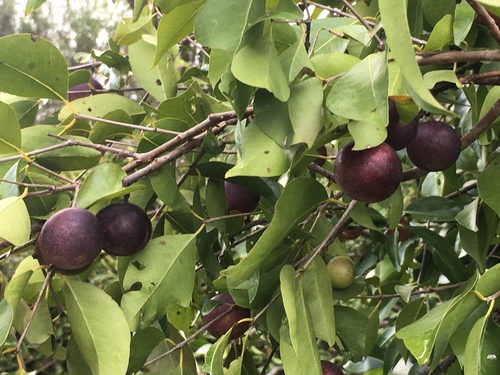
Myrciaria dubia
species of plant
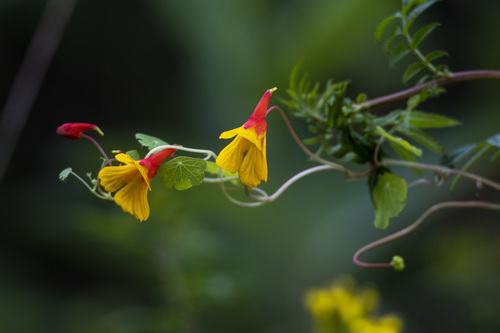
Mashua
food crop plant species
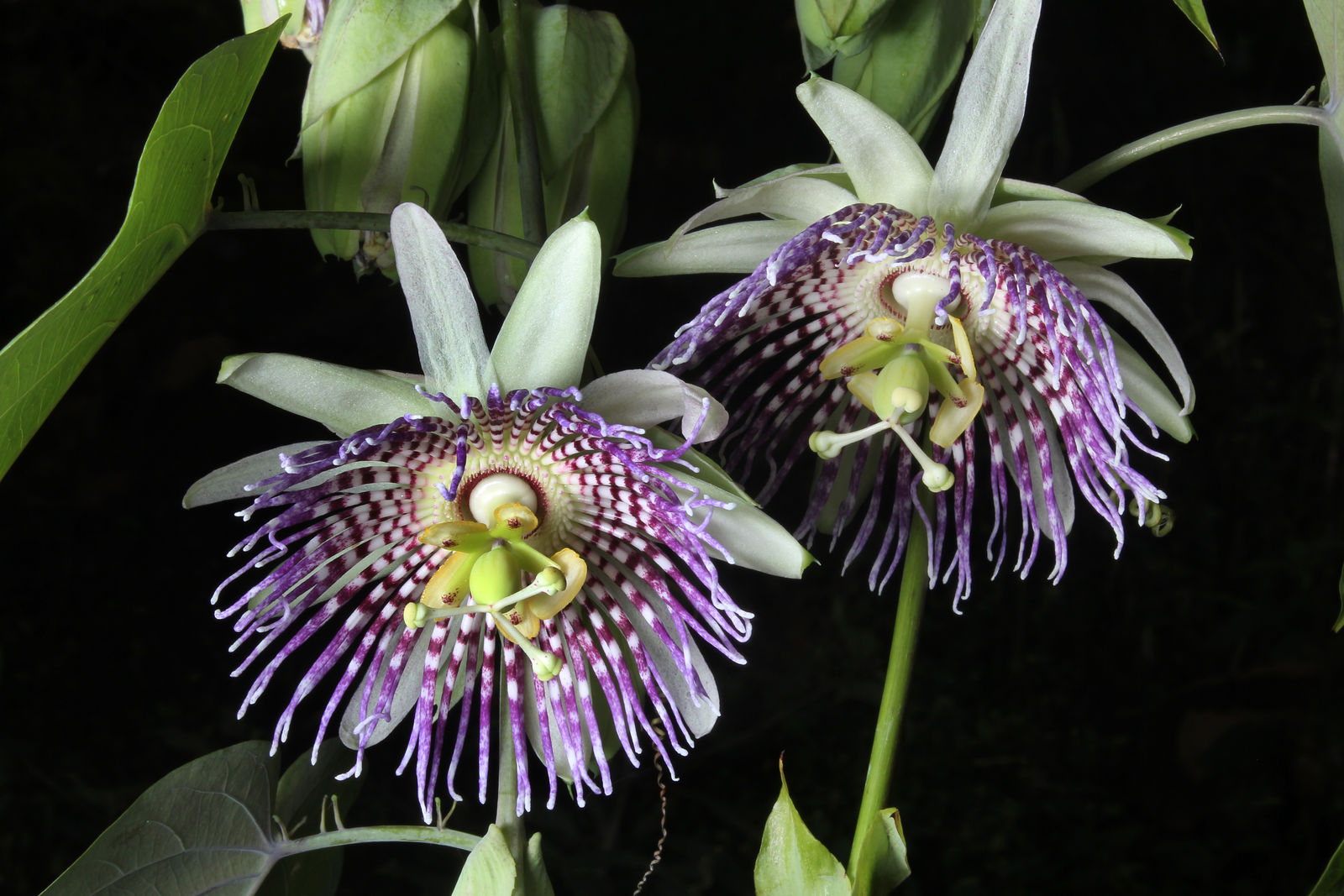
Passiflora ligularis
species of plant

Gossypium barbadense
species of plant

Mountain papaya
species of plant

Ullucus tuberosus
Ullucus is a genus of flowering plants in the family Basellaceae, with one species, Ullucus tuberosus, a plant grown primarily as a root vegetable, secondarily as a leaf vegetable. The name ulluco is derived from the Quechua word , but depending on the region, it has many different names. These include illaco (in Aymara), melloco (in Ecuador), chungua or ruba (in Colombia), olluco or papa lisa (in Bolivia and Peru), or ulluma (in Argentina).

Arracacia xanthorrhiza
species of plant

Lupinus mutabilis
legume grown primarily in Ecuador as a green manure and for its grain

Cyclanthera pedata
species of plant

Passiflora tarminiana
species of plant
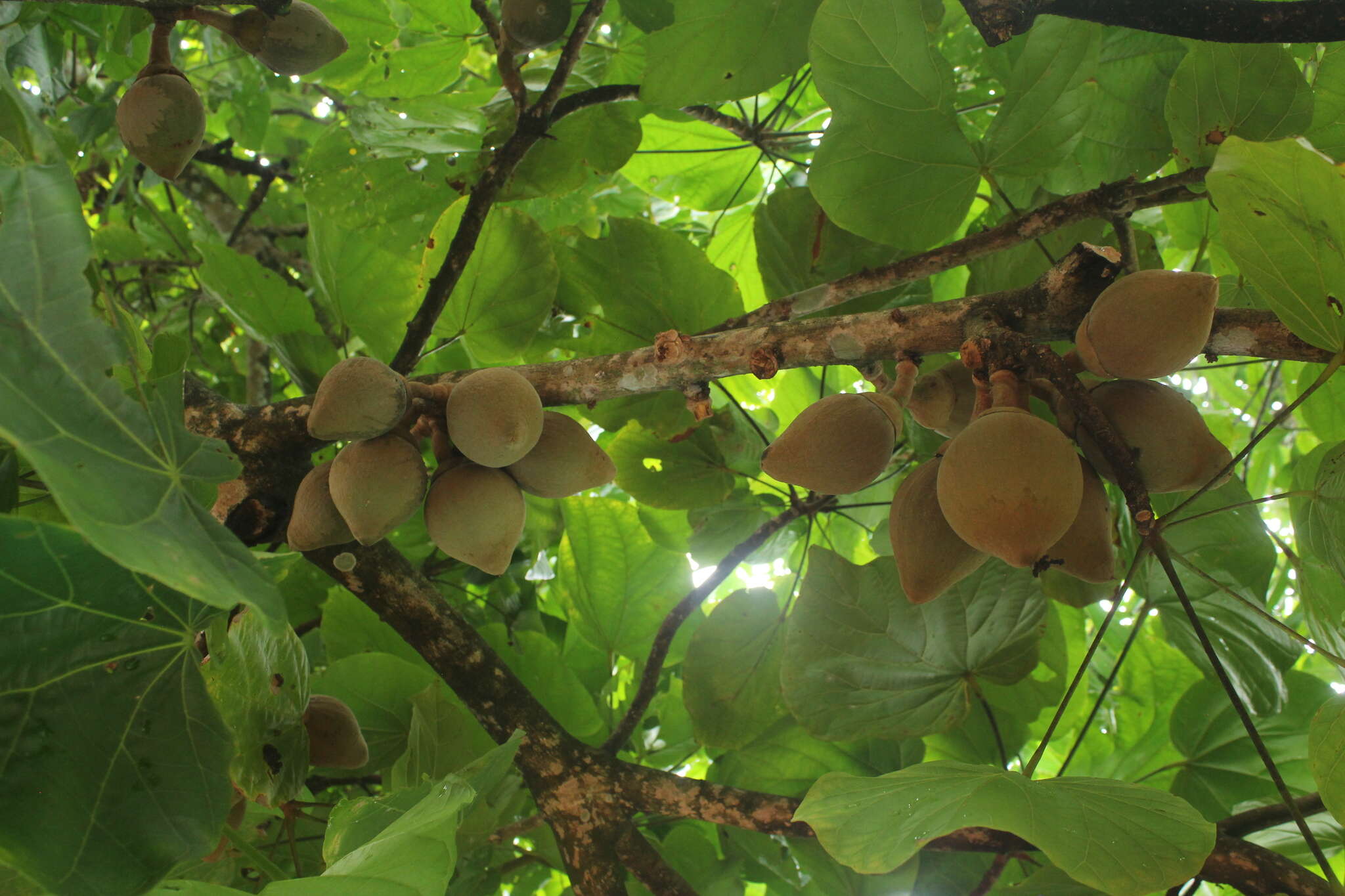
Q15613669
species of plant

coca plant
Coca refers to any of the four cultivated plants in the family Erythroxylaceae, native to western South America. It is known worldwide for its psychoactive alkaloid, cocaine. The leaves contain cocaine, which acts as a mild stimulant when chewed or consumed as tea; this traditional use involves slower absorption than purified cocaine, and there is no evidence of addiction or withdrawal symptoms from such natural consumption.

Sambucus peruviana
species of plant

Juglans neotropica
species of plant

Solanum caripense
species of plant
banana passionfruit
fruit
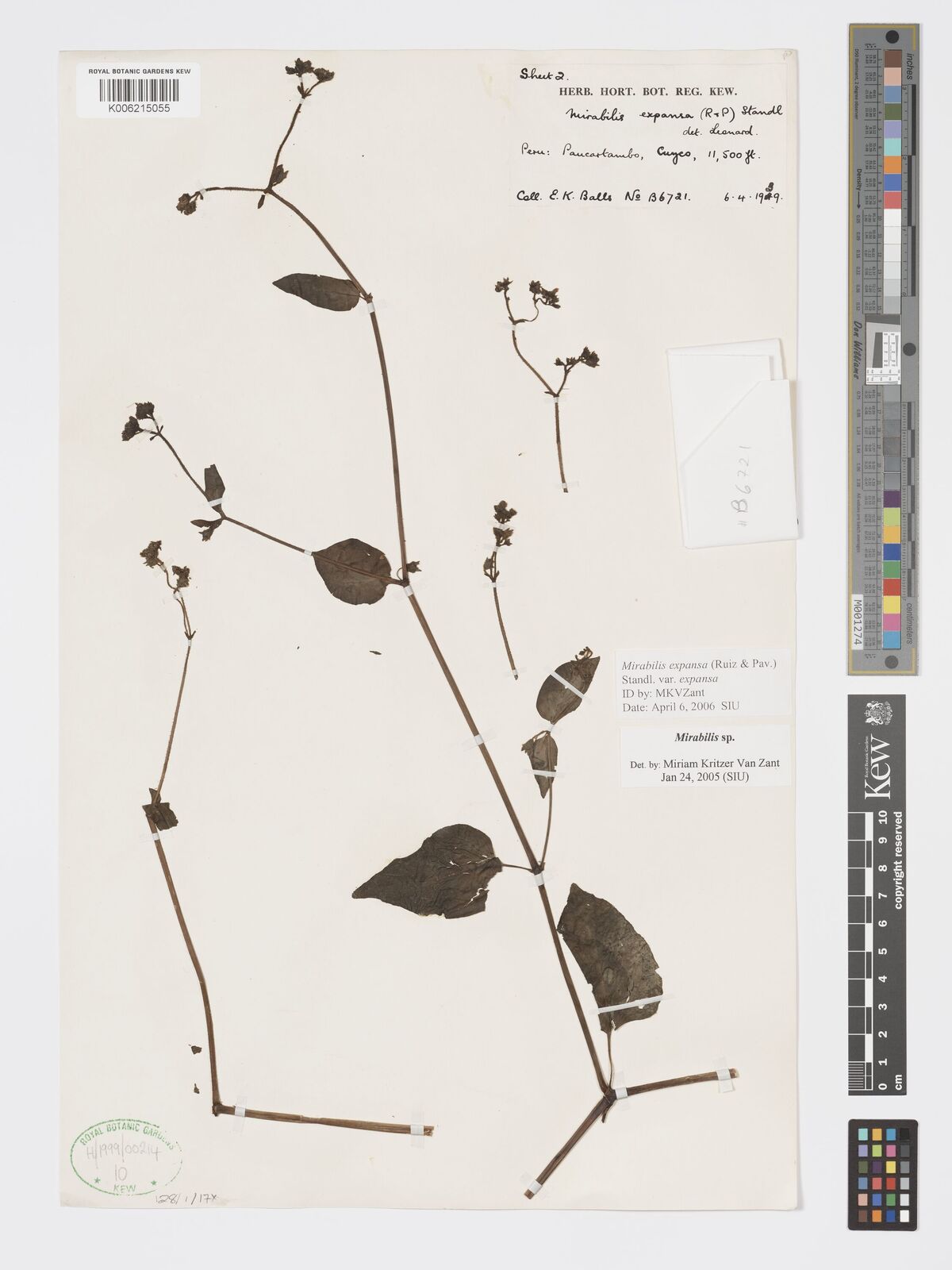
Mirabilis expansa
species of plant
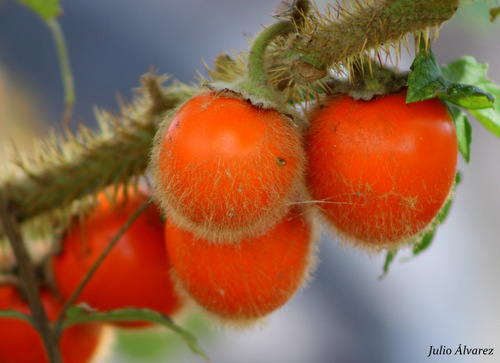
Solanum candidum
species of plant
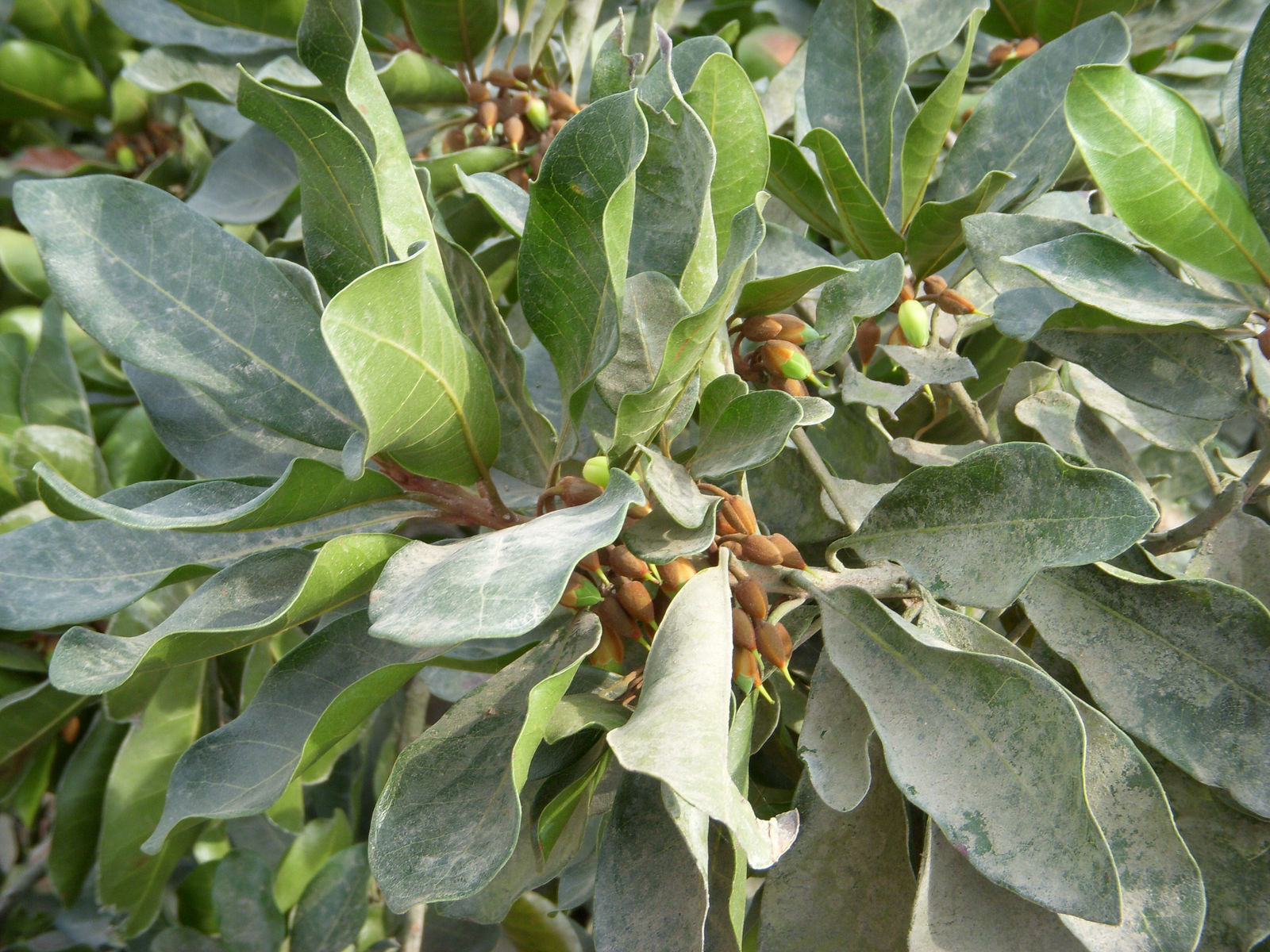
Lucuma bifera
species of flowering plant