Category
page 1Dada

Joan Miró
Spanish painter, sculptor, and ceramicist (1893–1983)

Dada
thumb|upright=1.35|Grand opening of the first Dada exhibition: First International Dada Fair|International Dada Fair, Berlin, 5 June 1920. The central figure hanging from the ceiling is an effigy of a German officer with a pig's head. From left to right: [[Raoul Hausmann, Hannah Höch (sitting), Otto Burchard, Johannes Baader, Wieland Herzfelde, Margarete Herzfelde, Dr. Oz (Otto Schmalhausen), George Grosz and John Heartfield.]]

Marcel Duchamp
French painter, sculptor, and chess player (1887–1968)

André Breton
French writer and poet, co-founder of Surrealism (1896–1966)
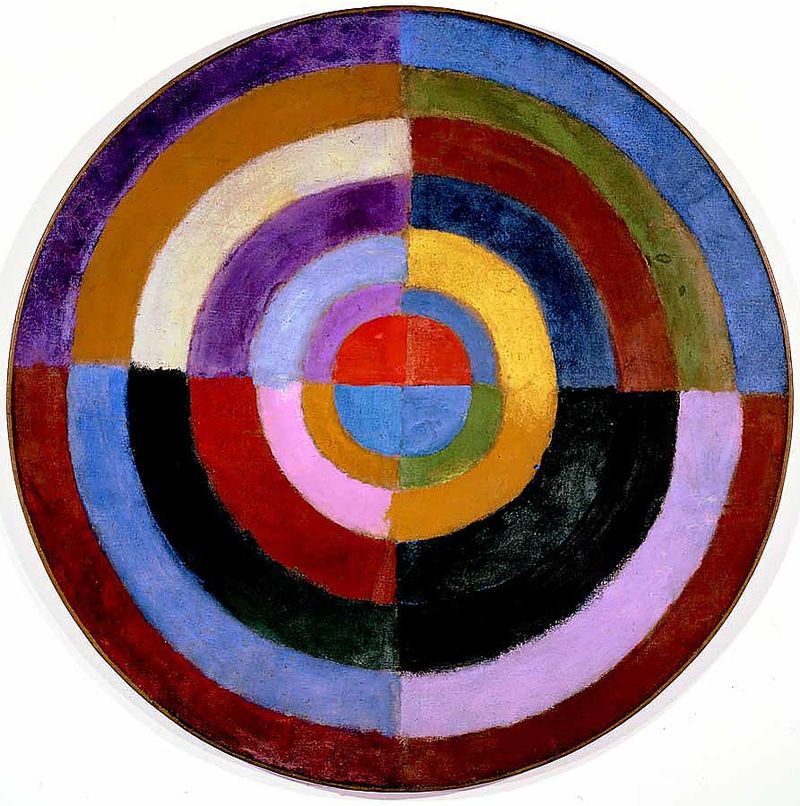
abstract art
art with a degree of independence from visual references in the world

Louis Aragon
French poet (1897–1982)
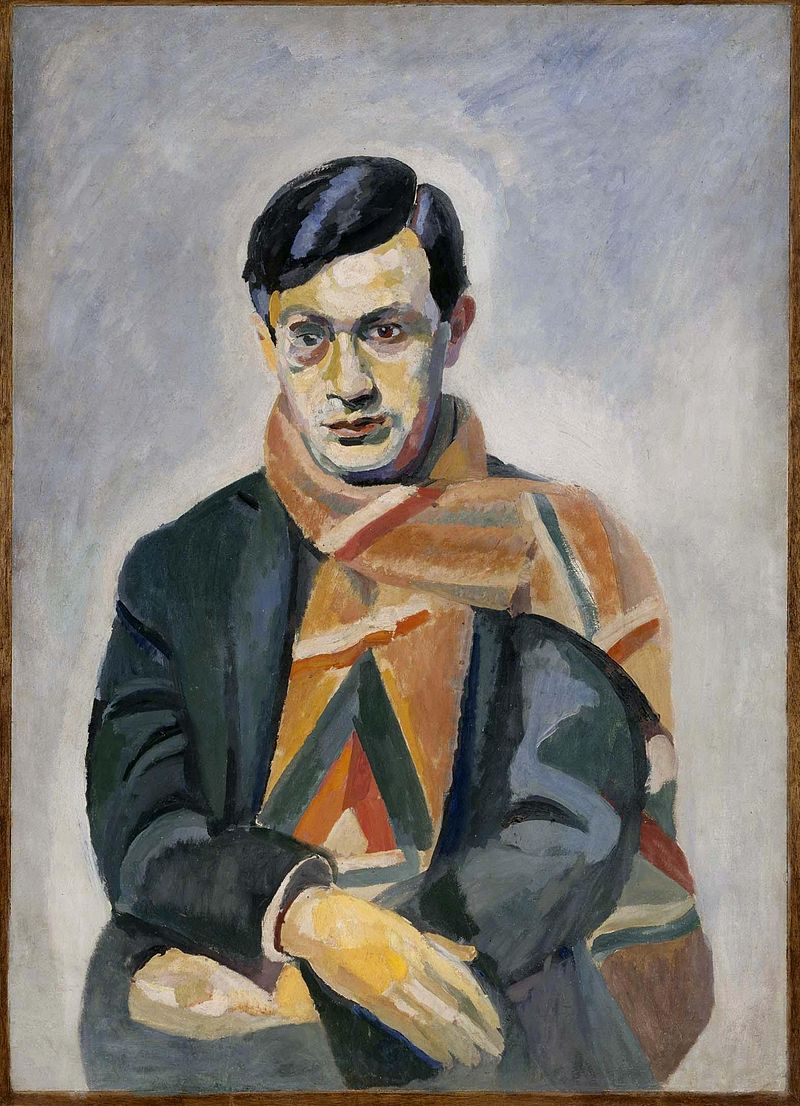
Tristan Tzara
Romanian-French poet (1896–1963)

Paul Éluard
French poet (1895–1952)

Max Ernst
German artist (1891–1976)

Otto Dix
German painter and printmaker (1891–1969)

Julius Evola
Italian philosopher and esotericist (1898-1974)

Jean Arp
Alsatian sculptor, painter, poet and abstract artist (1886–1966)

Francis Picabia
French painter and writer (1879–1953)

René Clair
French filmmaker and writer (1898–1981)

Kurt Schwitters
German artist (1887–1948)

degenerate art
term used by the German Nazi regime to describe modern art

Hannah Höch
German artist (1889–1978)

Philippe Soupault
French writer (1897–1990)

Sophie Taeuber-Arp
Swiss artist (1889–1943)

Victor Brauner
Romanian artist (1903-1966)

John Heartfield
German artist (1891–1968)

André Kertész
Hungarian photographer (1894–1985)
Cabaret Voltaire
Club and cultural space in Zurich, Switzerland; birthplace of the Dada art movement

Marcel Janco
Romanian-born Israel painter and architect (1895-1984)
Raoul Hausmann
Austrian photographer and sculptor (1886–1971)
Elsa von Freytag-Loringhoven
German artist and poet (1874 –1927)
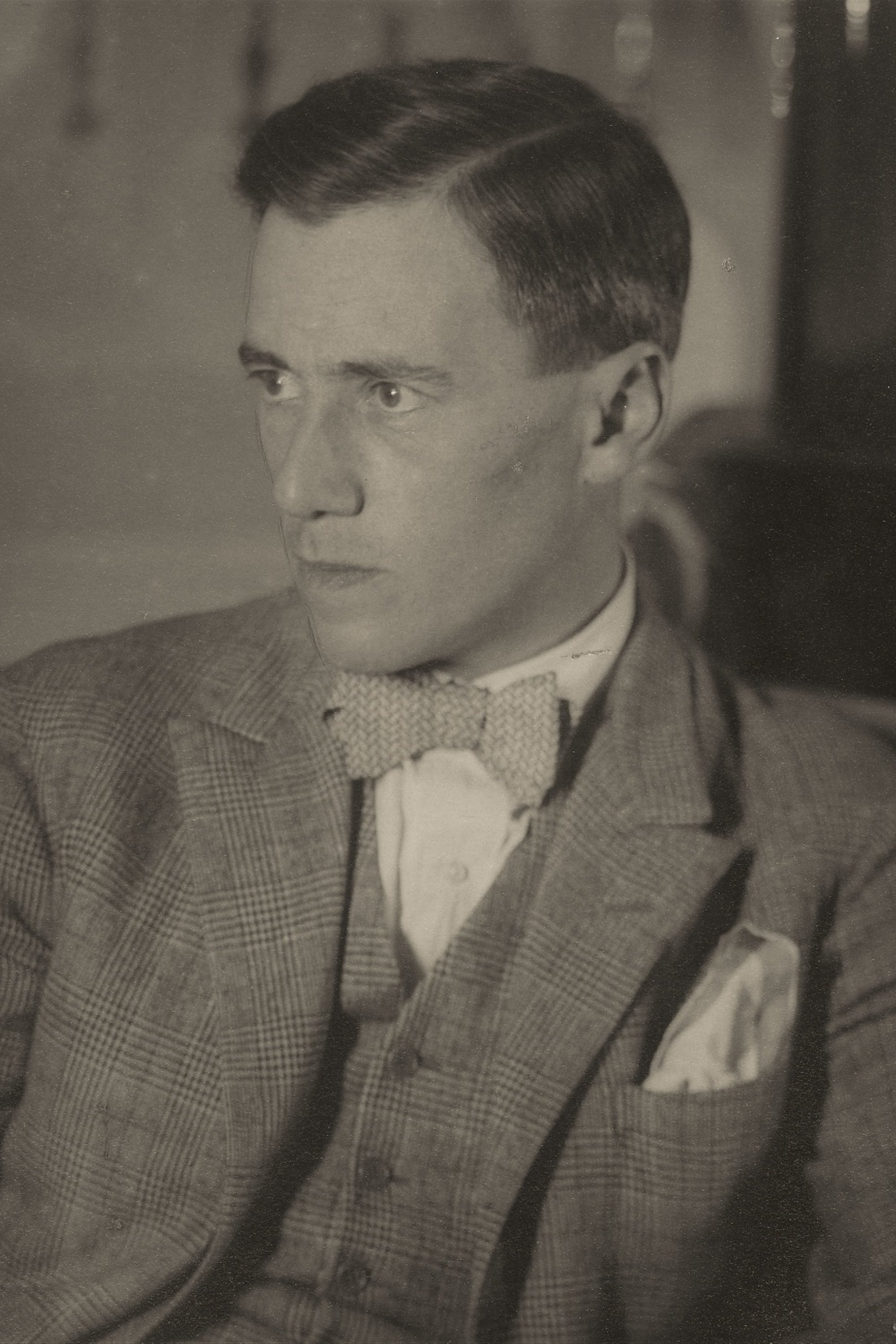
Hans Richter
German artist (1888–1976)

Marsden Hartley
American artist (1877-1943)
Benjamin Péret
French poet, Parisian Dadaist and a founder and central member of the French Surrealist movement with his avid use of Surrealist automatism (1899–1959)
%20-%20panoramio.jpg)
anti-art
thumb|''Artist's Shit'' (Italian: ) is a 1961 artwork by the Italian artist [[Piero Manzoni, which consists of 90 tin cans, each reportedly filled with of faeces. One of his friends, Enrico Baj, said that the cans were meant as "an act of defiant mockery of the art world, artists, and art criticism".]]
Carl Einstein
German art historian (1885-1940)
Richard Huelsenbeck
German poet, dadaist and psychoanalyst (1892-1974)
artist's book
work of art realized in the form of a book
Arthur Cravan
Swiss writer, poet, artist and boxer (1887–1918)
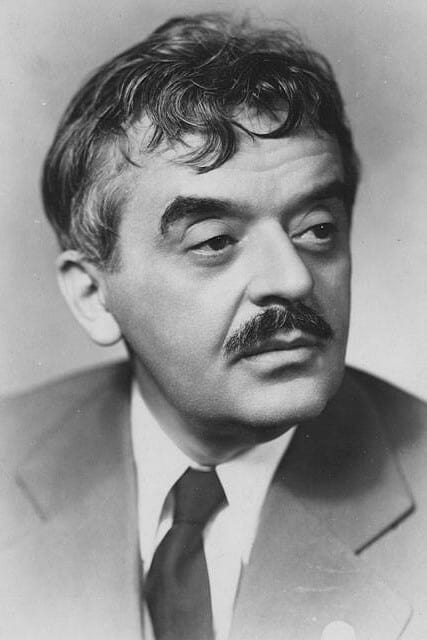
Emil František Burian
Czech poet, journalist, singer, actor, musician, composer, playwright adviser, playwright and director communist (1904–1959)
Beatrice Wood
American artist (1893-1998)
Suzanne Duchamp
French Dadaist painter (1889-1963)
Henri-Pierre Roché
French writer, art collector and art dealer (1879-1959)

Paul van Ostaijen
Belgian poet, writer (1896–1928)
Christian Schad
German artist (1894-1982)
Ilia Zdanevich
Russian artist (1894–1975)
Jacques Rigaut
French poet (1898–1929)
Viking Eggeling
Swedish artist (1880-1925)

Urmuz
Urmuz (, pen name of Demetru Dem. Demetrescu-Buzău, also known as Hurmuz or Ciriviș, born Dimitrie Dim. Ionescu-Buzeu; March 17, 1883 – November 23, 1923) was a Romanian writer, lawyer and civil servant, who became a cult hero in Romania's avant-garde scene. His scattered work, consisting of absurdist short prose and poetry, opened a new genre in Romanian letters and humor, and captured the imagination of modernists for several generations. Urmuz's Bizarre (or Weird) Pages were largely independent of European modernism, even though some may have been triggered by Futurism; their valorization o
Claude Vivier
Canadian composer (1948–1983)
sound poetry
artistic form bridging literary and musical composition, in which the phonetic aspects of human speech are foregrounded instead of more conventional semantic and syntactic values

L.H.O.O.Q.
thumb|upright=1.4|Marcel Duchamp, 1919, L.H.O.O.Q., published in 391 (magazine)|391, n. 12, March 1920
L.H.O.O.Q. () is a work of art by Marcel Duchamp. First conceived in 1919, the work is one of what Duchamp referred to as readymades, or more specifically a rectified (i.e. altered) ready-made. The readymade involves taking mundane, often utilitarian objects not generally considered to be art and transforming them, by adding to them, changing them, or (as in the case of his work Fountain) simply renaming and reorienting them and placing them in an appropriate setting. In L.H.O.O.Q. the found
Jacques Vaché
French poet (1895–1919)
Georges Ribemont-Dessaignes
French writer, poet, playwright, and painter (1884–1974)
appropriation
Artistic practice of borrowing, quoting, or recontextualizing existing images or objects to generate new meanings through citational commentary
Walter Serner
Czech writer (1889–1942)
Johannes Baader
German architect, writer (1875–1955)
cut-up technique
literary technique based on rearranging text

Heinrich Hoerle
German constructivist artist (1895–1936)
Johannes Theodor Baargeld
German artist (1892-1927)

Jun Tsuji
Japanese author, Dadaist, nihilist, Stirnerite, epicurean, shakuhachi musician, playwright and actor, feminist, and bohemian. (1884–1944)
Rudolf Schlichter
German artist (1890–1955)
Walter Mehring
German writer (1896–1981)
Til Brugman
Dutch author, poet and linguist (1888-1958)

Guillermo de Torre
Spanish writer (1900–1971)