Category
page 1Dasyuromorphs

thylacine
The thylacine (; binomial name Thylacinus cynocephalus), also commonly known as the Tasmanian tiger or Tasmanian wolf, is an extinct species of carnivorous marsupial that was native to the Australian mainland and the islands of Tasmania and New Guinea. The thylacine died out in New Guinea and mainland Australia around 3,600–3,200 years ago, possibly because of the introduction of the dingo, whose earliest record dates to around the same time, but which never reached Tasmania. Prior to European settlement, around 5,000 remained in the wild on the island of Tasmania. Beginning in the nineteenth

Tasmanian devil
species of carnivorous marsupial from Australia

Dasyuromorphia
Dasyuromorphia () is an order comprising most of the Australian carnivorous marsupials. The order contains four families: Myrmecobiidae, with just a single living species, the numbat (Myrmecobius fasciatus), Thylacinidae, with one recently extinct species, the thylacine (Thylacinus cynocephalus) and several fossil species, Dasyuridae, with 73 extant species, including quolls, dunnarts, and the Tasmanian devil, and the extinct fossil family Malleodectidae with one genus.
numbat
The numbat (; binomen: Myrmecobius fasciatus), also known as the noombat or walpurti, is an insectivorous marsupial. It is diurnal and its diet consists almost exclusively of termites.

Dasyuridae
The Dasyuridae are a family of marsupials native to Australia and New Guinea, including 71 extant species divided into 17 genera. Many are small and mouse-like or shrew-like, giving some of them the name marsupial mice or marsupial shrews, but the group also includes the cat-sized quolls, as well as the Tasmanian devil. They are found in a wide range of habitats, including grassland, underground, forests, and mountains. Some species are arboreal or semiaquatic. The Dasyuridae are often called the 'marsupial carnivores', as most members of the family are insectivores.

quoll
Quolls (; genus Dasyurus) are carnivorous marsupials native to Australia and New Guinea. They are primarily nocturnal, and spend most of the day in a den. Of the six species of quoll, four are found in Australia and two in New Guinea. Another two species are known from fossil remains in Pliocene and Pleistocene deposits in Queensland.

Eastern quoll
species of mammal

tiger quoll
carnivorous marsupial native to Australia

Kowari
The kowari (Dasyuroides byrnei), also known by its Diyari name kariri, is a small carnivorous marsupial native to the gibber deserts of central Australia. It is the sole member of the genus Dasyuroides.
Thylacinidae
Thylacinidae is an extinct family of carnivorous marsupials from the order Dasyuromorphia. The only species to survive into modern times was the thylacine (Thylacinus cynocephalus), which became extinct in 1936.
Thylacinus
Thylacinus is a genus of extinct carnivorous marsupials in the family Thylacinidae. The only recent member was the thylacine (Thylacinus cynocephalus), commonly also known as the Tasmanian tiger or Tasmanian wolf. The last known Tasmanian tiger was in the Beaumaris Zoo in Tasmania, eventually dying in 1936. The earliest known member of the genus, Thylacinus macknessi appeared during the Early Miocene, around 16 million years ago, and was smaller than the modern thylacine, with a body mass of about . Thylacinus represented the only extant genus of the family after the beginning of the Pliocene

Western quoll
species of mammal

Fat-tailed dunnart
species of mammal

Northern quoll
species of mammal native to Australia
New Guinean quoll
species of mammal

Speckled dasyure
species of mammal

Antechinomys laniger
The kultarr (Antechinomys laniger) (also called the "jerboa-marsupial" or marsupial jerboa) is a small insectivorous nocturnal marsupial inhabiting the arid interior of Australia. Preferred habitat includes stony deserts, shrubland, woodland, grassland and open plains. The kultarr has a range of adaptations to help cope with Australia's harsh arid environment including torpor similar to hibernation that helps conserve energy. The species has declined across its former range since European settlement due to changes in land management practices and introduced predators.
%20(17067818099).jpg)
Antechinus
thumb|right|In central Victoria

Sarcophilus
Sarcophilus, from Ancient Greek σάρξ (sárx), meaning "flesh", and φίλος (phílos), meaning "loving", is a genus of carnivorous marsupial best known for its only living member, the Tasmanian devil.

Parantechinus apicalis
The dibbler (Parantechinus apicalis) is an endangered species of marsupial. It is an inhabitant of the southwest mainland of Western Australia and some offshore islands. It is a member of the order Dasyuromorphia, and the only member of the genus Parantechinus. The dibbler is a small, nocturnal carnivore with speckled fur that is white around the eyes.

mulgara
Mulgara are small rat-sized species in the genus Dasycercus. They are marsupial carnivores, related to the Tasmanian devil and quolls, that live in deserts and spinifex grasslands of the Australian arid and semi-arid zones. They are nocturnal, but occasionally "sunbathe" in the entrance of the burrow in which they dwell. Their kidneys are highly developed to excrete extremely concentrated urine to preserve water, as the animals rarely drink.

Bronze quoll
species of mammal
_(14559441713).jpg)
Dunnart
A dunnart (from Noongar donat) is a narrow-footed marsupial the size of a European mouse, of the genus Sminthopsis. Dunnarts have a largely insectivorous diet.
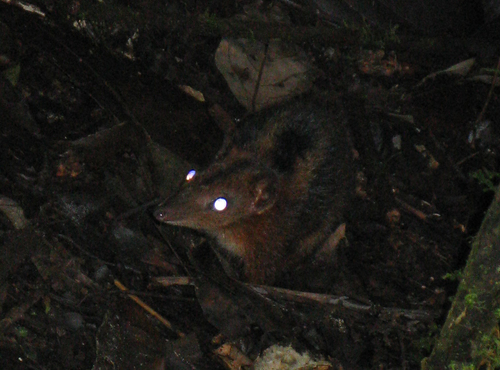
Myoictis
Myoictis or striped dasyure is a genus of marsupials in the order Dasyuromorphia. It is found in New Guinea.

Brush-tailed phascogale
species of mammal

Marsupial shrew
genus of mammals

Crest-tailed mulgara
species of mammal
Phascogale
The phascogales (members of the eponymous genus Phascogale), also known as wambengers or mousesacks, are carnivorous Australian marsupials of the family Dasyuridae. There are three species: the brush-tailed phascogale (Phascogale tapoatafa), the red-tailed phascogale (P. calura), and the northern brush-tailed phascogale (P. pirata). As with a number of dasyurid species, the males live for only one year, dying after a period of frenzied mating. The name wambenger comes from the Nyungar language. The term Phascogale was coined in 1824 by Coenraad Jacob Temminck in reference to the brush-tailed p

Red-tailed phascogale
species of mammal

Stripe-faced Dunnart
species of mammal

Little Red Kaluta
species of mammal endemic to Western Australia

Three-striped Dasyure
species of mammal

Yellow-footed antechinus
species of marsupial

Atherton antechinus
species of mammal

sandhill dunnart
species of mammal

Short-furred dasyure
species of mammal

Kangaroo Island dunnart
species of mammal

Brown antechinus
species of mammal

Dusky antechinus
species of mammal

Black-tailed dasyure
species of mammal

Phascomurexia naso
species of mammal
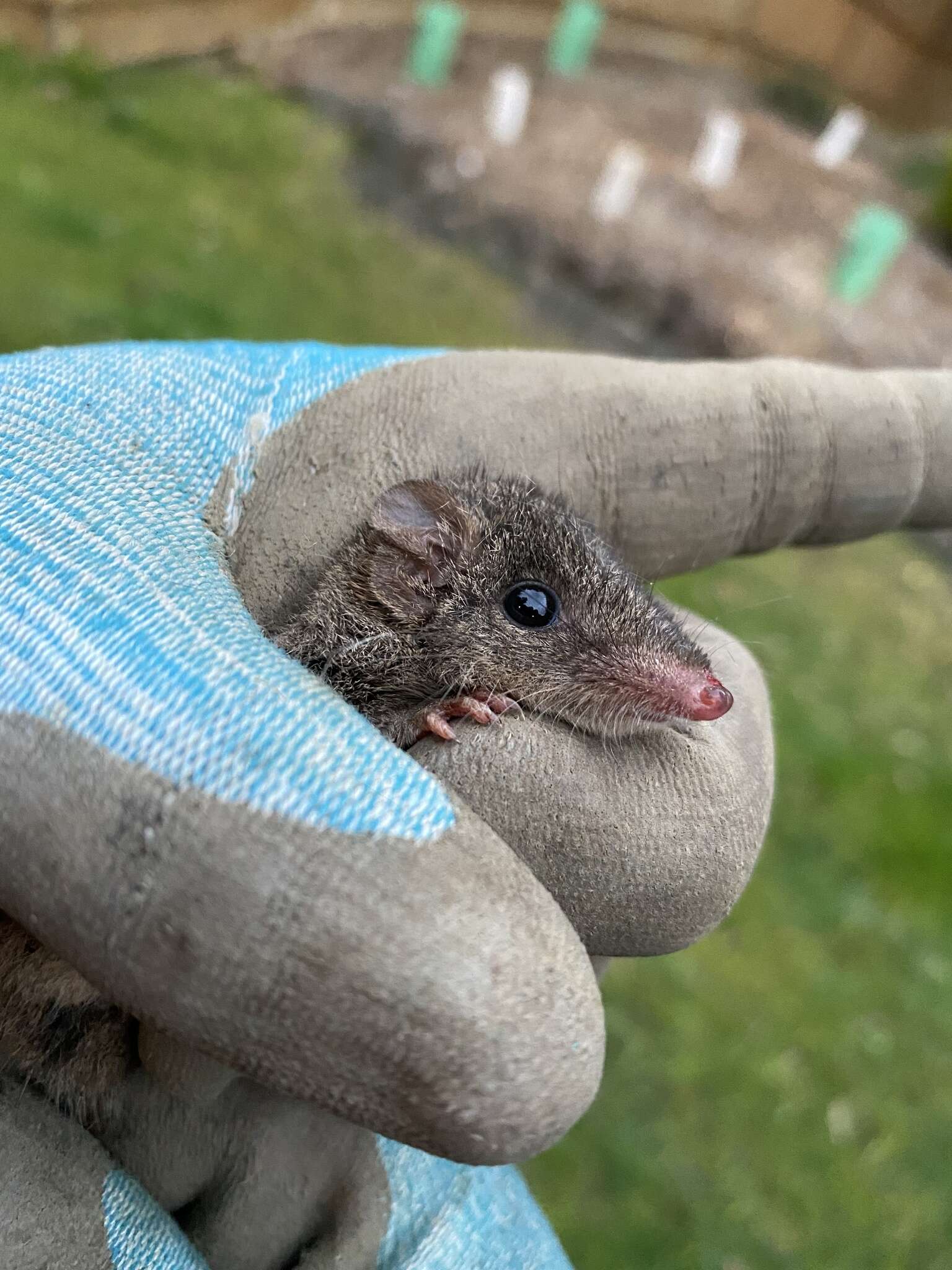
Agile antechinus
species of marsupial

Planigale
The genus Planigale are small carnivorous marsupials found in Australia and New Guinea. It is the only genus in the tribe Planigalini of the subfamily Sminthopsinae. The genus has long been known to contain several cryptic species. Of the five Planigale species currently recognized, two (P. ingrami and P. maculata) are known species complexes.

red-cheeked dunnart
species of mammal

Julia Creek Dunnart
species of mammal

Narrow-striped Marsupial Shrew
species of mammal

Gilbert's dunnart
species of mammal
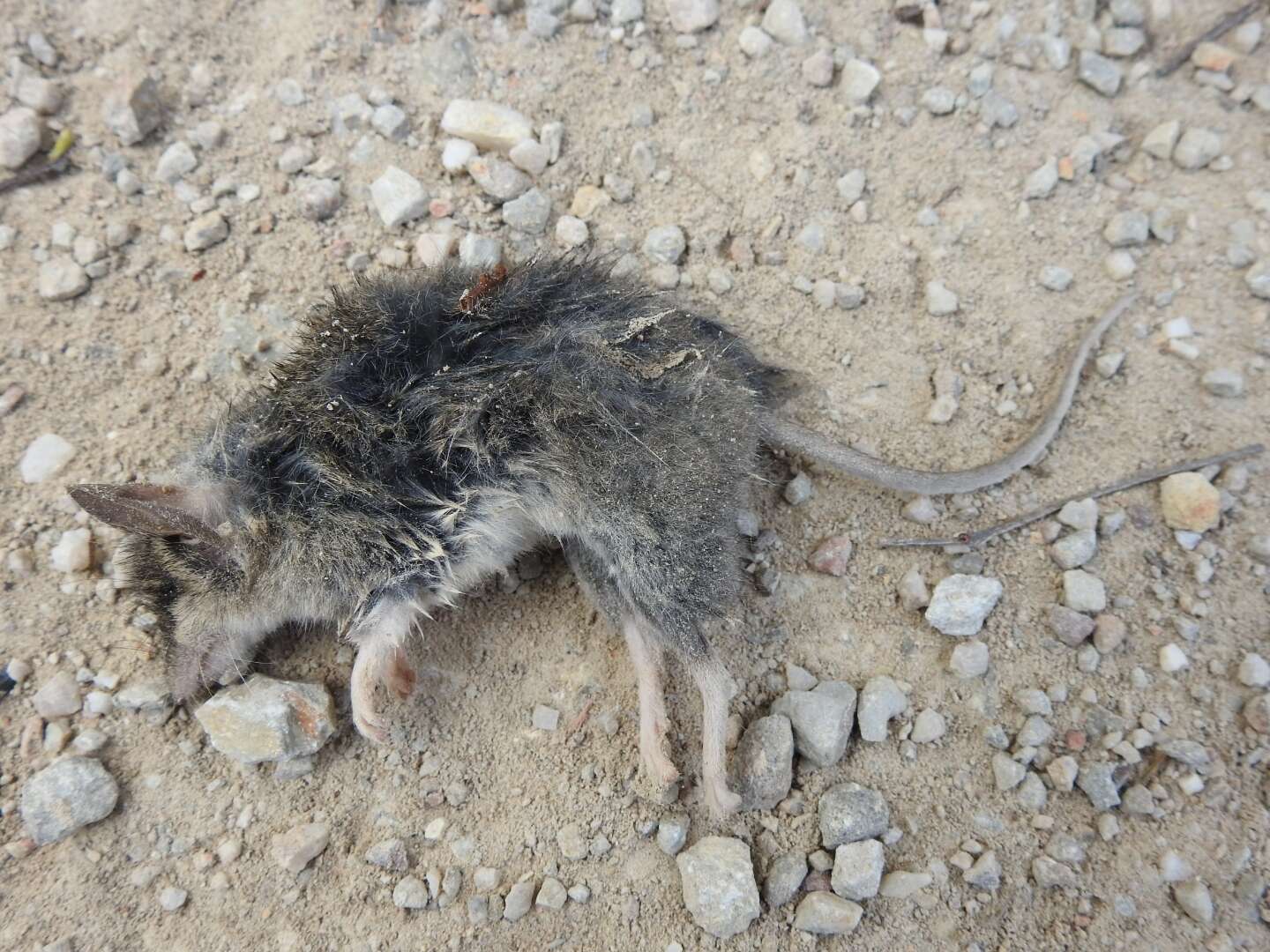
Slender-tailed dunnart
species of mammal
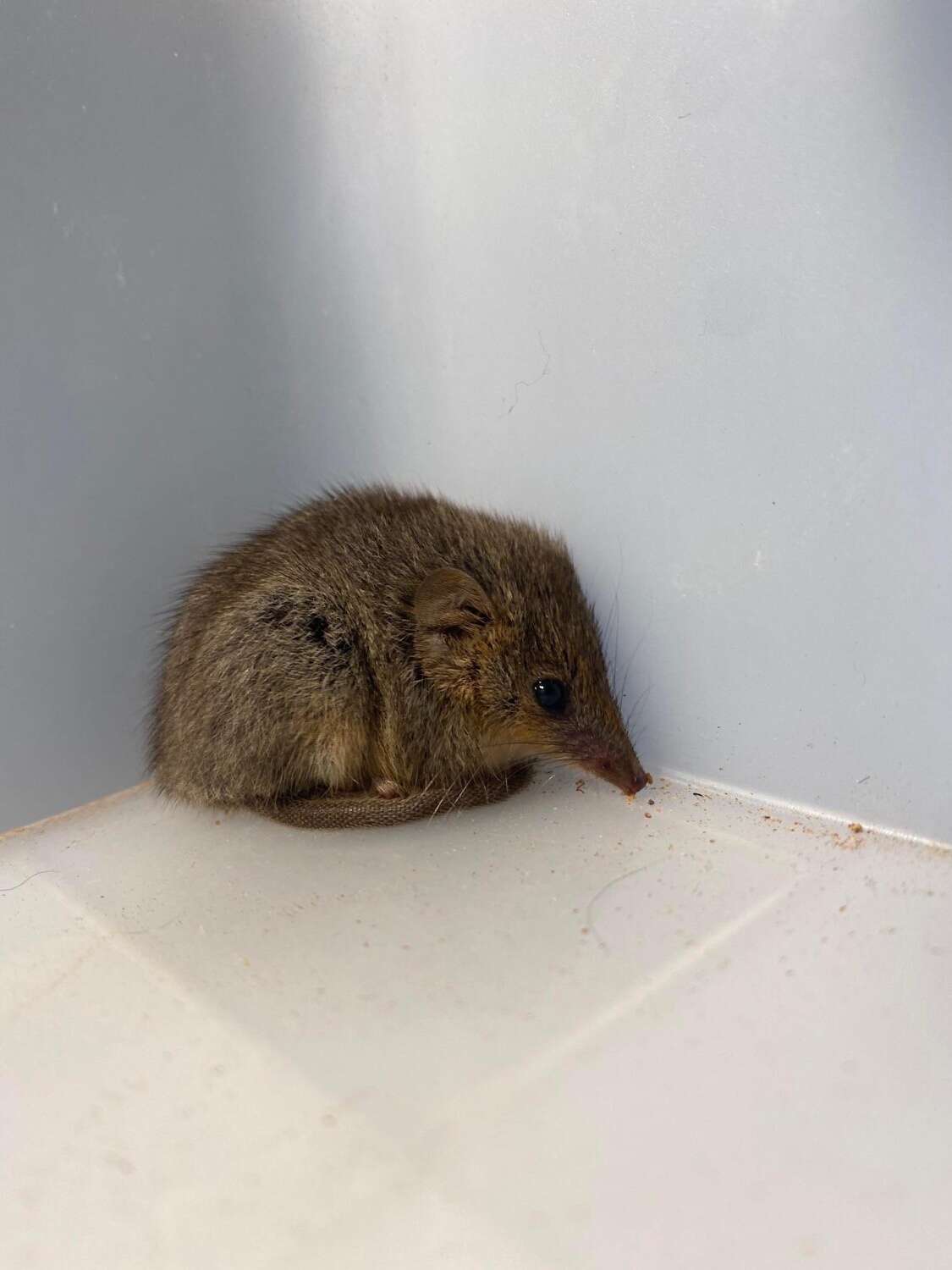
Ningaui
Ningaui is a genus of small species of the marsupial dasyurid family. Along with the planigales, they are among the smallest marsupials.

lesser hairy-footed dunnart
species of mammal

Broad-striped dasyure
species of mammal

Common planigale
species of mammal

Swamp antechinus
species of mammal

Chestnut dunnart
species of mammal
False antechinus
genus of mammals

Fawn antechinus
species of mammal

Fat-tailed False Antechinus
species of mammal

Little Long-tailed Dunnart
species of mammal

White-tailed dunnart
species of mammal
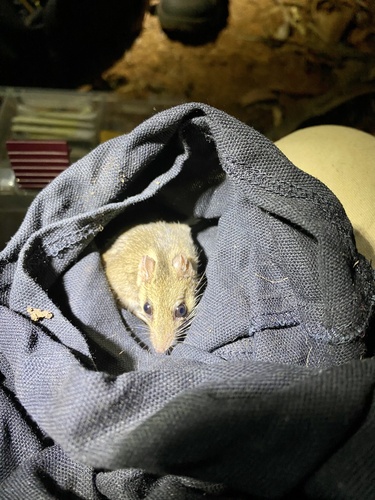
Carpentarian dunnart
species of mammal