Category
page 4Dioecious plants

Brachylaena
Brachylaena is a genus of flowering plants in the aster, or composite, family, Asteraceae or Compositae. Several are endemic to Madagascar, and the others are distributed in mainland Africa, especially the southern regions.

Silene otites
species of plant
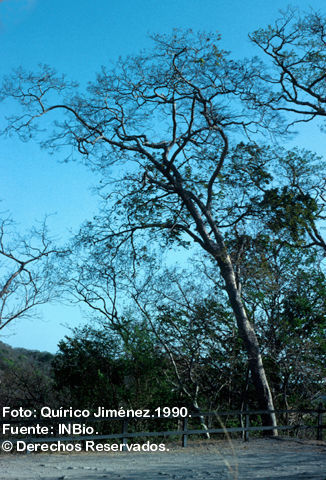
Astronium
Astronium is a genus of flowering plants in the cashew family, Anacardiaceae. It is native to Central and South America.

Acer henryi
species of plant

Antidesma
thumb|Bignay (Antidesma bunius|A. bunius)
thumb|Hame (Antidesma platyphyllum|A. platyphyllum) - ripe berries
thumb|Hame (Antidesma platyphyllum|A. platyphyllum) - unripe fruit

Nannorrhops ritchiana
Nannorrhops ritchiana, the Mazari palm, is the sole species in the genus Nannorrhops in the palm family Arecaceae.

Valeriana celtica
species of plant

Alluaudia
Alluaudia is a genus of flowering plants in the family Didiereaceae. There are six species, all endemic to Madagascar.

Ficus septica
species of plant

Juniperus flaccida
species of plant

Plectocomia
Plectocomia is a genus of flowering plant in the family Arecaceae native to China, the Himalayas, and Southeast Asia. Plants are dioecious, with male and female flowers produced on separate individuals.

Chionanthus virginicus
species of plant
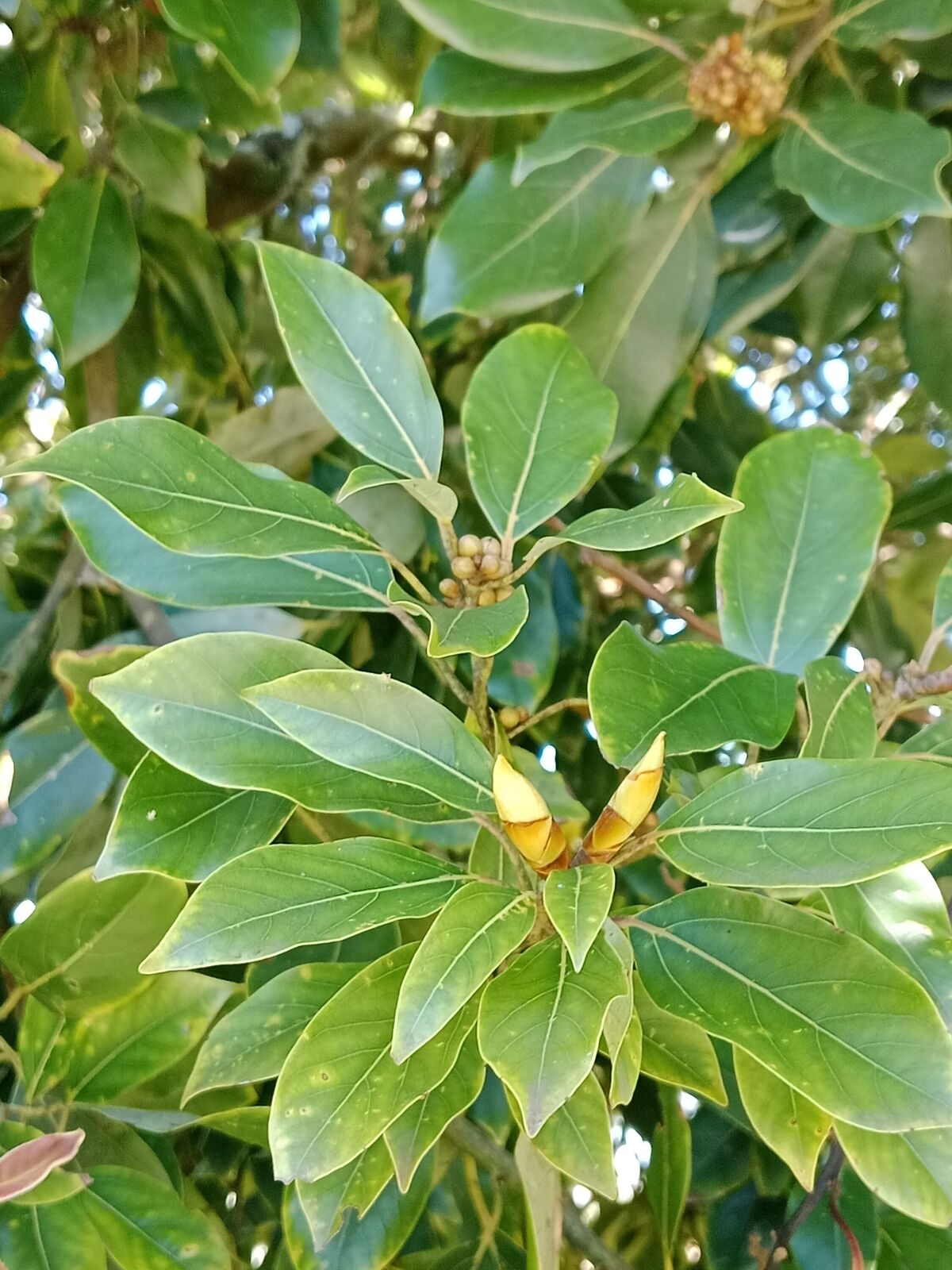
Neolitsea
Neolitsea is a genus of about 85 species of evergreen shrubs and small trees in the laurel family Lauraceae. They range from Indo-Malaysia to East Asia to Australia. The leaves are alternate, clustered, or verticillate, rarely subopposite. Species are dioecious, with separate male and female plants.

Dendrocnide
Dendrocnide is a genus of approximately 40 species of plants in the nettle family Urticaceae. They have a wide distribution across North East India, Southeast Asia, Australia and the Pacific Islands. In Australia they are commonly known as stinging trees.
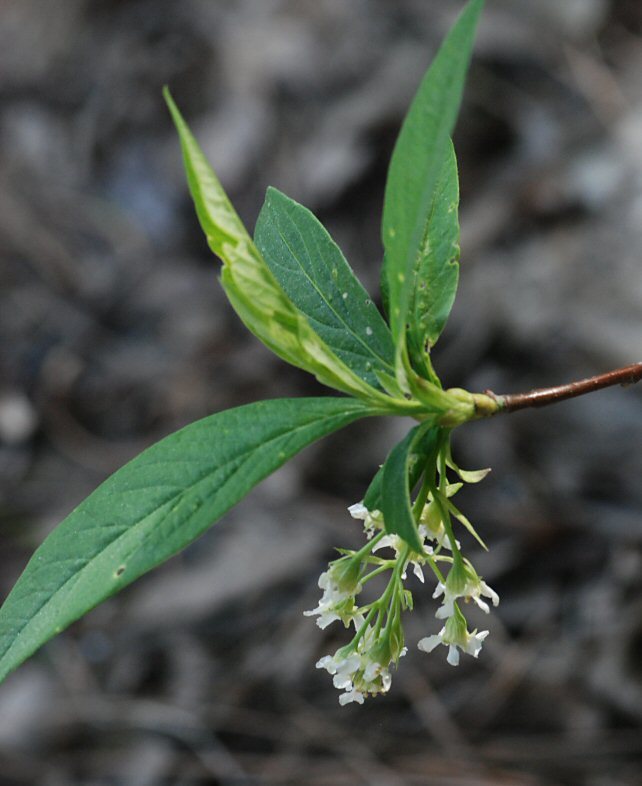
Oemleria cerasiformis
species of plant

Ficus auriculata
species of plant

Torreya taxifolia
species of plant

Stratiotes
Stratiotes is a genus of submerged aquatic plant commonly known as water soldiers, described as a genus by Linnaeus in 1753. Several specific names have been coined within the genus, but at present only one is recognized: Stratiotes aloides. native to Europe and NW Asia.

Securinega
Securinega is a genus of plants in the family Phyllanthaceae, first described as a genus in 1789. As presently conceived, the genus is native to Madagascar and the Mascarene Islands in the Indian Ocean. In the past, it was considered to be much more widespread, thus explaining the long list of species formerly included. It is dioecious, with male and female flowers on separate plants.

Daemonorops
thumb|Calamus draco, syn. Daemonorops draco
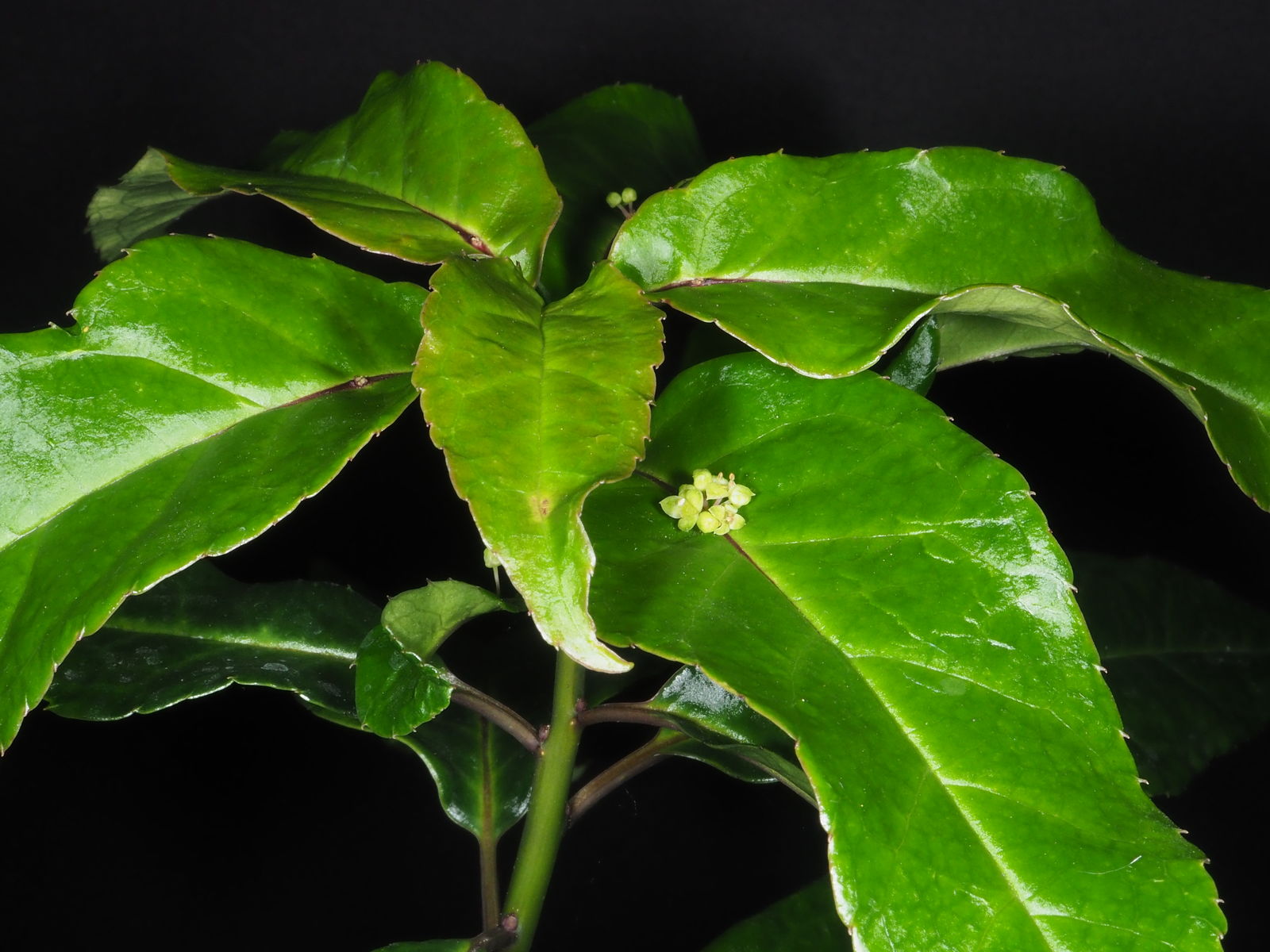
Helwingia
The genus Helwingia consists of shrubs or rarely small trees native to eastern Asia, the Himalayas, and northern Indochina. It is the only genus in the family Helwingiaceae.

Fraxinus velutina
species of plant

Anaphalis margaritacea
species of plant

Prumnopitys
thumb|Adult leaves of Prumnopitys taxifolia|P. taxifolia
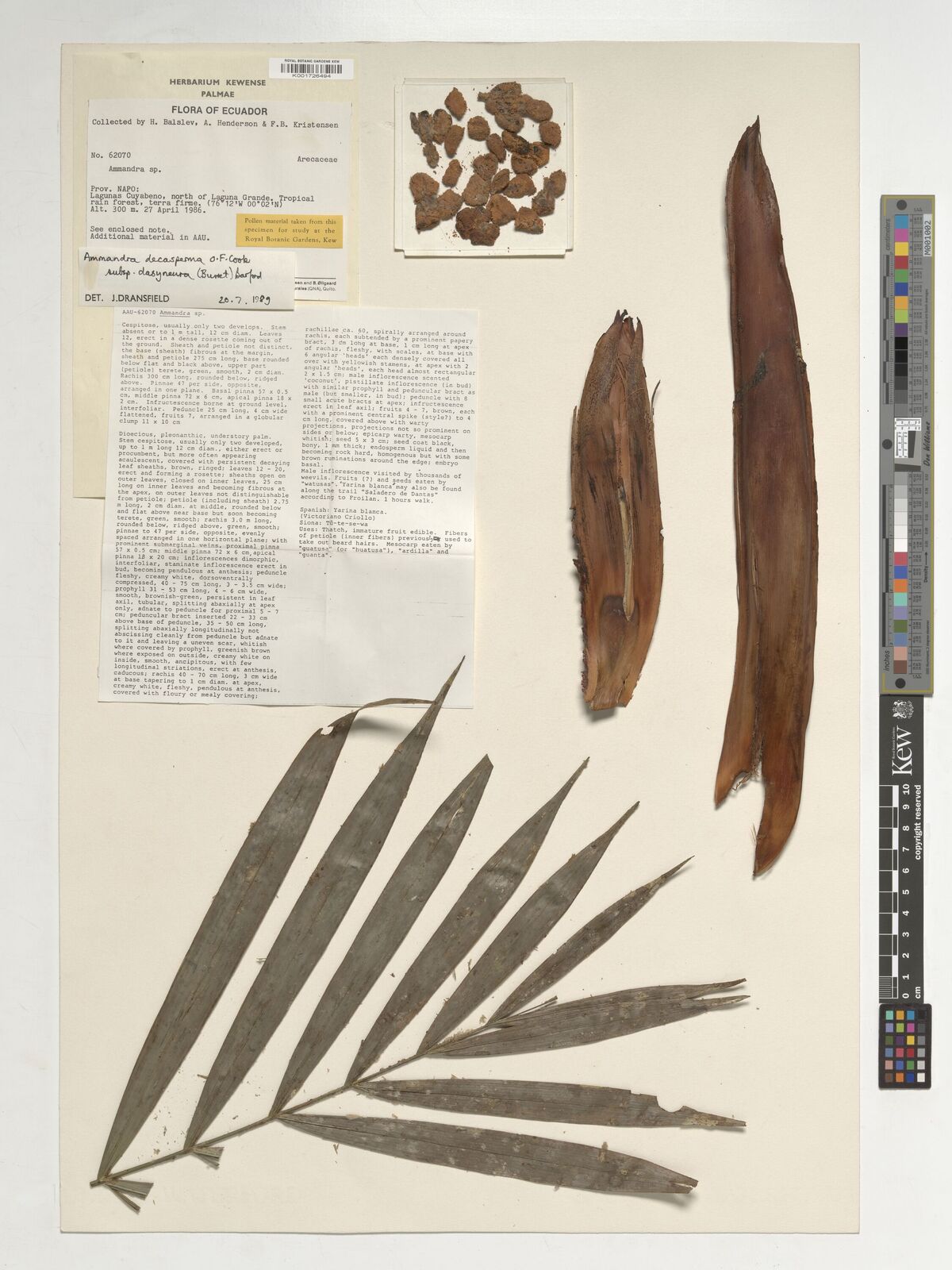
Ammandra decasperma
Ammandra is a monotypic genus of flowering plants in the palm family found in Colombia and Ecuador, where it is endangered. The sole species is Ammandra decasperma, although another species name has been proposed. It is a pinnate-leaved, dioecious palm whose seeds and petioles are used in button and basket making, respectively. It is commonly called ivory palm or cabecita.

Buddleja incana
species of plant

Thladiantha
Thladiantha is a genus of flowering plants in the family Cucurbitaceae, native to the Indian subcontinent, Southeast Asia, and China. They are dioecious, perennial herbs. The best known species is Thladiantha dubia.
%20(cropped).JPG)
Retrophyllum
Retrophyllum is a genus of conifers in the family Podocarpaceae. It contains five generally recognized extant species with a disjunct distribution in the Southern Hemisphere, found in Papuasia and also in South America. Retrophyllum are evergreen trees typically occurring in tropical rainforests and cloud forests.

Aristotelia chilensis
species of plant

Acer argutum
species of plant
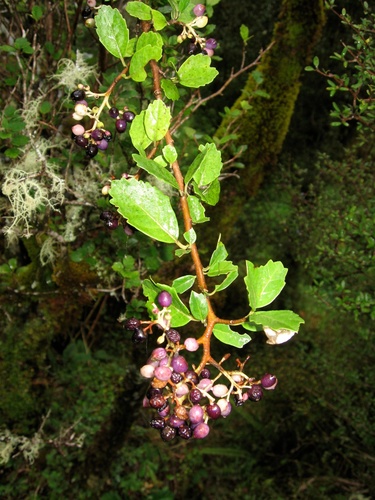
Pennantia
Pennantia is the sole genus in the plant family Pennantiaceae. In older classifications, it was placed in the family Icacinaceae. Most authorities have recognised three or four species, depending on whether they recognised Pennantia baylisiana as a separate species from Pennantia endlicheri. Botanist David Mabberley has recognised two species.

Meryta
Meryta is a genus in the flowering plant family Araliaceae. There are 28 described species in the genus and a number of undescribed species, all small, resinous trees of the subtropical and tropical Pacific Ocean, characterized by huge, simple leaves and a dioecious sexual system, a unique combination in Araliaceae. Meryta has its center of diversity in New Caledonia (11 endemic spp.). Phylogenetic analyses have placed Meryta as a monophyletic genus in one of the three major clades of the Araliaciae, the Polyscias-Pseudopanax group, and more specifically in the Pacific Schefflera subclade.

Mallotus
genus of plants
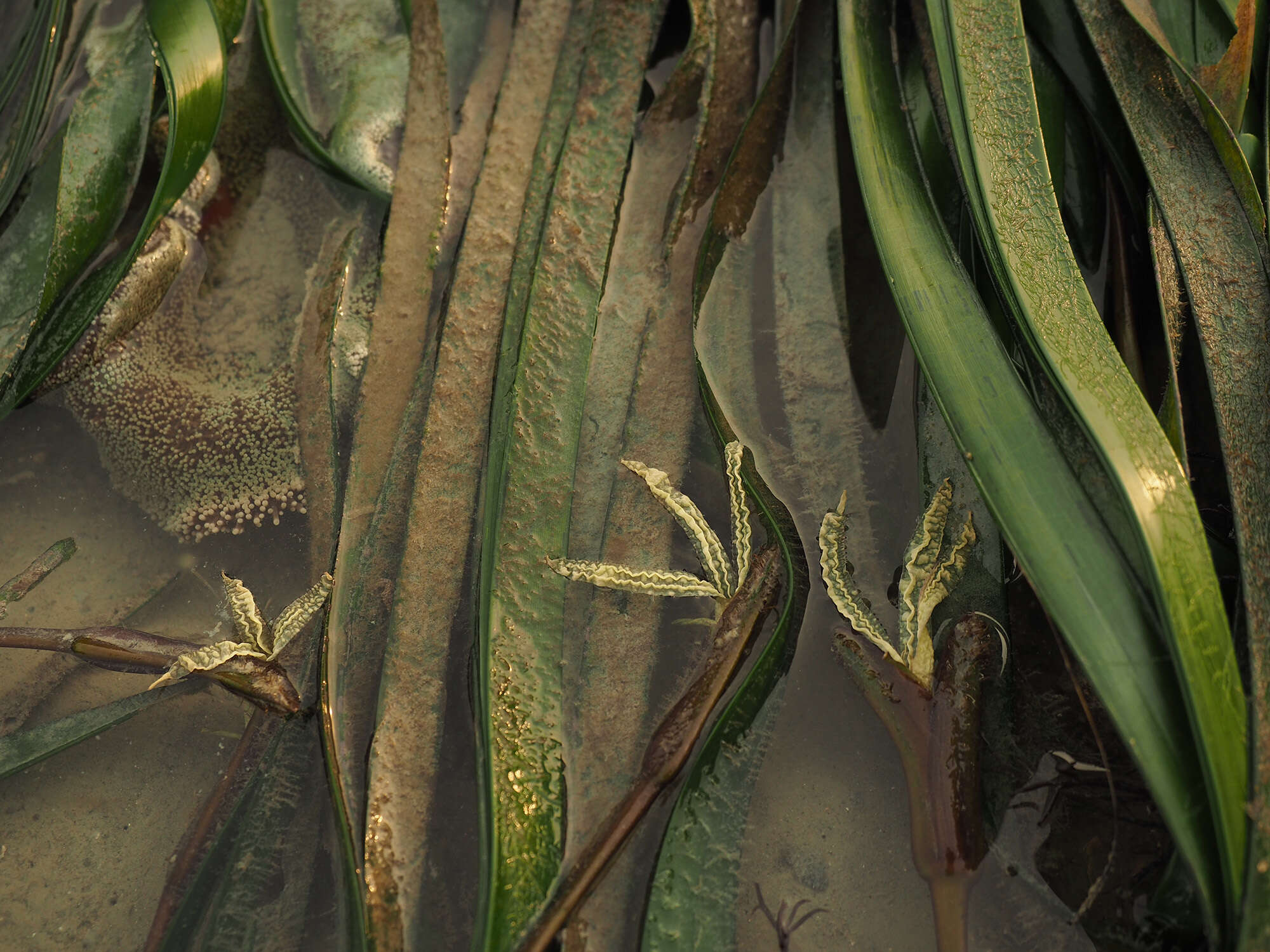
Enhalus acoroides
Enhalus is a monotypic genus of marine flowering plants. The sole species is Enhalus acoroides. Enhalus is a large seagrass native to coastal waters of the tropical Indian and Western Pacific Oceans. It is the only species of seagrass that does aerial surface pollination in which the pollen and the styles remain dry. Enhalus is surface pollinated with male flowers that detach from the plant to float on the surface until they reach a female flower where pollination can occur. Enhalus acoroides is considered a slow-growing, "climax" species.

Gymnosporia
thumb|right|220px|Old fruit and seed of Gymnosporia tenuispina|G. tenuispina
Gymnosporia is an Old World genus of plants, that comprise suffrutices, shrubs and trees. It was formerly considered congeneric with Maytenus, but more recent investigations separated it based on the presence of achyblasts (truncated branchlets) and spines, alternate leaves or fascicles of leaves, an inflorescence that forms a dichasium, mostly unisexual flowers, and fruit forming a dehiscent capsule, with an aril on the seed. It is dioecious, with male and female flowers on separate plants.
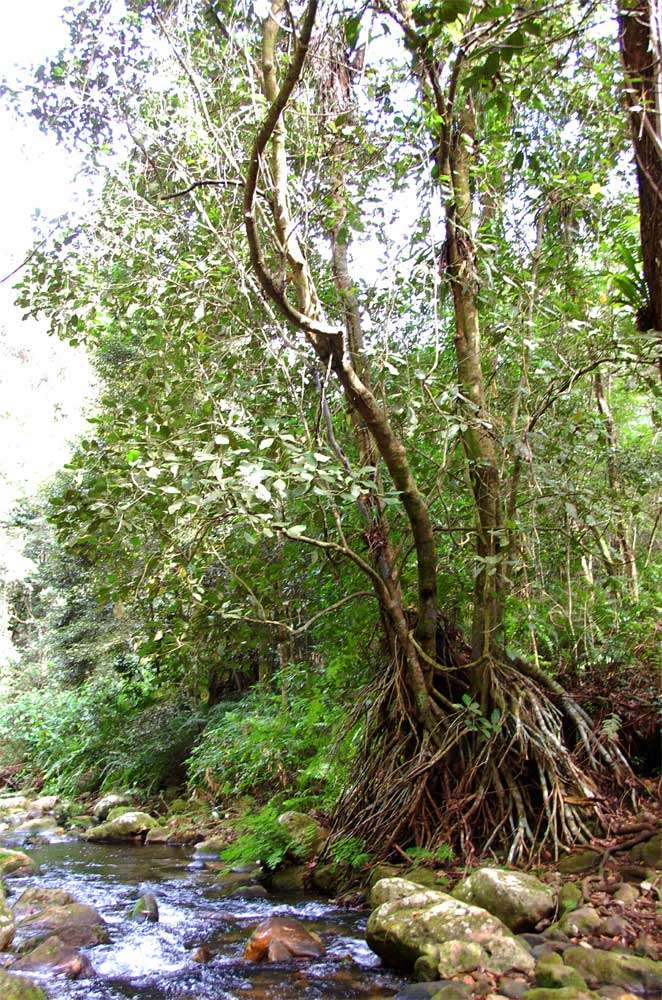
Uapaca
Uapaca is a genus of plant, in the family Phyllanthaceae first described as a genus in 1858. It is the only genus comprised in the tribe Uapaceae. The genus is native to Africa and Madagascar. Uapaca is dioecious, with male and female flowers on separate plants.

Acer stachyophyllum
species of plant
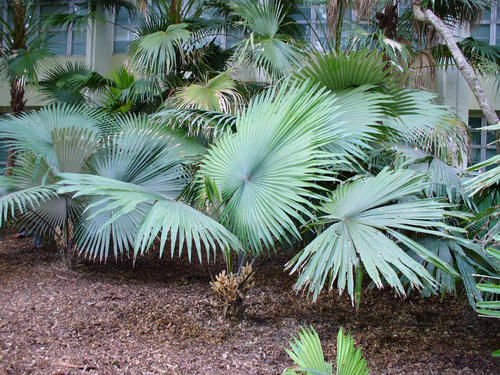
Kerriodoxa elegans
Kerriodoxa elegans, the white backed palm, is the only species of palm tree in the genus Kerriodoxa, in the family Arecaceae.

Actinodaphne
thumb|upright|Actinodaphne lancifolia
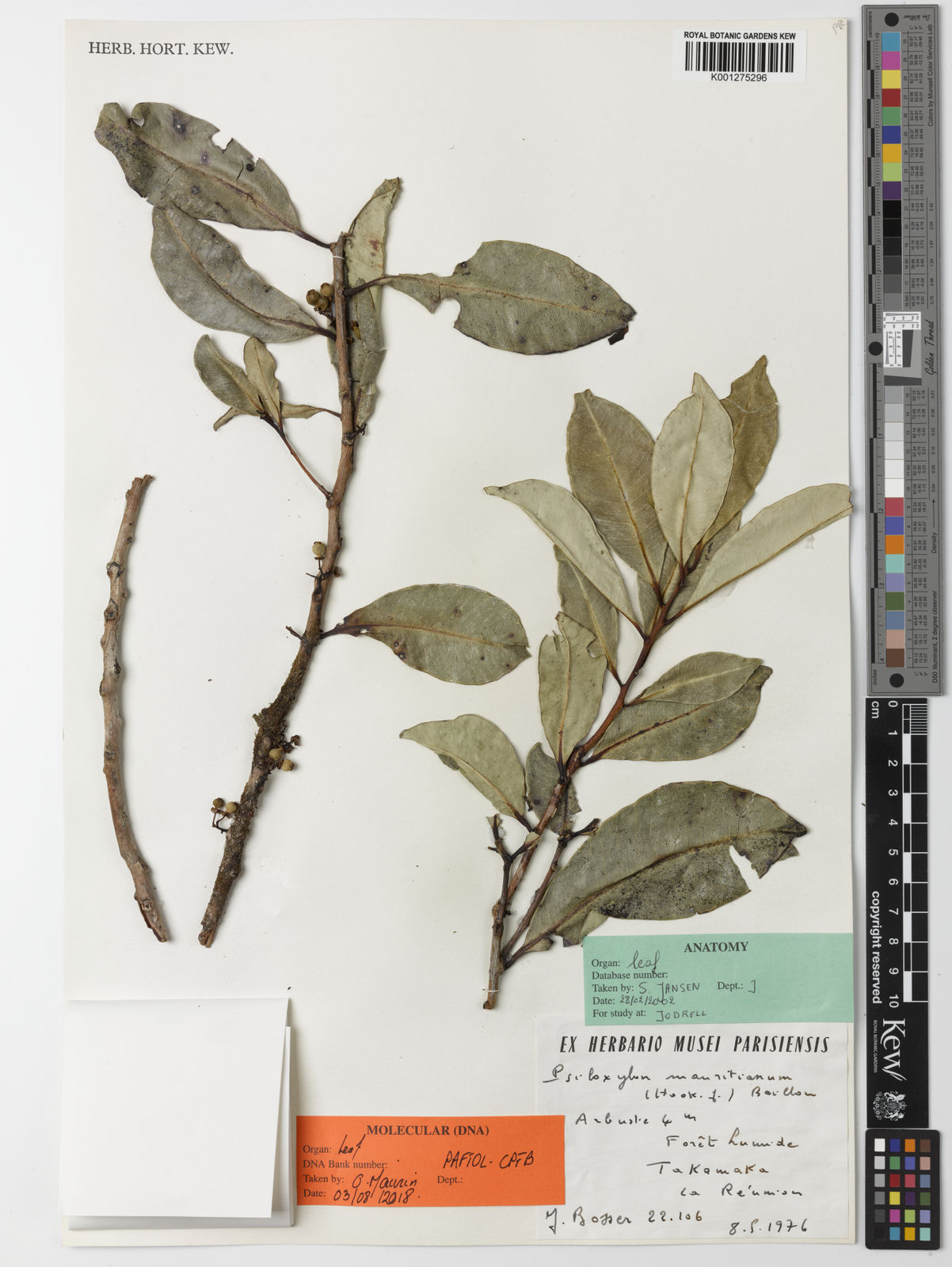
Psiloxylon mauritianum
Psiloxylon mauritianum (known locally as "bois bigaignon") is a species of flowering plant, the sole species of the genus Psiloxylon. It is endemic to the Mascarene Islands (Mauritius and Réunion) in the Indian Ocean.
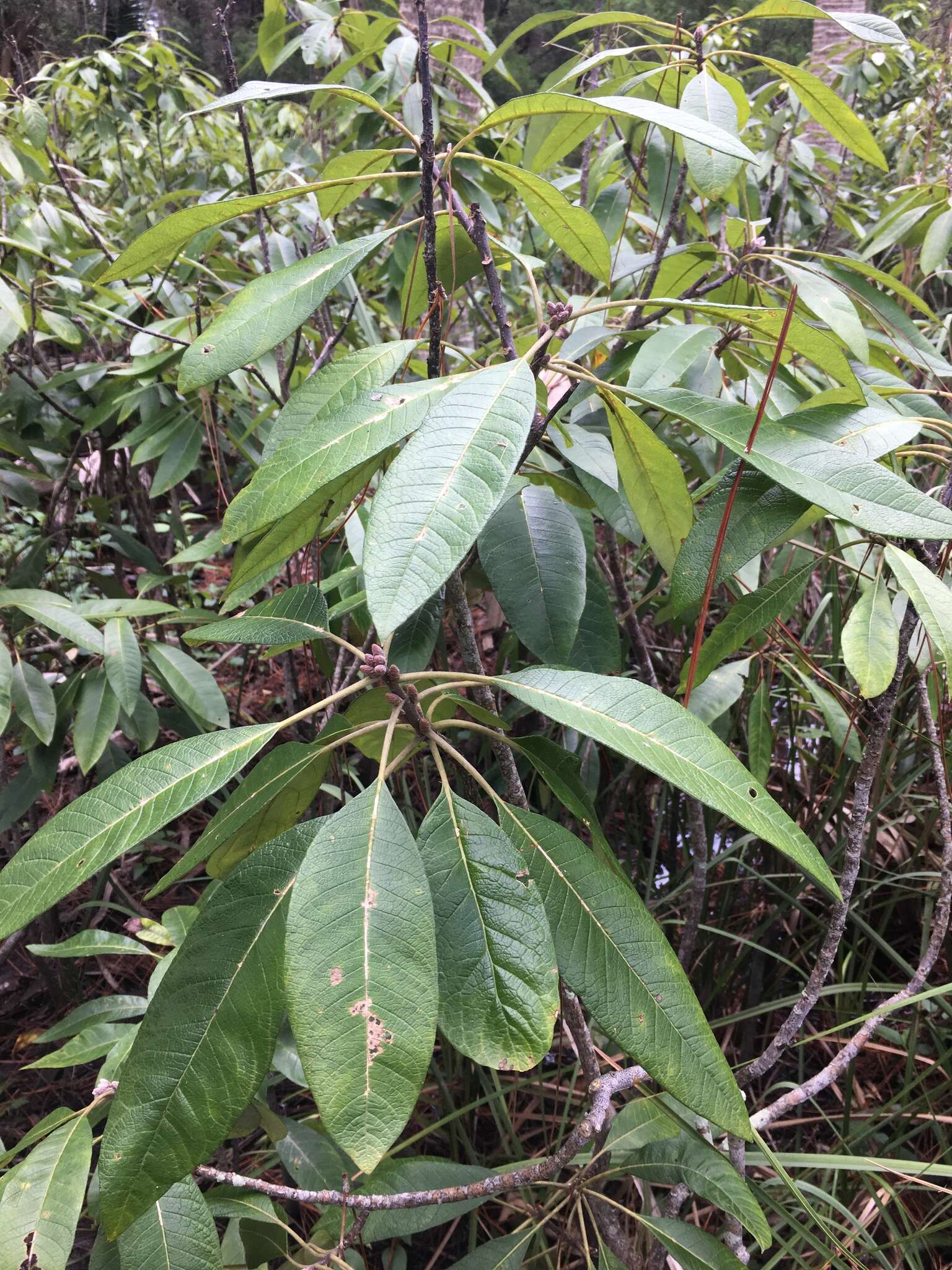
Leitneria floridana
Leitneria floridana (corkwood), the sole species in the genus Leitneria, is a deciduous dioecious shrub or small tree, found only in the southern United States states of Arkansas, Florida, Georgia, Missouri and Texas.

Ficus variegata
species of plant
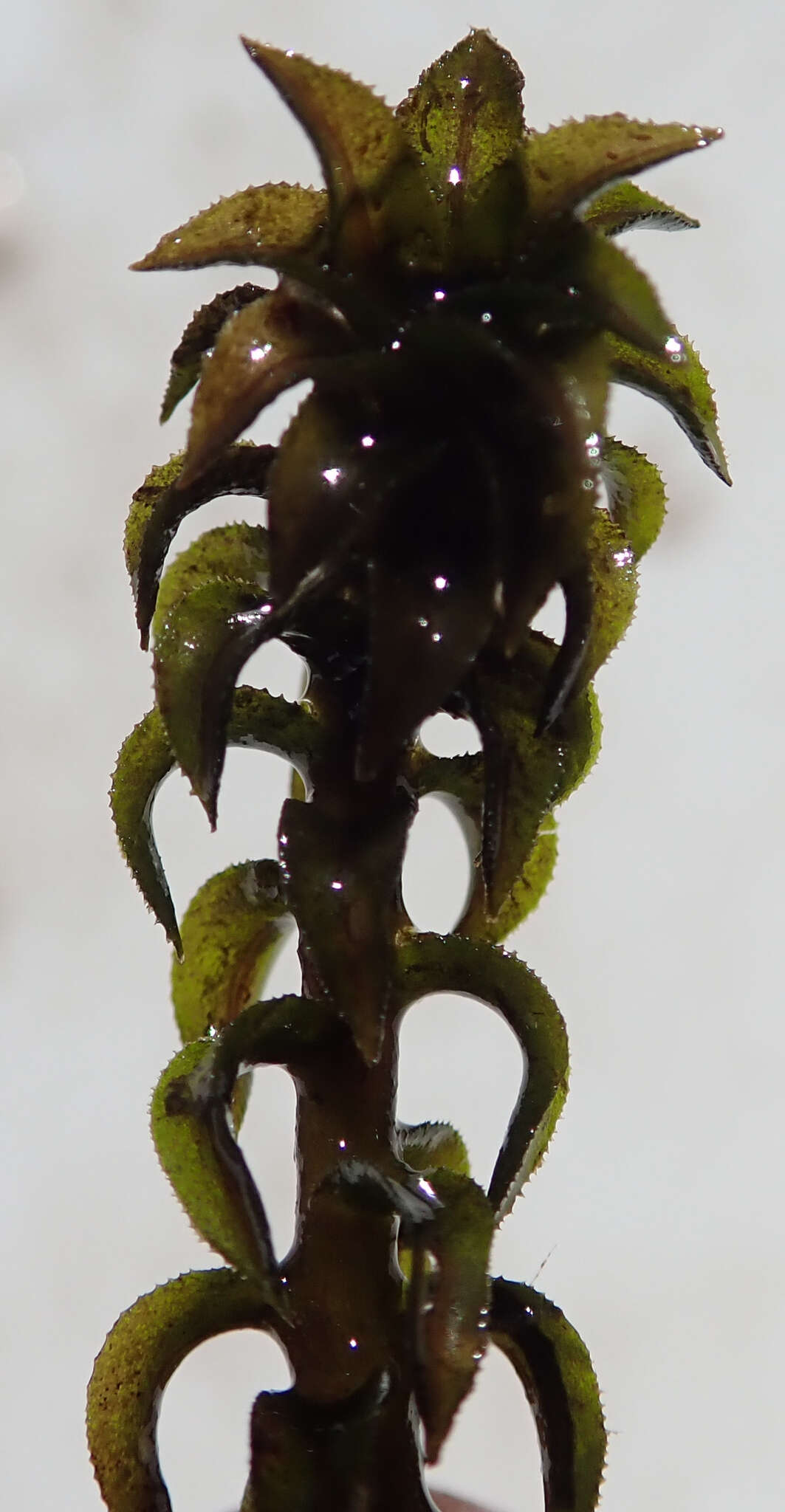
Lagarosiphon
Lagarosiphon is a genus of aquatic plants described as a genus in 1841. It is native to Africa and Madagascar. It is dioecious, with male and female flowers produced on separate plants.

Gaultheria mucronata
species of plant

Alibertia
genus of plants

Acer micranthum
species of plant

Clusia
thumb|Clusia grandiflora - MHNT

Melicope
thumb|Flowers of Melicope xanthoxyloides
thumb|Flowers of Melicope rubra
thumb|Fruit of Melicope jonesii
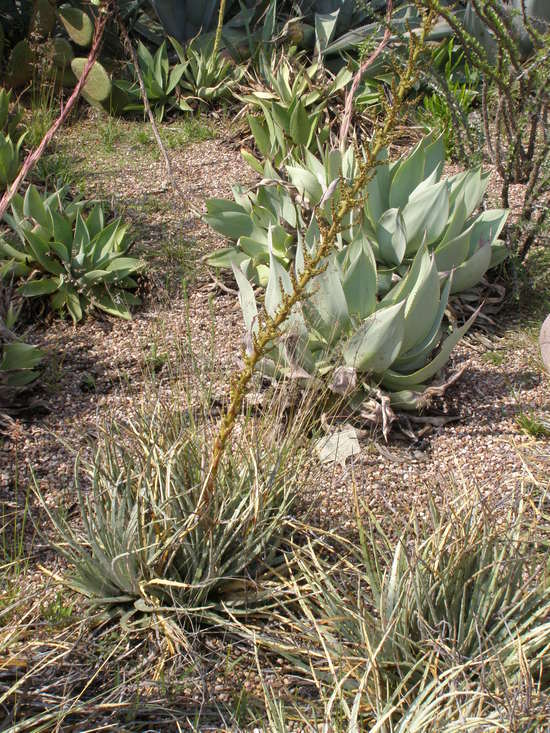
Hechtia
Hechtia is a genus of plants in the family Bromeliaceae, and is the sole genus of the subfamily Hechtioideae, containing 75 species. Its species are native to Mexico, Central America, and the United States (Texas).
%20(6865171484).jpg)
Acanthosicyos
Acanthosicyos is a genus of thorny shrubs of the botanical family Cucurbitaceae, subfamily Cucurbitoideae. The genus name comes from Ancient Greek ἄκανθα (ákantha), meaning "thorn", and σικύος (sikúos), meaning "cucumber, gourd".
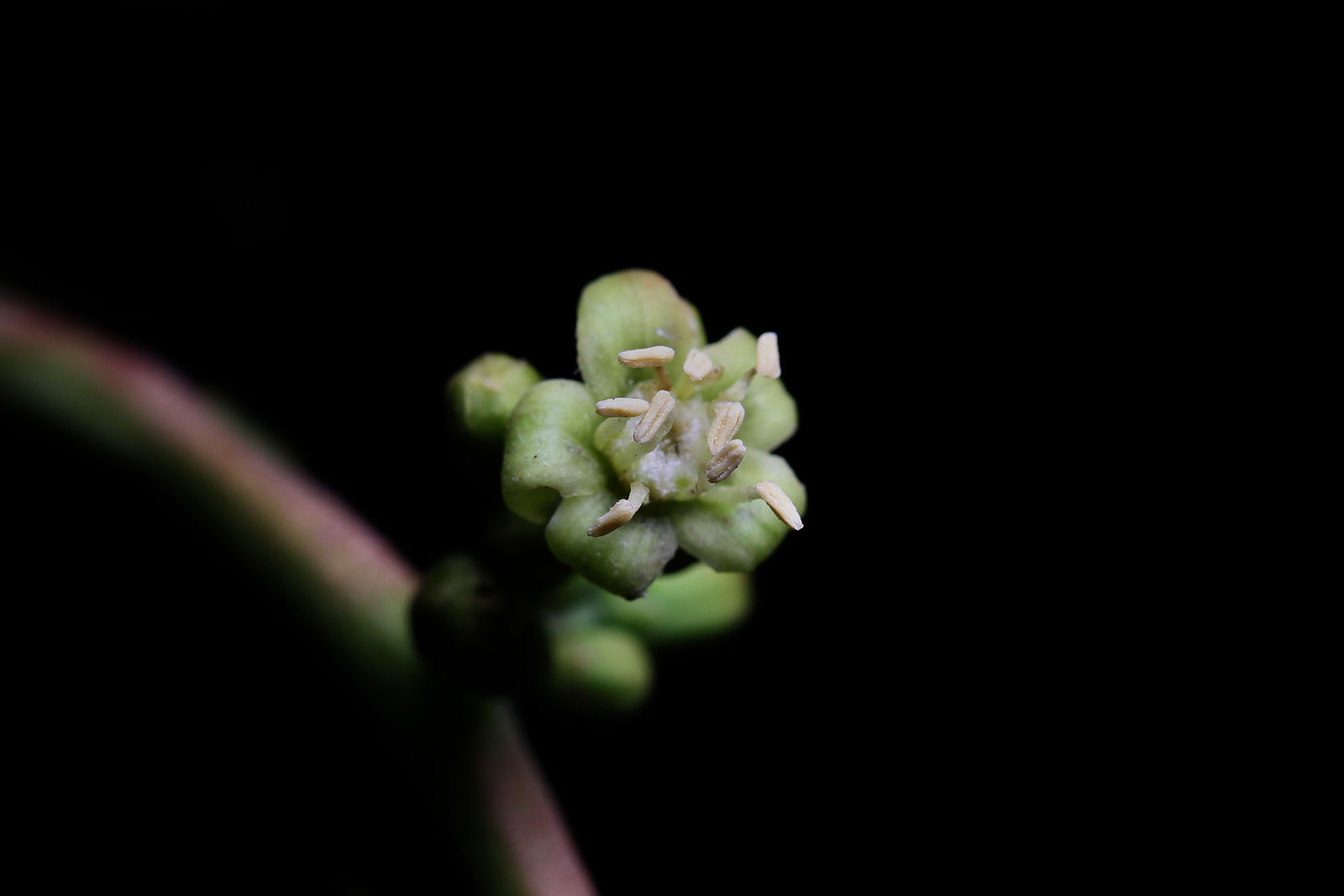
Simarouba
Simarouba is a genus of trees and shrubs in the family Simaroubaceae, native to the neotropics. It has been grouped in the subtribe Simaroubina along with the Simaba and Quassia genera. They have compound leaves, with between 1 and 12 pairs of alternate pinnate leaflets. Their flowers are unisexual, relatively small (around 1 cm long) and arranged in large panicles. Plants are dioecious, bearing only male or female flowers. The individual flowers have between 4 and 6 sepals and petals and between 8 and 12 stamens. The fruit is a carpophore and has up to 5 drupaceous mericarps.

Osmanthus heterophyllus
species of plant

Pseudotaxus chienii
Pseudotaxus chienii, known commonly as the whiteberry yew (), is a species of plant in the yew family, Taxaceae. It is the sole species in the genus Pseudotaxus, but is closely related to the other yews in the genus Taxus. It is endemic to southern China, occurring in northern Guangdong, northern Guangxi, Hunan, Southwest Jiangxi, and southern Zhejiang.

Fraxinus chinensis
species of plant
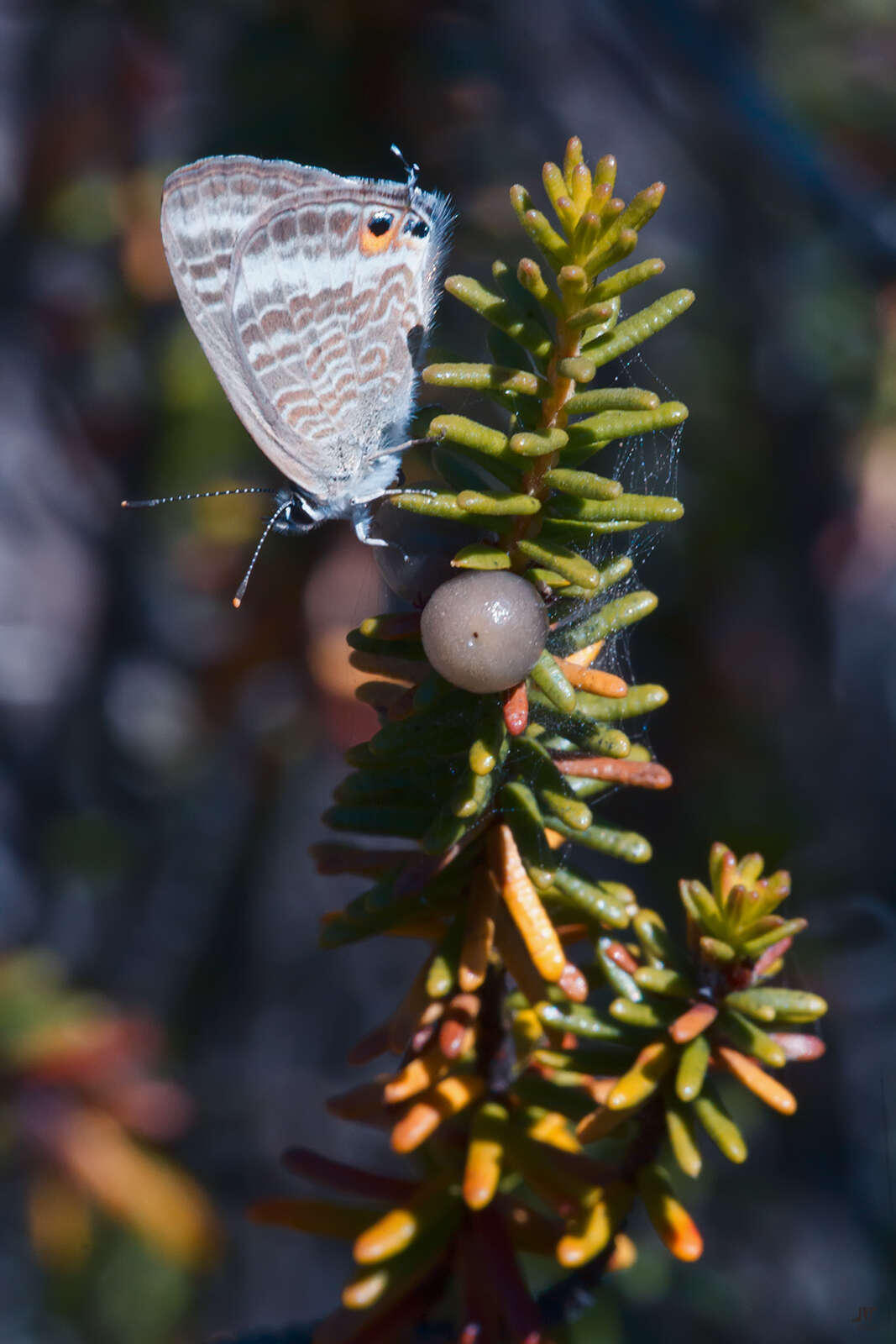
Corema
Corema is a genus of two species of flowering plants in the family Ericaceae. They are dioecious small shrubs.

Myrialepis paradoxa
Myrialepis is a monotypic genus of flowering plant in the palm family. The single species, Myrialepis paradoxa, is native to Southeast Asia. The genus name is a combination of the Greek words meaning "innumerable" and "scale", a description of the fruit, and the epithet is Latin for "paradox".

Sapria
Sapria is an Asian genus of parasitic flowering plants in the family Rafflesiaceae erected by William Griffith in 1844. It grows within roots of Vitis and Tetrastigma. The genus is limited to the tropical forests of South and Southeast Asia.

Telfairia
Telfairia is a small genus of flowering plants in the squash family which are native to Africa. They include Telfairia occidentalis, the fluted pumpkin, which is an important vegetable in Nigeria and other African nations. It is also known as the oyster nut, a common name it shares with its relative Telfairia pedata. These are woody and herbaceous dioecious vines which bear squashlike fruits that contain large, nutritious oily seeds. The third species is Telfairia batesii which is very rare and not cultivated.

Didierea
Didierea is a genus of succulent flowering plants in the family Didiereaceae. It is dedicated to naturalist Alfred Grandidier (1836-1921).

Myrothamnus
thumb