Category
page 3Dioecious plants
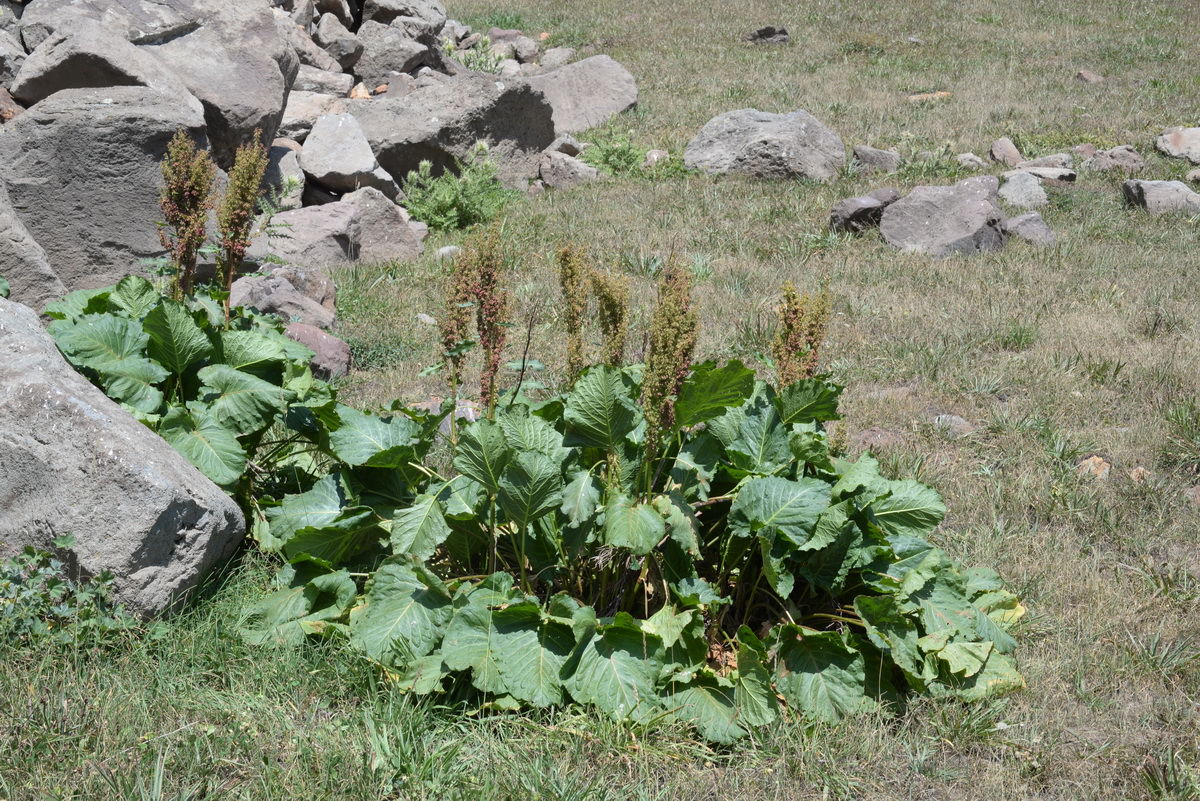
Rumex alpinus
species of plant

Phellodendron
Phellodendron, or cork-tree, is a genus of deciduous, dioecious trees in the family Rutaceae, native to east and northeast Asia. It has leathery, pinnate leaves and yellow, clumped flowers. The name refers to the thick and corky bark of some (but not all) species in the genus.

Gymnocladus dioicus
species of plant
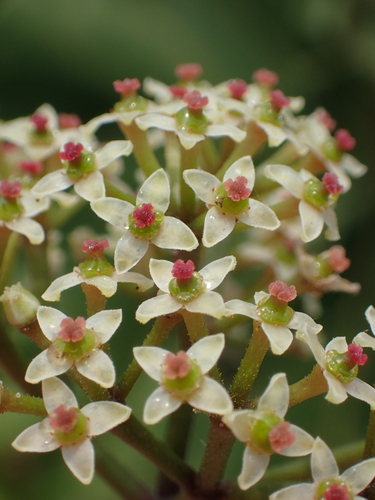
Tetrastigma
Tetrastigma is a genus of plants in the grape family, Vitaceae. The plants are lianas that climb with tendrils and have palmately compound leaves. Plants are dioecious, with separate male and female plants; female flowers are characterized by their four-lobed stigmas. The species are found in subtropical and tropical regions of Asia, Malesia, and Australia, where they grow in primary rainforest, gallery forest and monsoon forest and moister woodland. Species of this genus are notable as being the sole hosts of parasitic plants in the family Rafflesiaceae, one of which, Rafflesia arnoldii, prod

Phytolacca dioica
species of plant
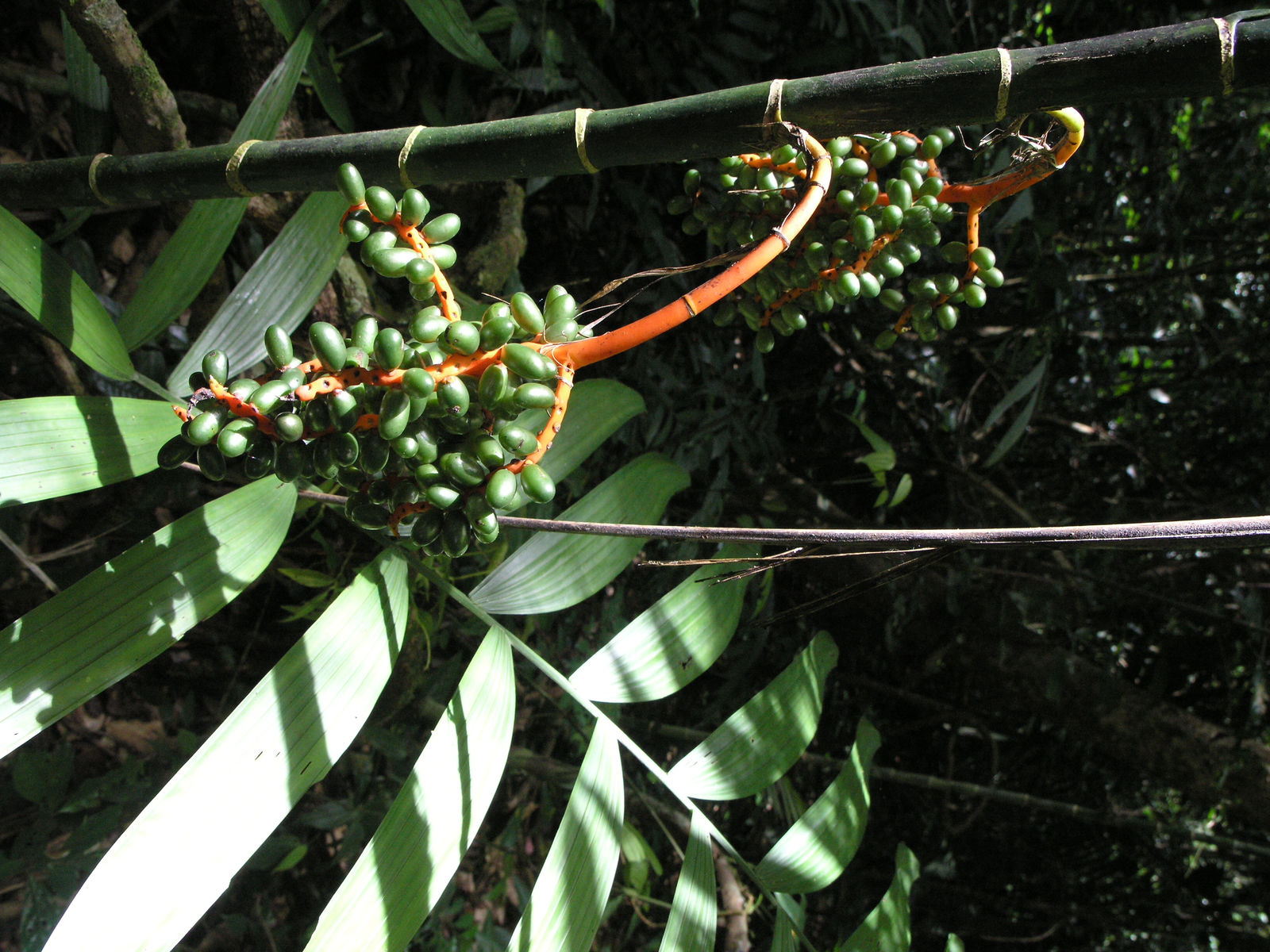
Chamaedorea
Chamaedorea is a genus of 107 species of palms, native to subtropical and tropical regions of the Americas. They are small palms, growing to tall with slender, cane-like stems, growing in the understory in rainforests, and often spreading by means of underground runners, forming clonal colonies. The leaves are pinnate (rarely entire), with one to numerous leaflets. The flowers are produced in inflorescences; they are dioecious, with male and female flowers on separate plants. The fruit is an orange or red drupe 0.5–2 cm diameter. Perhaps the best-known species is Chamaedorea elegans (nean
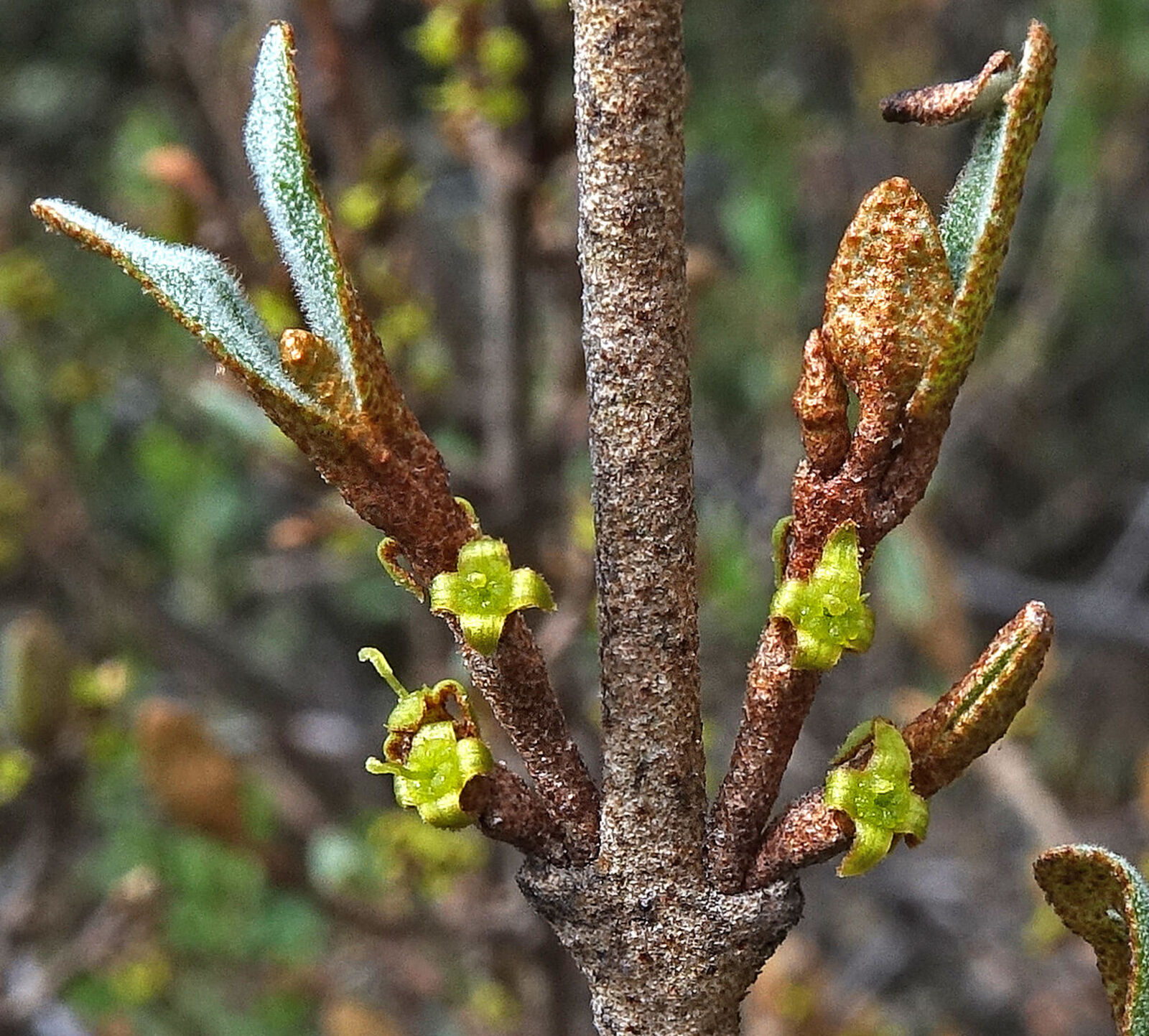
Shepherdia
Shepherdia, commonly called buffaloberry or bullberry, is a genus of small shrubs in the Elaeagnaceae family. The plants are native to northern and western North America. They are non-legume nitrogen fixers.

Juniperus cedrus
species of plant

Juniperus rigida
species of plant

Pangium edule
Pangium is a genus in the family Achariaceae containing the sole species Pangium edule, a tall tree native to the mangrove swamps of Southeast Asia (Indonesia and Papua New Guinea). It produces a large poisonous fruit (the "football fruit" or pangi) which can be made edible by fermentation. It is dioecious, with male and female flowers produced on separate individuals.

Momordica dioica
Tropical vegetable

Afrocarpus
Afrocarpus is a genus of conifer of the family Podocarpaceae. Five species are recognized. They are evergreen trees native to Africa. Afrocarpus was designated a genus in 1989, when several species formerly classified in Podocarpus and Nageia were reclassified.

Griselinia
Griselinia is a genus of seven species of shrubs and trees, with a highly disjunct distribution native to New Zealand and South America. It is a classic example of the Antarctic flora. It is the sole genus in the family Griseliniaceae. In the past it was often placed in Cornaceae, but differs from that in many features.

Gynostemma pentaphyllum
species of plant

Litsea
Litsea is a genus of evergreen or deciduous trees or shrubs belonging to the laurel family, Lauraceae. The genus includes a large number of accepted species in tropical and subtropical areas of Asia, Australasia, the western Pacific, and North and Central America.
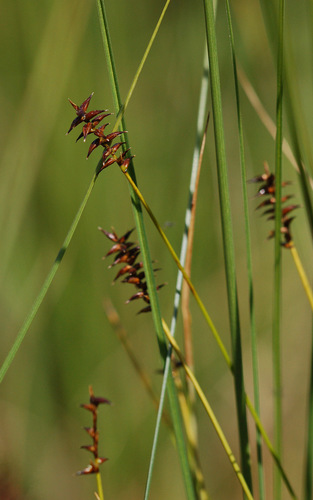
Carex davalliana
species of plant

Sassafras albidum
species of plant

Acer carpinifolium
species of plant
%20(14329134127).jpg)
Ceroxylon
Ceroxylon is a genus of flowering plants in the family Arecaceae, native to the Andes in Venezuela, Colombia, Ecuador, Peru, and Bolivia, known as Andean wax palms.

Valeriana dioica
species of plant

Entandrophragma
thumb|Entandrophragma candollei - MHNT

Juniperus brevifolia
species of plant
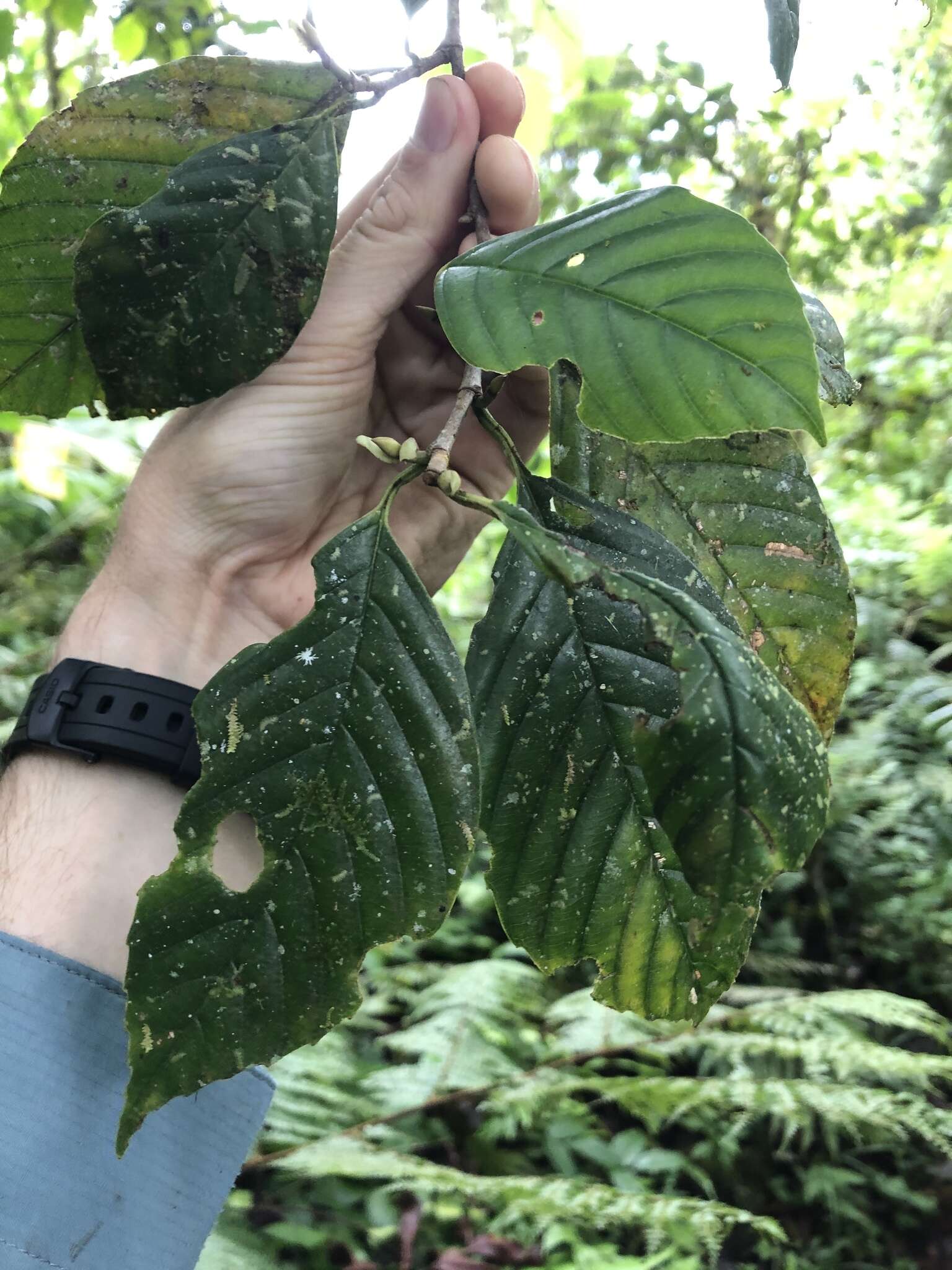
Ticodendron incognitum
Ticodendron incognitum is the only species of Ticodendron, and the only member of the family Ticodendraceae. It is most closely related to the family Betulaceae.
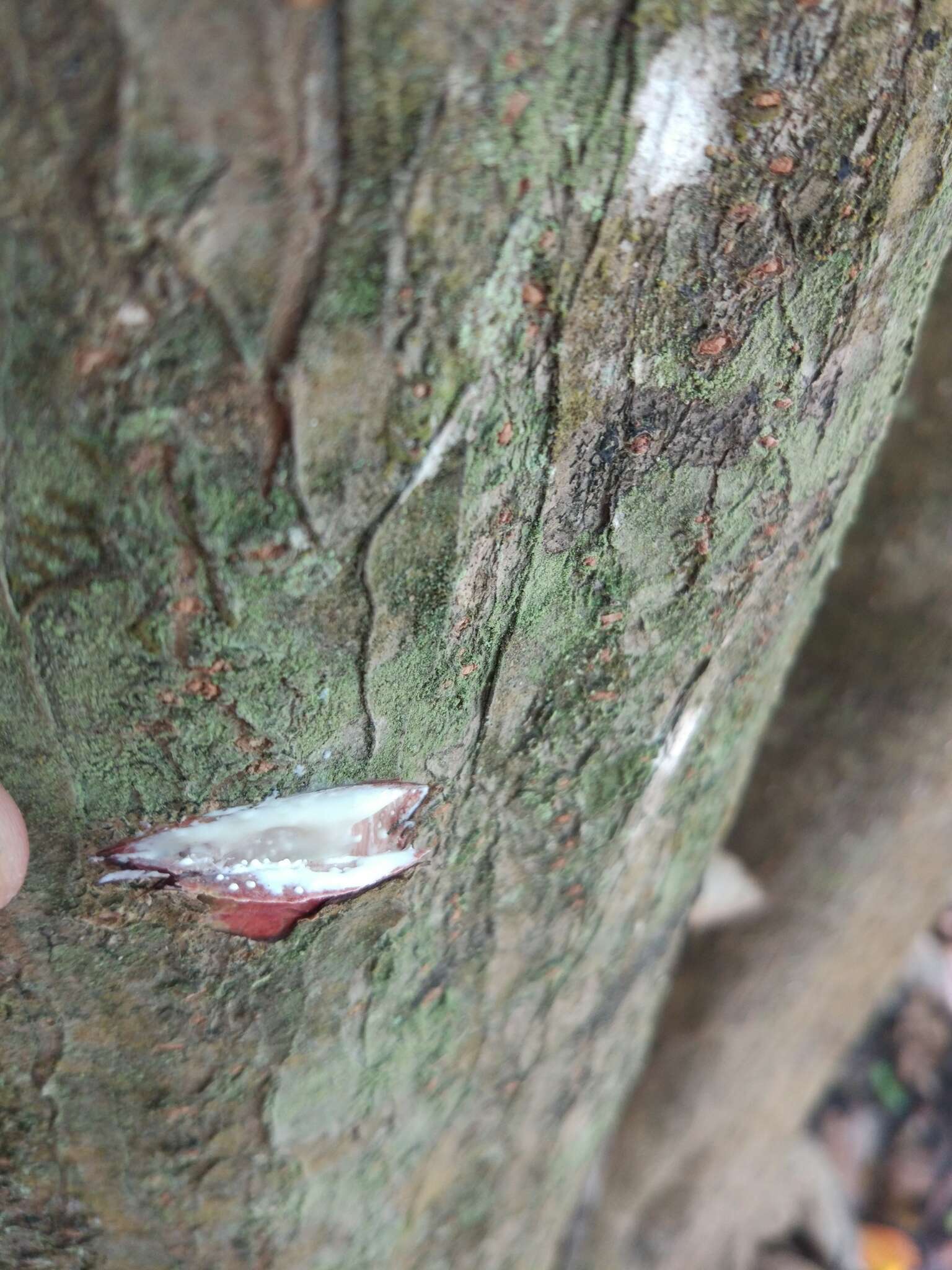
Excoecaria agallocha
species of plant
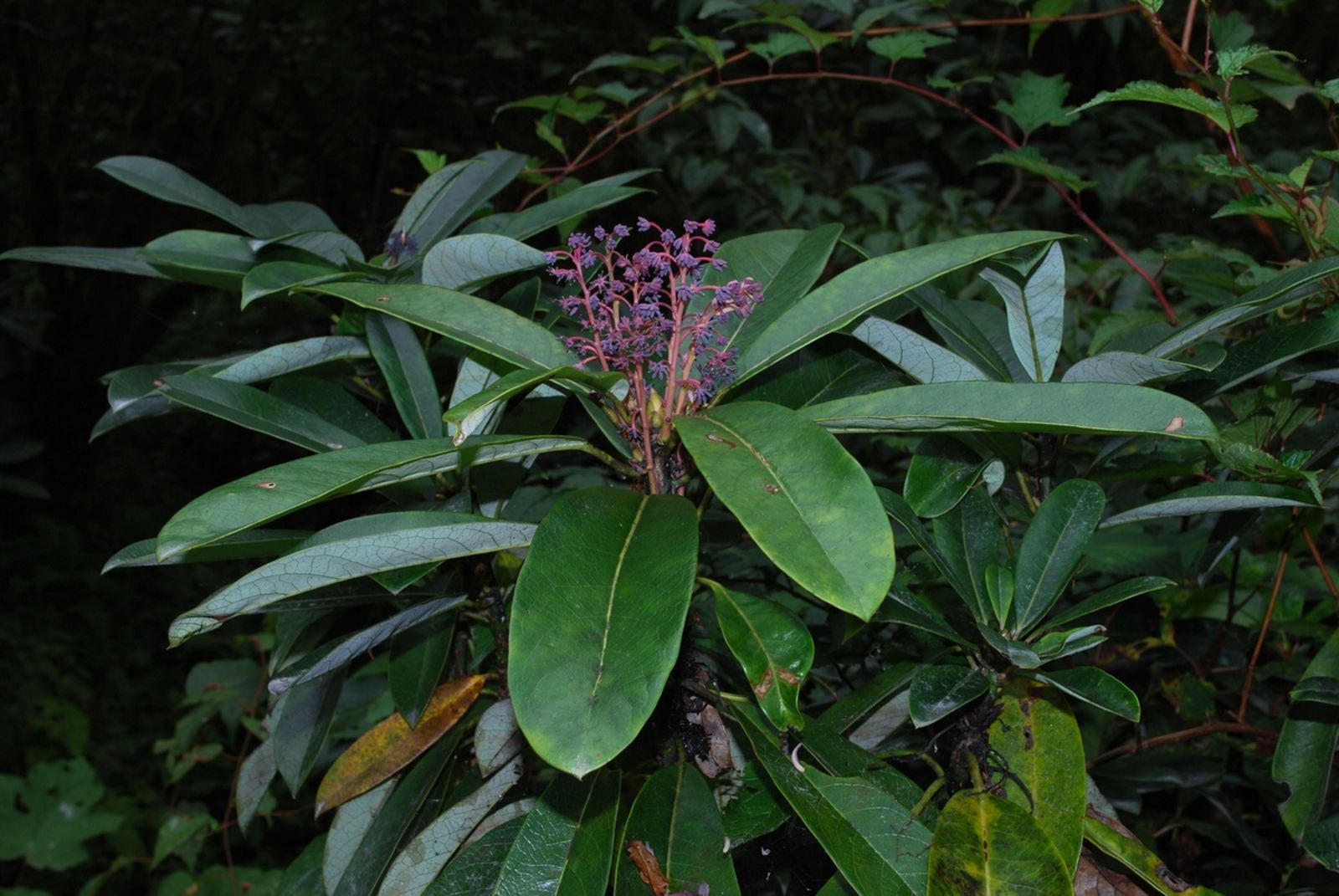
Daphniphyllum
Daphniphyllum is the sole genus in the flowering plant family Daphniphyllaceae and was described as a genus in 1826. The genus includes evergreen shrubs and trees mainly native to east and southeast Asia, but also found in the Indian subcontinent and New Guinea.

Fraxinus mandschurica
species of plant

Leucadendron
thumb|Leucadendron salignum
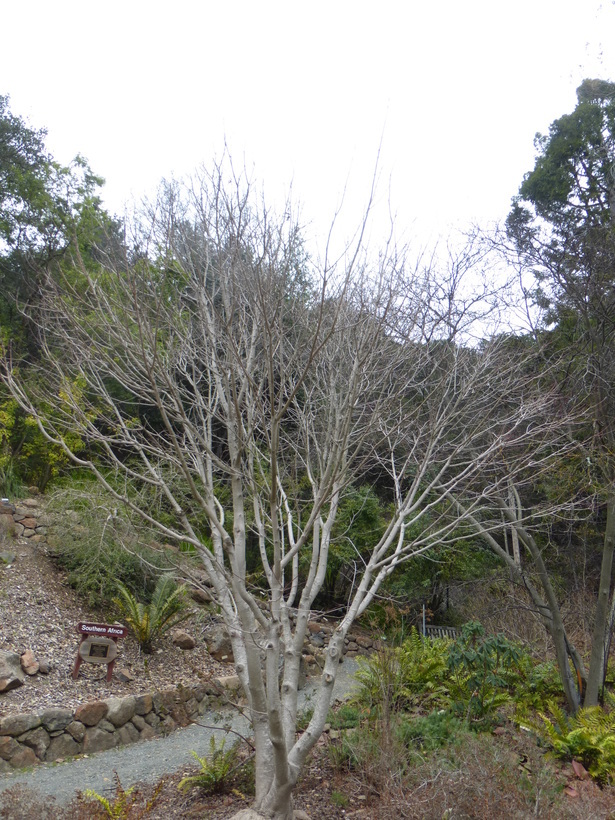
Acer cissifolium
species of plant

Phytelephas
Phytelephas is a genus containing six known species of dioecious palms (family Arecaceae), occurring from southern Panama along the Andes to Ecuador, Bolivia, Colombia, northwestern Brazil, and Peru. They are commonly known as ivory palms, ivory-nut palms or tagua palms (); the scientific name Phytelephas means "plant ivory" or more literally, "plant elephant". This and the first two of the common names refer to the very hard white endosperm of their seeds (tagua nuts or jarina seeds), which resembles elephant ivory.
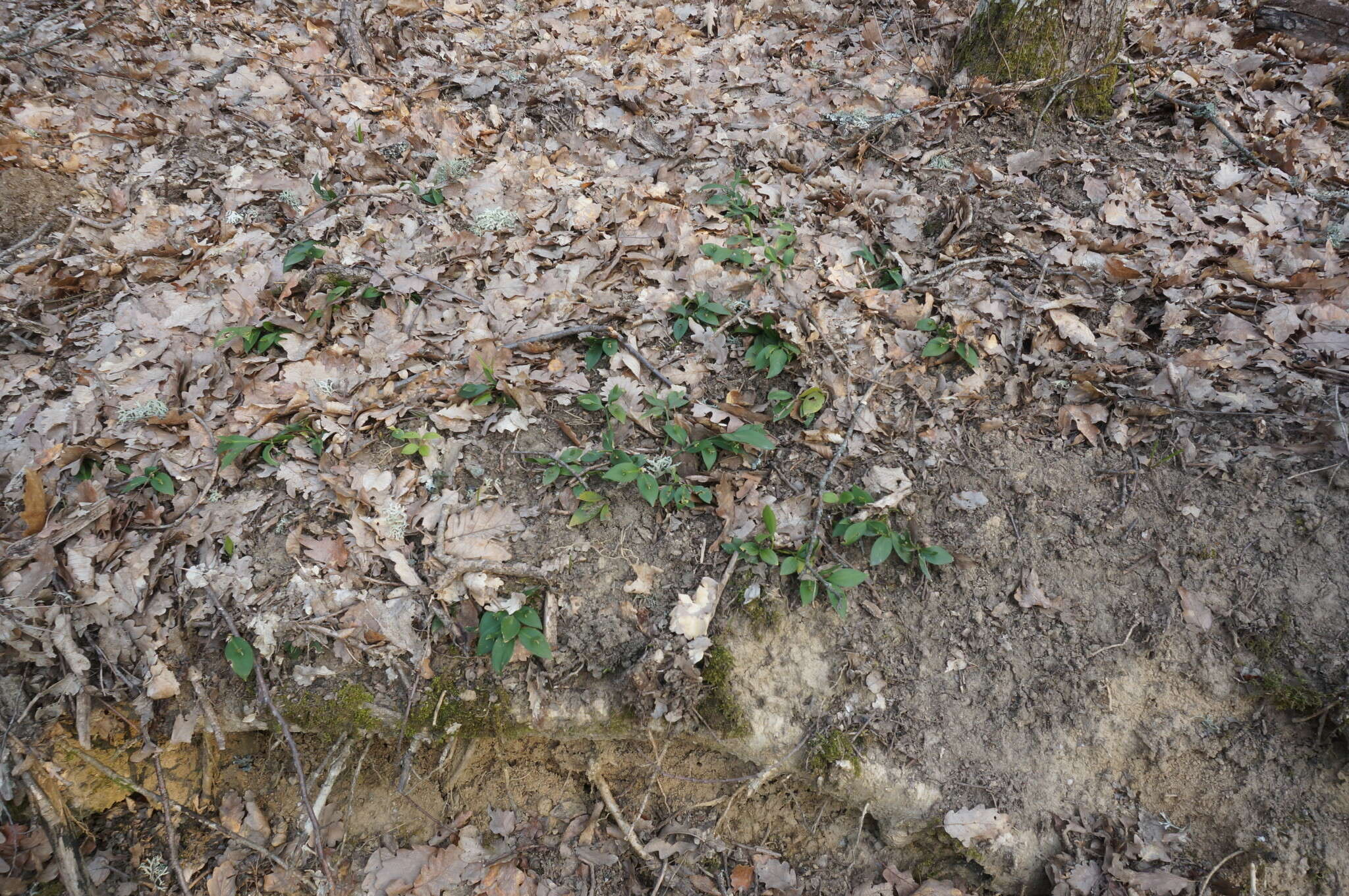
Ruscus hypoglossum
species of plant

Lindera
thumb|Dried fruits of Lindera neesiana used as spice (coll.MHNT)

Ficus hispida
species of plant

Juniperus foetidissima
species of plant

Juniperus procumbens
species of plant
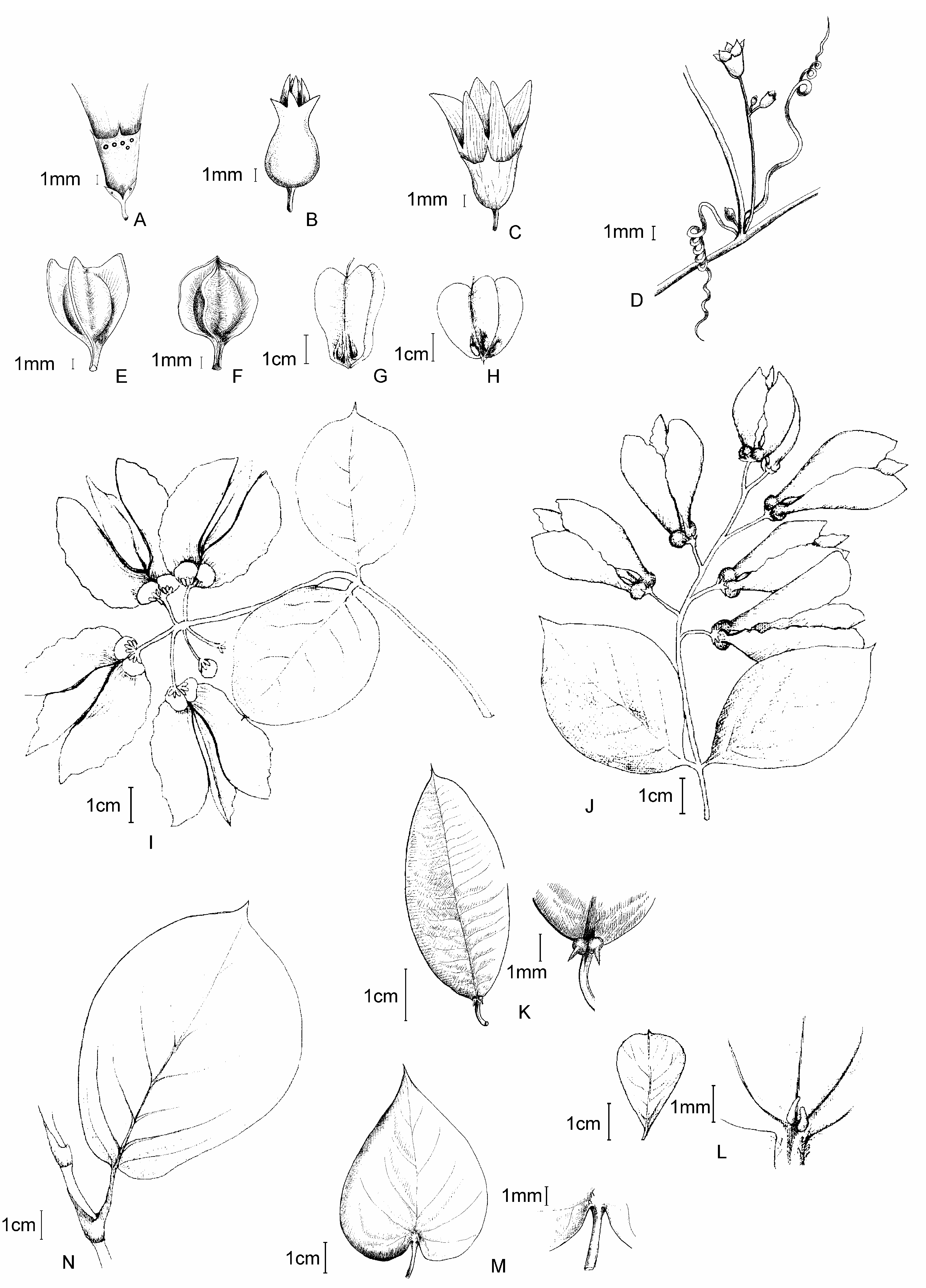
Flueggea
Flueggea, the bushweeds, is a genus of shrubs and trees in the family Phyllanthaceae first described as a genus in 1806. It is widespread across much of Asia, Africa, and various oceanic islands, with a few species in South America and on the Iberian Peninsula.

Baccaurea
Baccaurea is a genus of flowering plants belonging to the family Phyllanthaceae. The genus comprises 51 species, distributed from India to Indochina, southern China, Malesia, New Guinea, and the West Pacific. It is dioecious, with male and female flowers on separate plants. Many species contain edible fruits.
thumb|Baccaurea sapida in Pakke Tiger Reserve, India
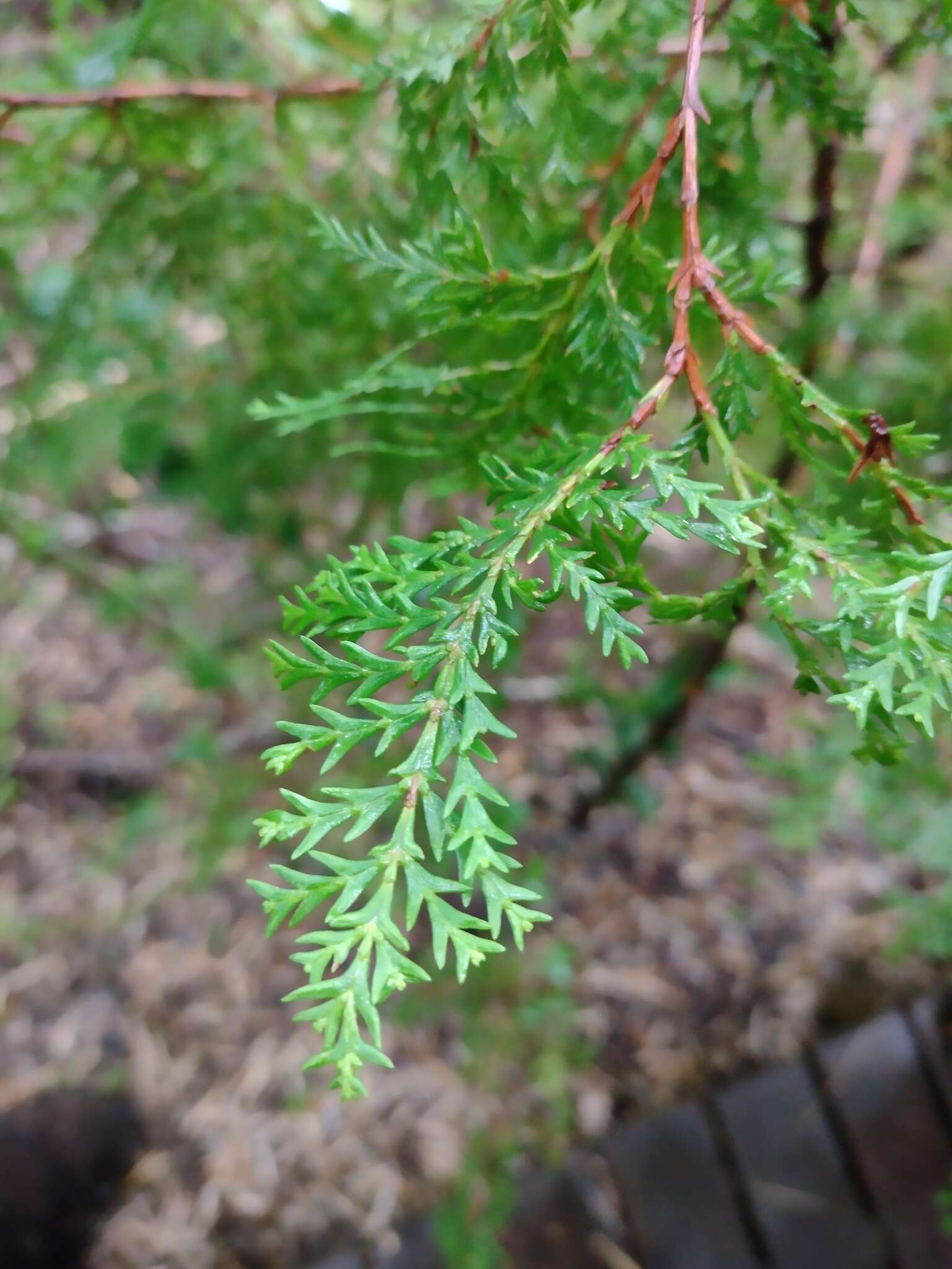
Austrocedrus
Austrocedrus is a genus of conifer belonging to the cypress family (Cupressaceae). It has only one species, Austrocedrus chilensis, native to the Valdivian temperate rain forests and the adjacent drier steppe-forests of central-southern Chile and western Argentina from 33°S to 44°S latitude. It is known in its native area as ciprés de la cordillera or cordilleran cypress, and elsewhere by the scientific name as Austrocedrus, or sometimes as Chilean incense-cedar or Chilean cedar. The generic name means "southern cedar".
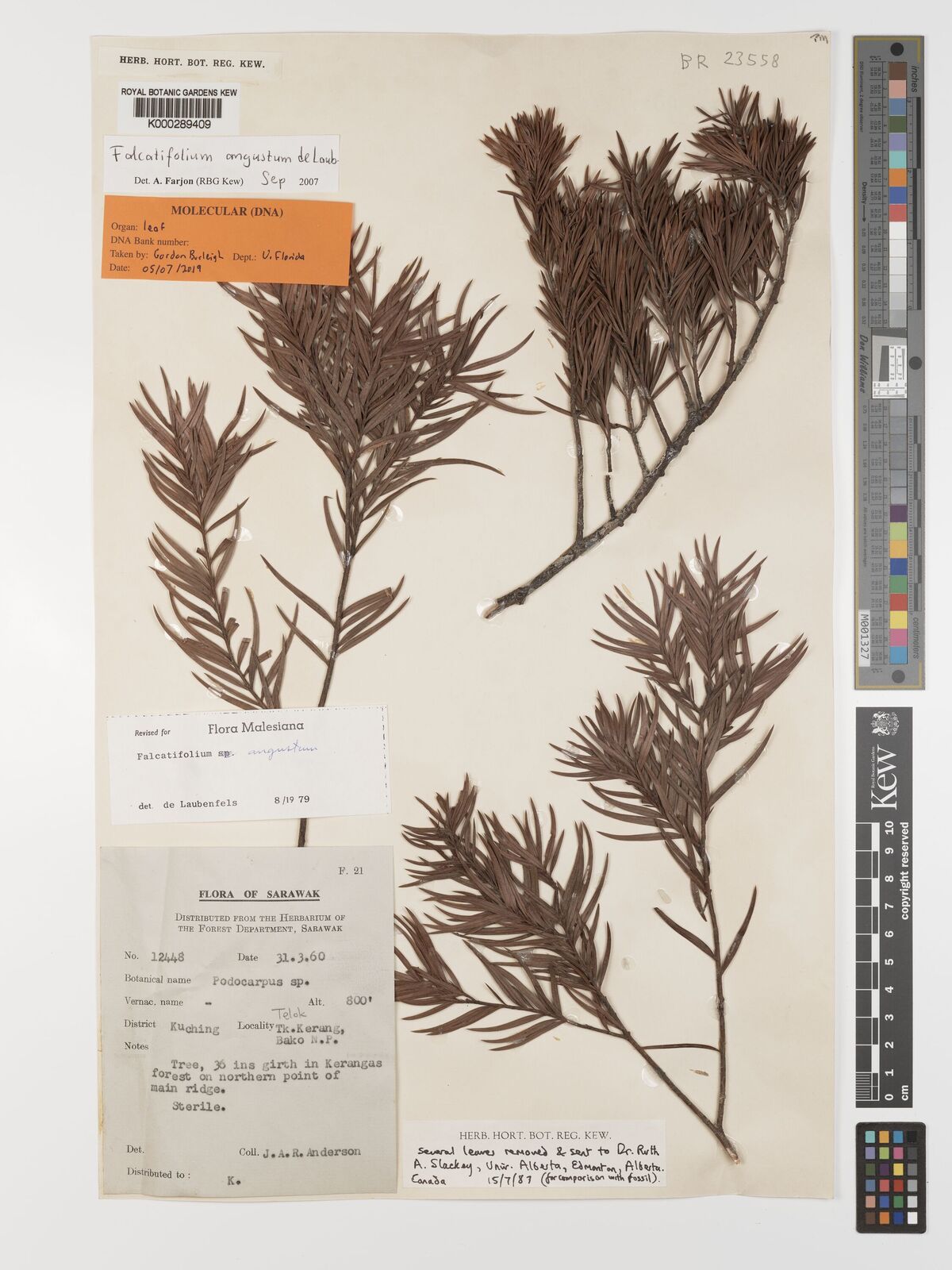
Falcatifolium
Falcatifolium is a genus of conifers of the family Podocarpaceae. The genus includes evergreen dioecious shrubs and large trees of up to . Five species are presently recognized. The genus was first described by de Laubenfels in 1969, and is composed of species formerly classified in genus Dacrydium.

Juniperus pseudosabina
species of plant

Dacrycarpus
Dacrycarpus is a genus of conifers belonging to the family Podocarpaceae. The genus includes nine species of dioecious evergreen trees and shrubs to in height.

Juniperus macrocarpa
species of plant

Carex dioica
species of plant

Nageia
Nageia is a genus of conifers belonging to the podocarp family Podocarpaceae. Nageia includes evergreen shrubs and trees, from one to 54 meters in height. A 2009 treatment of the genus recognized five species. Some authors consider Nageia formosensis to be a separate species from Nageia nagi, thus recognizing six species. The podocarp genera have been reshuffled by various botanists. Most recently, several species formerly classed as Nageia were moved to the new genus Retrophyllum, while Nageia falcata and Nageia mannii were moved to the new genus Afrocarpus.

Stephania
Stephania is a genus of flowering plants in the family Menispermaceae. It includes 70 species native to tropical and southern Africa, eastern and southern Asia, Australia, and the tropical Pacific Islands. They are herbaceous perennial vines, growing to around four metres tall, with a large tuber. The leaves are arranged spirally on the stem and are peltate, with the leaf petiole attached near the centre of the leaf. The name Stephania comes from the Greek, "a crown". This refers to the anthers being arranged in a crown-like manner.

Austrotaxus spicata
Austrotaxus spicata, the New Caledonia yew or southern yew, is a species of yew, the sole species in the genus Austrotaxus. It is related to the other yews in the genera Taxus and Pseudotaxus.

Microcachrys tetragona
Microcachrys tetragona, known as creeping pine or creeping strawberry pine, is a species of dioecious conifer belonging to the podocarp family (Podocarpaceae). It is the sole species of the genus Microcachrys. The plant is endemic to western Tasmania, where it is a low shrub growing to 1 m tall at high altitudes. Its leaves are scale-like, arranged (unusually for the Podocarpaceae) in opposite decussate pairs, superficially resembling those of the unrelated Diselma archeri (Cupressaceae). It shares the common name Creeping pine with several other plants. Females produce tiny, red, edible berri

Coprosma
Coprosma is a genus of flowering plants in the family Rubiaceae. It is found in New Zealand, Hawaiian Islands, Borneo, Java, New Guinea, islands of the Pacific Ocean to Australia and the Juan Fernández Islands.
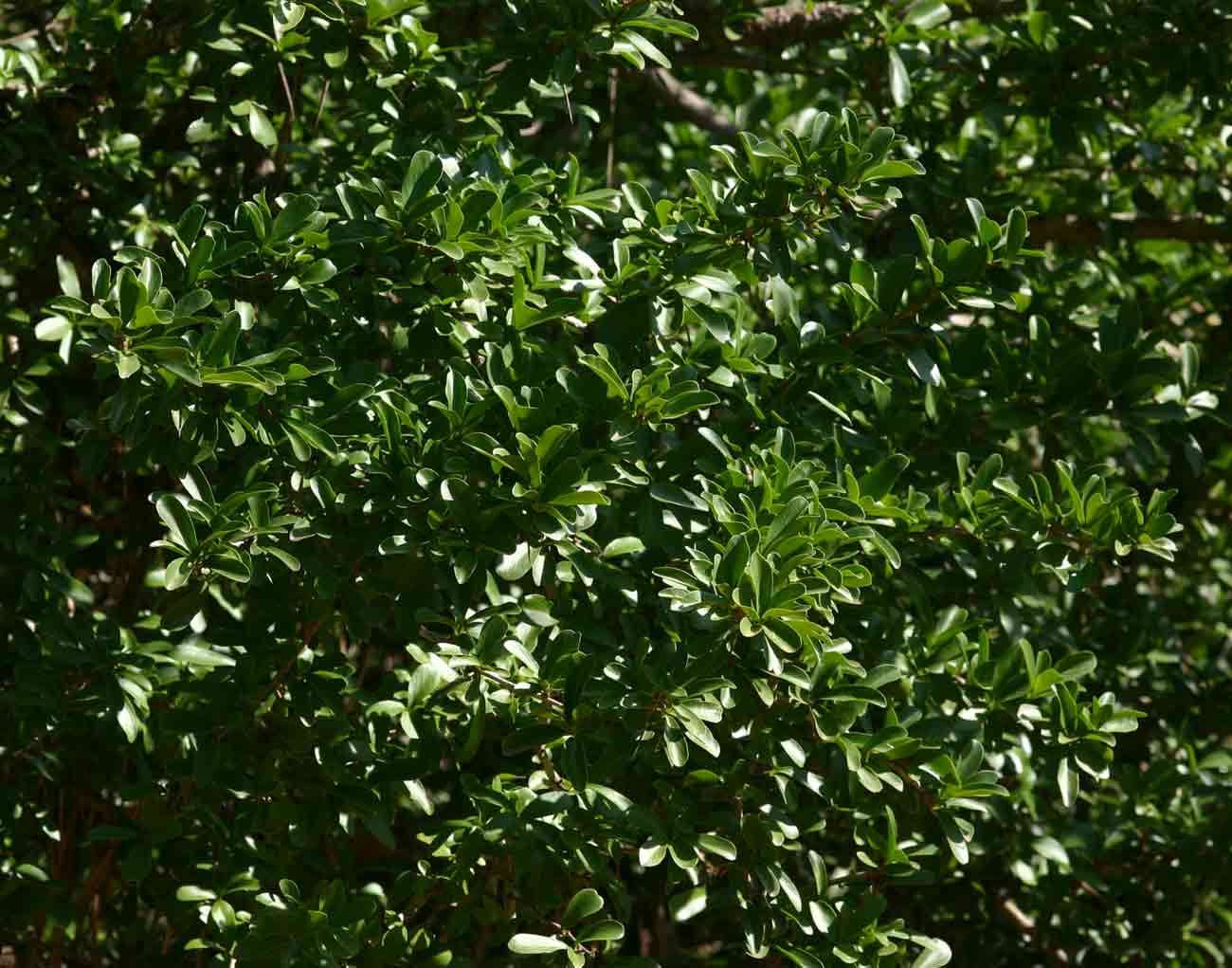
Dovyalis
Dovyalis is a genus of shrubs and small trees. Recent genetic evidence has shown the genus to belong to the family Salicaceae; formerly it was classified in the family Flacourtiaceae. The 15 species are native to Africa (Ethiopia south to South Africa) and southern Asia (India, Sri Lanka). Some are cultivated for their fruit.

Euphorbia obesa
species of plant
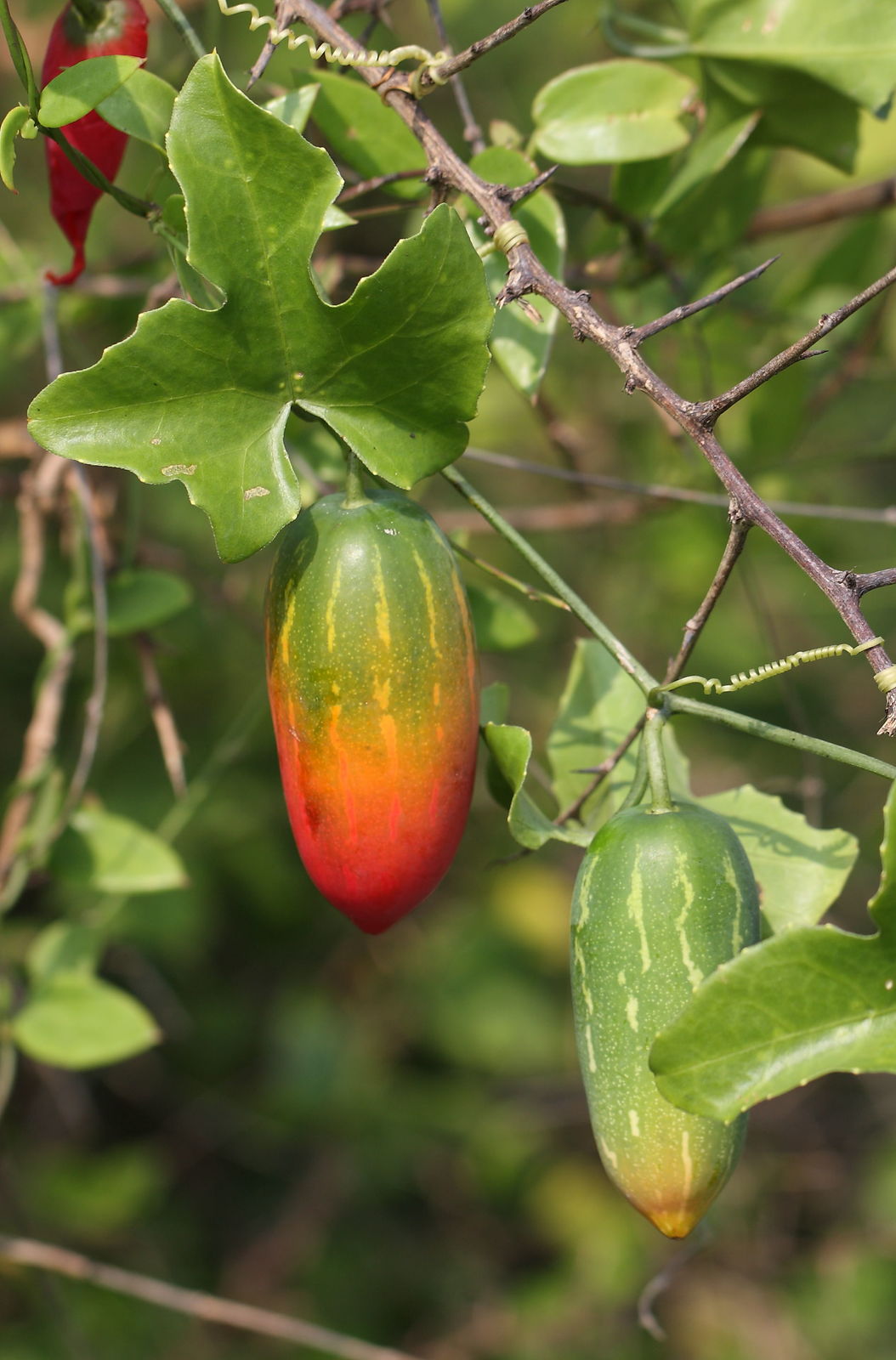
Coccinia
The scarlet gourds are a genus (Coccinia from the Greek, kokkinia or kokkinias - "red" or "scarlet") with 25 species. It is distributed in sub-Saharan Africa and with one species, C. grandis also in South Asia and Southeast Asia, and it is also introduced into the New World. Incidentally, C. grandis is also a cultivated crop and it is used for culinary and medical purposes.

Salacca
Salacca is a genus of about 20 species of palms native to Southeast Asia and the eastern Himalayas. They are dioecious (with the exception of Salak Bali) and pollinated by Curculionidae beetles.
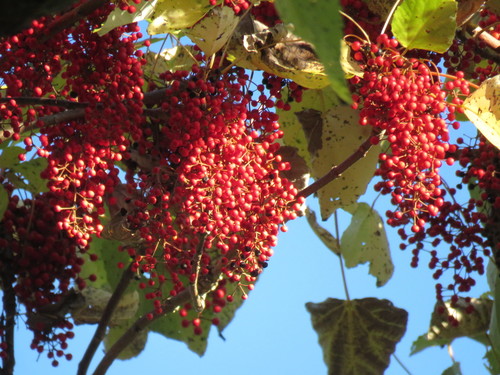
Idesia polycarpa
Idesia as established by Scopoli is a suppressed name; see Diospyros.

Juniperus indica
species of plant

Balanops
thumb|Balanops vieillardii line drawing

Amaranthus palmeri
species of plant

Juniperus standleyi
species of plant

Dasylirion
Dasylirion is a genus of succulent, rosette-forming plants in the Asparagaceae family, where it is included in the subfamily Convallarioideae. Most species are native to mountainous arid regions of Mexico, with some species also native to the Southwestern United States. The common name sotol is used in English and Spanish to describe various Dasylirion species, as well as giving its name to a distilled spirit made from some species of the genus.

Juniperus ashei
species of plant

Arceuthobium
The genus Arceuthobium, commonly called dwarf mistletoes, is a genus of 42 species of parasitic plants that parasitize members of Pinaceae and Cupressaceae in North America, Central America, Asia, Europe, and Africa. Of the 42 species that have been recognized, 39 and 21 of these are endemic to North America and the United States, respectively. They all have very reduced shoots and leaves (mostly reduced to scales) with the bulk of the plant living under the host's bark. Recently the number of species within the genus has been reduced to 26 as a result of more detailed genetic analysis.

Brachylaena
Brachylaena is a genus of flowering plants in the aster, or composite, family, Asteraceae or Compositae. Several are endemic to Madagascar, and the others are distributed in mainland Africa, especially the southern regions.