Category
page 5Dioecious plants

Sapria
Sapria is an Asian genus of parasitic flowering plants in the family Rafflesiaceae erected by William Griffith in 1844. It grows within roots of Vitis and Tetrastigma. The genus is limited to the tropical forests of South and Southeast Asia.

Aphandra natalia
Aphandra is a monotypic genus of flowering plants in the palm family native to the Amazon rainforest vegetation in South America (Ecuador, Brazil, and Peru). Its only species is Aphandra natalia, sometimes called mastodon palm or fiber palm, and is used by indigenous peoples in the construction of brooms and other products. This plant is commercially exploited for its edible fruits, and for its leaf sheath and petiole fibers. This fiber is almost equal to the fiber extracted from Attalea funifera and Leopoldinia piassaba, which is called piassava.

Didierea
Didierea is a genus of succulent flowering plants in the family Didiereaceae. It is dedicated to naturalist Alfred Grandidier (1836-1921).

Telfairia
Telfairia is a small genus of flowering plants in the squash family which are native to Africa. They include Telfairia occidentalis, the fluted pumpkin, which is an important vegetable in Nigeria and other African nations. It is also known as the oyster nut, a common name it shares with its relative Telfairia pedata. These are woody and herbaceous dioecious vines which bear squashlike fruits that contain large, nutritious oily seeds. The third species is Telfairia batesii which is very rare and not cultivated.

Juniperus taxifolia
species of plant

Simarouba amara
species of plant
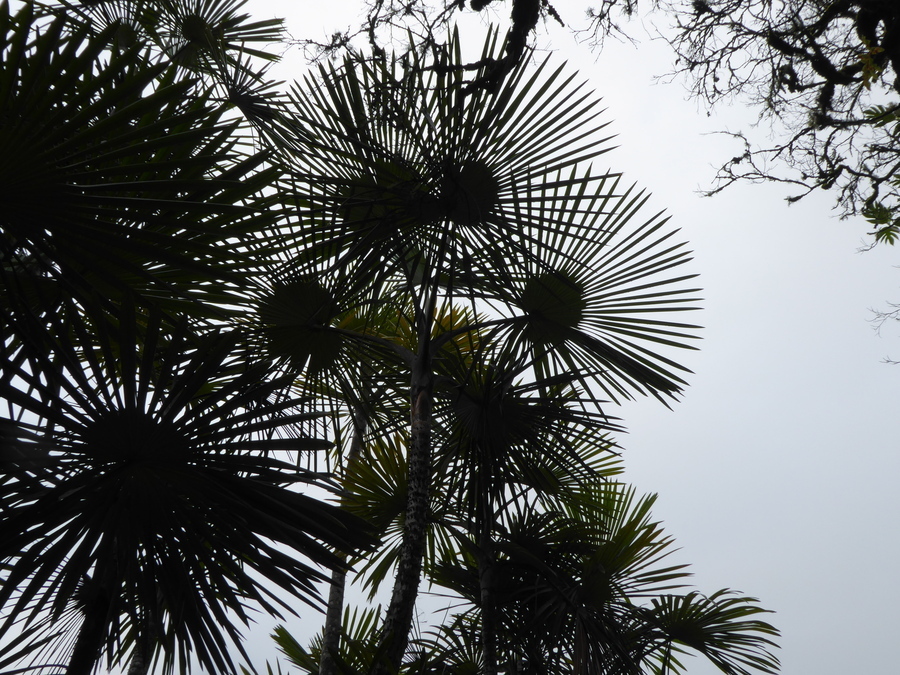
Mauritiella
Mauritiella is a dioecious genus of flowering plant in the palm family found in South America where it is commonly called buriti. It is named after the similar and closely related genus Mauritia.
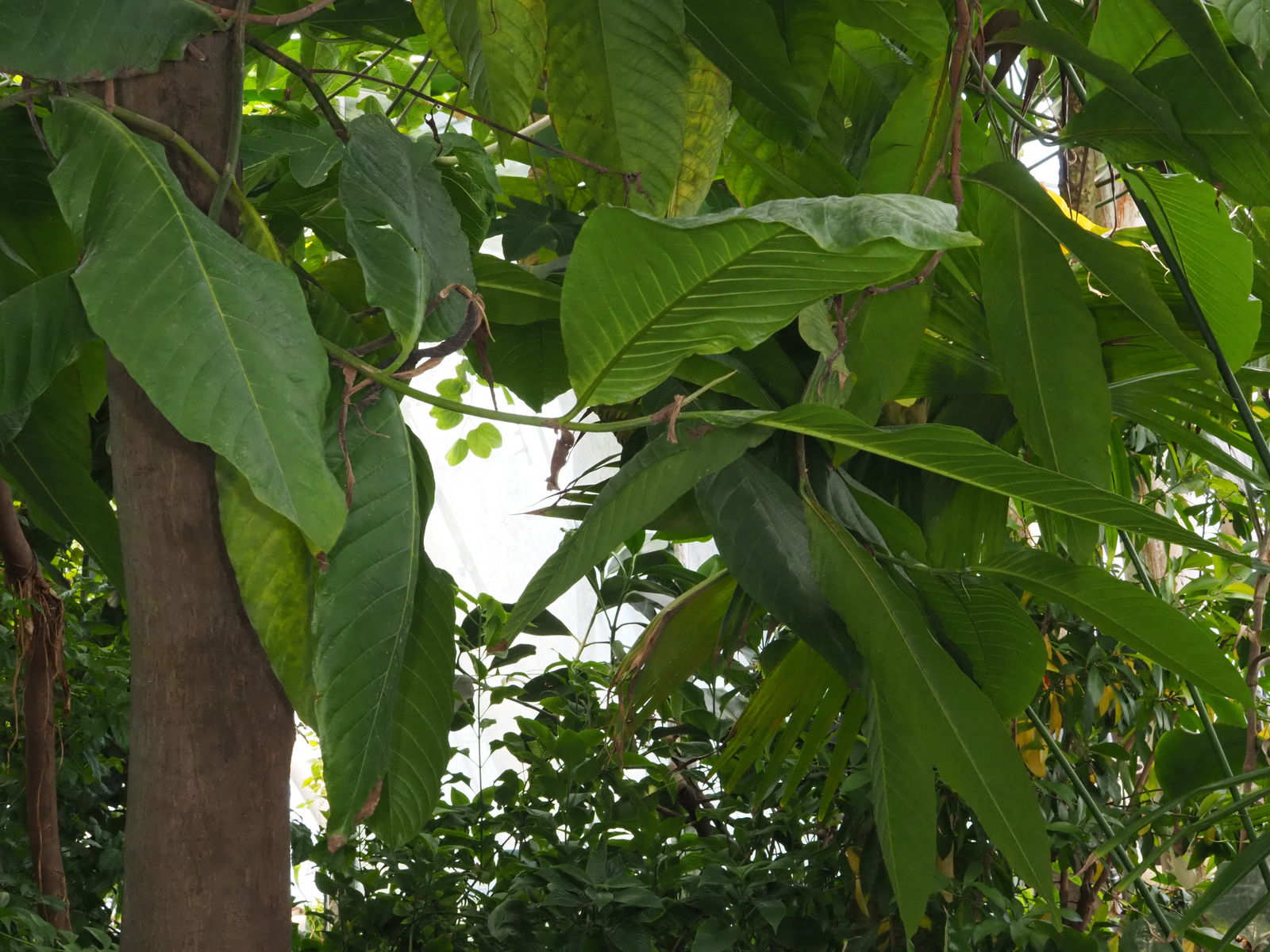
Triplaris
Triplaris is a genus of plants in the family Polygonaceae. Ant tree is a common name for plants in this genus.

Urtica ferox
species of plant

Muehlenbeckia complexa
species of plant

Aporosa
Aporosa is a genus of flowering plant belonging to the family Phyllanthaceae, first described as a genus in 1825. It is native to China, the Indian subcontinent, Southeast Asia, Papuasia, and Queensland.

Ravenea
Ravenea is a genus of 20 known species of palms, all native to Madagascar and the Comoros. It is not to be confused with Ravenala, a genus of superficially palm-like plants also from Madagascar.
%20tree.jpg)
Drypetes
alt=Drypetes falcata (Filipino name: Gakakan)|thumb|Drypetes falcata
Drypetes is a plant genus of the family Putranjivaceae, in the order Malpighiales.

Lomandra
Lomandra, commonly known as mat rushes, is a genus of perennial, herbaceous monocots in the family Asparagaceae, subfamily Lomandroideae. The genus was first described in 1805 by Jacques Labillardière.

Aerva javanica
species of plant

Prunus fasciculata
species of plant
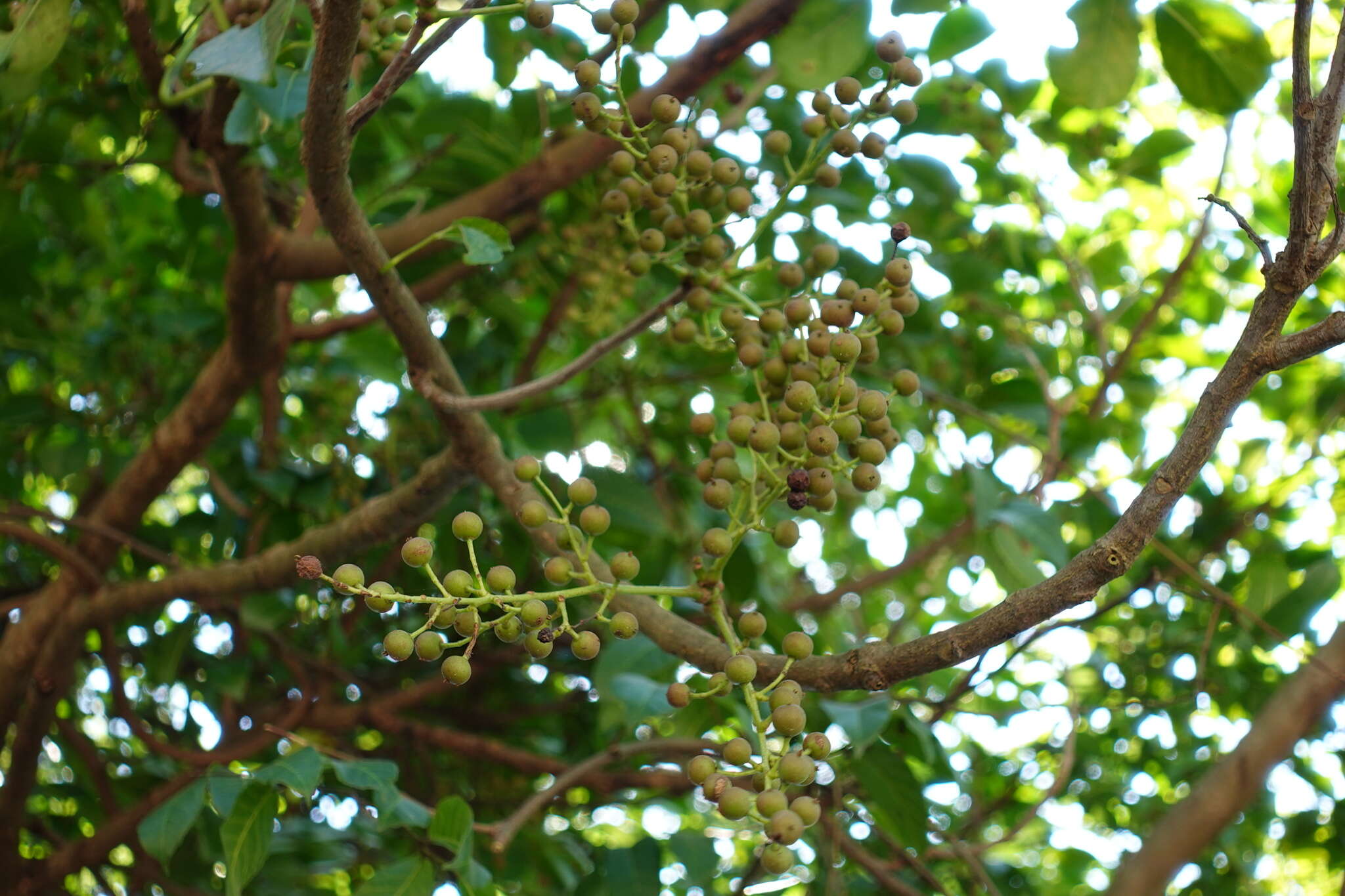
Bischofia
Bischofia is a genus of plants in the family Phyllanthaceae first described as a genus in 1827. It is native to southern China, the Indian subcontinent, Queensland, New Guinea, and various islands of the Pacific. It is the only member of the tribe Bischofieae. They are dioecious, with male and female flowers on separate plants, but may rarely be monoecious.
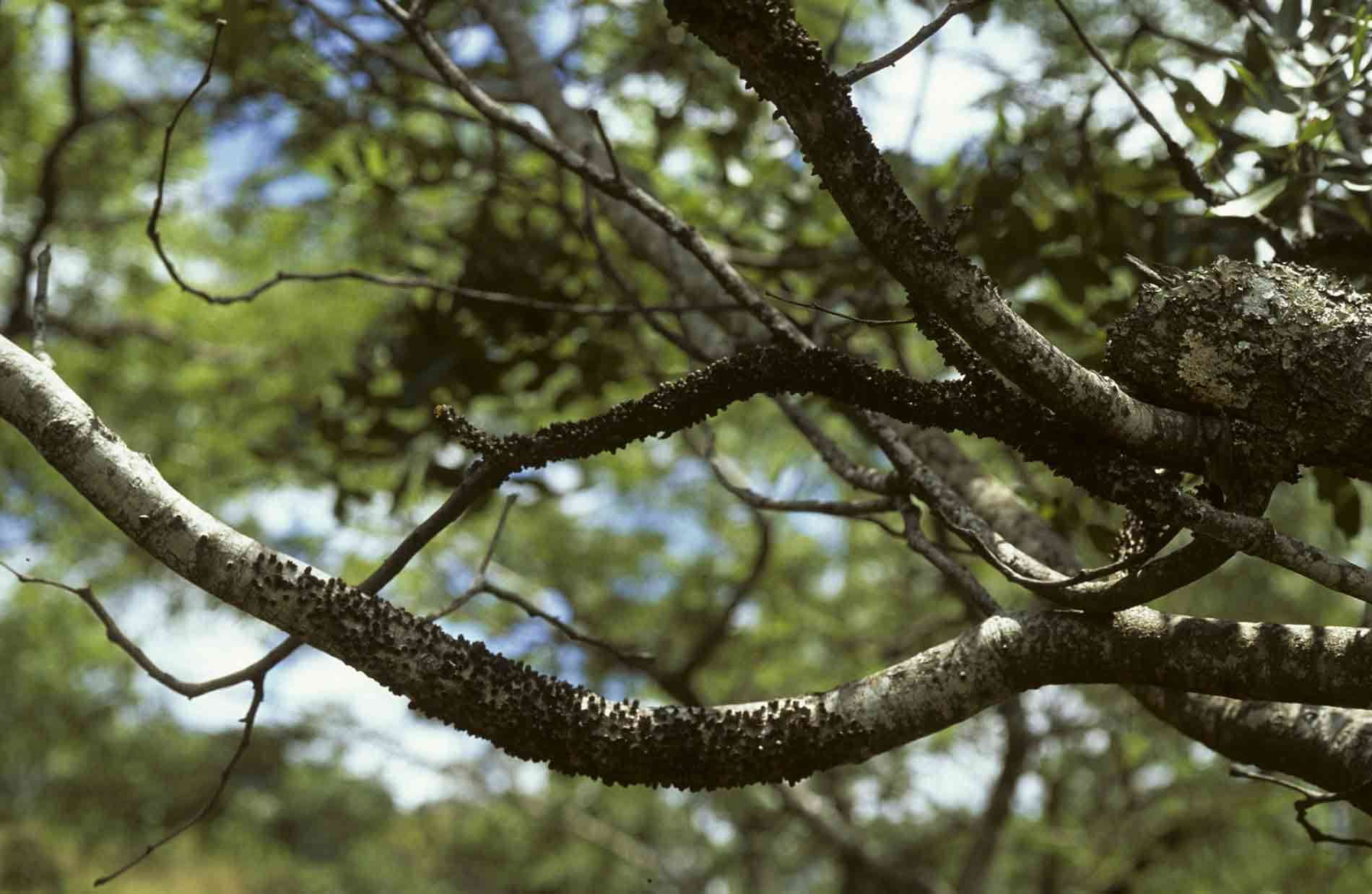
Pilostyles
Pilostyles is a genus of flowering plants in the family Apodanthaceae. It includes about 11 species of very small, completely parasitic plants that live inside the stems of woody legumes. Plants of this genus are sometimes referred to as stemsuckers.

Carex kobomugi
species of plant

Allium monanthum
species of plant

Acer laurinum
species of plant

Bismarckia
thumb|Bismarckia nobilis – MHNT

Cotinus obovatus
species of plant

Ficus fistulosa
species of plant

Calibanus
Calibanus was a genus of two species of flowering plants, both evergreen succulents from dry areas of northeastern Mexico.The genus was subsumed in the genus Beaucarnea in the year 2014. The APG III classification system places Beaucarnea in the family Asparagaceae, subfamily Convallarioideae (formerly the family Ruscaceae.) The now-defunct Calibanus was formerly included in the Agavaceae (now Agavoideae) but was separated from them, for it is polycarpic and dioecious. Its name refers to the monster Caliban, an antagonist in Shakespeare's The Tempest.

iroko
Iroko (Yoruba: Ìrókò) is a large hardwood tree from the west coast of tropical Africa that can live up to 500 years. This is the common name for the genus Milicia, in which there are two recognized species, which are closely related: Milicia excelsa and Milicia regia.

Guihaia
Guihaia is a genus of three species of dioecious palms found in China and Vietnam. Perhaps its most distinctive characteristic is that it is the only palm with palmate leaves that has reduplicate (A-shaped) leaf folds. All other palmate leaves have induplicate (V-shaped) leaf folds. Guihaia lancifolia has undivided leaves.
Distichlis
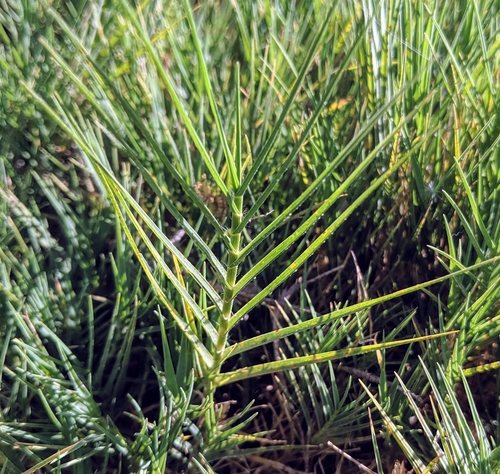
Distichlis is a genus of American and Australian plants in the grass family. Plants in this genus are dioecious, have rhizomes or stolons, and have conspicuously distichous leaves.

Guarea
Guarea is a genus of evergreen trees or shrubs in the family Meliaceae, native to tropical Africa and Central and South America. At their largest, they are large trees 20–45 m tall, with a trunk over 1 m diameter, often buttressed at the base. The leaves are pinnate, with 4–6 pairs of leaflets, the terminal leaflet present. They are dioecious, with male and female flowers on separate plants. The flowers are produced in loose inflorescences, each flower small, with 4–5 yellowish petals. The fruit is a four or five-valved capsule, containing several seeds, each surrounded by a yellow-orange fles

Acer acuminatum
species of plant
Pigafetta
Pigafetta is a genus of two palm species in the family Arecaceae.

Fraxinus caroliniana
species of plant
Claoxylon
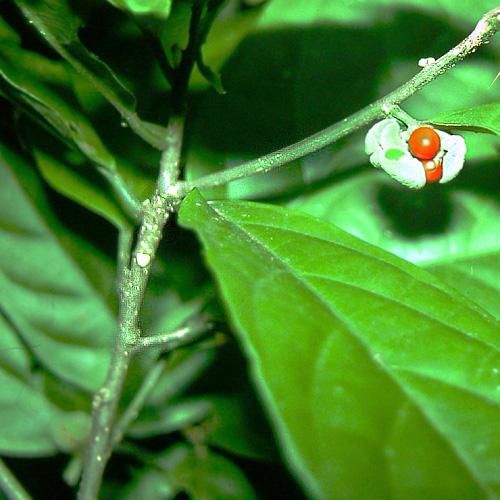
Claoxylon is a flowering plant genus in the spurge family, Euphorbiaceae, comprising dioecious subshrubs to small trees. It was first described as a genus in 1824. The genus is distributed in paleotropical areas: Madagascar through South and Southeast Asia, Malesia to Melanesia, Hawaii, and Australia. Half of the species are in Malesia.

Fraxinus uhdei
species of plant

Hydnocarpus
Hydnocarpus is a genus of medium to large trees in the family Achariaceae; the genus was previously placed in the now defunct family Flacourtiaceae. Species have been recorded from Indochina, Indonesia, Malaysia and the Philippines.

Jouvea
Jouvea is a Latin American genus of coastal plants in the grass family. It grows on mud flats and coastal sand dunes from northern Mexico to Ecuador.

Cucumis prophetarum
species of plant

Acer pycnanthum
species of plant

Carex douglasii
species of plant
Gynostemma
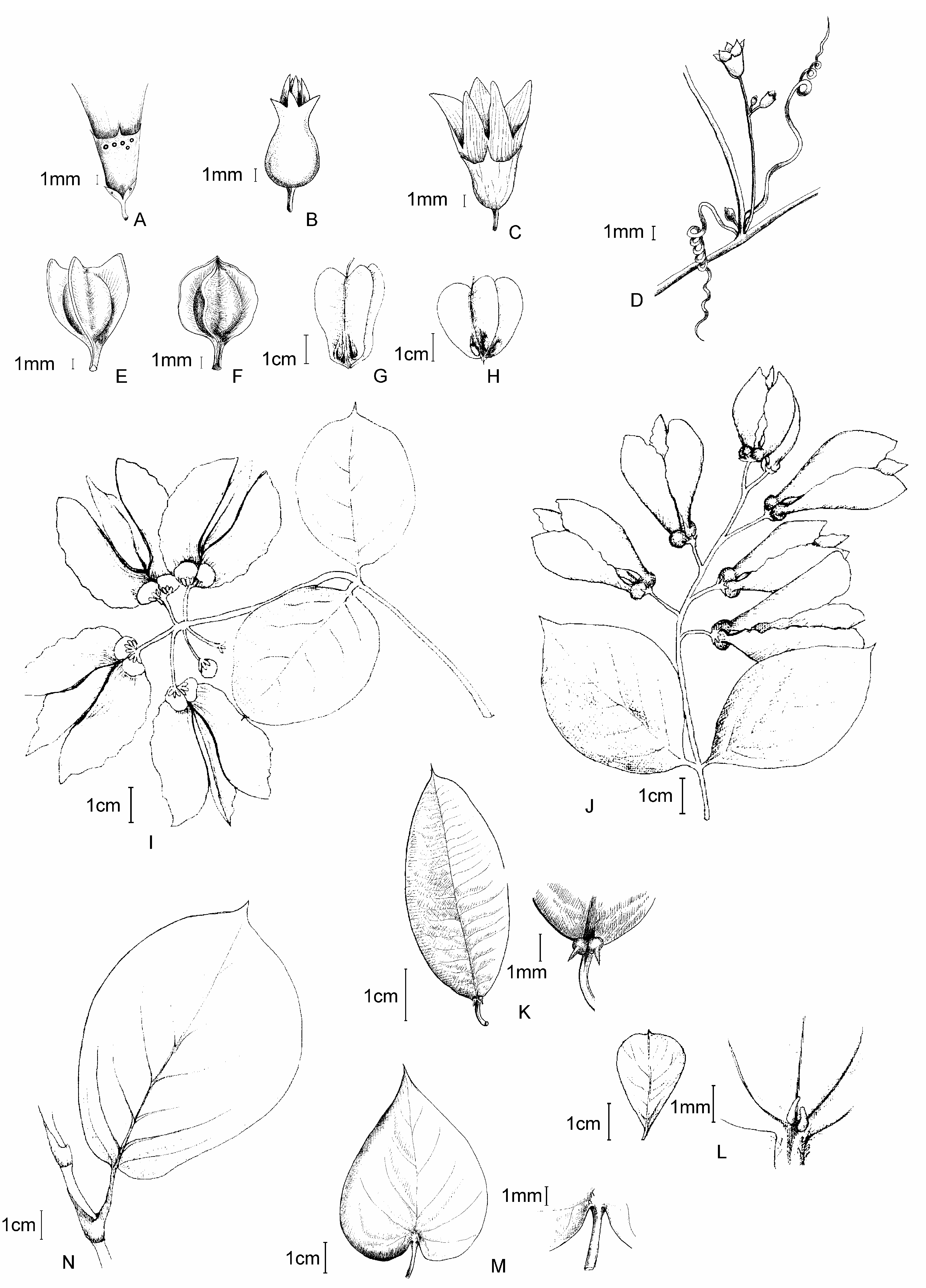
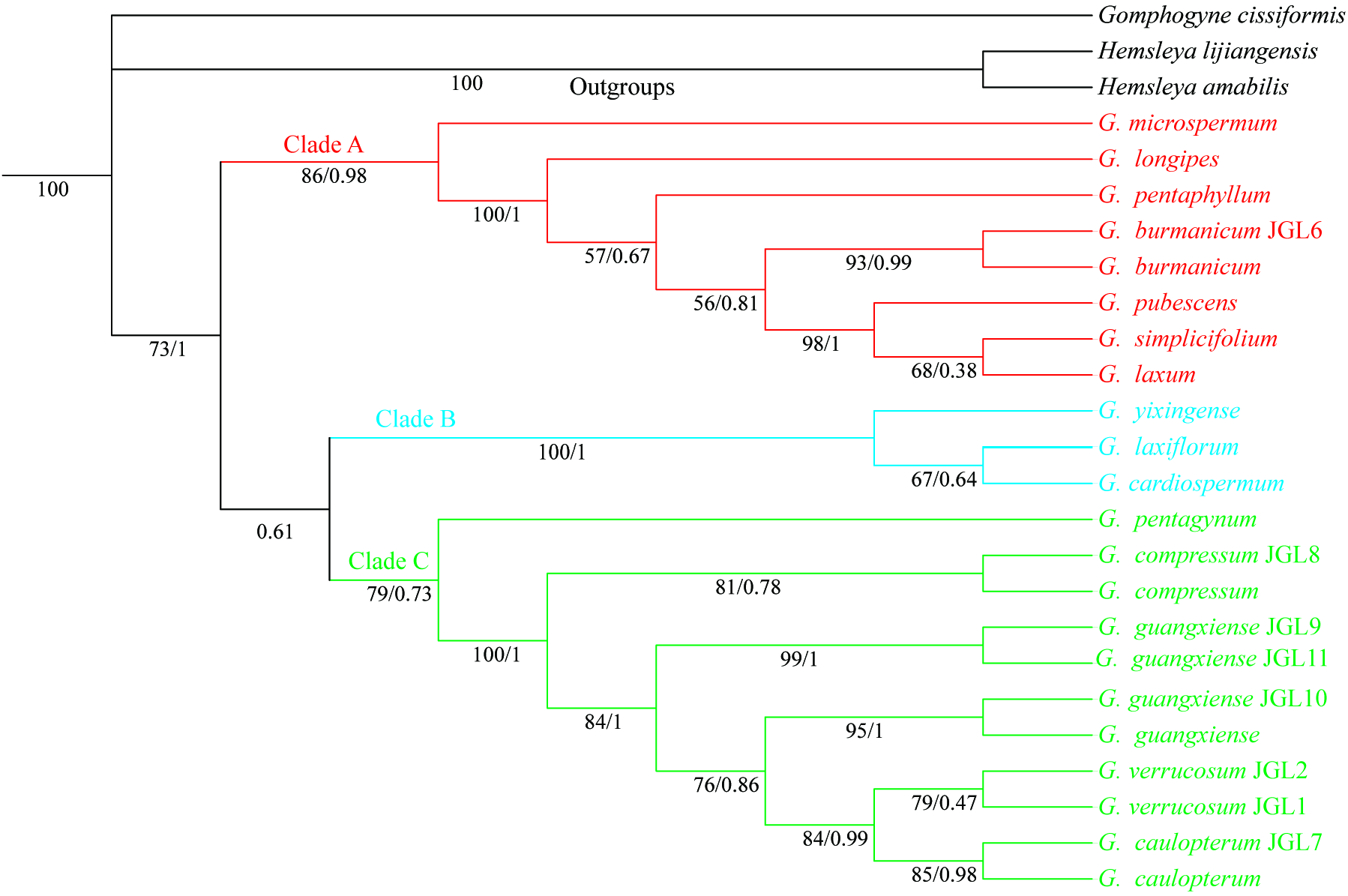
Gynostemma is a genus of perennial climbing vines in the cucumber, gourd, and melon family, comprising at least 19 species, all native to the tropical East or Far East, inclusive of the Himalayas: China (with 9 endemic); the islands of Japan; Malaysia; and New Guinea. The term Gynostemma is derived from Ancient Greek γυνή meaning "woman" or "female", and στέμμα meaning "wreath" or "garland". In (post-)classical Latin the form stemma is attested as Greek loanword. In Ancient Greek and Latin, stemma is of neuter gender. German-Dutch botanist Carl Ludwig Blume described Gynostemma from two specie

Rumex nivalis
species of plant

Allocasuarina decaisneana
species of plant

Ribes diacanthum
species of plant

Hodgsonia
Hodgsonia is a small genus of fruit-bearing vines in the family Cucurbitaceae.
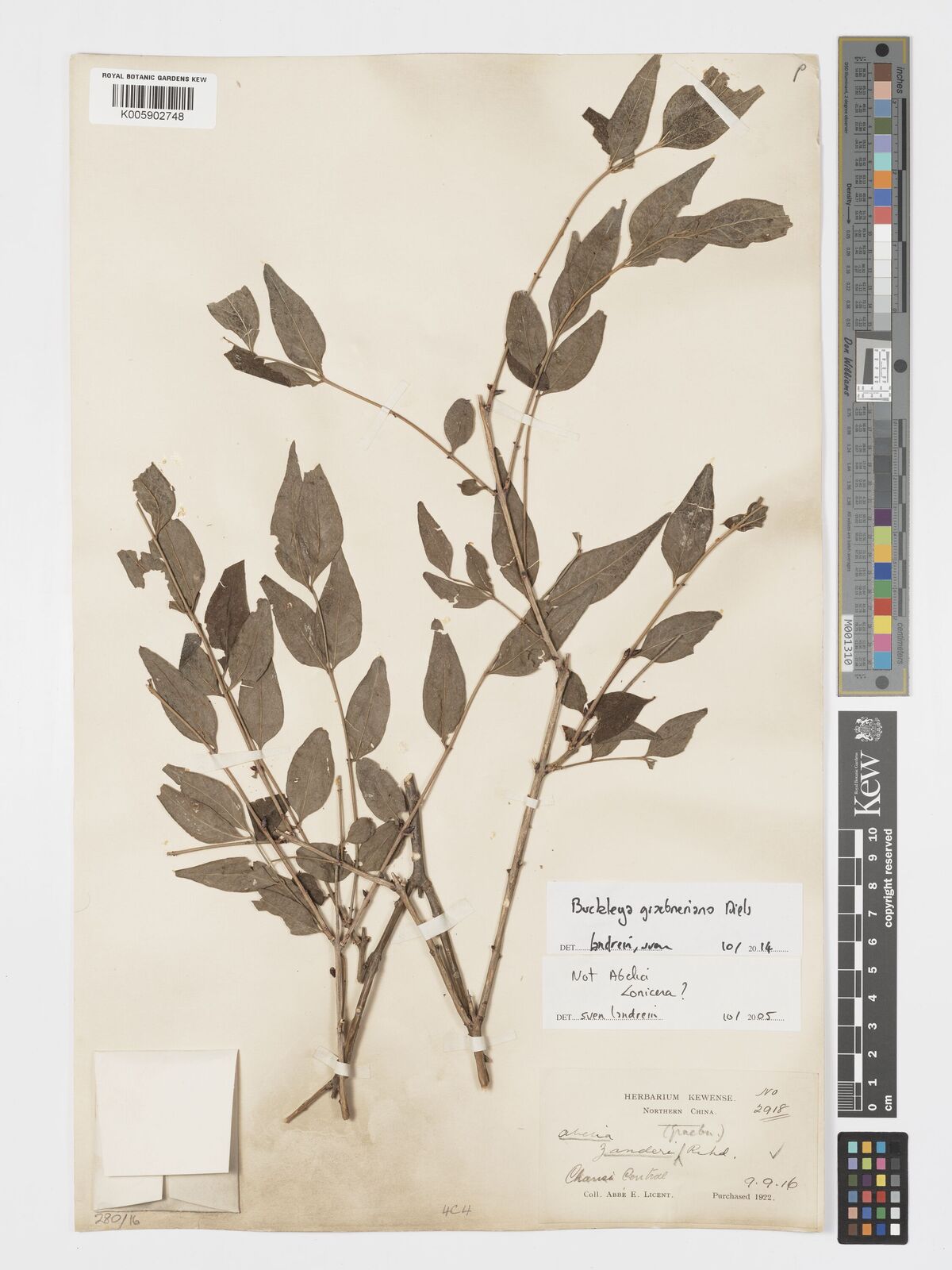
Buckleya
Buckleya is an Asian and American genus of hemiparasitic shrubs in the sandalwood family.
It is named for Samuel Botsford Buckley. Buckleya is also known as piratebush. Plants of this species are dioecious, meaning that male and female flowers are on separate plants.

Allocasuarina verticillata
species of plant
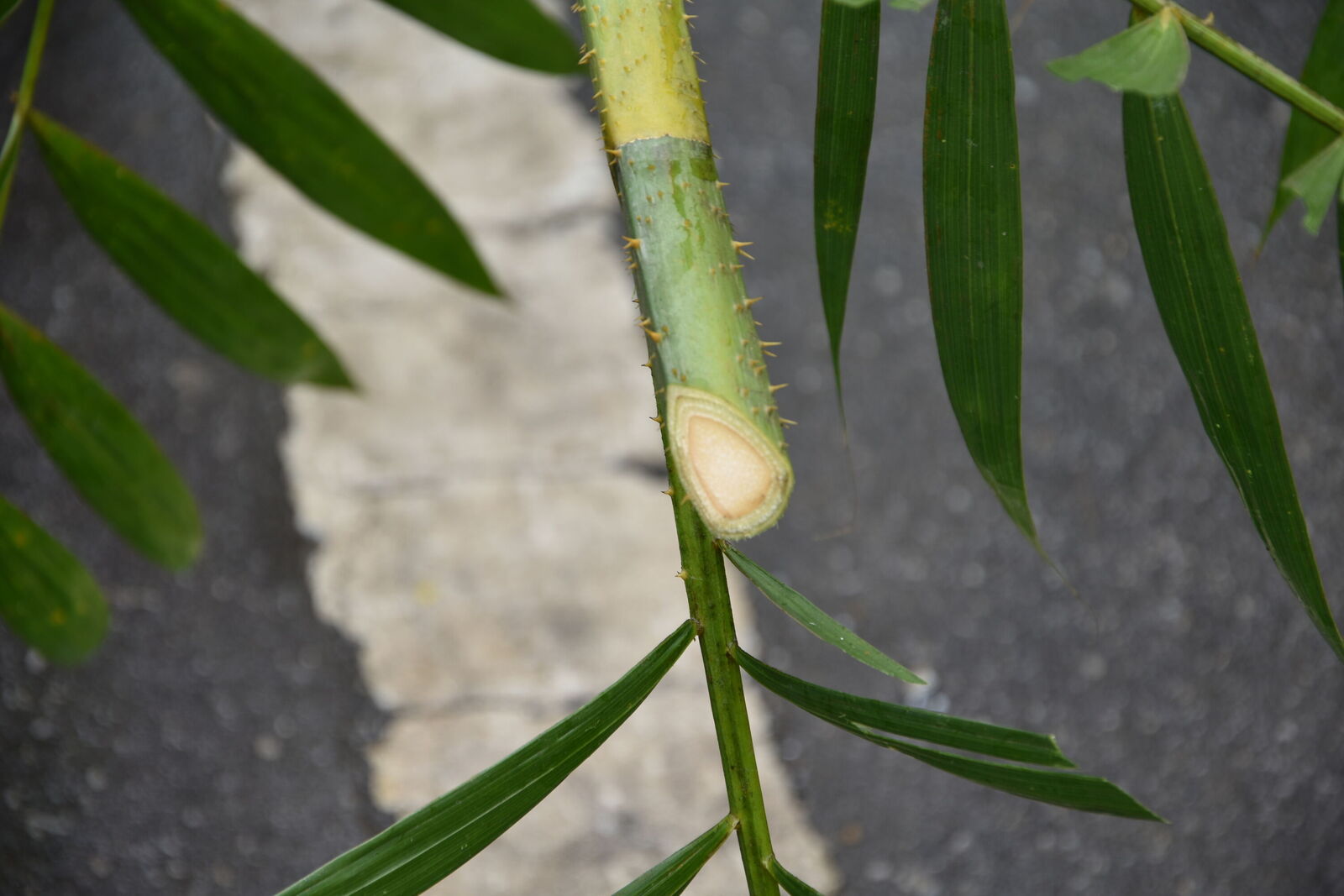
Plectocomiopsis
Plectocomiopsis is a dioecious genus of flowering plant in the palm family found in Indochina, Malaysia, Borneo and Sumatra. Hapaxanthic and armed with spines, they are a climbing rattan, closely related to the Myrialepis palms. The name is Greek for "similar to Plectocomia", another close relative.

Vitis mustangensis
species of plant

Buddleja globosa
species of plant

Allocasuarina luehmannii
species of plant endemic to Australia
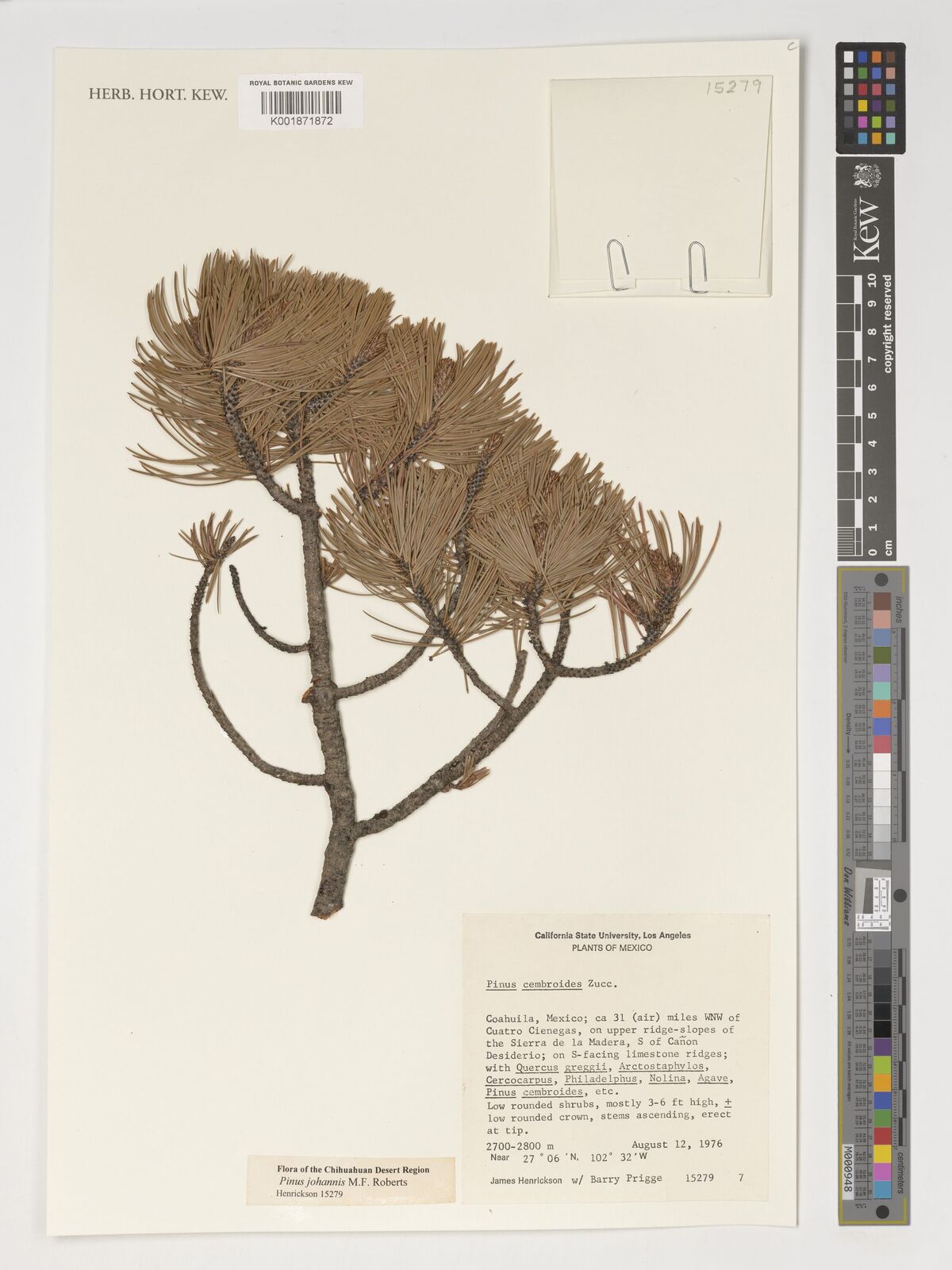
Pinus johannis
species of plant
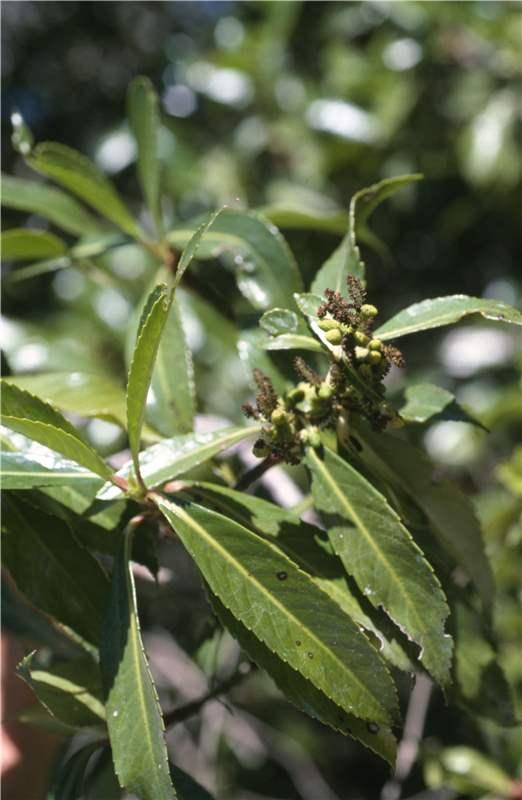
Hedyosmum
Hedyosmum is a genus of rhizomal flowering plants in the family Chloranthaceae. There are about 40 to 45 species. They are distributed in Central and South America and the West Indies, and one species also occurs in southeastern Asia. They are mostly dioecious, except for H. nutans and H. brenesii which are exclusively monoecious, and H. scaberrimum and H. costaricense with both monoecious and dioecious individuals.

Allocasuarina littoralis
species of plant
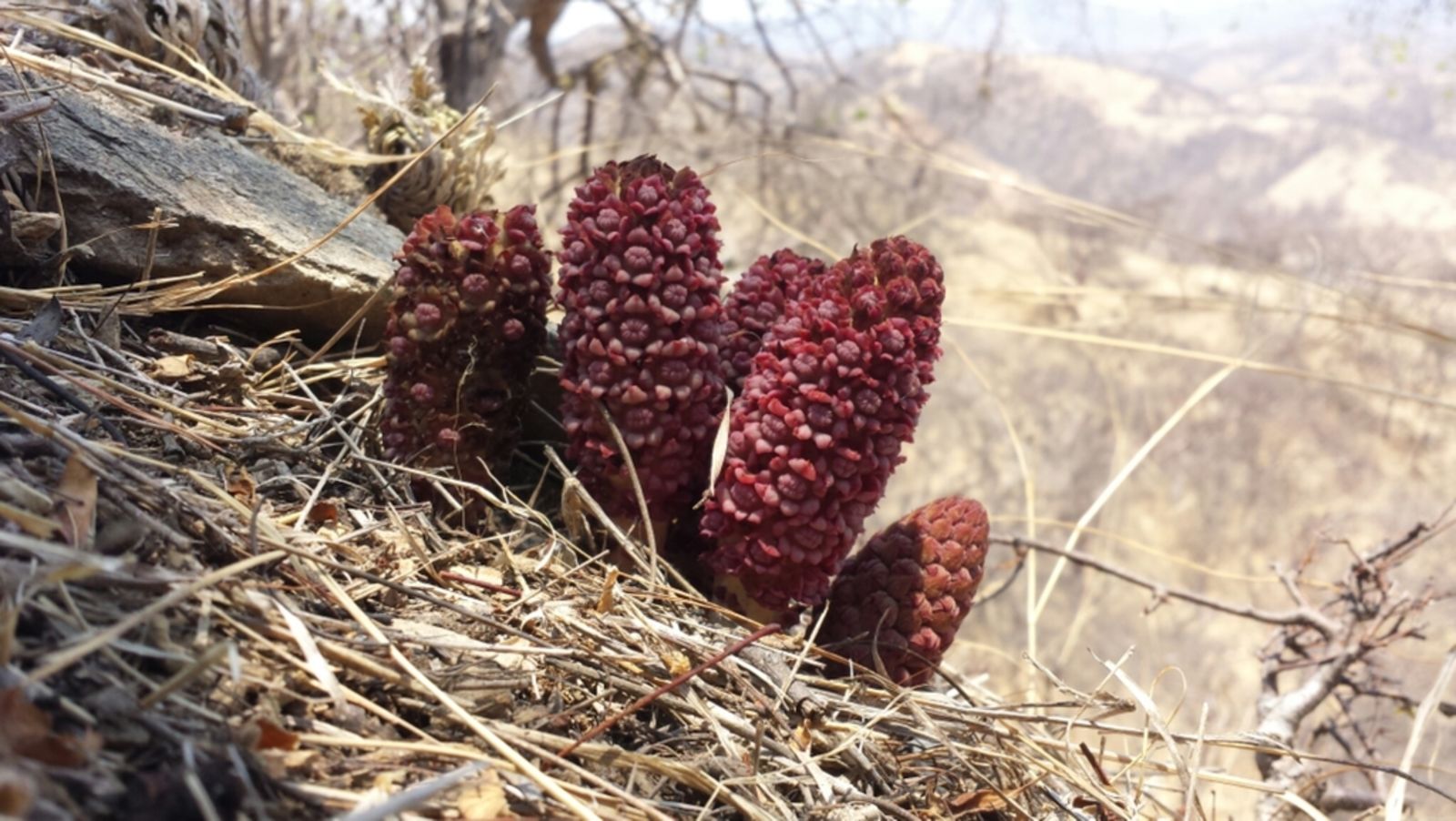
Bdallophytum
Bdallophytum is a genus of parasitic flowering plants with five described species. It parasitizes on the roots of plants of the genus Bursera, such as Bursera simaruba. The genus is endemic to the Neotropics.

Aechmea mariae-reginae
species of plant

Croton californicus
species of plant
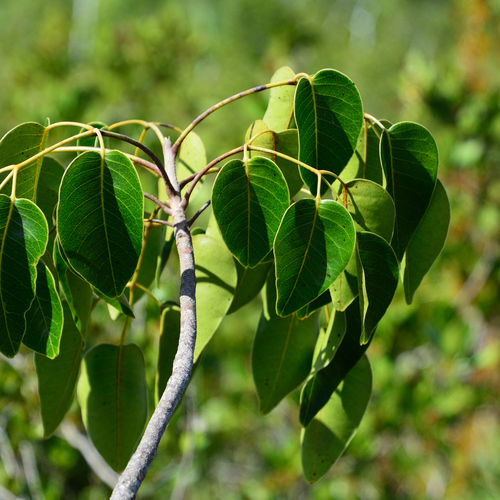
Metopium
Metopium or poisonwood is a genus of flowering plants in the sumac family, Anacardiaceae. They are dioecious trees with poisonous sap that can induce contact dermatitis.

Solena amplexicaulis
species of plant

Excoecaria cochinchinensis
species of plant

Opuntia stenopetala
species of plant