Category
page 1Dothideomycetes genera

Alternaria
Alternaria is a genus of fungi that are found worldwide. Alternaria species are known as major plant pathogens. They are also common allergens in humans, growing indoors and causing hay fever or hypersensitivity reactions that sometimes lead to asthma. They are present in the human mycobiome and readily cause opportunistic infections in immunocompromised people such as AIDS patients.
Cladosporium
Cladosporium is a genus of fungi including some of the most common indoor and outdoor molds. Some species are endophytes or plant pathogens, while others parasitize fungi.

Ascochyta
Ascochyta is a genus of ascomycete fungi, containing several species that are pathogenic to plants, particularly cereal crops. The taxonomy of this genus is still incomplete. The genus was first described in 1830 by Marie-Anne Libert, who regarded the spores as minute asci and the cell contents as spherical spores. Numerous revisions to the members of the genus and its description were made for the next several years. Species that are plant pathogenic on cereals include, A. hordei, A. graminea, A. sorghi, A. tritici. Symptoms are usually elliptical spots that are initially chlorotic and later
Venturia
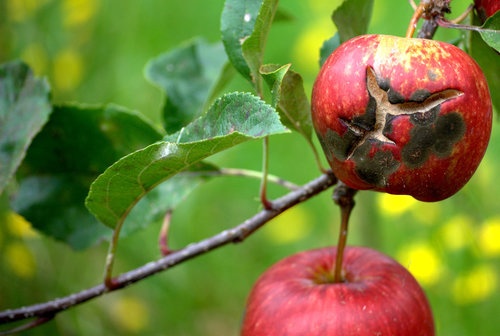
genus of fungi
Pleospora
Pleospora is a genus of ascomycete fungi. This genus was originally described by Gottlob Ludwig Rabenhorst in 1857 and was revised by Wehmeyer and Müller. There was an estimated 63 species in 2008. , the GBIF lists up to 440 species, while Species Fungorum lists about 375 species.

Capnodium
Capnodium is a genus of sooty molds in the family Capnodiaceae. It was circumscribed in 1849 by French mycologist Camille Montagne with Capnodium salicinum as the type species.
Phoma
Phoma is a genus of common coelomycetous soil fungi. It contains many plant pathogenic species.
Phyllosticta
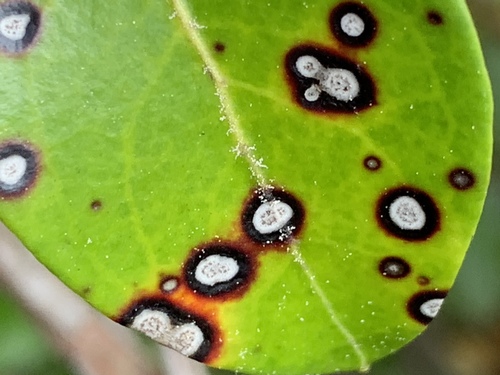
Phyllosticta is a genus of fungi. Many of the species in this genus are common and important plant pathogens. They typically infect the foliage and cause tannish-gray leaf spots with dark brown to purple borders. However, Phyllosticta may also infect fruit and stems. Yield loss is a common consequence of Phyllosticta infection. Representatives of the genus are found worldwide and on a wide range of plant hosts.

Abrothallus
Abrothallus is a genus of lichenicolous (lichen-dwelling) fungi. It is the only genus in the monotypic family Abrothallaceae, which itself is the sole taxon in the order Abrothallales. Species produce small, blackish, nearly spherical fruiting bodies on the surface of their host lichens, often dusted with green or yellow powder (pruina). About 44 species are accepted, most of them parasites of leafy or shrubby macrolichens.
Botryosphaeria
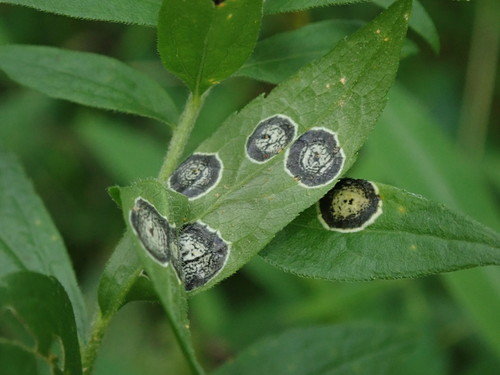
Botryosphaeria is a genus of pathogenic fungi in the family Botryosphaeriaceae. There are 193 species, many of which are important disease-causing agents of various important agricultural crops.
Guignardia
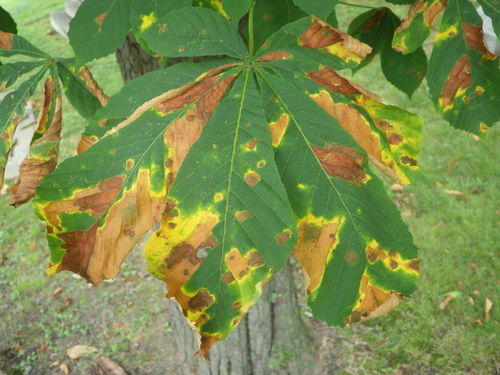
Guignardia is a genus of fungi in the family Botryosphaeriaceae.

Diplodia
Diplodia is a genus of anamorphic fungi that is part of the family Botryosphaeriaceae.

Bipolaris
Bipolaris is a genus of fungi belonging to the family Pleosporaceae. It was circumscribed by mycologist Robert A. Shoemaker in 1959.
Stemphylium
Stemphylium is a genus of fungal plant pathogen.
Taeniolella
Taeniolella is a genus of asexual fungi hyphomycetes in the family Mytilinidiaceae. Some of the species are lichenicolous (lichen-dwelling), others are saprophytic, while others are endophytic. The genus was circumscribed in 1958 by Canadian mycologist Stanley John Hughes, with Taeniolella exilis as the type species. Major revisions of the lichenicolous species in the genus were published in 2016 and 2018.
Antennulariella
Antennulariella is a genus of fungi in the family Antennulariellaceae. First described in 1915, species in the genus form thin, crust-like films that cling directly to rock or bark surfaces and fade imperceptibly into their surroundings. The fungi are distinguished by their distinctive black reproductive structures covered in short hairs, and they appear to rely solely on spores for reproduction since no asexual structures have been observed.

Cucurbitaria
Cucurbitaria is a genus of pyrenomycetous fungi in the family Cucurbitariaceae. The genus was circumscribed by Samuel Frederick Gray in 1821.

Stagonospora
Stagonospora is a genus of fungi clustering in the Phaeosphaeriaceae (Quaedvlieg). Several of the species in this genus are plant pathogens.
Sphaeropsis
The Sphaeropsis are a genus of fungi, within the family Botryosphaeriaceae, the order Botryosphaeriales, and the class Dothideomycetes. They are plant pathogens.

Trypethelium
Trypethelium is a genus of lichenized fungi in the family Trypetheliaceae. The widespread genus contains about 50 species predominantly found in tropical areas. Trypethelium was circumscribed by German botanist Kurt Polycarp Joachim Sprengel in 1804.

Curvularia
Curvularia is a genus of hyphomycete (mold) fungi which can be pathogens but also act as beneficial partners of many plant species. They are common in soil. Most Curvularia species are found in tropical regions, though a few are found in temperate zones.

Phaeosphaeria
Phaeosphaeria is a genus of fungi in the family Phaeosphaeriaceae. It has about 95 species. The genus was circumscribed by Japanese mycologist Ichiro Miyake in 1909, with Phaeosphaeria oryzae assigned as the type species.
Exserohilum
Exserohilum is a genus of fungi in the family Pleosporaceae. The Exserohilum species are known for causing blight and human immune system diseases. The sexual reproductive (or ascigerous) states of Exserohilum species are known as Setosphaeria. The type species is Exserohilum turcicum. This genus is among three dematiaceous that are categorized for containing pathogens leading to diseases like phaeohyphomycosis.

Arthopyrenia
Arthopyrenia is a genus of fungi in the family Trypetheliaceae. It was formerly classified in the eponymic family Arthopyreniaceae, but molecular phylogenetics studies showed that the type species, Arthopyrenia cerasi, was a member of the Trypetheliaceae. Arthopyrenia fungi typically form inconspicuous films embedded within tree bark and produce tiny, flask-shaped fruiting bodies covered by dark, shield-like caps. The genus includes both lichen-forming species (those that partner with algae) and non-lichenized species, with about 100 currently recognized species found primarily on bark and woo

Anisomeridium
Anisomeridium is a genus of lichen-forming fungi in the family Monoblastiaceae. These lichens form thin, nearly invisible crusts that grow mostly embedded within the bark of trees or other surfaces. They are distinguished by their tiny flask-shaped fruiting bodies and distinctive spores that have internal cross-walls positioned closer to one end than the other.

Aureobasidium
Aureobasidium is a genus of fungi belonging to the family Dothioraceae.
Aigialus
Aigialus is a genus of fungi in the family Aigialaceae.
Leptosphaeria
Leptosphaeria is a genus of fungi in the family Phaeosphaeriaceae.
Acrospermum
Acrospermum is a genus of fungi within the Acrospermaceae family.
Asperisporium
Asperisporium is a genus of ascomycete fungi whose members are plant pathogens.

Acantharia
genus of fungi

Passalora
Passalora is a genus of fungi in the family Mycosphaerellaceae. It has about 250 species.

Didymella
Didymella is a genus of fungi belonging to the family Didymellaceae.

Wettsteinina
Wettsteinina is a genus of fungi in the class Dothideomycetes. The type species Wettsteinina gigantospora was first described by Franz Xaver Rudolf von Höhnel in 1907. The relationship of this taxon to other taxa within the class was unknown in 2008, until it was resolved and placed in the Pleosporaceae family.

Strigula
Strigula is a genus of lichen-forming fungi in the family Strigulaceae.

Pyrenochaeta
Pyrenochaeta is a genus of fungus.

Melaspilea
Melaspilea is a genus of fungi in the family Melaspileaceae. The genus includes both lichen-forming species that grow on tree bark and lichenicolous species that parasitise other lichens. Originally, Melaspilea encompassed a broad and diverse group of species, but a 2015 molecular study narrowed its circumscription, showing that many species historically placed in the genus actually belonged to unrelated lineages. In its current sense, Melaspilea belongs to the family Melaspileaceae and order Eremithallales within Dothideomycetes and is characterised by dark fruiting bodies with single-septum
Cenococcum
Cenococcum is a genus of two species of fungi in the family Gloniaceae.

Drechslera
Drechslera is a genus of fungi. Many of the species in this genus are plant pathogens. Several species of Drechslera are known to cause a fungal disease of turfgrass known as Drechslera leaf spot.

Dothiorella
Dothiorella is a genus of fungi in the family Botryosphaeriaceae. There are 3 subgenera and approximately 332 species.

Coniothyrium
Coniothyrium is a genus of fungi in the family Coniothyriaceae. The genus was circumscribed by Czech mycologist August Carl Joseph Corda in 1840. It was formerly placed in the Phaeosphaeriaceae family until 1983 when the family was established.
Epicoccum
Epicoccum is a genus of fungi belonging to the family Didymellaceae.

Hysterographium
Hysterographium is a genus of fungi in the class Dothideomycetes. It was circumscribed by Czech mycologist August Carl Joseph Corda in 1842.
Teratosphaeria
Teratosphaeria is a genus of fungi in the family Teratosphaeriaceae; according to the 2007 Outline of Ascomycota, it was placed in the Phaeosphaeriaceae, but the placement within this family was uncertain. It was confirmed in 2020, within Teratosphaeriaceae by Wijayawardene et al. 2020.

Pseudogymnoascus
Pseudogymnoascus is a genus of fungi in the family Pseudeurotiaceae.

Astrothelium
Astrothelium is a large genus of corticolous (bark-dwelling) lichens in the family Trypetheliaceae. The genus is characterized by a corticate thallus and diverse ascomata structures, which can be simple, aggregated, or forming . Astrothelium is also notable for the walls of its ascomata, the so-called '''' (i.e., tightly interwoven) arrangement of cells in these walls, and various forms of , transparent spores.
Helicascus
Helicascus is a genus of fungi in the class Dothideomycetes. The relationship of this taxon to other taxa within the class is unknown (incertae sedis).
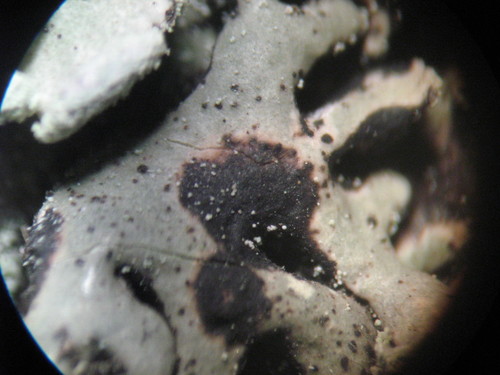
Lichenoconium
Lichenoconium is a genus of lichenicolous (lichen-dwelling) fungi belonging to the family Lichenoconiaceae.

Coleroa
Coleroa is a genus of fungi belonging to the family Venturiaceae.
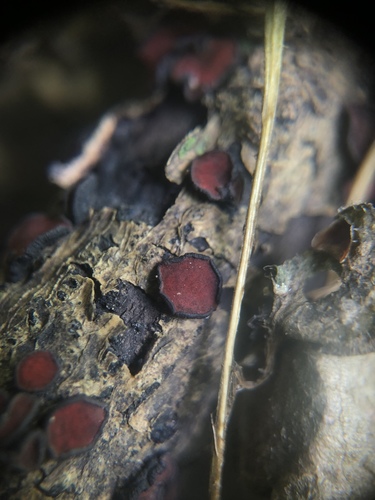
Rhytidhysteron
Rhytidhysteron is a genus of fungi in the family Patellariaceae. It has 21 species.

Achaetobotrys
Achaetobotrys is a genus of fungi within the Antennulariellaceae family.
Anhellia
Anhellia is a genus of fungi in the family Myriangiaceae.
Ampelomyces
Ampelomyces is a genus of mycoparasitic fungi in the family Phaeosphaeriaceae. Ampelomyces parasitizes the group of fungal plant pathogens known as powdery mildews (Erysiphales). The type species is Ampelomyces quisqualis which was circumscribed by Italian botanist Vincenzo de Cesati in Klotzsch, Bot. Ztg. vol.10 on page 301 in 1852.
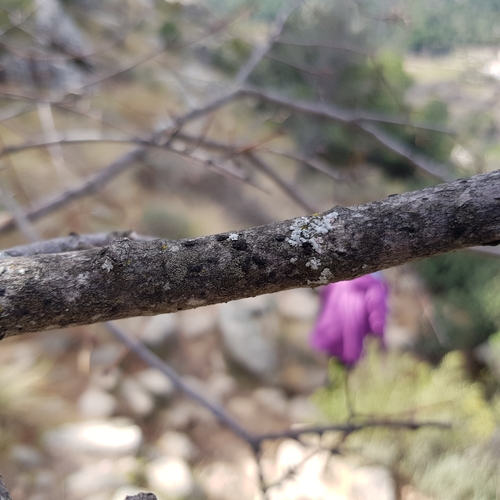
Myriangium
Myriangium is a genus of fungi within the family Myriangiaceae.
Macrophomina
Macrophomina is a genus of plant pathogens in the fungus family Botryosphaeriaceae, originally described by Franz Petrak in 1923. It contains at least 5 species.

Tomasellia
Tomasellia is a genus of lichen-forming fungi in the family Naetrocymbaceae. It comprises seven species of corticolous (bark-dwelling), crustose lichens.

Cercidospora
Cercidospora is a genus of fungi in the class Dothideomycetes. The relationship of this taxon to other taxa within the class is unknown (incertae sedis). The genus was first described by Gustav Wilhelm Körber in 1865; it is synonymous with the name Prolisea described by Frederick Edward Clements in 1931.
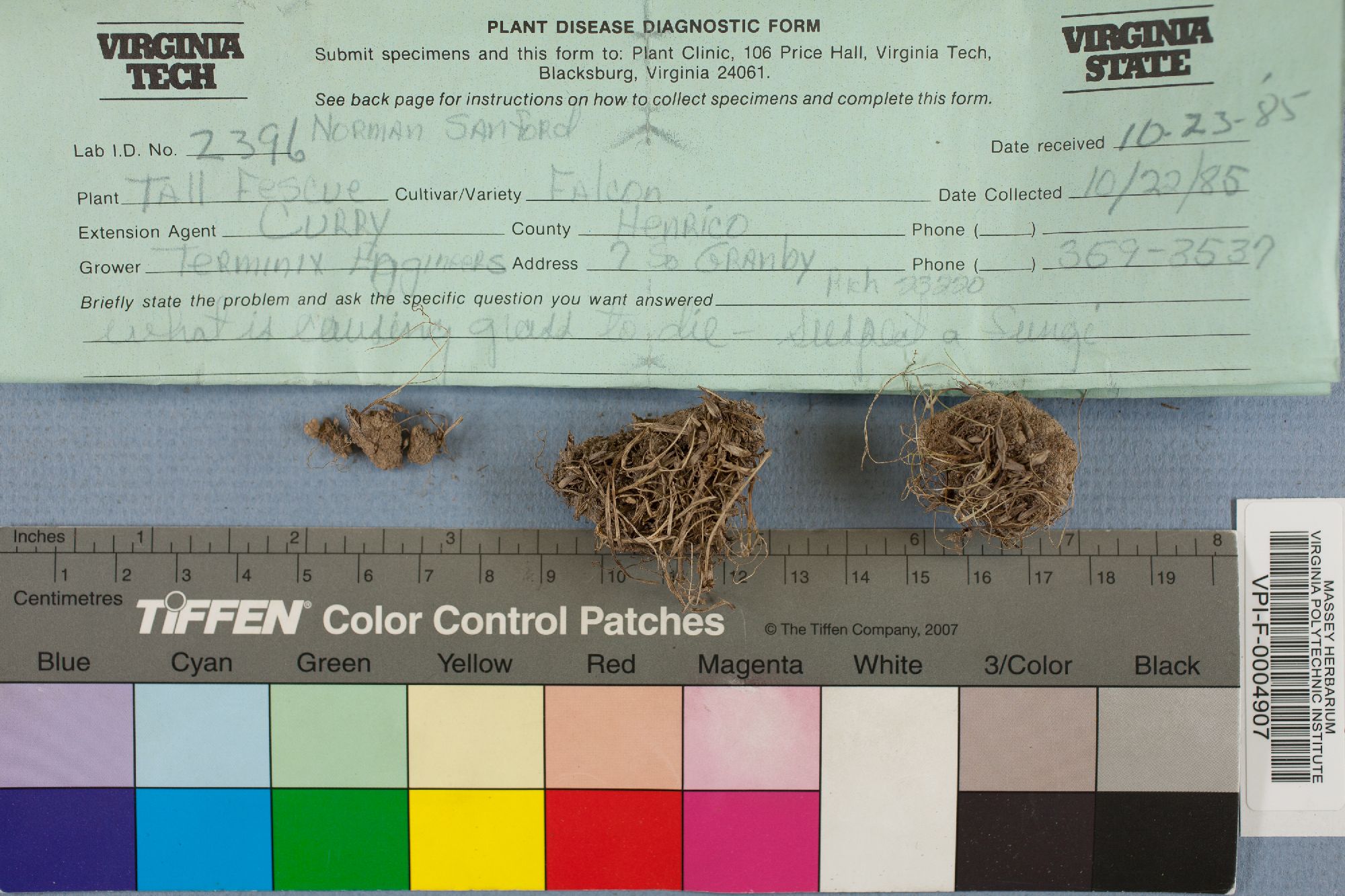
Leptosphaerulina
Leptosphaerulina is a genus of fungi in the class Dothideomycetes.
The relationship of this taxon to other taxa within the class was unknown in 2007 until it was placed within the Didymellaceae family in the Pleosporales order. The genus was first described by Australian plant pathologist Daniel McAlpine in 1902.
Stagonosporopsis
Stagonosporopsis is a genus of ascomycote fungi, containing several pathogens to plants.
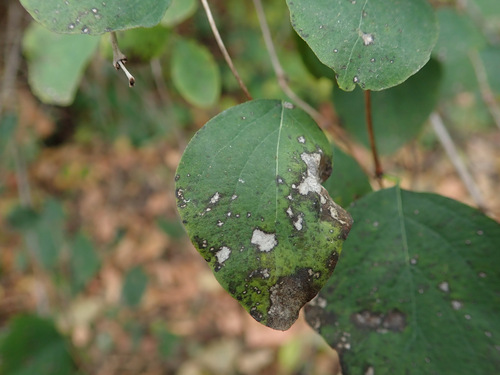
Sphaceloma
Sphaceloma is a genus of ascomycete fungi. Its species are plant pathogens, and cause anthracnose and scab diseases. The widespread genus is estimated to contain 52 species.