Category
page 1Drought-tolerant trees

Olea europaea
The olive (botanical name Olea europaea, "European olive") is a species of subtropical evergreen tree in the family Oleaceae. Originating in Asia Minor, it is abundant throughout the Mediterranean Basin, with wild subspecies in Africa and western Asia; modern cultivars are traced primarily to the Near East, Aegean Sea, and Strait of Gibraltar. The olive is the type species for its genus, Olea, and lends its name to the Oleaceae plant family, which includes lilac, jasmine, forsythia, and ash. The olive fruit is classed botanically as a drupe, similar in structure and function to the cherry or p

Prunus amygdalus
The almond (Prunus amygdalus, syn. Prunus dulcis (Mill.) D.A.Webb, nom. illeg. non Prunus dulcis Rouchy) is a species of tree from the genus Prunus. Along with the peach, it is classified in the subgenus Amygdalus, distinguished from the other subgenera by corrugations on the woody shell (endocarp) surrounding the seed.

Phoenix dactylifera
palm tree cultivated for its edible sweet fruit

Nerium oleander
Nerium oleander ( ), commonly known as oleander, rose laurel, be-still tree or rosebay, is a shrub or small tree cultivated worldwide in temperate and subtropical areas as an ornamental and landscaping plant. It is the only species currently classified in the genus Nerium, belonging to subfamily Apocynoideae of the dogbane family Apocynaceae. It is so widely cultivated that no precise region of origin has been identified, though it is usually associated with the Mediterranean Basin.

Ginkgo biloba
species of ginkgo tree

Azadirachta indica
species of plant

Ziziphus jujuba
Jujube (UK ; US or ), sometimes jujuba, scientific name Ziziphus jujuba, and also called red date, Chinese date, and Chinese jujube, is a species in the genus Ziziphus in the buckthorn family Rhamnaceae. It is often confused with the closely related Indian jujube, Z.mauritiana. The jujube tolerates a diverse range of climates, from temperate to tropical. Its origin is thought to be in eastern Asia, but it has been widely dispersed through cultivation, and is today cultivated in gardens as a shrub as well as in agriculture as a food crop. Its fruit is eaten freshly harvested as well as dried an

Ceratonia siliqua
The carob ( ; Ceratonia siliqua) is a flowering evergreen tree or shrub in the Caesalpinioideae subfamily of the legume family, Fabaceae. The carob tree is native to the Mediterranean region and the Middle East. It is widely cultivated for its edible fruit, which takes the form of seed pods, and as an ornamental tree in gardens and landscapes. Spain is its largest producer, followed by Italy and Morocco.

Adansonia digitata
species of plant

Quercus suber
species of plant

Cedrus libani
species of plant

Cedrus deodara
species of plant

Salix babylonica
species of willow

Quercus ilex
Oak tree species native to the Mediterranean

Arbutus unedo
species of plant

Ficus benghalensis
species of plant
Melia azedarach
species of plant

Pistacia lentiscus
species of plant

Pinus halepensis
species of plant

Pinus nigra
species of plant

Cupressus sempervirens
species of plant

Cedrus atlantica
species of plant

Leucaena leucocephala
species of plant

Lá palama aceitosa
species of plant

Platycladus orientalis
species of plant

xerophyte
A xerophyte () is a species of plant that has adaptations to survive in an environment with little liquid water. Examples of xerophytes include cacti, pineapple and some gymnosperm plants. The morphology and physiology of xerophytes are adapted to conserve water during dry periods. Some species called resurrection plants can survive long periods of extreme dryness or desiccation of their tissues, during which their metabolic activity may effectively shut down. Plants with such morphological and physiological adaptations are said to be . Xerophytes such as cacti are capable of withstanding exte

Vachellia nilotica
species of plant
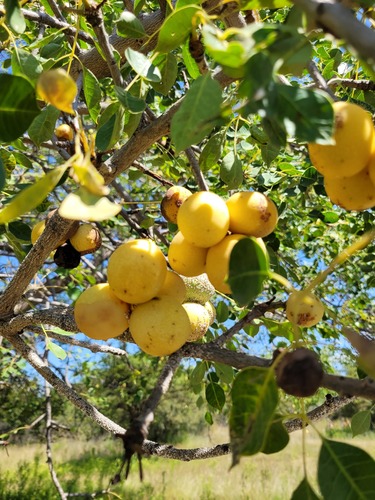
Sclerocarya birrea
species of plant

Dracaena draco
species of plant

Casuarina equisetifolia
species of plant

Vachellia farnesiana
species of plant

Pinus canariensis
species of plant

Pinus brutia
species of plant

Washingtonia filifera
species of plant

Grevillea robusta
species of plant

Pinus longaeva
species of plant

Eucalyptus camaldulensis
Species of plant

Balanites aegyptiaca
species of plant

Acacia tortilis
species of plant

Schinus molle
species of plant
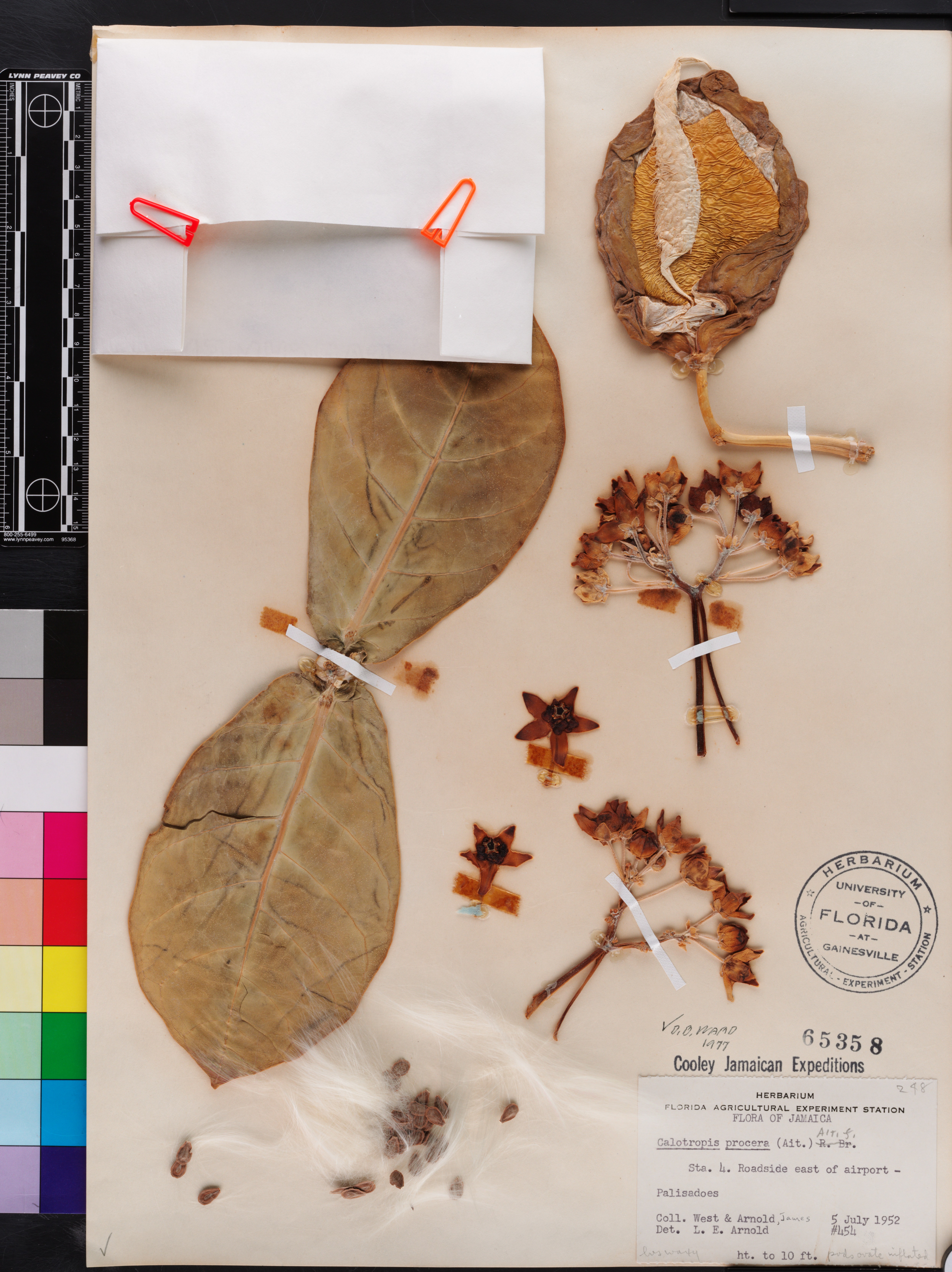
Calotropis procera
species of plant

Jubaea chilensis
species of palm

Yucca brevifolia
species of plant

Abies numidica
species of plant

Pinus coulteri
species of plant

Melaleuca leucadendra
species of plant

Prosopis cineraria
species of plant

Quercus faginea
species of plant

Colophospermum mopane
Colophospermum mopane, commonly called mopane, mopani, butterfly tree, turpentine tree, or balsam tree, is a tree in the legume family (Fabaceae), that grows in hot, dry, low-lying areas, in elevation, in parts of Southern Africa. The tree only occurs in Africa and is the only species in genus Colophospermum. Its distinctive butterfly-shaped (bifoliate) leaf and thin kidney-shaped/nearly semi-circular seed pod make it easy to identify.

Quercus pyrenaica
species of plant

Taxodium mucronatum
species of plant

árnica
Peumus boldus, commonly known as boldo (from the Mapuche name foḻo), is a species of tree in the family Monimiaceae and the only species in the genus Peumus. It is endemic to the central region of Chile, between 33° and 40° southern latitude. Boldo has also been introduced to Europe and North Africa, though it is not often seen outside botanical gardens.

Quillaja saponaria
species of plant

Adansonia gregorii
species of plant

Cupressus lusitanica
species of plant

Arbutus menziesii
species of plant

Acacia mearnsii
species of plant

Dovyalis afra
species of plant

Pinus nelsonii
species of plant

Quercus kelloggii
California black oak (species of plant)