Category
page 1Dystopian novels

Dungeon Crawler Carl
Dungeon Crawler Carl is a science fantasy LitRPG book series written by American author Matt Dinniman. Initially self published by Dinniman via online publisher Royal Road, it, and its six sequels, were acquired by Ace Books in 2024.

Nineteen Eighty-Four
1949 dystopian social science fiction novel by George Orwell

Animal Farm
1945 novella by George Orwell

The Trial
1925 novel by Franz Kafka
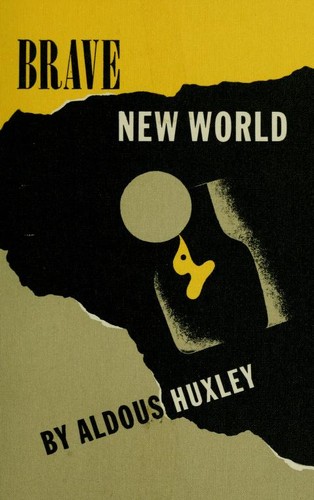
Brave New World
1932 novel by Aldous Huxley

Fahrenheit 451
1953 novel by Ray Bradbury
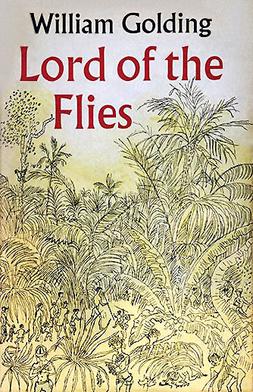
Lord of the Flies
Lord of the Flies is the 1954 debut novel of British author William Golding. The plot concerns a group of prepubescent British boys who are stranded on an uninhabited island and their disastrous attempts to govern themselves that lead to a descent into savagery. The novel's themes include morality, leadership, and the tension between civility and chaos.

The Time Machine
1895 dystopian science fiction novella by H. G. Wells

The Hunger Games
2008 novel by Suzanne Collins

A Clockwork Orange
1962 novel by Anthony Burgess

The Hunger Games
pentalogy of books by Suzanne Collins (2008–2025)
Inferno
novel by Dan Brown
The Castle
novel by Franz Kafka

Atlas Shrugged
1957 novel by Ayn Rand
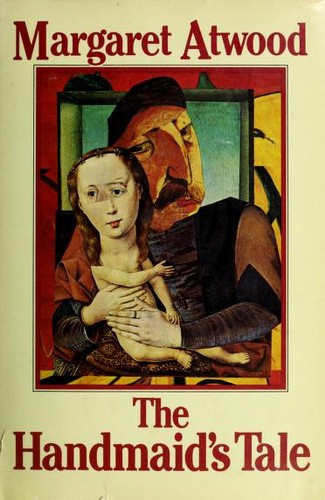
The Handmaid's Tale
1985 novel by Margaret Atwood

Do Androids Dream of Electric Sheep?
science fiction novel by Philip K. Dick

The Man in the High Castle
1962 novel by Philip K. Dick

Catching Fire
2009 novel by Suzanne Collins

We
1924 novel by Yevgeny Zamyatin

Mockingjay
Mockingjay is a 2010 dystopian young adult fiction novel by American author Suzanne Collins. It is chronologically the last installment of The Hunger Games series, following 2008's The Hunger Games and 2009's Catching Fire. The book concludes the story of Katniss Everdeen, who agrees to unify the districts of Panem in a rebellion against the tyrannical Capitol.

Divergent
2011 novel by Veronica Roth
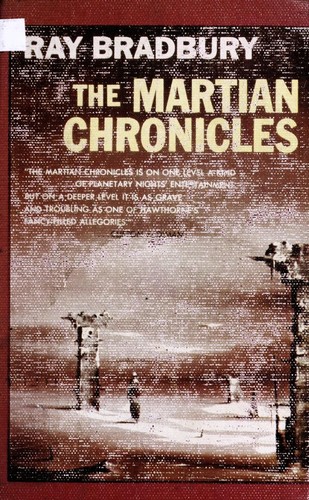
The Martian Chronicles
1950 novel by Ray Bradbury

Neuromancer
Neuromancer is a 1984 science fiction novel by William Gibson. Set in a near-future dystopia, the narrative follows Case, a computer hacker enlisted into a crew by a powerful artificial intelligence and a traumatised former soldier to complete a high-stakes heist. It was Gibson's debut novel and, after its success, served as the first entry in the Sprawl trilogy, followed by Count Zero (1986) and Mona Lisa Overdrive (1988).

Roadside Picnic
1972 novel Arkady and Boris Strugatsky

The Begum's Fortune
1879 novel by Jules Verne
%2002.jpg)
Ubik
Ubik ( ) is a 1969 science fiction novel by American writer Philip K. Dick. The story is set in a future 1992 where psychic powers are utilized in corporate espionage, while cryonic technology allows recently deceased people to be maintained in a lengthy state of hibernation. It follows Joe Chip, a technician at a psychic agency who begins to experience strange alterations in reality that can be temporarily reversed by a mysterious store-bought substance called Ubik. This work expands upon characters and concepts previously introduced in the vignette "What the Dead Men Say".
The Host
2008 novel by Stephenie Meyer
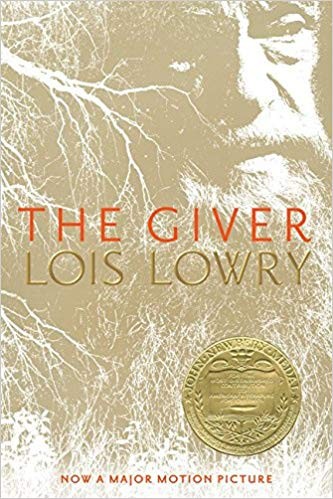
The Giver
1993 novel by Lois Lowry

Cloud Atlas
2004 novel by David Mitchell
The First Men in the Moon
novel by H. G. Wells

The Maze Runner
2009 novel by James Dashner

The Running Man
1982 novel by Stephen King
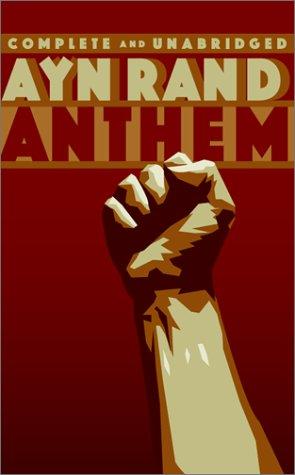
Anthem
novel by Ayn Rand
Paris in the Twentieth Century
novel by Jules Verne published posthumously in 1994
War with the Newts
novel by Karel Čapek
Date A Live
Japanese light novel series

The Long Walk (novel)
The Long Walk is a dystopian horror novel by American writer Stephen King, published in 1979, under the pseudonym Richard Bachman. Set in a dystopian alternative version of the United States ruled by a totalitarian regime, the plot follows the contestants of a grueling annual walking contest. While not the first of King's novels to be published, The Long Walk was the first novel he wrote, having begun it in 1966–67 during his freshman year at the University of Maine, some eight years before his first published novel, Carrie, was released in 1974.
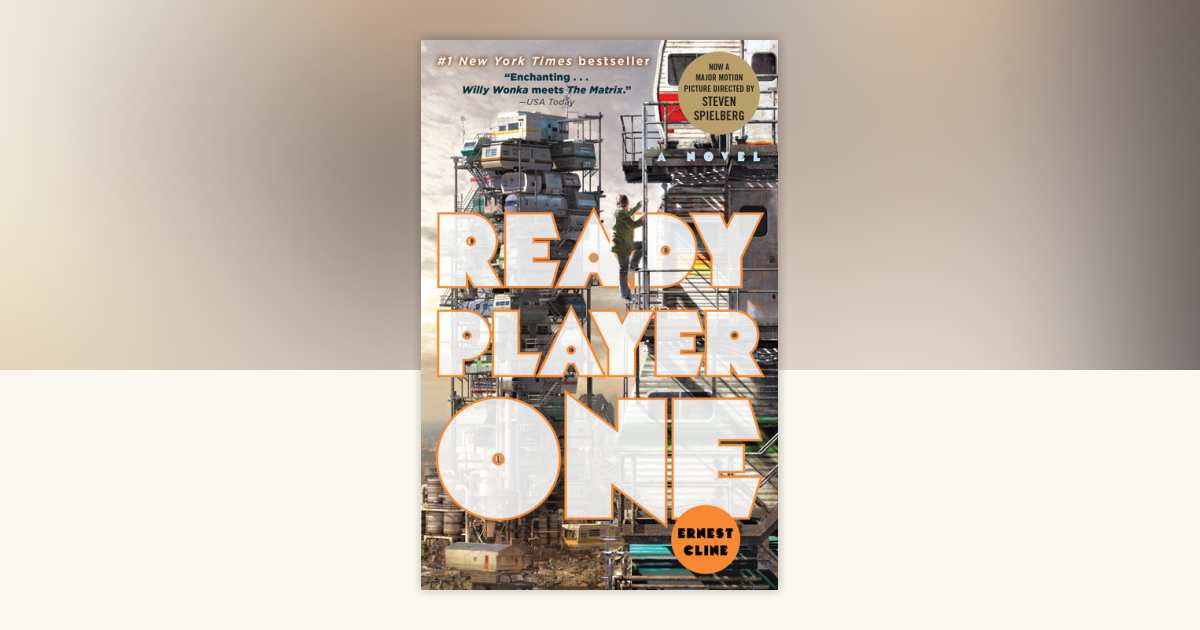
Ready Player One
novel by Ernest Cline
World War Z
2006 novel by Max Brooks
Soumission
2015 novel by Michel Houellebecq

The Ballad of Songbirds and Snakes
2020 novel by Suzanne Collins
The Iron Heel
1908 novel by Jack London

Battle Royale
1999 novel by Koushun Takami

Fatherland
1992 novel by Robert Harris

The Turner Diaries
novel by William Luther Pierce

Insurgent
2012 novel by Veronica Roth

Altered Carbon
2002 novel by Richard K. Morgan
The Sleeper Awakes
1899 novel by H. G. Wells
Left Behind
series of 16 novels by Tim LaHaye and Jerry B. Jenkins, published 1995-2007
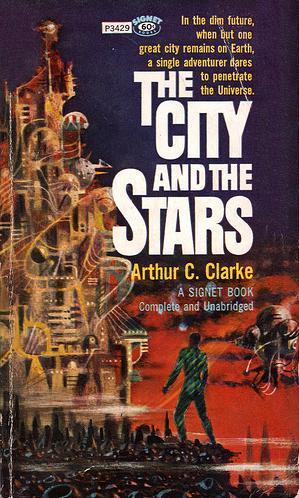
The City and the Stars
1956 novel by Arthur C. Clarke

Sunrise on the Reaping
Sunrise on the Reaping is a 2025 dystopian novel written by American author Suzanne Collins and the second prequel novel to the original The Hunger Games trilogy, following The Ballad of Songbirds and Snakes (2020). Set about 24 years before the events of the first novel, the narrative delves into themes of political manipulation, the power of propaganda, and the complexities of societal control under a totalitarian regime and centers on the 50th Hunger Games, in which Haymitch Abernathy competed. It was released on March 18, 2025, and published by Scholastic.
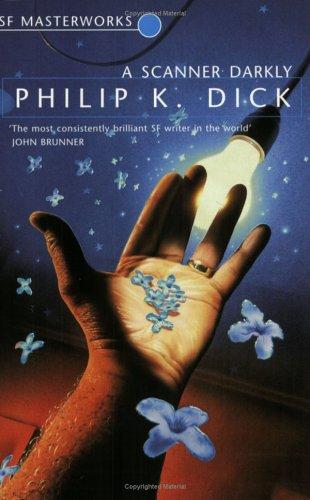
A Scanner Darkly
1977 novel by Philip K. Dick

Infinite Jest
1996 novel by David Foster Wallace

The Testaments
The Testaments is a 2019 novel by Margaret Atwood. It is the sequel to The Handmaid's Tale (1985). The novel is set 15 years after the events of The Handmaid's Tale. It is narrated by Aunt Lydia, a character from the previous novel; Agnes Jemima, a young woman living in Gilead; and Daisy, a young woman living in Canada.

Flow My Tears, the Policeman Said
1974 novel by Philip K. Dick
The Scorch Trials
2010 novel by James Dashner

Allegiant
2013 novel by Veronica Roth

The Forever War
1974 novel by Joe Haldeman

The Last Man
novel by Mary Shelley

Klara and the Sun
2021 novel by Kazuo Ishiguro