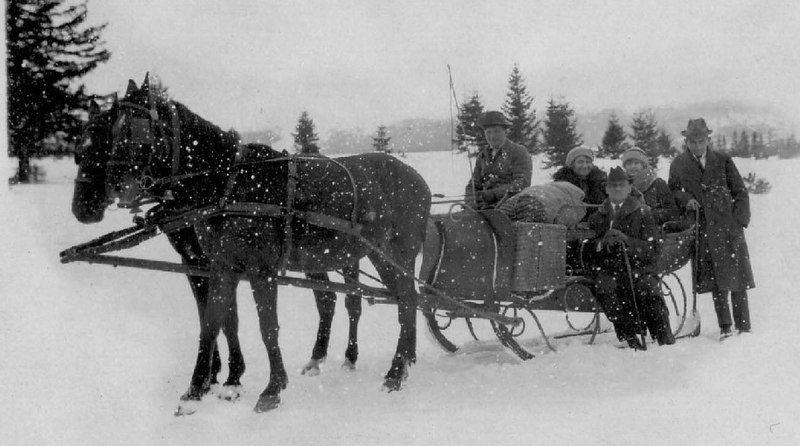
File:Kafka_in_the_snow.jpg · Wikimedia Commons · See Wikimedia Commons
Key facts
- Author
- Franz Kafka
- Original title
- Das Schloss
- Translator
- see Publication history
- Language
- German
- Genre
- Political fiction , absurdist fiction , paranoid fiction
- Set in
- A village in Central Europe
- Publisher
- Kurt Wolff
- Library of congress classification span
- PT2621.A26 S33
- Original text
- Das Schloss at German Wikisource
- Website
- www .franzkafka .de /werk /das-schloss
via Wikipedia infobox
Wikidata facts
- Author
- Franz Kafka
- Country of origin
- Austria
- Main subject
- anguish
- Depicts
- existentialism
- Image
- Kafka Das Schloss 1926.jpg
Show 10 more facts
- title
- Castelul
- publication date
- 1926-00-00
- Commons category
- Kafka - Das Schloß (1926)
- inception
- 1922-00-00
- language of work or name
- German
- first line
- Es war spät abends, als K. ankam
- last line
- K. war schon im Flur, und Gerstäcker hielt ihn wieder am Ärmel fest, als die Wirtin ihm nachrief: »Ich bekomme morgen ein neues Kleid, vielleicht lasse ich dich holen.«
- different from
- Zamek
- form of creative work
- novel
- copyright status
- public domain
via Wikidata · CC0
~19 min read
Encyclopedic overview
The Castle (German: Das Schloss, also spelled Das Schloß [das ˈʃlɔs]) is the last novel by Franz Kafka, first published in 1926. In it, a protagonist known only as "K." arrives in a village and struggles to gain access to the mysterious authorities who govern it from a castle supposedly owned by Graf Westwest.
Kafka died before he could finish the work and the novel was posthumously published against his wishes. Dark and at times surreal, The Castle is often understood to be about alienation, unresponsive bureaucracy, the frustration of trying to conduct business with non-transparent, seemingly arbitrary controlling systems, and the futile pursuit of an unobtainable goal.
Excerpted from Wikipedia’s “The Castle” article, available under the CC BY-SA 4.0 licence.